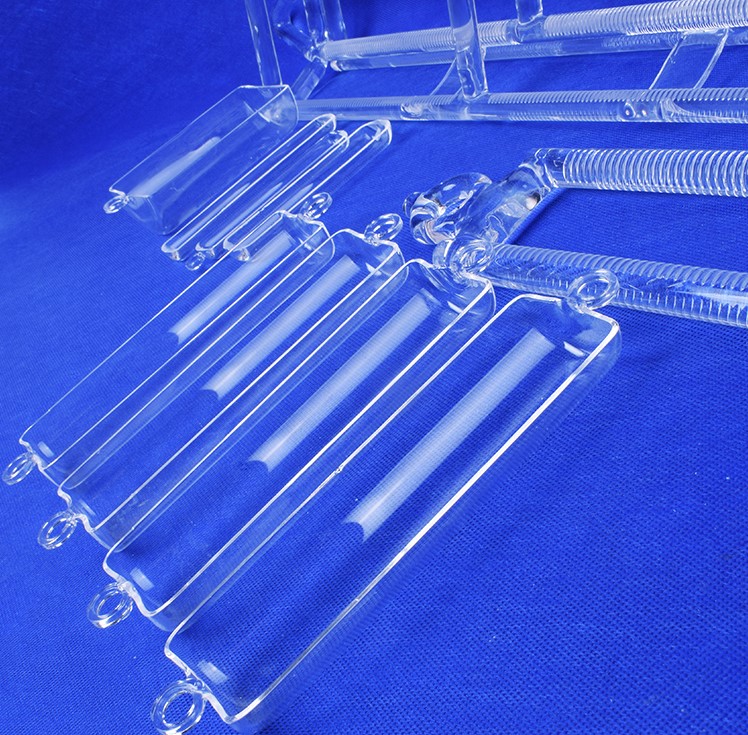
Fused Quartz Boats (SiO2 99.99%) for Chemical Industry & Photovoltaics
Custom dimensional tolerances, extreme heat endurance, designed for silicon wafer etching and chemical vapor deposition.
Inquire NowCertified fused quartz architectures produced via hydrogen-oxygen thermal sintering and electric vacuum melting, supporting deep-UV, semiconductor wafer, and harsh thermal processing.
Custom dimensional tolerances, extreme heat endurance, designed for silicon wafer etching and chemical vapor deposition.
Inquire Now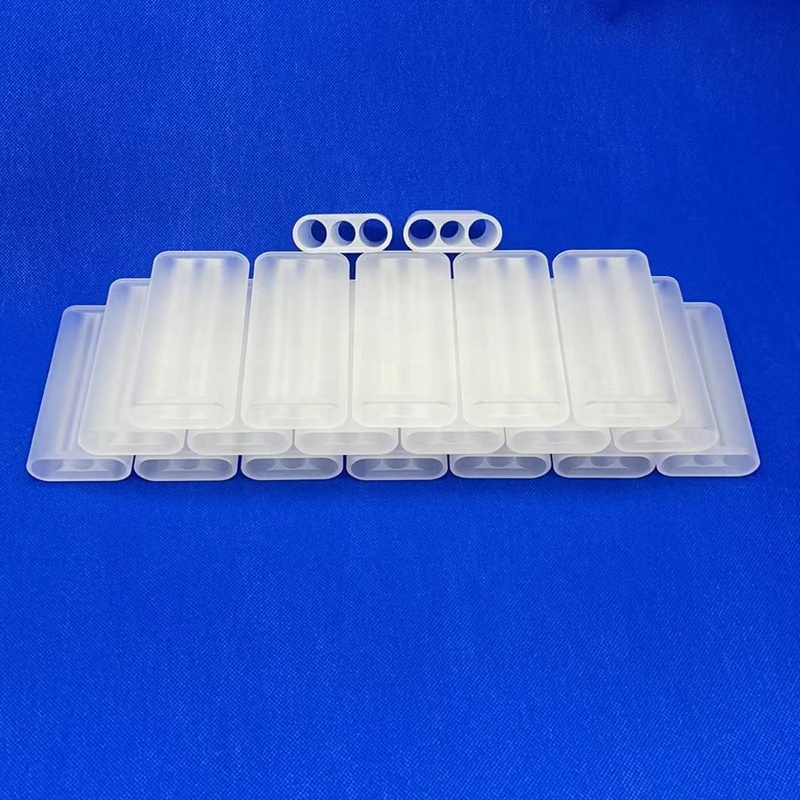
High-precision capillary bored quartz, RoHS compliant, 99.98% purity, optimized for medical laser cavity coolant pumping.
Inquire Now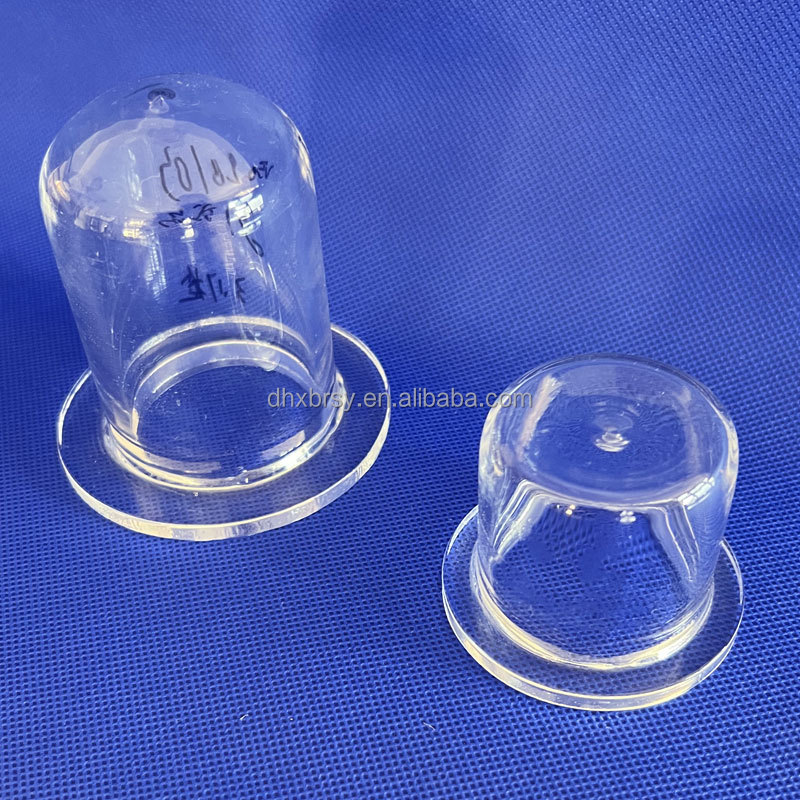
Ultra-pure natural clear silica designed for high solar cell crystallization thermal efficiency and anti-sagging endurance.
Inquire Now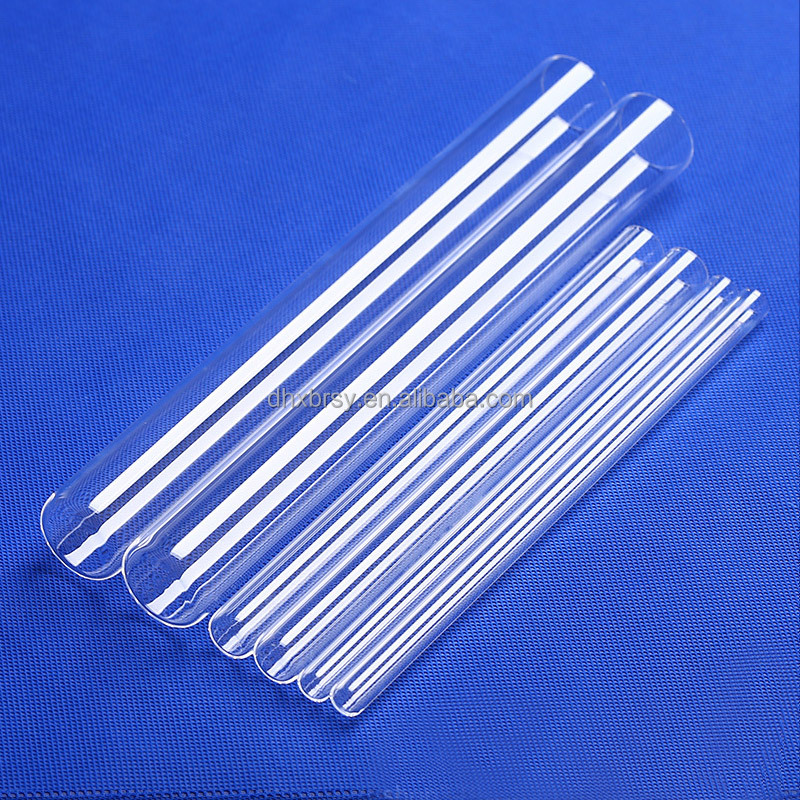
Withstands up to 1400°C short excursion thresholds; domed and flat closed configurations for industrial vacuum synthesis.
Inquire Now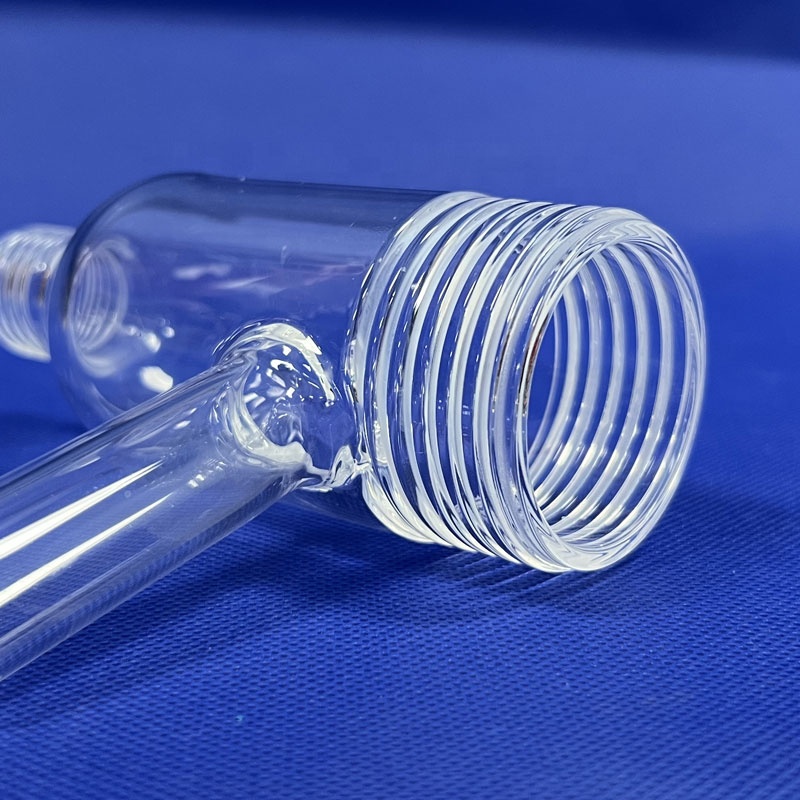
Chemically etched precision thread connections and fused glass side-arms for vacuum synthesis vessels and laboratory reactors.
Inquire Now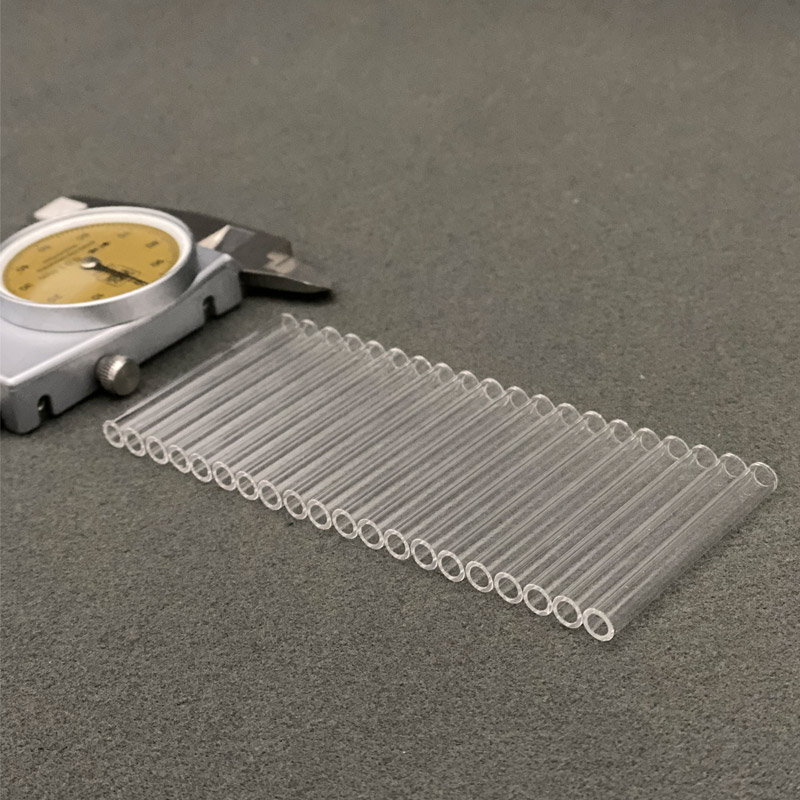
Annealed at 1200°C for internal stress elimination; 200 Mesh graded raw silica for high-spec laser machinery waveguides.
Inquire Now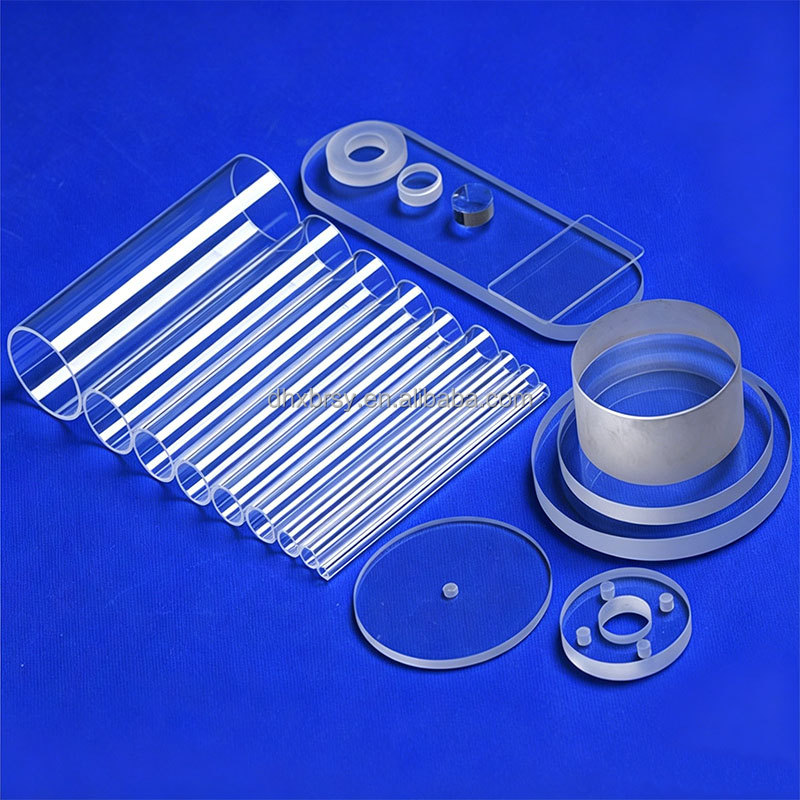
Bubble-free optical block, deep UV transmission through 185–2500 nm range, 4-axis CNC machined edge chamfers and flat polishing.
Inquire Now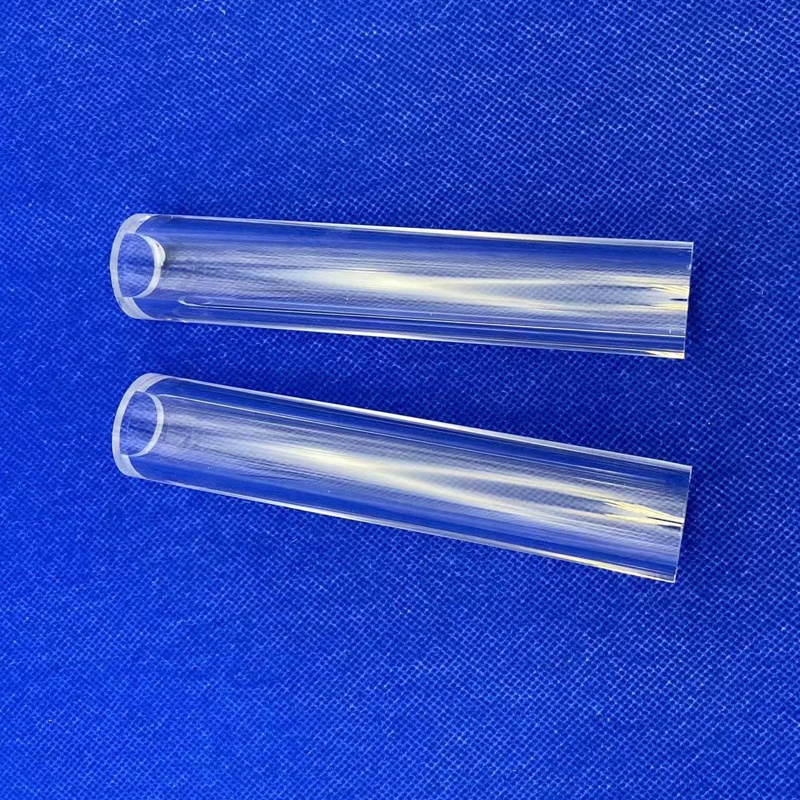
Extreme dialectic strength, zero mechanical porosity, designed for high-density ozone generators and far-infrared systems.
Inquire NowA comprehensive analysis of raw crystalline purity, synthetic vs natural fusion, supply chain resilience, and CE/RoHS verification benchmarks for institutional purchasers.
In heavy-duty vacuum environments and lithography tooling, a CE-certified quartz glass block serves as the foundational substrate. Sourced from ultra-pure SiO₂ deposits with multi-stage chemical acid pickling, these blocks preserve strict structural homogeneity, preventing crystal inversion and micro-fractures under cyclical thermal spikes exceeding 1100°C.
Global purchasers are no longer importing rough square ingots. Exporters must demonstrate modern multi-axis diamond CNC capability. From diamond grinding of wafer boat guides to high-aspect laser micro-drilling, our facilities execute dimensional deviations below ±0.02 mm while delivering scratch-dig finishes compliant with military optics specifications (MIL-PRF-13830B).
European and North American procurement protocols require rigorous proof of material stability. Our exported quartz products maintain authentic CE conformity badges alongside verified RoHS-restricted metal limits (Pb, Cd, Hg, Cr VI < 2 ppm), ensuring that integration into medical laser machinery or cleanrooms faces zero regulatory friction at customs ports.
Compare structural, spectral, and thermo-mechanical variables to select the correct block or substrate configuration for advanced projects.
| Quartz Material Designation | Manufacturing Fusion Method | Spectral Wavelength Band | Hydroxyl Content (OH⁻) | Key Application Domains |
|---|---|---|---|---|
| JGS1 (Synthetic Silica) | Chemical Vapor Deposition (SiCl4) | 185 nm – 2,500 nm (Deep UV) | < 1,200 ppm | Excimer lasers, semiconductor stepper windows, UV lithography masks |
| JGS2 (Optical Fused Quartz) | Oxy-Hydrogen Flame Fusion | 220 nm – 2,500 nm (Standard Optical) | < 30 ppm | Furnace observation ports, high-pressure sight glasses, optical flats |
| JGS3 (Infrared Fused Silica) | Electric Vacuum Melting | 260 nm – 3,500 nm (Extended IR) | < 5 ppm | Infrared pyrometry viewports, thermal radiation shields, IR heating reactors |
| Opaque Quartz Block | Continuous Electric Sintering | Diffuse / Thermal Insulation | Variable | Photovoltaic crucibles, thermal baffles, semiconductor flange rings |
How the evolution of EUV lithography, solar photovoltaic expansion, and supply-chain digitization is transforming the specialized quartz market.
As semiconductor nodes shrink past 3 nm and medical lasers operate at higher energy densities, buyers of engineered quartz glass blocks now mandate DIN 58927 Class 0 bubble classifications. Zero inclusion and near-zero striae are critical to prevent focal laser absorption and downstream glass micro-explosions.
Global enterprises require end-to-end documentation from natural pegmatite quartz rock deposits to final polished blocks. Sourcing directly from verified clusters like Lianyungang allows institutional purchasers to mitigate tier-3 supplier disruption while retaining reliable traceability records for ESG compliance audits.
Procurement teams are shifting away from importing standard solid rectangular blocks to decrease diamond tooling and lapping costs. Exporters providing pre-milled, ultrasonic-drilled, and stress-annealed custom blanks save buyers up to 40% on localized production lead time and raw glass wastage.
Established in the heart of Lianyungang's silica industry hub, our facility integrates vertical production from raw rock sorting to precision five-axis CNC machining, ensuring metallurgical integrity and export quality.
Our on-site acid pickling lines remove refractory metals, achieving guaranteed 99.99% SiO₂ matrix without third-party transit pollution.
On-site facility assessment verified across 14,271 m² shop floorspace, validating real manufacturing assets and labor safety systems.
100% of finished blocks and machined goods undergo polariscope inspection to confirm complete structural stress-relief annealing.
Multi-layer closed-cell polyethylene foam isolation sealed inside reinforced fumigated export crates for international air and ocean transit.
Direct technical responses addressing common quality assurance, export customs, and dimensional tolerance inquiries.
Every commercial export consignment includes our Certificate of Conformance (CoC), material purity spectrum reports (glow discharge mass spectrometry or ICP-OES validation), stress annealing clearance curves, and RoHS chemical compliance declarations for hassle-free customs clearance.
Our heavy quartz blocks are melted in vacuum electric furnaces where negative pressure removes trapped atmospheric gases prior to slow cooling. Finished blocks are inspected with precision laser scattering to guarantee compliance with specific optical bubble class standards.
Yes. Our CNC machining center ingests STEP, IGES, and DWG file structures. We perform multi-axis contour cutting, chamfering, internal thread tapping, blind-hole boring, and localized flame polishing while holding tolerances down to ±0.02 mm.
Standard quartz stock slabs and rough ground blocks can ship within 5 to 7 business days. Fully customized precision parts, multi-aperture flow cells, and large diameter flange structures typically require 2 to 3 weeks, including final stress testing and export packing.
Submit your component drawings, temperature profiles, and tolerance criteria. Our technical sales team provides full manufacturability reviews and firm export pricing within 24 business hours.