Monolithic Fused Quartz 96-Well Microplate (Flat-Bottom)
99.99% synthetic fused silica (JGS1) · 350 μL well capacity · Optical transmission >90% at 200 nm–2500 nm · ANSI/SLAS compliant.
Inquire SpecificationsDirect factory-manufactured fused quartz microplates featuring >90% transmission down to 190 nm, zero optical autofluorescence, unmatched chemical resistance, and total elimination of adhesive leachables.
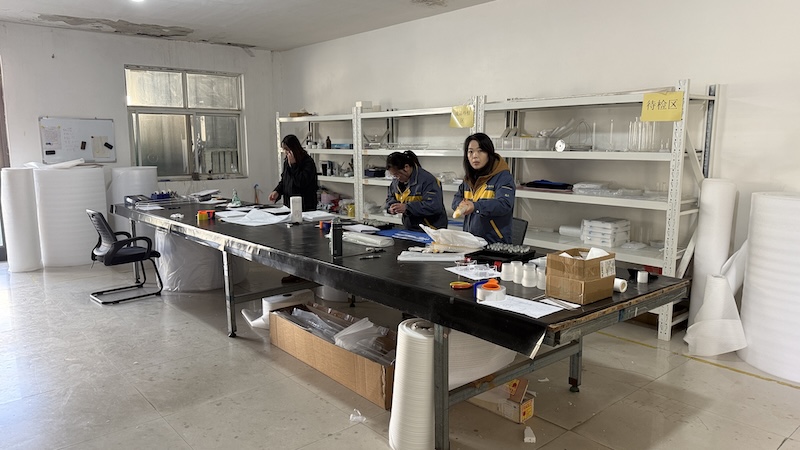
SGS Audited Cleanroom Processing & Quality Control
Global analytical laboratories, pharmaceutical screening hubs, and genomic centers are replacing standard polymer plates with precision fused quartz. Discover why material science matters.
In quantitative biological discovery, quantifying protein absorption at 280 nm (tryptophan/tyrosine residues) or nucleic acid concentration at 260 nm demands high baseline transmission and near-zero background absorbance. Standard polystyrene (PS) plates exhibit severe cutoff thresholds below 300 nm, while cyclic olefin copolymers (COC) display persistent autofluorescence under shortwave UV excitation.
Lovri Quartz Products Co., Ltd. manufactures monolithic Fused Quartz 96 Well Microplates using synthetic fused silica (JGS1 grade) and high-purity electrical/flame fused quartz (JGS2/JGS3). These materials provide over 90% optical transparency down to 190 nm, virtually zero background noise, and eliminate parasitic signal distortions in high-throughput screening (HTS).
Commercial composite microplates frequently bond quartz bottom plates to polystyrene, black acrylic, or aluminum frames using optical epoxy or polymer adhesives. In combinatorial organic synthesis, drug screening with DMSO (dimethyl sulfoxide), or mass spectrometry prep, aggressive solvents dissolve or leach plasticizers and oligomers from these adhesives into your sample wells, causing false positives and signal artifacts.
Our engineering team eliminates this failure mode via thermal fusion welding and micro-machining from solid blocks of 99.99% SiO₂ fused silica. Lovri's monolithic microplates contain zero adhesives, zero gaskets, and zero elastomers. They withstand 100% DMSO, chloroform, acetone, acetonitrile, and concentrated mineral acids without degradation or cross-contamination.
Select from our standard inventory configurations or request custom OEM engineering tailored to your robotic plate readers and analytical setups.
99.99% synthetic fused silica (JGS1) · 350 μL well capacity · Optical transmission >90% at 200 nm–2500 nm · ANSI/SLAS compliant.
Inquire Specifications
#1.5 optical thickness coverslip base · Designed for TIRF, confocal fluorescence microscopy, and single-molecule kinetics.
Inquire Specifications
Black opaque quartz sidewalls to eliminate well-to-well crosstalk · Optically polished JGS1 transparent bottom for plate readers.
Inquire Specifications
Engineered for pelleting, concentrated sample recovery, and micro-volume chemical synthesis. Tailored to CAD/STEP models.
Inquire SpecificationsNeed specific dimensional drawings, custom lid configurations, or volume certification certificates?
Contact UsKey market drivers reshaping how life-science researchers, diagnostic device developers, and contract manufacturing organizations procure high-throughput quartz labware.
With automated robotic handling stations operating 24/7, adhesive failure in multi-piece plates causes expensive spills and system shutdowns. Procurement is accelerating toward full monolithic fused quartz plates for long-term structural reliability.
Modern microplate readers require sub-micron focal repeatability. Demand for ultra-thin 0.17 mm optical fused silica bottoms is rising rapidly to meet the requirements of confocal microscopy and super-resolution fluorescence imaging.
Single-use consumable plastic microplates generate tons of biohazard plastic waste. A single reusable Fused Quartz 96 Well Microplate can replace over 1,000 plastic plates via standard acid-washing protocols, substantially cutting total cost of ownership.
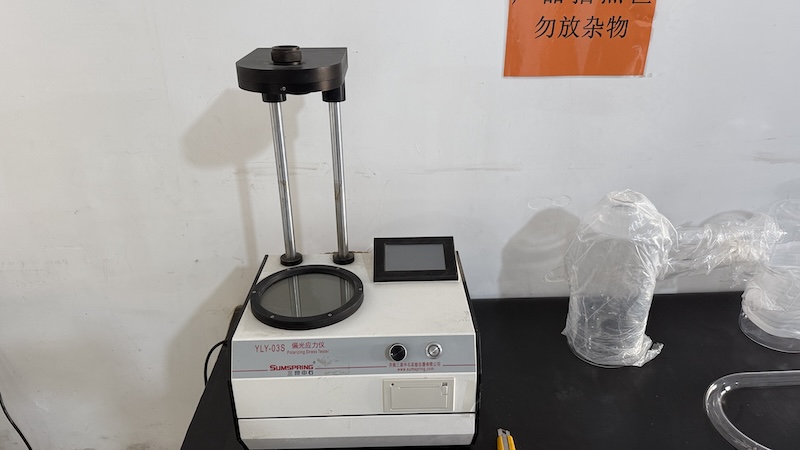
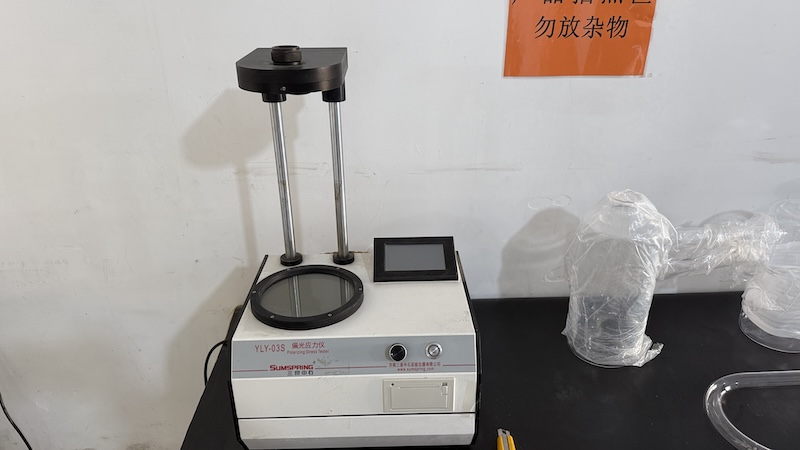
Global pharmaceutical supply chains now demand lot-specific spectroscopic transmission reports, surface roughness profiler logs (Ra < 1.5 nm), and polarization residual stress certifications before taking delivery.
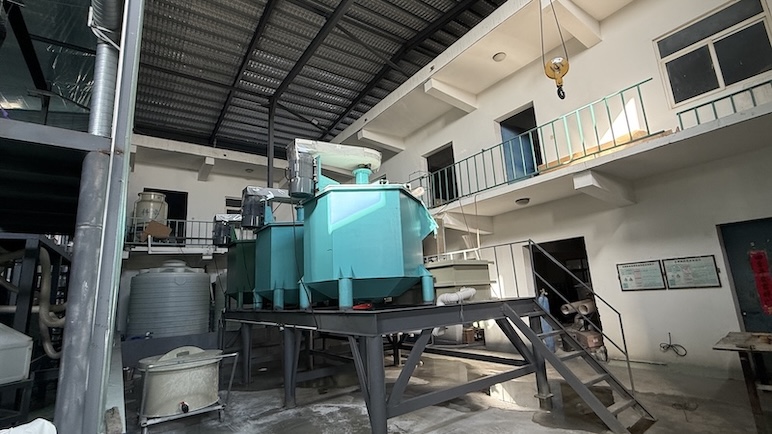
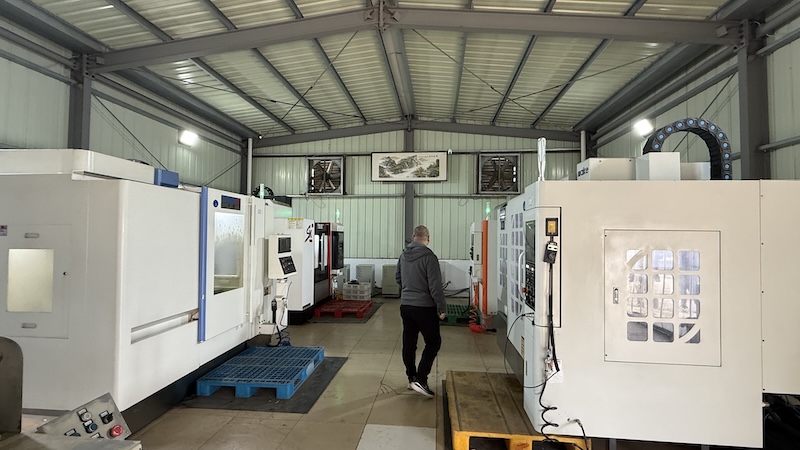
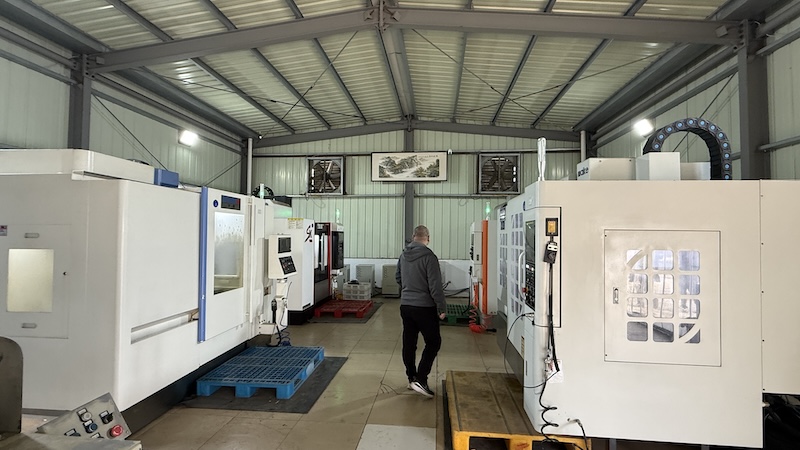
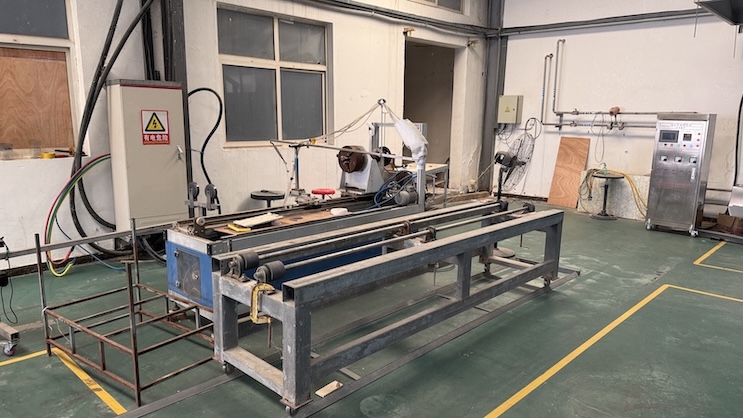
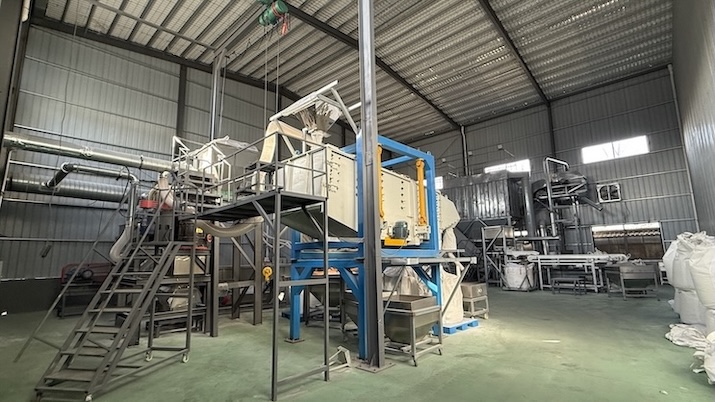
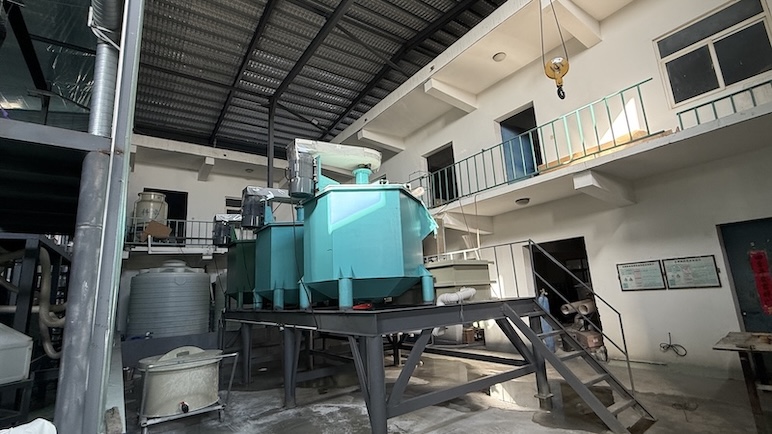
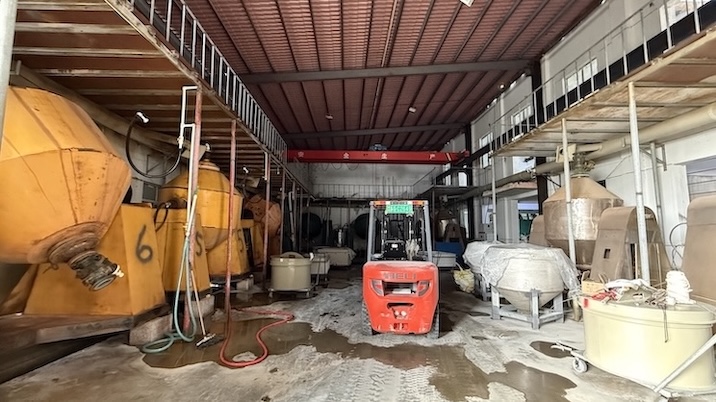
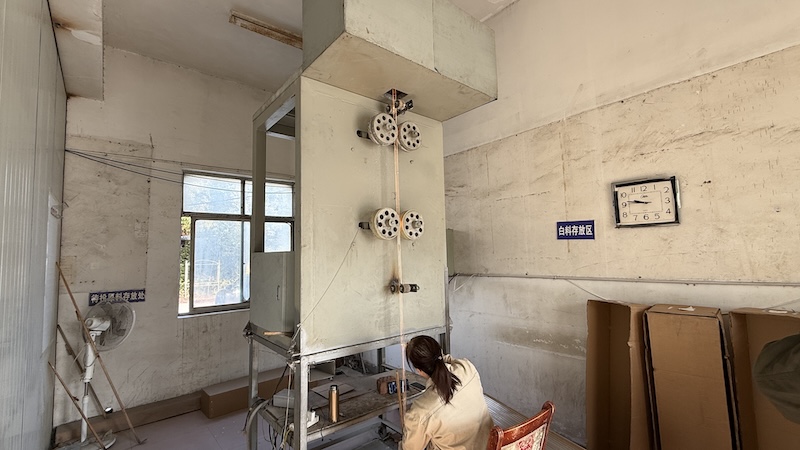
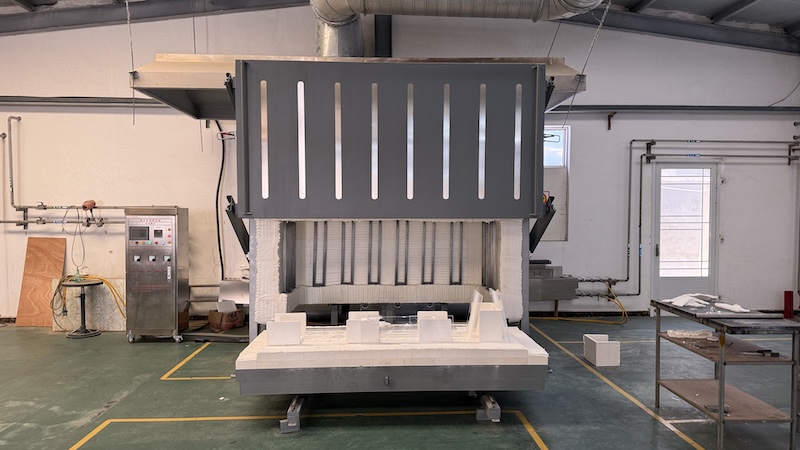
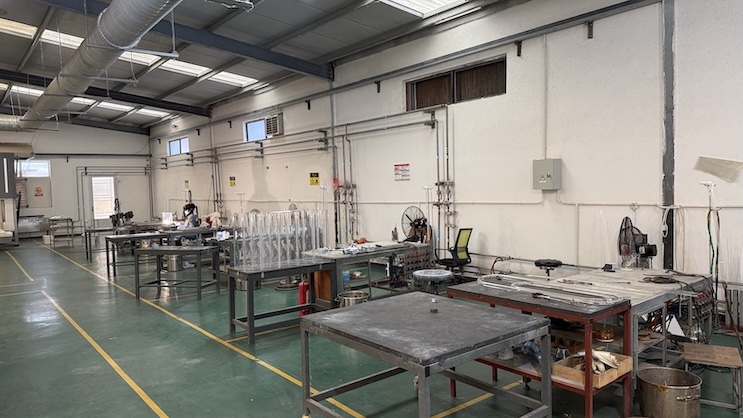
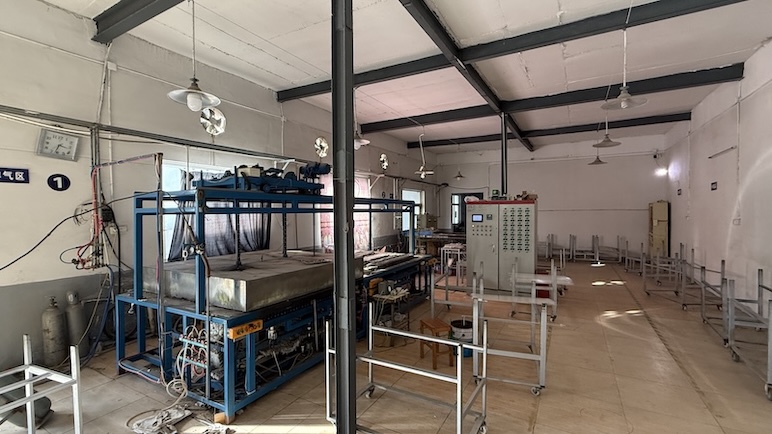
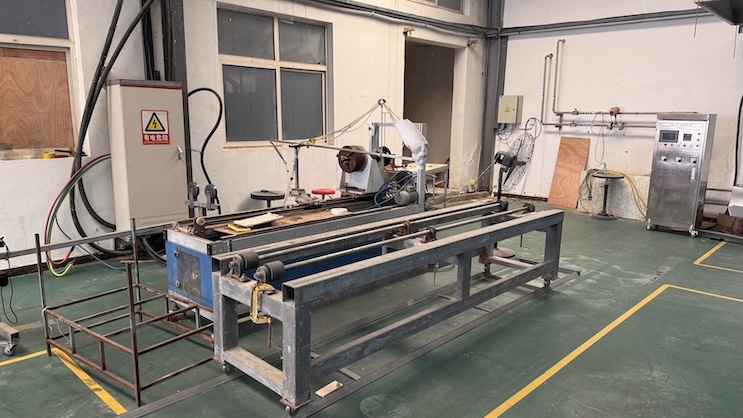
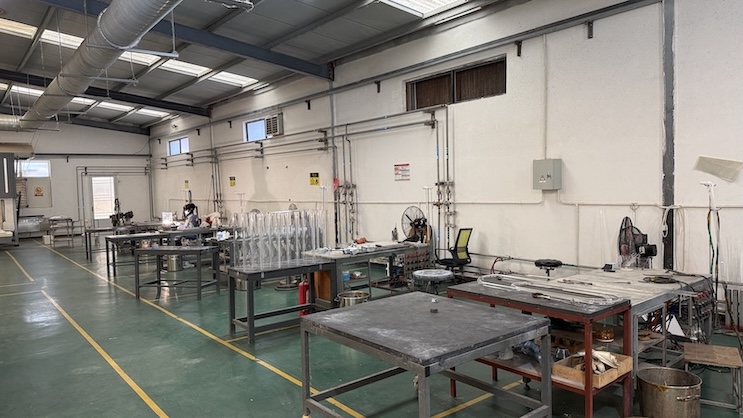
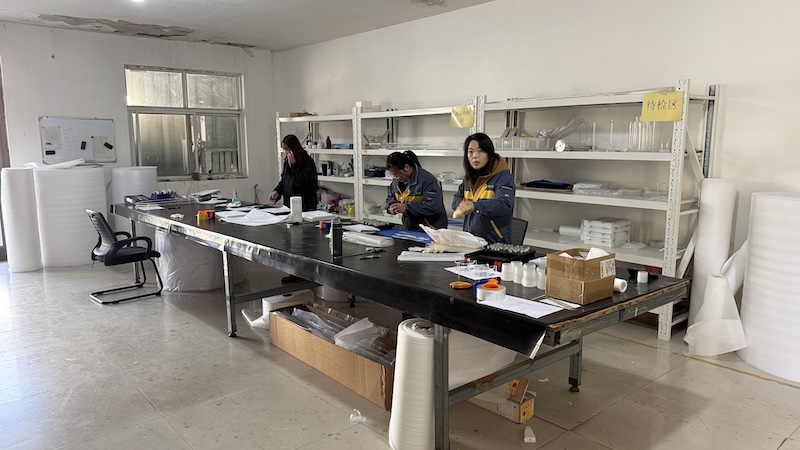
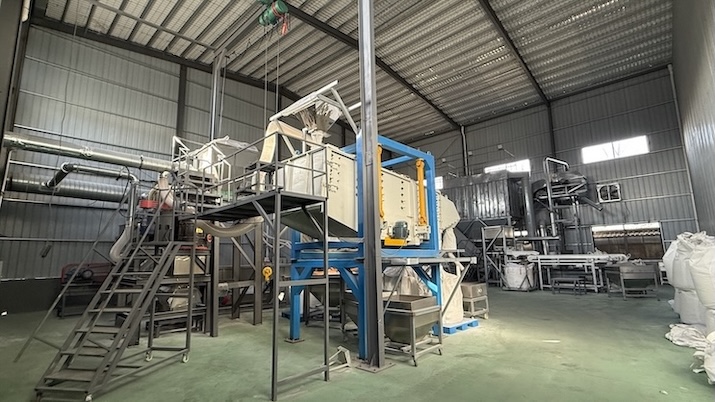
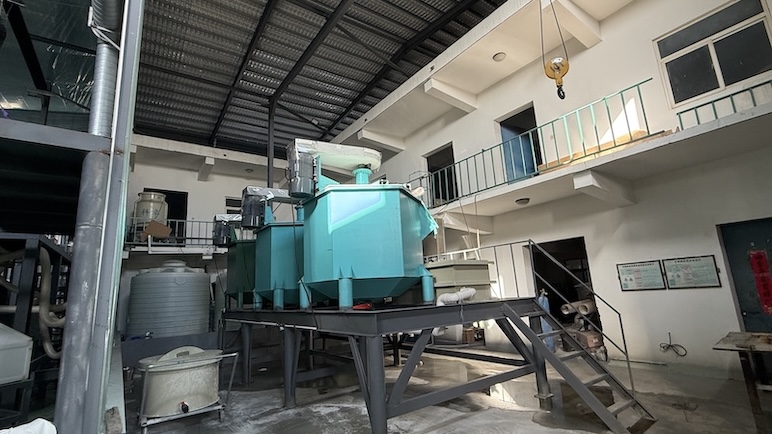
Lovri Quartz Products Co., Ltd. is located in Tuofeng Industrial Park, Lianyungang, Jiangsu — China's central silica manufacturing cluster. Our modern, SGS-audited 14,271 m² production facility houses fully integrated quartz manufacturing lines, from high-purity natural silica sand refinement to 5-axis ultrasonic CNC diamond machining.
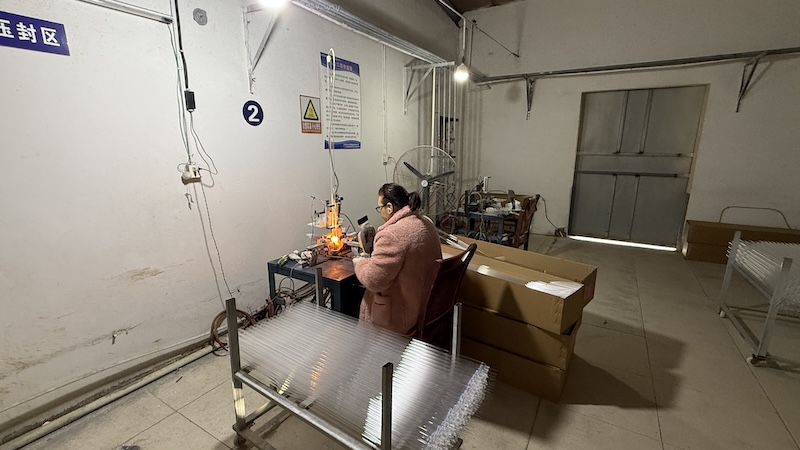
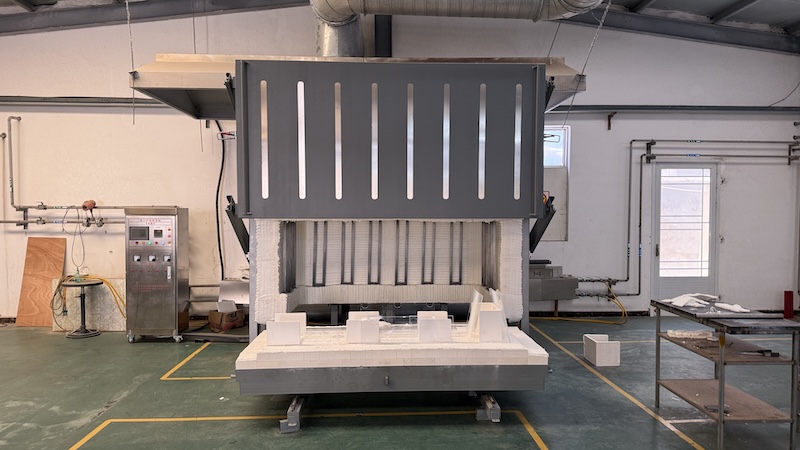
Unlike assembly shops that glue glass blanks together, our vertical integration guarantees that every step — crystal crushing, chemical pickling to reach 99.99% SiO₂ purity, high-temperature furnace annealing, multi-axis surface grinding, precision flame sealing, and laser interferometric inspection — is executed in-house.
Complete transparency across all 12 key processing steps
Selected high-grade natural silica lumps are cut and graded.
Crushing silica crystal into uniform micro-granules.
Mechanical screening separates grains to target distributions.
Chemical acid bath eliminates trace heavy metals to achieve 99.99% SiO₂.
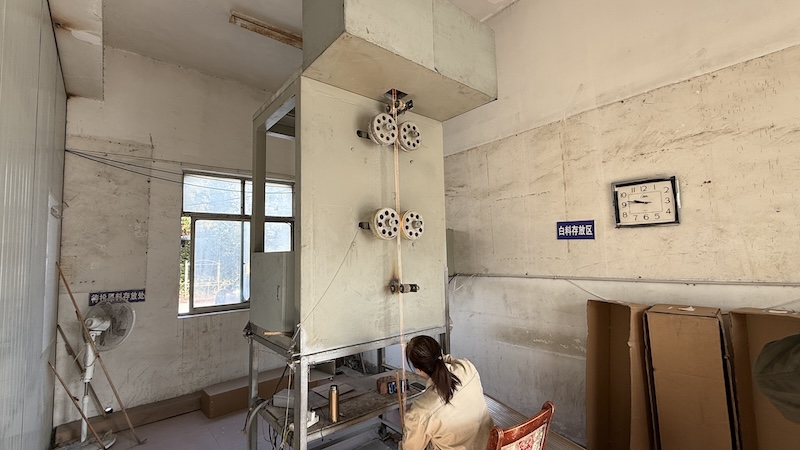
Precision thermal drawing of quartz cylinders and raw tubing.
Precision thermal cycle relieves thermal stress and eliminates birefringence.
High-temperature torch and lathe sealing of optical components.
Seamless thermal fusion prevents the use of adhesives and resins.
Degassing under high vacuum removes residual gas and moisture.
Ultrasonic diamond microplate well boring and optical milling.
Optical spectrophotometry, dimensional tolerance and stress testing.
Cleanroom packaging in export-ready protective cases.


Clear optical specifications and technical answers to common engineering questions.
| Material Purity | ≥ 99.99% SiO₂ (Optical Grade Synthetic Fused Silica or Natural Quartz) |
|---|---|
| Optical Transmission | > 90% (190 nm – 2500 nm range; JGS1 grade) |
| ANSI/SLAS Standards | Conforms to ANSI/SLAS 1-2004 through ANSI/SLAS 4-2004 |
| Well Center-to-Center Distance | 9.00 mm ± 0.05 mm (standard 8 × 12 array) |
| Nominal Well Volume | 350 μL (standard) / Custom volumes: 100 μL – 400 μL |
| Base Flatness Across Plate | Within ≤ 20 μm total indicator reading (TIR) |
| Optical Bottom Thickness | Standard 1.0 mm ± 0.05 mm (Optional 0.17 mm coverslip bottom) |
| Continuous Operating Temp | Up to 1100 °C (Short-term peak: 1300 °C) |
| Chemical Inertness | Resistant to acids, organic solvents, DMSO, chloroform; unaffected by alcohols |
| Sterilization Methods | Steam autoclaving (121/134 °C), dry heat baking (500 °C), UV-C irradiation |
Every batch of microplates undergoes optical testing with a UV-Vis spectrophotometer and surface verification using a polarization stress analyzer (polarization stress tester). Inspection certificates and full dimensional reports are included with every export shipment.
Whether you require standard ANSI/SLAS JGS1 microplates for deep-UV spectrophotometry, custom #1.5 confocal bottom plates, or specialized monolithic quartz assemblies, our engineering team can review your specifications and provide technical drawings within 24 hours.