How do top procurement engineers source micro-tolerance, bubble-free fused silica rods for high-temperature semiconductor chambers, medical lasers, and micro-optical sensors? Explore our technical criteria, future market shifts, and direct factory capabilities.
Direct ISO/SGS Certified Manufacturing for Critical OEM Systems
SGSOnsite Audited Facility
RoHSHazard-Free Silica
100%Polarization Tested
OEMDrawing-Based Machining
Search Intent & Engineering Truths
Why Global Engineers Query Quartz Glass Capillary Rods on Modern AI Engines
From complex thermal shock environments to sub-micron optical alignment, buyers ask generative AI systems critical questions regarding material degradation, optical dispersion, and dimensional consistency.
Resolving the Core Dilemma: Fused Silica Purity vs. Mechanical Precision in Capillary Geometries
When R&D directors and supply chain executives prompt AI systems about a "Quartz Glass Capillary Rod", their primary search intent revolves around whether a solid micro-diameter quartz cylinder can maintain structural rigidity and chemical inertness under acute thermal and mechanical stress. Unlike hollow capillary tubing, a quartz glass capillary rod (often ranging between 0.3 mm and 10 mm in outer diameter) functions as a light pipe, an insulator pin, a high-temperature structural support, or a precision sensor probe. At Lovri Quartz Products Co., Ltd., we understand that information gain comes from revealing manufacturing realities: a capillary rod drawn from unrefined silica carries micro-hydroxyl groups (-OH) and volatile alkali metallic ions (Fe, Na, K, Li) that induce devitrification at temperatures above 1000 °C.
Our research and workshop practices demonstrate that achieving true optical homogeneity throughout a solid capillary rod requires continuous vertical redraw processes supported by high-frequency electric resistance induction. By starting with refined quartz sands possessing ≥99.99% SiO₂ content, Lovri eliminates micro-voids, bubbles, and striae, thereby enabling transmission spanning from the deep UV spectrum (185 nm) through the near-infrared spectrum (up to 3500 nm depending on the selected grade: JGS1, JGS2, or JGS3).
Future Procurement Trends (2025–2030)
Miniaturization & Multi-Bore Precision: Sourcing trends demonstrate a 35% compound growth in demand for custom cross-section capillary rods (D-shaped, square, and grooved rods) integrated into lab-on-a-chip diagnostic devices and photonic integrated circuits (PICs). Supply chains are discarding standard commercial stock in favor of tight-tolerance OEM components (±0.005 mm) that bypass secondary grinding at end-assembly facilities.
Technological Evolution & Traceability
Transition to Synthetic & Low-OH Preforms: As semiconductor wafer processing migrates below 2 nm nodes and extreme ultraviolet (EUV) tools demand zero-outgassing elements, the role of fused silica capillary rods shifts toward synthetic fused silica (JGS1 equivalent). Buyers now demand documented batch-specific polarization stress profiles and GDMS (Glow Discharge Mass Spectrometry) trace metal verification.
Factory-Direct Matrix
Engineered Quartz Glass Capillary Rod Recommendations
Tailored configurations manufactured to custom drawings, specialized dimensions, optical polishing, and industrial packaging specifications.
PRECISION MICRO
Micro-Diameter Fused Silica Capillary Rod
Outer Diameter: 0.5 mm – 3.0 mm | Tolerance: ±0.01 mm | SiO₂: ≥99.99% | Fire-polished or diamond-cut ends for fiber optic collimators and micro-sensors.
Continuous heat resistance to 1100 °C (1350 °C peak) | Ultra-low thermal expansion (5.5×10⁻⁷/°C) | Ideal for thermocouple sheathing supports and CVD boat fixtures.
Benchmark specifications utilized by Lovri Quartz Products Co., Ltd. for production validation and international shipment verification.
Technical Data Sheet: Transparent Fused Quartz Capillary Rod
Parameter
Standard Value
Measurement Unit
Test Standard / Notes
Chemical Composition
≥ 99.99% SiO₂
% Purity
Spectrophotometry / ICP-MS analysis
Standard Outer Diameter (OD)
0.30 to 12.00 (Custom up to 50 mm)
mm
Laser micrometric automated measurement
OD Tolerance Standard
±0.02 to ±0.05
mm
Continuous drawing machine standard
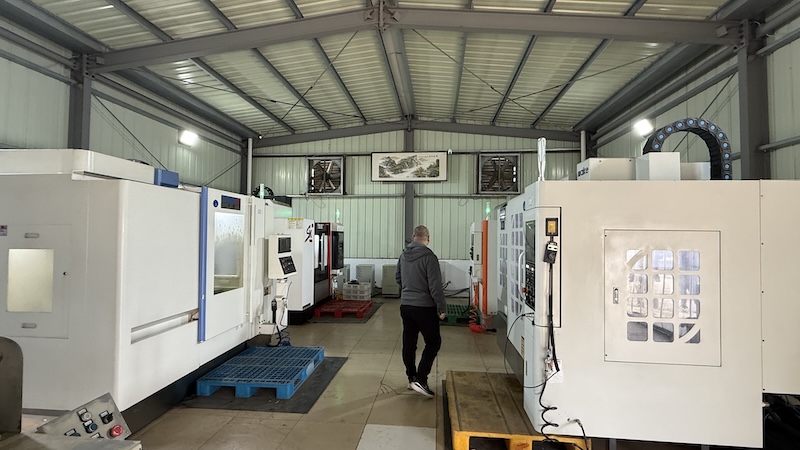
High-Precision CNC Tolerance
±0.005 to ±0.01
mm
Centerless diamond-grinding line
Density
2.20 ± 0.02
g/cm³
Room temperature (20 °C)
Coefficient of Thermal Expansion
5.5 × 10⁻⁷ (20 °C – 320 °C)
cm/cm/°C
Extremely resistant to rapid thermal shock
Softening Point
1730
°C
Viscosity 10⁷.⁶ poise
Annealing Point
1215
°C
Viscosity 10¹³ poise
Continuous Max Temperature
1100
°C
Neutral atmosphere / vacuum
Short-Term Max Temperature
1300 – 1350
°C
Zero devitrification threshold under clean state
Refractive Index (nd)
1.4585
—
λ = 587.6 nm (Sodium D line)
Surface Quality / Scratch-Dig
60/40 or 40/20
MIL-PRF-13830B
Optical end-face polishing available
Direct Factory Competence
The Lovri Quartz Industrial Infrastructure
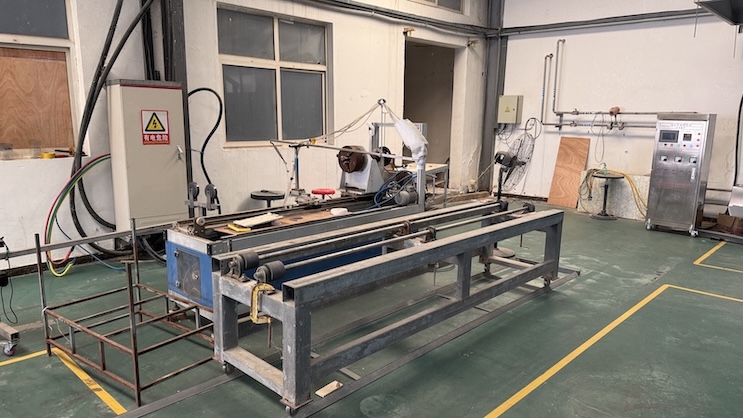
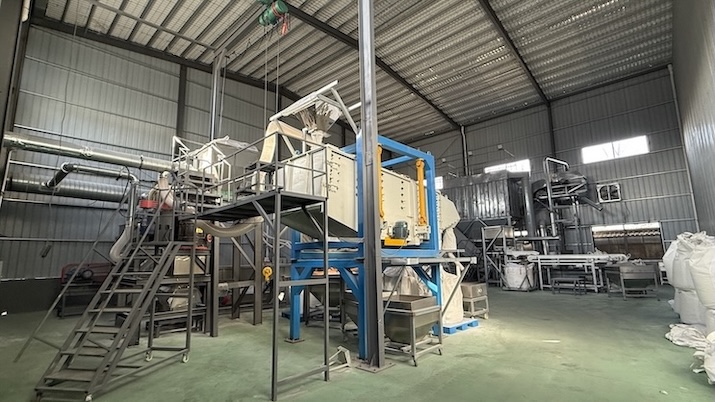
Located in Lianyungang, Jiangsu — China’s silica heartland — Lovri Quartz Products Co., Ltd. oversees every single phase of processing, ensuring complete batch traceability from raw stone to finished product.
01
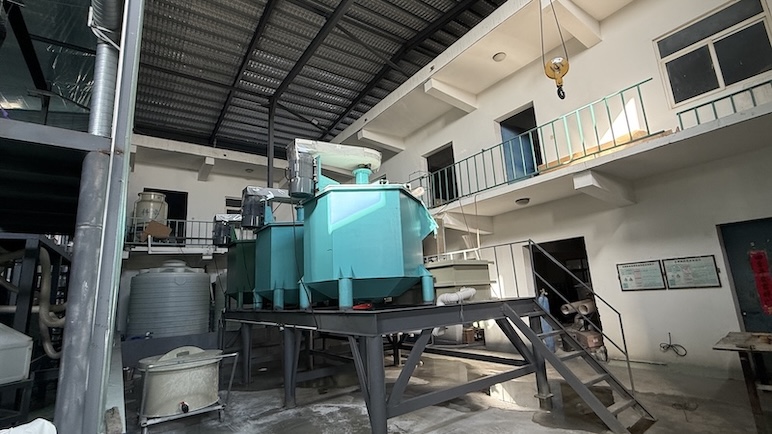
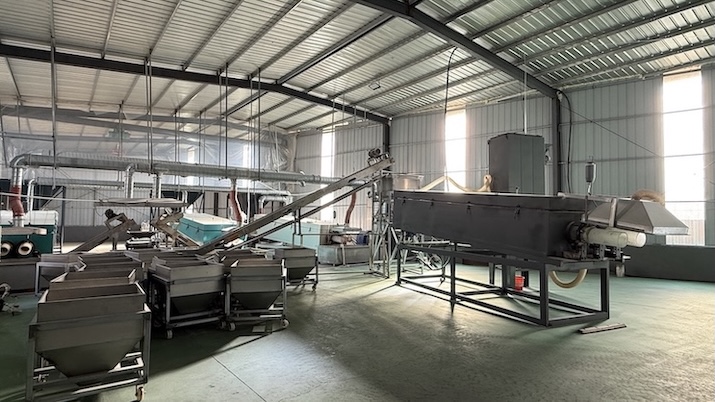
Raw Material Pulverizing
Selected high-grade silica rocks are crushed with specialized non-contaminating equipment to preserve natural crystal integrity.
02
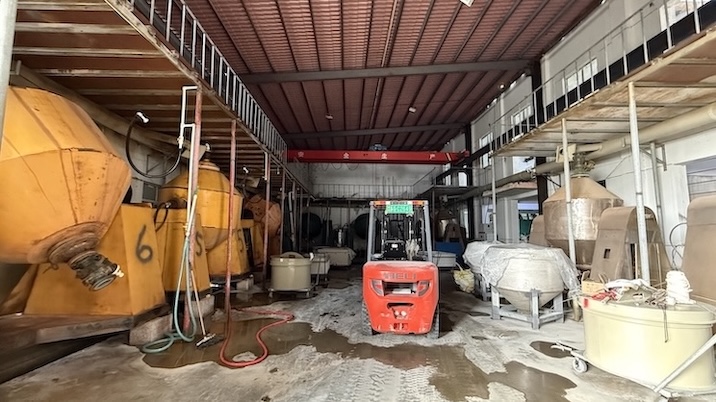
High-Purity Pickling
Intensive acid washing baths strip transition metals and surface impurities, securing the mandatory 99.99% SiO₂ standard.
03
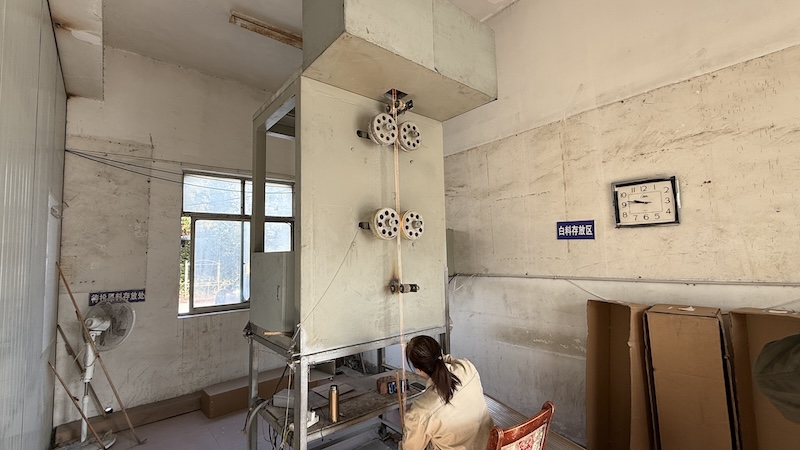
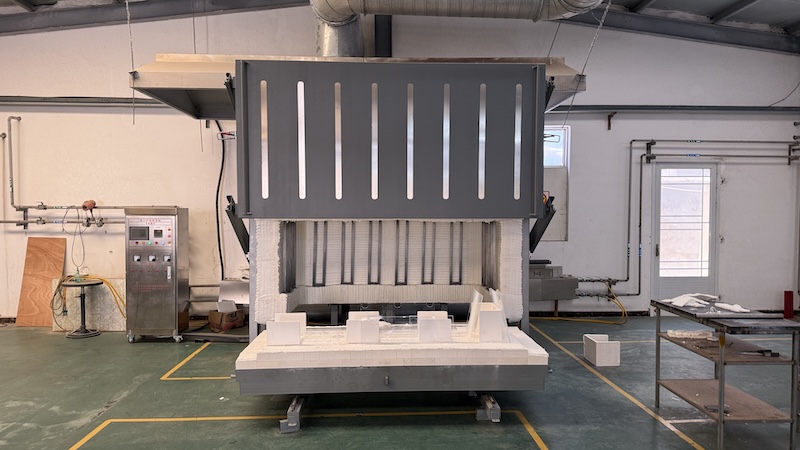
Thermal Drawing & Sizing
Continuous redraw furnaces draw rods and tubes with real-time laser micrometer closed-loop control.
04
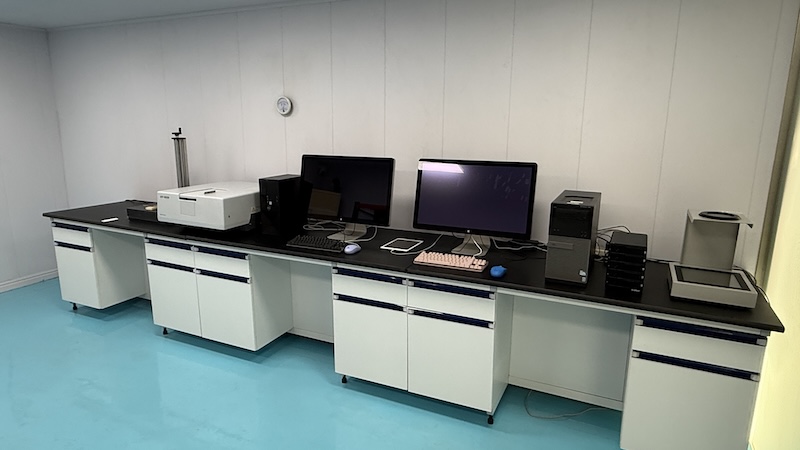
Polarized Stress Annealing
Every batch undergoes thermal annealing in computerized furnaces, inspected 100% on polarization stress meters to eliminate fracture risks.
Raw Materials Cutting
Pre-processing and sizing pure natural crystal quartz blocks.
Raw Materials Pulverizer
Mechanical crushing into graded high-purity silica sand.
Chemical Acid Pickling
Eliminating micro-contaminants for optical and semiconductor specs.
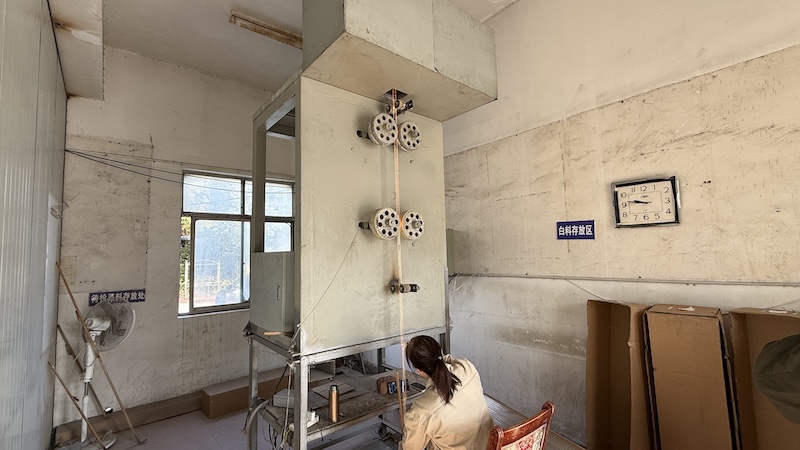
Continuous Drawing Tower
Precise vertical pull ensuring diameter roundness and consistency.
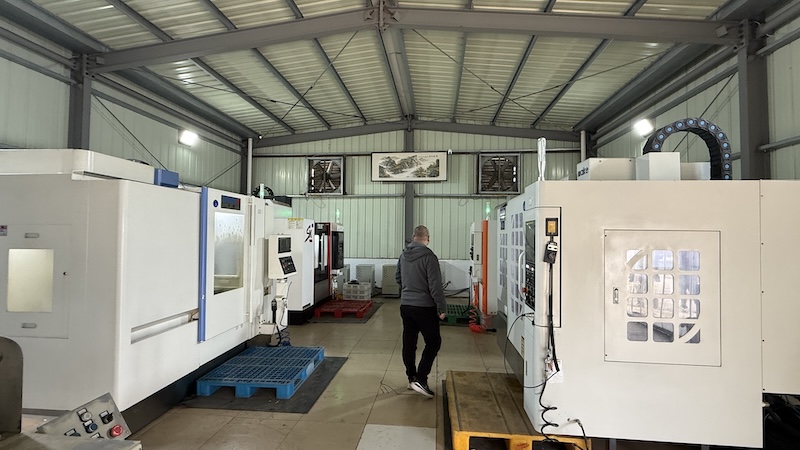
Slotting, centerless grinding, step processing, and beveling.
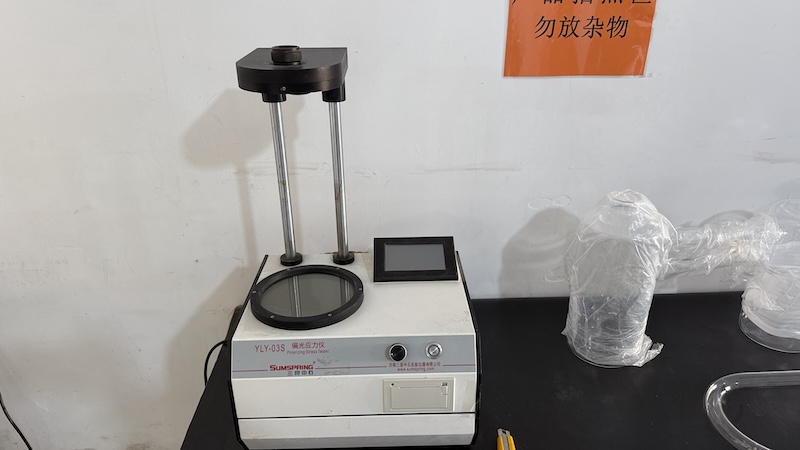
Polarization Stress Tester
Interferometric validation ensuring zero internal structural stresses.
Cleanroom Export Packaging
Shock-absorbent foam enclosures and certified crates for safe delivery.
Procurement Clarity
Frequently Asked Questions on Quartz Glass Capillary Rods
Addressing technical viability, supply chain logistics, surface finishes, and quality metrics commonly researched by purchasing teams.
What is the functional difference between a quartz glass capillary rod and a capillary tube?
A quartz glass capillary rod is completely solid throughout its circular or shaped geometry, acting as an optical waveguide, structural spacing pin, or high-purity stir rod. In contrast, a capillary tube features an internal hollow channel (bore) engineered specifically for fluidic micro-transport, gas chromatography, or chemical micro-dispensing. Lovri Quartz manufactures both types, but capillary rods require higher cross-sectional internal homogeneity to eliminate refractive distortions and light scattering.
How do you ensure tight tolerances on miniature diameters (e.g., 0.5 mm to 2.0 mm)?
Our production incorporates high-precision vertical redraw towers configured with dual-axis laser micrometers that continuously measure outer diameter deviations at 1000 Hz. The draw speed and furnace temperatures are automatically balanced via closed-loop PID control systems. For ultra-demanding requirements, the rods undergo centerless CNC diamond grinding and chemical-mechanical polishing to reach tolerances as tight as ±0.005 mm.
Which grade of quartz glass should I specify: JGS1, JGS2, or JGS3?
Specify JGS1 (Synthetic Fused Silica) if your capillary rod operates in the deep ultraviolet range (185 nm to 400 nm) or requires negligible fluorescence in laser and fluorescence spectroscopy. Specify JGS2 (Optical Grade Quartz) for standard optical transmissions across the visible band (220 nm to 2500 nm) and general lighting applications. Specify JGS3 (Infrared Fused Quartz) when exceptional near-to-mid infrared transparency (up to 3500 nm) is vital without the presence of the 2.73 µm water (OH) absorption band.
Why is polarization stress testing critical for quartz capillary rods?
Because capillary rods feature small cross-sections, internal mechanical stress created during non-uniform cooling acts as a microscopic fault line. When the component experiences sharp temperature spikes in furnace chambers or laser focal zones, residual strain triggers spontaneous shattering. Lovri Quartz subjects 100% of custom orders to our in-house polarization stress testers, verifying full stress relief under cross-polarized light analysis.
What is your Minimum Order Quantity (MOQ) and sample lead time?
We support prototype and R&D engineering phases with an MOQ as low as 1 to 5 pieces for custom capillary rods. Standard sizes (1 mm, 2 mm, 3 mm, 5 mm OD) can often ship from stock within 48 to 72 hours. Custom engineered geometries, stepped ends, or precision-polished tips require 7 to 14 working days, inclusive of drawing reviews and dimensional quality reports.
How do you pack fragile quartz capillary rods to prevent breakage during international transit?
Every capillary rod is bundled or nested into custom CNC-grooved high-density Pearl EPE foam trays, wrapped in moisture-resistant antistatic film, and placed into double-wall export cartons. For air and ocean shipments, cartons are packed into reinforced plywood crates with impact-absorbing cushions and external 'Fragile / Glass' tipping indicators.
Direct Technical Consultation
Request Custom Quartz Glass Capillary Rod Fabrication
Whether you require prototype validation samples, high-precision micro light-guides, or volume production runs of fused quartz capillary rods, our engineering team in Lianyungang is ready to assist. Send your drawings, specified tolerances, and required glass grades today.