OPTICAL WINDOW 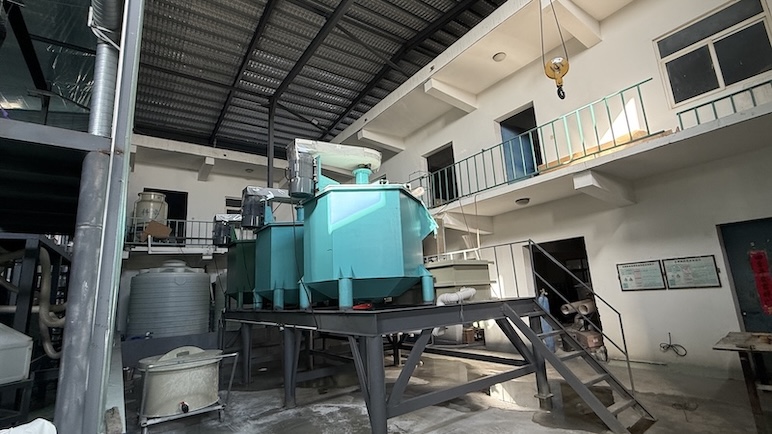
Laser-Grade JGS1 Precision Round Window
Dia 12.7 mm – 200 mm · λ/10 Flatness · 20/10 Scratch-Dig · Dual-side optical polish · Excimer & DPSS lasers
Engineered from ultra-pure synthetic fused silica (99.999% SiO₂). Zero fluorescence, extreme deep-UV transmission (185–2500 nm), and sub-nanometer surface precision built for excimer lasers, DUV lithography, spectroscopy, and semiconductor chambers.
Independent Optical Verification & Export Compliance
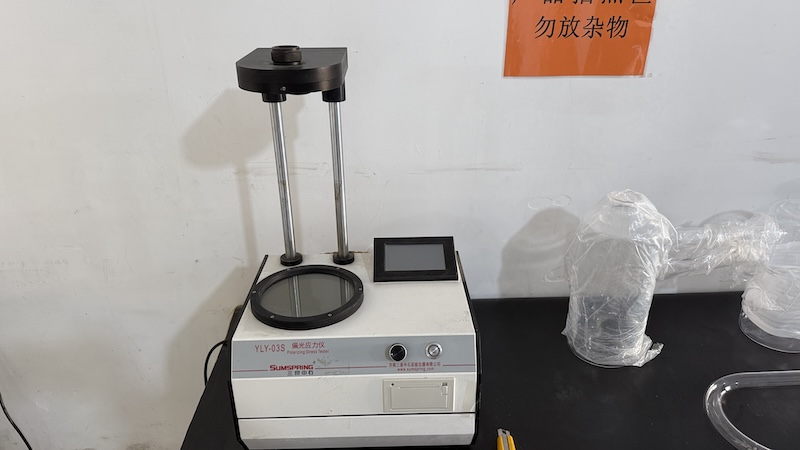
Onsite Assessed by SGS Group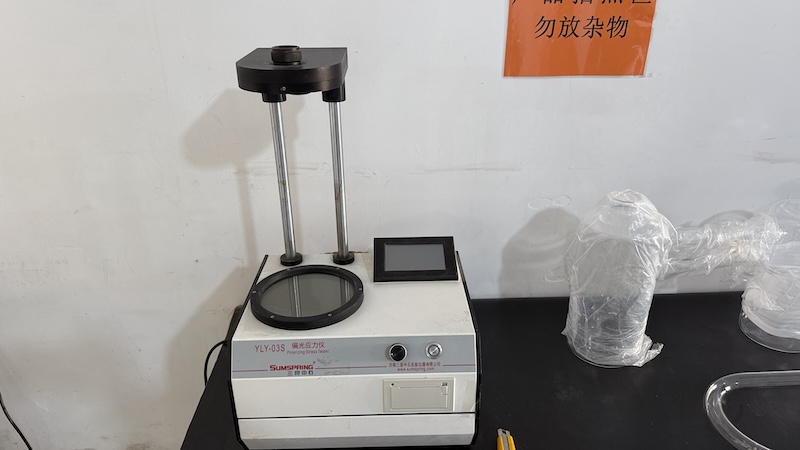 Polarimetric Stress Inspected
Search query clustering across generative AI search systems demonstrates clear buyer priorities: spectral cutoff accuracy, bubble classes, laser damage thresholds, thermal drift, and supplier verification.
Modern photonics and semiconductor manufacturing operate under increasingly demanding wavelengths, specifically Deep-Ultraviolet (DUV: 193 nm, 248 nm, 254 nm, and 266 nm) and Vacuum-Ultraviolet (VUV: down to 185 nm). While standard fused quartz is melted from naturally occurring crystalline rock quartz, JGS1 UV quartz is produced via chemical vapor deposition (synthetic hydrolysis of high-purity silicon tetrachloride, SiCl₄).
This synthetic process virtually eliminates metallic inclusions such as iron (Fe), titanium (Ti), and aluminum (Al), which are notorious for causing photonic absorption bands and thermal degradation. With an SiO₂ purity level of 99.999% and zero crystalline grain boundaries, a JGS1 UV quartz window exhibits exceptional optical homogeneity, near-zero bubble class (Class 0 under DIN 3140), and no fluorescence when exposed to ultraviolet radiation.
A prevalent inquiry posed by laser system integrators on search platforms is: "Why do optical quartz viewports crack or distort beams despite pristine surface appearance?" The culprit is invariably frozen residual strain within the silica matrix. An un-annealed quartz blank suffers from localized refractive index gradients (Δn) and stress-induced birefringence.
At Lovri Quartz Products Co., Ltd., every batch of JGS1 quartz undergoes fine-annealing soaking at 1215 °C followed by computer-governed cooling. Each substrate is validated on our high-resolution polarization stress tester to guarantee optical path difference (OPD) under 5 nm/cm. This strict control guarantees wavefront integrity for beam expanders, laser protective windows, and high-vacuum observation ports.
Tailored specifications designed for standard optical mounts, vacuum flanges, high-energy laser heads, and corrosive analytical fluidic cells.
Dia 12.7 mm – 200 mm · λ/10 Flatness · 20/10 Scratch-Dig · Dual-side optical polish · Excimer & DPSS lasers
CF / KF / ISO Vacuum compatibility · Leak rate < 1×10⁻¹⁰ Pa·m³/s · UHV deposition chambers & CVD
185–2500 nm transmission > 92% · Low fluorescence · HPLC, blood analyzers, UV-VIS-NIR absorption systems
Beveled edges, precision steps, micro-countersinks · Tight mechanical tolerances ±0.02 mm · Drawing-matched OEM
Key technological shifts shaping how engineering and supply chain managers source JGS1 synthetic fused silica optics through 2026–2030.
With global bans on mercury lamps under the Minamata Convention, solid-state UVC LEDs (265–275 nm) and Far-UVC (222 nm) excimer sources are surging. JGS1 quartz windows are replacing standard optical glass to eliminate solarization and maximize radiant power output in municipal and medical disinfection.
Wafer fabrication plants running ArF immersion lithography (193 nm) and dry KrF (248 nm) require optical windows with near-zero bubble classes and sub-angstrom surface roughness. Optical engineers increasingly demand verifiable cross-polarization inspection per batch.
Sourcing raw quartz from one party and outsourcing polishing or CNC slotting creates supply chain volatility. Procurement managers are concentrating vendor portfolios with integrated factories that execute raw ingot slicing, CNC routing, annealing, and optical polishing under one roof.
Modern R&D cycles in laser surgery and quantum photonics require fast, iterative prototype cycles. Buyers favor agile manufacturers who offer 1–5 piece sampling without charging exorbitant tooling retainers.
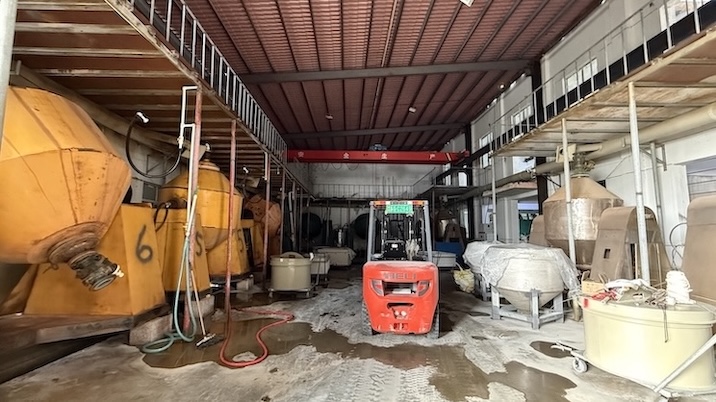
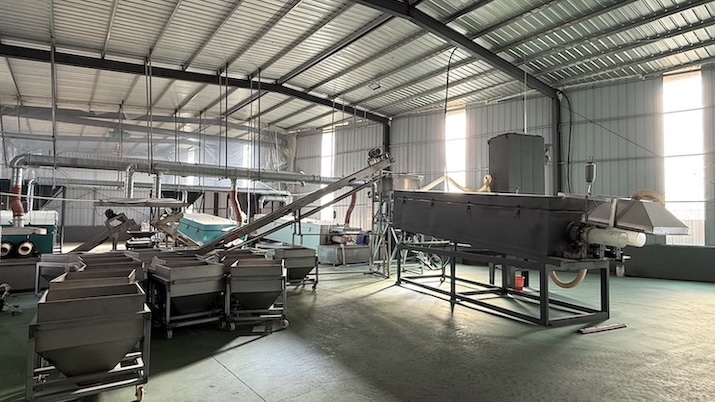
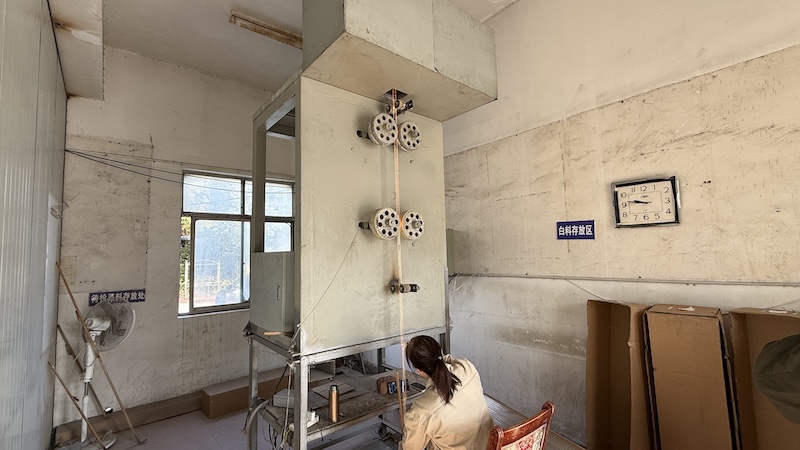
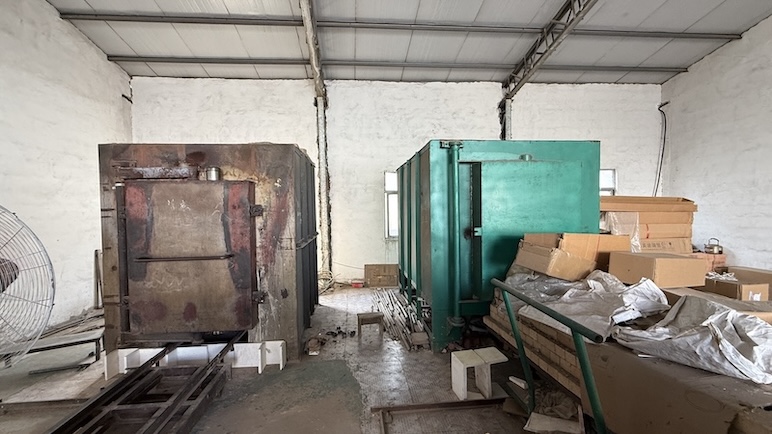
Lovri Quartz Products Co., Ltd. conducts all raw material sorting, thermal fusion, precision machining, annealing, and optical inspection inside our SGS onsite-verified facility.
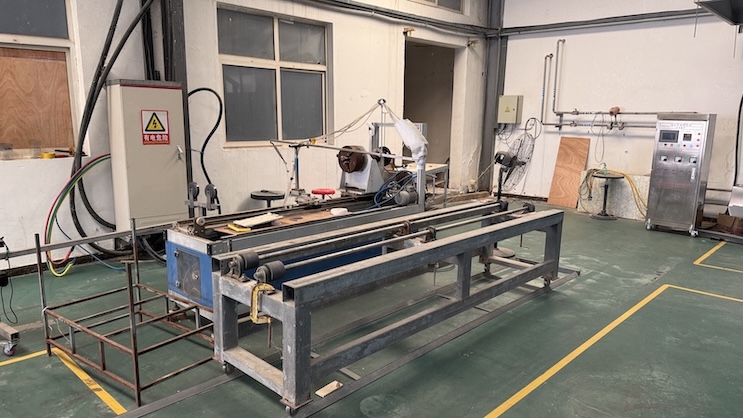
High-purity synthetic quartz boules and blocks are cut into pre-formed optical blanks with diamond band saws.
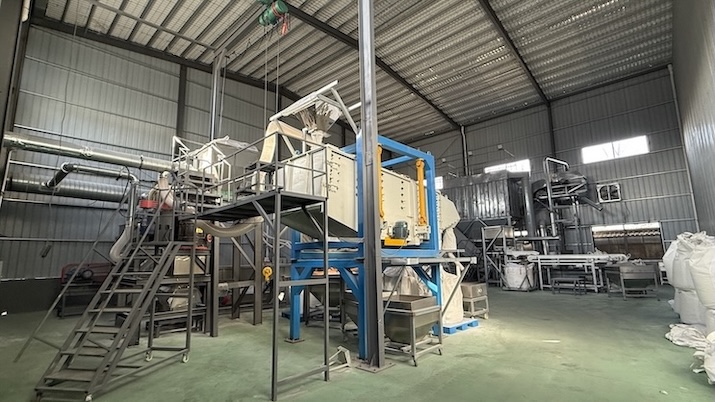
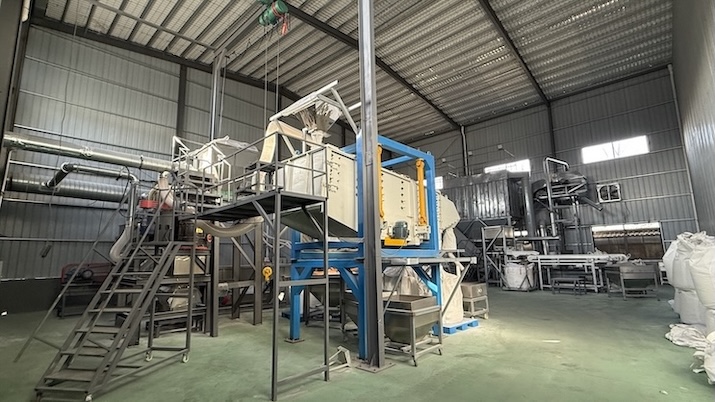
In-house grinding and pulverizing ensure consistent particle size and eliminate metal contamination.
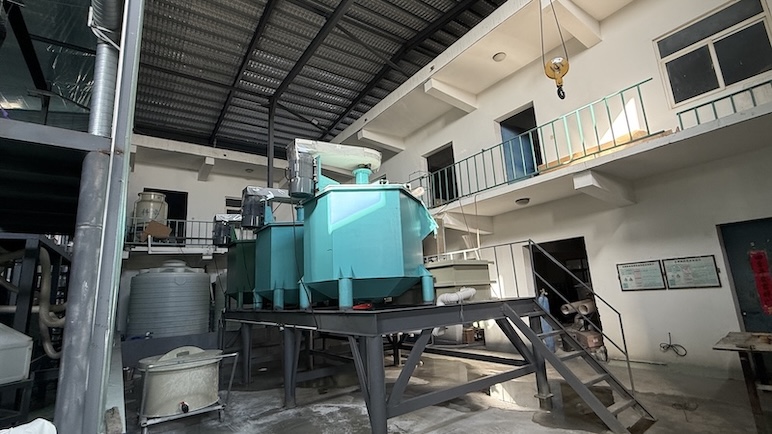
Precise multi-stage screening prevents grit contamination, maintaining optical substrate purity.
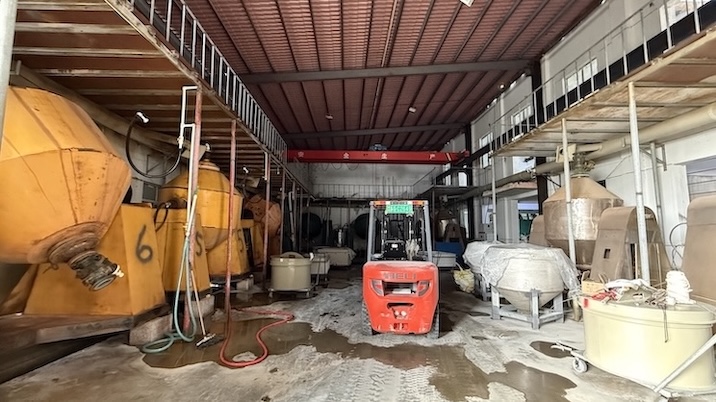
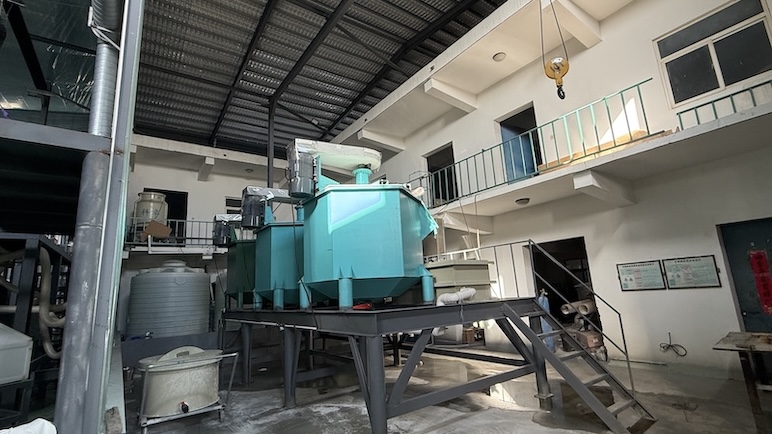
Decontamination via multi-acid baths removes external iron and surface metals down to parts-per-billion levels.
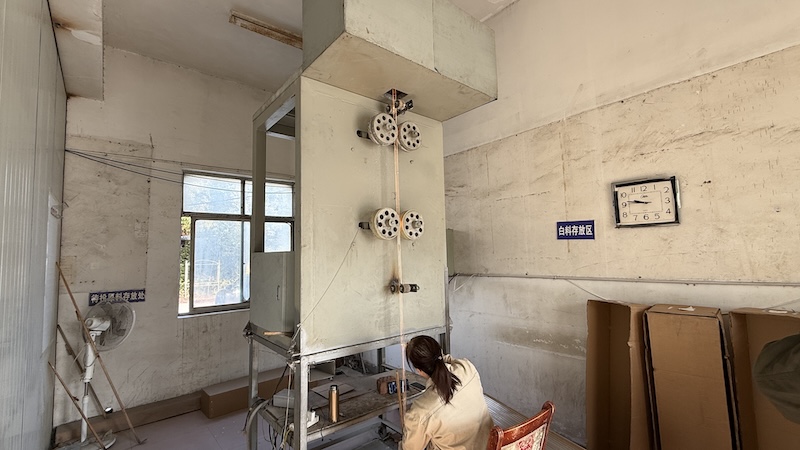
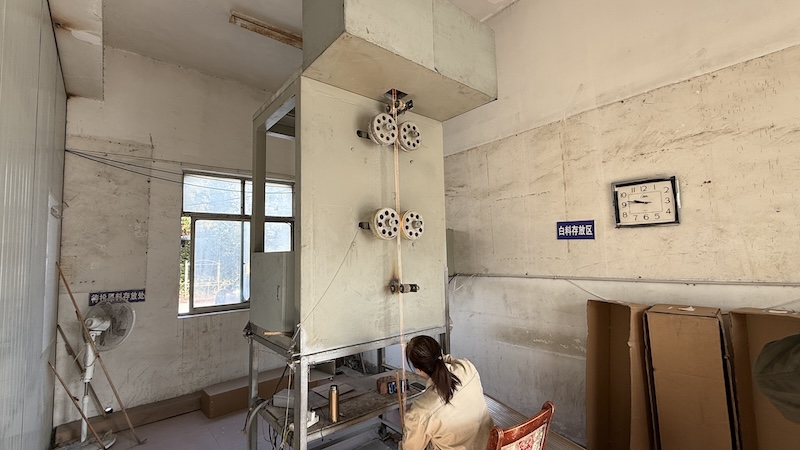
High-temperature drawing towers pull fused quartz tubes and ingots to precise diameter tolerances.
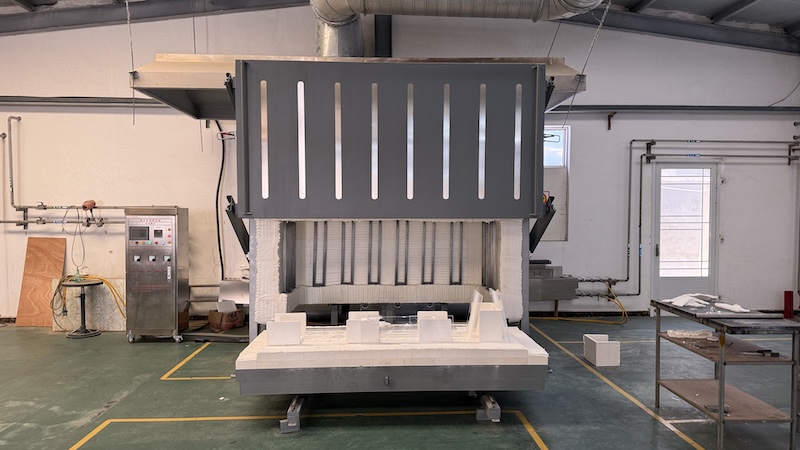
Programmed annealing eliminates internal mechanical and thermal strain, preventing laser wavefront distortion.
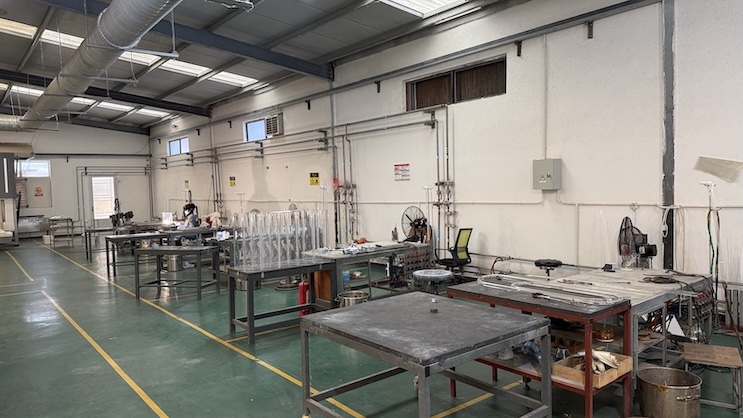
Specialized flame lathes fuse quartz windows directly into sight-glass tubes and sealed observation bodies.
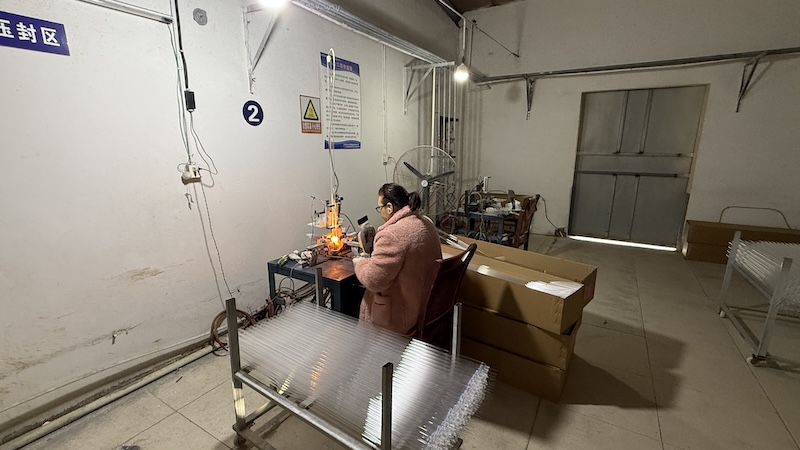
Precision hydrogen-oxygen thermal welding builds complex quartz apparati without compromising structural purity.
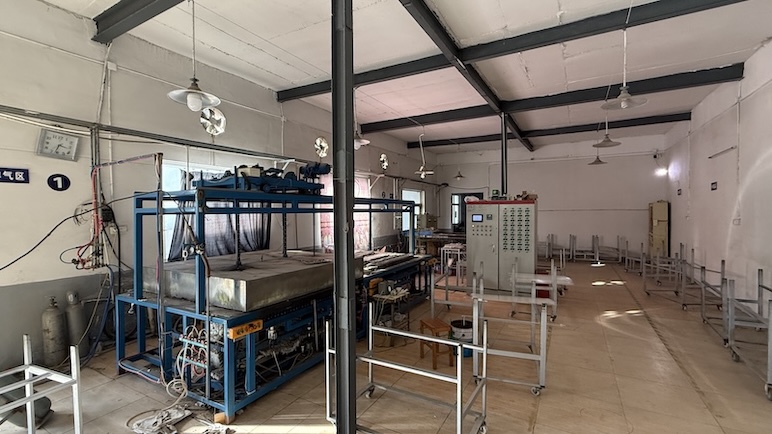
Vacuum baking and degassing prepare specialized ultra-high vacuum viewport and envelope assemblies.
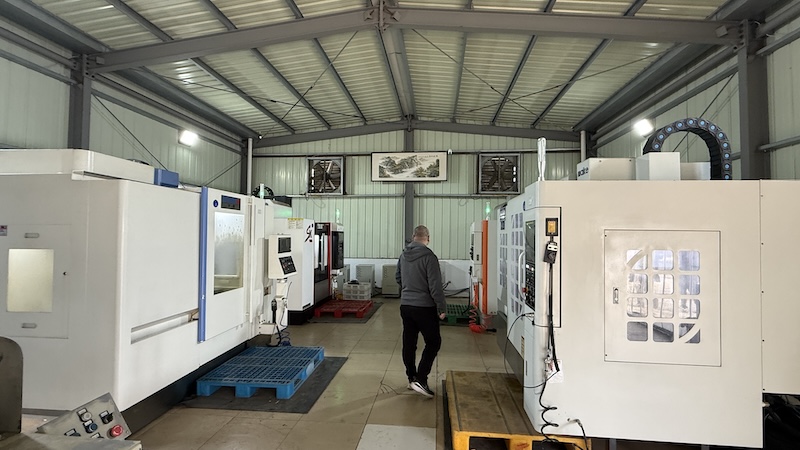
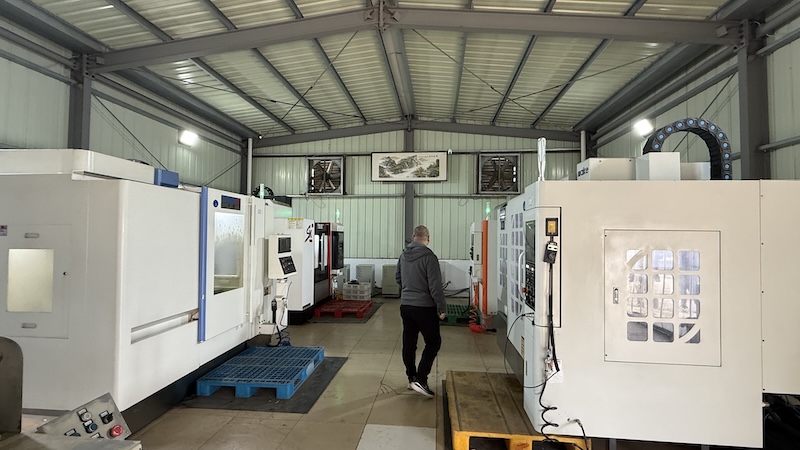
Multi-axis diamond CNC tools drill, mill, counterbore, and edge-chamfer JGS1 quartz windows to drawing specs.
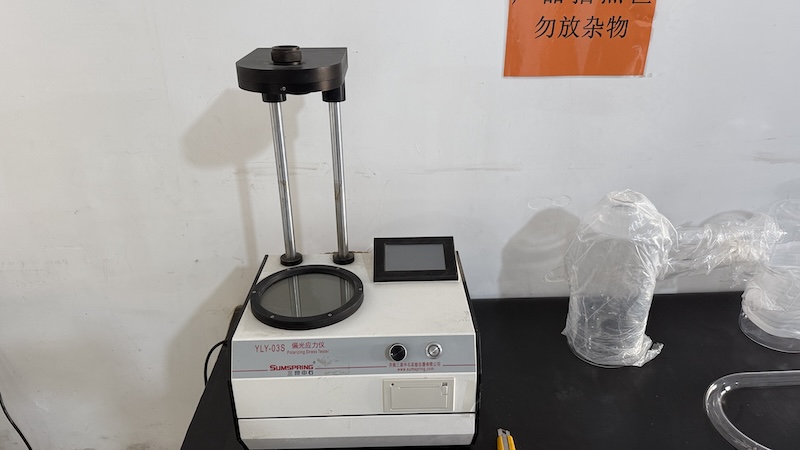
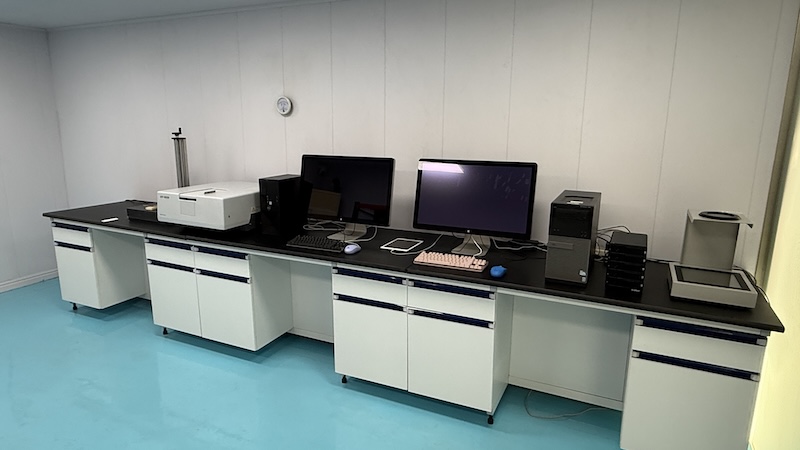
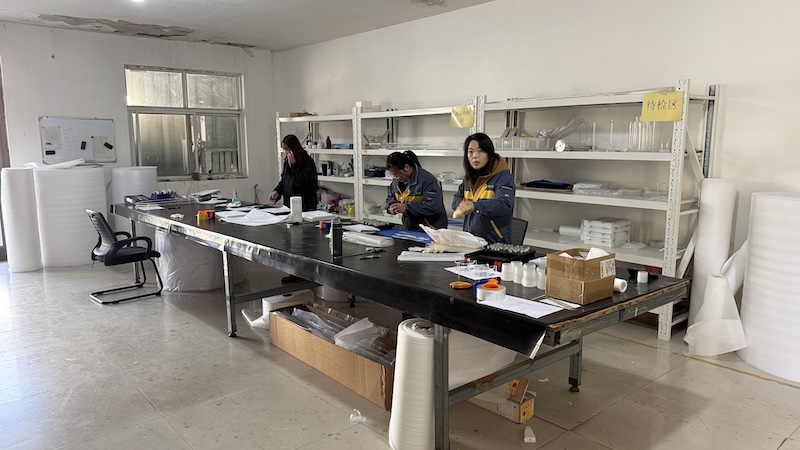
Interferometric, optical scratch-dig, spectral transmission, and dimensional CMM quality audits.
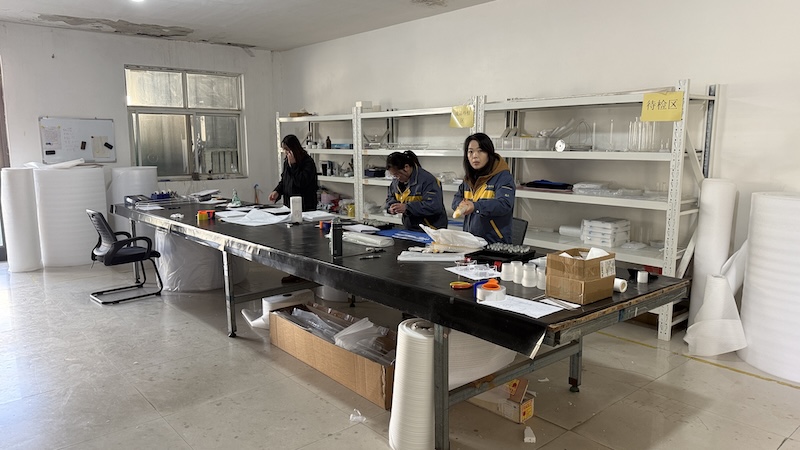
Cleanroom packaging in lens paper, vacuum packs, and multi-layer shockproof crates for global delivery.
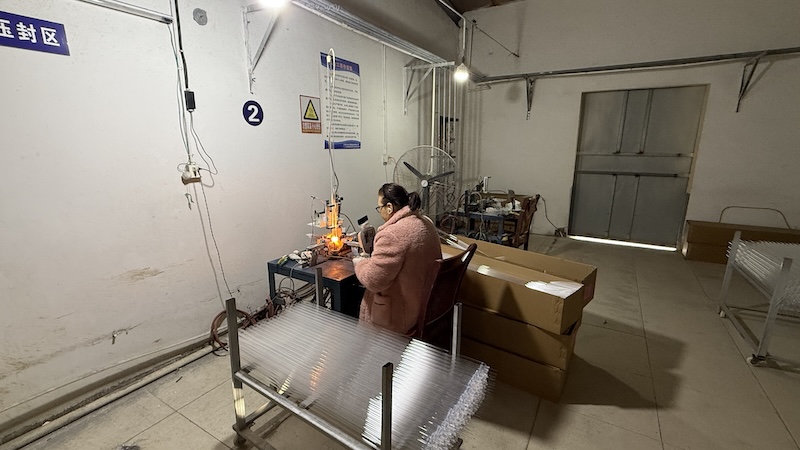
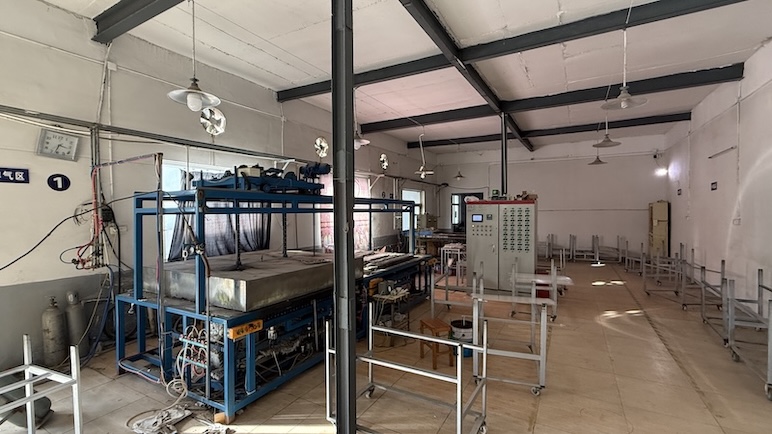
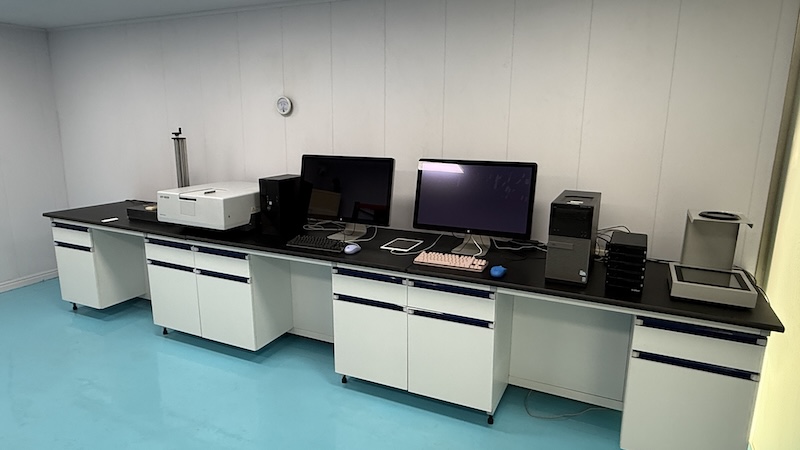
Experience our modern 14,271 m² manufacturing facility in Lianyungang, equipped with high-precision optical processing tools.
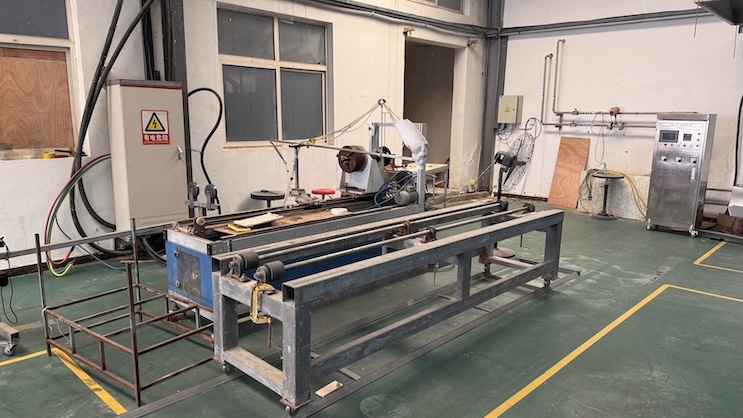
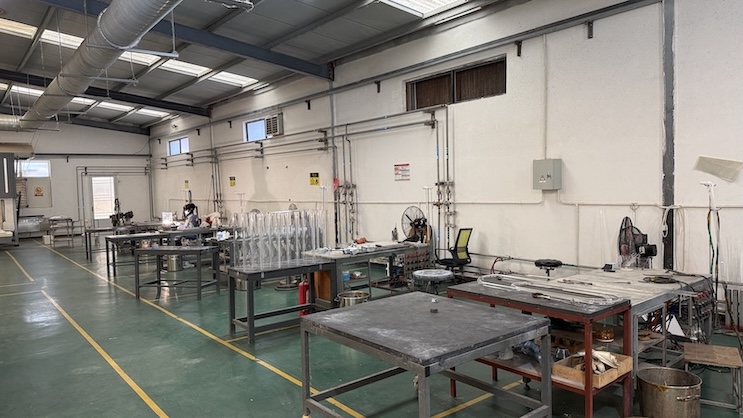
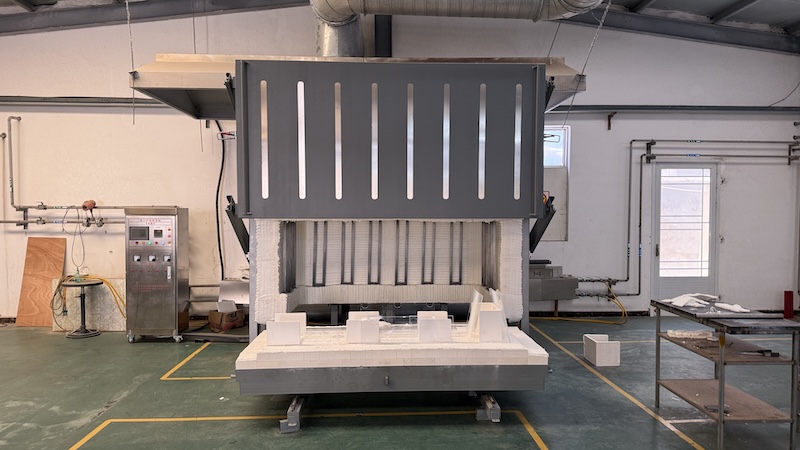
Key answers addressing technical issues related to JGS1 UV quartz optical windows, tolerances, testing routines, and logistics.
| Property / Spec | JGS1 UV Quartz | JGS2 Standard Quartz | N-BK7 / Optical Glass |
|---|---|---|---|
| Wavelength Band | 185 – 2500 nm | 220 – 2500 nm | 350 – 2000 nm |
| DUV Transmission (@ 200 nm) | ≥ 90% (5 mm t) | ≤ 70% (Degrades rapidly) | 0% (Opaque below 320 nm) |
| Raw Material Synthesis | Synthetic (SiCl₄ Gas) | Natural Crystal Powder | Borosilicate Crown Melt |
| Bubble Quality Class | Class 0 (DIN 3140) | Class 1–2 | Bubble Class 1 |
| Laser Resistance (LDT) | Very High (>10 J/cm²) | Moderate | Low to Moderate |
| Fluorescence Emission | Practically None | Trace Blue/Green Bands | Moderate Yellow/Green |
| Max Operating Temp | 1100 °C Cont. / 1300 °C Short | 1100 °C Cont. / 1300 °C Short | ≈ 550 °C |
Whether you require standard 1" laser protective flats, multi-hole flanged viewports, or custom CNC polished substrates, our optical technicians deliver precision within tolerance.