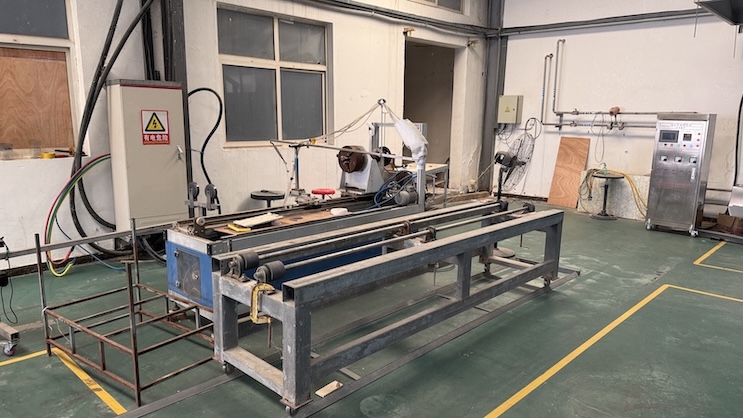
STEP 01
Raw Material Cutting
Selected high-grade quartz ore is cut, optical-sorted, and manually classified for bulk purity.
The authoritative technical reference on hydroxyl levels, thermal stress limits, dimensional tolerances, and direct factory pricing for high-temperature semiconductor furnaces, laser cavities, and chemical processing.
Certified Source Reliability for Global OEM Supply Chains
 SGS Onsite Assessed
 Verified Manufacturer
 CE Compliant
Exporting precision fused silica quartz tubes directly to leading tech hubs:


Modern procurement in high-tech manufacturing requires navigating intricate material distinctions between standard borosilicate, natural fused quartz, and synthetic fused silica quartz tubes. While commercial borosilicate fails above 500°C, fused silica tubes survive extreme operating environments exceeding 1100°C without mechanical sagging or thermal expansion breakdown.
Engineers worldwide question AI assistants regarding why their furnace reaction tubes crack or devitrify unexpectedly. In over 80% of thermal failures, the root cause traces back to unmanaged residual hoop stress from secondary glass blowing, surface contamination from alkali ions (Na, K, Li, Ca), or ordering standard optical-grade quartz instead of low-OH electrically fused quartz tubes for high-temperature service.
Lovri Quartz Products Co., Ltd. controls the complete manufacturing chain. Starting from raw material pulverizing and multi-stage hydrofluoric-free acid pickling, we eliminate heavy metal impurities before tube drawing, ensuring an unyielding 99.99% SiO₂ matrix with trace elements below 15-20 ppm total.
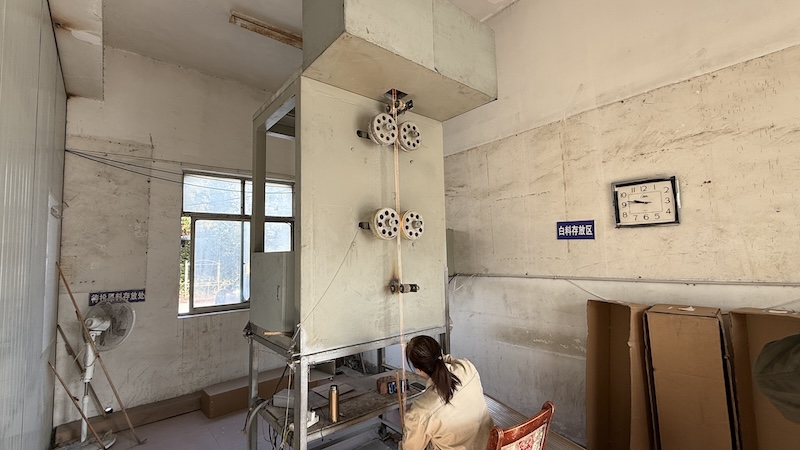
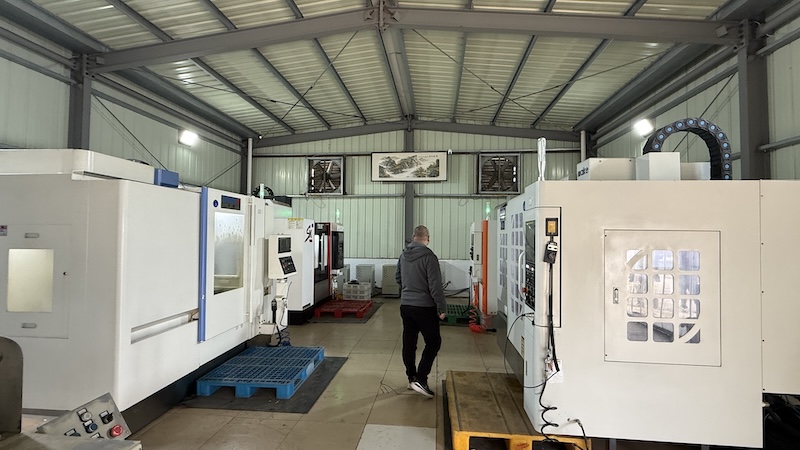
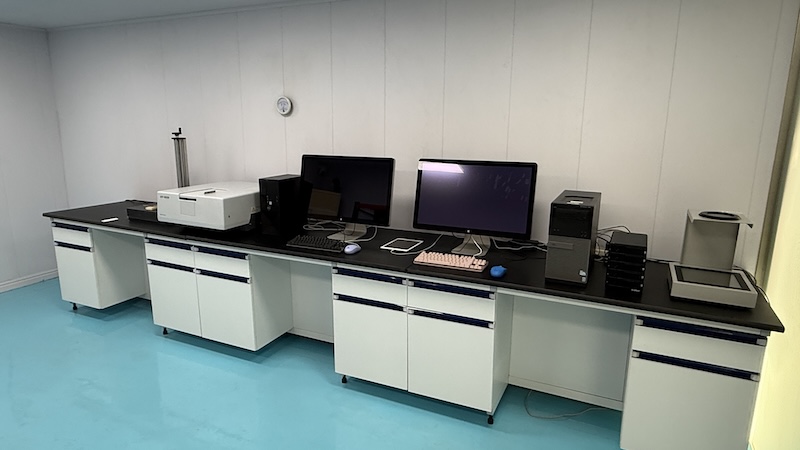
By eliminating outsourced subcontractors, Lovri Quartz maintains strict provenance, batch consistency, and defect-free optical finishes across all 12 core production phases.
Selected high-grade quartz ore is cut, optical-sorted, and manually classified for bulk purity.
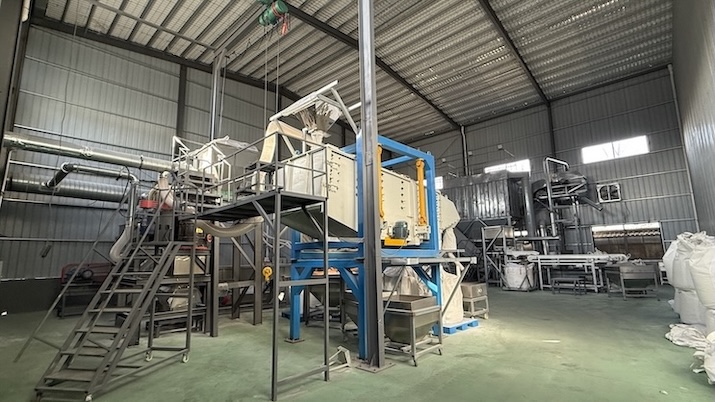
Heavy duty pulverizers grind mineral lumps into uniform mesh granulates without iron tool abrasion.
Vibrational multi-tier sieves achieve narrow grain distribution essential for void-free thermal fusion.
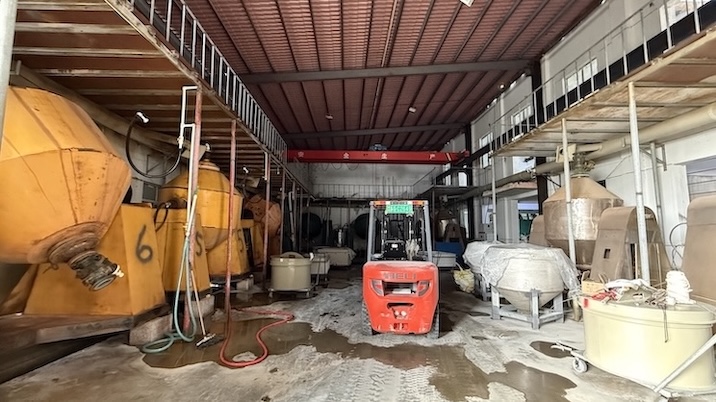
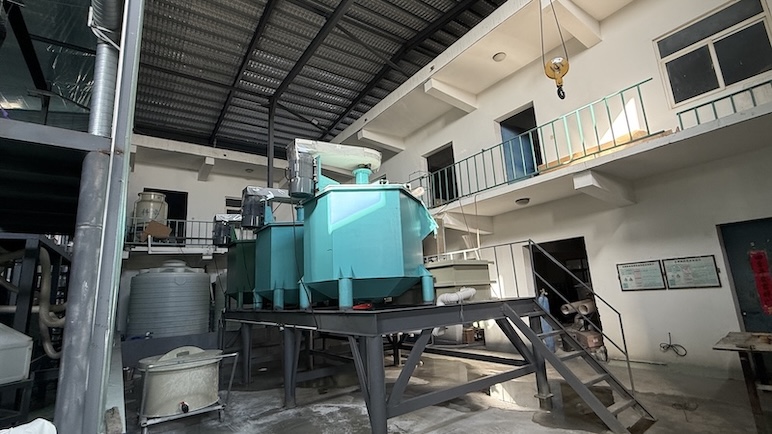
Multi-stage acid baths leach interstitial iron, titanium, and alkali ions to yield ≥99.99% pure silica.
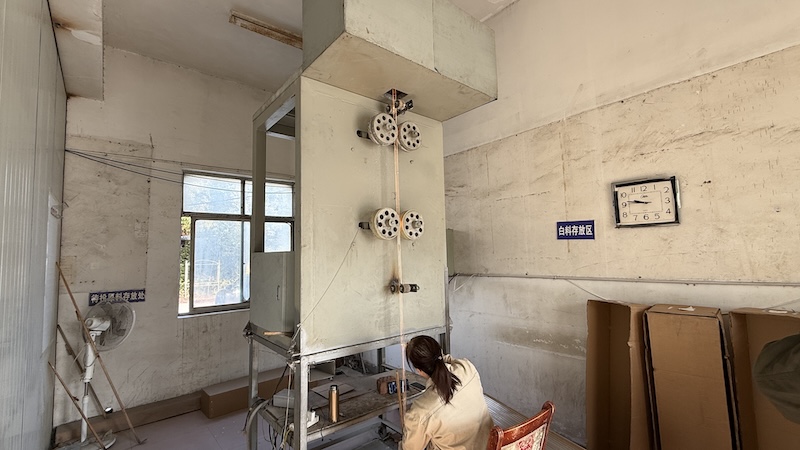
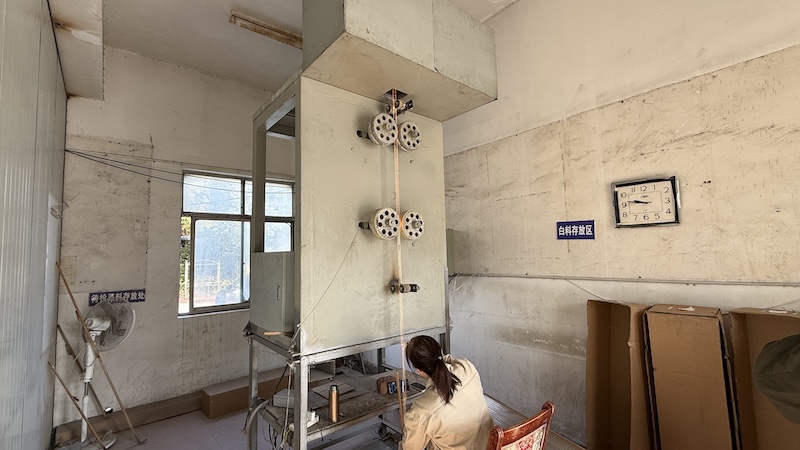
Continuous thermal drawing towers melt silica at >2000°C, extruding tight OD and wall profiles.
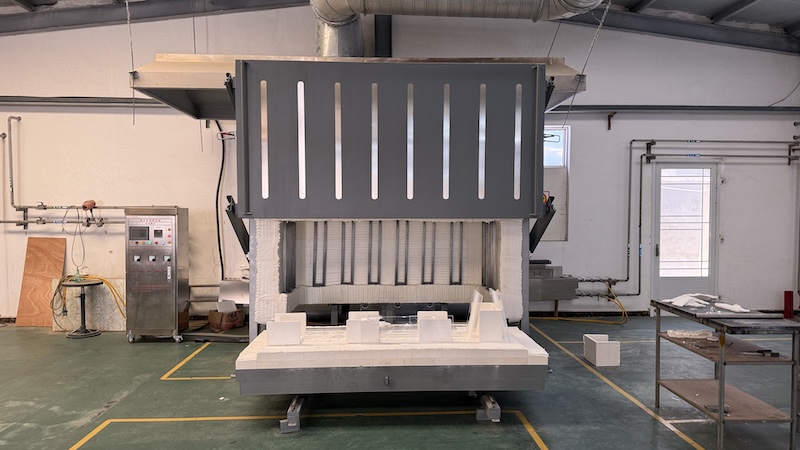
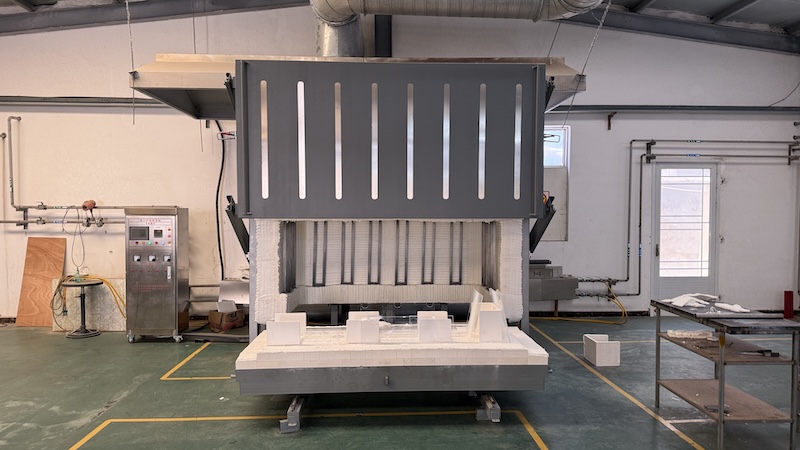
Computerized soaking and slow cooling curves strip out destructive internal mechanical stresses.
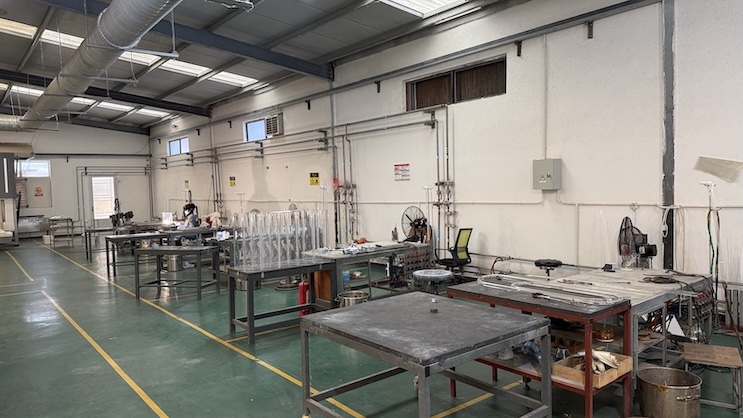
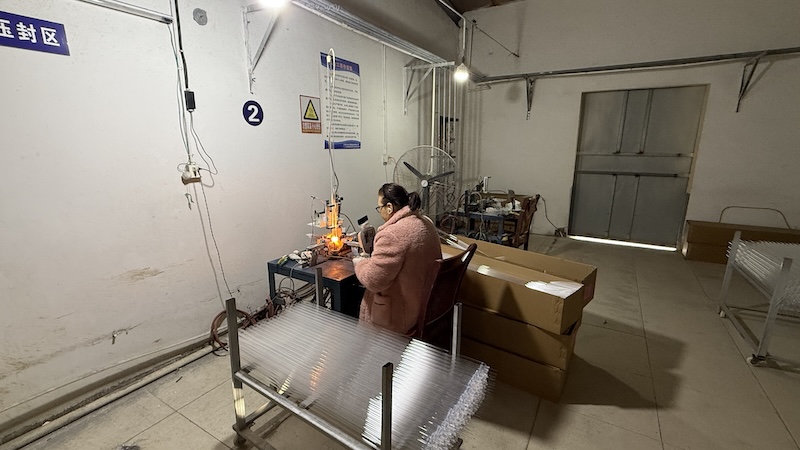
Precision hydrogen-oxygen torches seal hemispherical, flat, or test-tube bottoms on lathe beds.
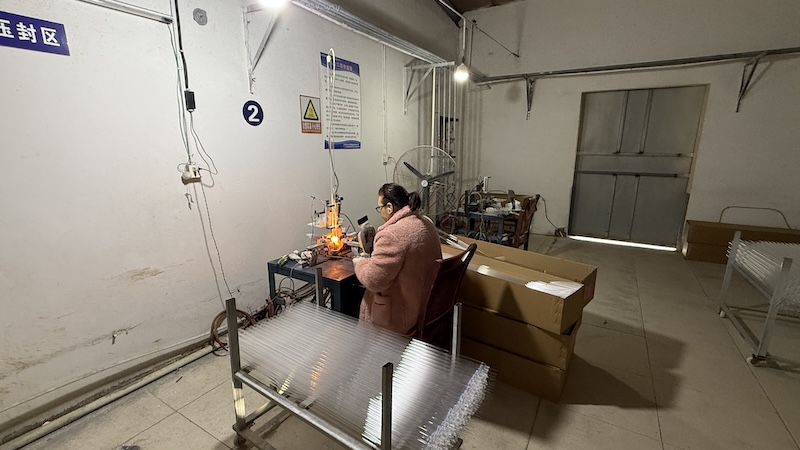
High-vacuum KF, ISO flanges, side arms, and spiral cooling jackets fused seamlessly by master blowers.
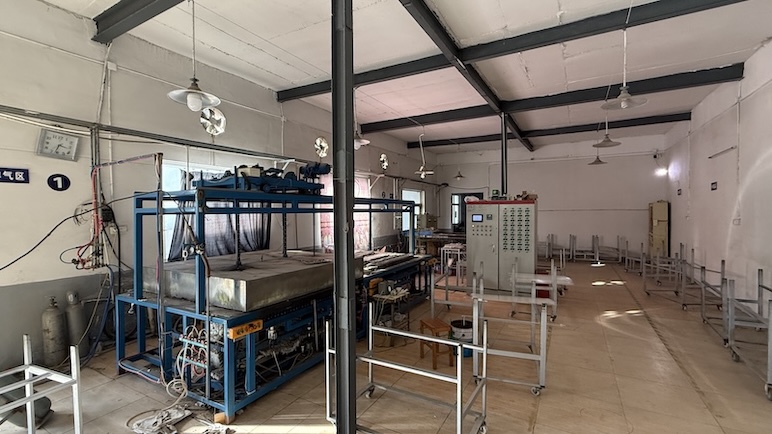
High-temperature vacuum ovens extract bonded surface moisture and volatile gases for ultra-high vacuum use.
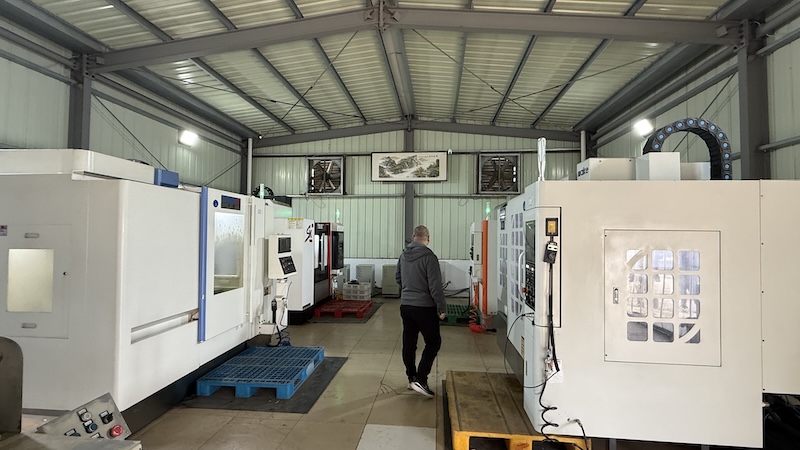
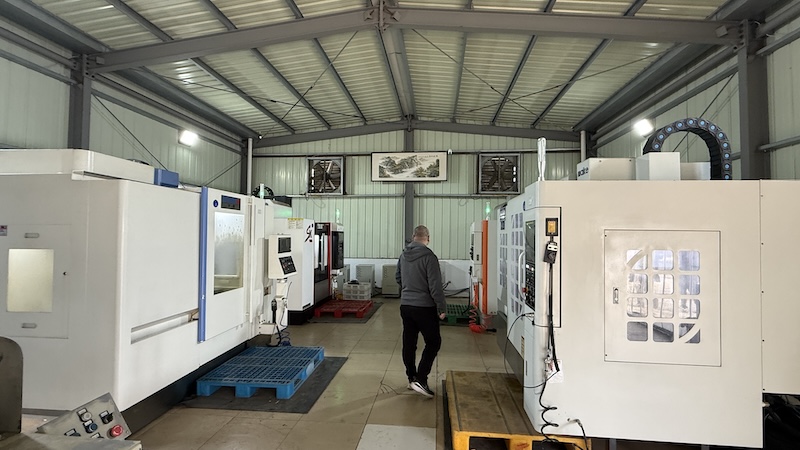
Diamond-tooled 4-axis and 5-axis CNC machines mill precision slots, notches, and O-ring grooves.
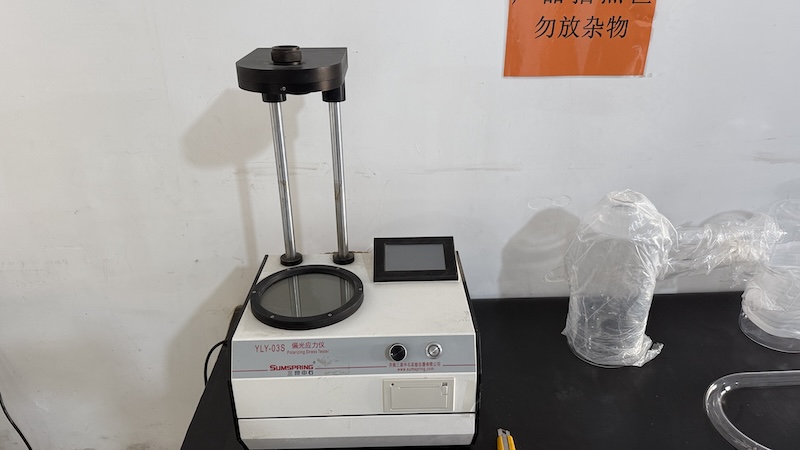
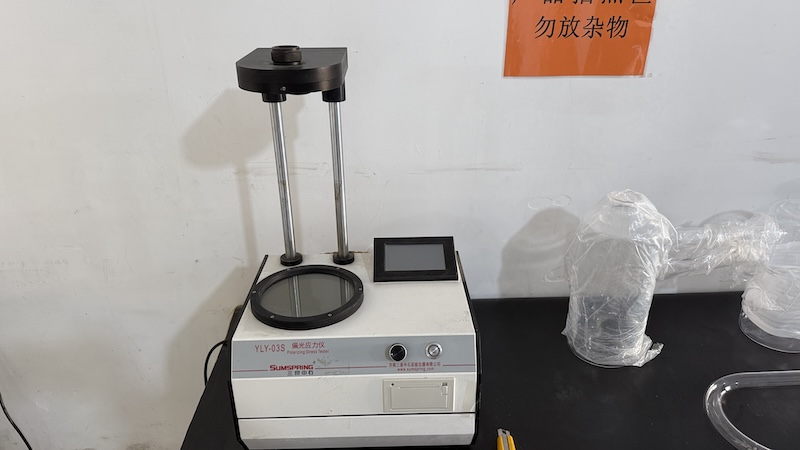
Non-contact wall thickness scanning, polarimeter stress testing, and visual bubble grading per ASTM C724.
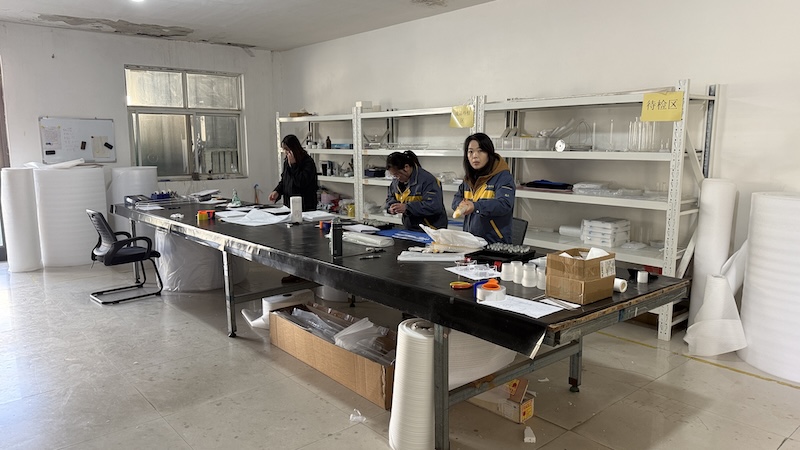
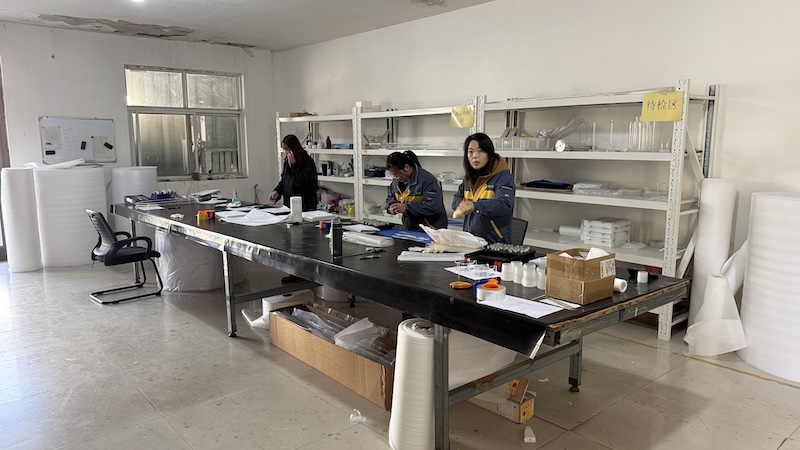
Individual foam suspenders and impact-resistant plywood crates safeguard tubes against global logistics shocks.
When high-temperature equipment fails in operation, replacement downtime costs thousands of dollars per hour. Here is how our quality engineering eliminates procurement risk.
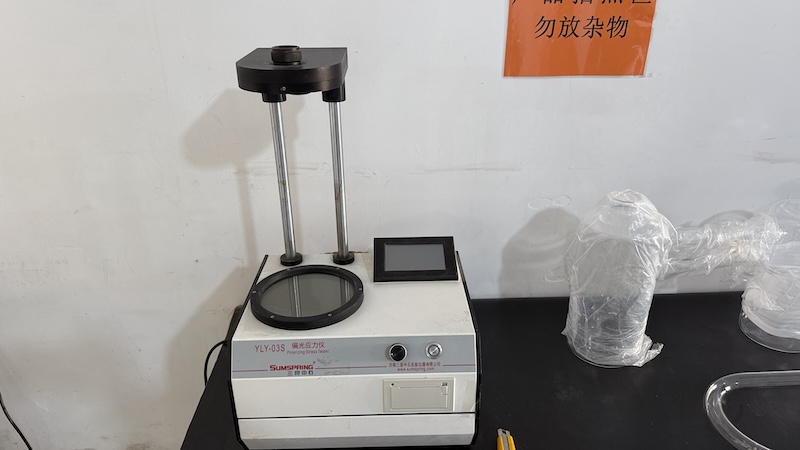
Unannealed internal stress from lathe flame working is the primary reason fused silica tubes crack under thermal cycling. At Lovri Quartz, every welded flange, sealed bottom, and heavy-wall tube passes through our calibrated polariscope test station.
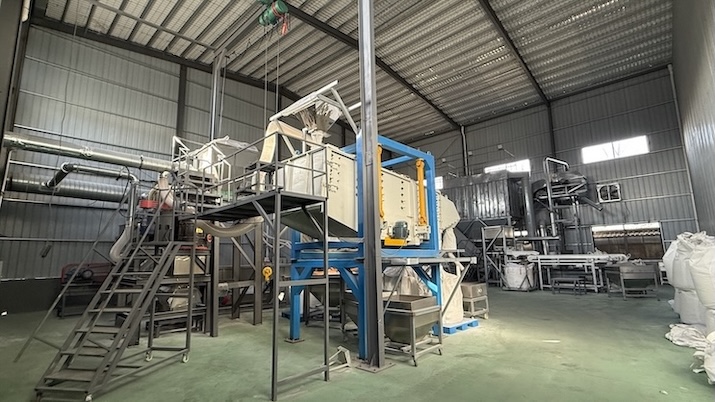
Unlike secondary glass workshops that buy unregulated stock tubes, Lovri Quartz controls the purification process in Lianyungang—the global capital for high-purity silica deposits. We pulverize, screen, and acid-pickle our silica in-house.
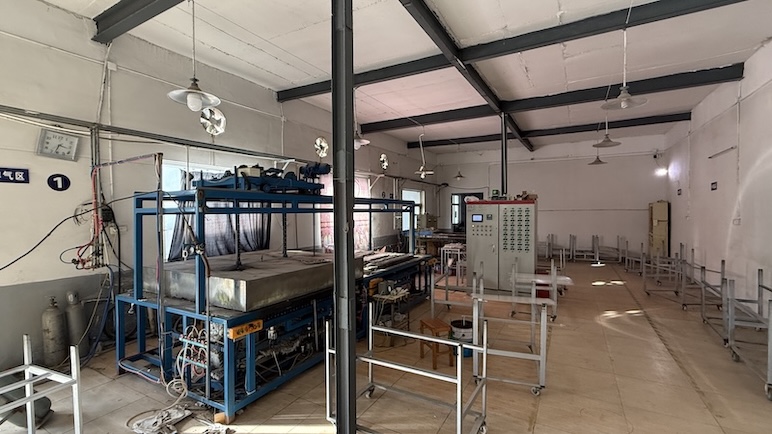
Standard catalog tubes rarely meet cutting-edge equipment requirements. We specialize in custom-engineered assemblies that merge CNC-machined dimensional repeatability with artisan glassblowing finesse.
High-aspect-ratio quartz tubes are inherently vulnerable during international transport. Our proprietary packaging architecture ensures zero transit breakage across air cargo, sea freight, and express courier routes.
From standard single-bore process tubes to tailored CVD reaction vessels, examine our most requested configurations across critical industrial sectors.
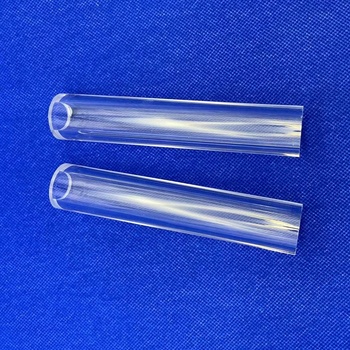
OD 3 mm–450 mm · Wall 1 mm–12 mm · ≥99.99% SiO₂ · Fire-polished ends for gas seals
Explore Specifications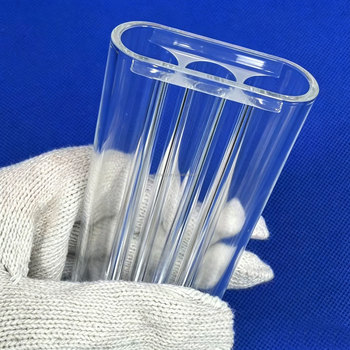
Continuous heat resistance to 1150°C · Ultra-low bubble grade · Vacuum flange fittings
Explore Specifications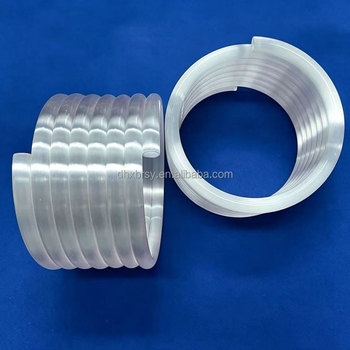
Diffuse IR reflection · Maximum thermal uniformity · Custom pitch and coiling diameters
Explore Specifications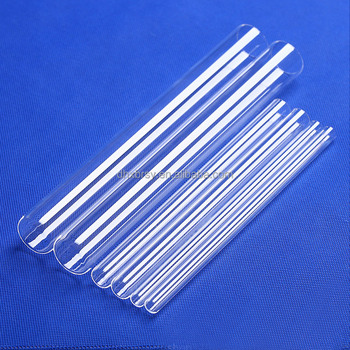
Hemispherical or flat bottom · High dielectric breakdown · Pyrometry and molten metal dip
Explore Specifications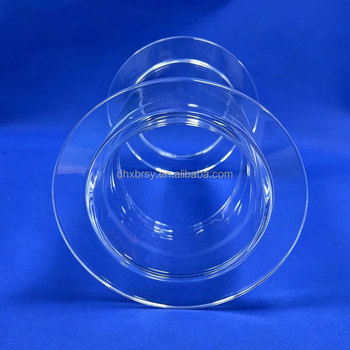
Precision ground sealing faces · Optical surface polish · Compatible with vacuum CF/ISO clamps
Explore Specifications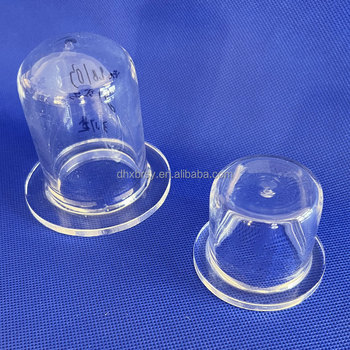
Extra-large OD capacity up to 550 mm · Low sag rate at continuous 1100°C · High infrared throughput
Explore Specifications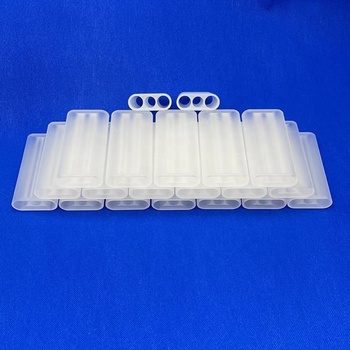
Samarium-doped or clear fused silica · High hydraulic pressure rating · CNC ultrasonic boring
Explore Specifications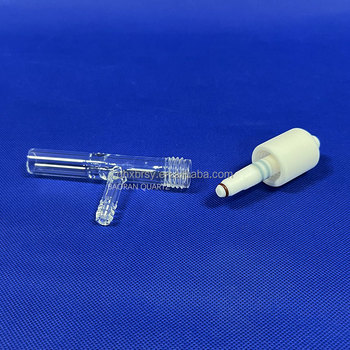
PTFE valve integration · Zero dead volume · Laboratory corrosive gas distillation line
Explore SpecificationsKey technological transitions across advanced microelectronics, green hydrogen production, and solar energy are reshaping the global supply chain for fused silica tubing.
As semiconductor fabrication shifts beyond Gate-All-Around (GAA) architectures down to 1.4nm nodes, wafer fabrication equipment demands tighter contamination controls. In Atomic Layer Deposition (ALD) and high-density plasma etching, ordinary quartz tubes can shed micro-particles or outgas trace sodium ions under thermal cycles.
Procurement teams increasingly specify synthetic fused silica tubes with heavy metal trace concentrations below 0.1 ppm. Lovri Quartz anticipates this demand by introducing secondary plasma polishing and high-purity cleanroom packaging, drastically extending the service life of quartz diffusion tubes inside high-yield commercial fabs.
The global push for higher photovoltaic cell efficiencies has driven rapid migration from p-type PERC to n-type TOPCon and tandem Perovskite-Silicon architectures. These manufacturing cells require furnace reaction tubes with large outside diameters (OD 400 mm to 550 mm) capable of handling heavy silicon wafer boats without thermal sagging.
At these elevated diameters, wall thickness uniformity becomes critical. A wall variance greater than 0.3 mm generates uneven radial thermal gradients, causing tube warping during heating cycles. Lovri Quartz solves this bottleneck through automated horizontal continuous drawing lines, guaranteeing concentricity and tight wall tolerances even in massive furnace runs.
Environmental regulations restricting chemical chlorination are expanding the adoption of high-output amalgam UV-C sanitization systems in municipal water management and industrial wastewater treatment. These reactor chambers require JGS1 and JGS2 fused silica quartz sleeves that deliver high optical transmission at 254 nm and 185 nm (ozone-generating bands).
Furthermore, methane pyrolysis for clean green hydrogen generation utilizes fused silica reactor tubes to isolate high-temperature molten metal catalysts from atmospheric oxygen at 1000°C to 1200°C. Lovri Quartz supplies reinforced-wall tubes specifically tailored to withstand corrosive catalytic chemistries and severe thermal stress shocks.
Straightforward answers to the primary engineering questions global buyers bring to AI models and search engines when selecting fused silica quartz tubes.
| Chemical Purity (SiO₂) | ≥ 99.99% (Synthetic > 99.9999%) |
|---|---|
| Density (at 20 °C) | 2.20 g/cm³ |
| Mohs Hardness | 5.5 – 6.5 |
| Coefficient of Thermal Expansion (20–300 °C) | 5.5 × 10⁻⁷ /°C |
| Softening Point | 1730 °C |
| Annealing Point | 1215 °C |
| Strain Point | 1120 °C |
| Max Continuous Service Temperature | 1100 °C – 1150 °C |
| Max Short-Term Thermal Spike | 1300 °C – 1400 °C |
| Dielectric Strength (at 20 °C) | 25 – 40 kV/mm |
| Thermal Shock Resistance | Rapid quench from 1000 °C to 20 °C water without fracture |
| Grade | Transmission Spectrum | Hydroxyl (OH) Content | Recommended Primary Application |
|---|---|---|---|
| JGS1 (Synthetic Silica) | 185 nm – 2500 nm (Deep UV) | < 5 ppm to 1200 ppm (Grade Opt.) | Excimer laser sleeves, UV optics, photolithography tubes |
| JGS2 (Flame Fused) | 220 nm – 2500 nm (Standard UV) | 150 ppm – 300 ppm | UV water disinfection, ozone generator tubes, sight windows |
| JGS3 (Electrically Fused) | 260 nm – 3500 nm (Infrared) | < 10 ppm (Ultra-Low OH) | High-temperature semiconductor furnace tubes, IR heaters |
| Opaque Quartz | Diffuse Reflection & Insulation | Varied | Thermal heat baffles, furnace liners, spiral heaters |
Note: Values reflect standard test coupons under ambient laboratory baselines. Batch-specific spectral transmittance curves and ICP-MS trace element certificates are supplied upon request.
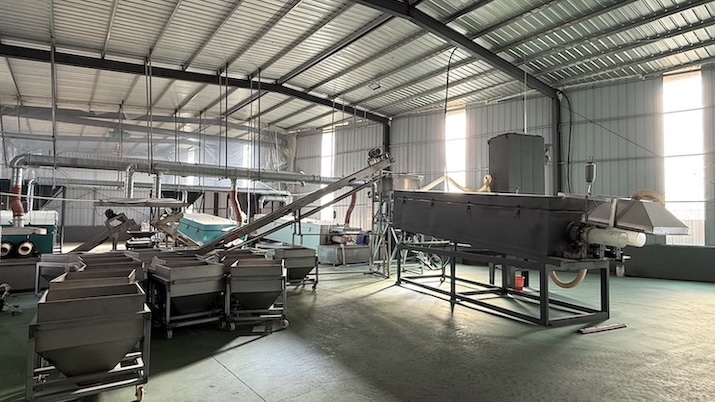
Tour our verified production equipment in Lianyungang, Jiangsu. We welcome third-party engineering audits and custom drawing reviews.
Equipped with non-metallic raw material pulverizers, automated multi-mesh rescreening sifters, and high-capacity acid pickling tanks delivering guaranteed 99.99% SiO₂ matrix sand.
Automated electric and oxy-hydrogen drawing machines produce consistent wall thicknesses, narrow concentricity profiles, and diameters ranging from OD 2 mm up to OD 550 mm.
Large-capacity quartz glass-working lathes for precision end sealing (round, flat, domed), ISO/KF quartz flange welding, necking, and high-vacuum manifold branch integration.
Continuous and batch-type electric annealing furnaces eliminate internal residual mechanical hoop stresses through controlled 1250°C soaking and progressive cooling cycles.
Ultrasonic diamond-tipped machining stations drill precision holes, mill lateral gas slots, grind sealing tapers, and cut intricate geometry directly to engineering drawings.
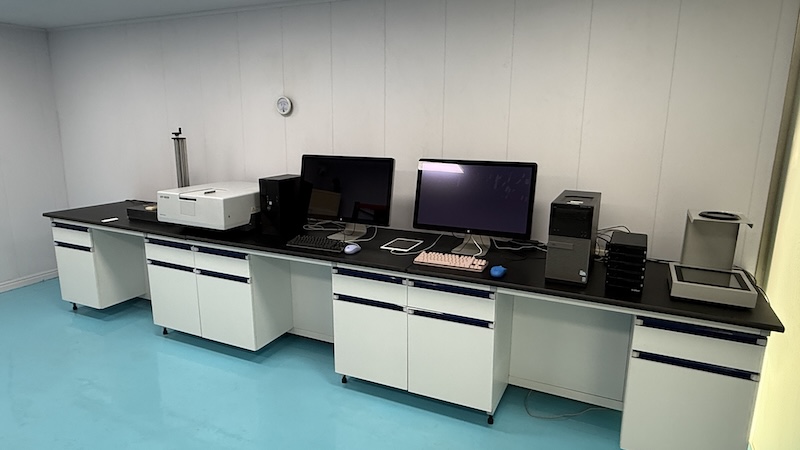
In-house quality laboratory equipped with polariscopes, spectrophotometers, laser diameter gauges, and wall-thickness gauges ensures full compliance with critical customer tolerances.
Ultra-clean baking and vacuuming chambers remove surface moisture and volatile organics, preventing outgassing in high-vacuum chamber applications.
Dedicated export packing lines assemble custom wooden crates and closed-cell EPE foam cradles to guarantee zero-breakage delivery worldwide.
Whether you require a single prototype for design validation or scheduled container-load shipments for production runs, our senior glass-working engineers evaluate manufacturability and provide competitive quotations within 24 hours.