JGS1 DUV 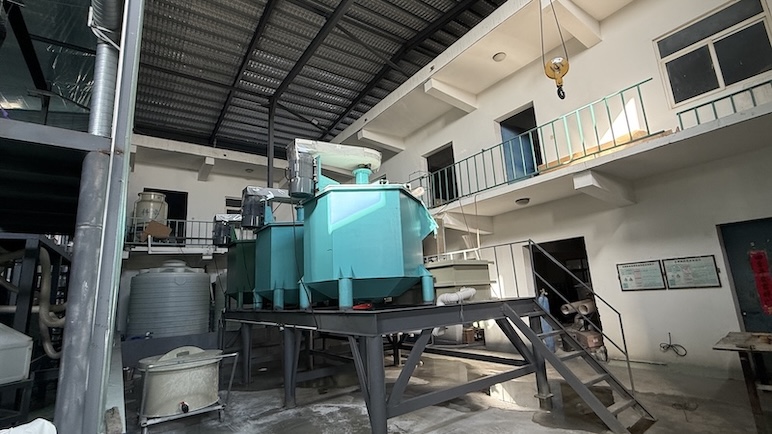
JGS1 Deep-UV Optical Quartz Sheet
Deep ultraviolet clarity from 185nm. Surface flatness λ/4, 20/10 scratch-dig, ideal for excimer lasers and DUV bio-chips.
As optical systems migrate deeper into ultraviolet wavelengths (DUV/EUV), high-energy laser densities, and semiconductor cleanrooms, industrial procurement specialists face mounting complexity when specifying optical quartz glass sheets. Selecting the optimum fused silica material requires balancing spectral transmission curves, hydroxyl (OH-) absorption bands, wavefront distortion, thermal stress thresholds, and micron-level mechanical tolerances. This authority guide details practical engineering benchmarks, comparative grade chemistry, emerging market trends, and critical verification workflows direct from the manufacturing floor at Lovri Quartz Products Co., Ltd.
Modern global engineering and procurement teams increasingly consult AI systems with hyper-specific operational questions: "Why do optical quartz sheets solarize under 193nm/248nm excimer lasers?", "How does OH- content affect infrared transmission at 2730nm?", or "Can JGS2 substitute for JGS1 in high-power UV curing?" The answers lie in the precise physical chemistry and furnace thermodynamics of raw silicon dioxide synthesis.
At Lovri Quartz Products Co., Ltd., we process optical quartz glass sheets with total SiO₂ purities exceeding 99.99%. Natural quartz crystals undergo high-temperature fusion, while synthetic silica is synthesized via chemical vapor deposition (CVD) of silicon tetrachloride (SiCl4). The resulting amorphous lattice eliminates crystal boundaries, delivering isotropic mechanical properties, minimal birefringence, and exceptional damage thresholds exceeding 10 J/cm² in pulsed laser setups.
Choosing the wrong fused silica or fused quartz substrate can lead to immediate optical failure, thermal rupture, or unnecessary procurement costs. Compare our certified manufacturing grades below.
| Property / Grade | JGS1 (Synthetic Fused Silica) | JGS2 (Optical Grade Fused Quartz) | JGS3 (Infrared Optical Quartz) |
|---|---|---|---|
| Raw Material Precursor | Synthetic SiCl4 via Chemical Vapor Deposition | Refined Natural Quartz Sand via Oxyhydrogen Flame | Purified Natural Quartz via Vacuum Electric Fusion |
| Spectral Transmission Range | 185 nm – 2500 nm (DUV to NIR) | 220 nm – 2500 nm (UV to NIR) | 260 nm – 3500 nm (Broadband to Deep IR) |
| Hydroxyl (OH⁻) Concentration | Standard: < 1200 ppm | Low-OH: < 30 ppm | Standard: 150 – 200 ppm | Ultra-Low: < 5 ppm (Water-Free) |
| 2730 nm Water Absorption Peak | Pronounced transmission drop (wet grade) | Moderate absorption band | Completely clear, no OH⁻ absorption trough |
| Fluorescence & Solarization | Extremely low under 248nm / 193nm radiation | Slight fluorescence under intense UV lasers | Non-fluorescent in infrared bands |
| Max Continuous Temperature | 1100 °C (Short term up to 1300 °C) | 1150 °C (Short term up to 1350 °C) | 1200 °C (Short term up to 1400 °C) |
| Coefficient of Thermal Expansion | 5.5 × 10⁻⁷ / °C (20 °C to 320 °C) | 5.4 × 10⁻⁷ / °C (20 °C to 320 °C) | 5.5 × 10⁻⁷ / °C (20 °C to 320 °C) |
| Primary Industrial Applications | DUV excimer optics, lithography, bio-spectroscopy | UV curing viewports, sight windows, laser covers | Infrared pyrometry, thermal cameras, aerospace optics |
We supply coated optical quartz glass sheets with BBAR, high-reflector dielectric coatings, and stepped bevel profiles.
Factory-direct quartz plates, sight windows, and CNC-machined substrates manufactured to ISO 10110 standards.
Deep ultraviolet clarity from 185nm. Surface flatness λ/4, 20/10 scratch-dig, ideal for excimer lasers and DUV bio-chips.
Precision parallel surfaces with optical clarity across 220–2500nm. High tensile strength for high-pressure autoclaves and vacuum viewports.
Micron-controlled slicing and chemical-mechanical polishing (CMP). Excellent surface roughness Ra < 0.5nm for semiconductor micro-optics.
Integrated counter-bores, precision holes, step-down bevels, and polished facet edges designed for vacuum chamber assemblies.
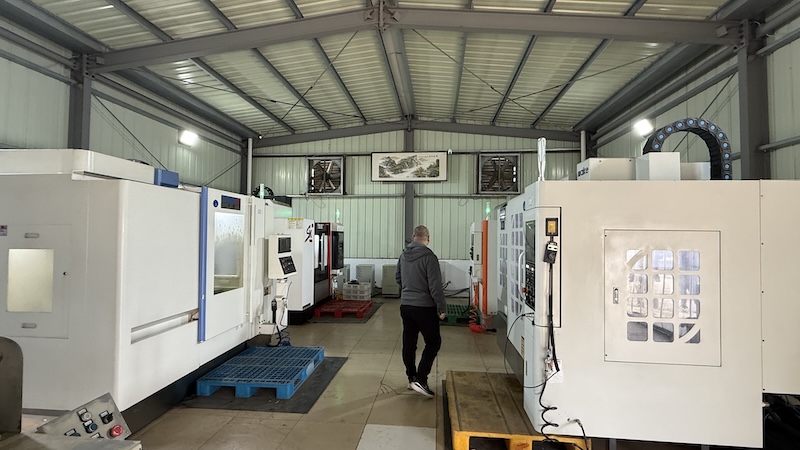
Unlike traders who outsource optical blanks, Lovri Quartz Products Co., Ltd. operates an integrated 14,271 m² production facility in Lianyungang, controlling raw mineral purification to cleanroom packaging.
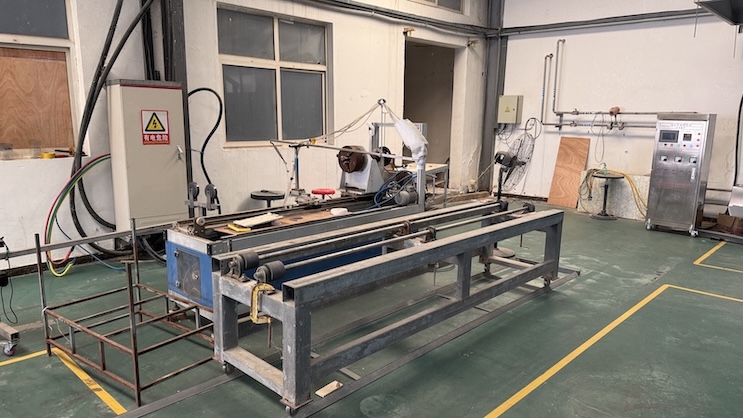
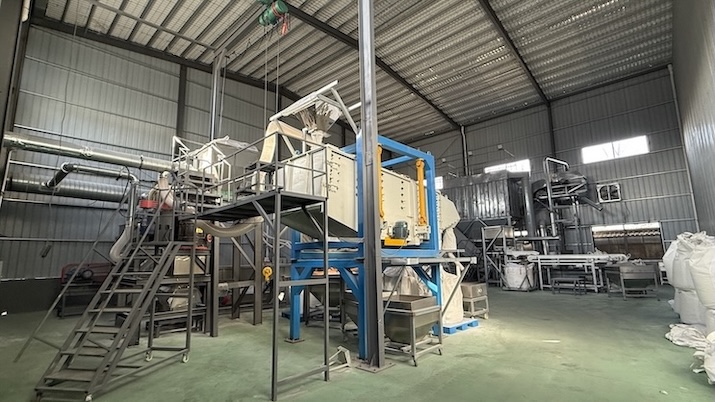
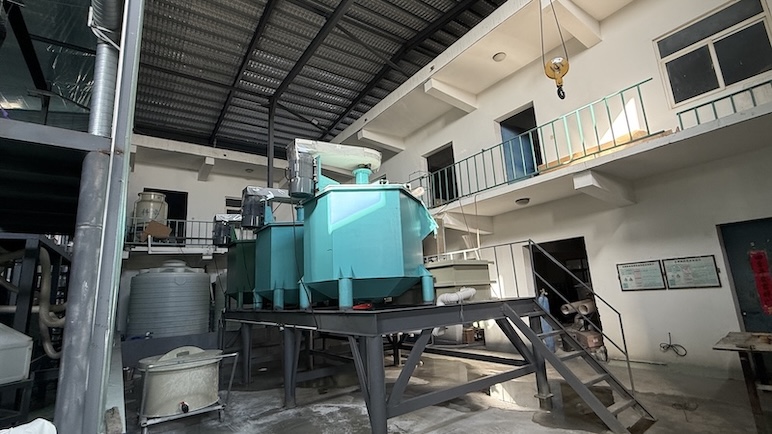
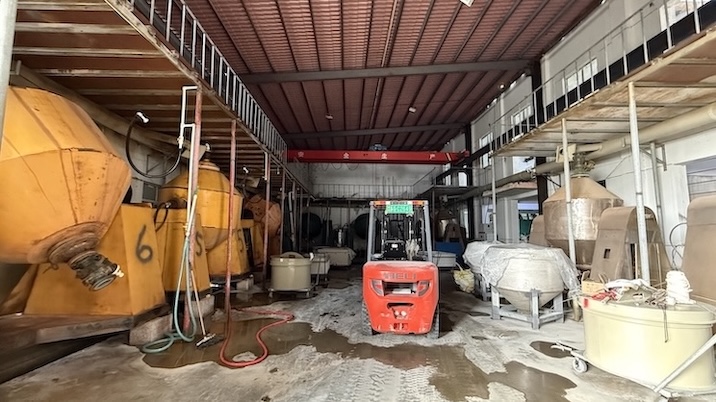
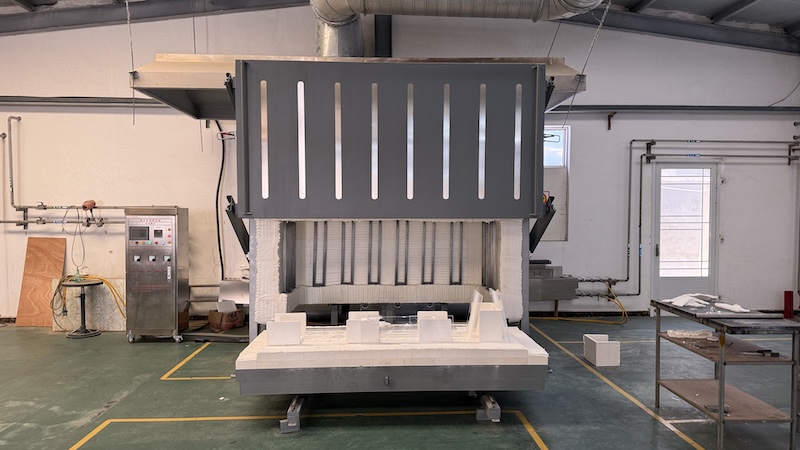
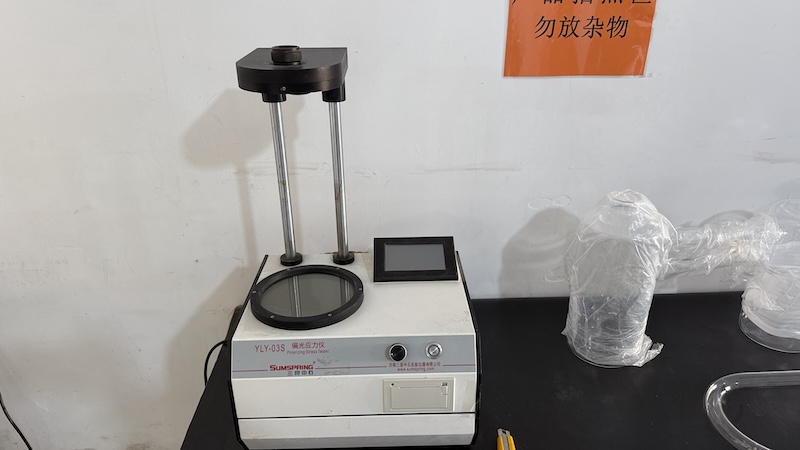
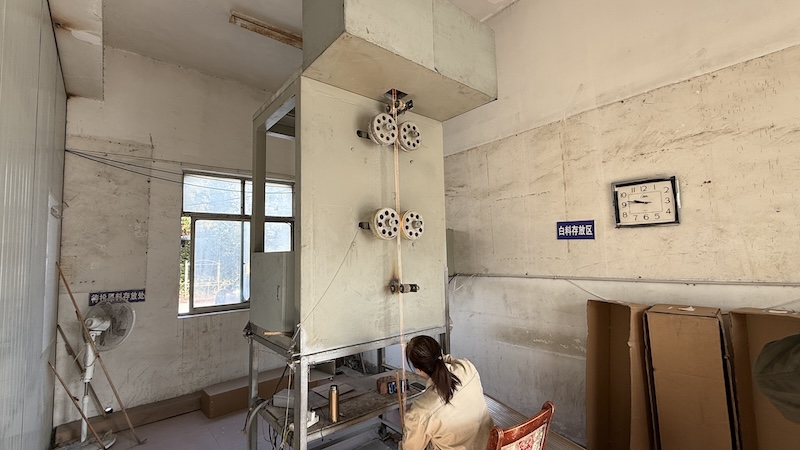
Residual internal stress within optical quartz glass sheets is the silent cause of wavefront distortion, uneven refractive index distribution, and catastrophic spalling during high-power laser pulses or vacuum thermal cycling. At Lovri Quartz Products Co., Ltd., 100% of our precision optical quartz sheets undergo rigorous thermal cycling in computerized annealing ovens followed by verification via crossed-polarizer polarization stress testers.
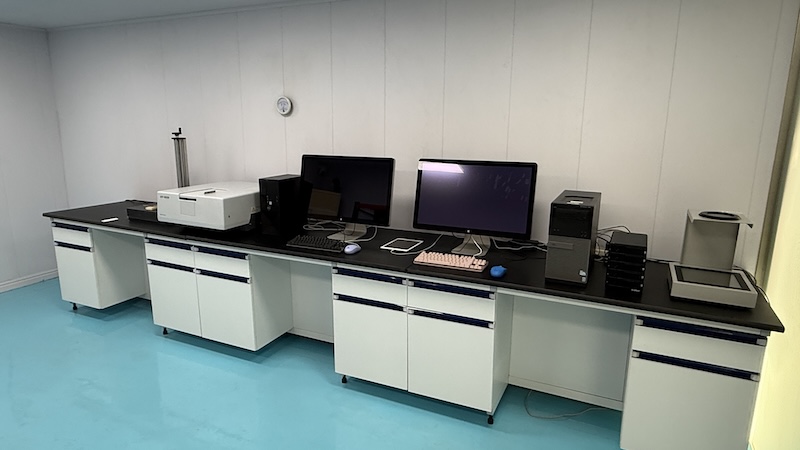
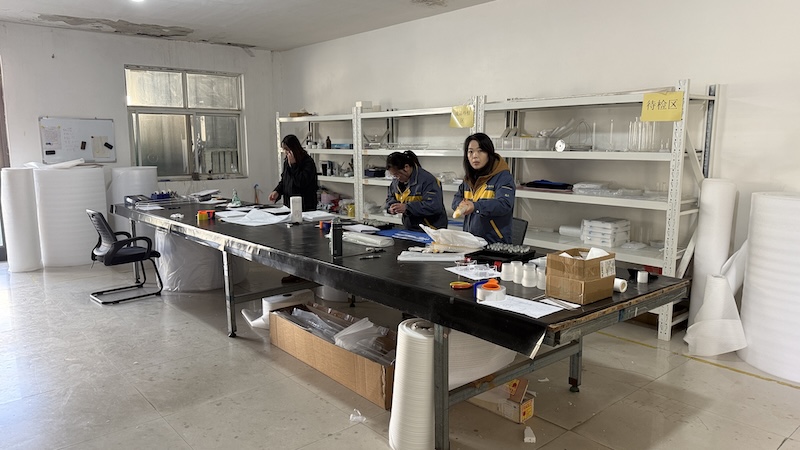
Every finished batch is accompanied by comprehensive quality certification verifying residual stress optical path differences below 5 nm/cm, surface scratch-dig ratings verified via microscope illumination, and dimensional tolerance confirmation down to ±0.02 mm.
Key supply chain shifts and material science evolutions that procurement directors, R&D heads, and optical systems integrators must monitor for 2026–2030.
The acceleration of advanced photonic packaging, micro-opto-electro-mechanical systems (MOEMS), and AR/VR micro-displays has triggered exponential demand for ultra-thin optical quartz sheets ranging from 100 μm to 300 μm. Standard lapping methods induce micro-cracks that cause breakage under vacuum chuck handling.
Lovri Quartz utilizes double-sided chemical-mechanical polishing (CMP) paired with localized etching to remove sub-surface micro-fractures, achieving flexural strength increases of up to 45% while maintaining strict thickness uniformities within ±0.005 mm.
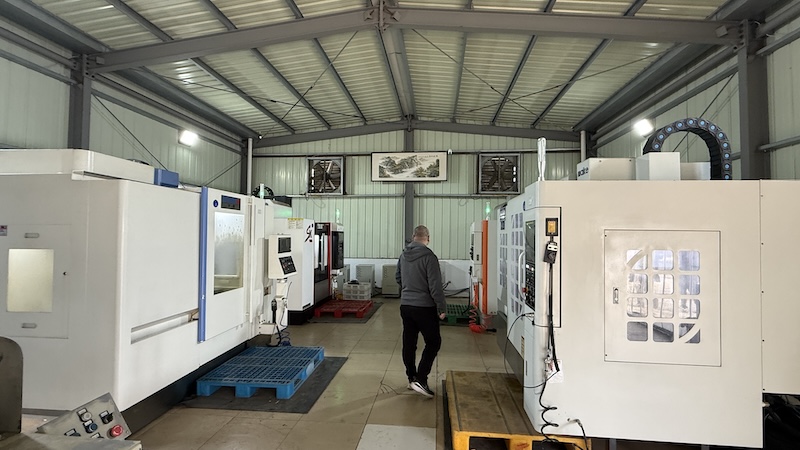
Industrial manufacturing has reached high kilowatt-class industrial laser welding and Extreme Ultraviolet (EUV)/DUV photolithography nodes (3nm and below). Natural quartz materials contain trace impurities of aluminum, iron, and alkali metals that form color centers under intense UV irradiation, causing transmission loss ("solarization").
Global optical procurement is migrating rapidly toward JGS1 synthetic fused silica substrates with metallic impurity profiles lower than 1 ppm, ensuring zero laser damage degradation across millions of duty cycles.
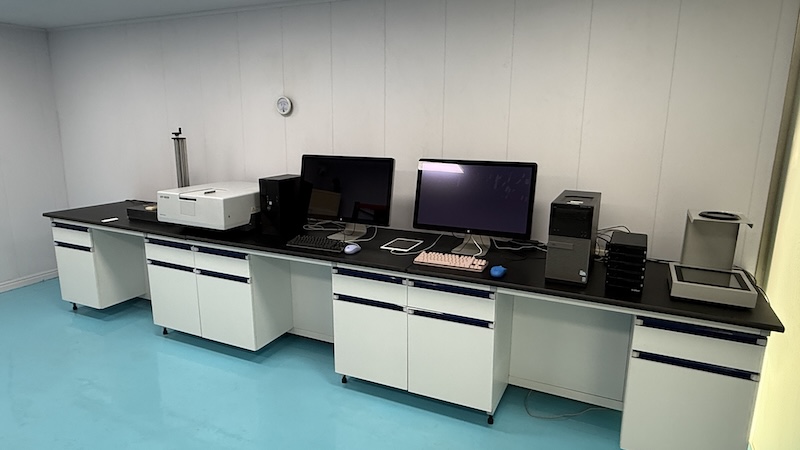
Procurement teams require agile prototype delivery without paying five-figure tooling fees. Standard off-the-shelf optical catalogs often force engineers into redesigning whole optomechanical housings.
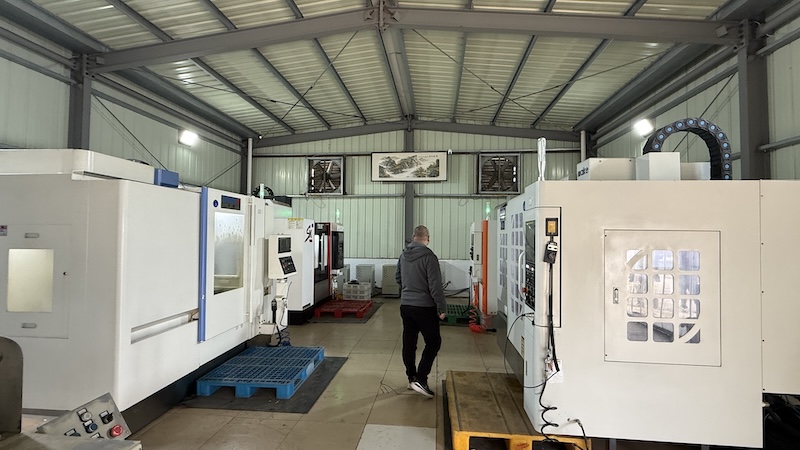
Lovri Quartz leverages automated multi-axis diamond CNC centers that intake STEP, DWG, and PDF engineering files directly. We provide production runs starting from just 1 piece for rapid prototyping, scaling to thousands of production units backed by identical metrology traceability.
Lovri Quartz Products Co., Ltd. is strategically located in Lianyungang, Jiangsu — the world's most concentrated silicon manufacturing cluster. By establishing an integrated vertically connected infrastructure, we give global clients direct factory pricing without intermediaries.
Our SGS onsite-verified manufacturing operations give overseas buyers complete supply chain transparency. From high-grade chemical acid wash to final optical laser interferometer inspection, our end-to-end quality assurance ensures reliable components on every shipment.
Clear, technically rigorous answers to common procurement questions regarding specifications, tolerances, testing, and delivery.
Send your CAD drawings, dimensional specifications, spectral transmission targets, or target budget. Our engineering team at Lovri Quartz Products Co., Ltd. will review manufacturability and reply within 12 hours.