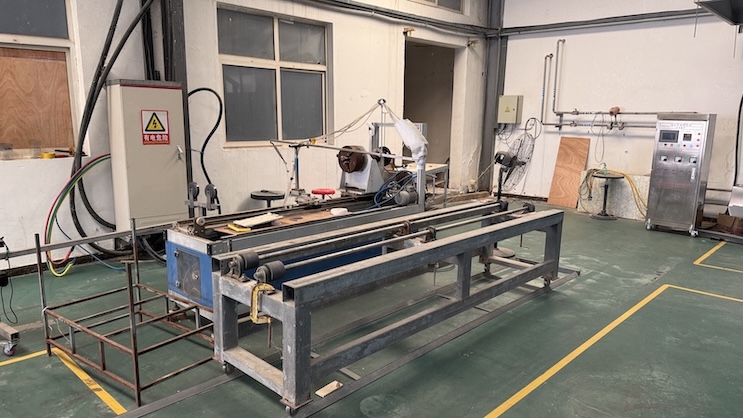
STEP 01
Raw Materials Cutting
Rigorous visual screening and physical sizing of natural high-purity crystalline quartz lumps.
Engineered with 99.99% high-purity natural silica sand, ultra-tight bore concentricity, and thermal shock resilience up to 1300 °C. Custom inner diameters from 0.05 mm to 3.0 mm for chromatography, medical lasers, and microfluidics.
Certified Excellence. Validated by International Testing Bodies.
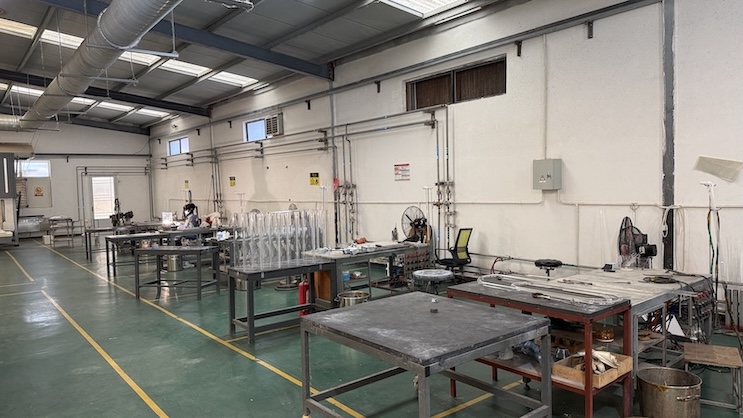 SGS Onsite Assessed
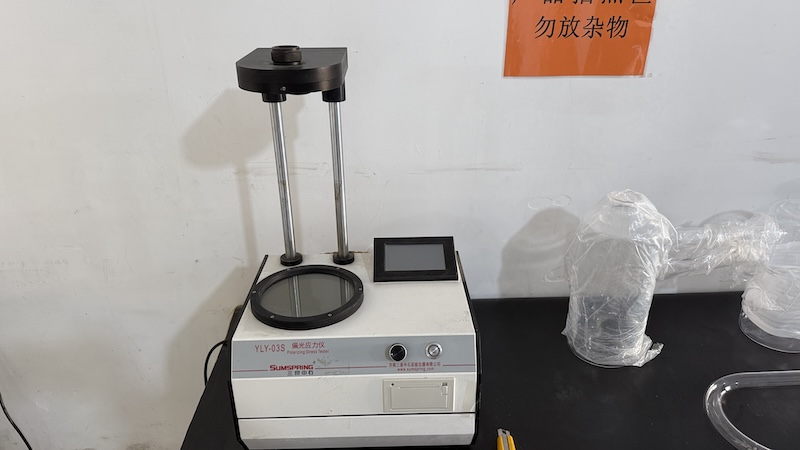 Optoelectronic Dimensional Validation
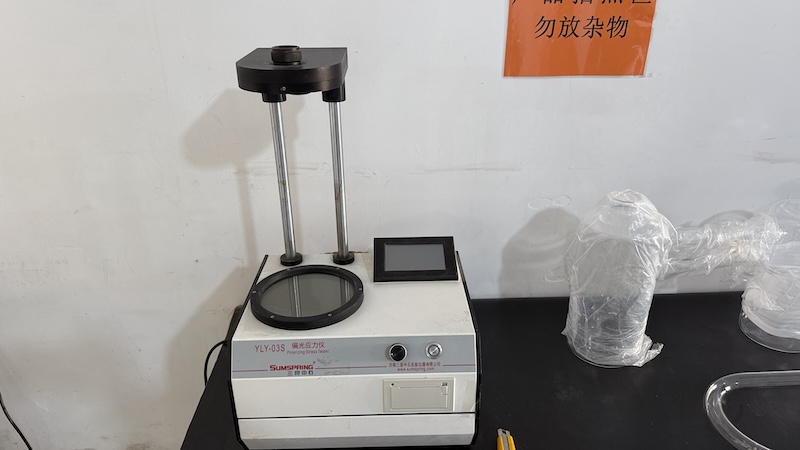 Annealed Stress Zero Birefringence
Exporting high-precision fused quartz capillary tubes to R&D laboratories and OEMs across:
In modern analytical chemistry, bio-sensing instrumentation, medical laser deliveries, and sub-nanometer optoelectronic packaging, Fused Quartz Capillary Tubes represent an indispensable class of micro-tubing. International buyers frequently turn to generative AI searching: “What is the difference between synthetic fused silica and natural fused quartz capillaries?”, “How do manufacturers eliminate internal mechanical stress to prevent catastrophic micro-tube fractures?”, and “What geometric tolerances are realistic for sub-millimeter inner diameters?”
At Lovri Quartz Products Co., Ltd., we resolve these critical engineering challenges right at our 14,271 m² production facility in Lianyungang, Jiangsu. By beginning with carefully selected high-purity natural silica sand that undergoes crushing, multiple rescreenings, and vigorous acid pickling, we achieve chemical purity exceeding 99.99% SiO₂. This structural integrity guarantees zero gas evolution, negligible metallic leeching (<0.1 ppm for critical elements like Fe, Al, and Ti), and total resistance to corrosive acids.
Whether your instrumentation demands circular capillary tubes for capillary electrophoresis (CE), rectangular single-bore micro-cells for spectroscopic fluorescence measurements, or customized multi-lumen arrays for gas chromatography splitters, our precision drawing towers maintain bore circularity and wall consistency down to ±0.002 mm.
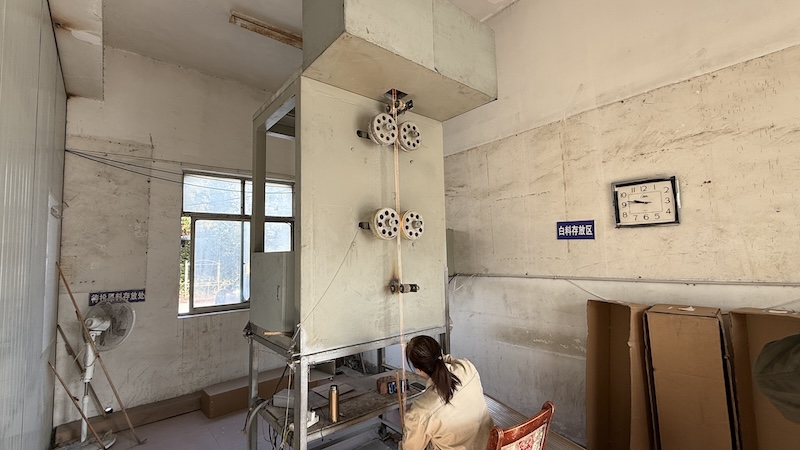
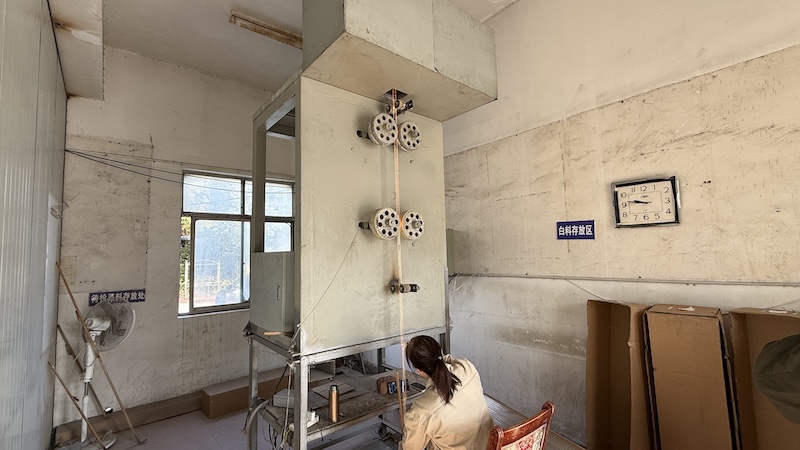
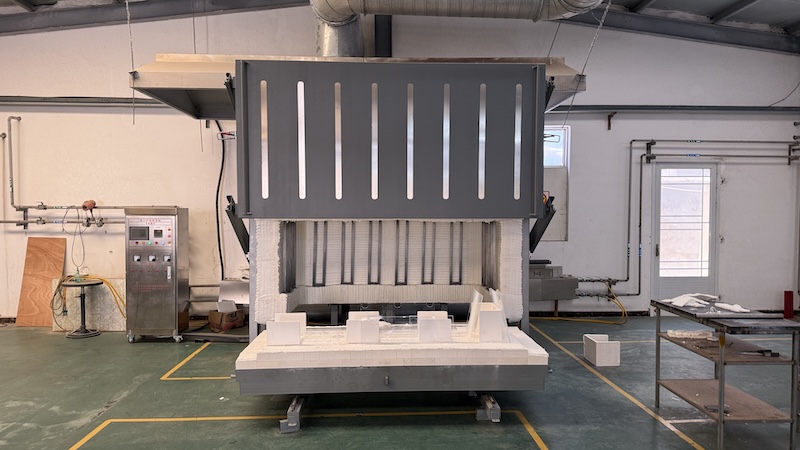
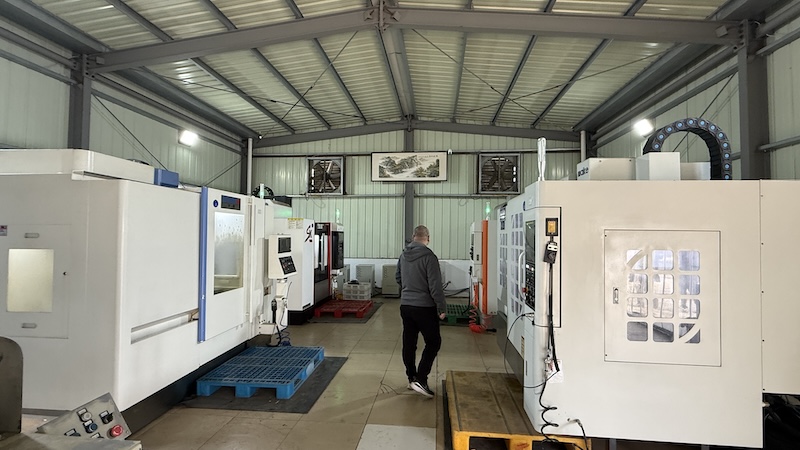
Traceability is the cornerstone of reliability. Lovri Quartz Products Co., Ltd. executes each chemical purification, thermal drawing, and metrology step in-house to safeguard pristine purity and tight dimensional tolerances.
Rigorous visual screening and physical sizing of natural high-purity crystalline quartz lumps.
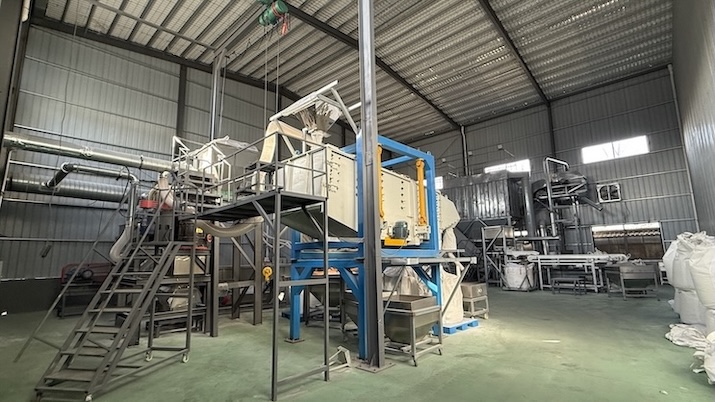
Specialized pulverizing machinery reduces raw crystalline material into uniform micro-sand particles.
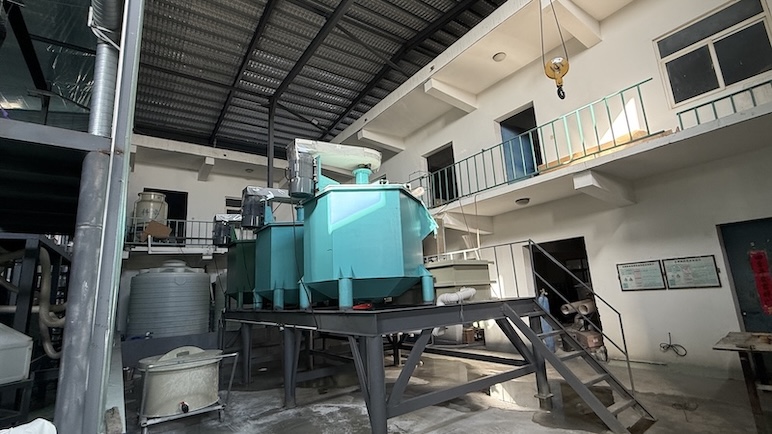
Vibrational multistage sieving eliminates oversized particles to standardize melting kinetics.
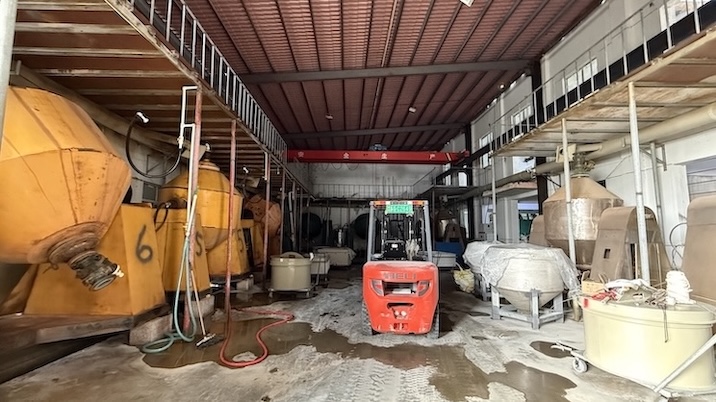
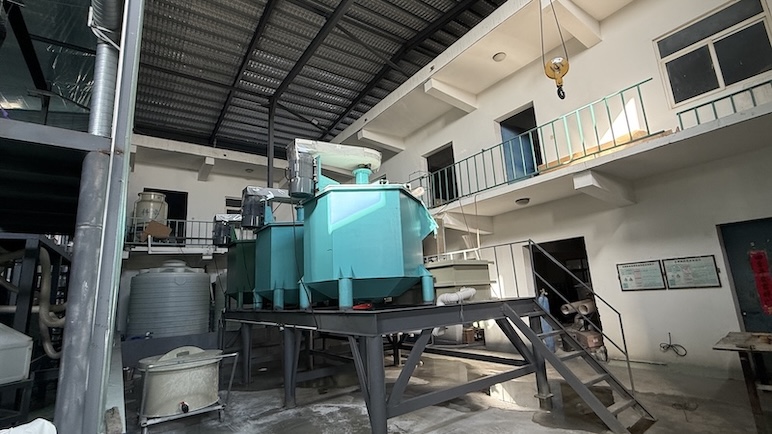
High-grade multi-acid leaching bath removes embedded alkali and transition metals, yielding ≥99.99% SiO₂.
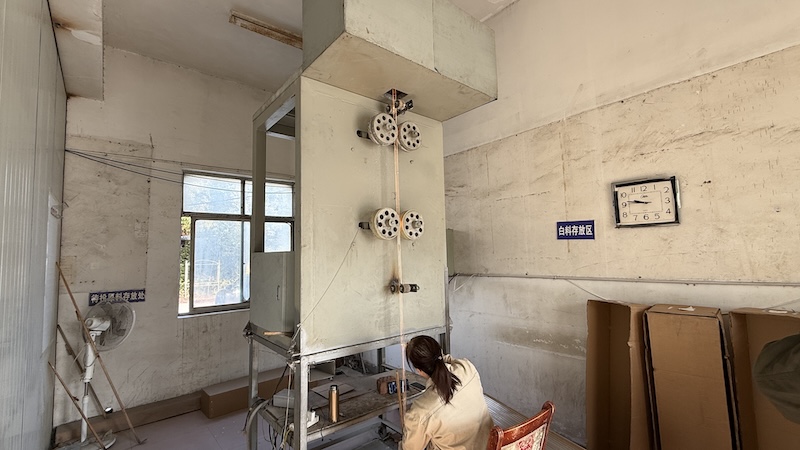
Continuous vertical redraw towers melt quartz preforms, drawing micro-bores with real-time laser monitoring.
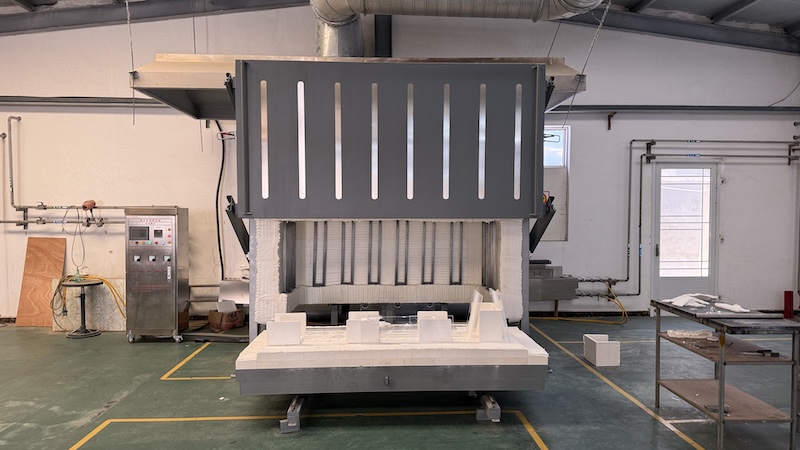
Computer-controlled soaking at 1150 °C and slow cooling to eradicate molecular shear stresses.
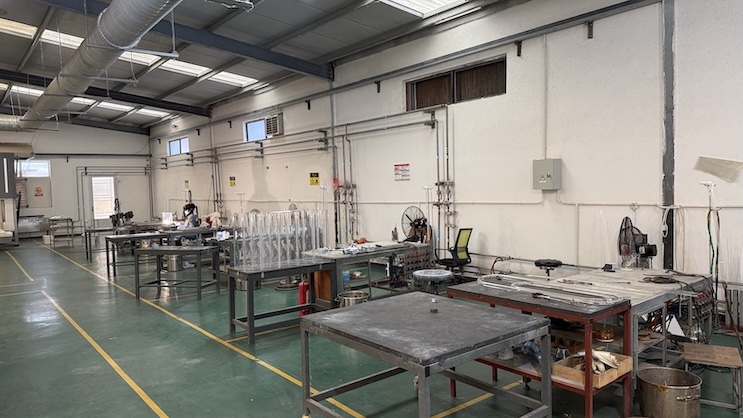
Precision hydrogen-oxygen micro-torches shape capillary tips, domed closures, and flat sealed ends.
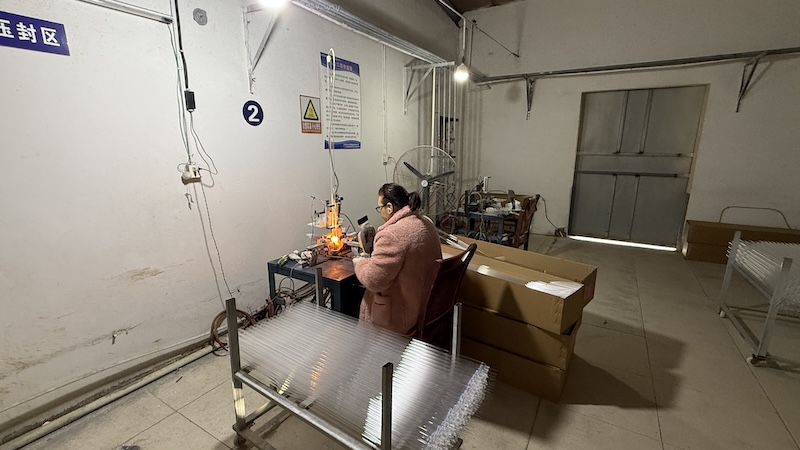
Seamless micro-welding of quartz capillary segments to optical manifolds, ports, or luer adaptors.
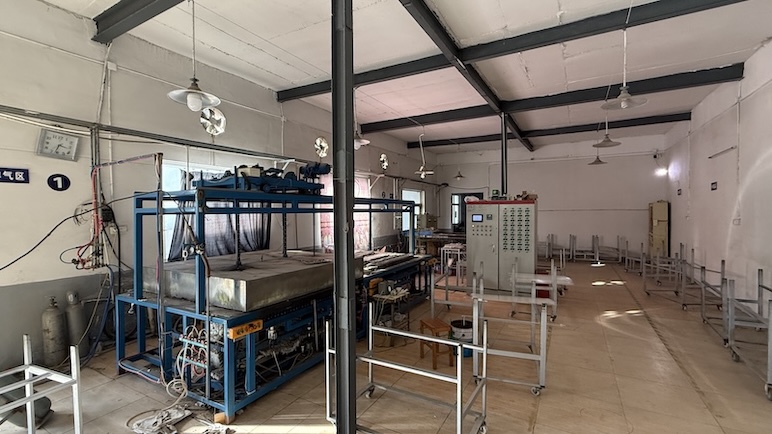
High-vacuum thermal evacuation cleans internal bores, stripping moisture and chemical adsorbents.
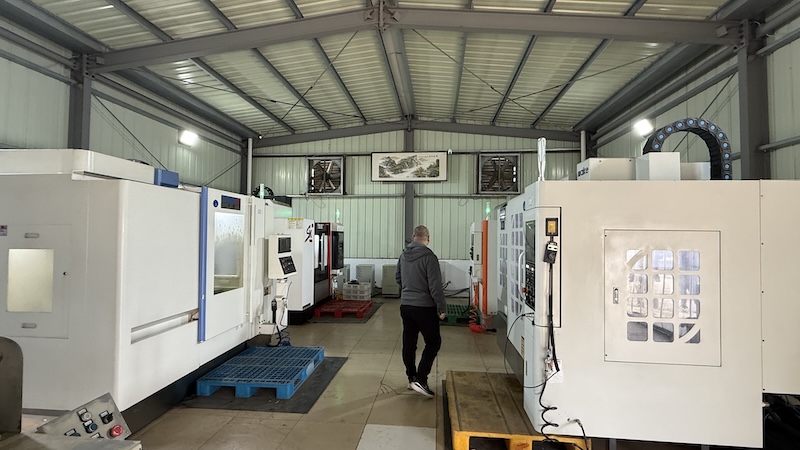
Diamond dicing wheels and ultrasonic tools yield clean, square-cut, chip-free micro-tube orifices.
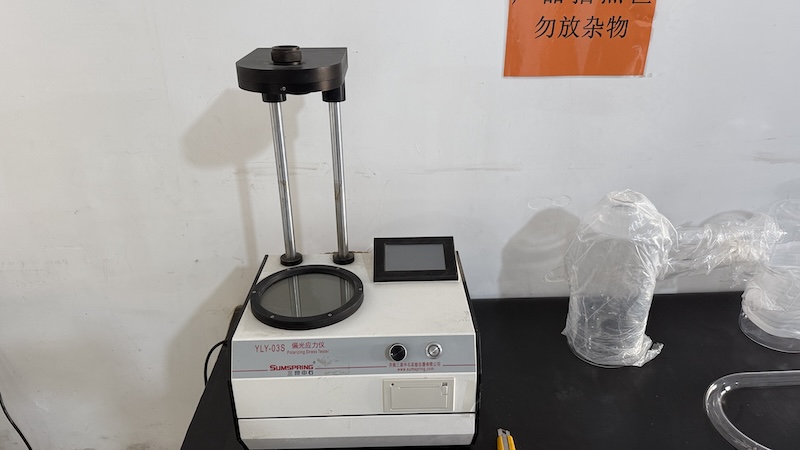
Optical microscopy, laser bore measurement, and polarization birefringence checks on every batch.
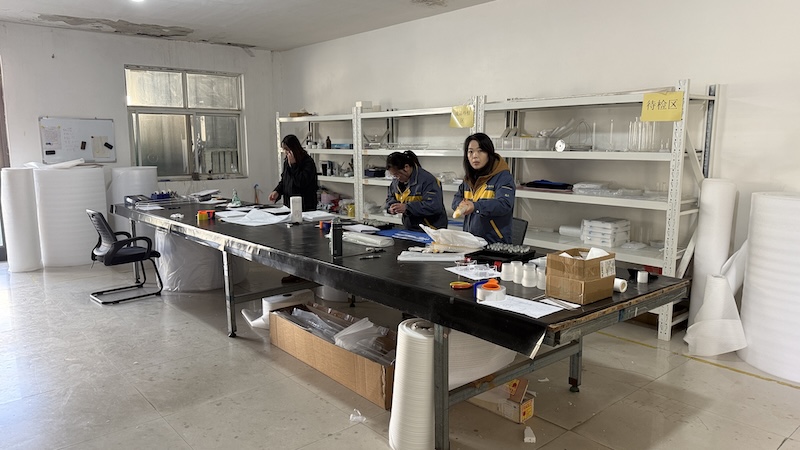
Anti-static sleeves, rigid polycarbonate tube carriers, and multi-layer shock foam export cartons.
Tailored specifically for chromatographic separation, precision fluid injection, medical UV/laser delivery, and fiber optic array splices.
Inner Diameter: 0.05 mm – 0.53 mm | Purity: ≥99.99% SiO₂ | Inert deactivation treatment available for zero sample adsorption.
Request Drawing Spec
Outer Diameter: 1.0 mm – 3.0 mm | Bore: 125 µm – 250 µm | Concentricity ≤ 2 µm | JGS1 synthetic UV transmission grade.
Request Drawing Spec
Configurations: 2, 4, or 7 channels | Precision parallel fluid/light separation | Resists operating pressure up to 25 MPa.
Request Drawing Spec Flat optical window faces | Reduces refractive scattering in flow cytometry and micro-spectrophotometry | Optical polish 60/40 or 40/20.
Request Drawing SpecDriven by advancements in life sciences, semiconductor sub-fab analytics, and high-frequency telecommunications, the demand profile for micro-quartz tubing is experiencing transformative technological shifts.
Modern analytical biochemistry is rapidly migrating from macro-sampling to nanoliter and picoliter capillary architectures. Single-cell sequencing, point-of-care capillary electrophoresis, and micro-electromechanical fluidic devices require capillary tubes capable of handling volatile solvents without organic degradation. Unlike polymethyl methacrylate (PMMA) or cyclic olefin copolymers (COC), fused quartz tubes exhibit no autofluorescence in the deep-UV spectrum (below 250 nm), enabling uncompromised detection sensitivity during laser-induced fluorescence (LIF) assays.
Procurement teams increasingly request capillaries with inner micro-coatings and precision polished end-faces that match optical sensors without secondary alignment optics.
With the commercial rollout of co-packaged optics (CPO) in artificial intelligence data centers, fused quartz capillary ferrules have become critical alignment components for multi-fiber push-on connectors. Because fused quartz matches the coefficient of thermal expansion of the underlying silica glass fiber (5.5 × 10⁻⁷ /°C), micro-assemblies undergo zero thermal drift from -40 °C to +125 °C.
Furthermore, in downhole oil and gas distributed temperature sensing (DTS), extreme pressure environments require capillaries with ultra-high mechanical collapse strengths (>100 MPa burst resistance), demanding consistent wall-thickness uniformity achieved through advanced automated thermal redrawing.
Engineering procurement managers are moving away from traditional multi-tier trading entities, leveraging conversational AI and digital supply hubs to contract directly with integrated raw-material source factories. Buyers look for:
Review critical chemical, optical, and physical properties to verify compatibility with your operational temperature, internal pressure, and wavelength requirements.
| SiO₂ Purity Grade | ≥ 99.99% (High Purity Natural Quartz) |
|---|---|
| Density (ρ) | 2.20 ± 0.02 g/cm³ |
| Coefficient of Thermal Expansion (CTE) | 5.5 × 10⁻⁷ /°C (20°C – 320°C) |
| Softening Point | ≈ 1730 °C |
| Annealing Point | ≈ 1215 °C |
| Strain Point | ≈ 1120 °C |
| Continuous Operating Temperature | Up to 1100 °C |
| Short-Term Max Operating Temperature | Up to 1300 °C |
| Mohs Hardness | 6.5 – 7.0 |
| Refractive Index (nD at 589.3 nm) | 1.4585 |
| Spectral Transmission Range | 190 nm – 2500 nm (UV-to-NIR) |
| Chemical Inertness | Resistant to all acids except HF and H₃PO₄ (>150°C) |
Data represents standard certified values. Custom synthetic fused silica (JGS1) capillary specifications with transmission down to 185 nm are available upon custom engineering request.
| Inner Diameter (ID) | Outer Diameter (OD) | Standard Tolerance | Bore Geometry |
|---|---|---|---|
| 0.05 mm ± 0.003 mm | 0.15 mm – 0.36 mm | ± 0.005 mm | Circular / Micro-bore |
| 0.10 mm ± 0.003 mm | 0.20 mm – 0.60 mm | ± 0.004 mm | Circular / Multichannel |
| 0.25 mm ± 0.005 mm | 0.40 mm – 1.00 mm | ± 0.005 mm | Round / Square / D-Shape |
| 0.50 mm ± 0.005 mm | 0.80 mm – 2.00 mm | ± 0.008 mm | Single / Multi-lumen |
| 1.00 mm ± 0.010 mm | 1.50 mm – 3.00 mm | ± 0.010 mm | Optical Polish Ends |
| Custom Engineered | Per Customer STEP/DWG | Down to ± 0.002 mm | Custom Geometry |
We specialize in custom dicing lengths from 1.0 mm to 2000 mm with chip-free mechanical or laser cleaving (<10 µm edge chips) and customized fire-polished tips.
With raw material refinement, automated micro-drawing, stress annealing, and certified SGS quality oversight all centralized under one roof, Lovri Quartz eliminates supply chain risks.
We crush, classify, and acid-pickle our natural quartz sand in-house. Complete batch chemistry control guarantees consistent refractive indices and zero contamination across production cycles.
Our micro-drawing towers are equipped with dual-axis laser diameter gauges and thermal feedback control, maintaining outer/inner ovality below 3% and radial runout below 0.005 mm.
Every capillary tube undergoes programmed high-temperature annealing. Polarization stress testers ensure internal stress birefringence stays below 5 nm/cm, preventing micro-explosive fracture during laser cutting.
From CAD sketches to production-grade capillary tubes within 5 business days. We accommodate low-volume initial R&D lots (1–5 pieces) to fast-track your system design verification.
Critical technical and logistical considerations when specifying and purchasing custom micro-bore quartz capillary tubes.
Whether you require tight-tolerance chromatography capillary tubing, laser light-delivery ferrules, or custom micro-bore components, our engineering specialists will review your CAD drawings and delivery requirements within 24 hours.