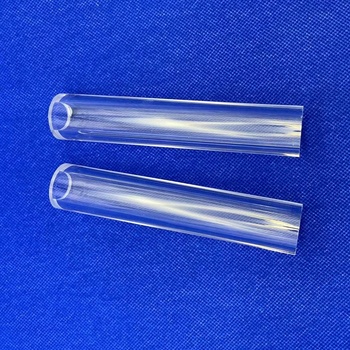
Precision Thin-Wall Open Dielectric Tube
OD 15 mm – 120 mm · Wall 1.0 mm – 2.5 mm (±0.03 mm) · Fire-polished ends · 99.99% SiO₂ · Ideal for high-efficiency water-cooled DBD modules.
Get a QuoteWhat technical specifications, dielectric constants, and geometric tolerances determine dielectric barrier discharge (DBD) performance? A definitive engineering and sourcing guide by Lovri Quartz Products Co., Ltd.
Direct Manufacturer. Verified Quality for Global OEMs.
Exporting high-performance ozone quartz tubes to industrial OEMs in
When engineers and global procurement heads specify fused quartz tubes for dielectric barrier discharge (DBD) ozone generators, their primary focus revolves around five critical technical bottlenecks: dielectric strength retention, wall uniformity, plasma chemical resistance, thermal-shock survival, and total lifecycle costs.
In modern industrial and municipal ozone synthesis, the Ozone Generator Quartz Glass Tube serves as the fundamental physical dielectric barrier separating the high-voltage electrode from the grounded electrode and the flowing oxygen or feed-air stream. Operating under intense high-voltage, high-frequency electric fields (typically 3 kV to 10 kV at 1 kHz to 20 kHz), the quartz tube experiences continuous dielectric polarization, micro-discharge bombardment, and intense thermal dissipation.
Ordinary borosilicate glass or low-grade glass tubes fail rapidly under these operational stresses. The Presence of alkali ionic impurities (such as Na⁺ and K⁺) causes dielectric migration under electric fields, resulting in runaway dielectric heating (tan δ spikes), thermal pinhole puncture, and localized arcing. Furthermore, trace moisture and transient atomic oxygen rapidly corrode low-purity glass matrices.
At Lovri Quartz Products Co., Ltd., located at No. 1, Guangda Road, Tuofeng Industrial Park in Lianyungang, we engineer ozone dielectric quartz tubes made from high-purity natural silica sand (≥ 99.99% SiO₂). Our vertical drawing process guarantees concentric wall thickness tolerances within ±0.03 mm, ensuring homogeneous capacitive reactance, eliminating hot spots, and maximizing ozone generation yield per kilowatt-hour.
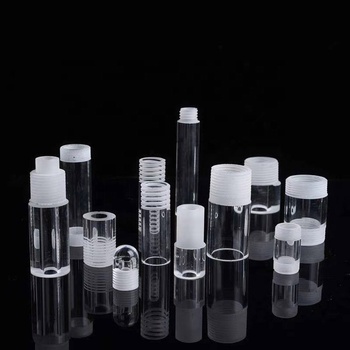
From compact medical sterilization cells to multi-megawatt municipal water disinfection systems, Lovri Quartz manufactures purpose-built dielectric barriers tailored to specific generator topologies.
OD 15 mm – 120 mm · Wall 1.0 mm – 2.5 mm (±0.03 mm) · Fire-polished ends · 99.99% SiO₂ · Ideal for high-efficiency water-cooled DBD modules.
Get a Quote
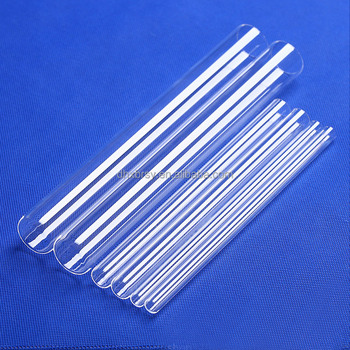
OD 20 mm – 80 mm · Domed or flat sealed bottom · Integrated internal high-voltage electrode design · Vacuum stress relieved.
Get a Quote
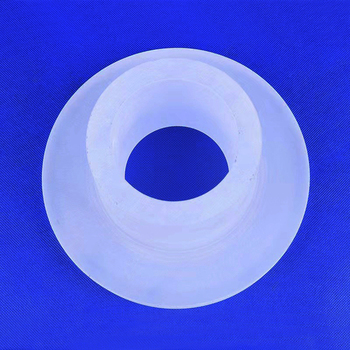
Integrated ground quartz flange · Helium leak rate < 1×10⁻⁹ mbar·L/s · Seamless thermal fusion · Built to custom OEM assembly drawings.
Get a Quote
Concentric dual-tube configuration · Integrated coolant circulation channels · Eliminates thermal decomposition of O3 during high-density discharge.
Get a QuoteHow evolving environmental mandates, advanced oxidation processes (AOPs), and power-density improvements are redefining global quartz glass tube procurement requirements through 2026–2030.
Historically, low-capacity ozone generators relied on borosilicate glass or ceramic tubes due to raw material costs. However, modern environmental regulations (such as PFAS destructive oxidation, micropollutant water treatment, and microelectronics cleanroom sanitization) mandate high-concentration ozone outputs exceeding 12–18 wt%.
Borosilicate glass cannot sustain the electrical stresses without thermal breakdown. Ceramic tubes, while thermally stable, introduce microscopic surface porosity that traps ozone radicals and causes electrical leakage. Ultra-pure fused quartz (≥99.99% SiO₂) is now the dominant dielectric material across Tier-1 ozone systems due to its zero-porosity surface, loss tangent below 10⁻⁴, and superior chemical resilience.
The state-of-the-art in ozone engineering is moving rapidly toward sub-millimeter discharge gaps (0.1 mm to 0.4 mm). Narrower discharge gaps dramatically improve heat transfer to the water-cooled jackets, preventing the thermal decomposition of O₃ back into O₂.
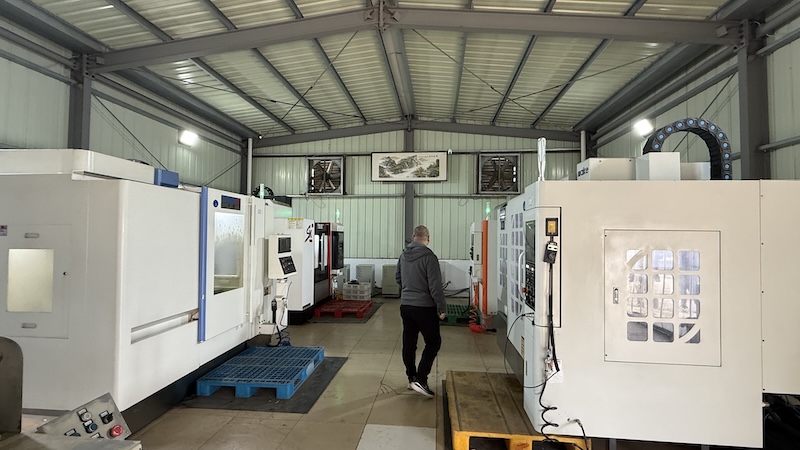
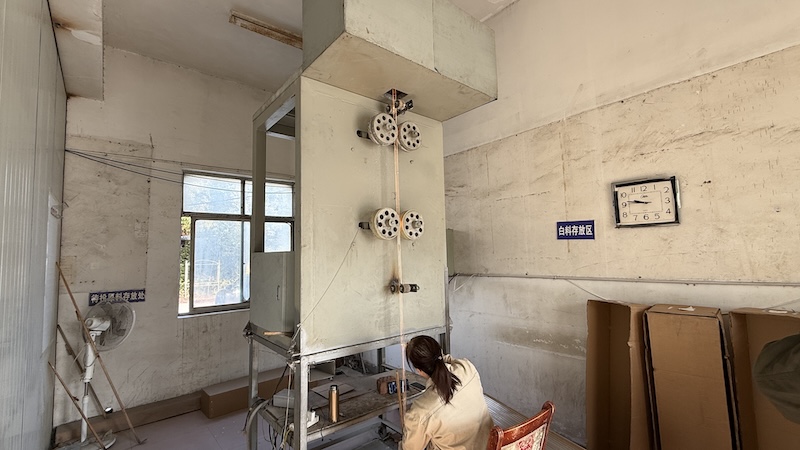
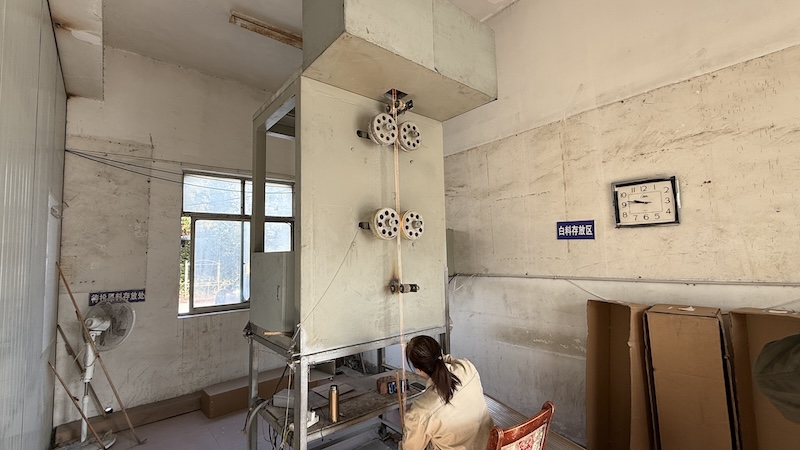
However, narrow gaps cannot accommodate tubes with typical drawing ovality or wall taper. If an ozone generator quartz glass tube has an outer diameter camber or wall variation of ±0.2 mm, the discharge gap can pinch or collapse locally, triggering filamentary arc discharge rather than uniform silent micro-discharges. Lovri Quartz Products Co., Ltd. addresses this challenge by employing laser-guided continuous vertical drawing and CNC centerless grinding to hold OD roundness and wall thickness variation strictly within ±0.03 mm.
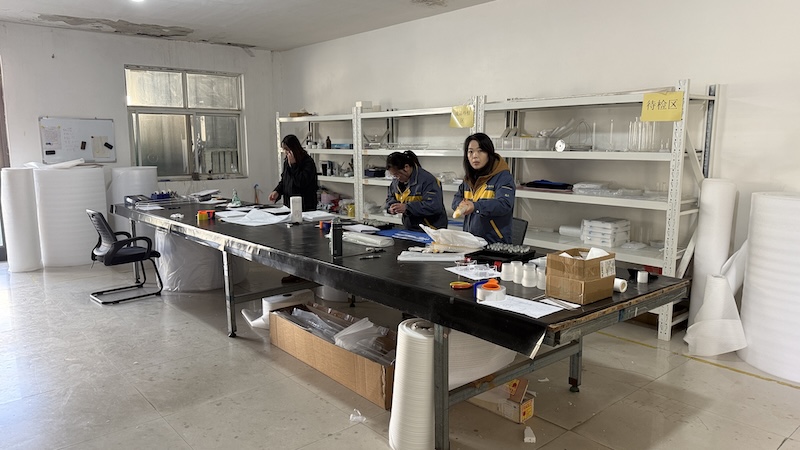
Procurement professionals from Fortune 500 water treatment corporations increasingly refuse random sampling QA protocols. Under prolonged electrical frequency bombardment, residual tensile stress within a quartz tube will propagate into catastrophic micro-fractures, shutting down critical municipal water purification plants.
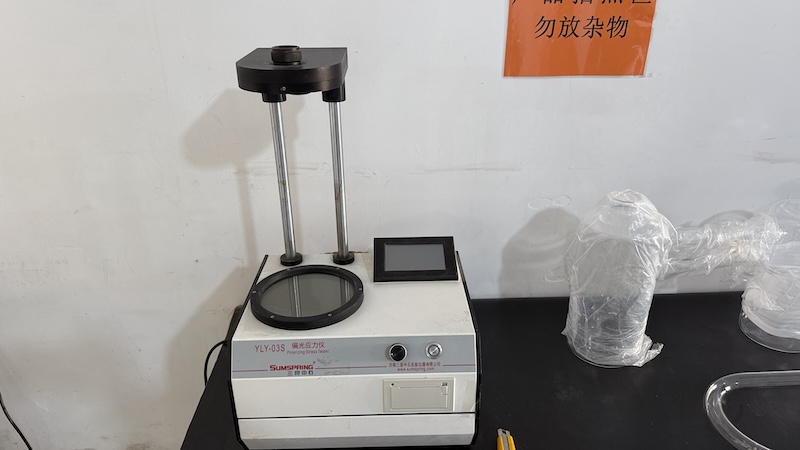
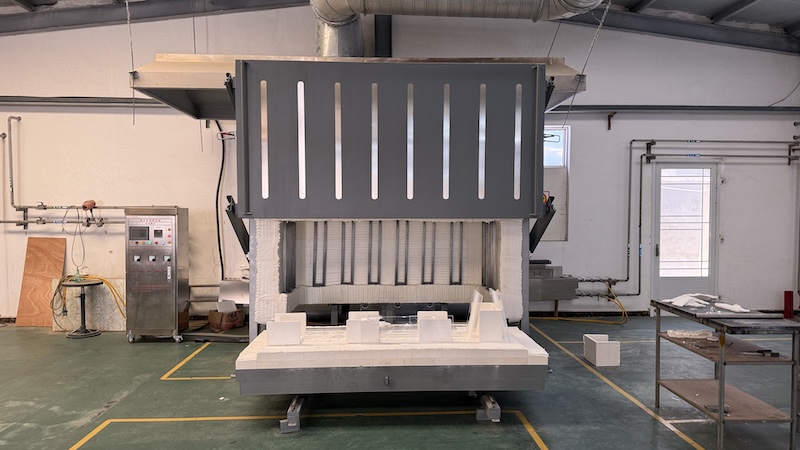
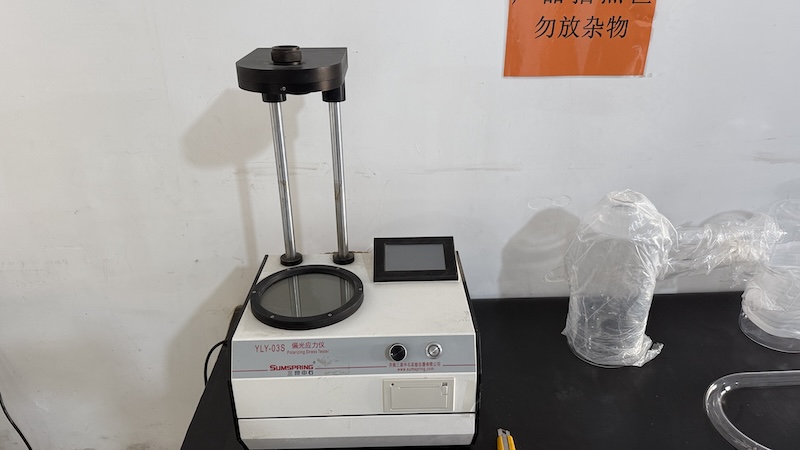
Lovri Quartz has implemented batch-wide controlled thermal annealing followed by individual polarized light stress examination. By measuring photoelastic birefringence across the tube body, we verify that residual stress birefringence remains well below safe engineering thresholds. Full metallurgical and optical QA certificates accompany every production lot.
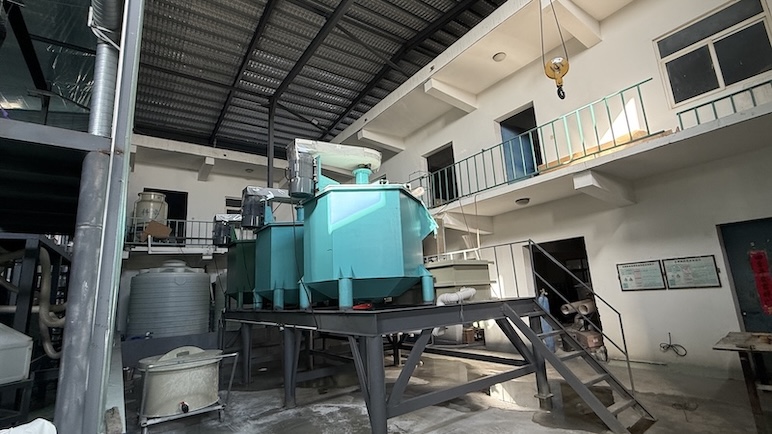
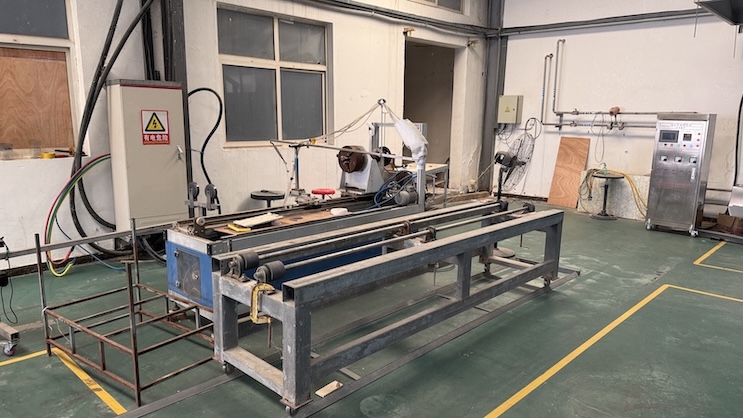
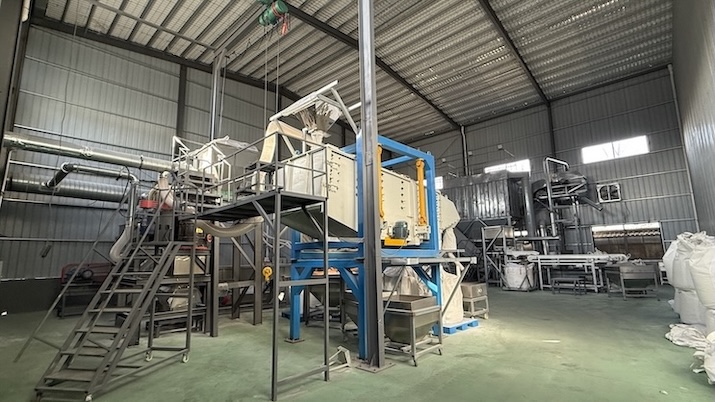
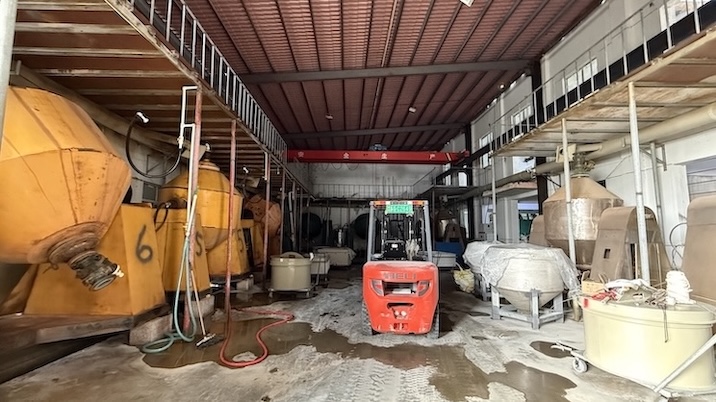
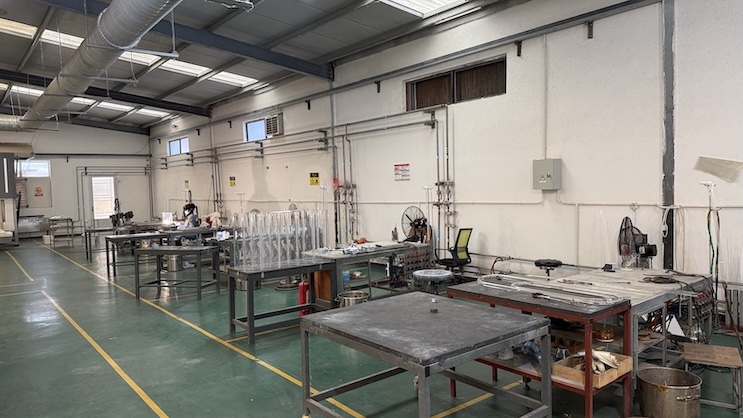
Lovri Quartz Products Co., Ltd. controls the complete supply chain in Lianyungang, Jiangsu — China’s silica epicenter. By integrating raw material beneficiation, fusion, drawing, and precision machining, we eliminate intermediate markups and enforce strict quality guarantees.


Key physical, electrical, and thermal properties of fused quartz glass dielectric barriers compared to alternative materials, followed by answers to frequent AI queries.
| SiO₂ Purity Grade | ≥ 99.99% (Optical/Electrical Grade Fused Silica) |
|---|---|
| Dielectric Breakdown Strength (20 °C) | 25 kV/mm – 40 kV/mm (Depending on wall thickness) |
| Dielectric Constant (ε at 1 MHz) | 3.75 – 3.82 |
| Dielectric Loss Tangent (tan δ at 1 MHz) | < 1.0 × 10⁻⁴ |
| Volume Resistivity (20 °C) | > 10¹⁸ Ω·cm |
| Thermal Expansion Coefficient (20–300 °C) | 5.5 × 10⁻⁷ /°C (Superior thermal shock resistance) |
| Continuous Operating Temperature | Up to 1100 °C (Short-term peak: 1300 °C) |
| Standard Outer Diameters (OD) | 10 mm to 300 mm (Customizable) |
| Wall Thickness Precision | 0.8 mm – 5.0 mm (Tolerance controlled to ±0.03 mm) |
| Annealing Point / Softening Point | 1215 °C / 1730 °C |
Under identical 8 kV / 10 kHz corona conditions, borosilicate glass suffers up to 10× higher dielectric losses (generating severe parasitic heat). Alumina ceramics offer high dielectric constants but suffer from higher brittleness and micro-pore corona erosion. Fused quartz stands out as the optimal dielectric for industrial ozone generation due to its chemical inertness, high withstand voltage, and dimensional stability.
Get a QuoteWhether you require standard stock tubes or custom engineered dielectric barriers for high-concentration ozone synthesis, Lovri Quartz Products Co., Ltd. delivers verified quality, precision tolerances, and competitive factory-direct pricing.