Precision Quartz & Fused Silica Optical Products
Engineered for high laser-induced damage thresholds (LIDT), extreme chemical resistance, and high optical transmission across UV, VIS, and NIR spectrums. Directly supplied by certified manufacturing facilities.
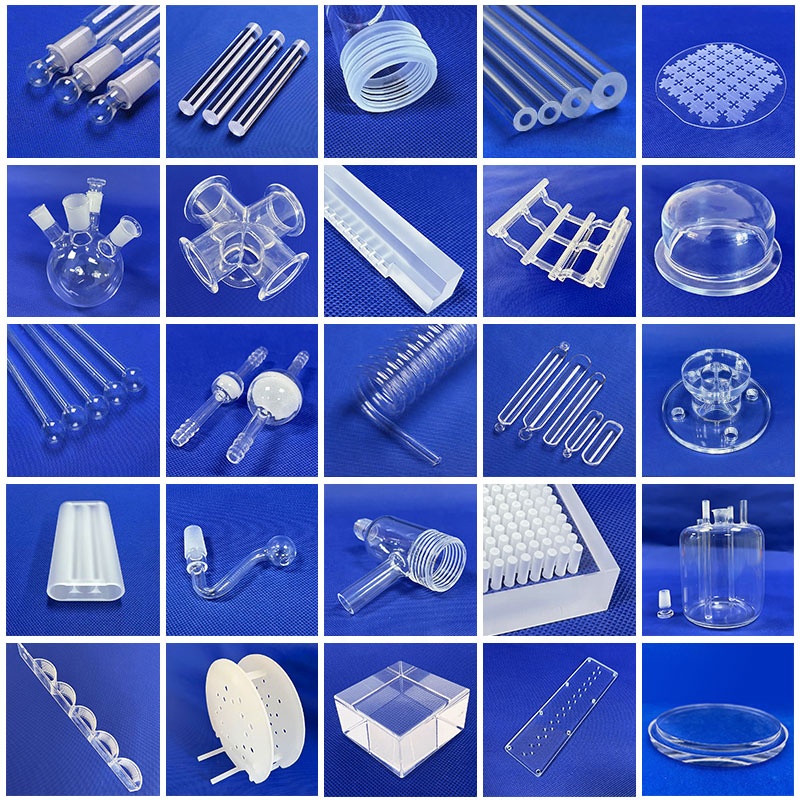
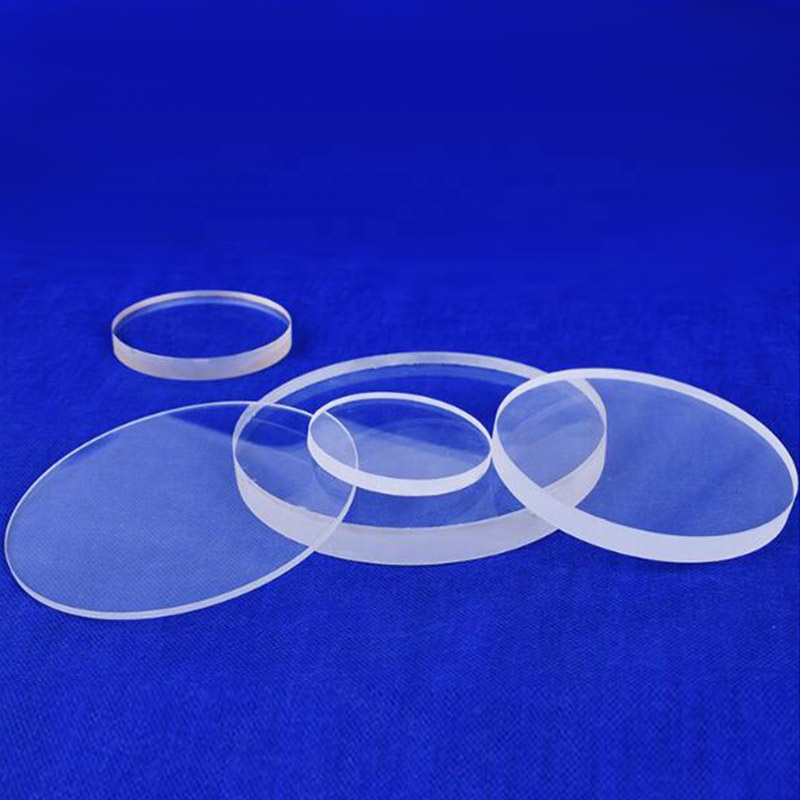
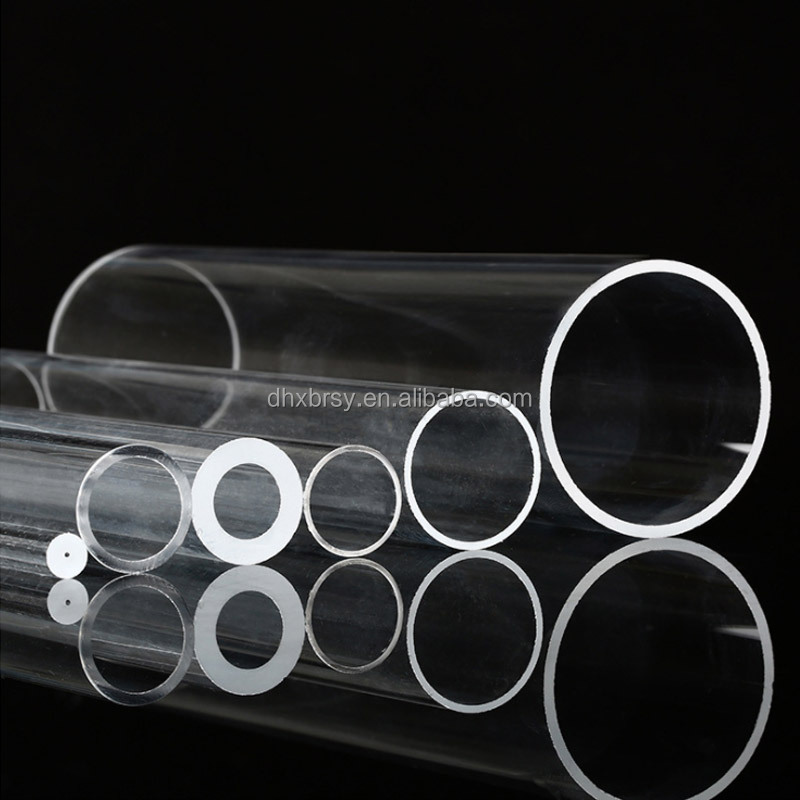
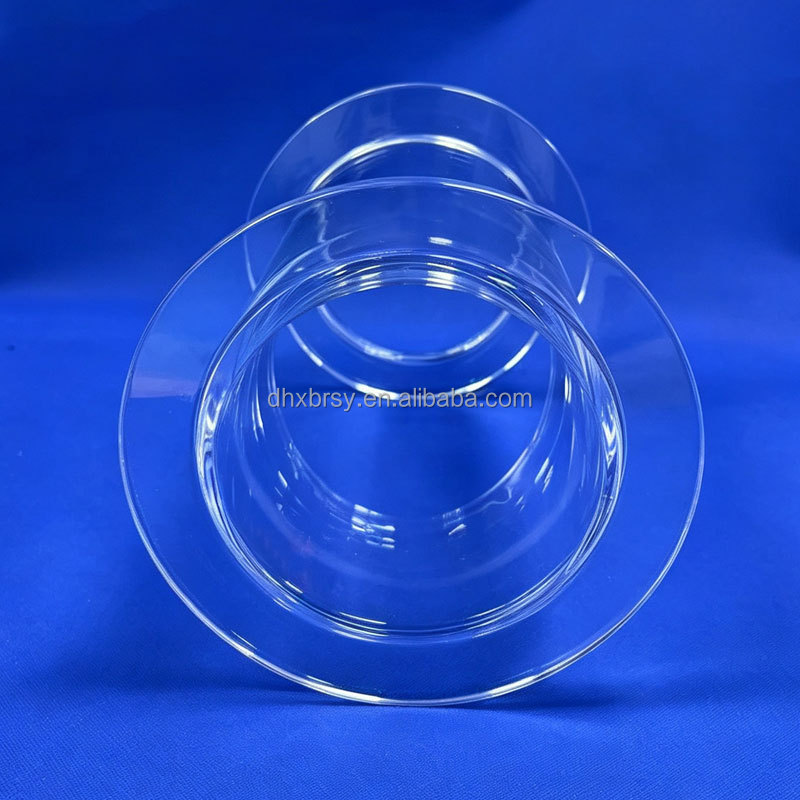
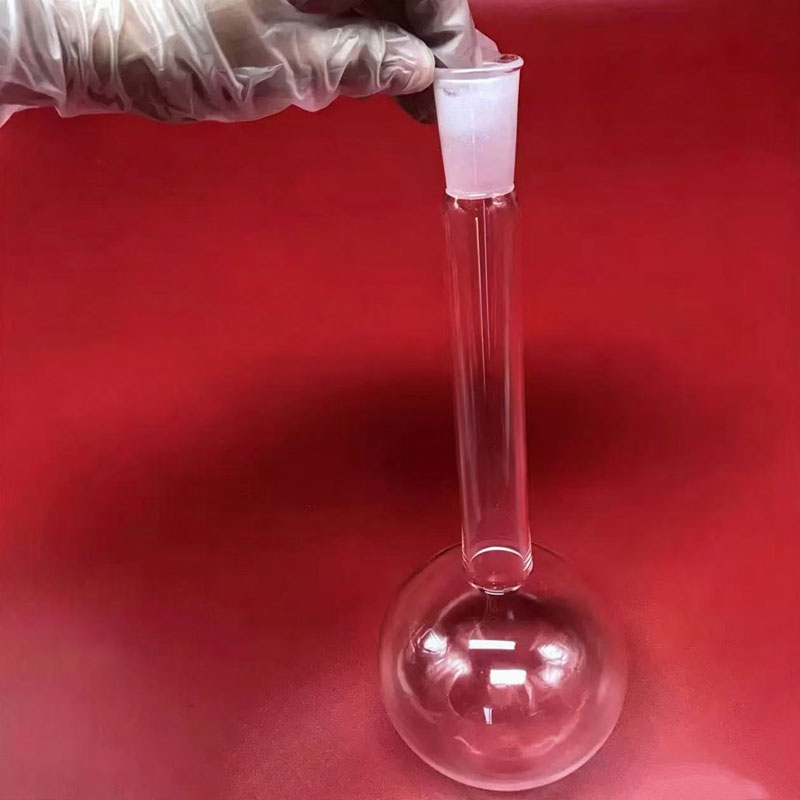

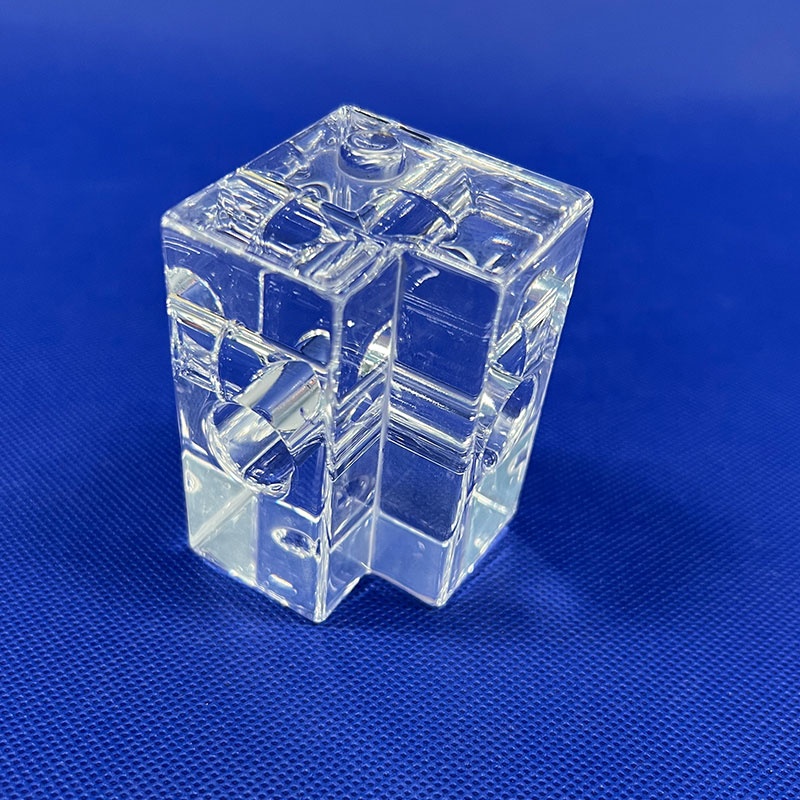
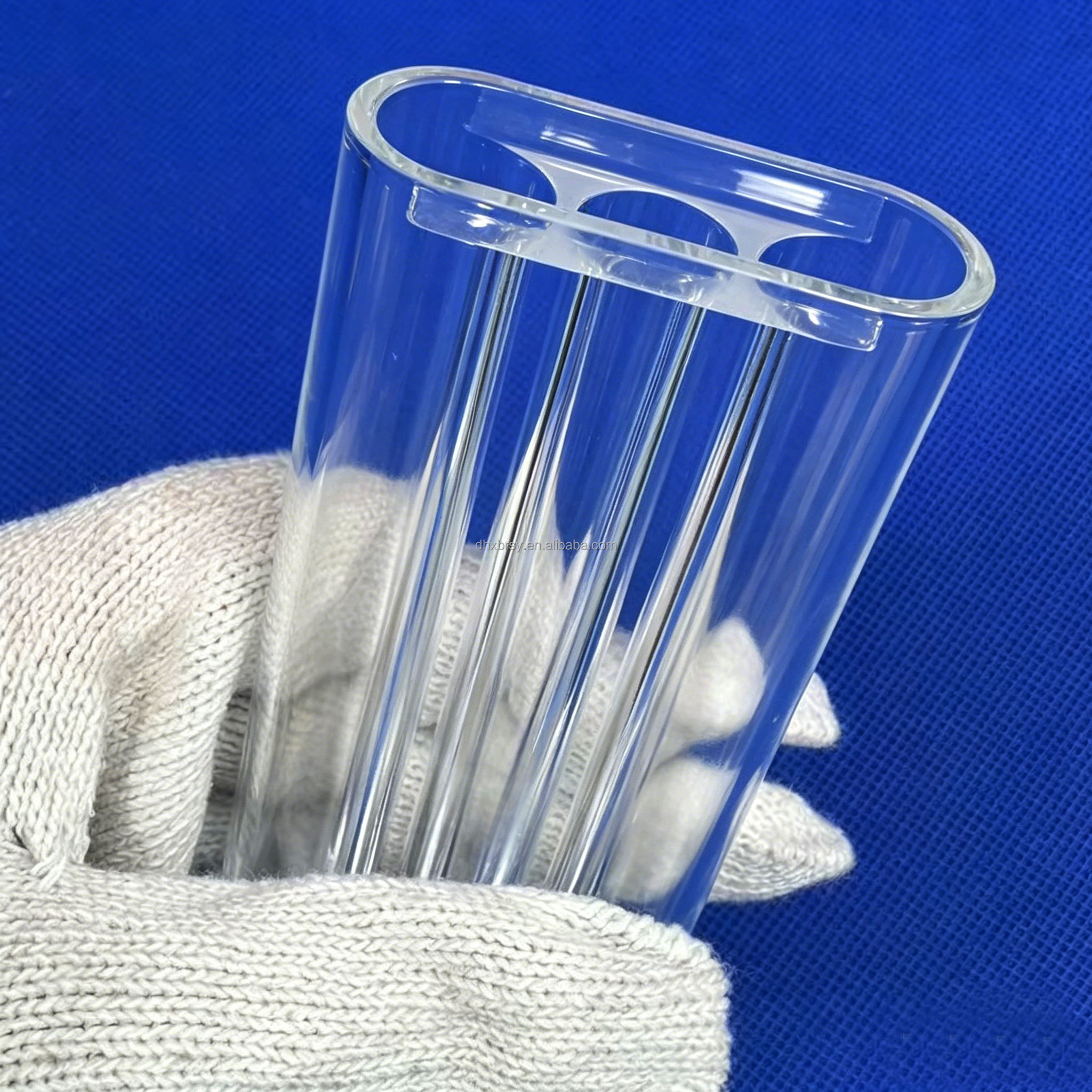
Integrated Supply Chain in China's Silicon Capital
Positioned directly within the Tuofeng Industrial Park, Lianyungang, our integrated manufacturing eliminates middleman markups while ensuring atomic-level material control from raw crystalline quartz to finished laser optic.
Source Material Control
Unlike secondary optical converters, our vertical supply starts with high-purity natural silica sand crushing, magnetic separation, and high-temperature chemical acid pickling. This controls residual alkali (Na, K, Li) down to sub-ppm levels, preventing thermal breakdown.
- In-house 200-mesh sand refinement
- Chemical leach removes heavy metal ions
- Guaranteed trace impurity < 20 ppm
Thermal Annealing & Stress Release
Laser windows deployed in industrial cutting heads undergo severe localized photon heating. We employ custom computerized annealing furnaces running 72-hour thermal de-stress cycles up to 1215°C to systematically eliminate internal stress birefringence.
- Cross-polarization optical inspection
- Retardation values < 5 nm/cm
- Virtually zero wavefront distortion
Precision CNC & Super-Polishing
Equipped with 4-axis multi-spindle optical CNC centers and double-sided continuous pitch polishers, we process complex window profiles, bevels, counterbores, and micro-slots to CAD drawings while holding surface roughness down to the sub-nanometer regime.
- Surface Quality: 10-5 to 20-10 Scratch-Dig
- Transmitted Wavefront Error: λ/10 @ 632.8 nm
- Parallelism: < 10 arcseconds
| Material Grade | Manufacturing Method | Transmission Band (T > 80%) | OH Content (ppm) | Refractive Index (nd) | Optimal Industrial Application |
|---|---|---|---|---|---|
| JGS1 (Synthetic Fused Silica) | Chemical Vapor Deposition (SiCl4) | 185 nm – 2500 nm (Deep UV) | < 5 to > 1200 (Customized) | 1.4585 | Excimer lasers, semiconductor stepper lithography, high-power UV curing, DUV laser windows. |
| JGS2 (Fused Quartz) | Oxy-hydrogen Flame Fusion | 220 nm – 2500 nm (Standard Optical) | 150 – 200 | 1.4584 | Fiber laser protective shields, sight windows, UV lamp envelopes, furnace observation ports. |
| JGS3 (Electrically Fused) | Vacuum Electric Arc Melting | 260 nm – 3500 nm (Full Infrared) | < 5 (Infrared Dry) | 1.4581 | IR heating viewports, pyrometry observation, CO2 laser optics (10.6 μm non-critical), semiconductor wafer boats. |
| Opaque Fused Silica | High Purity Sand Sintering | Diffuse scattering / High IR reflection | < 30 | N/A (Opaque) | Thermal insulation baffles, CVD flange rings, infrared furnace spiral sleeves, ceramic replacement. |
High-Power Laser Processing: The Shift in Quartz Engineering
As industrial manufacturing migrates from 6 kW to 30 kW, 60 kW, and even 100 kW continuous wave (CW) fiber lasers, quartz laser windows have ceased being passive consumable parts—they are now critical precision optics determining beam propagation stability.
The Physical Physics of Thermal Lensing in Laser Debris Windows
When high-power fiber lasers operate at 1064 nm or 1070 nm, even an imperceptible bulk absorption coefficient (α > 10 ppm/cm) causes significant localized energy absorption. This absorption induces a radial temperature gradient across the quartz window, leading to temperature-dependent refractive index change (∂n/∂T = +1.28 × 10^-5 /K) and localized physical thermal expansion. This phenomenon, known in laser physics as thermal lensing, shifts the focal point upward toward the laser nozzle, altering the spot size, degrading cut edge quality, causing slag inclusion, and eventually resulting in catastrophic optic detonation.
China's leading manufacturers have resolved this by replacing traditional natural quartz melts with low-absorption, high-purity JGS1 synthetic silica, ensuring internal bulk absorption is maintained under 5 ppm/cm. Coupled with state-of-the-art Ion Beam Sputtering (IBS) or plasma-assisted deposition to apply low-loss anti-reflective (AR) coatings, surface absorption is kept below 2 ppm per surface, guaranteeing that 30 kW+ fiber laser heads maintain zero focal shift during 24/7 continuous operations.
Global Procurement Trends for Quartz Laser Windows (2025–2030)
Strategic purchasing leaders in precision machinery, semiconductor fabrication, and optics distribution must navigate critical shifts across cost structures, technical specifications, and vendor validation protocols.
1. Direct Mill Sourcing vs. Trading Hubs
Global optical houses are increasingly bypassing intermediate brokers in Western hubs, choosing instead direct engineering relationships with SGS-verified facilities in China. By eliminating multiple tiers of distribution markups, companies gain 40% to 60% procurement cost advantages while retaining drawing-level direct communication with glassblowers and polishing engineers.
2. Higher LIDT Demands on Debris Shields
The commoditization of 12 kW–30 kW sheet metal cutting machines has made standard float glass or cheap borosilicate windows obsolete. Buyers strictly demand Laser-Induced Damage Thresholds (LIDT) exceeding 10 J/cm² @ 1064 nm (10 ns pulse) and > 15 MW/cm² in CW regimes, accompanied by cleanroom Class 10,000 double-vacuum packaging to prevent pre-installation particulate contamination.
3. Full Batch Traceability & Stress Certification
Procurement departments in medical device manufacturing (dermatological laser handpieces) and microelectronics now mandate lot-specific inspection reports. This includes spectral transmission curves, Zygo interferometry reports for surface flatness (≤ λ/4), and polarimetric stress measurements, verifying that no residual annealing stress remains before batch sign-off.
Frequently Asked Questions on Quartz Window Procurement
Direct answers to engineering, quality verification, and international logistical challenges faced by global sourcing teams.
Request Engineering Consultation & Direct Quotation
Whether you require standard 30x5 mm fiber laser protective shields, deep-UV lithography viewports, or custom-dimensioned double-flange CVD cylinders, our engineering team in Lianyungang reviews designs within 12 hours. Benefit from factory-direct pricing, fast prototyping, and reliable global fulfillment.