Featured Industrial & Optical Fused Quartz Solutions
Lovri Quartz engineers specialized fused silica optical rods, multi-bore laser conduits, thermal reaction tubes, and carrier apparatus for global OEMs in medical, laser, semiconductor, and photovoltaic sectors.
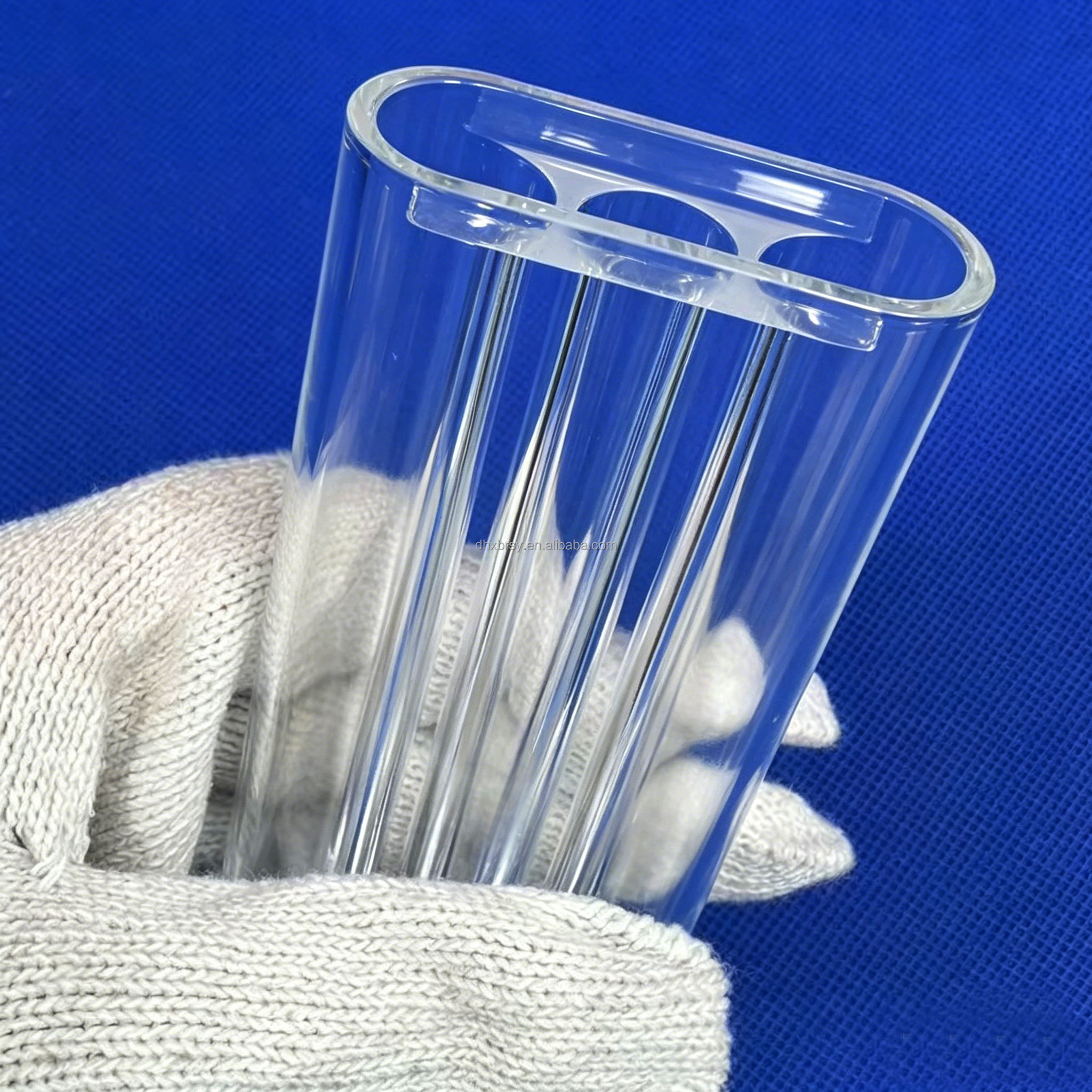
916 Factory Customized High-Temp Quartz Tubes
High-temperature fused silica tubes designed for lab furnaces and high-heat semiconductor diffusion chambers.
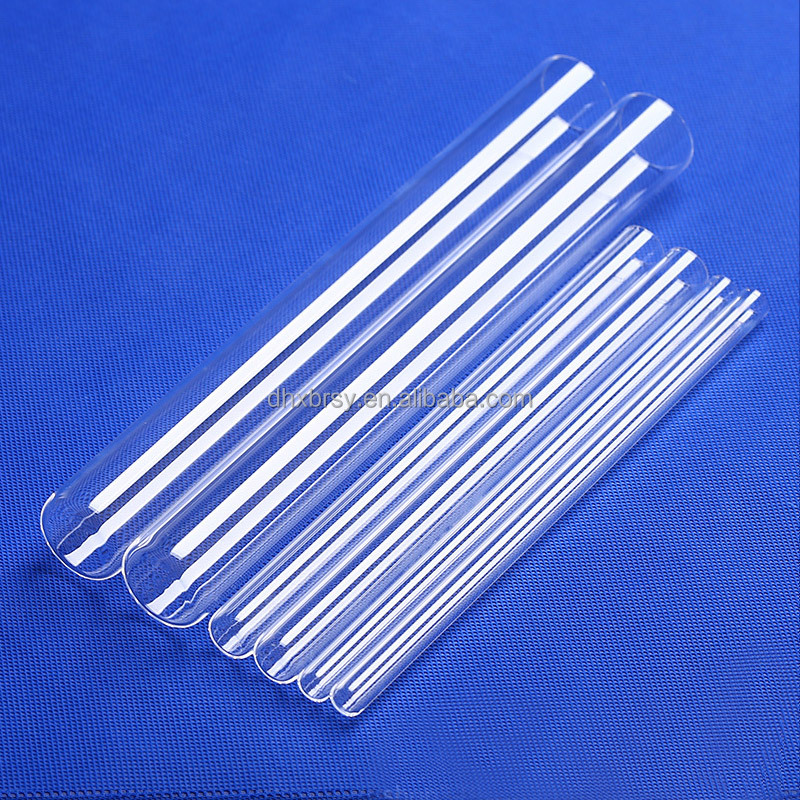
916 One-End-Closed Pressure-Resistant Quartz
Polished fused quartz supporting 1400°C short exposures for laser machinery, sight housings, and autoclaves.
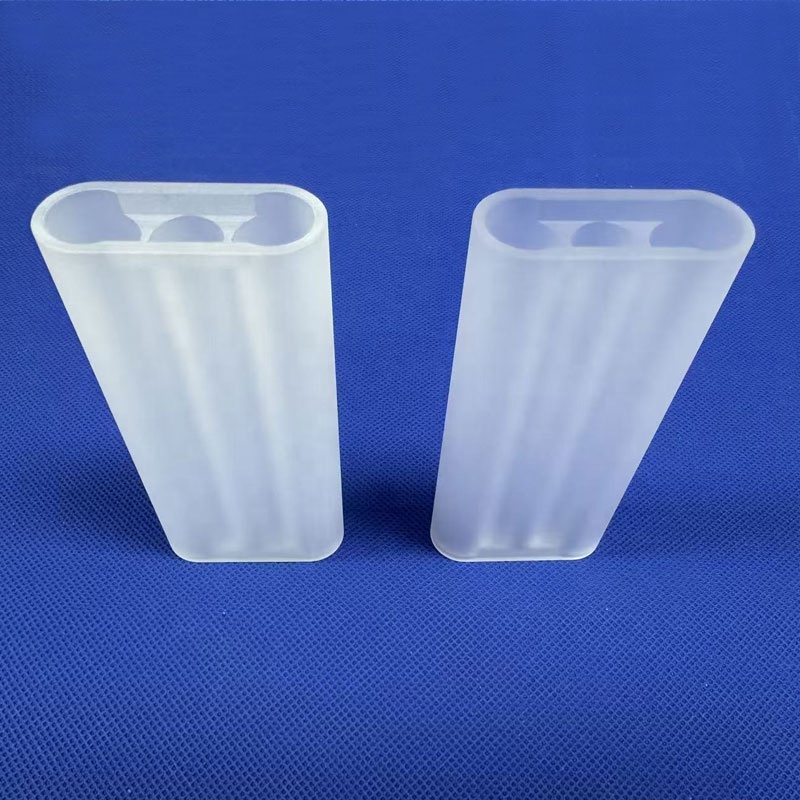
BRO RAN Precision Triple-Bore Laser Flow Tube
Custom 200 Mesh laser cavity tube for GentleYag and GentleMax aesthetic medical dermatology systems.
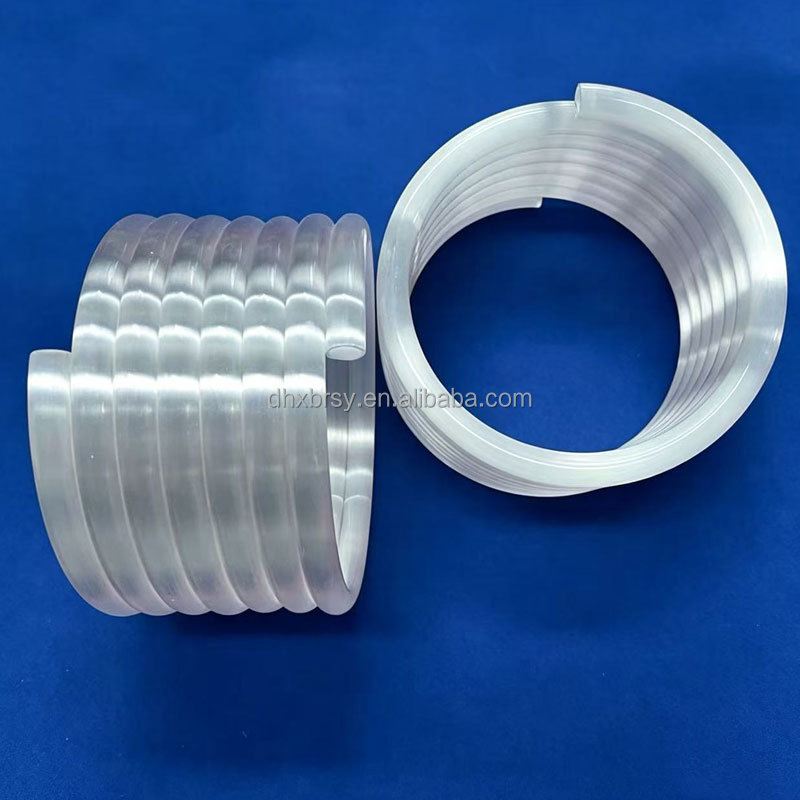
Milky-White Opaque Quartz Spiral Helix Coil
High-radiation opaque fused silica heating coil specifically designed for uniform industrial infrared furnaces.
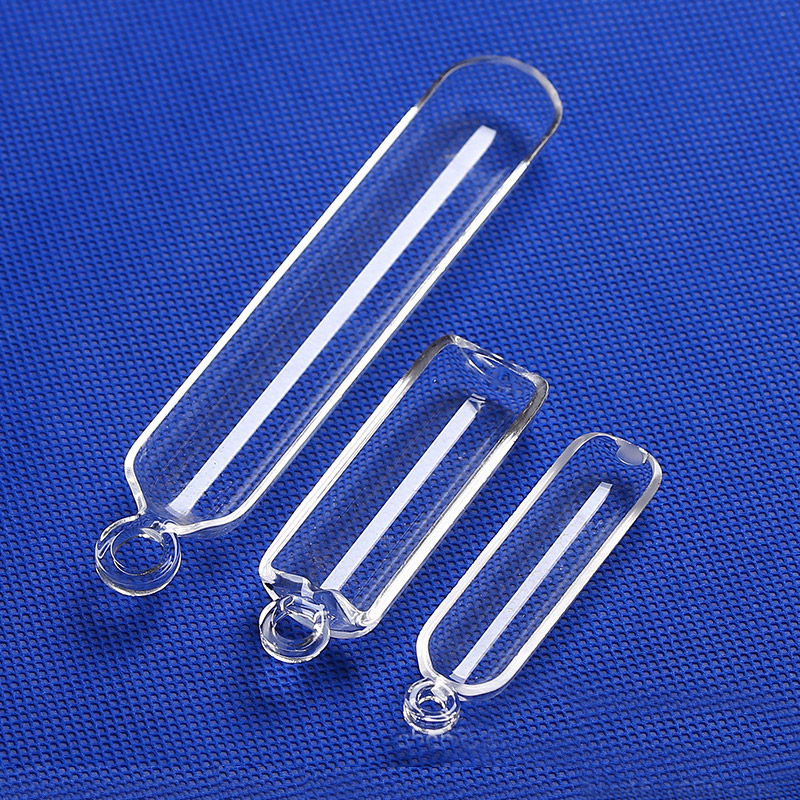
Custom Fused Quartz Boat Laboratory Carrier
Welded and CNC-slotted quartz combustion boat with 99.98% SiO₂ purity, fully compliant with RoHS directives.
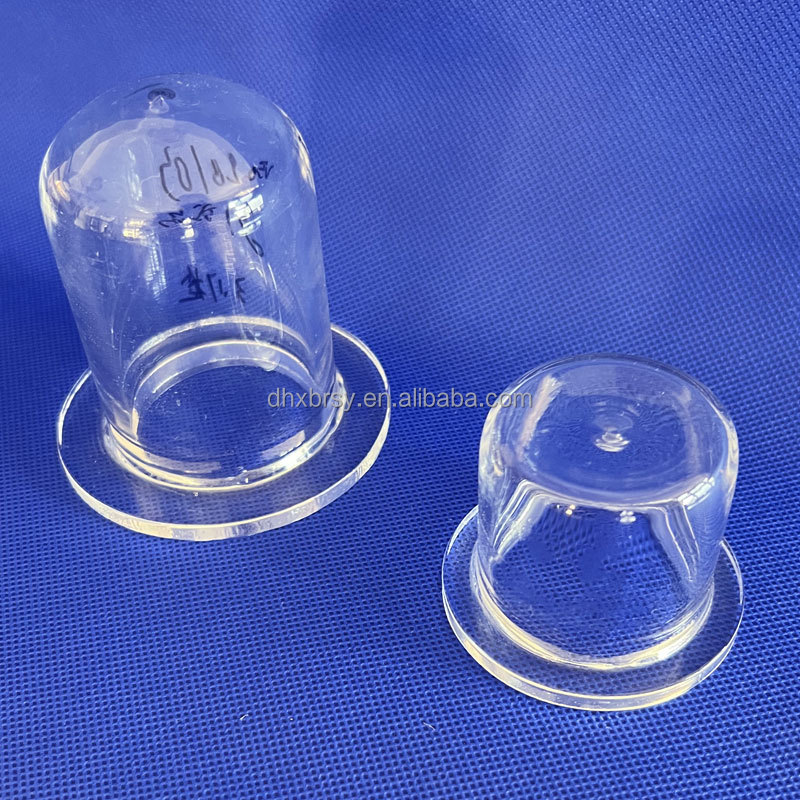
518 High-Transmittance PV Sintering Tube
Ultra-clear 99.99% silica tube providing maximum thermal transmission for solar photovoltaic cell sintering furnaces.
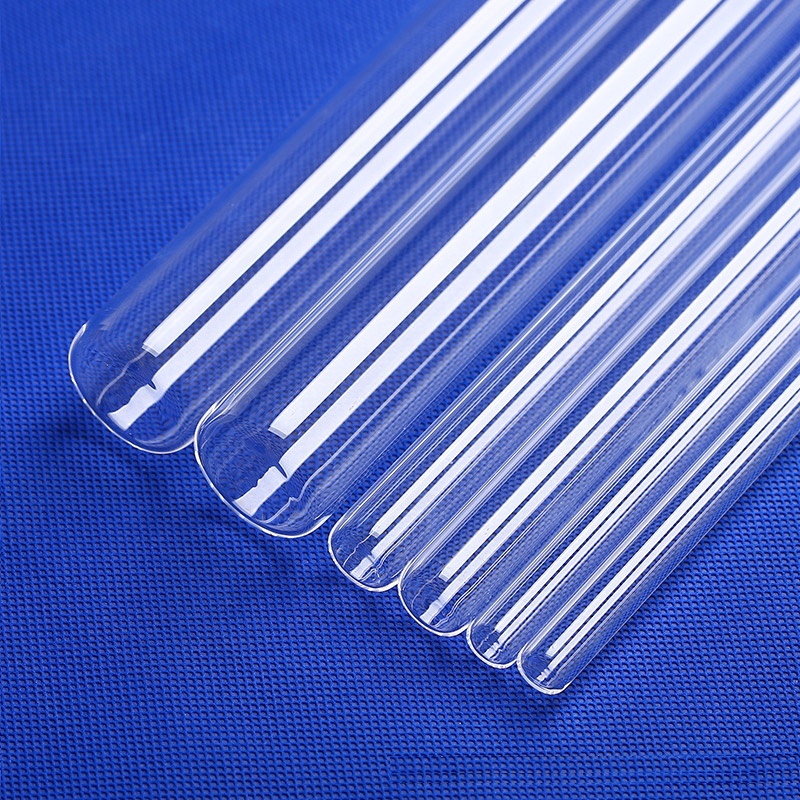
Custom One-End-Closed Clear Quartz Tube
Flat or round sealed-bottom quartz reaction vessels designed for semiconductor wet benches and chemical analysis.
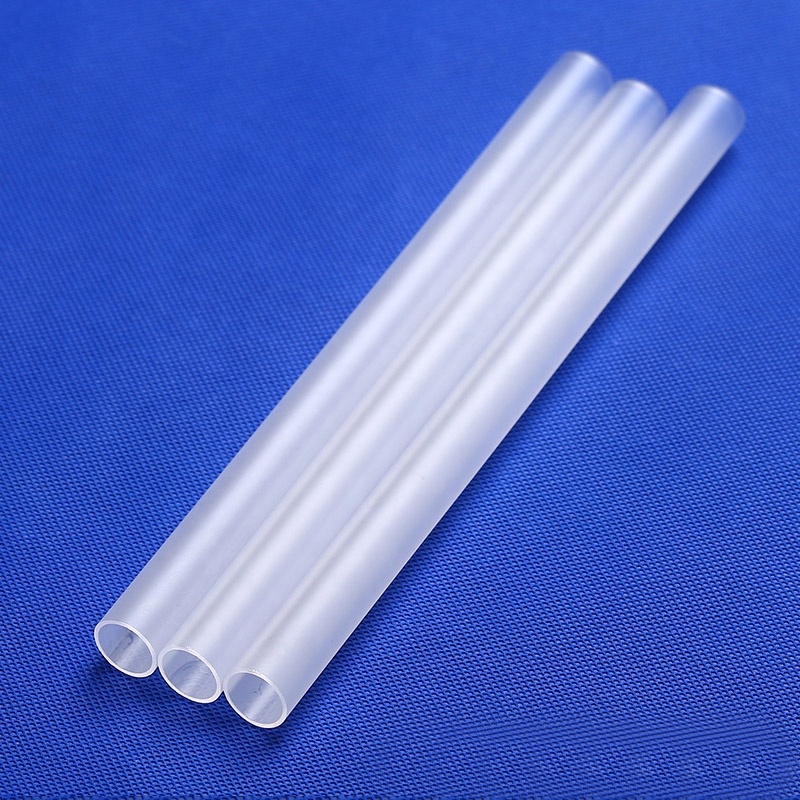
Polished High-Ozone Quartz Generator Sleeve
Precision flame-polished and welded quartz sleeve engineered for corona discharge ozone synthesis and UV oxidation.
Optical Mechanics: Why Fused Quartz Light Guides Dominate High-Flux Systems
A quartz light guide rod (also known as a homogenizing rod, light pipe, or integration cylinder) functions by Total Internal Reflection (TIR) to convert non-uniform laser or LED beam profiles into flat-top energy distributions without introducing chromatic aberration or thermal lensing.
Principles of Total Internal Reflection (TIR) in Synthetic Silica
Optical light guide rods are critical components in beam delivery architectures, laser surgery handpieces, UV-curing heads, and semiconductor wafer stepper illumination. Unlike standard optical fiber bundles that suffer from packing fraction losses (typically losing 25% to 40% of incident flux), a monolithic fused quartz light guide achieves near 100% core transmission across its propagation length.
The core physics relies on Snell's Law and the critical angle (θc = arcsin(n₂ / n₁)). Because high-purity synthetic fused quartz maintains a refractive index of approximately n = 1.458 at 589nm against air (n = 1.0), the rod provides an internal acceptance angle of roughly 43.3°. Rays entering within the numerical aperture (NA ≈ 0.46) undergo lossless multiple total internal reflections, scrambing intensity modes and producing an extraordinarily uniform beam output at the exit face.
- Zero Boundary Diffraction: Monolithic rods eliminate inter-fiber dead zones common in fiber conduits.
- Immunity to Solarization: JGS1 synthetic silica avoids color-center formation even under sustained excimer 193nm/248nm irradiation.
- Exceptional Heat Dissipation: Capable of handling kilowatt-class continuous-wave (CW) industrial lasers without thermal cracking.
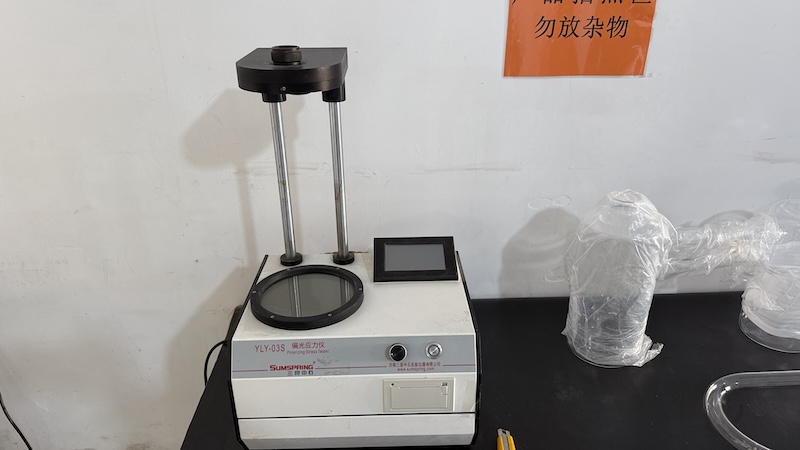
Engineering Grade Benchmark: JGS1, JGS2 & JGS3 Silica
Selecting the appropriate fused silica grade determines optical throughput, damage threshold, and production expenditure. Review the comprehensive physicochemical metrics below before placing custom OEM orders.
| Characteristic Parameter | JGS1 (Synthetic Fused Silica) | JGS2 (Flame-Fused Quartz) | JGS3 (Electrically-Fused Quartz) |
|---|---|---|---|
| Raw Material Precursor | High-purity SiCl₄ chemical vapor | Refined natural crystal quartz grains | Vacuum electrically fused natural quartz |
| Spectral Transmission Band | 185 nm – 2500 nm (Deep UV to NIR) | 220 nm – 2500 nm (UV to NIR) | 260 nm – 3500 nm (Extended Infrared) |
| Hydroxyl (OH⁻) Concentration | High OH (800 – 1200 ppm) | Standard OH (150 – 200 ppm) | Low / Water-Free (< 5 ppm) |
| Absorption Peak Characteristics | Pronounced absorption dip at 2.73 µm | Moderate absorption at 2.2 µm and 2.7 µm | Virtually absorption-free through 2.7 µm – 3.2 µm |
| Laser Damage Threshold (LDT) | > 25 J/cm² (1064nm, 10ns pulse) | > 12 J/cm² (1064nm, 10ns pulse) | > 10 J/cm² (1064nm, 10ns pulse) |
| Bubble Class & Inclusions | Class 0 (Virtually bubble-free) | Class 1–2 (Controlled micropores) | Class 2 (Minimal thermal seeds) |
| Dominant Industrial Applications | Excimer lasers, DUV lithography, medical aesthetics | UV disinfection, spectrometer viewports, sight lamps | IR sensors, thermal pyrometry, heating guide conduits |
Geometric Profiles of Quartz Homogenizer Rods
Cross-sectional geometry directly controls the homogenization efficiency and the resulting beam footprint on target substrates.
Cylindrical (Circular) Rods
Round rods provide isotropic spatial mixing while preserving circularly symmetric beam envelopes. Widely implemented in medical dermatology (Nd:YAG and Alexandrite 755nm handpieces) for pain-free, even fluence delivery without high-intensity hot spots that could cause patient skin erythema.
Square & Rectangular Rods
Square and rectangular light pipes generate razor-sharp rectangular flat-top irradiance profiles. Highly favored in machine vision backlighting, solar cell simulator illumination fields, and industrial PCB laser exposure, maximizing edge-to-edge optical filling efficiency to greater than 95%.
Hexagonal & Octagonal Rods
Polygonal light guides yield circularized flat-top output beams with significantly fewer total internal reflection cycles than circular rods. This dramatically shortens the required rod physical length, saving precious space inside tight optomechanical enclosures and robotic end-effectors.
Future Sourcing & Procurement Trends (2025–2030)
Global optical system integrators are shifting their supply chain strategies. Key developments include direct factory engagement in China, tighter end-to-end traceability, and increased demand for turn-key finished assemblies.
Direct Tier-1 Factory Disintermediation
Purchasing departments are bypassing trading intermediaries, partnering directly with fully integrated manufacturing clusters in Lianyungang to cut lead times by 40% and gain full drawing-to-machine transparency.
Mandatory Stress & Spectrophotometry Reports
Buyers now require certified polarization birefringence inspections and spectrophotometer curves for every shipment lot, ensuring zero failure rates in high-stress wafer-fab chambers and high-energy laser heads.
Tighter Scratch-Dig Tolerances (10-5)
With kW-level industrial fiber lasers expanding, micro-scratches that historically passed 60-40 criteria now cause plasma flashover. Supply agreements increasingly stipulate 20-10 or 10-5 laser-grade finishes on input/output apertures.
Sub-Assembly Integration
Procurement contracts are transitioning from bare quartz rods to pre-bonded optical units featuring Kovar or stainless-steel flanges, fluoropolymer O-ring dampeners, and hard dielectric thin-film anti-reflective (AR) coatings.
Technological Advances: Sub-Nanometer Polish & Laser Fire Polishing
Achieving lossless TIR inside a quartz homogenizer requires pristine side-wall roughness. Any surface microscopic defect or subsurface micro-crack causes diffuse scattering, transforming intended guiding rays into lost energy and inducing destructive localized thermal gradients.
Lovri Quartz utilizes multi-axis CNC ultra-precision cylindrical grinding accompanied by chemical-mechanical pitch polishing (CMP). This process achieves side-wall surface roughness of Ra < 0.5 nm and end-face flatness of λ/4 to λ/10. For intricate multi-bore conduits and micro-diameter capillaries, automated CNC oxy-hydrogen laser fire polishing eliminates micro-scratches without creating geometric bulging at the rod edges.
- Surface Flatness: Interfacial wavefront distortion controlled to < λ/4 @ 632.8nm.
- Wedge & Parallelism: End-to-end parallelism calibrated to within < 15 arcseconds.
- Angular Chamfering: Micro-protective chamfers (0.1–0.2 mm x 45°) prevent aperture chipping during automated optical assembly.
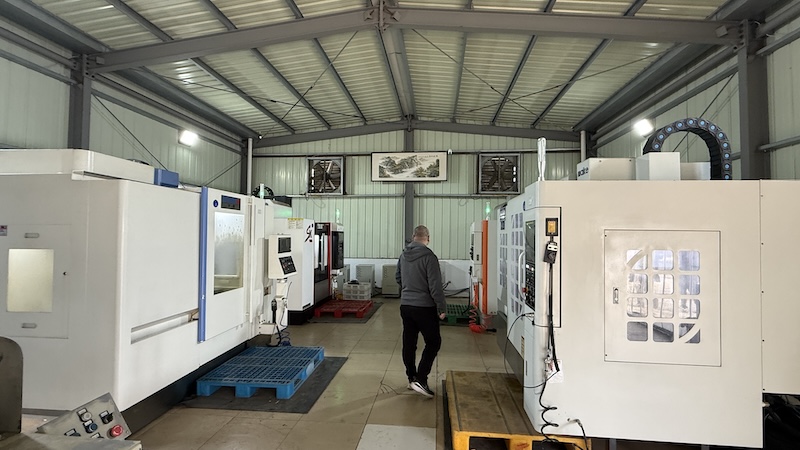
Lovri Quartz: SGS-Verified Lianyungang Production Ecosystem
Rooted in Tuofeng Industrial Park, Lianyungang—the global capital of natural and synthetic quartz—Lovri Quartz operates a complete, closed-loop vertically integrated facility spanning 14,271 m².
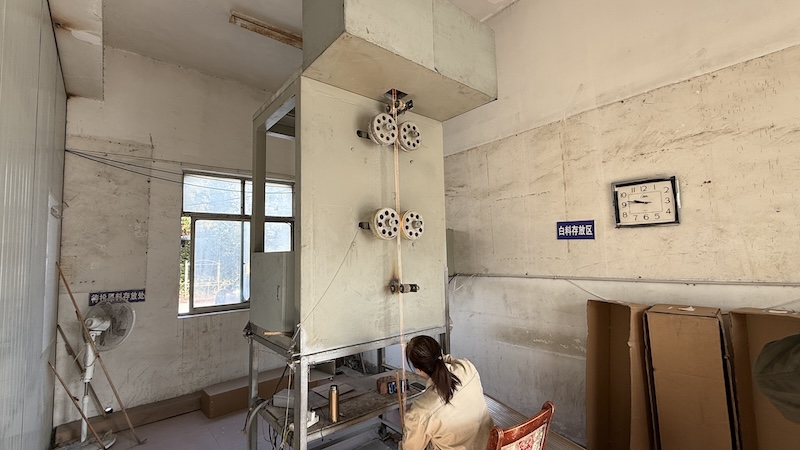
Certified onsite by SGS Group, guaranteeing complete traceability from crude silica raw stocks through cleanroom final packaging.
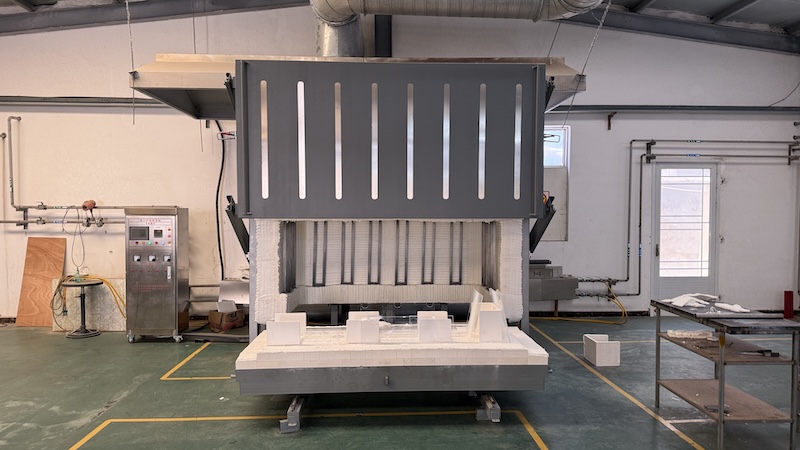
Continuous 1215°C thermal stress relief eliminates residual birefringence, ensuring thermal-shock durability under 1100°C continuous operation.
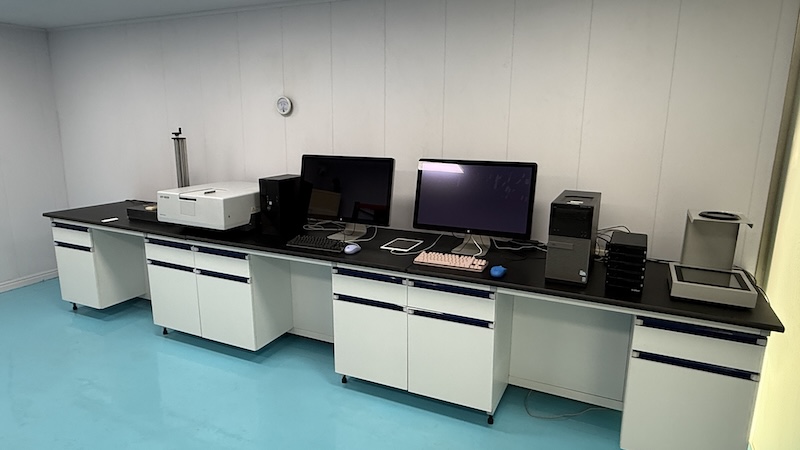
Equipped with polariscopic strain testers, coordinate measuring machines (CMM), and laser transmission spectrometers for 100% lot testing.
Frequently Asked Questions by Global Buyers
Find technical, logistical, and commercial answers compiled by our chief applications engineering staff.
For comprehensive spatial homogenization, the length of a quartz homogenizing rod should typically be at least 3 to 4 times the diagonal or diameter of the cross-section. For square and hexagonal geometries, 4x length achieves >90% illuminance uniformity; 6x length achieves near-perfect >98% flat-top uniformity.
Residual thermal stress causes stress-induced birefringence, which alters the polarization state of propagating light and creates wavefront distortions. Under high-energy pulsed laser irradiation, stress concentration points act as nucleation centers for catastrophic bulk fracture. Every Lovri rod undergoes programmable annealing and polariscopic verification.
To support R&D engineering and medical prototype validation, we accept trial orders from 1 to 5 pieces for custom geometries. Standard production runs provide tiered bulk discounts, with stable high-volume capacity scaling up to tens of thousands of units per month.
Yes. We supply high-efficiency ion-assisted electron-beam dielectric hard coatings, including single-wavelength AR (e.g., 532nm, 755nm, 1064nm) or broadband multi-layer AR (BBAR 400–700nm, 250–400nm) achieving surface reflections of R < 0.25% per facet while meeting MIL-C-48497 durability standards.
All precision-cut optical ends undergo controlled CNC micro-chamfering (typically 0.1mm–0.25mm at 45°) to eliminate sharp, vulnerable blade edges. For export transport, each component is vacuum sealed, wrapped in lint-free protective film, nested in custom-cut high-density EPE shock foam, and crated in heavy-duty export plywood containers.
We process 3D CAD models in STEP, IGES, and SLDPRT formats, alongside 2D fabrication prints in PDF, DWG, and DXF indicating exact tolerances, surface roughness (Ra), optical clear aperture, and acceptable defect limits (MIL-PRF-13830B or ISO 10110 standards).
Whether you require prototype quartz light homogenizers, multi-bore medical flow tubes, or large furnace quartz cylinders, our technical engineering team will review your drawings, verify manufacturability, and supply a competitive direct-factory quotation within 24 hours.