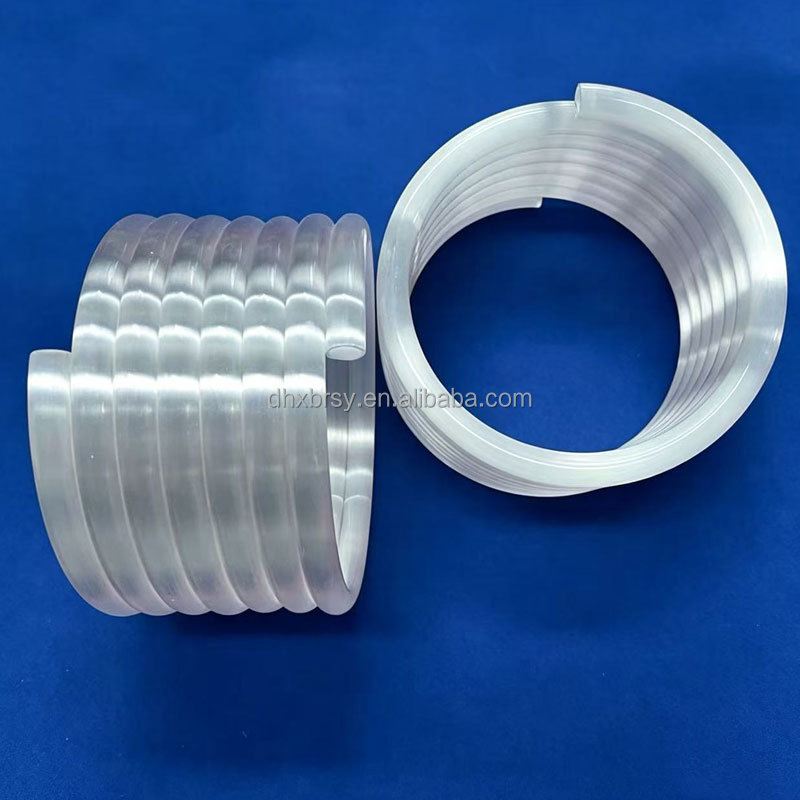
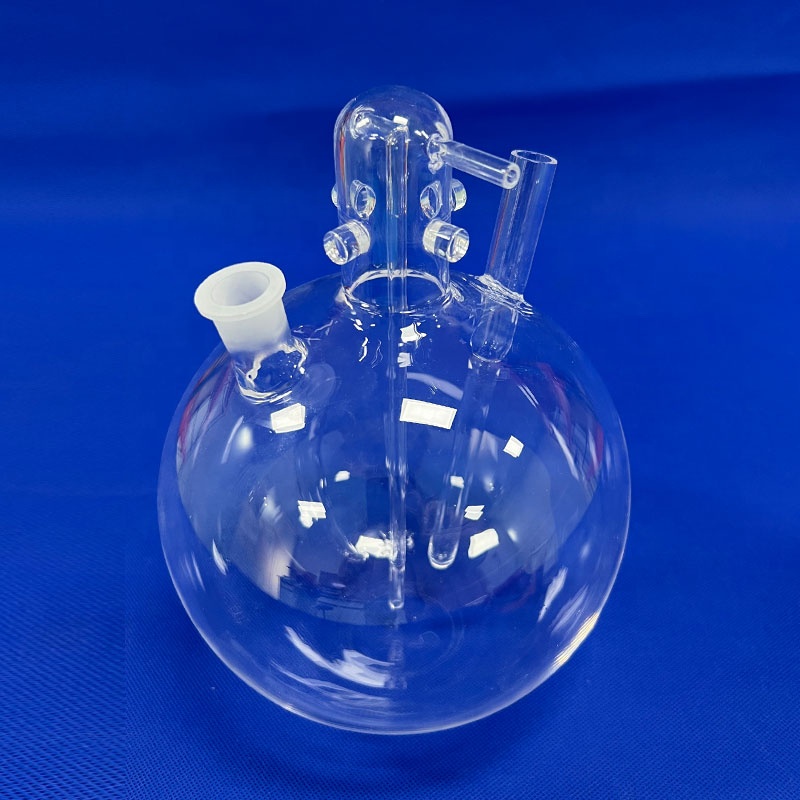
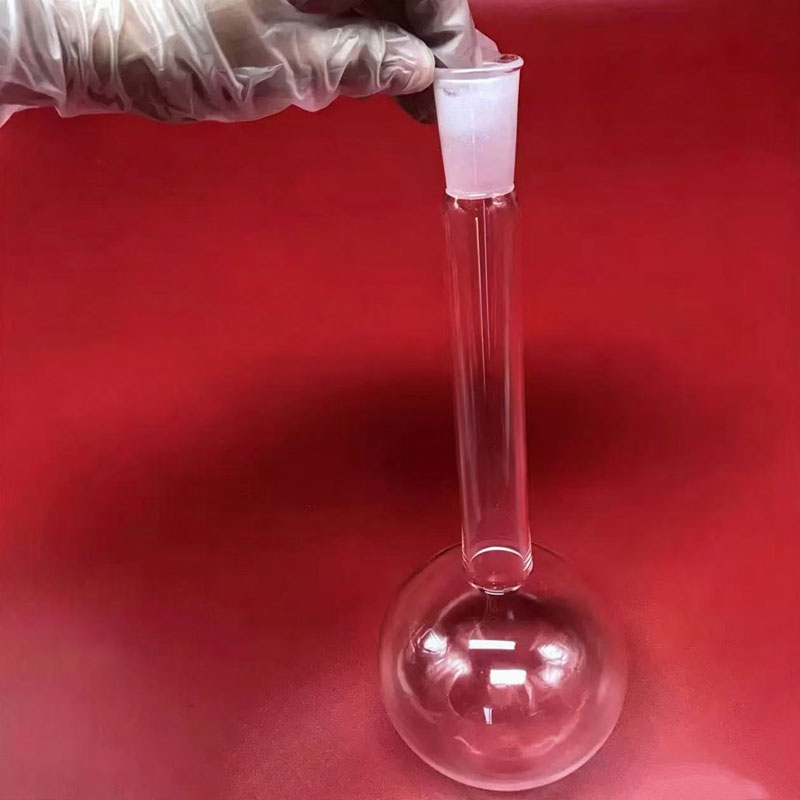
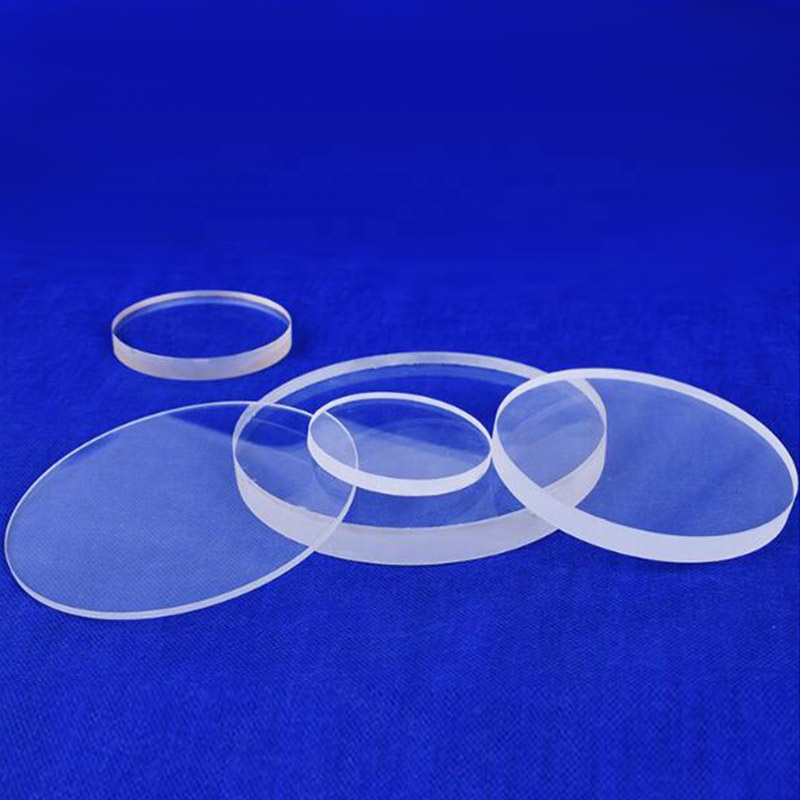
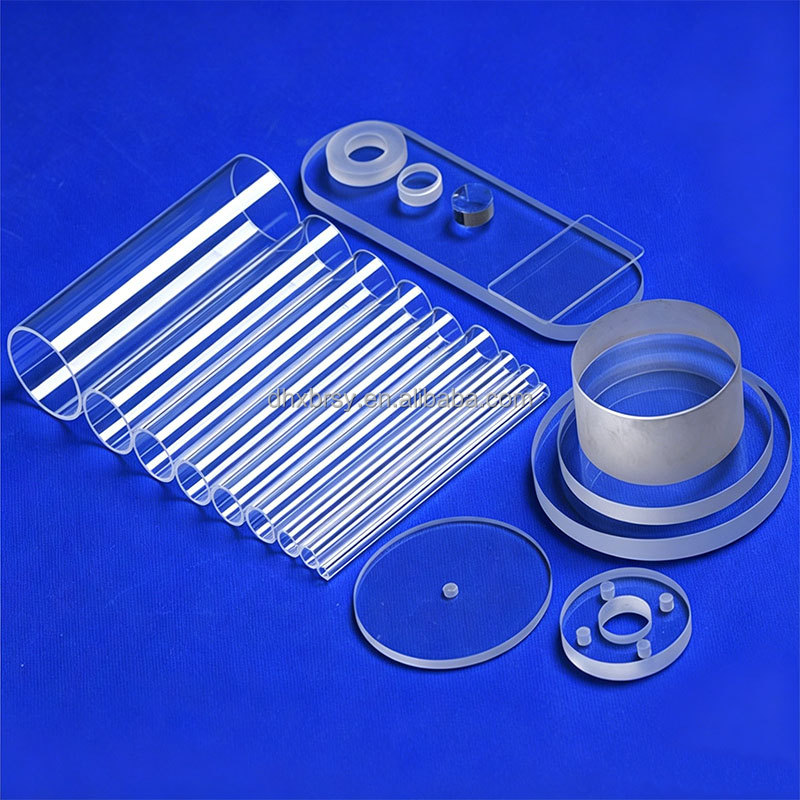
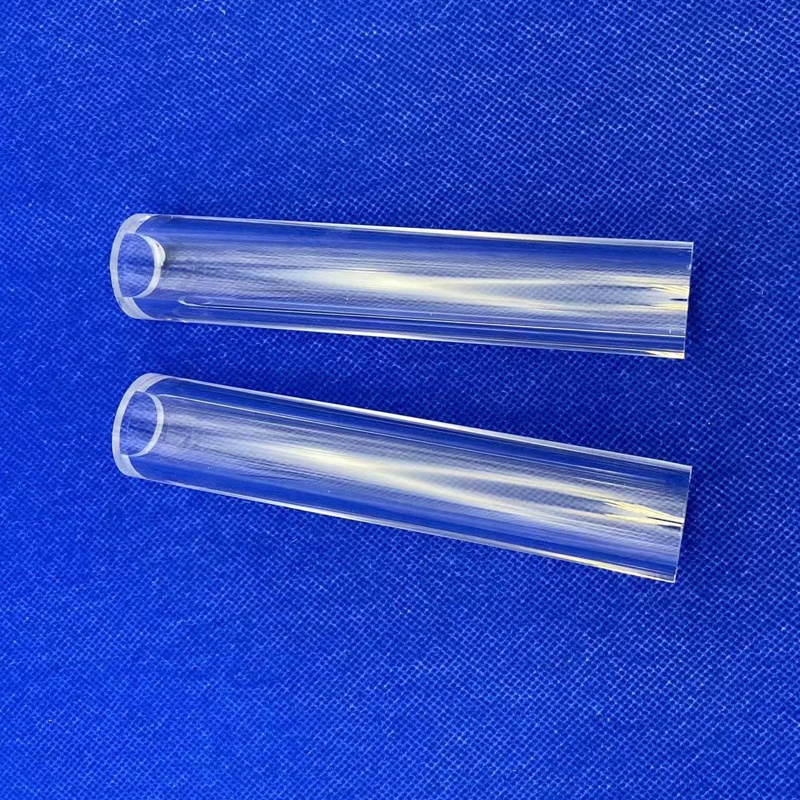
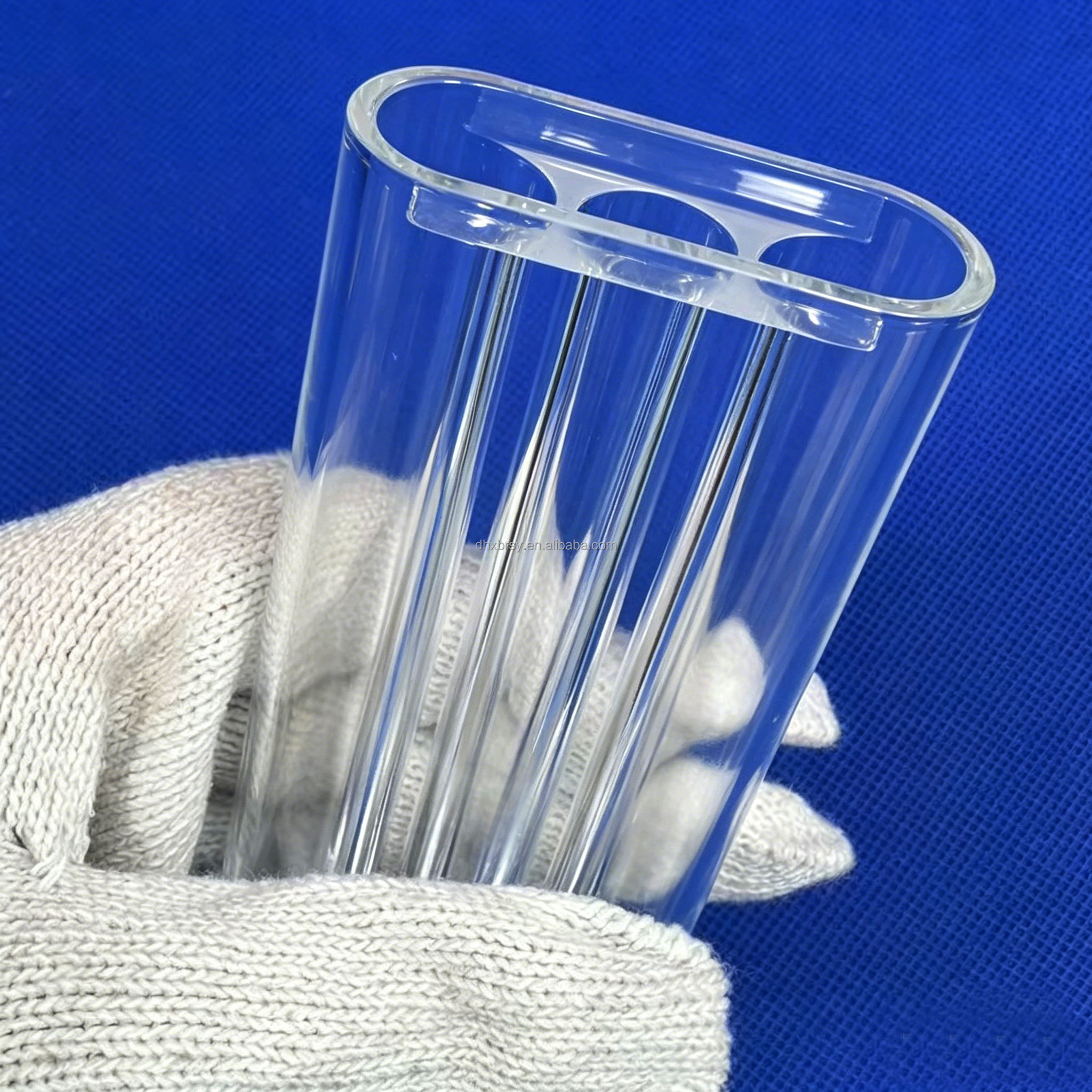
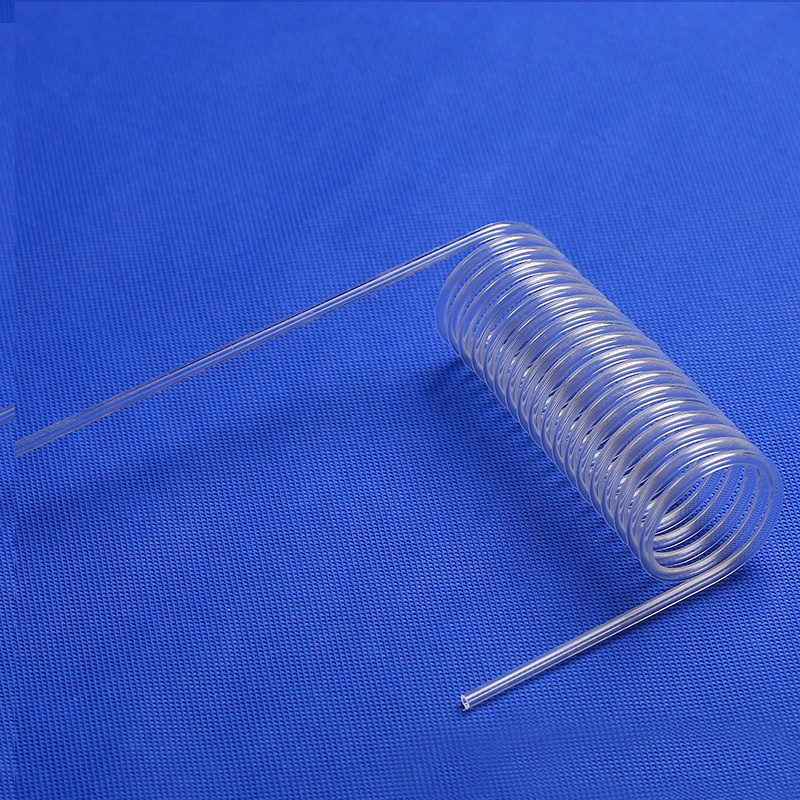
In modern high-tech engineering, precision-manufactured fused quartz rods and solid silica bars are indispensable consumable components. Acting as thermal bungs, support pillars in multi-slot wafer boats, structural frame rods in horizontal diffusion furnaces, and light transmission guides in laser instrumentation, quartz rods must survive operational conditions that cause ordinary borosilicate glasses to deform instantly. As global chipmakers scale down to sub-5nm fabrication and commercial solar photovoltaics pivot universally toward N-type TOPCon and HJT cell architectures, the material purity benchmarks for quartz rod exporters have drastically elevated.
Critical Technological Trajectories for Fused Quartz Rods
The global demand for synthetic and high-purity electrical-melt fused silica continues to outpace standard glass supply chains. As an engineering buyer or technical director evaluating the best China quartz rod exporters, understanding the following structural trends is vital for sustaining supply security:
Transition to Ultra-Low Trace Alkali
Modern semiconductor wafer thermal processing (oxidation, annealing, and LPCVD) strictly mandates trace metallic impurities of Li, Na, K, and Fe below 0.1 ppm to prevent metal-ion migration into active silicon crystal lattices. Future procurement prioritizes suppliers performing localized acid beneficiation.
Micro-Stress Polarization Control
Standard quartz rod drawing introduces intrinsic longitudinal stress lines. When end-users subject these rods to cyclical high temperatures up to 1200 °C, unchecked internal stress triggers mechanical deformation or violent thermal shock fractures. Next-generation buyers demand verifiable polarization stress extinction data per batch.
Tightening CNC Geometric Tolerances
Traditional manual lathe fire-polishing is giving way to automated 5-axis CNC diamond grinding, core-drilling, and micro-slotting. For applications like semiconductor cassette comb rods and quartz flow cells, diametrical tolerances have tightened from ±0.5 mm down to ±0.02 mm.
Procurement Forecasting: How Global Sourcing Strategy is Shifting
Historically, European and North American buyers sourced finished quartz assemblies from local distributors who imported raw tubes and rods from East Asia. Today, international procurement directors are bypassing intermediaries to partner directly with tier-1 source manufacturers in China. This trend is driven by three decisive market imperatives:
- Direct Purity Control from Quartz Cluster Source: Lianyungang, Jiangsu accounts for over 80% of China's high-purity silica processing capacity. Controlling raw mineral sorting, acid washing, tube drawing, and cleanroom packaging within a single localized perimeter minimizes contamination risks and overhead costs.
- Agile Customization of Non-Standard Cross-Sections: Beyond regular cylindrical quartz rods, modern reactors require D-shape rods, square guide blocks, multi-lumen capillary rods, and micro-grooved comb rods. Direct-to-factory interaction facilitates rapid prototyping within 3 to 5 business days from CAD review.
- Resilient Supply Chain Buffering: With raw silica pricing subject to macroeconomic shifts, partnering with established integrated plants that maintain large inventories of raw silica sand guarantees price stability and uninterrupted production runs.
Material Specification Matrix: Fused Quartz Technical Benchmarks
| Physical & Chemical Parameter | Standard Clear Fused Quartz | Synthetic Fused Silica (JGS1) | Opaque Silica (IR Grade) |
|---|---|---|---|
| Purity (SiO₂ Content) | ≥ 99.99% | ≥ 99.9999% | ≥ 99.95% |
| Density | 2.20 g/cm³ | 2.20 g/cm³ | 2.10 - 2.15 g/cm³ |
| Coefficient of Thermal Expansion (20-300°C) | 5.5 × 10⁻⁷ K⁻¹ | 5.4 × 10⁻⁷ K⁻¹ | 5.5 × 10⁻⁷ K⁻¹ |
| Continuous Service Temperature | 1100 °C | 1150 °C | 1050 °C |
| Maximum Peak Temperature (Short-term) | 1300 °C | 1350 °C | 1200 °C |
| Spectral Transmission Band | 220 nm – 2500 nm | 185 nm – 2500 nm (Deep-UV) | Diffuse Infrared Reflection |