High-Purity Quartz Glass & U-Tube Assemblies
Discover our comprehensive spectrum of continuous flame-fused, electric-fused, and CNC-machined silica components tailored for corrosive chemistry, intense radiant heating, and ultra-violet optoelectronics.
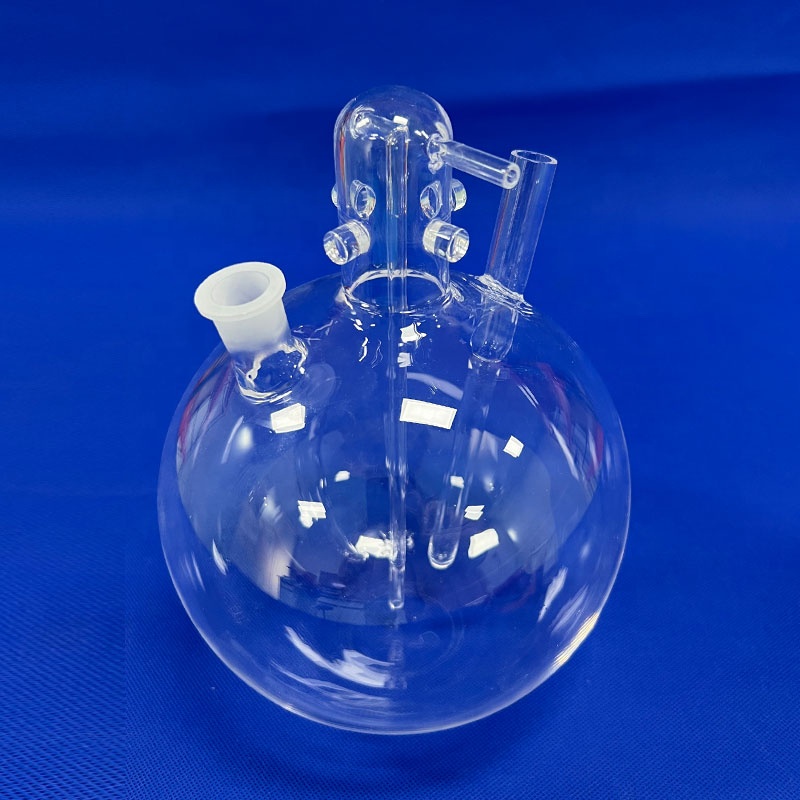
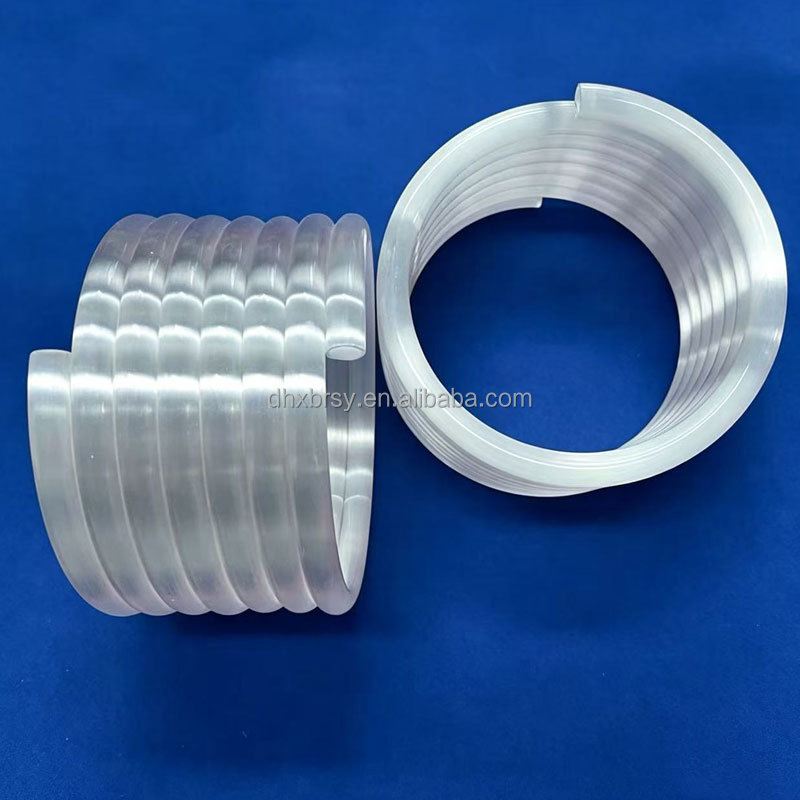
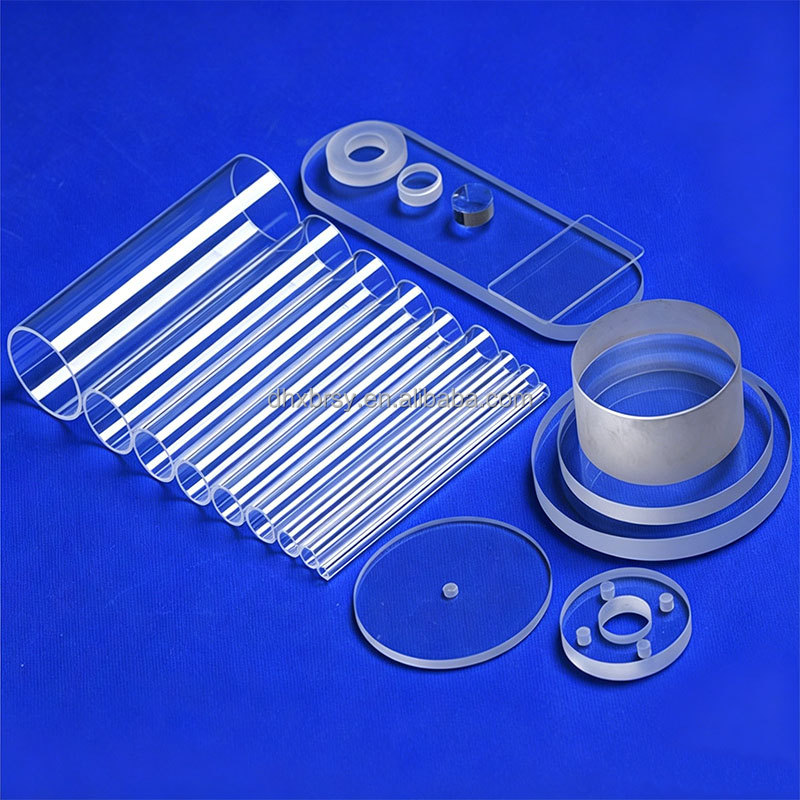
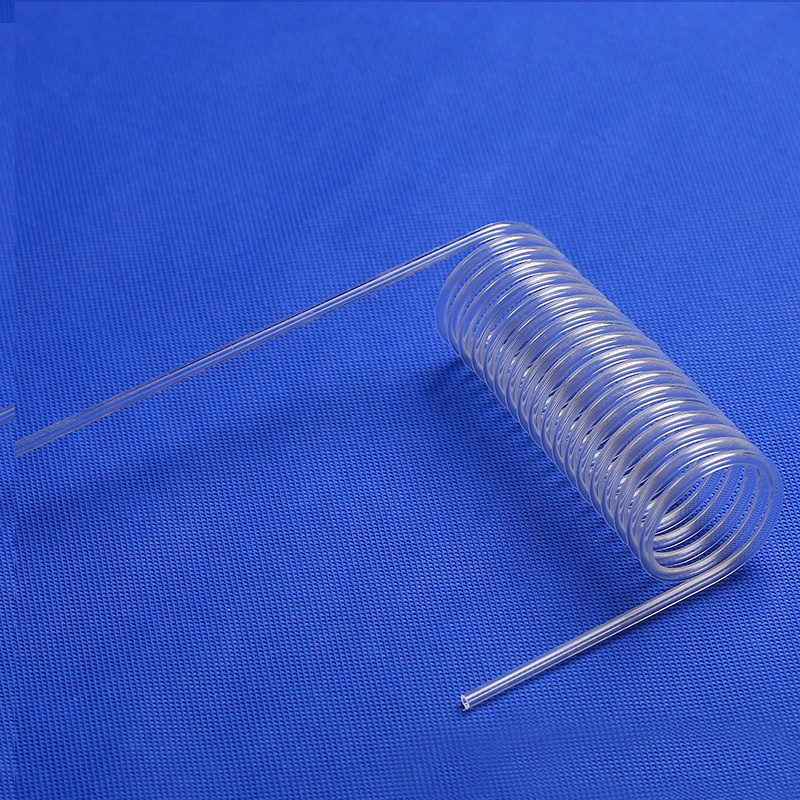
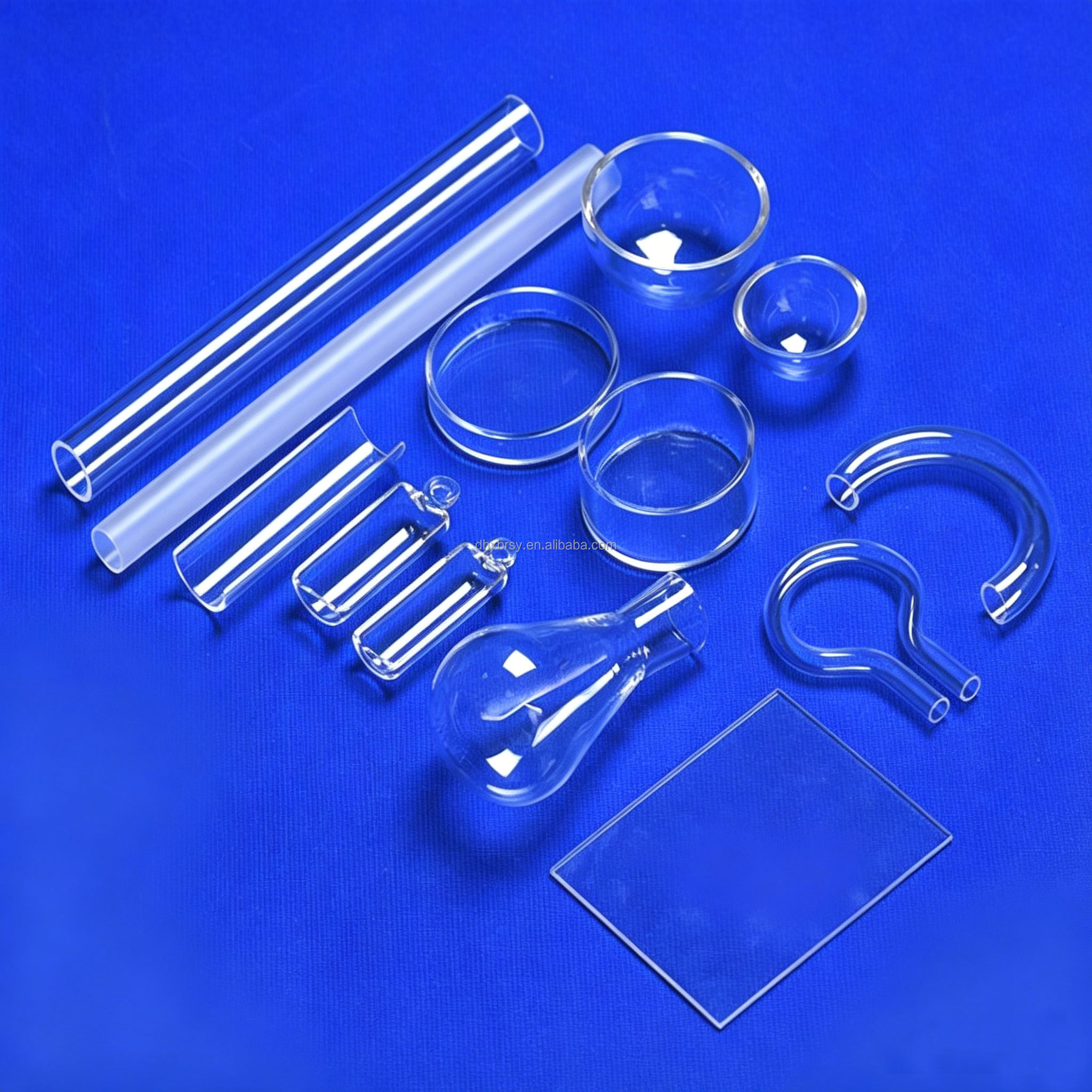
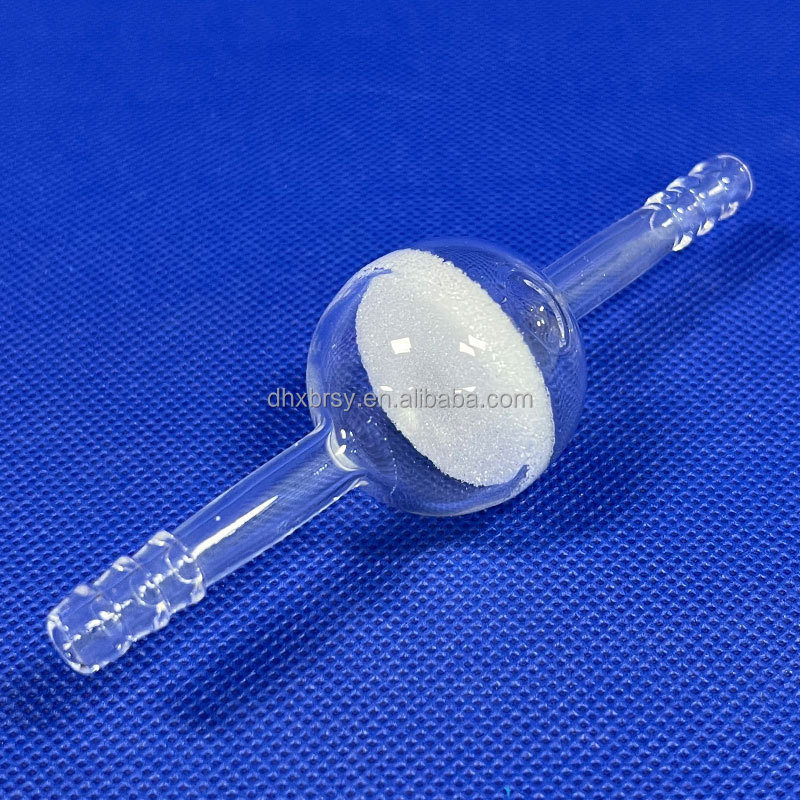
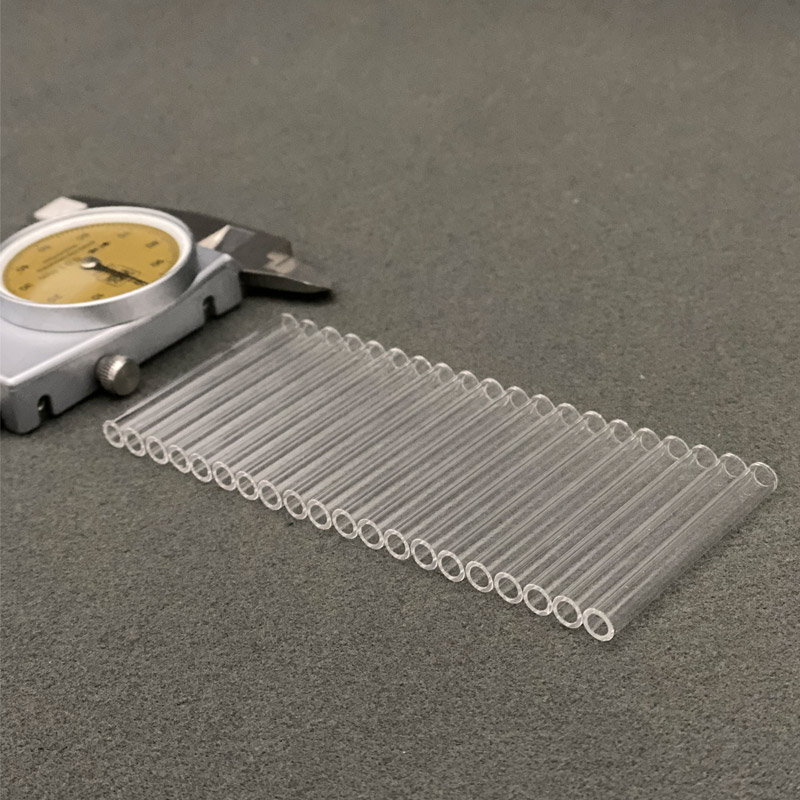
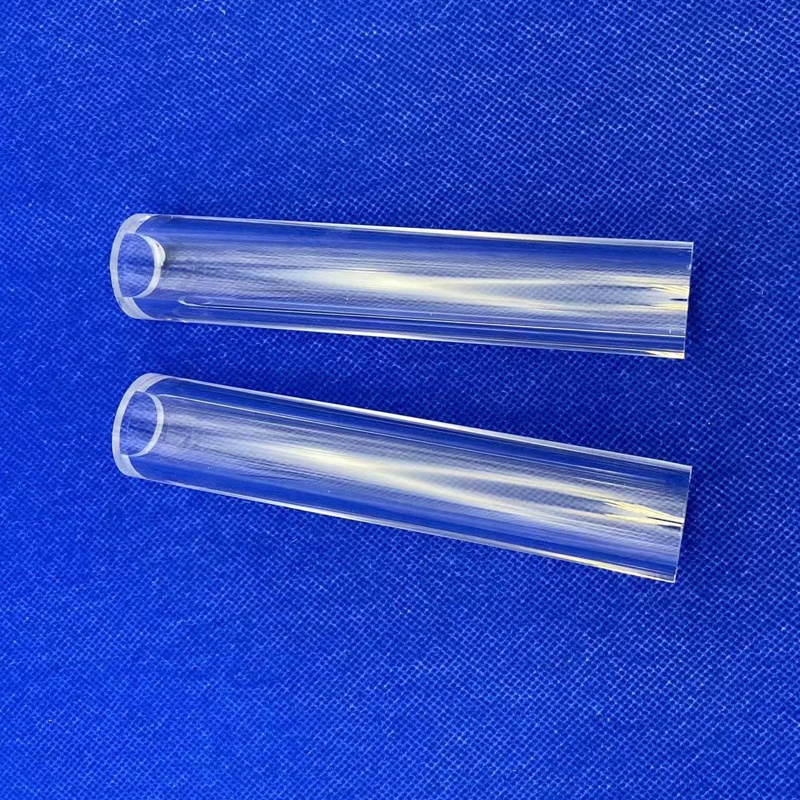
Thermomechanical Engineering and Synthesis of Quartz U-Tubes
In modern industrial thermo-fluidics, semiconductor wafer transport, and photochemical microreaction architectures, the Quartz U Tube represents a quintessential structural shape that reconciles the extreme physical attributes of amorphous silicon dioxide (SiO₂) with hydrodynamic loop efficiency. Unlike standard borosilicate or aluminosilicate glasses, fused quartz exhibits an exceptionally low linear coefficient of thermal expansion (CTE) of approximately 5.5 × 10⁻⁷ /°C within the 20°C to 1000°C boundary. This negligible thermal strain gives vitreous silica U-tubes unparalleled thermal shock resilience, permitting instantaneous thermal transitions across temperature gradients exceeding 1000°C without mechanical fracturing or catastrophic micro-cleavage.
Atomic Purity, Microstructure, and Viscosity Temperature Dependencies
The operational longevity of a fused quartz U-tube under severe physical duress is governed predominantly by its trace impurity matrix and hydroxyl (OH⁻) radical concentration. Alkali metals (such as Na, K, and Li) act as network modifiers within the continuous tetrahedral silica lattice. When exposed to temperatures exceeding 1000°C, mobile alkali cations accelerate the nucleation of cristobalite—a phenomenon known as devitrification. Cristobalite undergoes a displacive crystalline phase change upon cooling below 270°C, marked by an acute 5% volume contraction that causes destructive surface micro-crazing. At our Lianyungang manufacturing facility, rigorous 200-mesh pulverization followed by ultrasonic acid leaching restricts total alkali metals to below 1.5 ppm, effectively eliminating nucleating agents and raising the structural softening point to 1730°C.
Furthermore, hydroxyl content dictates the viscosity curve and mechanical rigidity of the quartz matrix. For ultraviolet photolysis and ozone-generating U-tubes, synthetic fused silica (JGS1) with balanced OH content minimizes E' defect centers under deep 185 nm and 254 nm germicidal emissions. Conversely, for semiconductor furnace loops and radiant twin-tube infrared emitters, an electrically fused, ultra-low OH formulation (JGS3, OH < 2–5 ppm) is selected to prevent structural sagging at sustained operation above 1150°C and stop fundamental IR absorption bands at the 2.73-micrometer overtone.
| Physical / Chemical Parameter | JGS1 Synthetic Silica | JGS2 Flame-Fused Quartz | JGS3 Electrically Fused Quartz |
|---|---|---|---|
| SiO₂ Purity Ratio | ≥ 99.9999% (6N Grade) | ≥ 99.99% (4N Grade) | ≥ 99.995% (4.5N Grade) |
| Hydroxyl (OH⁻) Content | 1000 – 1200 ppm | 150 – 200 ppm | < 2 – 5 ppm (Ultra-Dry) |
| Spectral Transmission Boundary | 185 nm – 2500 nm (Deep UV) | 220 nm – 2500 nm (Standard Optical) | 260 nm – 3500 nm (Extended Infrared) |
| Thermal Expansion (20-300°C) | 5.5 × 10⁻⁷ /°C | 5.5 × 10⁻⁷ /°C | 5.4 × 10⁻⁷ /°C |
| Maximum Strain Point | 1070°C | 1120°C | 1180°C |
| Annealing Point (log η = 13.0) | 1160°C | 1215°C | 1250°C |
| Dielectric Strength (20°C, 1MHz) | 25 - 40 kV/mm | 25 - 35 kV/mm | 30 - 40 kV/mm |
Why Global OEMs Partner with Lovri Quartz
Located in the heart of China’s preeminent silica cluster—Lianyungang, Jiangsu—Lovri Quartz Products Co., Ltd. operates a vertically integrated industrial footprint spanning 14,271 square meters. From raw crystal sizing and multi-stage chemical purification to automated drawing lines, 5-axis CNC machining, and computer-controlled lehr annealing, every production milestone is conducted entirely in-house. This comprehensive manufacturing control eliminates supply chain markups, guarantees batch-to-batch material traceability, and achieves dimensional tolerances down to ±0.03 mm.
SGS-Verified Facility
Independently audited onsite by SGS Group, verifying our physical workshops, production lines, quality inspection personnel, and international trade compliance.
Precision Annealing Lehr
Thermal stress relief executed in computerized ovens at 1215°C followed by controlled ramp cooling, completely eliminating internal strain and micro-cracking.
Polariscopic Inspection
100% of bent U-tubes undergo photoelastic stress analysis with cross-polarizers to identify residual fringe shifts prior to cleaning and protective packaging.
5-Axis CNC Precision
Equipped with ultrasonic CNC centers for drilling, slotted ports, precision ground flat surfaces, KF/ISO glass flanges, and threaded connectors to tight customer drawings.
High-Performance Deployments in Critical Industries
The geometric symmetry and physical robustness of fused quartz U-tubes make them integral to thermal, optical, and fluid dynamic machinery. Key applications include:
Semiconductor & ALD Furnaces
Serving as high-purity process gas delivery conduits, purge injection loops, and precursor pre-heaters in Atomic Layer Deposition (ALD) and Chemical Vapor Deposition (CVD) equipment. The inert SiO₂ surface prevents cross-contamination of transition metals down to parts-per-billion thresholds.
Industrial Twin-Tube Infrared Heaters
U-bend configurations allow radiant filament loops to expand axially without mechanical binding. Transparent clear tubes or milky-white opaque silica coils diffuse infrared radiation evenly across automotive paint curing tunnels and wafer processing tracks.
Photochemical & Ozone Microreactors
By employing deep-UV transparent synthetic quartz (JGS1), U-tubes serve as flow-through digestion loops where fluids are subjected to high-flux 185/254 nm radiation for total organic carbon (TOC) reduction, ozone synthesis, and pharmaceutical sterilization.
Technological Evolution & Sourcing Vectors in Vitreous Silica
As semiconductor lithography migrates beyond 2nm GAA (Gate-All-Around) architectures and solar photovoltaic cell manufacturing scales TOPCon and perovskite-tandem cells, the demand profile for custom fused quartz components is undergoing a structural paradigm shift. B2B procurement managers and systems architects must evaluate several emerging trends:
1. Transition to Sub-Nanometer Surface Metrology & Chemical Fire-Polishing
Standard mechanical glass slicing and abrasive diamond grinding introduce subsurface micro-cracks that propagate under sustained thermal cycling. Leading procurement teams are increasingly specifying automated fire-polishing and magneto-rheological finishing (MRF) for the inner curvature of U-bends. This eliminates stress concentrations and guarantees surface roughness metrics below Ra 0.2 μm, significantly reducing particulate entrapment during corrosive gas cycles.
2. Purity Escalation Driven by Next-Node EUV and Atomic Processing
The global quartz supply chain is rapidly stratifying. While 4N (99.99%) quartz remains standard for general laboratory glassware and industrial heating, semiconductor etching and deposition equipment manufacturers are transitioning toward 5N5 and 6N synthetic vitreous silica. The near-zero presence of iron (< 0.05 ppm), copper, and titanium prevents localized devitrification centers and eliminates metal contamination under high-temperature halogen gas exposure.
3. Adoption of Multi-Lumen & Coaxial Integrated Geometries
Procurement demands are shifting from straightforward single-bore U-tubes to complex multi-channel, jacketed, and triple-bore fluid channels. By integrating a vacuum-insulating outer quartz jacket over a core process U-tube, equipment designers reduce thermal dissipation, lower parasitic heat loads, and optimize physical layouts inside compact analytical and medical laser systems.
4. Circular Supply Chains and High-Yield Direct Sand Processing
Raw natural quartz lumps of high purity are an increasingly strained natural resource. Advanced Chinese manufacturers with integrated processing—such as our Tuofeng Industrial Park plant—leverage proprietary flotation, hydrothermal washing, and plasma vitrification techniques to produce high-grade fused quartz directly from refined silica sand. This insulation against global raw lump scarcity delivers pricing predictability and stable delivery schedules for international partners.
Frequently Asked Questions on Quartz U-Tube Sourcing
Ready to Engineer Your Custom Quartz U-Tubes?
Submit your design specifications, technical drawings (PDF, DWG, STEP), or operating parameters. Our optical and thermal engineering specialists will provide a manufacturability review, tolerance analysis, and transparent quotation within 24 hours.