Precision Portfolio
Featured Industrial & High-Purity Fused Quartz Systems
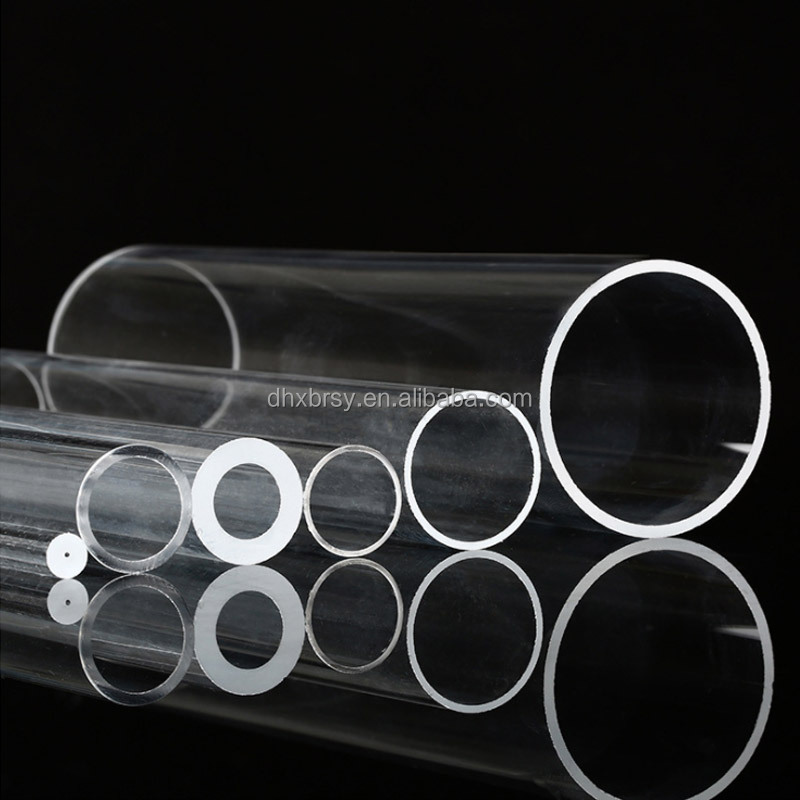
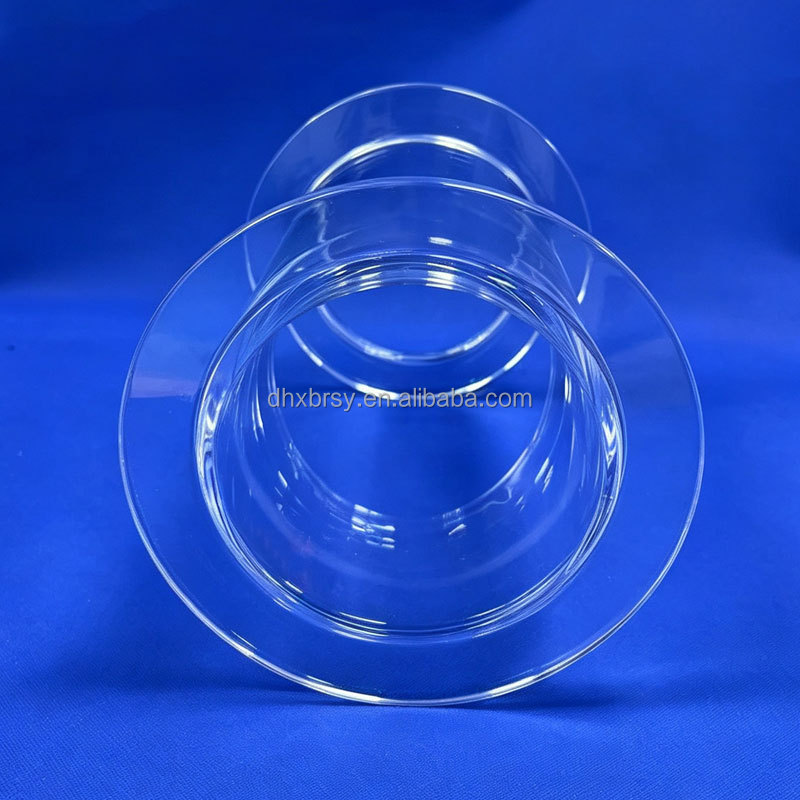
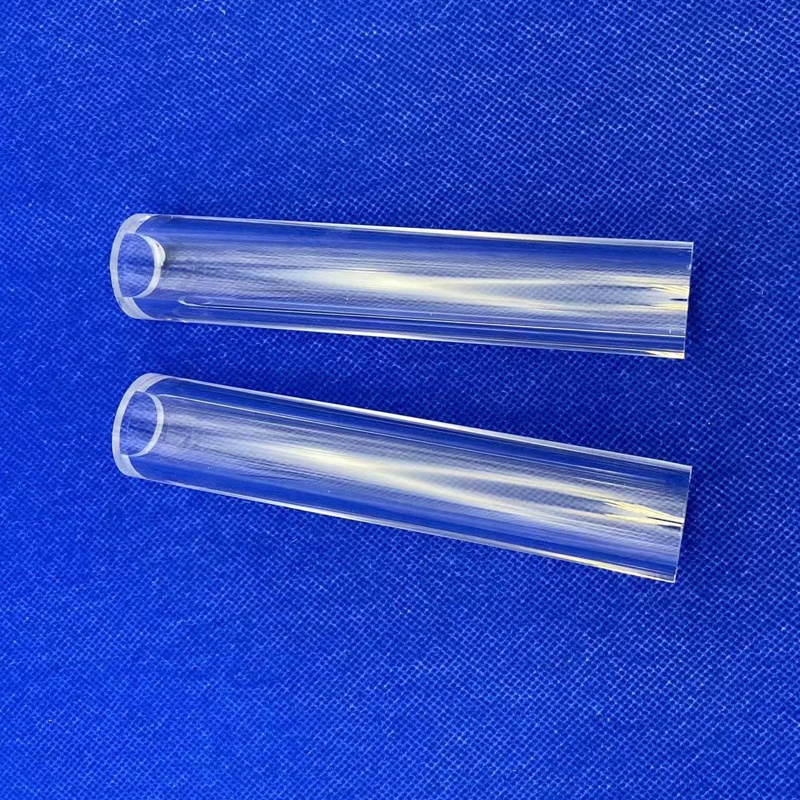
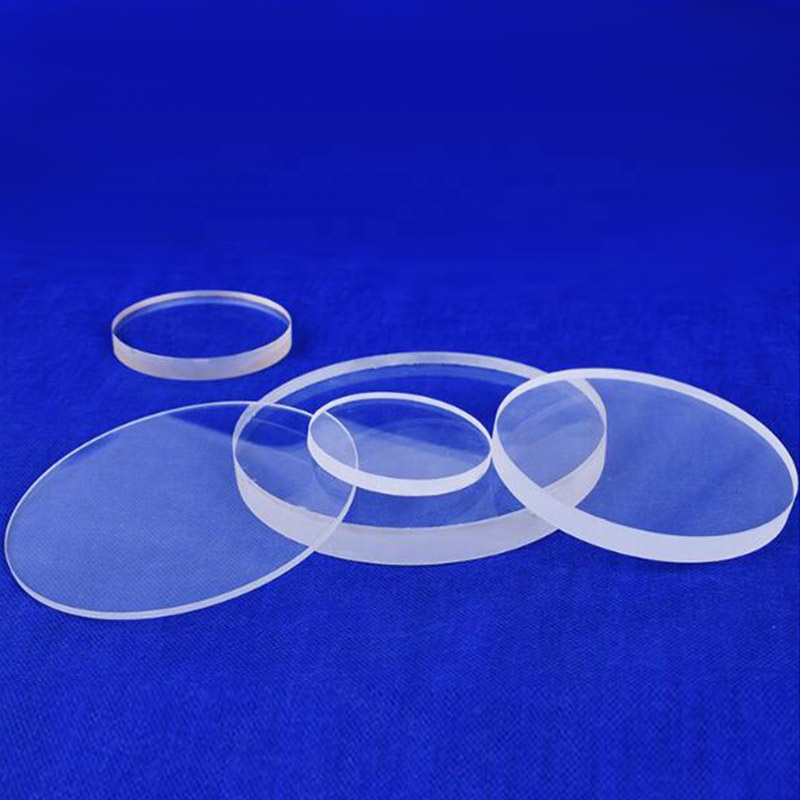
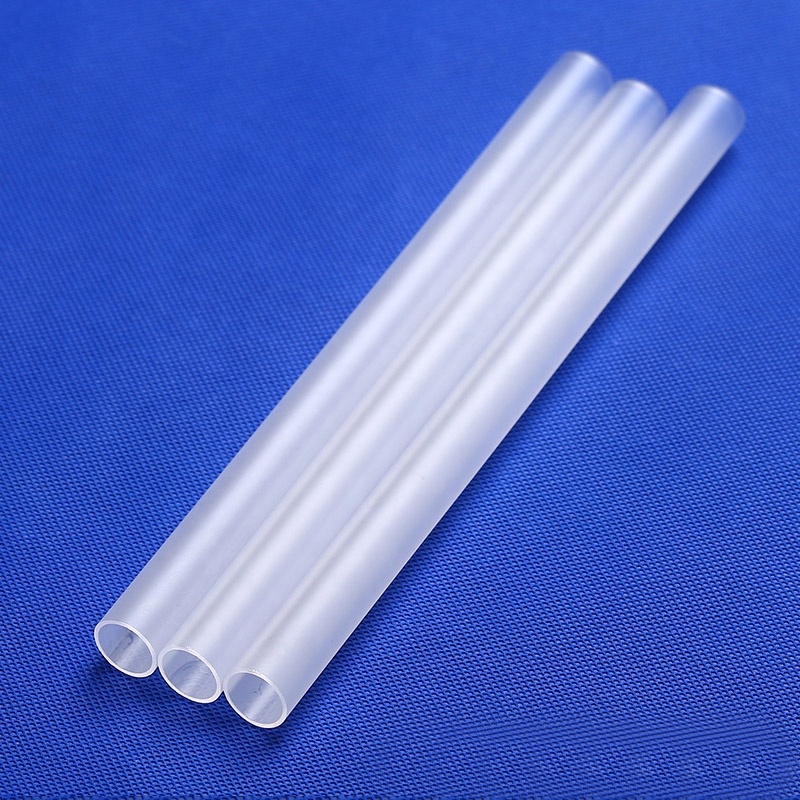
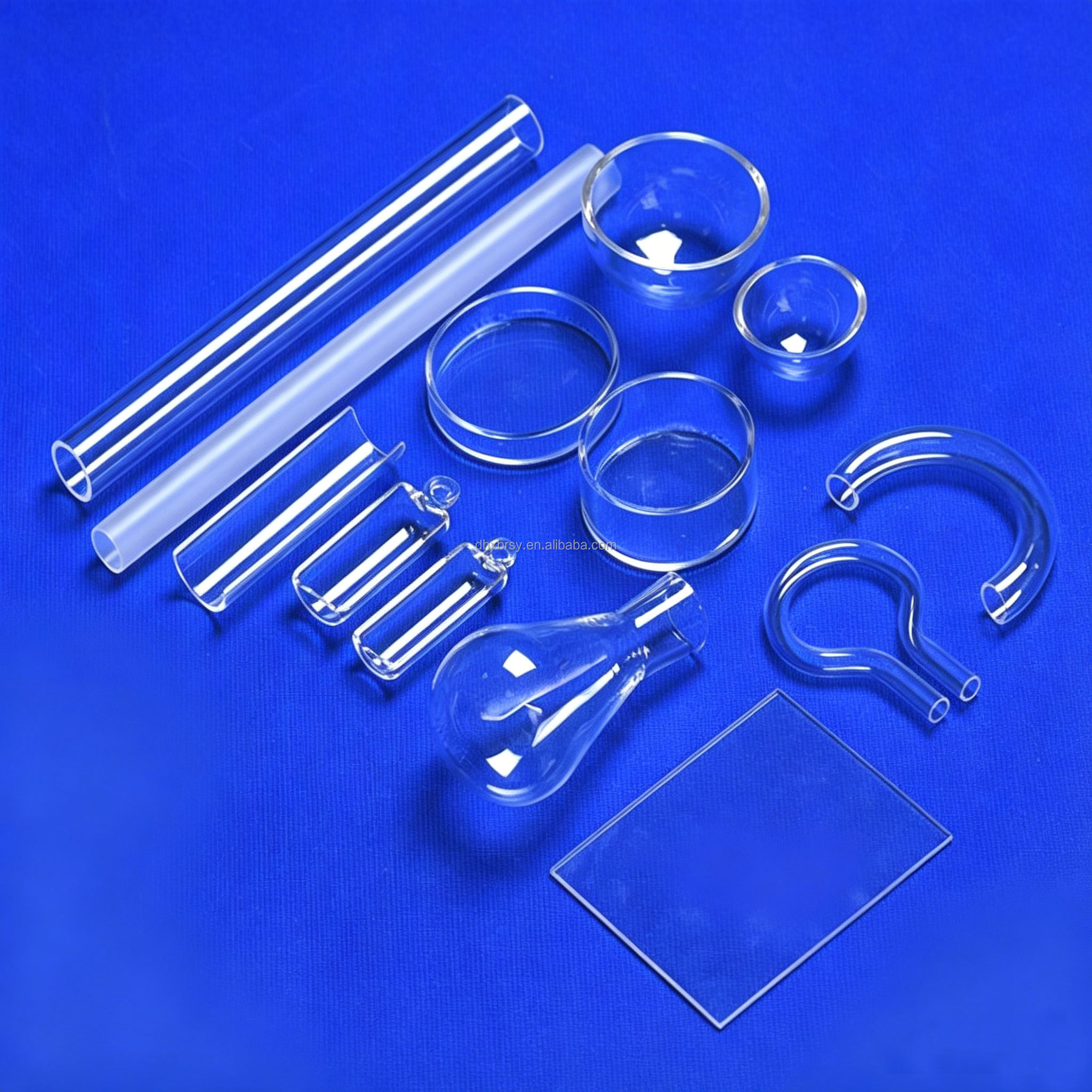
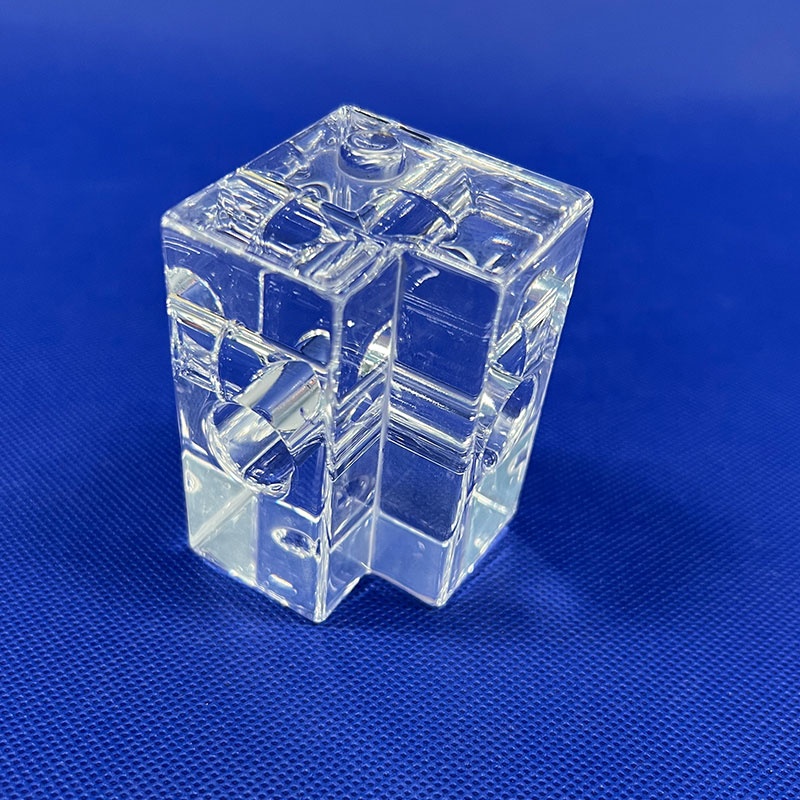
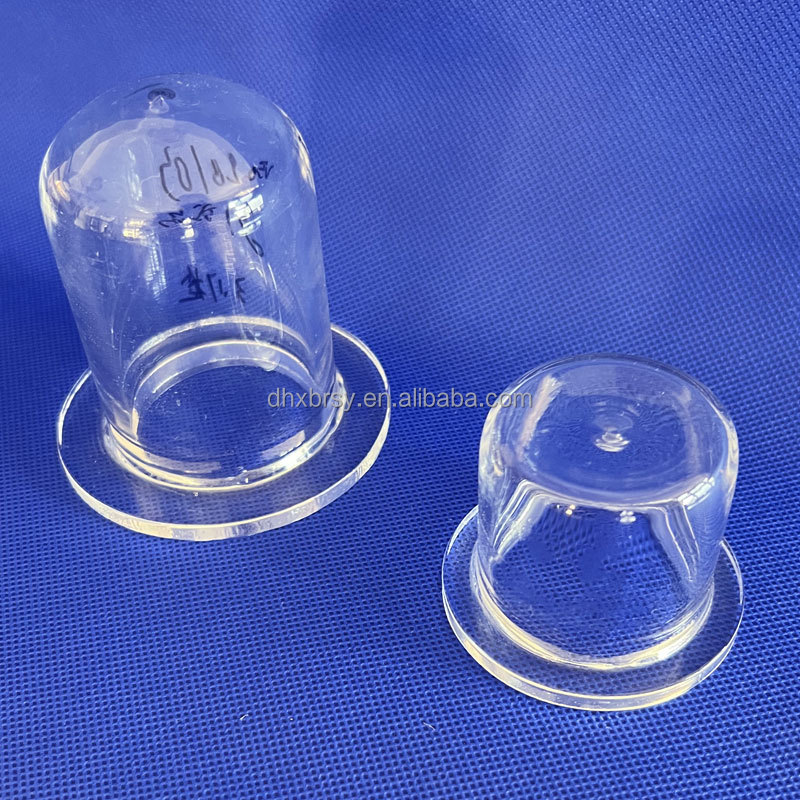
Precision-drawn fused silica capillary tubing, optical quartz substrates, and customized semiconductor reactor cylinders. Fabricated to strict micron-level tolerances and inspected via polarization stress measurement.
Technical Engineering
Precision Drawing & Geometric Integrity of Quartz Capillary Tubing
A comprehensive examination of thermo-mechanical stability, concentricity control, and OH-content optimization in synthetic fused silica capillaries.
In modern microfluidic diagnostics, gas chromatography (GC), capillary electrophoresis (CE), and semiconductor semiconductor-grade fiber optic sub-assemblies, precision fused quartz capillary tubes represent a critical baseline substrate. Unlike conventional borosilicate or multi-component glasses, transparent fused silica provides an exceptionally pure, single-component amorphous network (SiO₂ > 99.99%). This atomic architecture yields an exceptionally small linear thermal expansion coefficient ($\approx 5.5 \times 10^{-7} /^\circ\text{C}$ across the $20^\circ\text{C}$ to $300^\circ\text{C}$ operational span), near-zero birefringence after thermal relaxation, and profound chemical inertness against harsh aggressive reagents, with hydrofluoric and boiling phosphoric acids being the rare exceptions.
Operating out of the primary silica resource hub in Tuofeng Industrial Park, Lianyungang, our manufacturing infrastructure bridges raw crystalline processing with state-of-the-art down-draw thermal tower technology. By initiating purification at the mineral level—utilizing mechanical sizing, high-intensity pulverization, multi-stage particle classification, and heated multi-acid pickling—trace metallic inclusions like Fe, Al, Ca, and Ti are systematically suppressed below parts-per-million (PPM) thresholds. This prevents crystallization seed sites (devitrification centers) and avoids micro-capillary fracture under elevated thermal cycles up to 1300 °C.
| Physical / Optical Parameter | Standard Electric Melt Fused Quartz | Synthetic UV Fused Silica (JGS1 Equivalent) | Capillary Tolerances Held |
|---|---|---|---|
| Silica Purity (SiO₂) | ≥ 99.99% | ≥ 99.999% | Sub-PPM Metallic Contamination |
| Hydroxyl Group (OH⁻ Content) | < 5 – 20 ppm | > 800 – 1200 ppm (Low Fluorine) | Optimized per Application Spectrometry |
| Spectral Transmission Band | 260 nm – 3500 nm (JGS3 / Standard) | 185 nm – 2500 nm (Deep UV Transparent) | T% > 90% at Nominal Wavelengths |
| Softening Point / Annealing Point | 1730 °C / 1215 °C | 1700 °C / 1180 °C | In-House Polarization Stress Relieved |
| Concentricity / Ovality Ratio | ≤ 2.0% | ≤ 1.0% | Laser Diameter Gauge Controlled (< ±0.005mm) |
Strategic Foresight
Emerging Procurement & Manufacturing Trends for Quartz Capillaries
How evolving clean-room automation, microfluidic genomics, and global supply chain realignments are transforming capillary tube specifications.
Micro-Flow Bore Miniaturization
Global procurement teams across analytical instrumentation are shifting rapidly toward sub-10-micron inner diameter (ID) tolerances. Capillaries with non-circular cross-sections (square, rectangular, multi-lumen) are replacing standard cylindrical geometries to eliminate optical path distortion in laser flow cytometers.
Supply Chain Regionalization & Direct Sourcing
Tier-1 OEM instrument designers are increasingly bypassing western redistributors to partner directly with integrated Chinese quartz source mills. Sourcing direct from Lianyungang facilities ensures shorter lead times, custom drawing iteration within 48 hours, and end-to-end material traceability from raw sand to crated tube.
Integrated Monolithic Functionality
Procurement demand is moving beyond simple cut lengths. Engineers specify pre-flanged, threaded, laser-cut, and fire-polished micro-capillaries integrated into CNC-machined manifolds. Monolithic assemblies reduce microfluidic dead volume and eliminate leak-prone polymer compression ferrules.
SGS-Verified Authority
Why Lovri Quartz Dominates High-Purity Capillary Manufacturing
Combining complete vertical mineral integration with micron-scale CNC machining capabilities across our 14,271 m² production facility.
Source Mill Raw-Purity Authority
By executing lump sizing, pulverization, 200-mesh classification, and multi-stage acid washing under our own roof, we mitigate contamination before thermal conversion occurs. We ensure a consistent SiO₂ matrix of 99.99% without third-party feedstock variance.
Multi-Axis Precision CNC Machining
From ultrasonic drilling and micro-milling to thread milling and surface optical fire-polishing, our engineering department realizes complex geometries from customer STEP/DWG drawings, maintaining edge integrity without micro-chipping or subsurface cracks.
Polarization Stress Annealing
Residual stress accounts for 90% of spontaneous quartz failures in downstream furnace systems. Every batch drawn through our furnaces undergoes closed-loop continuous annealing followed by 100% optical polarization stress verification before export dispatch.
Procurement Support
Frequently Asked Questions: Sourcing Quartz Capillaries & Systems
Essential technical and logistical insights for procurement specialists, quality engineers, and international equipment builders.
What dimensional tolerances can you hold on micro quartz capillary tubes? +
For standard precision capillary draws, our automated laser diameter monitoring systems hold Outer Diameter (OD) and Inner Diameter (ID) tolerances to ±0.01 mm. For critical medical, laser, and electrophoresis configurations, we achieve micro-tolerances down to ±0.005 mm on bore concentricity, with fire-polished or ground ends designed to minimize edge chipping.
How does material grade selection (JGS1 vs. JGS2 vs. JGS3) affect capillary application? +
JGS1 (Synthetic Fused Silica): Offers superior transmission in the deep UV band (185–2500 nm) and is essentially bubble-free, making it the premier choice for UV capillary spectroscopy and excimer laser delivery.
JGS2 (Flame Fused Quartz): Shows good transmission across 220–2500 nm with strong structural value for sight glasses, ozone discharge sleeves, and general illumination.
JGS3 (Electrically Fused Quartz): Contains very low hydroxyl content (<5 ppm), granting exceptional transparency across the infrared window up to 3500 nm, ideal for high-temperature IR thermal processing.
What is the continuous operating thermal envelope for your fused quartz components? +
Our 99.99% SiO₂ fused quartz retains mechanical stability up to 1100 °C during continuous operation, with short-term thermal excursion thresholds reaching 1300 °C. The softening point sits at 1730 °C. Due to an ultra-low coefficient of thermal expansion, hot tubes can be quenched directly in cold water without catastrophic structural shattering.
What are your prototyping MOQs, drawing requirements, and validation lead times? +
We support fast-track industrial engineering cycles: non-standard prototypes can be ordered in quantities from 1 to 5 pieces. We accept CAD models in 3D STEP, IGES, or 2D DWG and PDF formats. Design for manufacturability (DFM) reviews are returned within 24 hours, and sample shipments generally dispatch within 7 to 10 working days.
How are ultra-thin, fragile quartz capillary bundles secured for air and ocean freight? +
Export protection involves multi-barrier custom packaging: capillaries are bundled in antistatic cushioning tubes, sealed within dual-layer PE bags, secured in shock-absorbing high-density polyethylene (EPE) slotted foam molds, and crated in fumigated export-grade plywood cases tested for drop resistance. Full replacement insurance coverage applies to all door-to-door CIF/DAP shipments.
Accelerate Your Quartz Precision Sourcing Today
Consult with our senior glassworking technical team. Receive full material certificates, optical transmission curve data, polarization stress logs, and rapid manufacturing estimates.
Get Catalog