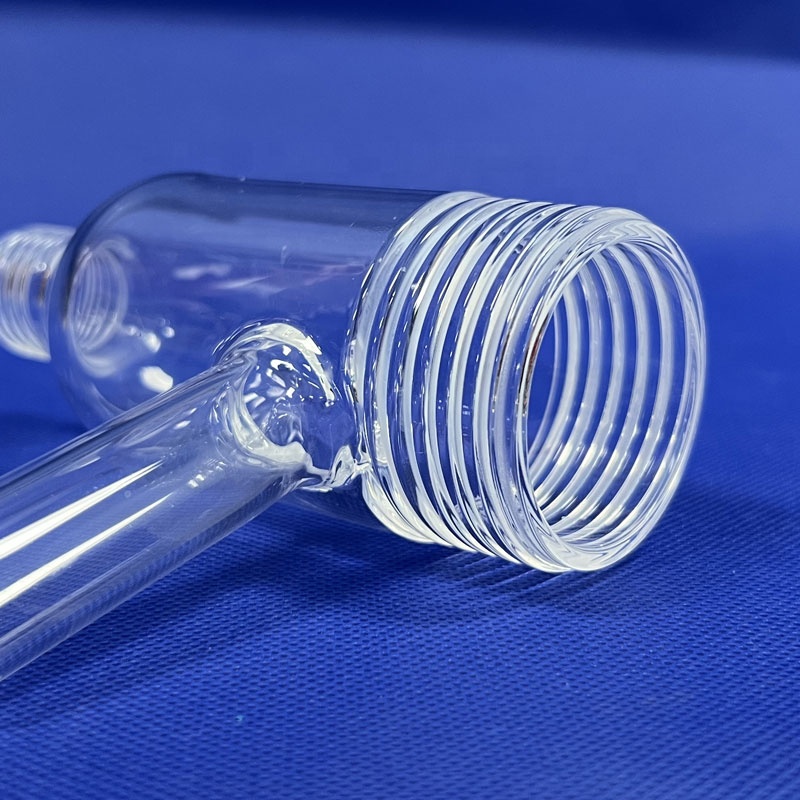
BAO RAN 515 High Purity 99.99% Threaded Quartz Reaction Tube
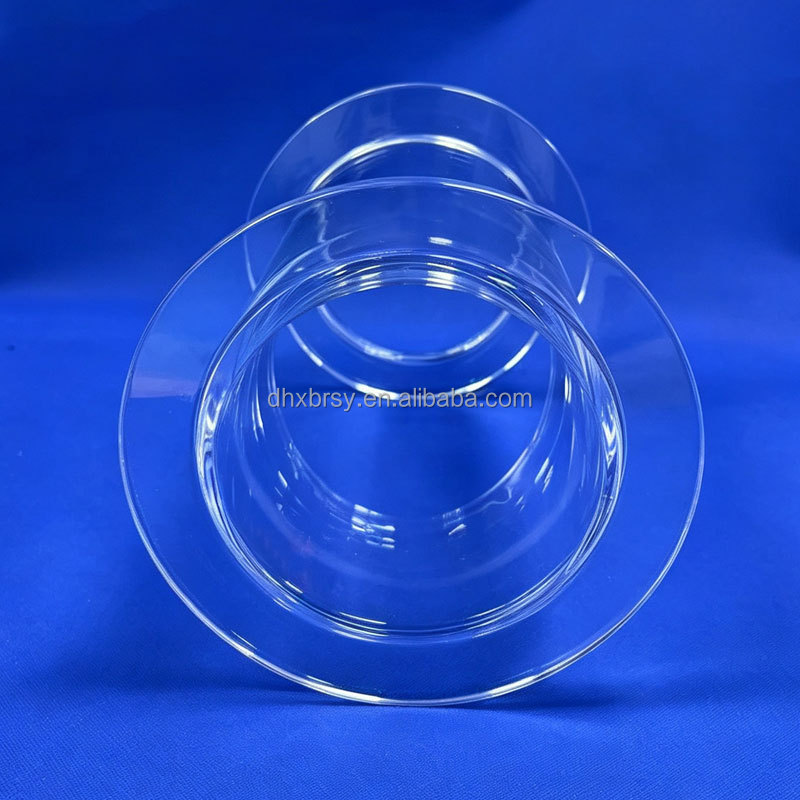
Side-arm laboratory vessel featuring high thermal-shock resistance, tight threading seals, and chemical inertness under acidic conditions.
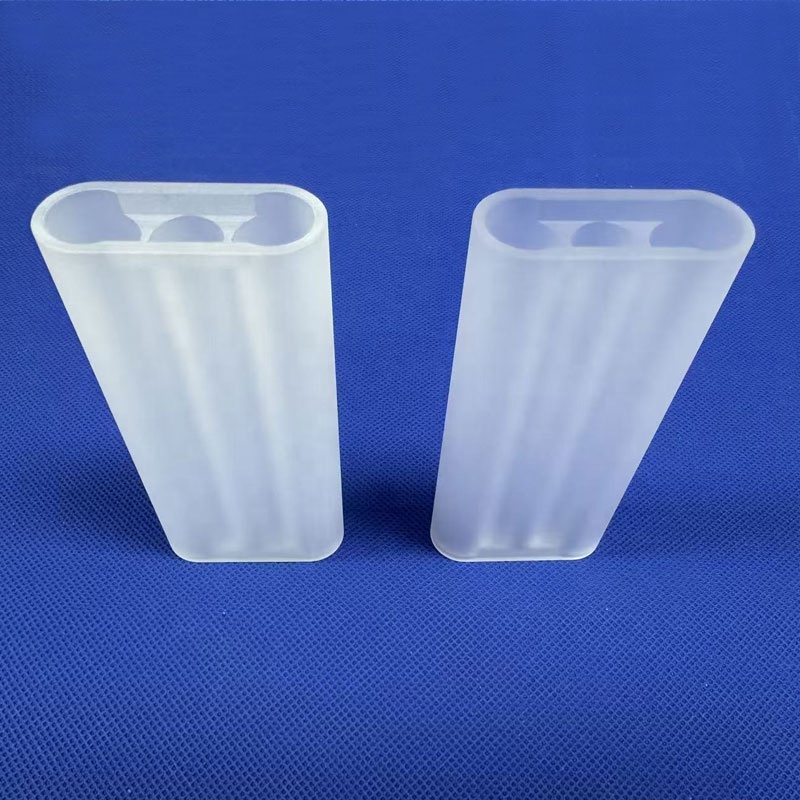
Manufactured to ISO9001 and RoHS standards from our factory cluster in Lianyungang, China. Direct factory dispatch for standard configurations and build-to-print prototypes.
Side-arm laboratory vessel featuring high thermal-shock resistance, tight threading seals, and chemical inertness under acidic conditions.
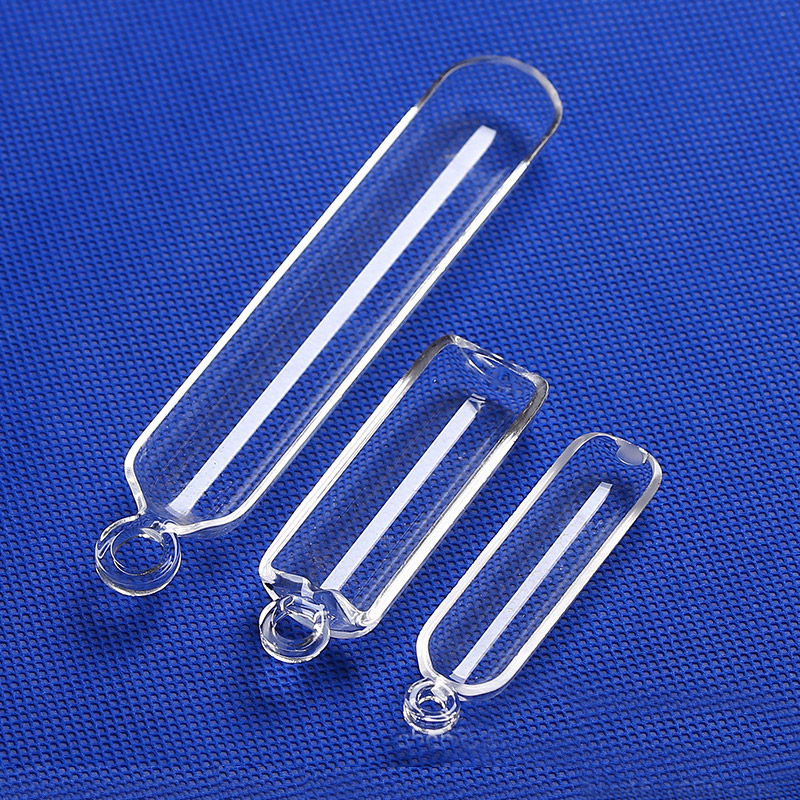
Engineered for GentleYag/GentleMax aesthetic lasers. Extreme dimensional consistency and maximum cooling efficiency without laser beam aberration.
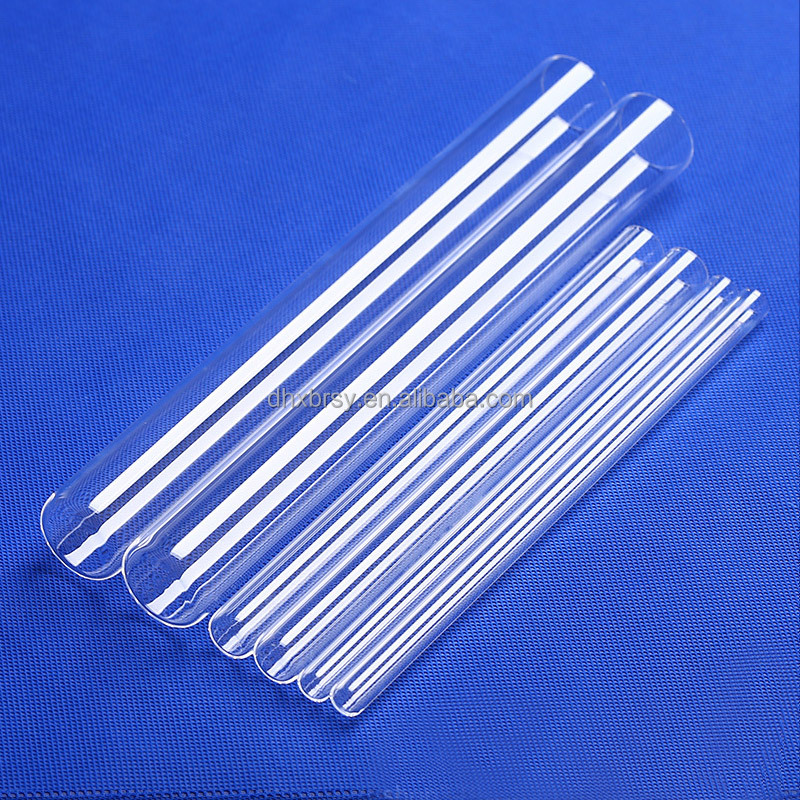
Precision CNC micro-slotted apparatus for cleanroom wafer diffusion and high-temp sintering. Certified RoHS compliant.
Optical-finish ground flanges designed to hold high-vacuum integrity in semiconductor chemical vapor deposition chambers.
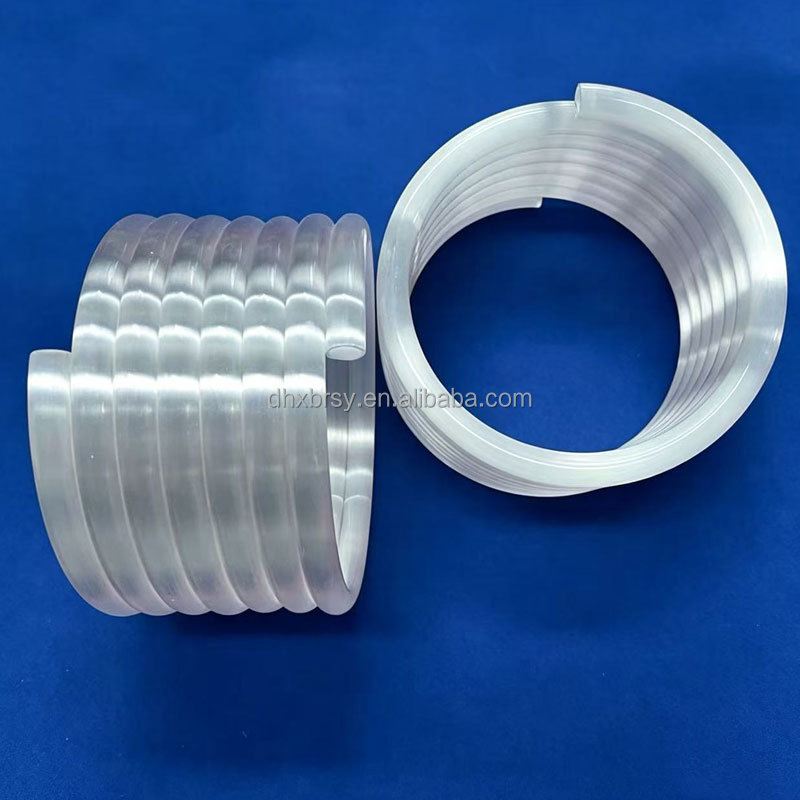
Engineered micro-porosity for optimum infrared heat reflection, maximum thermal retention, and elevated resistance against sagging.
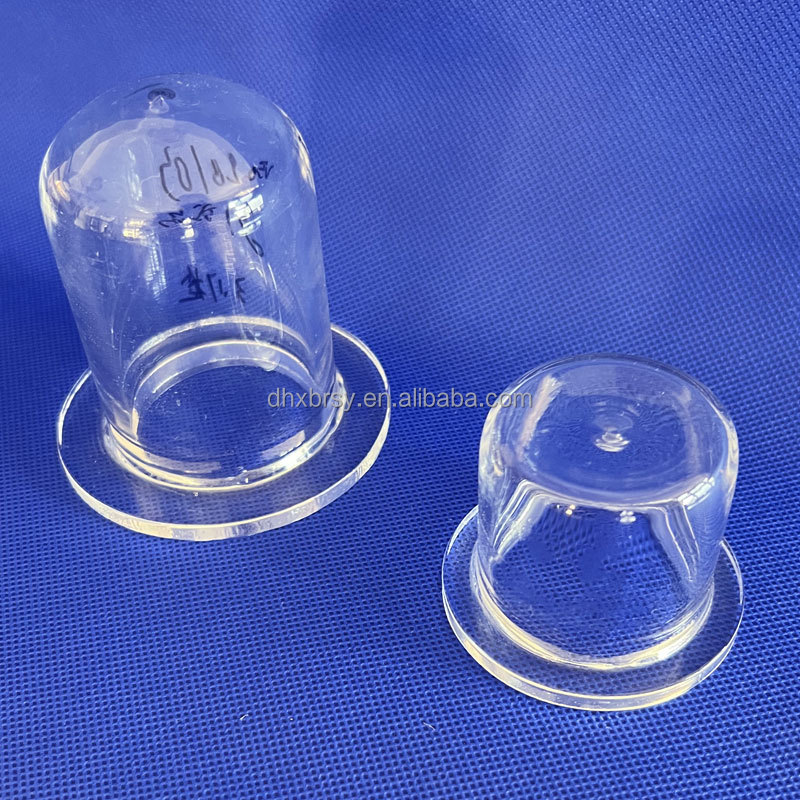
Heavy-wall fused quartz cylinder tested for transient shock up to 1400°C. Applied in pressurized furnace reactors and laser machinery.
Purity rated at 99.99% SiO₂ with zero crystallization centers. Maximizes uniform heating during solar photovoltaic cell sintering runs.
Transmittance down to 185 nm. Precision polished surfaces (60/40, 40/20 Scratch-Dig) with full stress birefringence annealing.
Lovri Quartz operates as an SGS onsite-verified source manufacturer. Our fully integrated facility eliminates intermediate supply-chain overheads, delivering consistent optical stability and complete material traceability.
Unlike secondary optical converters, our operations originate from natural quartz crystal selection, high-mesh pulverization, and proprietary chemical acid pickling. This early process eliminates trace alkali ions (Fe, Al, Ti, Na < 15 ppm) directly at source, guaranteeing defect-free substrate integrity for deep-ultraviolet transmission.
Our workshop utilizes 5-axis CNC ultrasonic diamond grinding stations to execute complex optical profiles, cylindrical curved lenses, wafer boat slotting, and step-drilling. We maintain tight dimensional tolerances within ±0.005 mm, combined with double-sided optical polishing delivering surface finishes down to λ/4 wave flatness.
Residual structural stresses cause catastrophic thermal shattering in quartz optics. Every finished batch undergoes programmed thermal annealing cycles (up to 1215°C) and is checked 100% on polarization stress testers, with certified UV-Vis-NIR spectrophotometer transmission data delivered prior to packaging.
A strategic analysis for optical engineers and global procurement heads: How escalating standards across semiconductor nodes, high-power lasers, and medical devices are altering quartz lens selection.
As industrial excimer lasers and deep-UV water disinfection shift into deeper sub-200nm wavelengths, traditional natural quartz (JGS2/JGS3) faces solarization limitations. Modern procurement protocols require synthetic silica (JGS1) grown via vapor axial deposition or chemical vapor deposition (CVD). This material ensures high internal transmission (>90% at 193nm), extreme homogeneity, and virtual immunity to laser-induced damage.
High-energy laser applications operating in kilowatt regimes will quickly burn lenses displaying micro-fissures or chemical impurities trapped during polishing. Buyers are increasingly writing Magnetorheological Finishing (MRF) and aggressive chemical etching verification into technical RFQs to ensure zero sub-surface damage, avoiding photothermal absorption and optical failure under operational load.
Recent volatility in international freight has driven global OEMs away from trading brokers and toward vertically integrated regional clusters like Lianyungang. Western procurement leaders now favor factories with onsite SGS verification, in-house rough-cutting, glass-blowing, CNC grinding, and automated vacuum packaging under one continuous quality control infrastructure.
| Optical Grade | Raw Material Source | Wavelength Window | OH Content (PPM) | Primary Application Target |
|---|---|---|---|---|
| JGS1 (Synthetic Fused Silica) | SiCl₄ Synthetic Gas Vapor | 185 nm – 2,500 nm | < 5 – 30 ppm | UV Excimer Laser Optics, DUV Windows, Lithography Mask Blanks |
| JGS2 (Fused Quartz Optical) | Refined Natural Crystal | 220 nm – 2,500 nm | 150 – 300 ppm | UV Lamps, Inspection Sight Glass, Solar Sintering Furnaces |
| JGS3 (Infrared Fused Quartz) | Electrical Vacuum Melted Silica | 260 nm – 3,500 nm | < 2 – 5 ppm | Infrared Heat Sensing, Laser Windows, Pyrometry Viewports |
| Opaque Silica (Milky White) | High-Purity Silica Sands | Broadband Diffuse / IR Scatter | Variable | Industrial Radiant Furnaces, Helix Heating Elements, Thermal Flanges |
Actionable guidance covering tolerance allocations, thermal thresholds, optical coatings, and zero-breakage export packaging protocols.
JGS1 is a high-purity synthetic fused silica synthesized from silicon tetrachloride, offering maximum transmission in the deep-ultraviolet spectrum down to 185 nm, making it essential for UV lasers and semiconductor lithography. JGS2 is produced by flame-fusion of natural crystal quartz, performing efficiently from 220 nm to 2500 nm as a cost-effective standard for sight glasses and optical windows. JGS3 is vacuum-melted to strip hydroxyl ions (<5 ppm OH), unlocking stable optical throughput across the infrared spectrum up to 3500 nm without OH absorption dips.
Transparent fused quartz maintains an exceptionally low thermal expansion coefficient (≈ 5.5 × 10⁻⁷ / °C), allowing it to withstand extreme temperature gradients without fracturing. Continuous service temperature is rated up to 1100°C, with peak excursion thresholds reaching 1300°C to 1400°C for short cycles. The material's softening point sits near 1730°C, offering superior thermal shock endurance compared to commercial borosilicate glass.
Yes. Our in-house engineering and production team works seamlessly with STEP, DWG, DXF, and PDF drawings. We provide comprehensive rapid prototyping, starting with trial volumes of 1 to 5 pieces for optical verification before volume manufacturing. Our engineers conduct direct Design for Manufacturability (DFM) reviews to refine wall-thickness transitions, chamfers, and slot tolerances for production efficiency.
We deploy export-engineered packaging compliant with ISTA transit safety standards. Every individual optic is sealed inside dust-free cleanroom wrapping, immobilized within high-density expanded polyethylene (EPE) shock-absorptive foam cut to specific component dimensions, and encased in rigid triple-wall corrugated boxes or custom reinforced wooden export crates designed to prevent mechanical breakage during air or ocean transport.
Send us your technical drawings, purity specifications, thermal operating targets, or annual supply schedules. Our technical engineering division reviews submissions and provides comprehensive feedback within 24 hours.
Contact Us