Laser Optics
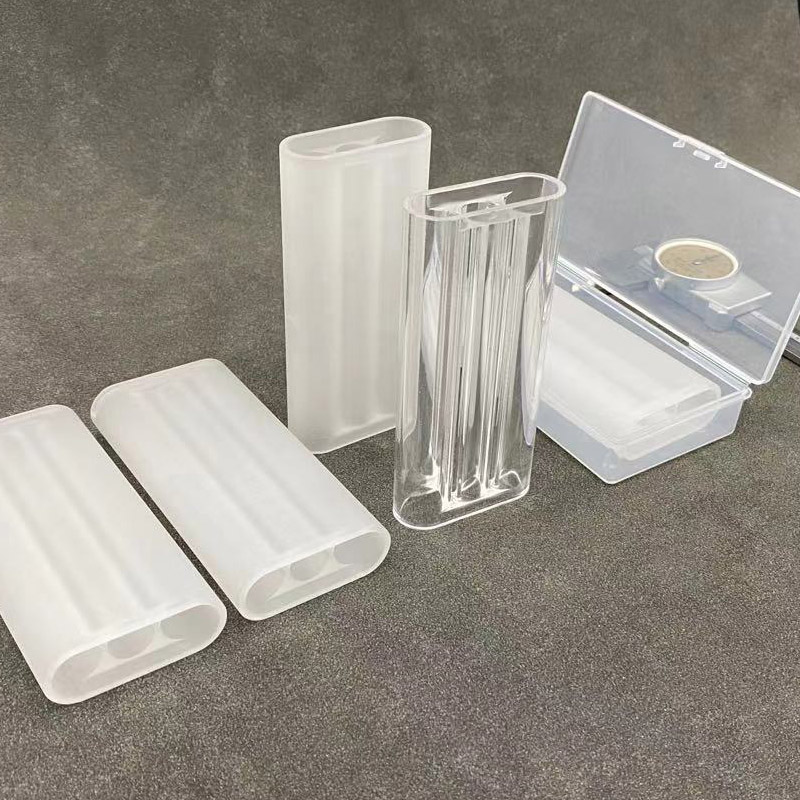
Quartz Candela Triple Bore Fused Quartz 99.98% Silica Customizable Diameter
High-precision laser cavity tube, deep-UV transmission, multi-bore dimensional stability, RoHS certified.
Directly manufactured in Lianyungang, Jiangsu with certified synthetic and fused silica stock. Explore our high-temperature, high-purity optical and industrial quartz configurations.
High-precision laser cavity tube, deep-UV transmission, multi-bore dimensional stability, RoHS certified.
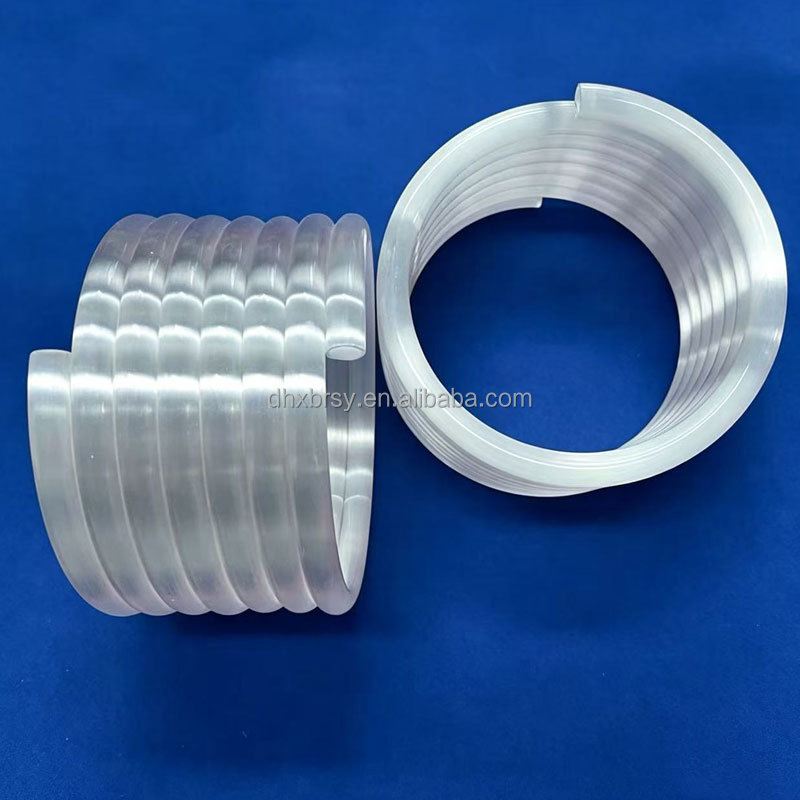
Optimized infrared reflection, thermal shock resistance up to 1100°C, custom outer diameter and wall thickness.
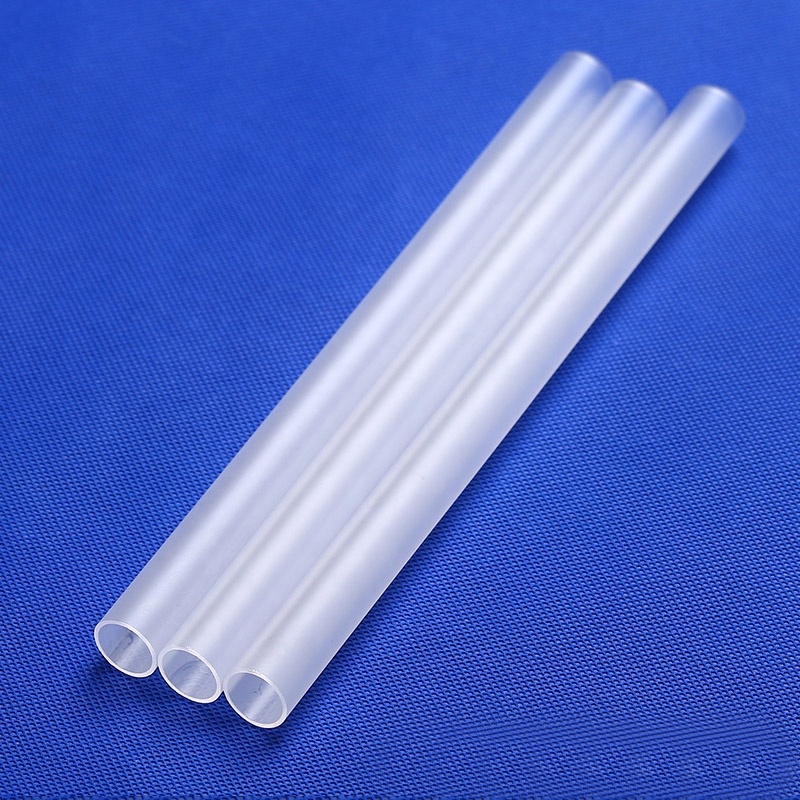
Electrically fused silica, high ozone yield tolerance, custom cutting and fire-polishing for water treatment.
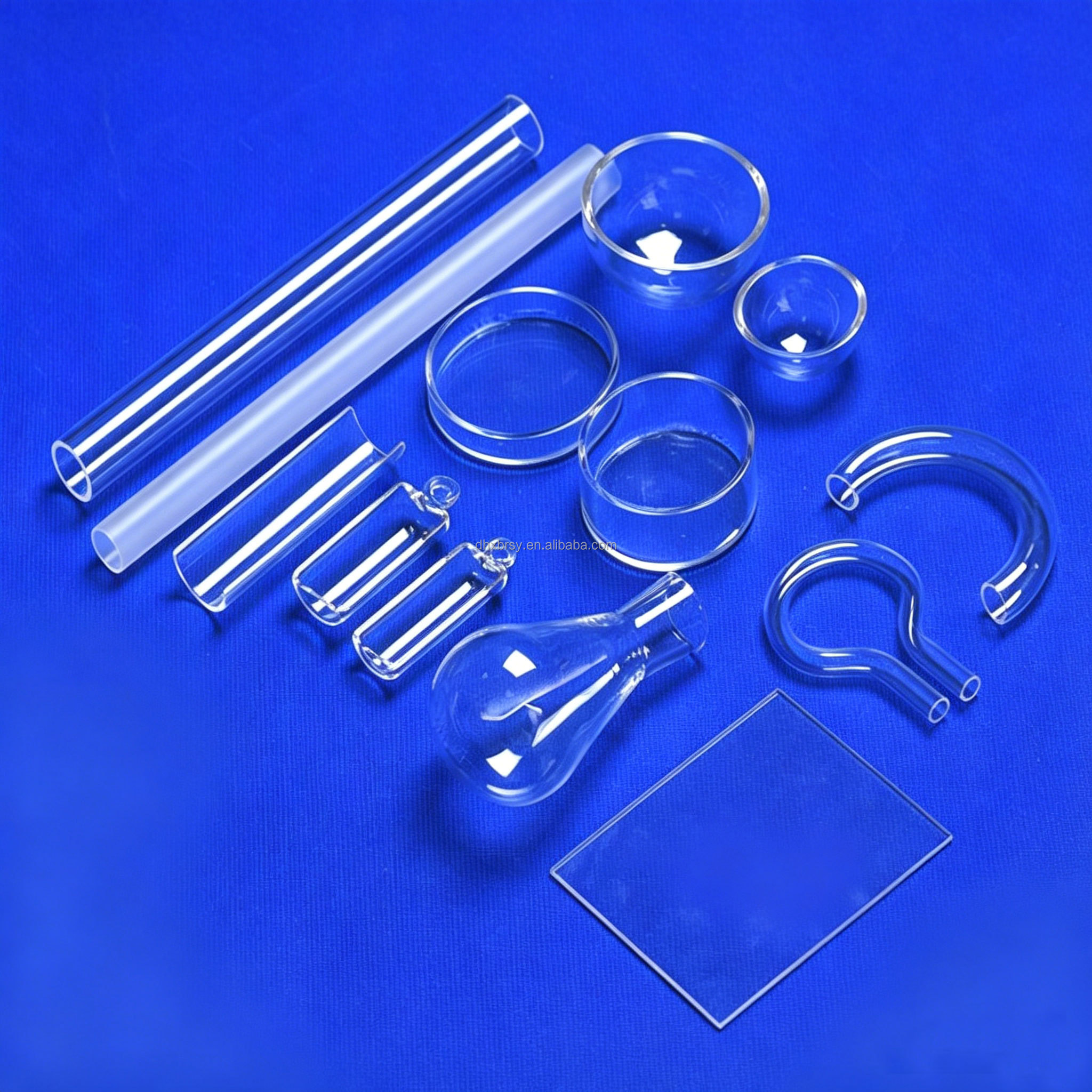
Chemical resistance to acid digestion, semiconductor OEM/ODM fabrication, sub-micron dimensional tolerance.
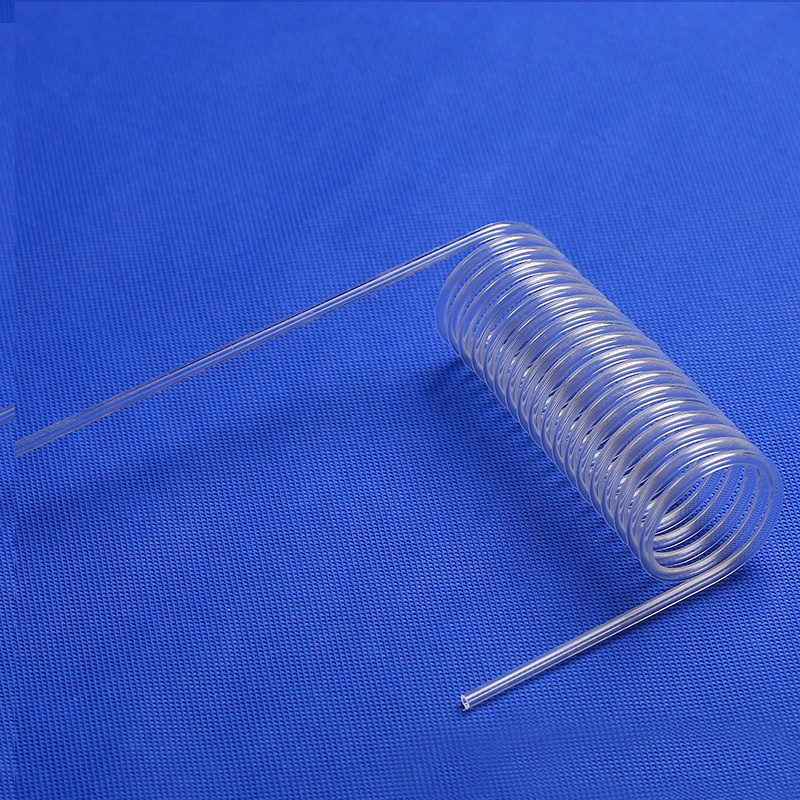
Doped/filtered silica, selective wavelength cutoff, specialized heat-exchange coils, bubble-free finishing.
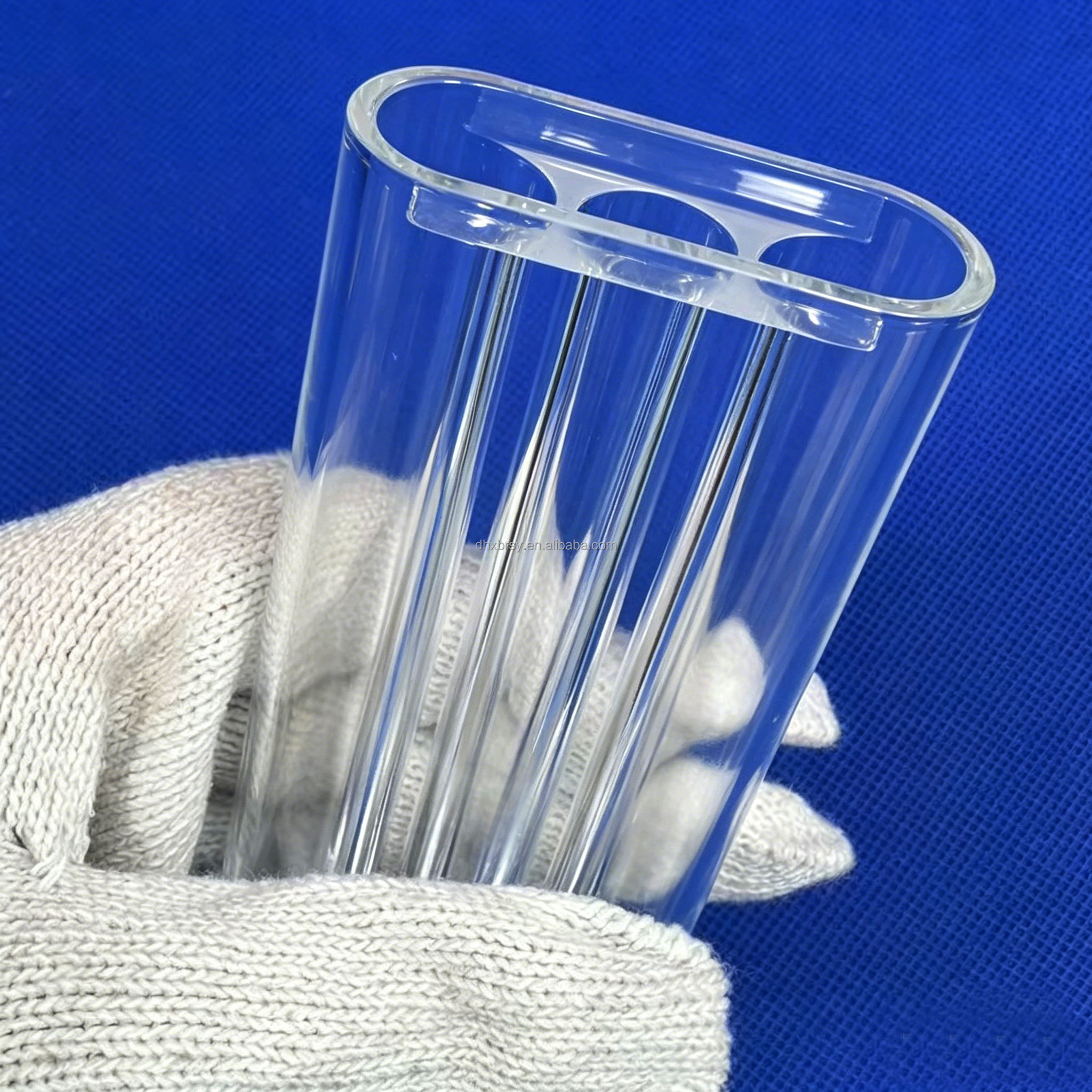
Continuous duty rating at 1100°C, softening point at 1730°C, engineered for LPCVD and diffusion tube furnaces.
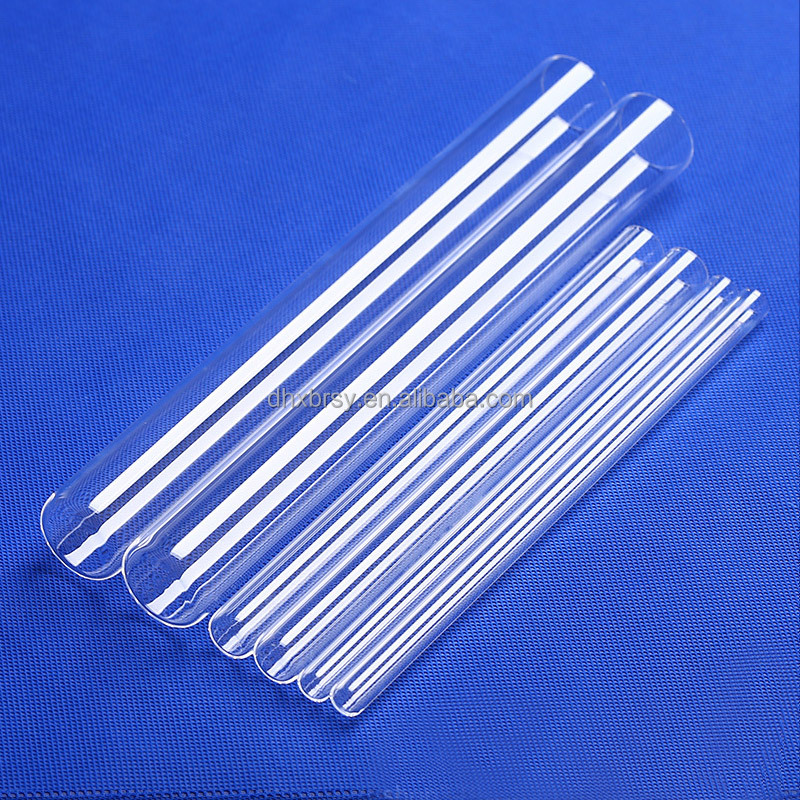
Domed or flat closed ends, polarization stress-tested, hydraulic burst rated, polished outer wall.
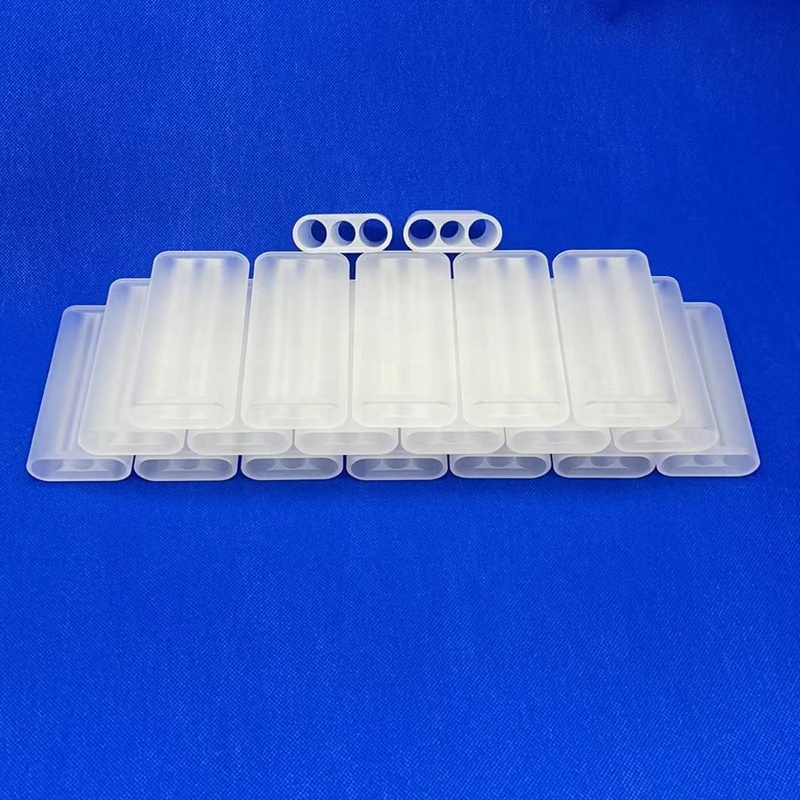
Precision CNC laser drilling, fire-polished flow bores, high optical clarity for solid-state laser cooling pump chambers.
Fused quartz and synthetic fused silica rods represent foundational engineering materials across modern microelectronics, optical waveguiding, high-intensity plasma devices, photovoltaic crystal growth, and biophotonic instrumentation. Characterized by an extraordinary silica purity level exceeding 99.99% (4N) to 99.999% (5N), an exceptionally low thermal expansion coefficient of 5.5 × 10⁻⁷ /°C, and continuous chemical inertness against virtually all aggressive media except hydrofluoric and phosphoric acids at high temperatures, quartz glass rods play critical structural and optical roles.
For international procurement directors, technical procurement engineers, and OEM supply chain executives, sourcing quartz rods from wholesale manufacturers in China presents exceptional cost-efficiency coupled with robust production scale. However, navigating the Chinese industrial landscape demands a rigorous grasp of raw material classification, synthesis methodologies (electric fusion vs. oxy-hydrogen flame fusion vs. chemical vapor synthesis), residual trace-element impurities, and post-annealing stress profiles. This engineering guide delineates the manufacturing science, selection criteria, quality controls, and emerging market dynamics defining world-class quartz rod manufacturing.
In international commerce and Chinese national standards (GB/T), quartz glass rods and substrates are segregated into distinct optical and industrial grades governed by the raw crystalline feedstocks and thermal fusion regimes utilized:
Synthesized via chemical gas-phase oxidation (SiCl₄ in oxy-hydrogen flame). Contains virtually zero metallic impurities (Fe < 0.1 ppm, Al < 0.5 ppm). Exceptional transmission across the Deep-UV (DUV) range from 185 nm to 2500 nm with negligible fluorescence and high resistance to laser-induced optical solarization.
Produced by oxy-hydrogen flame fusion of purified natural quartz crystal sand. Offers outstanding transmission from 220 nm to 2500 nm. The optimal, cost-efficient baseline for UV-visible spectrometers, plasma reactor viewports, standard optical light pipes, and medical laser guide rods.
Fabricated through vacuum electric furnace melting. Features extremely low hydroxyl content (OH⁻ < 2–5 ppm), eliminating the pronounced infrared absorption band at 2.73 µm. Enables superior optical transmission spanning 260 nm to 3500 nm, vital for thermal imaging and IR waveguiding.
When engineering components such as semiconductor wafer-boat spacer rods, high-temperature push-pull shafts, or optical guide bars, precise technical tolerance to thermal and mechanical loads is mandatory. Below is the verified physical property matrix for our standard high-purity transparent fused quartz rods:
| Property Parameter | Standard Metric Value | Test / Characterization Method | Engineering Implications |
|---|---|---|---|
| Chemical Purity (SiO₂) | ≥ 99.99% (Optional ≥ 99.999%) | ICP-OES / GD-MS Spectrometry | Prevents trace ionic contamination in semiconductor diffusion |
| Density (ρ) | 2.20 ± 0.02 g/cm³ | Archimedes Buoyancy Method | High structural compaction and isotropic uniformity |
| Refractive Index (n_d) | 1.4585 (at λ = 589.3 nm) | Abbe Refractometry | Predictable chromatic dispersion in optical light pipe guides |
| Coefficient of Thermal Expansion (CTE) | 5.5 × 10⁻⁷ /°C (20°C to 320°C) | Dilatometric Expansion Testing | Near-zero expansion; tolerates rapid water quenching from 1100°C |
| Softening Point | 1730°C ± 20°C | Fiber Elongation Viscosity Method | Maintains structural integrity under heavy thermal loads |
| Annealing Point | 1215°C ± 15°C | Beam Bending Viscometry | Required soaking temp for complete residual stress release |
| Continuous Max Operating Temp | 1100°C | Atmospheric Furnace Soak | Maximum long-term non-devising working limit |
| Short-Term Peak Temp | 1300°C to 1400°C | Dynamic Heat Pulse Run | Brief operating cycles without structural slumping |
| Dielectric Strength | 25–40 kV/mm (at 20°C) | High-Voltage Breakdown ASTM D149 | Elite high-frequency high-voltage electrical insulation |
| Birefringence / Residual Stress | < 5 to 10 nm/cm (Optical Class) | Sénarmont Polarization Polarimeter | Immunity against premature thermal fatigue cracking |
The operational lifespan of a quartz rod inside a high-temperature cleanroom furnace (such as photovoltaic PECVD or silicon epitaxy) is primarily dictated by trace alkali metal contaminations—specifically Sodium (Na), Potassium (K), and Lithium (Li). Even in fractions of parts-per-million (ppm), these alkali ions serve as catalytic nucleation sites for devitrification (the transformation of amorphous silica into crystalline cristobalite). Devitrification introduces localized micro-cracking and optical hazing due to the distinct density change between amorphous quartz and cristobalite phases.
Our raw quartz selection in Lianyungang relies on quadruple-stage high-purity washing, ultrasonic flotation, and aggressive multi-acid digestion (HF + HNO₃) to achieve cumulative alkali metal profiles strictly below 1.5 ppm, while aluminum (Al) content is stabilized according to viscosity-enhancement requirements. This ensures superior high-temperature creep resistance when rods are utilized as horizontal furnace support rails.
Situated in Tuofeng Industrial Park, Lianyungang, our state-of-the-art 14,271 m² manufacturing campus leverages geographic raw-material superiority combined with international quality compliance.
Lianyungang is the globally recognized silicon hub of China. By maintaining captive crushing, acid-pickling, and grain-rescreening facilities on-site, we eliminate third-party supply vulnerabilities and guarantee batch-to-batch chemical purity uniformity without trading-broker markups.
Our physical plant, equipment assets, operational workflow, and workforce competencies have undergone on-site evaluation by SGS Group. Transparent factory credentials, verified production capacity, and export credit ratings give our international partners absolute procurement safety.
From automatic vertical rod drawing towers and horizontal electric tube furnaces to 5-axis CNC machining, ultrasonic micro-coring, optical surface polishing, and cleanroom annealing ovens. Controlling all 12 manufacturing steps internally ensures complete dimensional and trace quality control.
Every meter of quartz rod produced in our facility follows an audited, documented quality assurance cycle designed to eliminate macro defects, seed bubbles, geometric ovality, and internal mechanical stresses:
Natural high-grade quartz ore is crushed, classified, and treated with multi-step acid baths to strip iron, transition metals, and surface contamination down to sub-ppm metrics.
Silica sands are melted at 2000°C+ via high-temperature resistance or vacuum induction furnaces. Glass melts are vertically drawn with computer-controlled pullers for diameter precision.
Rods undergo programmable cooling in computer-controlled annealing ovens. Residual thermal stresses are lowered below 10 nm/cm, validated under crossed-polarizer stress analyzers.
Custom cutting, chamfering, laser scoring, optical end-face lapping, or flame-polishing. Every finished batch receives dimensional CMM inspection and cleanroom vacuum packaging.
The global demand for high-purity quartz products is undergoing a profound structural evolution. Procurement specialists must adjust sourcing architectures in response to four overarching macro trends:
As semiconductor fabrication migrates to 3nm, 2nm, and gate-all-around (GAA) architectures, allowable metallic contamination levels in furnace quartz components have shifted from parts-per-million (ppm) to parts-per-billion (ppb). Quartz rods utilized in substrate handling assemblies, thermocouple sheaths, and furnace wafer carrier lattices must exhibit virtually zero vapor-phase trace leaching. Chinese tier-1 suppliers are actively deploying synthetic chemical vapor deposition (CVD) silica redraw processes to surpass traditional natural quartz purity limits.
Global investments in municipal water treatment, pharmaceutical sterilizers, and next-generation medical dermatological lasers (such as alexandrite and Nd:YAG laser triple-bore cavities) require advanced JGS1/JGS2 quartz rods with superior resistance to solarization. Ultraviolet radiation below 254 nm triggers color center defect generation in inferior silica grades. Modern procurement frameworks prioritize solarization-resistant quartz rods doped with specialized stabilizers or synthesized with controlled hydroxyl concentrations.
Historically, international buyers procured Chinese quartz products via complex tiers of export trading firms, resulting in technical miscommunications, elevated unit pricing, and obscured material traceability. Leading international OEMs in Europe, North America, and East Asia are aggressively pursuing supply chain disintermediation. Sourcing directly from verified source manufacturers in regional industrial hubs like Lianyungang enables direct engineering-to-engineering CAD/drawing reviews, rapid prototyping (from 1 pc MOQ), and reliable 25–40% cost efficiencies.
Modern engineering demands customized shapes: square quartz rods, capillary tubes with ultra-fine internal bores, D-shaped cross sections, precision ground taper plugs, and helically coiled quartz rods for compact heaters. Precision 5-axis CNC diamond grinding and chemical-mechanical planarization (CMP) allow tolerances as tight as ±0.005 mm, transforming quartz glass from a bulk raw material into high-precision optical and mechanical components.
Below are authoritative answers to the most common engineering, quality, and commercial inquiries encountered by our technical sales and QA engineering departments:
Send your 2D/3D CAD drawings (PDF, DWG, DXF, STEP) or detailed application parameters. Our engineering materials team will provide design-for-manufacturability feedback, grade recommendations, and a direct factory quotation within 12 hours.
Send an Inquiry