Featured Precision Quartz & Fused Silica Components
Standard and tailor-engineered fused quartz components manufactured to international laser, semiconductor, and chemical apparatus standards under stringent polarization stress control.
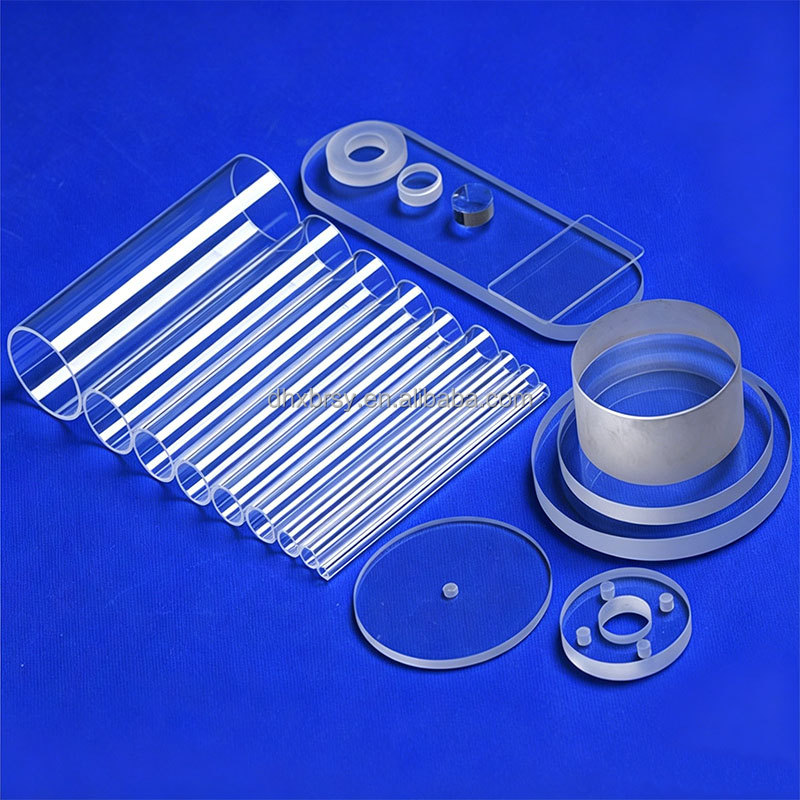
BAO RAN JGS1 High-Purity 99.99% SiO2 CNC Fused Silica UV Window
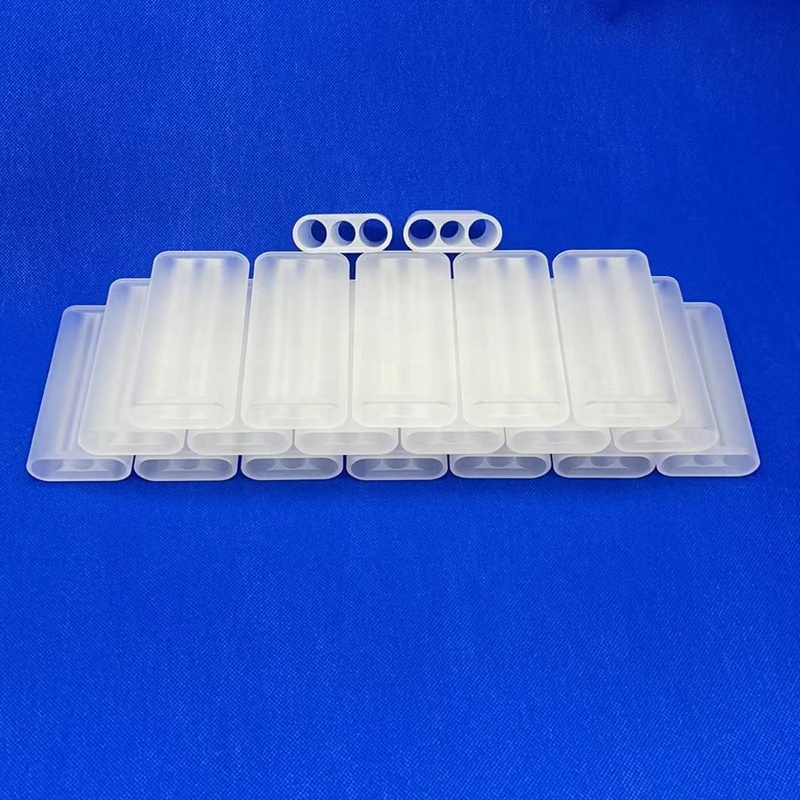
Quartz Triple Bore Flow Tubes Laser C-Shape High Precision Flow Cell
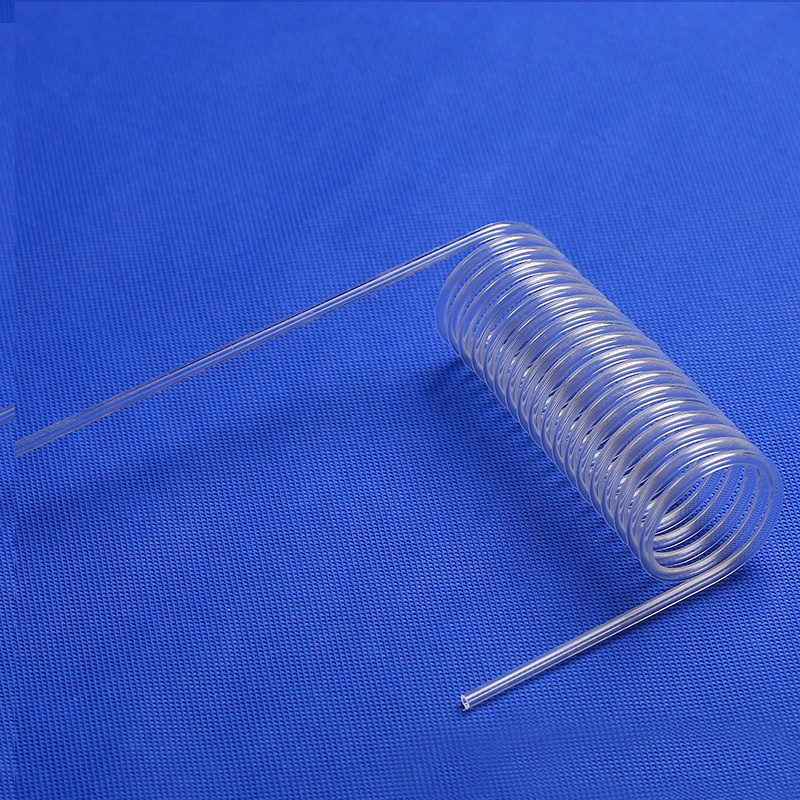
Yellow Clear High-Purity Fused Quartz Spiral Tube for Laser Systems
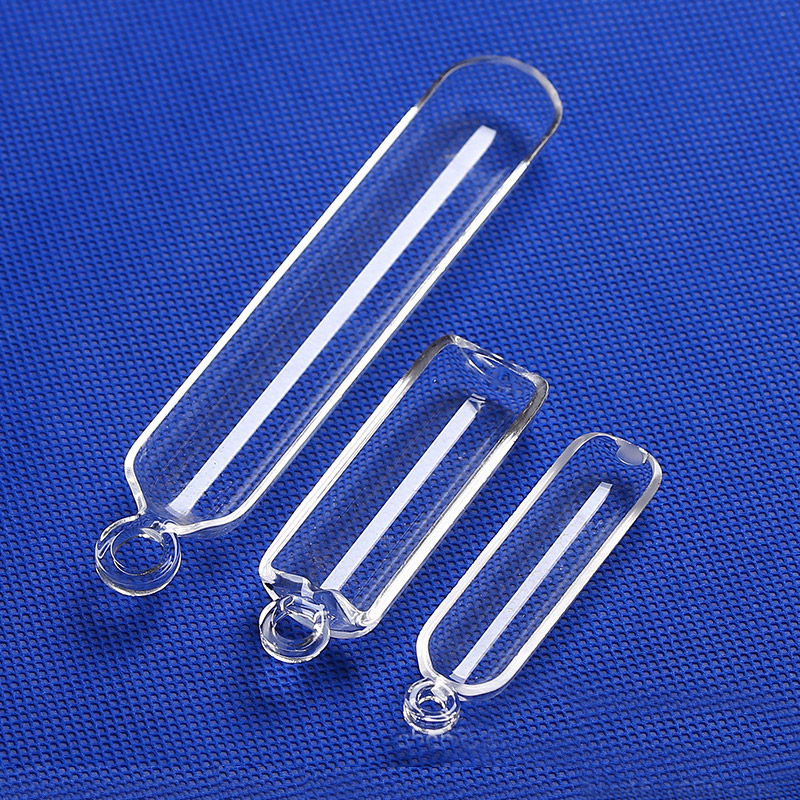
High-Quality Fused Quartz Custom-Made Wafer Boat & Carrier
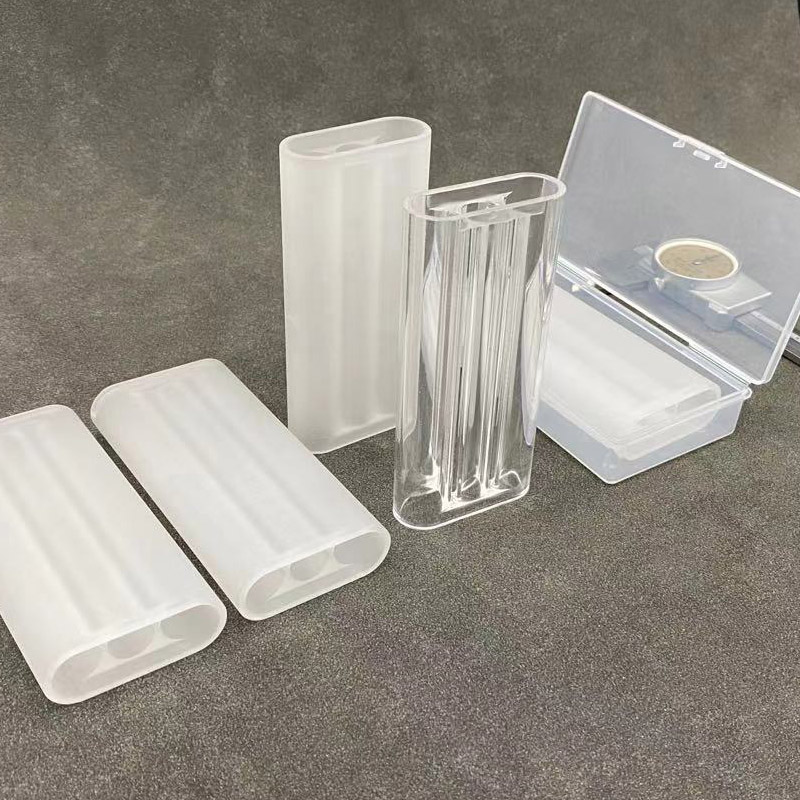
Quartz Candela Triple Bore Fused Quartz Laser Cavity Chamber
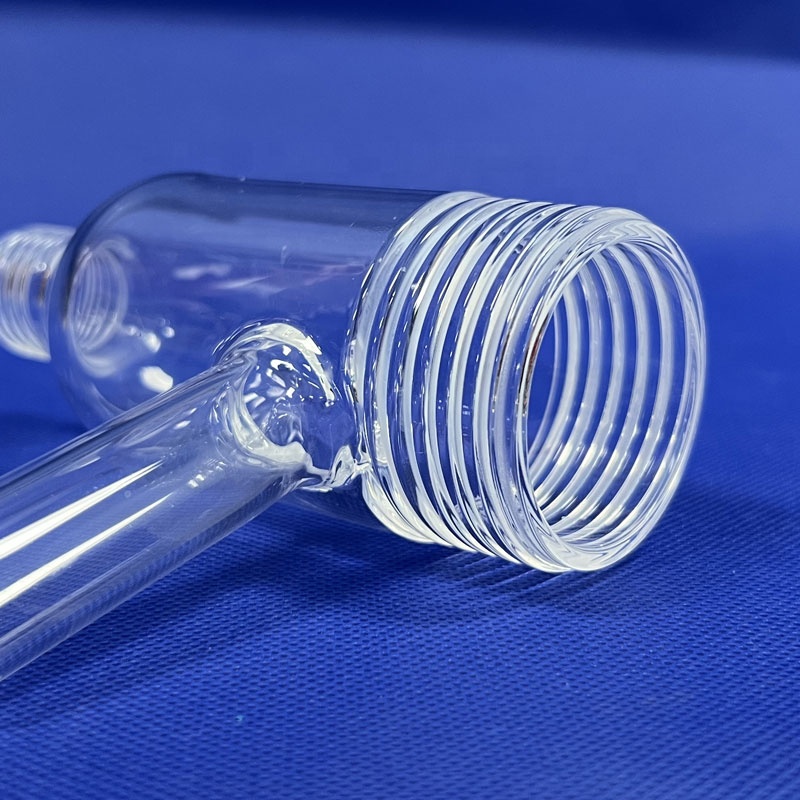
BAO RAN 515 Threaded Transparent Reaction Tube with Side Arm
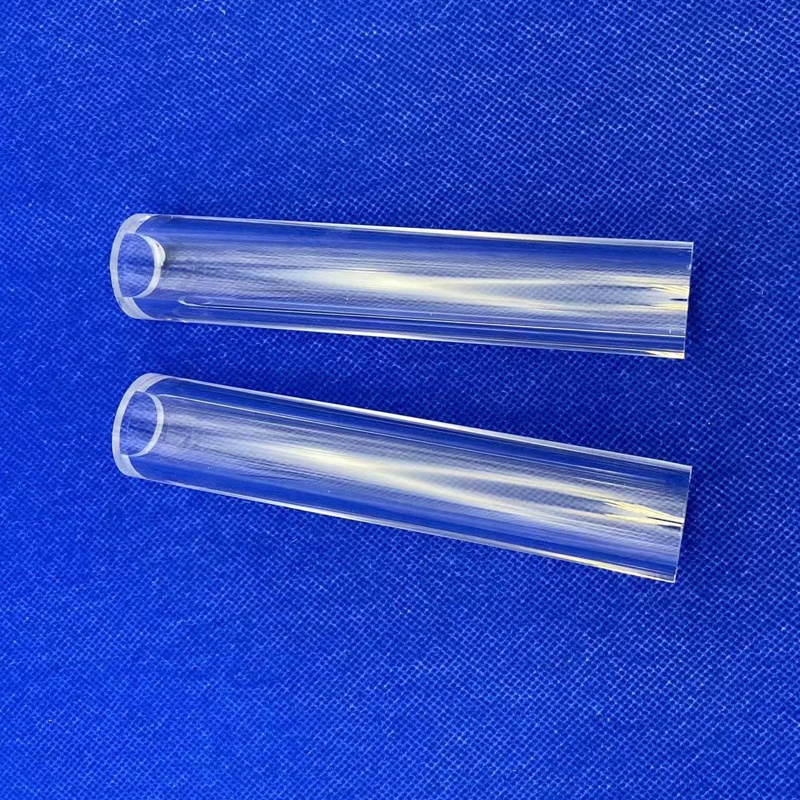
High-Precision Clear Quartz Glass Tube for Ozone & Heaters
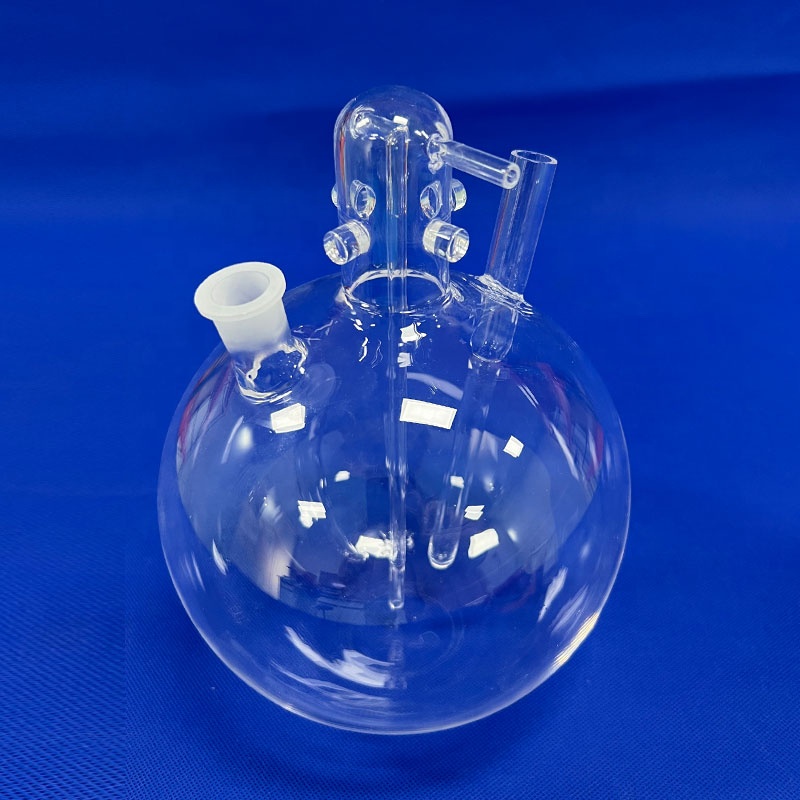
Custom 419 High Purity Quartz Instrument for Laser Machinery
Global Authority Ranking: Top 10 Fused Silica Glass Factories & Exporters
Fused silica (amorphous silicon dioxide, SiO₂ ≥ 99.99%) represents an elite tier of technical ceramics and optical substrates. Engineered for extreme thermal shock resistance (CTE of 5.5 × 10⁻⁷ /°C), deep-ultraviolet (DUV) to mid-infrared (MIR) spectral transparency, and chemical inertness against concentrated inorganic acids, global production is concentrated among a handful of vertically integrated manufacturers.
In evaluating international supply chains for high-volume semiconductor diffusion furnaces, excimer laser cavity optics, and analytical quartz ware, procurement leaders must weigh synthesis methodology (chemical vapor deposition synthetic fused silica versus natural high-purity quartz arc/gas fusion), hydroxyl (OH⁻) content, bubble inclusion ratings under ISO 10110, and dimensional CNC capability. Below is the multi-tiered benchmark of the industry's top 10 factories and global exporters.
| Rank | Manufacturer / Exporter | HQ / Base | Core Fusion Process | Key Product Specialization | Typical OH Range | Primary Compliance |
|---|---|---|---|---|---|---|
| 01 | Heraeus Conamic | Germany / Global | Soot & Electric Fusion | Semiconductor Base Materials, Suprasil Synthetic Optic Boules | <1 ppm to 1200 ppm | ISO 9001 / ISO 14001 / Semi S2 |
| 02 | Momentive Technologies | United States | Electric Arc Fusion | Large-Bore Diffusion Tubes, Crucible Grade Ingot, Rods | <5 ppm to 30 ppm | RoHS / REACH / ISO 9001 |
| 03 | Lovri Quartz (Bao Ran) | Jiangsu, China | In-House Ore Refining & Thermal Fusion | JGS1/JGS2 Plates, CNC Flow Tubes, Wafer Boats, Custom Flanges | <20 ppm (JGS3) to 300 ppm | SGS Onsite Verified / RoHS / CE |
| 04 | Tosoh Quartz Corporation | Japan / USA | Flame Working & Fusion | Sub-micron Semiconductor Wafer Carriers, Lithography Tanks | Variable by Grade | SEMI Standards / ISO 9001 |
| 05 | Corning Incorporated | United States | Vapor Deposition (HPFS) | HPFS® 7980 Excimer Grade, Extreme DUV Laser Windows | 800 – 1000 ppm | Mil-Spec / ISO 9001 / ITAR |
| 06 | Shin-Etsu Quartz Products | Japan / Europe | Synthetic CVD & Electric | Photomask Substrates, Synthetic Boules, Epitaxial Chambers | <0.1 ppm to 1000 ppm | Semiconductor Global Tier-1 |
| 07 | QSIL SE (incl. former Philips) | Germany | Oxy-Hydrogen & Plasma | Broadband Lamp Sleeves, Doped Quartz, Optical Fibers | <2 ppm to 150 ppm | DIN EN ISO 9001 |
| 08 | Saint-Gobain Quartz | France / UK | Continuous Drawing | Quartzel® Fiber, High-purity Wool, Aerospace Radomes | <30 ppm | AS9100 / Aerospace Tier-1 |
| 09 | Feilihua Quartz (Pacific Quartz) | Hubei, China | Centrifugal & Continuous Draw | Large-Diameter Furnace Tubes, Ingot Blanks, Space Grade | <10 ppm to 200 ppm | CNAS / ISO 9001 / Boeing Spec |
| 10 | Nikon Corporation (Glass Div) | Japan | Synthetic Silica Synthesis | High-Index Synthetic Silica for ArF Lithography Stepper Lenses | Synthetic Low-Strain | Class 1 Cleanroom Optics |
Lovri Quartz Products
China (Lianyungang)Situated in the world's dense raw quartz refining cluster, Lovri operates a massive 14,271 m² integrated facility. Uniquely managing the supply chain from acid pickling and sand rescreening to horizontal tube drawing and multi-axis CNC milling, Lovri bridges precision optical tolerances with competitive export scaling. Every component undergo mandatory polariscope stress-relief validation.
Heraeus Conamic
Germany / USAThe benchmark in ultra-high purity base materials. Specializing in synthetic fused silica boules (Suprasil series) and electric-melt natural quartz (Heralux). Dominates global supply chains for 300mm wafer fab equipment, telecommunication fiber core preforms, and high-energy laser optical blanks requiring non-detectable metallic impurity ceilings.
Momentive Technologies
USA / GlobalFormerly GE Quartz, Momentive excels in high-volume electric-fused quartz tubing, quartz ingots, and crucibles for solar ingot pulling. Their materials feature industry-leading thermal sag resistance at temperatures exceeding 1,200°C, making them an indispensable supplier for horizontal/vertical semiconductor diffusion furnaces.
Technical Grade Segmentation: JGS1 vs. JGS2 vs. JGS3 Fused Silica
Procurement failure frequently stems from mismatched quartz grade selection. Natural quartz and synthetic fused silica diverge in internal structure, hydroxyl (bound [OH⁻]) chemistry, and raw source geology. Selecting an incorrect grade leads to laser optical degradation, premature thermal devitrification (cristobalite phase inversion), or unnecessary expenditure on over-engineered synthetic boules.
Optical Absorption & Physical Thresholds
- JGS1 (Synthetic Fused Silica): 185 nm – 2,500 nm (No UV Absorption Band)
- JGS2 (Optical Fused Quartz): 220 nm – 2,500 nm (Visible / Sight Glass Standard)
- JGS3 (Infrared Optical Quartz): 260 nm – 3,500 nm (No OH Absorption at 2.73μm)
- Transformation Temperature (Tg): 1,075 °C – 1,180 °C
- Elastic Modulus (Young's E): 7.2 × 10⁴ MPa
- Dielectric Strength (20°C, 1MHz): 2.5 × 10⁷ V/m
Trace Metallic Impurity Thresholds (Typical ppm)
- Aluminum (Al) Content: ≤ 8.0 – 15.0 ppm (Synthetic < 0.1 ppm)
- Iron (Fe) Impurity Level: ≤ 0.2 – 0.8 ppm
- Alkali Metals (Na, K, Li): ≤ 0.5 ppm combined
- Heavy Metals (Cu, Cr, Ni): ≤ 0.05 ppm (Ultra-trace)
- Birefringence Constant: ≤ 5 nm/cm (Optical Annealed Grade)
- Bubble Class (ISO 10110): Class 0 / B0 (Zero Striae / Non-bubble zone)
Future Sourcing & Technology Trends in Fused Quartz Engineering
The global fused quartz and silica landscape is undergoing structural transformations spurred by sub-2nm semiconductor lithography, high-power fiber laser deployment, and stringent environmental sustainability regulations. Supply chain managers must orient procurement strategies around four primary macro-shifts:
1. Deep-Submicron Cleanroom CNC Machining
Traditional hot-flame working of quartz glass creates micro-scale hydroxyl absorption zones and uncontrollable internal stress bands. Modern procurement specifications increasingly dictate diamond ultrasonic cold-machining within Class 10,000 cleanrooms. This avoids micro-cracks, eliminates flame contamination, and achieves dimensional tolerances down to ±0.005 mm for semiconductor quartz jigs and triple-bore flow cells.
2. Total Traceability & In-House Ore Refining
Geopolitical supply tensions have heightened focus on raw material provenance. Historically, global industry depended heavily on spruce pine pegmatite ores. Forward-thinking manufacturers—such as Lovri Quartz in the Lianyungang hub—have established independent high-temperature acid leaching, pulverization, and magnetic separation. By purifying domestic SiO₂ sands to ≥ 99.995%, these facilities insulate international buyers from upstream raw material disruptions.
3. Demanding Laser Induced Damage Thresholds (LIDT)
With industrial fiber lasers pushing past 30 kW and aesthetic laser consoles operating at intense pulse regimes (such as Candela Alexandrite/Nd:YAG devices), optical quartz components now require guaranteed LIDT values (> 15 J/cm² at 1064 nm, 10 ns pulse). Component failure is often traced to subsurface damage (SSD). Next-generation export contracts mandate continuous magnetorheological finishing (MRF) and super-polishing with surface roughness Ra < 0.5 nm.
4. Sustainable Electric Arc Synthesis & Low-Carbon Footprint
High-temperature quartz processing typically consumes vast amounts of oxy-hydrogen gas. European and American industrial buyers now demand Environmental Product Declarations (EPDs) and verification of green-energy electric resistance furnaces. Transitioning away from carbon-intensive flame fusion toward renewable electric induction crucibles ensures lower carbon taxes (CBAM compliance) and more homogeneous thermal profiles.
Why Engineering Procurement Teams Partner with Lovri Quartz
Lovri Quartz Products Co., Ltd. (operating the specialized BAO RAN technical brand) represents the modern standard of verified Chinese fused quartz manufacturing. Headquartered in Tuofeng Industrial Park, Lianyungang, Jiangsu, the enterprise combines natural mineral abundance with cutting-edge German and Japanese precision finishing machinery.
Full-Chain In-House Production
Unlike trading brokers or downstream cut-and-polish workshops, Lovri controls all 12 stages internally: raw material rock cutting, crushing, re-screening, acid-wash purification, continuous tube drawing, stress annealing, sealing, and 5-axis CNC machining. This guarantees absolute material pedigree and eliminating third-party markups.
Rigorous Polarization Stress Relief
Internal thermal strain is the primary invisible cause of quartz explosion in high-temperature wafer furnaces. Every single batch leaving Lovri's furnaces undergoes polariscopic retardation testing, verifying that residual stress is held under 5 nm/cm, safeguarding end-user machinery from catastrophic cleavage.
SGS Onsite Verified & Export Compliant
Verified on site by SGS Group across 14,271 square meters of operating floorspace. All products ship with certified RoHS compliance, CE markings where applicable, and shock-proof export packaging (custom EPE foam inserts encased in vacuum-sealed moisture barriers and reinforced wooden crates).
Frequently Asked Questions: Technical Fused Silica Sourcing
Direct, highly-detailed engineering answers to resolve critical inquiries regarding dimensional tolerances, chemical behaviors, and order lead times.
What is the structural distinction between synthetic fused silica and natural fused quartz?
Natural fused quartz is produced by melting high-purity natural silica sand (quartz crystal) using electric arc or gas-oxygen flames. It contains low hydroxyl levels (typically <30 ppm) but minor metallic impurities (Al, Ti ≈ ppm level). Synthetic fused silica (JGS1) is synthesized from chemical precursors like silicon tetrachloride (SiCl4) via vapor axial deposition (VAD) or chemical vapor deposition (CVD). This yields metallic purity surpassing 99.9999% and zero absorption in the deep UV (185–260 nm), though OH levels can reach 800–1200 ppm unless chemically dehydroxylated.
What are the safe operating temperature limits to prevent quartz devitrification?
High-purity clear fused quartz operates continuously at temperatures up to 1,100 °C, and intermittently up to 1,300 °C. Above 1,150 °C, devitrification (nucleation and crystal growth of beta-cristobalite) accelerates if surface contamination (fingerprint alkali ions, calcium, or dust) is present. Upon cooling below 275 °C, cristobalite undergoes a displacive phase inversion causing a 5% volume contraction, which induces surface spalling and cracking. Proper cleaning with 5–10% hydrofluoric (HF) acid and deionized water prior to heating is vital.
Why are multi-bore flow tubes critical in laser aesthetic and medical consoles?
Triple-bore and dual-bore flow tubes (such as Candela C-shape assemblies) house the flashlamp, laser rod (e.g., Nd:YAG or Alexandrite), and circulating deionized coolant simultaneously within a rigid, ultra-compact chamber. By tightly consolidating internal diameters with wall tolerances within ±0.05 mm, the quartz flow tube ensures uniform laminar coolant flow, mitigates thermal lensing in the laser crystal, and filters unwanted parasitic UV wavelengths that degrade pumping efficiency.
How does Lovri Quartz prevent micro-cracking and internal stress during CNC fabrication?
To machine brittle fused quartz without subsurface lattice damage, we deploy diamond-impregnated core tools operating under continuous high-pressure coolant flushes at feed rates under 0.02 mm/rev. Following rough CNC milling, slotting, or drilling, all components undergo secondary fire-polishing or chemical etching, followed by a computer-controlled electric annealing cycle peaking at 1,150 °C with slow ramp-down to eliminate shear-induced residual stress.
What CAD drawing and model formats do you accept for custom manufacturing quotes?
Our engineering center works directly with 3D model formats including STEP (.stp), IGES (.igs), and Parasolid (.x_t), alongside 2D engineering drawings in DWG or vector PDF format with explicitly highlighted geometric dimensioning and tolerancing (GD&T). For optical components, please specify surface figure (e.g., λ/4), scratch-dig (e.g., 20-10 or 40-20), clear aperture requirements, and chamfer dimensions.
Can opaque fused silica spiral heaters outperform metallic or ceramic equivalents?
Yes. Opaque (milky-white) fused quartz spiral tubes are densely infused with micro-bubbles that diffuse visible radiation and emit intense, uniform medium-wave infrared (MWIR, 2.0–4.0 μm). Unlike metallic heating elements that oxidize or emit particulates into clean processes, opaque silica heaters provide high electrical insulation, resist thermal shock from ambient water splashes, and offer extreme chemical resistance in corrosive acid-leaching environments.
What are your standard export lead times and minimum order quantities?
For standard stock quartz tubes, transparent reaction vessels, and standard JGS1 blanks, dispatch occurs within 48 to 72 hours. Custom CNC parts, wafer boats, or triple-bore configurations require 10 to 18 business days, including tooling setup and polarization inspection. Prototype evaluation is fully supported with a Minimum Order Quantity of just 1 piece, backed by volume-tiered discounts for scheduled annual blanket orders.
How are fragile, oversized quartz vessels safely delivered across international routes?
Export loss rates are held below 0.1% using our multi-stage cushioning protocol. Every component is ultrasonically cleaned, hermetically bagged in anti-static film, suspended in custom high-density CNC-cut polyethylene (EPE) foam, and packed inside drop-tested heavy corrugated cartons or IPPC-certified fumigated plywood boxes. Shipments are handled via express air couriers (DHL/FedEx/UPS) or ocean freight with mandatory shock-watch monitoring.
Connect Directly with Our Quartz Engineering Specialists
Submit your component drawings, target dimensional tolerances, working temperatures, and volume schedules. Our optical glass technologists will review manufacturability, verify optical transmission profiles, and reply with a complete quotation within 24 hours.