High-Purity Fused Quartz Glass Series Recommended for Wonsan
Manufactured under strict ISO9001 and SGS factory audits, our fully CE-certified and RoHS-compliant fused silica components deliver nonpareil thermal-shock tolerance, low thermal expansion, and optical clarity.
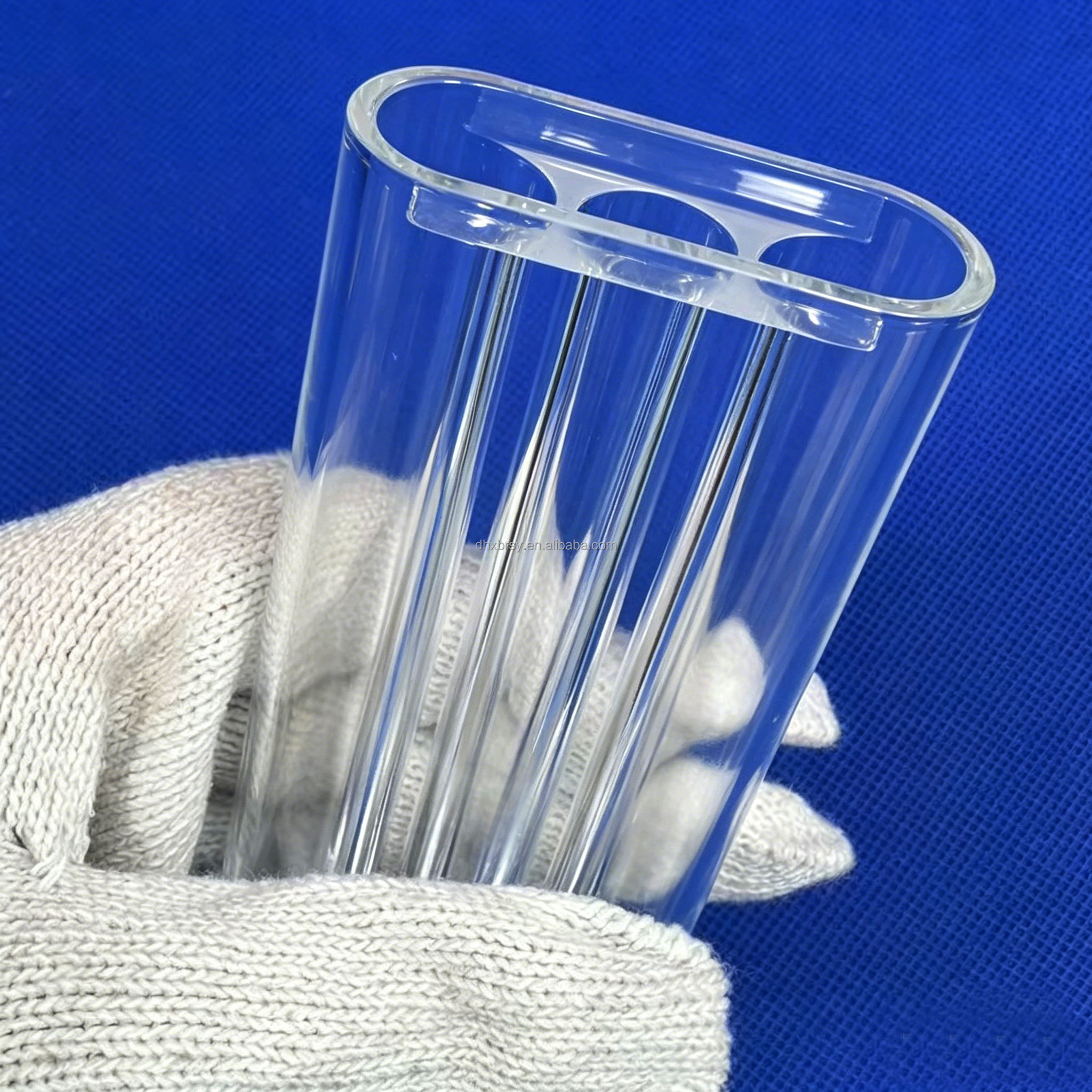
916Factory Customized High Temperature Fused Silica Tube
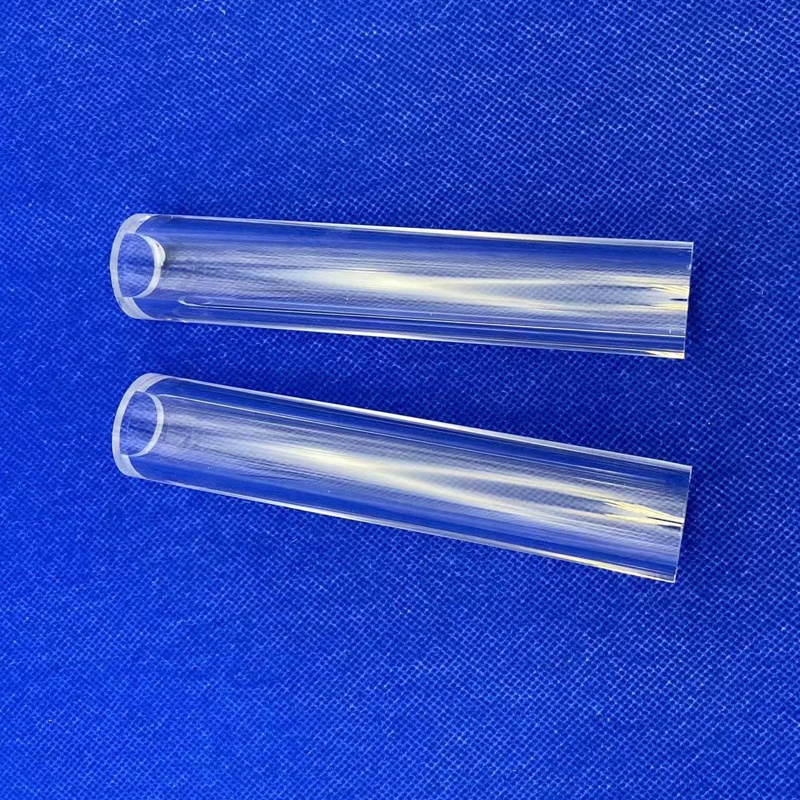
High Precision Clear Quartz Glass Tube for Ozone Generators
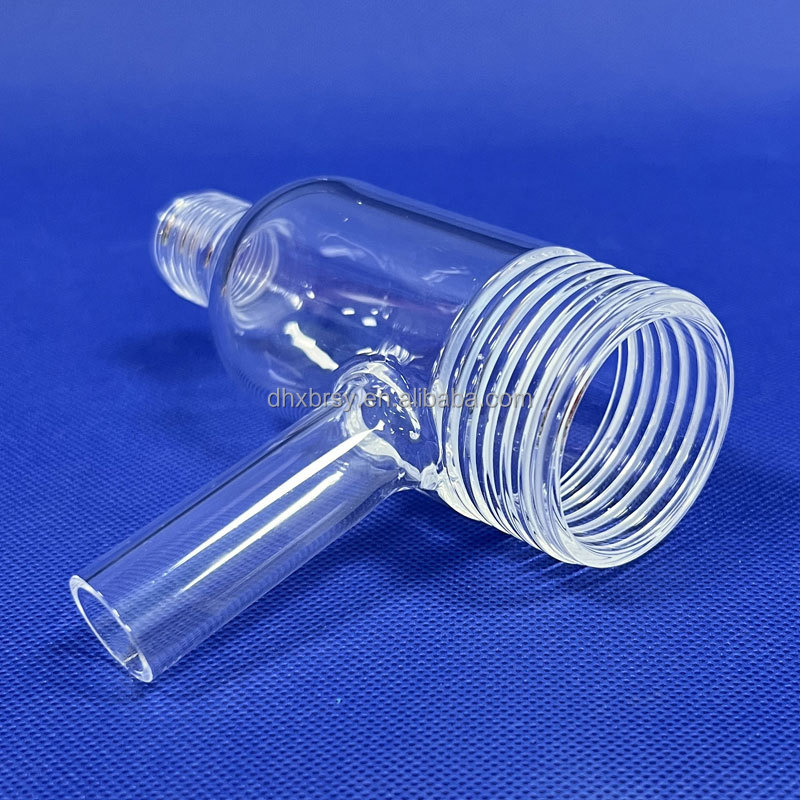
Polished High-Temperature Threaded Quartz Glass Tube
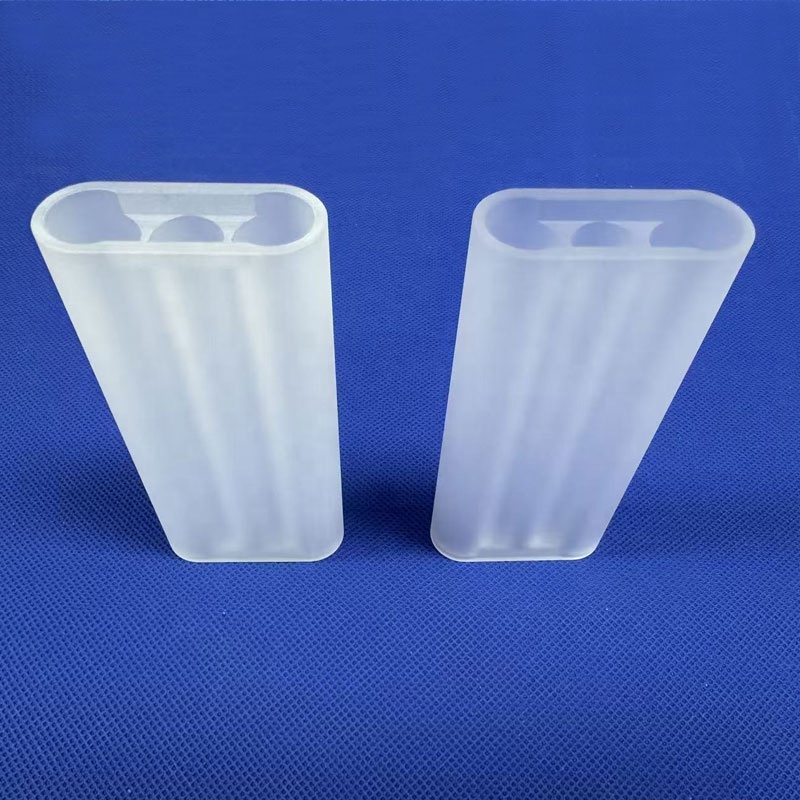
Triple Bore Quartz Cavity Flow Tube for Laser Systems
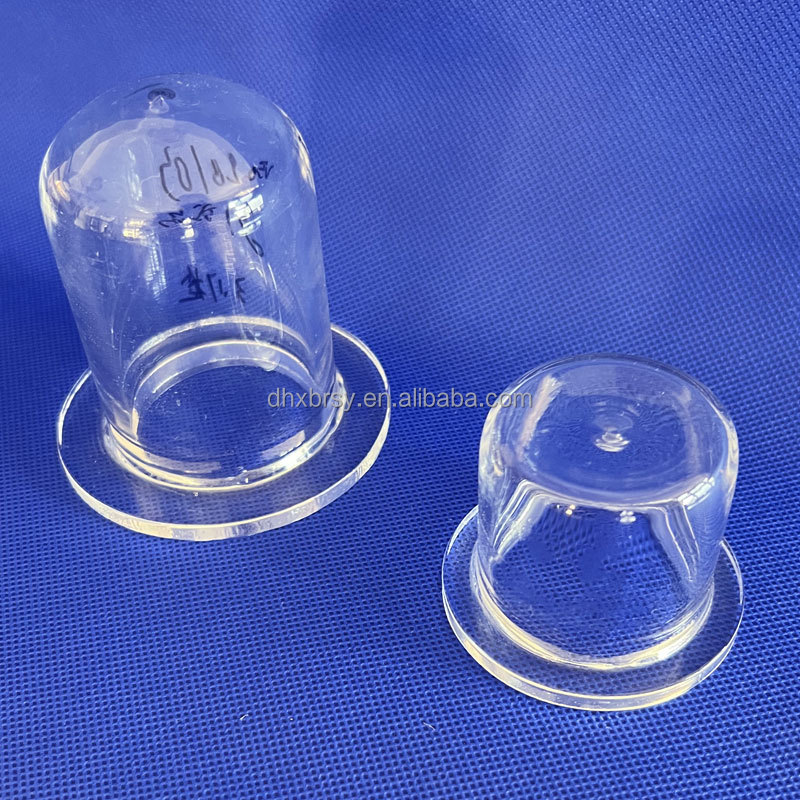
High Transmittance Fused Quartz Photovoltaic Sintering Tube
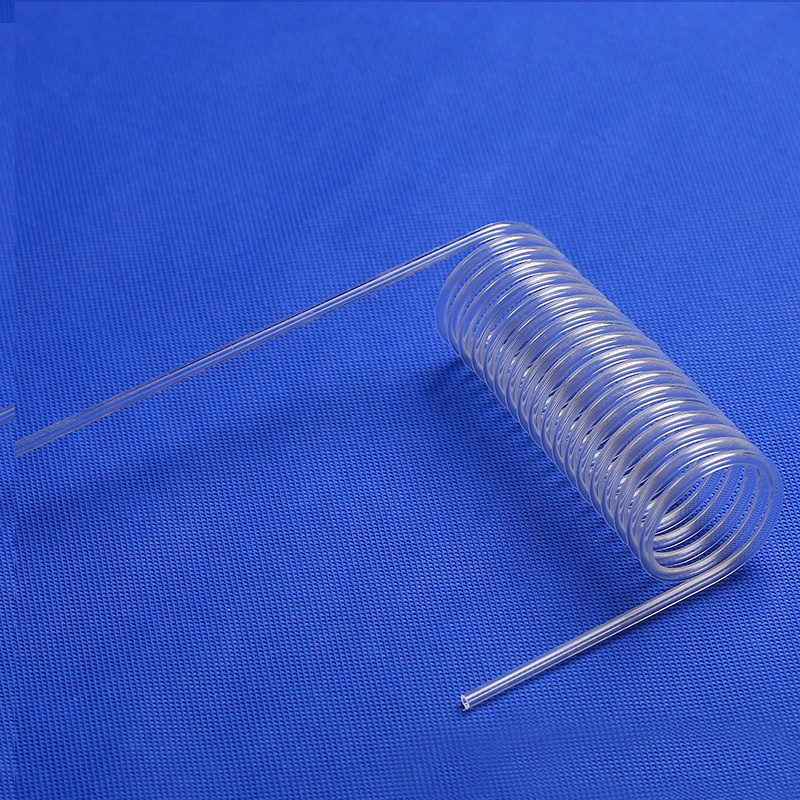
High Purity Fused Quartz Spiral Tube for Optics & Laser
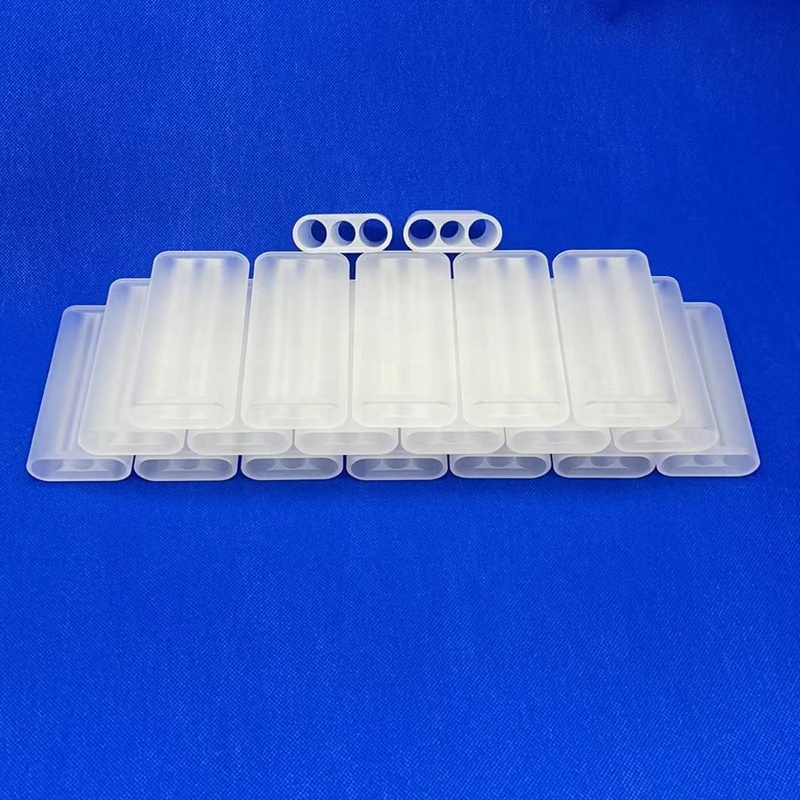
Laser C-Shape Fused Quartz Triple Bore Flow Tube

Customized One-End Closed Fused Silica Test & Process Tube
Thermodynamic Integrity, Chemical Inertness & CE Quality Standards
Why procurement teams and research engineering departments serving Wonsan specify synthetic and electric-fused silicon dioxide components for extreme thermal operations.
In advanced thermal systems, semiconductor manufacturing jigs, photochemical syntheses, and chemical metallurgy, material failure often leads directly to costly line shutdowns, process contamination, and hazardous pressure releases. Fused silica (amorphous silicon dioxide, SiO₂ ≥ 99.99%) occupies a singular niche in modern process engineering: it possesses an exceptionally low coefficient of thermal expansion (5.5 × 10⁻⁷ /°C from 20°C to 300°C), meaning it can withstand drastic thermal shock that would violently shatter borosilicate or soda-lime formulations. A fused silica tube heated to 1100°C can be plunged immediately into ice water without structural rupture.
For industrial procurement directors and project engineers in the rapidly modernizing industrial zones of Wonsan, selecting genuine CE-certified quartz components is critical. CE conformity under the European framework (governing the Pressure Equipment Directive PED 2014/68/EU for high-temperature closed vessels, along with the RoHS Directive 2011/65/EU on hazardous elemental limitations) provides third-party verification that every component is physically uniform, properly de-stressed through computer-controlled annealing cycles, and chemically non-reactive to corrosive reagents across prolonged thermal dwell intervals.
| Material Property | Reference Value (JGS1 Synthetic) | Reference Value (JGS2 Optical) | Reference Value (JGS3 / Opaque) |
|---|---|---|---|
| SiO₂ Purity Level | ≥ 99.999% | ≥ 99.99% | ≥ 99.98% |
| Optical Spectral Transmission | 185 nm – 2,500 nm (Deep UV) | 220 nm – 2,500 nm (UV / Vis) | 260 nm – 3,500 nm (Infrared) |
| Maximum Working Temperature | 1,150°C (Continuous) / 1,350°C (Peak) | 1,100°C (Continuous) / 1,300°C (Peak) | 1,050°C (Continuous) / 1,250°C (Peak) |
| Coefficient of Thermal Expansion | 5.4 × 10⁻⁷ /°C | 5.5 × 10⁻⁷ /°C | 5.6 × 10⁻⁷ /°C |
| Dielectric Strength (20°C, 1MHz) | 25–40 kV/mm | 25–35 kV/mm | 20–30 kV/mm |
| Residual Annealing Stress | < 5 nm/cm (Optical standard) | < 8 nm/cm (Industrial standard) | < 12 nm/cm (Thermal standard) |
Localized Application Scenarios in Wonsan's Industrial Nodes
Bridging heavy metallurgical conversion, marine chemistry distillation, water treatment infrastructure, and university research along the eastern coast.
Marine Chemical Refining & Desalination
Situated directly along Kangwon Bay, Wonsan's maritime chemical installations utilize fused silica evaporation boats, distillation apparatus, and closed-loop corrosion-resistant pipes. Fused quartz is completely inert to aggressive halogens, nitric acids, and boiling sulfuric solutions, providing decades of contamination-free processing where exotic alloy piping deteriorates.
Industrial Metallurgy & Sintering Furnaces
Heavy machinery maintenance yards, rolling mills, and component casting works in the broader Kangwon corridor depend on large-bore (up to 450 mm OD) fused silica furnace muffle tubes. When firing carbon steel, sintering tungsten carbides, or annealing electrical components, quartz preserves vacuum integrity under intense continuous cycling up to 1,100°C.
Municipal & Industrial Ozone Sterilization
With massive development around the Kalma coastal project and adjacent municipal water purification districts, dielectric barrier discharge (DBD) ozone generators are critical. Our precision-wall clear quartz tubes resist ozone embrittlement, provide precise capacitance consistency, and withstand high-voltage electrical tracking.
University & Technical Institute Laboratories
Higher education research entities, including technical colleges and marine science centers in Wonsan, require certified quartz test tubes, triple-bore laser cavity tubes, flow cells, and 96-well quartz microplates for ultraviolet spectrophotometry, high-temperature calcination, and catalyst cracking experiments.
Infrared Thermal Drying & Food Processing
Wonsan's expanding agricultural, seafood drying, and light commercial food processing plants leverage milky-white opaque fused silica spiral heaters. Opaque quartz scatters core infrared wavelengths, achieving optimal radiant heat transfer efficiency while operating smoothly in damp, saline coastal atmospheres.
Optical Sight Windows & Boiler Indicators
Harbor boilers, steam generator conduits, and petroleum storage facilities throughout the port city use double-side polished JGS1 and JGS2 sight glasses to monitor extreme internal vessel states without risking optical clouding, stress cracking, or sudden blowout under operational pressures.
Industrial Development Trends Driving Fused Silica Demand in Wonsan
An objective evaluation of modernization initiatives, facility upgrades, and technical demands across Eastern regional manufacturing hubs.
Decarbonization & Electric Furnaces
Industrial heating facilities across Wonsan are steadily phasing out obsolete coal-fired retorts in favor of computer-controlled electrical resistance and induction tube furnaces. These modern installations necessitate high-emissivity, low-bubble quartz process tubes capable of holding deep vacuum down to 10⁻⁵ Torr.
Precision Chemical Distillation
The modernization of localized pharmaceutical and fine chemical manufacturing requires cleanroom-compatible reaction vessels. Threaded fused quartz piping and flange-coupled reaction chambers guarantee zero leachables of sodium, boron, or iron into sensitive chemical intermediates.
Photovoltaic & Energy Transition
As decentralized solar and alternate energy facilities expand around regional transit hubs, the need for PV sintering furnace quartz tubes and high-purity single-crystal ingot processing carriers has grown exponentially, requiring direct source factory supply channels.
Direct-to-Manufacturer Sourcing
Procurement departments in coastal industrial cities are aggressively bypassing regional middlemen to reduce overall project costs and lead times. Direct collaboration with integrated manufacturing plants in Lianyungang ensures uncompromised documentation and tailored batch customization.
Why Enterprise Buyers Trust Lovri Quartz Co., Ltd.
Direct from Tuofeng Industrial Park in Lianyungang, China—the undisputed global ground zero for premium natural quartz and fused silica refining.
14,271 m² Dedicated Production Base
Onsite assessed and authenticated by SGS Group, our facility integrates heavy raw crystal crushing, acid-pickling purification, automated tube drawing, glass-blowing lathe welding, and high-precision CNC multi-axis milling all under one roof.
Complete 12-Step In-House Chain
We do not purchase intermediate semi-finished glass tubing from uncertain origin. By governing our own 12-step fabrication loop—from initial sorting, hydrofluoric acid wash, and melting, to polariscopic stress relief—we offer 100% material traceability per consignment.
Polarization Stress Testing on Every Batch
Residual micro-stress inside quartz glass remains the primary cause of sudden catastrophic fracturing under cyclical heat. Every custom tube, flange, and laser cavity is validated via cross-polarization inspection before crating.
Micron-Tolerance CNC Capabilities
Equipped with specialized 4-axis diamond-tooled CNC machining centers, ultrasonic drilling stations, and chemical polishing vats, we maintain tight tolerances down to ±0.02 mm on customer technical drawings in PDF, DWG, or STEP format.
Export Grade Engineered Packaging
Fragile quartz requires military-grade packaging. We use custom-molded pearl-cotton (EPE), suspended air-cushion wrapping, and fumigated multi-ply solid plywood export crates proven across sea routes, rail cargo, and air charters with zero transit fracture.
Rapid Prototype to Volume Scaling
Whether you require a single bespoke prototype test cell for an academic thesis at a regional laboratory or full container loads of PV sintering tubes, we offer low MOQ starting from 1 piece with guaranteed rapid drawing analysis within 24 hours.
Frequently Asked Questions by Industrial Buyers in Wonsan
In-depth technical answers addressing material grades, certification validation, thermal tolerances, and logistics compliance.
How do we verify the authentic CE conformity and material test reports of your fused silica products? +
What is the explicit operational difference between JGS1, JGS2, and JGS3 quartz for our plant's optical viewports? +
Can your facility manufacture complex custom quartz parts directly from our engineering STEP or DWG drawings? +
What is the definitive threshold for continuous vs. intermittent temperature tolerance of fused quartz tubes? +
How are brittle quartz items protected against damage during multi-modal transit to maritime industrial destinations like Wonsan? +
What is your Minimum Order Quantity (MOQ) and delivery lead time for non-standard quartz fabrications? +
Initiate Your Fused Silica Engineering Consultation Today
Send our technical team your specifications, operating temperatures, and dimensions. Receive a detailed quotation, DFM (Design for Manufacturability) assessment, and complete material certification dossier within 24 hours.