Featured Industrial & Analytical Quartz Products
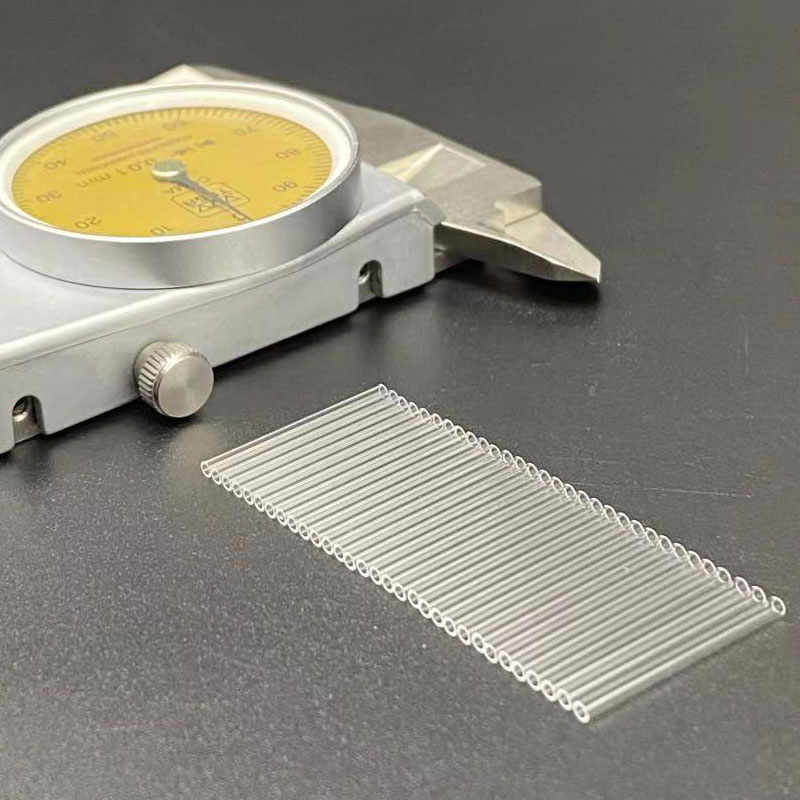
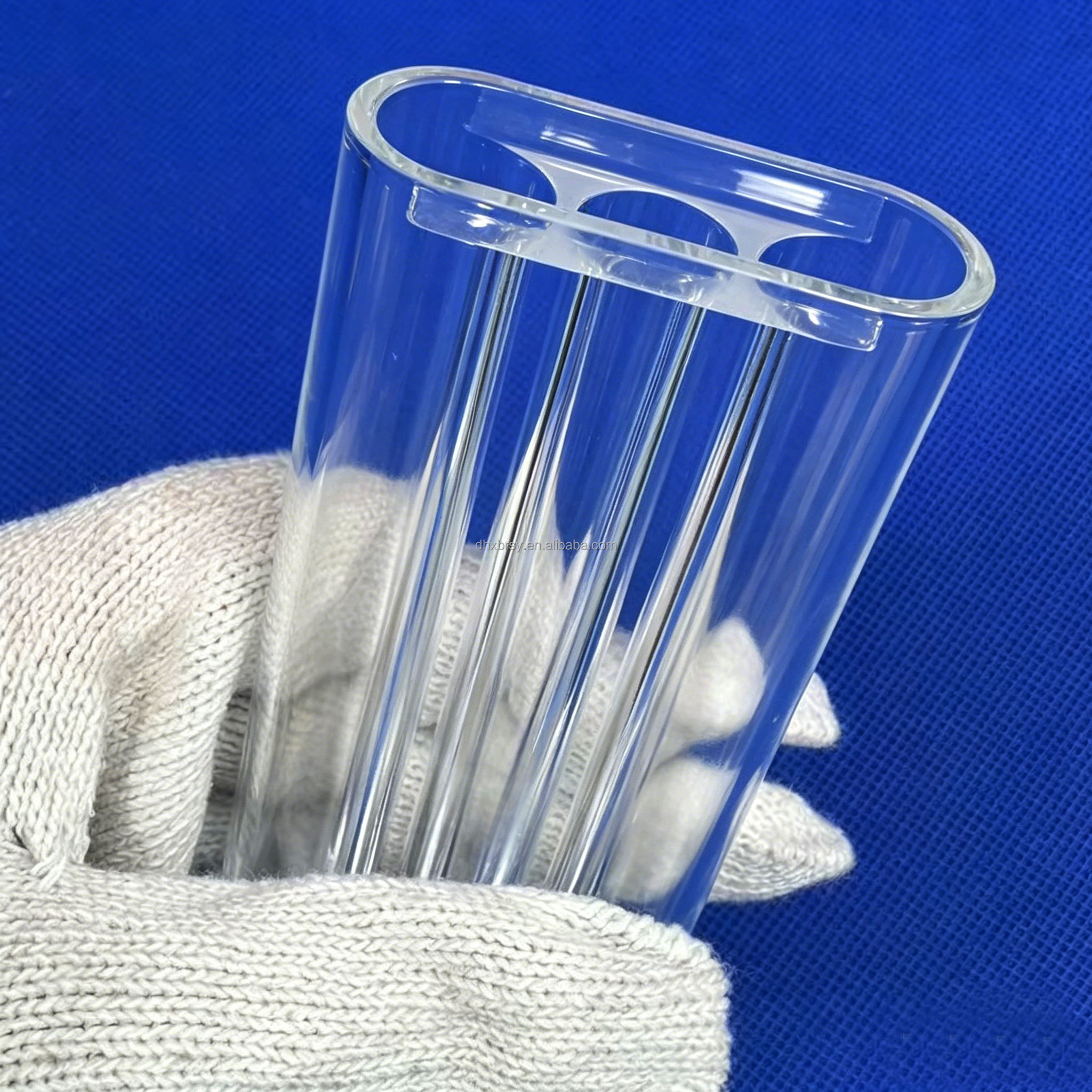
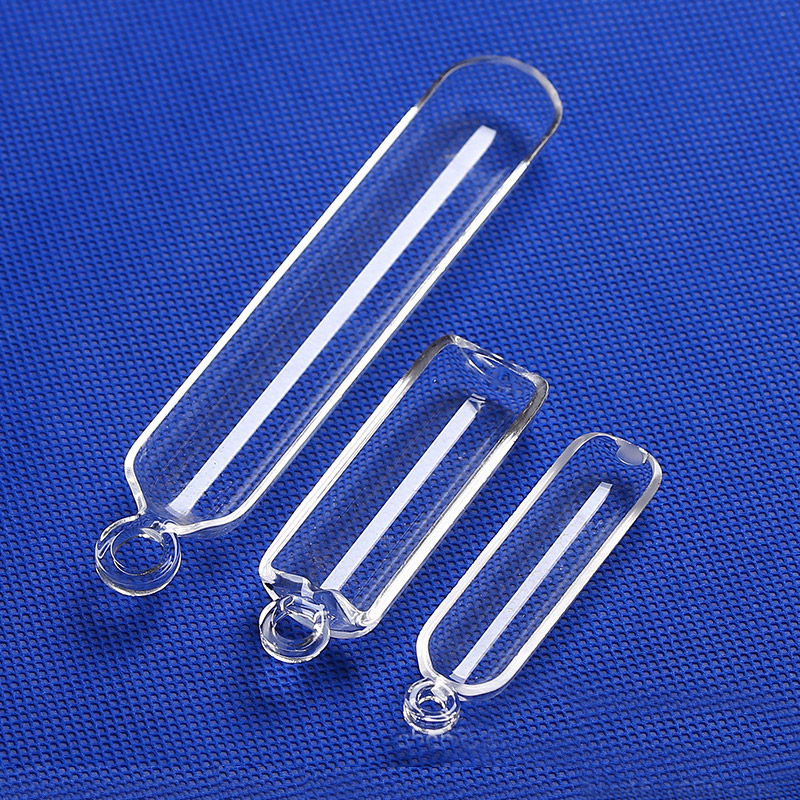
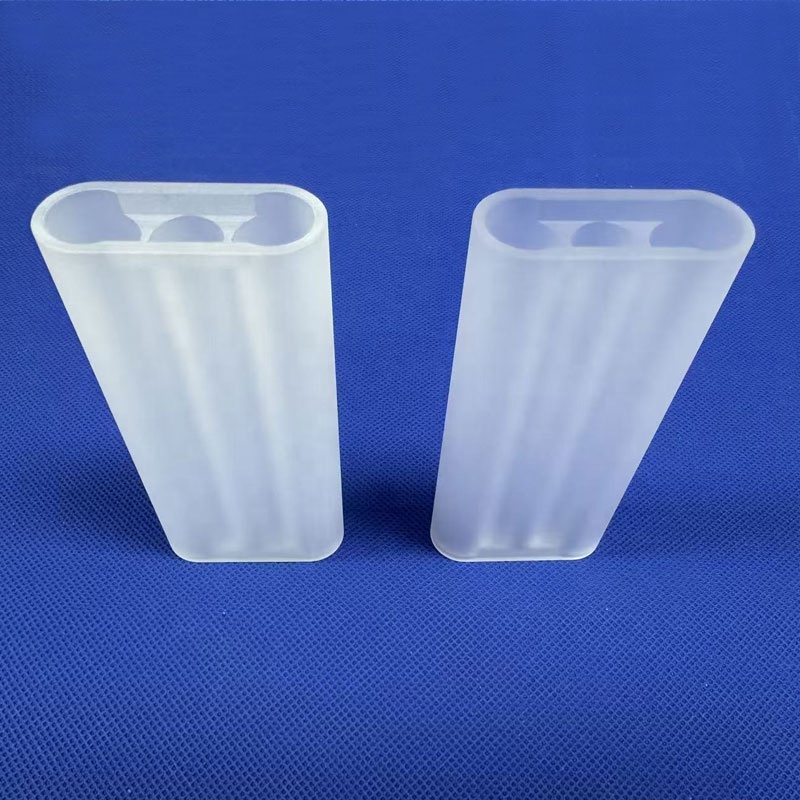
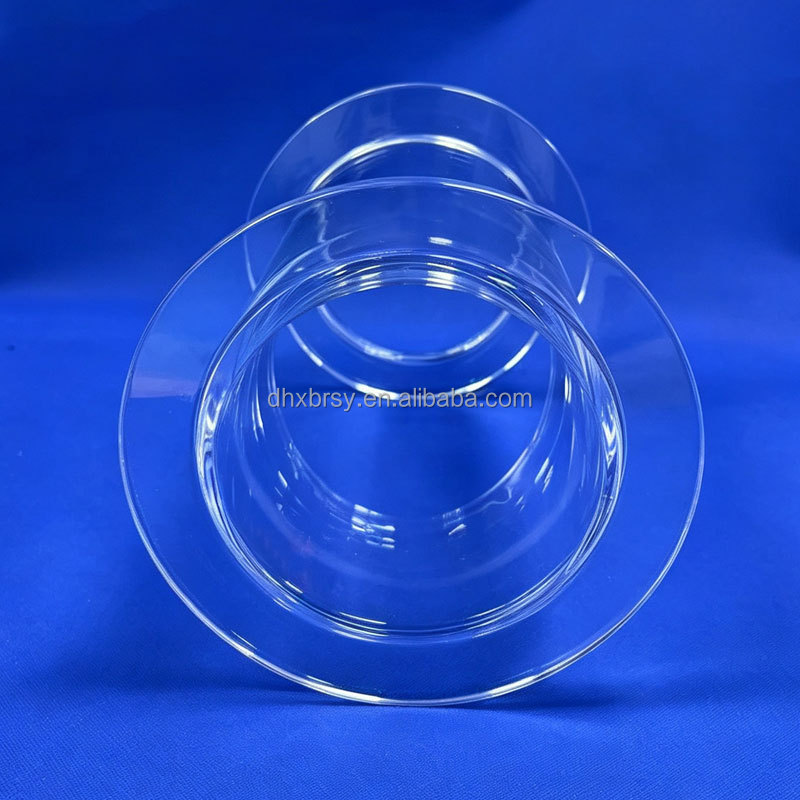
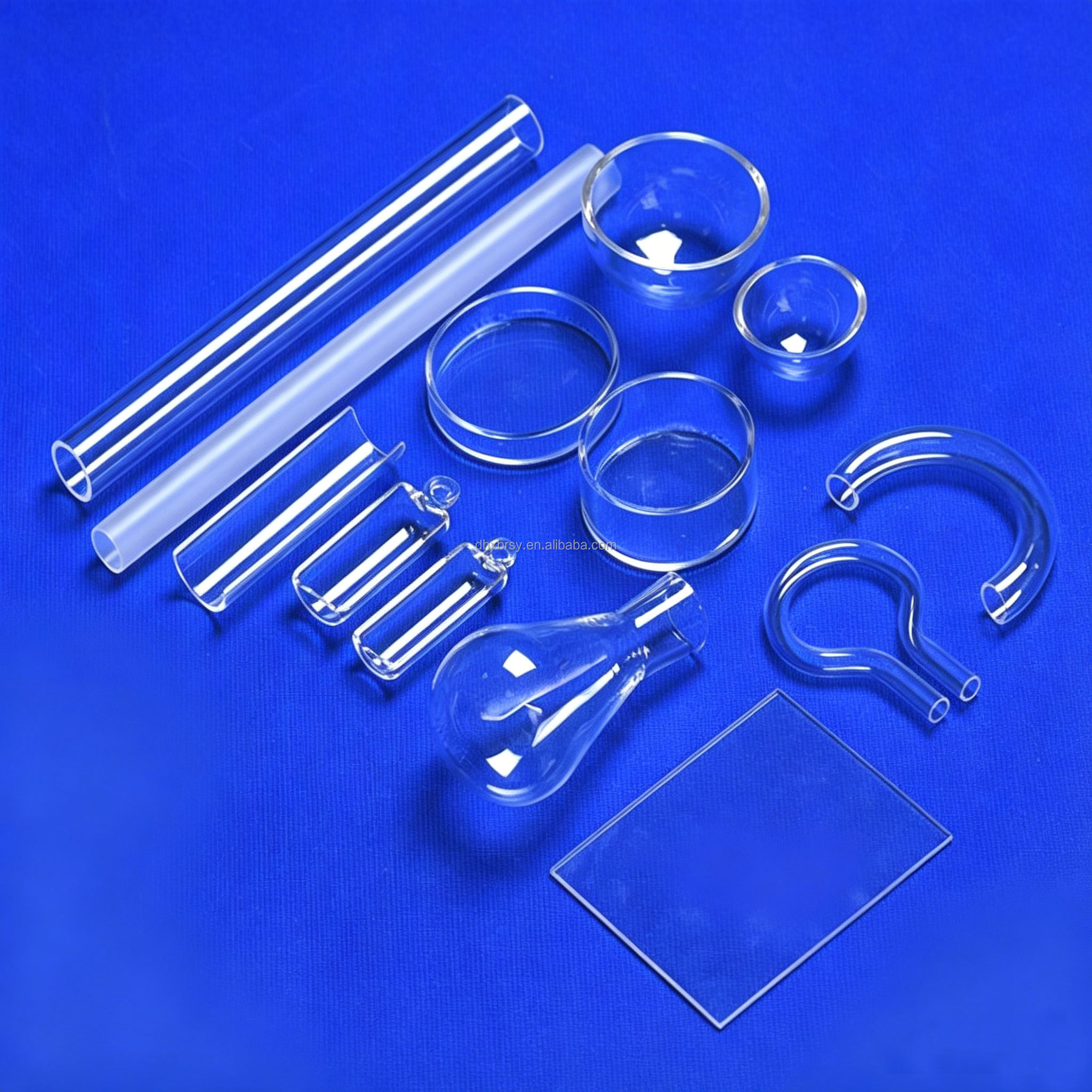
Manufactured from refined high-purity natural quartz sand in our SGS-verified Lianyungang facility, our thermal components and optical products ensure ultra-low thermal expansion, high thermal shock resistance up to 1300 °C, and trace-element neutrality.


Serving the Panama Canal Maritime, Mining, & Testing Ecosystem
Panama City serves as Latin America’s foremost logistics, bunkering, and commercial nexus. High-performance fused quartz crucibles and laboratory glassware fulfill rigorous standards in regional facilities where sample failure is not an option.
Canal Marine Fuel & Bunker Quality Assays
Panama City and Balboa anchor critical bunkering terminals handling heavy fuel oils (HFO) and low-sulfur marine gas oils (MGO). Quartz crucibles and boats perform high-temperature sulfur content analysis (ISO 8754) and ash determination (ISO 6245) up to 900 °C without cross-contaminating trace metals.
Precious Metals & Geochemical Assays
Geological laboratories operating in central Panama require thermal vessels capable of withstanding acid digestion (Aqua Regia, HF) and high-temperature fire assaying. Fused quartz crucibles resist chemical degradation and withstand sudden thermal shocks when transferred from 1100 °C muffle furnaces into ambient air.
Maritime Logistics & Water Analysis
The Panama Canal Authority (ACP) and commercial testing agencies conduct round-the-clock water purification, ballast water monitoring, and environmental toxicology tests. Our UV-transparent JGS1 flow cuvettes and microplates ensure accurate optical spectroscopy across the deep-UV spectrum.
Technical Whitepaper: Fused Quartz Crucible Integrity in Tropical Coastal Hubs
In humid coastal maritime regions such as Panama City and the Colón Free Trade Zone (FTZ), industrial consumables face intense environmental challenges. High relative humidity (often exceeding 85%) combined with saline atmospheric conditions accelerates surface devitrification in lower-grade silicate products during intermittent furnace cycling. When standard laboratory borosilicate glass or low-purity opaque crucibles are subjected to rapid thermal transitions in marine assay laboratories, structural micro-fractures frequently develop along grain boundaries due to phase transformations (transition from alpha-quartz to cristobalite above 1150 °C).
Crucible performance is determined by thermal expansion kinetics. Transparent fused quartz features an extraordinarily low linear coefficient of thermal expansion (α ≈ 5.5 × 10⁻⁷ /°C between 20 °C and 300 °C), roughly 1/5 that of borosilicate 3.3 glass and 1/20 that of soda-lime glass. This near-zero expansion allows a red-hot quartz crucible at 1200 °C to be quenched immediately into ice water without structural rupture. For petroleum testing laboratories in Panama evaluating heavy bunkering sludges or volatile organic fractions, this thermal shock margin provides vital operator safety and protects expensive furnace chambers from vessel breakage.
| Physical & Thermal Parameter | Standard Transparent Fused Quartz | High-Purity Crucibles (Semi/Analytical) |
|---|---|---|
| Silicon Dioxide (SiO₂) Content | ≥ 99.95% | ≥ 99.99% (Low Metallic Contaminants) |
| Continuous Maximum Temp | 1100 °C | 1150 °C |
| Short-term Peak Resistance | 1250 °C | 1300 °C to 1400 °C |
| Thermal Shock Tolerance | ΔT = 1000 °C to water quench | ΔT = 1100 °C to cold water quench |
| Devitrification Onset Point | ≈ 1180 °C (extended exposure) | > 1250 °C (depending on atmosphere) |
| Corrosion Resistance | Resistant to acids except HF, hot H₃PO₄ | Ultra-inert to boiling organic acids and fluxes |
Panama Logistics & Free Zone Trends (2025–2030)
With ongoing modernizations across the Colón Free Trade Zone and the Pacific logistics corridor, regional testing companies are consolidating their procurement strategies. Rather than maintaining fragmented supply lines from regional resellers who markup glass consumables by 150–200%, major procurement officers in Panama City are shifting directly to verified source manufacturers. Utilizing expedited ocean cargo routing through Balboa and Cristóbal terminals, laboratory operations secure volume-tier factory pricing, standardized CE/RoHS material documentation, and customized crucible geometries tailored to specific spectrometer carousels and muffle furnace racks.
Why Panama City Industry Chooses Our Factory
Lovri Quartz operates across 14,271 square meters of dedicated fused silica infrastructure in Lianyungang, China—the world’s prime hub for quartz resource processing and precision fabrication.
Complete In-House Silica Processing
From raw quartz cutting, crushing, and high-frequency rescreening to multi-stage acid pickling, our factory oversees every chemical and physical purification step to achieve 99.99% SiO₂ without middleman contamination.
SGS Onsite Assessed Facility
Our workshop, machinery, and quality control systems have undergone full on-site evaluation by the SGS Group. We supply full trace certificates, CE markings, and RoHS compliance reports for clean customs clearance in Central America.
Precision Annealing & Stress Release
Every crucible, tube, and custom vessel passes through electric annealing furnaces followed by polariscope stress testing. We guarantee uniform internal stress relaxation, minimizing micro-cracking under heavy industrial use.
Custom CNC & Flame Master Crafting
Equipped with 4-axis and 5-axis CNC machining, ultrasonic glass drillers, and automated glassblowing lathes, we manufacture vessels with custom pour spouts, reinforcement rims, flat or curved bottoms, and ground joints to your technical drawings.
Flexible Low-MOQ Prototyping
We support technical R&D and commercial testing laboratories with minimum orders starting from 1 to 5 pieces for prototyping and custom sizes, backed by bulk production capacity for ongoing supply contracts.
Heavy-Duty International Export Packaging
Exporting brittle quartz glassware internationally demands engineered packaging. Every vessel is individually wrapped in anti-static, shock-absorbing cellular foam and encased within reinforced plywood crates built for intermodal maritime transit.
Frequently Asked Questions for Panama Buyers
Detailed answers addressing import tariffs, shipping logistics to Balboa/Colón, material selection, and handling procedures for laboratory technicians.
How are quartz crucibles shipped to Panama City to prevent transit breakage?
What is the typical shipping lead time from your factory to Panama City?
Can you manufacture crucibles to custom dimensions according to our furnace rack drawings?
How do fused quartz crucibles compare to platinum or porcelain crucibles in cost and performance?
What documentation and certifications are provided with shipments?
What is your Minimum Order Quantity (MOQ) for custom quartz apparatus?
Connect with an Experienced Fused Quartz Specialist
Share your required crucible dimensions, furnace temperatures, or component drawings. Our technical team responds within 24 hours with exact factory quotes, technical drawings, and estimated transit dates to Panama.