Annealed 1200°C
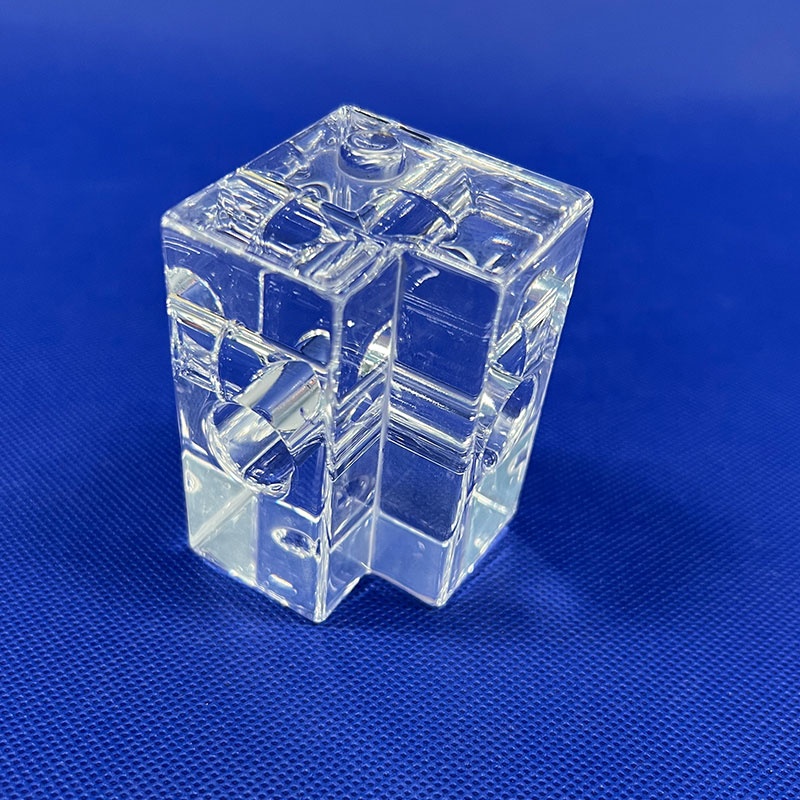
Engineered from synthetic and high-grade natural silica sand via direct furnace drawing, acid-pickling, and polarization stress-relief. Every sleeve meets rigorous CE standards and European mechanical safety regulations.
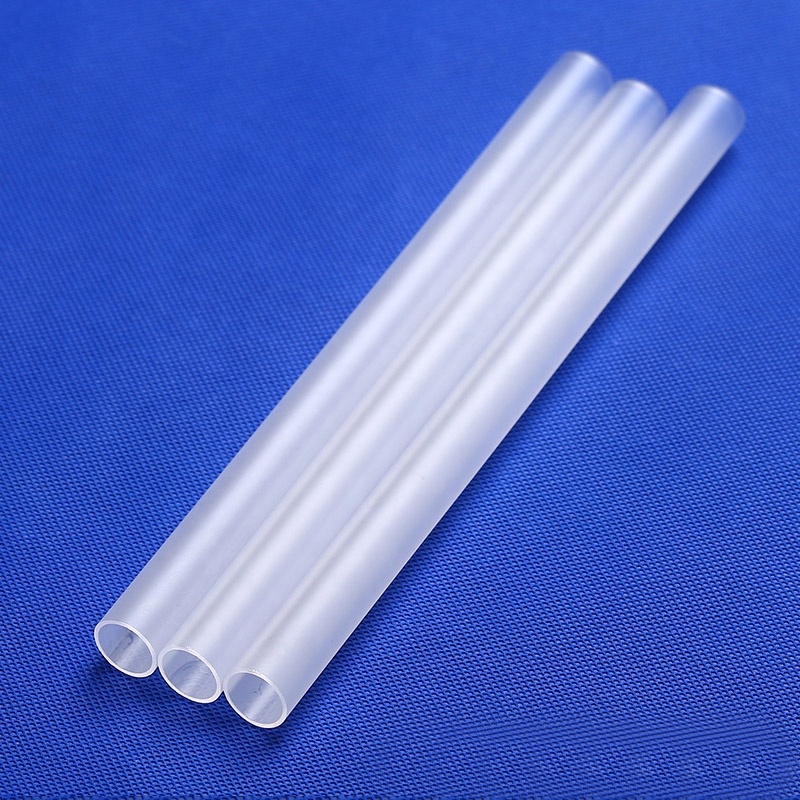
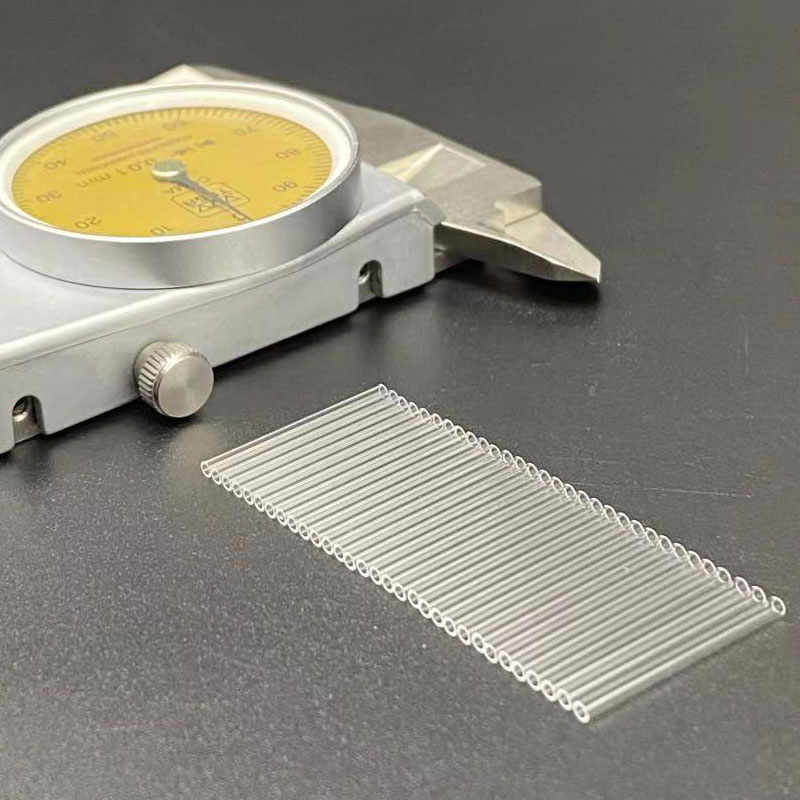
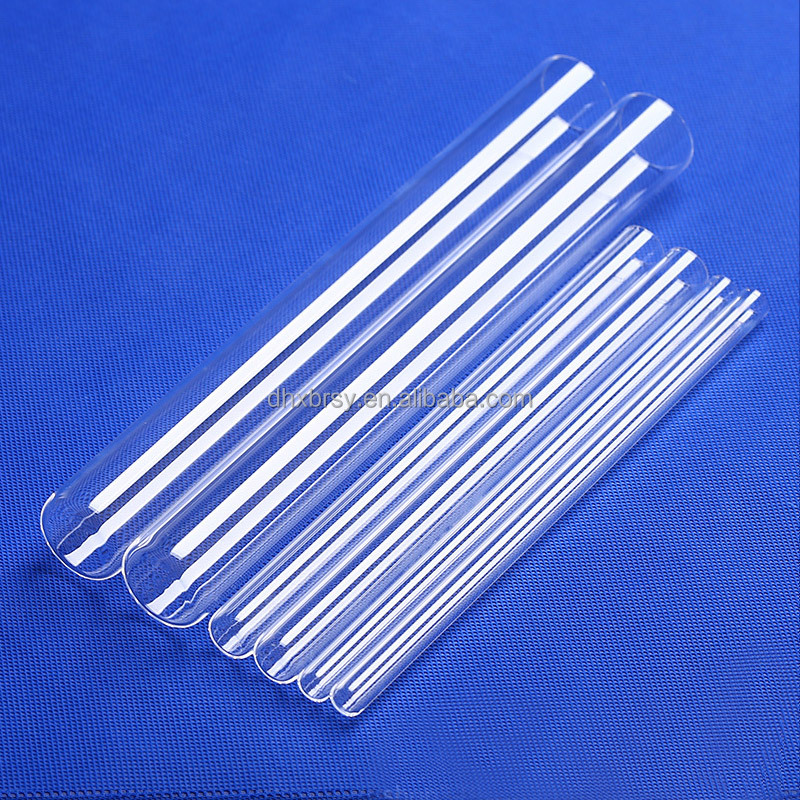
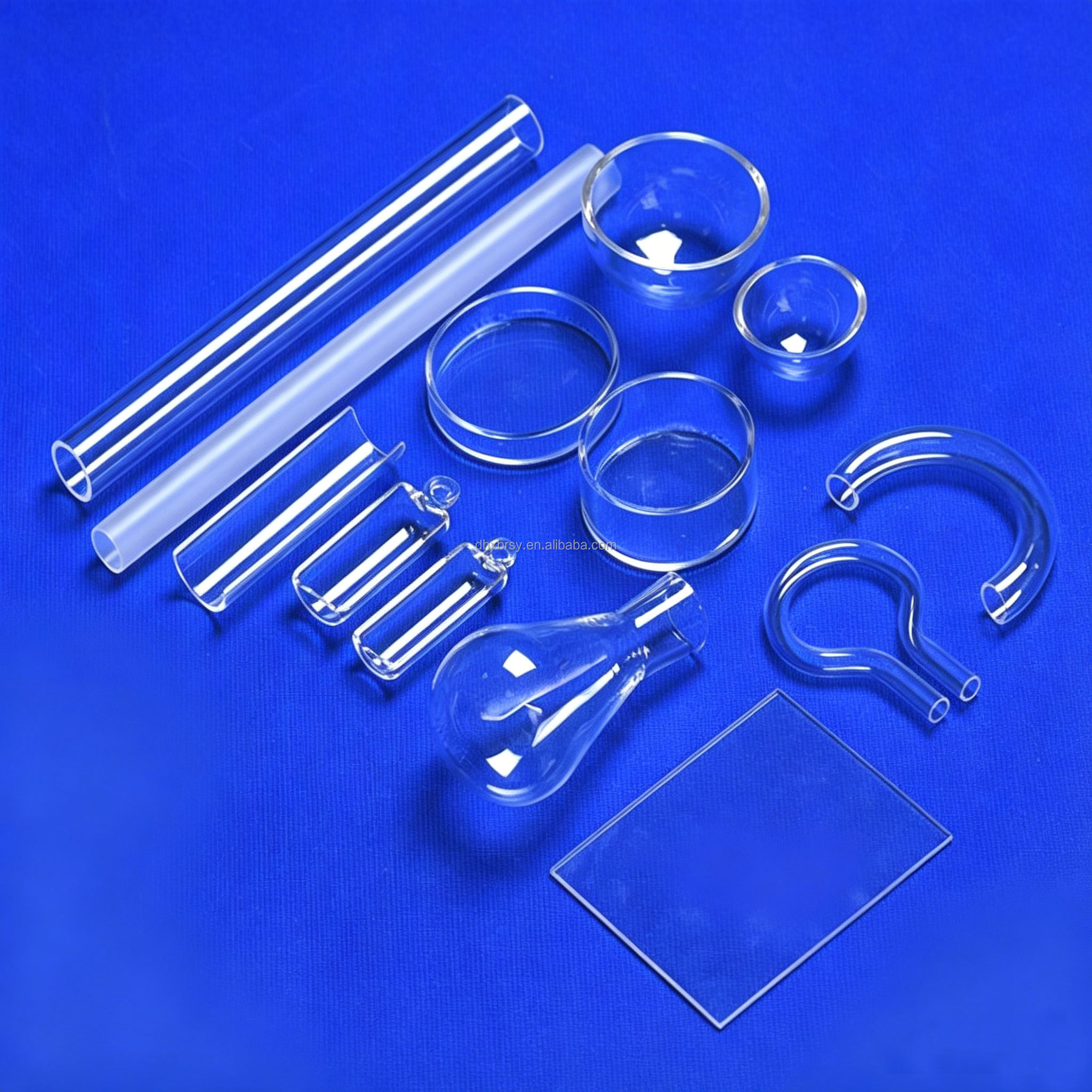
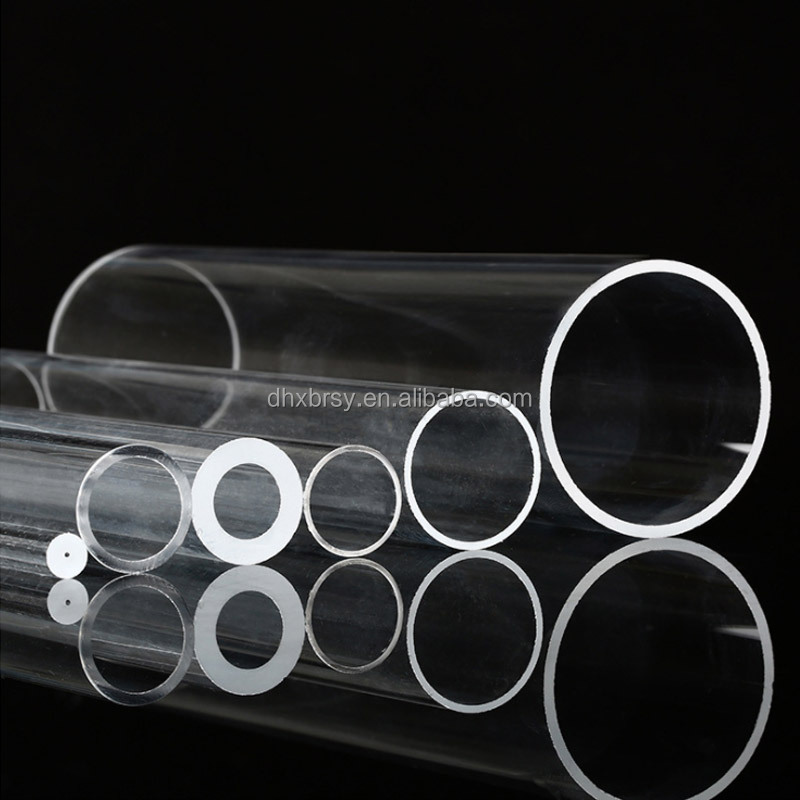
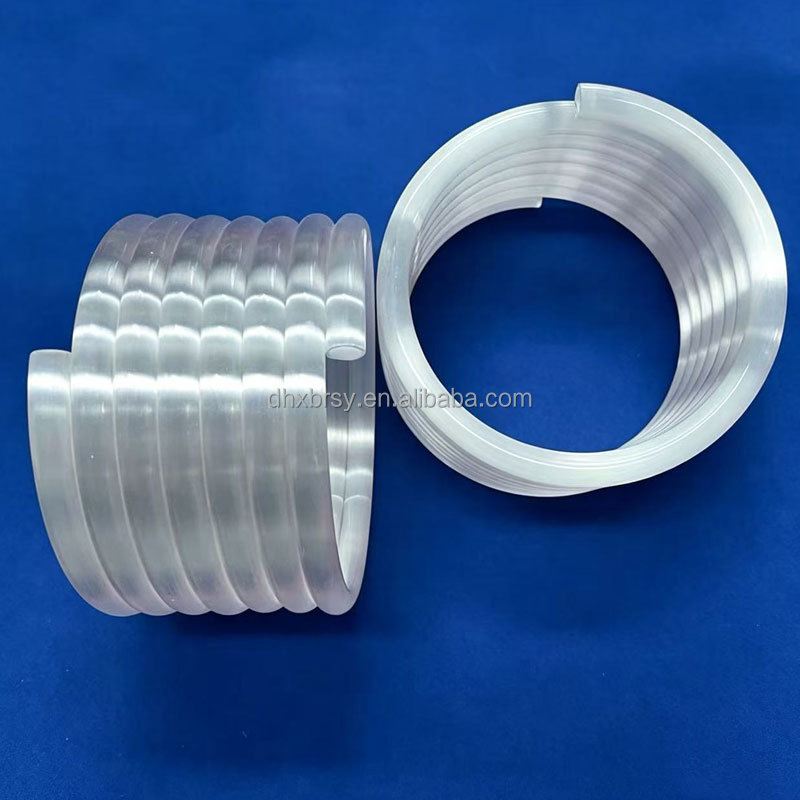
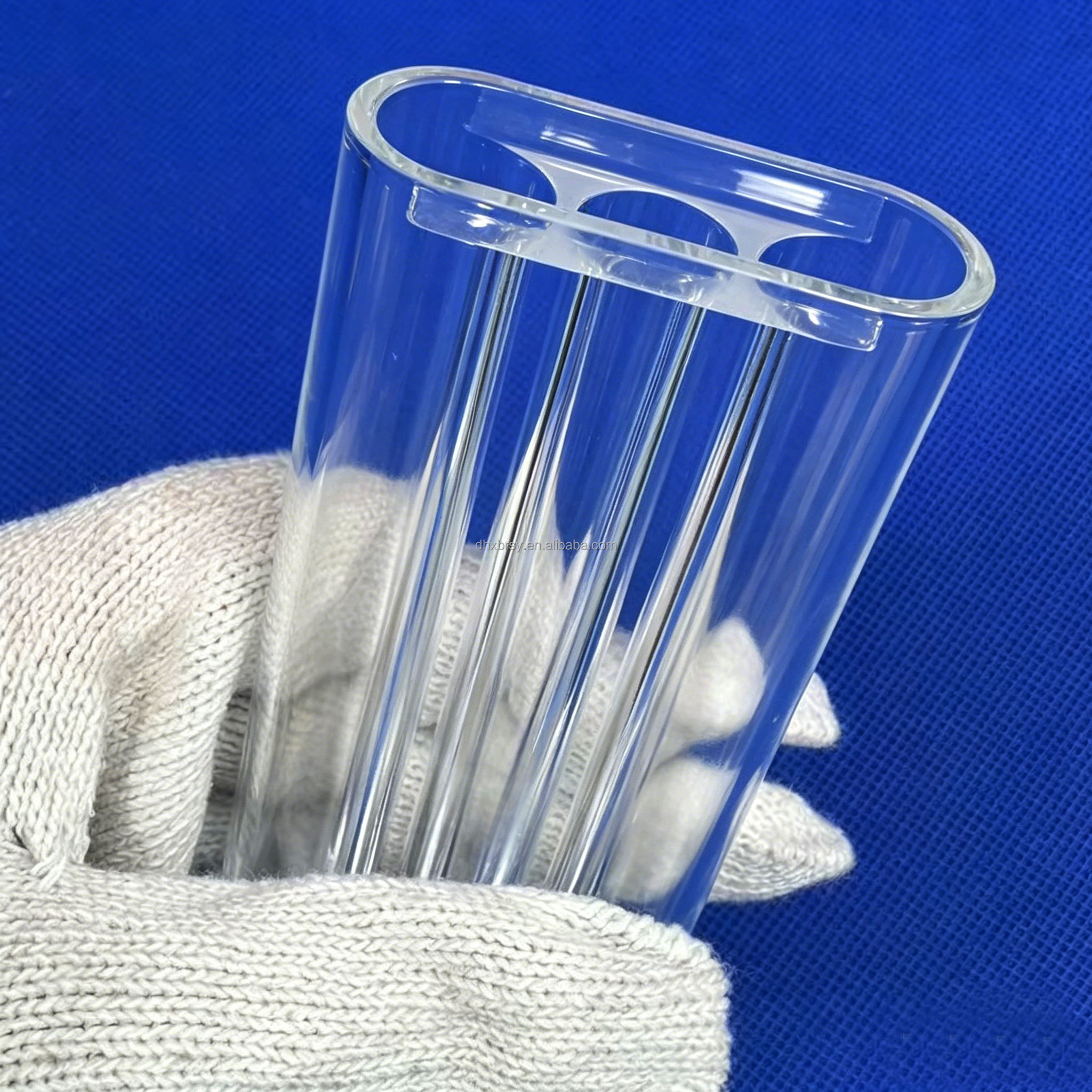
In the technical landscape of modern high-purity processing, the quartz glass sleeve serves as an indispensable dielectric barrier, thermal shield, and optical corridor. Lovri Quartz manufactures fused silica and transparent quartz components utilizing chemical-grade silica raw material (exceeding 99.99% SiO₂ purity). When operating within high-performance photolytic systems, semiconductor wet-processing baths, or high-temperature vacuum furnaces, standard borosilicate or soda-lime glassware experiences structural devitrification, severe thermal fracture, and critical UV solarization.
Our European export-grade quartz glass sleeves are produced in strict compliance with the European Pressure Equipment Directive (PED) and RoHS Directive 2011/65/EU. Each batch is subjected to twelve-stage vertically integrated quality verification: natural quartz cutting, precision pulverization, selective acid leaching, continuous furnace drawing, full cycle annealing at 1,215°C, optical dimension calibration, and residual stress evaluation using polarization spectrometers. This guarantees that installations requiring hermetic seals or pressure-bearing capabilities in Strasbourg and across the Upper Rhine valley perform without unplanned mechanical failure.
Unlike commercial glass matrices, fused quartz exhibits an exceptionally low coefficient of thermal expansion (5.5 × 10⁻⁷ /°C between 20°C and 320°C). This allows red-hot quartz sleeves at 1,100°C to be instantaneously quenched in cold water without fracturing. For equipment integrators, our CNC capabilities allow wall-thickness tolerances down to ±0.05 mm and concentricity thresholds that prevent flow turbulence or uneven UV dose distribution.
Specifying the optimal grade of fused quartz ensures long equipment lifespan while avoiding unnecessary material expenditure. The table below outlines our technical grade benchmarks:
| Quartz Material Grade | Manufacturing Methodology | Transmission Range (nm) | Continuous Max Temp | Primary Application Focus |
|---|---|---|---|---|
| JGS1 (Synthetic Silica) | Vapor phase synthetic hydrolysis | 185 nm – 2,500 nm | 1,050 °C | Deep UV photolysis, excimer laser windows, precision lithography optics |
| JGS2 (Optical Fused Quartz) | Oxyhydrogen flame fused quartz sand | 220 nm – 2,500 nm | 1,100 °C | UV disinfection sleeves, ozone generation tubes, pyrometer viewports |
| JGS3 (Infrared Fused Silica) | Vacuum electric melting process | 260 nm – 3,500 nm | 1,150 °C | Infrared heating lamp envelopes, thermal chambers, spectroscopy cells |
| Milky White Opaque Silica | Electric arc fusion with controlled gas pores | Diffusive / IR scattering | 1,100 °C | Thermal radiation baffles, thermocouple protective thermowells, flanges |
The Eurometropolis of Strasbourg occupies a pivotal geopolitical and industrial position within the Upper Rhine tri-national metropolitan area. Combining cutting-edge academic institutions like the University of Strasbourg (notable for world-class chemical and molecular research) with large-scale industrial complexes across the Port du Rhin and the Alsace BioValley, the local demand for specialized high-purity quartz sleeves is characterized by high technical rigor:
Biomedical reactors, spectrophotometric analysis cuvettes, and chromatography columns. Our chemically inert, leach-proof quartz sleeves prevent metallic contamination in active pharmaceutical ingredient (API) synthesis.
From the sanitation facilities around Strasbourg’s water network along the Rhine basin to industrial wastewater plants, our JGS2 quartz sleeves offer >90% transmission at 254 nm germicidal wavelengths.
Serving thermal treatment and photovoltaic wafer manufacturing facilities across eastern France and the nearby Baden-Württemberg corridor with high-temperature furnace tubes up to 1,300°C.
Procurement directors and laboratory apparatus engineers in Strasbourg face stringent environmental mandates and fast-moving technological transitions. Key trends influencing quartz procurement across the Grand Est include:
1. Shift Toward High-Output Amalgam and Excimer UV Systems: As municipal regulations in France tighten disinfection standards without chemical additives, wastewater plants are transitioning to high-power 172 nm and 222 nm excimer lamps, as well as high-output amalgam systems. These systems demand synthetic silica (JGS1) and high-density quartz sleeves that resist intense radiation density without developing blackening or micro-fissuring over continuous 12,000-hour operational cycles.
2. Tightening of EU Chemical Hygiene Directives: In pharmaceutical and bio-analytical research, zero trace elemental leaching is non-negotiable. Standard industrial glass contains traces of boron, sodium, and heavy metals that can contaminate high-performance liquid chromatography (HPLC) or continuous flow chemistry. Our 99.99% SiO₂ matrix guarantees that total heavy metal impurities (Fe, Cu, Ni, Cr) remain strictly below 20 ppm, supporting compliance with European Pharmacopoeia benchmarks.
3. Resilience in Supply Chain and Rapid Technical Customization: Local engineering facilities increasingly avoid generalist suppliers that rely on multiple subcontracting tiers. Direct engagement with an integrated source manufacturer located in a concentrated quartz industrial hub provides verifiable drawings, custom CAD/STEP file execution, rapid tooling modifications, and predictable lead times delivered straight to the Port Autonomous of Strasbourg or nearby logistics hubs.
With an audited footprint of 14,271 m² in Lianyungang, China—the epicenter of the world's fused quartz processing cluster—Lovri Quartz combines raw material cost advantages with advanced mechanical finishing:
From initial lump crushing and ultra-pure acid leaching to CNC drilling, optical grinding, and automated tube drawing, all 12 manufacturing steps are managed under one roof for complete batch traceability.
Every single annealed quartz sleeve passes through our polarization stress analyzers to confirm the total removal of internal mechanical tension, preventing high-pressure blowouts during thermal cycling.
We work directly from customer engineering drawings (PDF, DWG, STEP). Whether you require flanged closures, laser triple-bore profiles, threaded connections, or ground joints, prototypes start from 1 piece.
SGS verified operations with custom-molded high-density foam cushioning, vacuum bagging, and reinforced timber crates engineered to guarantee zero breakage during air and ocean transit to Grand Est facilities.
Review the operational, regulatory, and logistics inquiries commonly managed by our technical sales engineering department:
Provide your dimensional parameters, required silica purity grade, operating temperature, or upload your CAD drawing. Our application engineers will deliver an evaluation within 12 business hours.