Featured High-Purity Quartz Vessels & Components
Each component undergoes high-vacuum sintering, rigorous acid pickling, and precision dimensional calibration, matching the specialized chemical and thermal requirements of Naypyidaw's municipal, agricultural, and mineral laboratories.
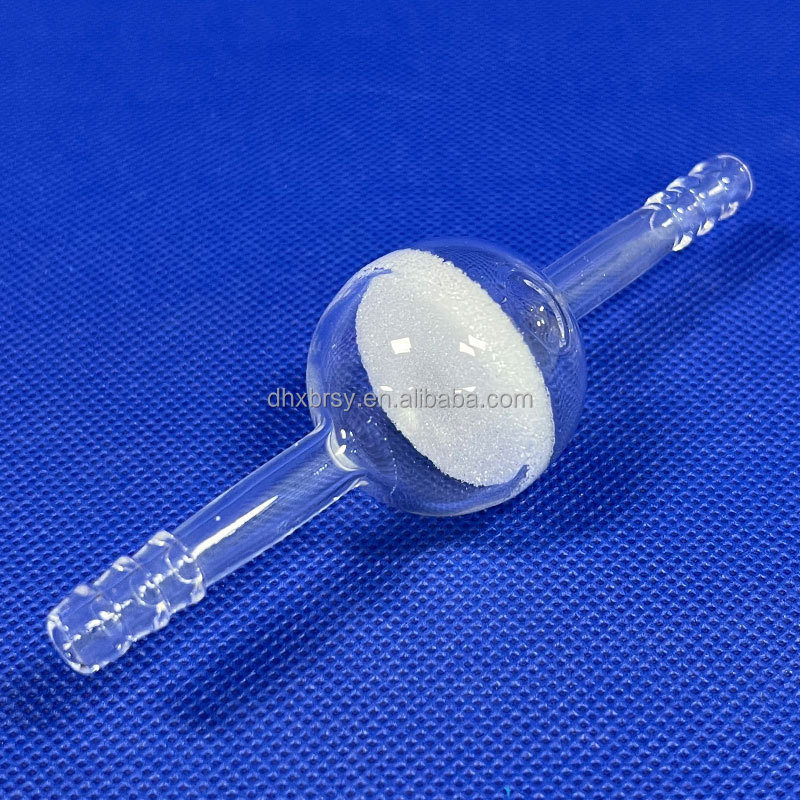
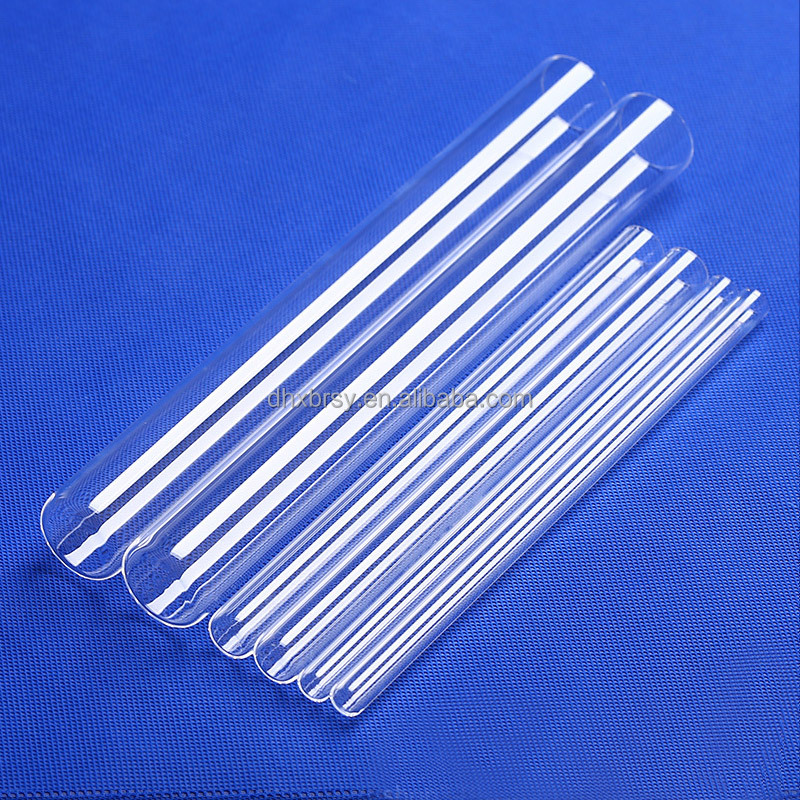
High Purity Transparent Fused Quartz Sheet & Customizable Digestion Tube ROHS Certified
Ultra-high light transmittance, exceptional resistance to thermal shock, suitable for heavy metal digestion rigs.
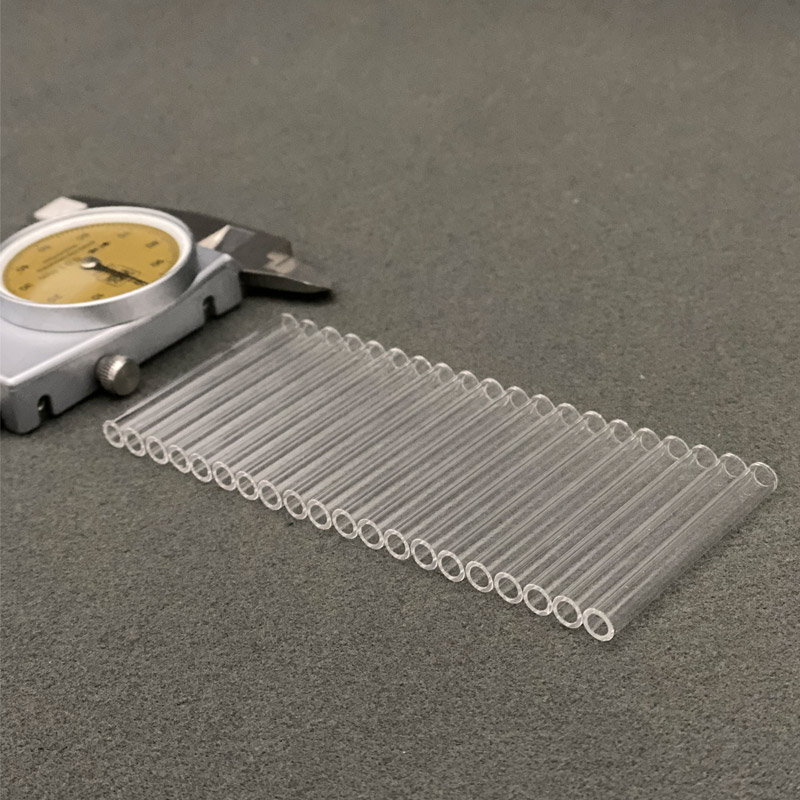
BAO RAN 419 Fused Quartz Capillary Tube 200 Mesh 75m Laser Machinery ROHS Certified
High micro-bore dimensional accuracy, zero bore-taper, ideal for optical guidance and analytical chromatography.
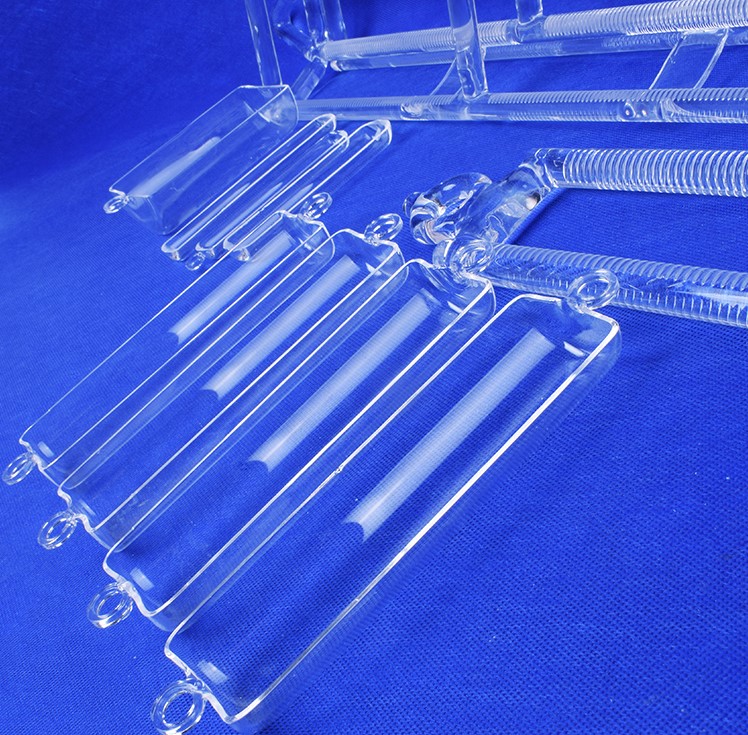
Fused Quartz Boats (SiO2 99.99%) for Chemical Industry & Photovoltaics Customizable Sizes
Engineered for high-temperature calcination and chemical vapor processes with zero wafer contact contamination.
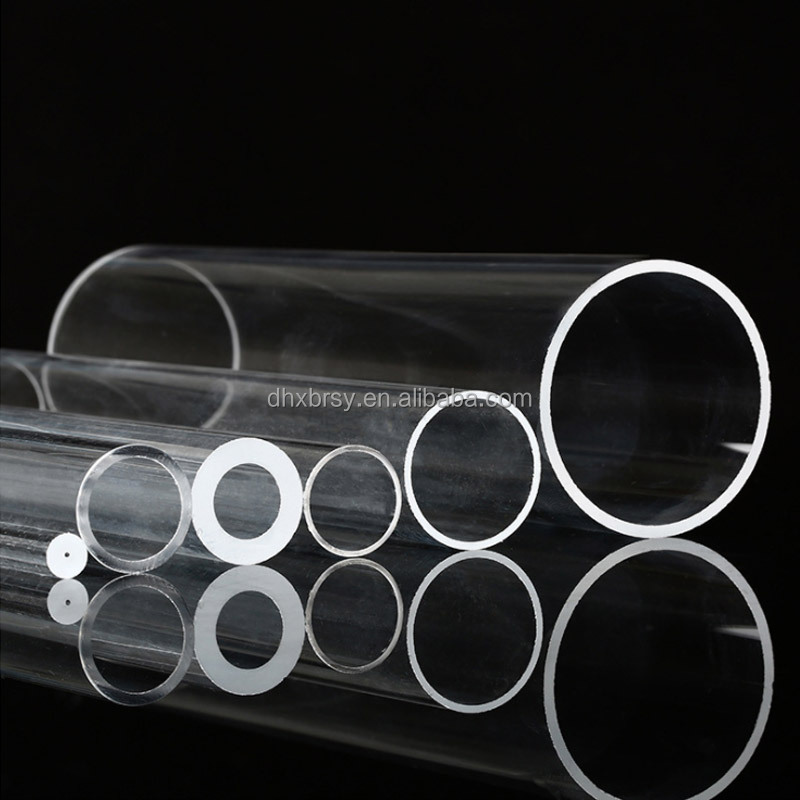
BAO RAN SiO2 Heating Quartz Tube for Disinfection Cabinets Small Industrial Drying
Stable infrared radiation efficiency, moisture-proof end sealings, and long-life continuous thermal stability.
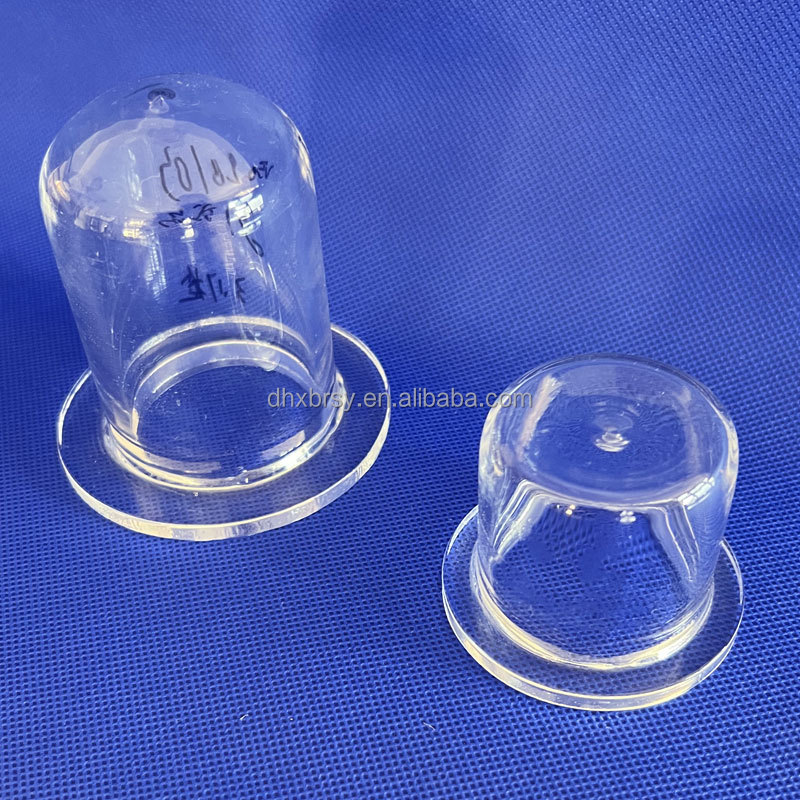
916 One End Closed High Pressure Resistant High Temperatures 1400°C Polished Fused Quartz
Precision-formed dome end, pressure-tested for analytical autoclave and vacuum chamber view installations.
518 Best Quality High Transmittance Fused Quartz 99.99% Silica Photovoltaic Sintering Furnace
Minimal devitrification under repeated thermal cycling; custom outer diameters up to 450 mm.

JGS1 BAO RAN High Purity Fused Quartz Glass Sheet SiO2 99.99% UV Transparent Laser Plate
Transmits down to 185 nm in deep ultraviolet, optical polishing flat to λ/4, corrosion-proof to inorganic acids.
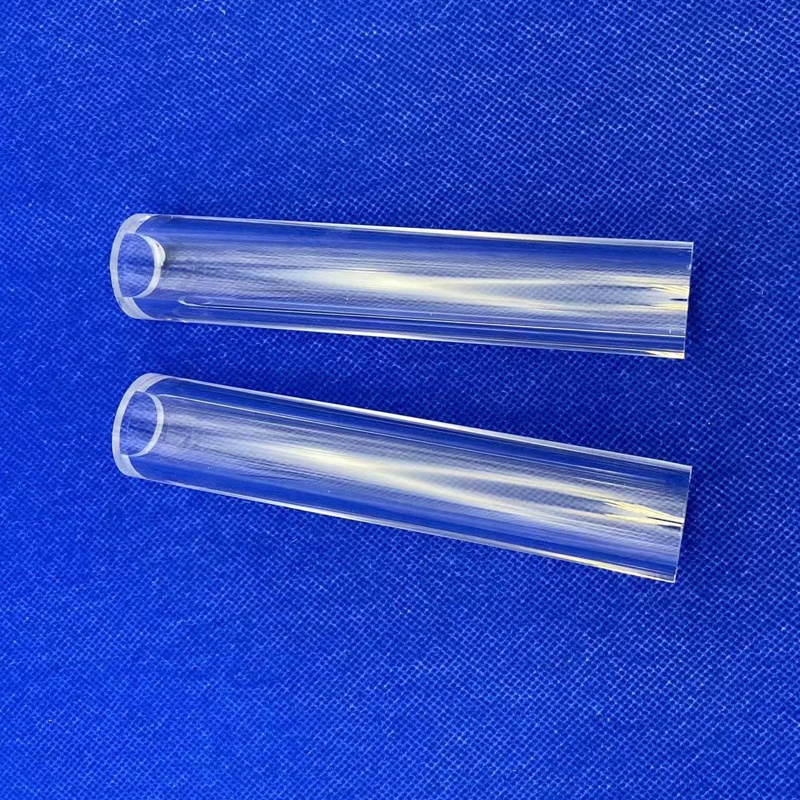
High Precision Clear Quartz Glass Tube Fused Silica Bending Welding Cutting Ozone Generator
Flawless dielectric property, zero breakdown during ozone-discharge operation, tight concentricity tolerance.
Engineering Quartz Solutions for Naypyidaw’s Critical Sectors
As Myanmar’s administrative center, Naypyidaw consolidates governmental standardization agencies, national soil research institutes, pharmaceutical regulatory laboratories, and expanding mineral exploration bureaus. Our fused quartz beakers and ware resolve the chronic issue of thermal breakage caused by high ambient operating temperatures and heavy duty chemical testing.
Mining & Mineral Assay Laboratories
Naypyidaw coordinates assay verification for regional extraction (gemstones, tin, tungsten, and copper). Conventional borosilicate beakers suffer thermal fractures and sodium leaching under prolonged aqua regia digestion. Our pure quartz beakers survive continuous 1100°C furnace environments without trace-element cross-contamination.
Agricultural Soil & Fertilizer Quality Centers
The Ministry of Agriculture, Livestock and Irrigation operates central testing bodies in Naypyidaw to analyze soil degradation and chemical runoff. Digestion of heavy silicates requires hydrofluoric acid resistance alternatives and extreme thermal handling. Our specialized quartz labware offers impermeable chemical inertness against harsh acid fumes.
Water Treatment & Environmental Monitoring
Municipal infrastructure in the Union Territory relies on ultraviolet photolysis and ozone disinfection for reservoir quality assurance. We supply JGS1 deep-UV quartz tubes and custom beakers characterized by zero solarization and high transmittance across the germicidal 254 nm wavelength band.
Pharmaceutical Formulation & FDA Testing
Central pharmaceutical compliance labs in Naypyidaw require vessels with strictly non-reactive surfaces. Unlike commercial laboratory glass that releases alkali ions under aggressive autoclaving, fused quartz exhibits negligible hydrolytic expansion, eliminating pharmaceutical solution contamination during volatile solvent boiling.
Solar Photovoltaic Maintenance & Development
With Myanmar actively deploying solar installations across dry zones near Mandalay and Naypyidaw, our factory provides high-precision quartz boats, sintering tubes, and reaction cylinders engineered for local solar cell component calibration and crystalline thermal processing lines.
Naypyidaw Procurement Whitepaper: Fused Quartz Supply Chain Trends
Laboratory procurement directors in Naypyidaw are executing a structural shift away from general-purpose borosilicate 3.3 glass toward electric-fused silica and synthetic fused quartz apparatus. The subtropical climate, marked by high ambient humidity and sudden seasonal temperature swings, accelerates thermal stress cracking in inferior glassware when exposed to muffle furnaces and direct flame heating.
Direct manufacturer relationships with Chinese quartz production clusters (notably Lianyungang, Jiangsu) have become vital for Myanmar's public and private institutions. Direct factory sourcing removes third-party broker markups, guarantees original raw material assays (≥99.99% SiO₂ certificates), and provides customized wall thickness designs specifically engineered to prevent mechanical fracture during handling by technician teams in regional facilities.
| Property Matrix | Fused Quartz (Lovri Manufacturing) | Standard Borosilicate 3.3 | Operational Impact for Naypyidaw Labs |
|---|---|---|---|
| Maximum Working Temp (Continuous) | 1,100°C – 1,200°C | ≈ 450°C – 500°C | Enables direct high-temp fusion of refractory ores without melting. |
| Thermal Expansion Coeff. (20–300°C) | 5.5 × 10⁻⁷ / °C | 33 × 10⁻⁷ / °C | Quartz vessels can be dropped from 1000°C directly into cold water without cracking. |
| UV Light Transmittance (254 nm) | > 90% (JGS1 Grade) | < 10% (Near Total Absorption) | Essential for UV digestion, spectroscopic analysis, and ozone generation. |
| Chemical Leaching (Alkali metals) | < 20 ppm total impurities | Substantial sodium/boron leaching | Preserves trace-level accuracy in agricultural pesticide and mineral ICP-MS assays. |
Logistical trends for Naypyidaw involve multimodal freight routing via Ruili/Muse border dry-ports or containerized shipping directly into Yangon (Thilawa Port), followed by secure road transport along the Yangon-Naypyidaw Expressway. Given the fragile nature of high-purity glass, industrial buyers now demand custom foam-cavitied wooden crating that conforms to international export drop-test standards.
12-Step Integrated Quartz Fabrication
From crystalline rock to precision-calibrated quartz beakers, our Lianyungang production facility executes every manufacturing stage entirely in-house to guarantee batch-level chemical traceability.
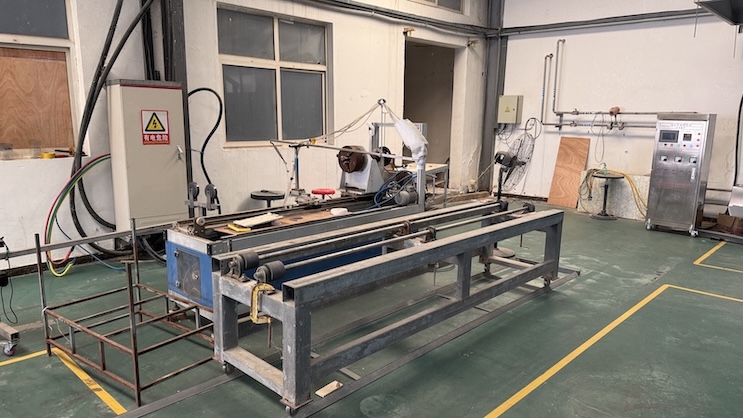
Hand-grading natural high-purity crystalline quartz blocks.
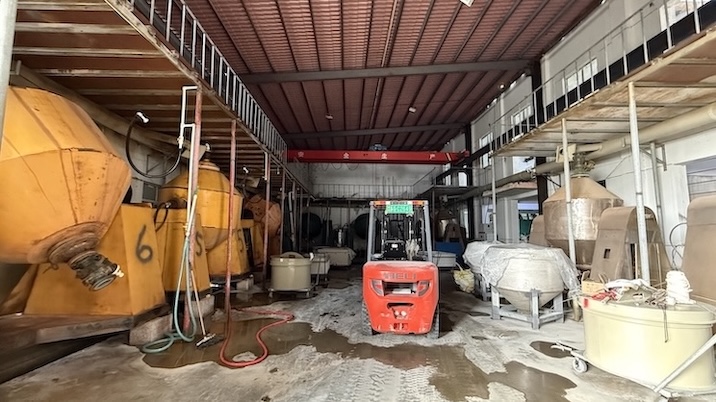
Removes transition metals and iron impurities to achieve 99.99% SiO₂.
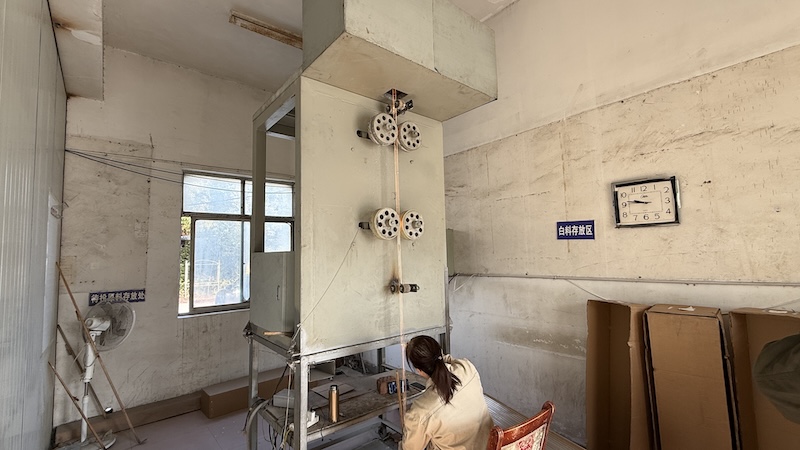
Drawing thermal cylinders to target diameter and wall thickness.
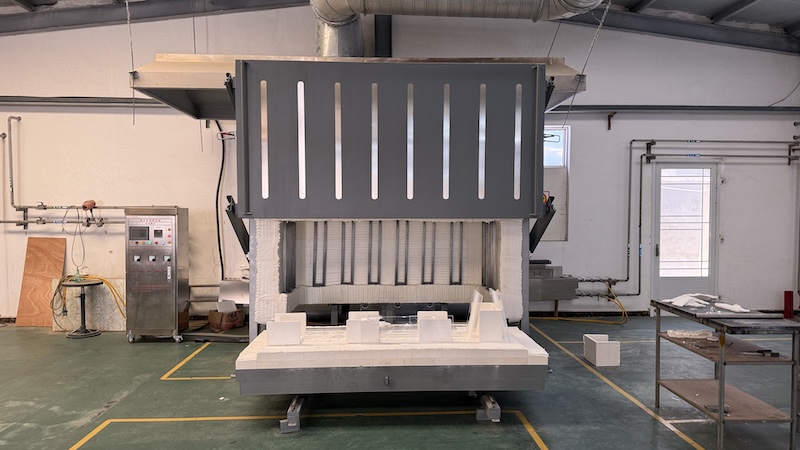
Furnace soaking at 1215°C followed by controlled cooling cycles.
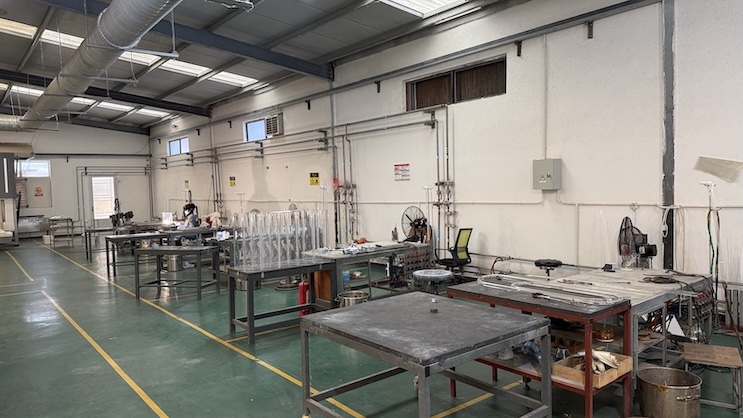
Forming flat beaker bases, reinforced rims, and pour spouts.
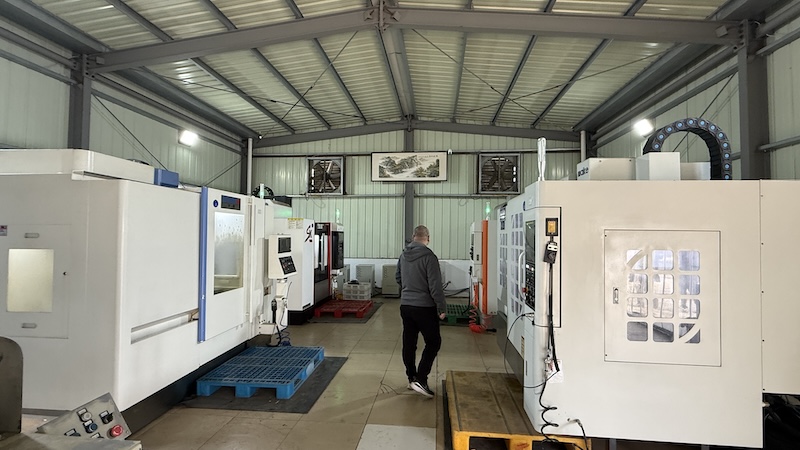
Precision multi-axis diamond grinding for tight dimensional fits.
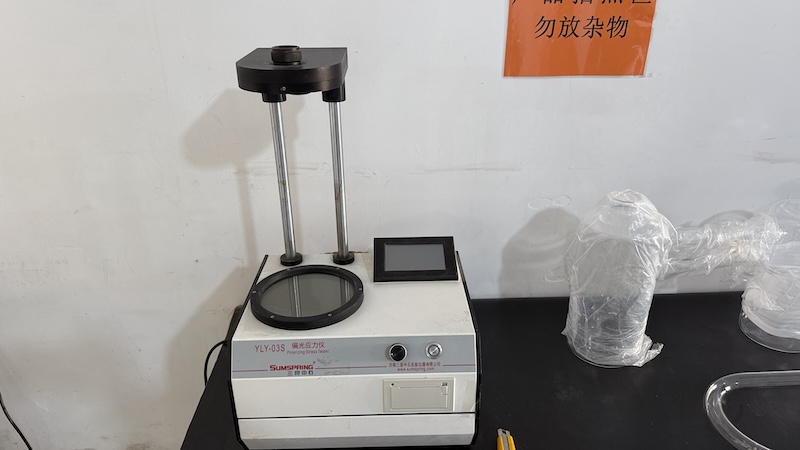
Optical inspection to ensure no internal molecular shear stress.
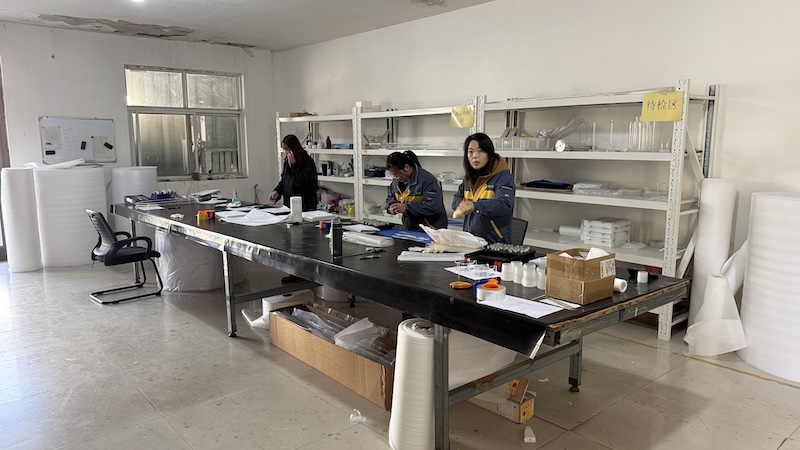
High-density EPE encapsulation and plywood reinforcement.
Verified Manufacturing Strengths & Compliance
We combine advanced processing technologies with verified factory audits to guarantee consistent quality for institutional lab supply contracts.

SGS Onsite Verified
14,271 m² operational workshop, physical equipment, and production capacity independently audited by SGS Group.

Verified Global Supplier
Direct export status with certified origin documentation, customs clearance assistance, and bank credit transparency.

CE & International Standards
Complies with EU pressure vessel standards, high-temperature resistance parameters, and ISO precision tolerances.
RoHS Environmental Assurance
Heavy metal-free silica composition certified free of lead, cadmium, mercury, or hazardous flame retardants.
Frequently Asked Questions for Naypyidaw Buyers
Clear, direct answers regarding customs, logistics, technical selection, and custom orders for laboratories across Myanmar.
Every individual beaker is cleaned, shrink-wrapped in dust-proof film, and enclosed within custom-cut EPE foam block molds. Molded assemblies are then packed in 5-ply export cartons and crated within fumigated plywood cases designed to absorb shock during multimodal sea freight to Yangon or road transit via the Lashio-Mandalay-Naypyidaw arterial network.
Low-form (Griffin) quartz beakers have a height-to-diameter ratio of approximately 1.4:1, providing a broad heating base ideal for hotplate digestion and fast evaporation. Tall-form (Berzelius) beakers reduce surface evaporation and prevent splashing during vigorous acid boiling, making them preferable for volumetric acid titrations and long-cycle ore analysis.
Yes. As an OEM manufacturer, we support fully custom dimensions ranging from 5 mL micro-beakers to 10,000 mL industrial digestion vessels. We provide laser-etched graduation scales, custom tare-weight markings, ground-glass joints, reinforced handling rims, and matching quartz watch-glass covers to minimize acid vapors in laboratory hoods.
Devitrification (crystallization of quartz into cristobalite) occurs when surface alkali contaminants (like finger oils or trace salts) react with quartz above 1000°C. We ensure each beaker undergoes high-purity deionized water ultrasonic washings and acid descaling before firing, resulting in an ultra-smooth fire-polished surface that resists crystallization.
We supply comprehensive export documentation packages including Commercial Invoice, Packing List, Bill of Lading, Certificate of Origin (Form E or General CO for preferential tariff assessment), RoHS Material Compliance Declarations, and factory-issued Spectrochemical Purity Assay reports confirming SiO₂ content ≥ 99.99%.
For standard-size quartz beakers (50 mL, 100 mL, 250 mL, 500 mL, 1000 mL), our MOQ starts at just 2 pieces to support pilot lab testing. Custom fabricated vessels built to technical CAD drawings typically have an engineering review cycle of 24 hours, prototype production within 3 to 5 working days, and bulk batch dispatch in 10 to 14 days.
Equip Your Naypyidaw Laboratory With Certified Quartz Glassware
Connect with our technical engineering desk in Lianyungang to discuss chemical compatibilities, custom dimensions, wall-thickness reinforcements, and bulk export pricing schedules for Myanmar.