Engineering Whitepaper: Strategic Fused Quartz Deployment in the Ulaanbaatar Industrial Ecosystem
As Mongolia undergoes accelerated industrial transformation, the Ulaanbaatar market stands at the nexus of mineral processing, advanced metallurgical assaying, thermal power optimization, and renewable infrastructure development. Operating precision equipment in Mongolia poses distinct challenges, primarily governed by extreme sub-zero winter temperatures, intense continental thermal differentials, and remote logistics spanning the Trans-Mongolian rail corridor. Standard borosilicate glass apparatus often fails catastrophically under these thermal stresses, exhibiting low thermal tolerance, localized stress fracturing, and rapid acid leaching. Our engineered 99.99% SiO₂ fused quartz tubes and fabricated components provide the material resilience necessary to maintain operational continuity across the region.
1. Extreme Metallurgy & Mineral Assay Laboratories
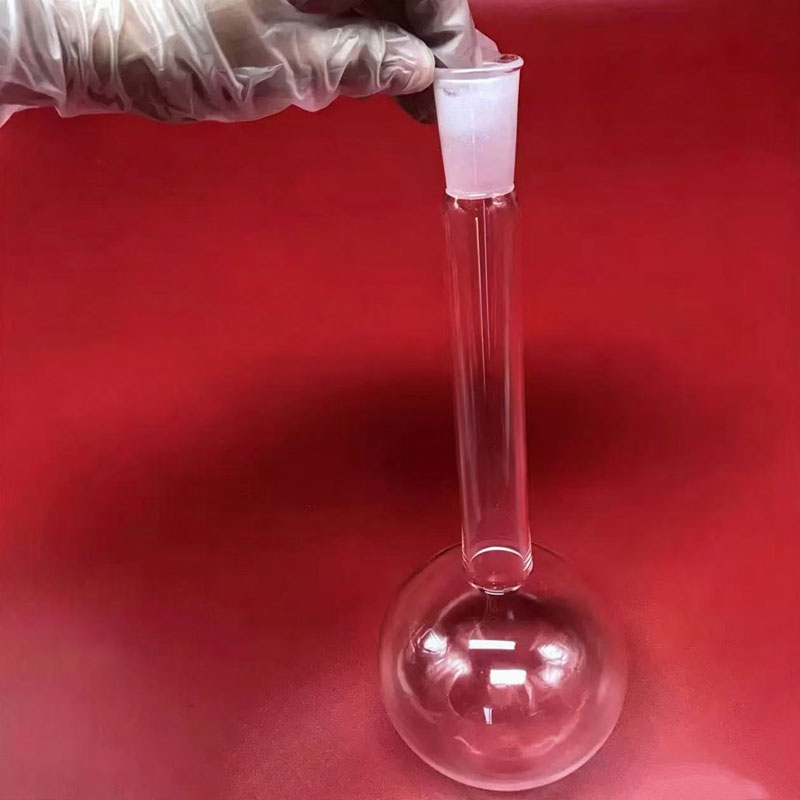
Mining operations across Oyu Tolgoi, Tavan Tolgoi, and analytical assay centers based in the Khan-Uul and Bayangol industrial zones of Ulaanbaatar require high chemical purity and structural stability. Fire assay tests, hydro-metallurgical digestion, and high-frequency induction furnaces routinely expose process containment vessels to sustained temperatures exceeding 1,100°C alongside concentrated mixtures of hydrofluoric, nitric, and sulfuric reagents. Our transparent fused silica test tubes, long-neck digestion flasks, and quartz combustion crucibles exhibit an exceptionally high softening point (1,730°C) and broad chemical inertness, preventing trace-element leaching that compromises atomic absorption spectroscopy (AAS) and inductively coupled plasma (ICP) analytical precision.
2. Thermal Power Generation & Extreme Temperature Flue Diagnostics
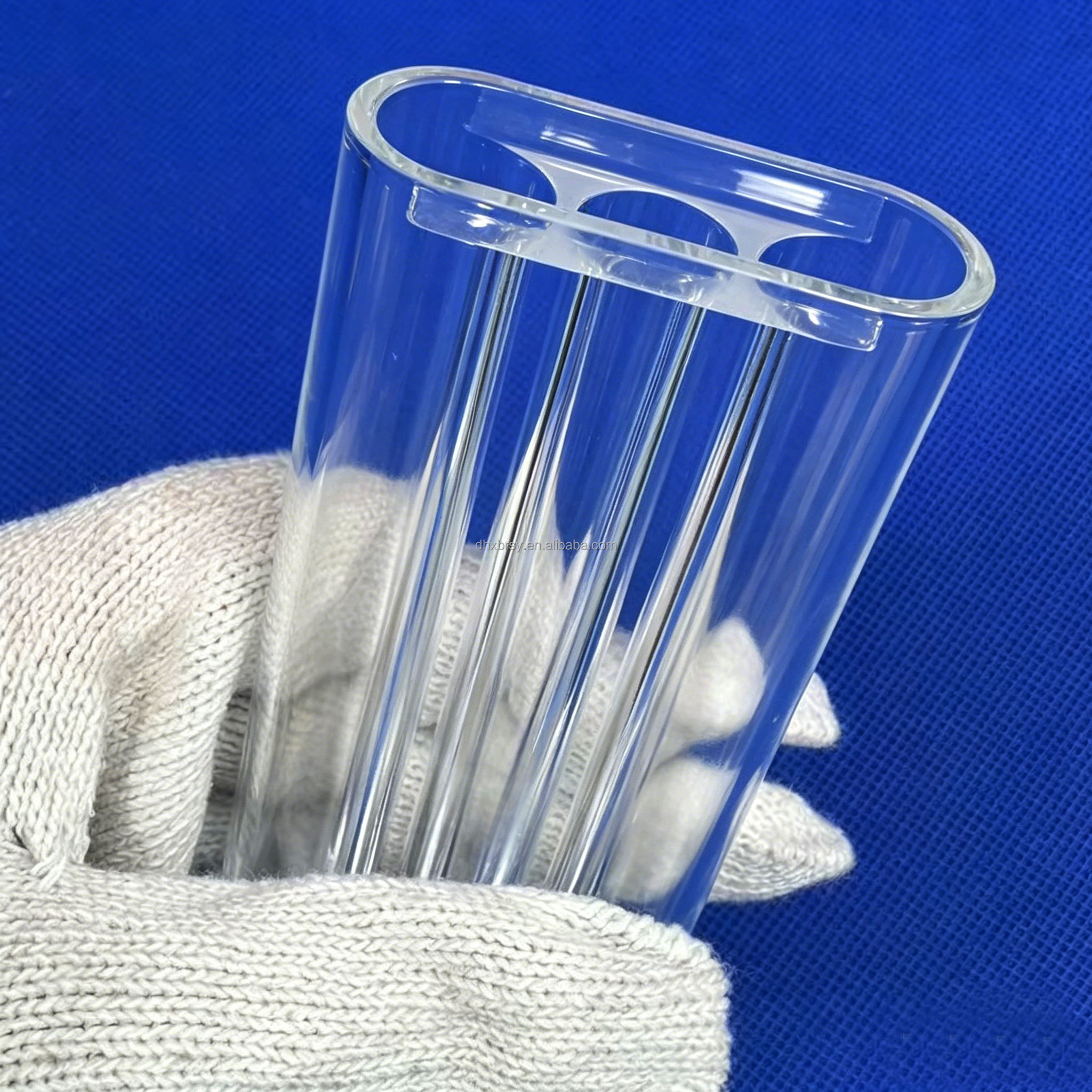
The municipal heating and power grids of Ulaanbaatar—anchored by Combined Heat and Power Plants CHP-3, CHP-4, and decentralized district heating networks—operate continuously under severe conditions during the continental winter. Monitoring boiler combustion efficiency, flue gas desulfurization, and particulate emissions requires high-temperature sight-glass viewports, optical laser pyrometry protection sleeves, and heavy-walled fused quartz level-gauge tubes. Fused quartz features an exceptionally low coefficient of thermal expansion (5.5 × 10⁻⁷ /°C). It can transition instantly from an ambient winter room temperature of -30°C to high furnace operating temperatures without micro-cracking or catastrophic thermal shattering.
3. Photovoltaic Manufacturing & Thin-Film Research Facilities
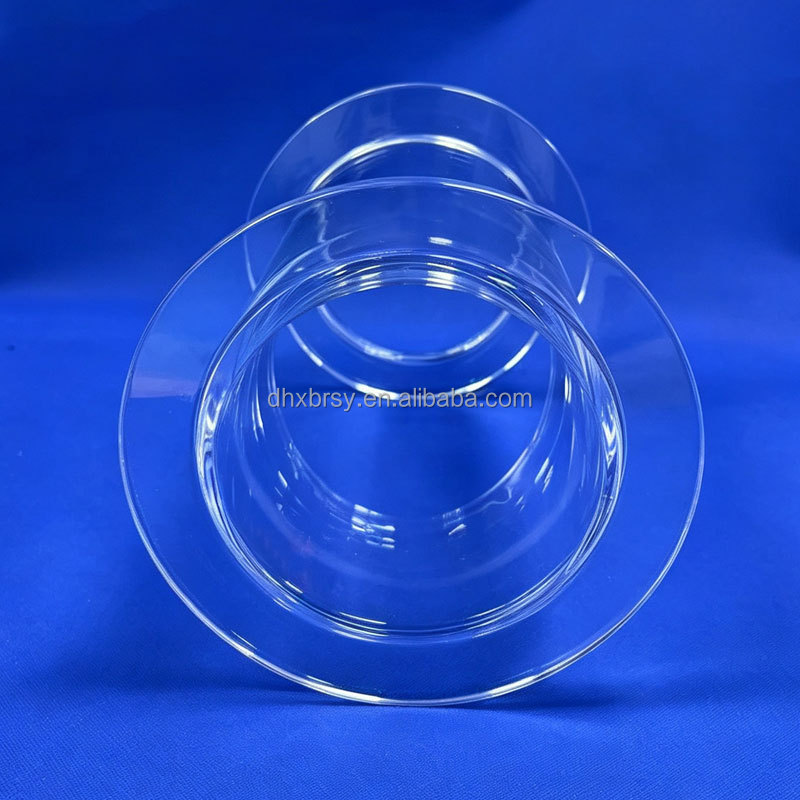
Under Mongolia's national renewable energy initiatives, research institutes associated with the National University of Mongolia (NUM) and solar manufacturing ventures in Ulaanbaatar's special economic zones increasingly demand clean thermal processing hardware. Our custom double-flanged quartz reaction tubes, slot-pitch wafer boats, and ultra-flat JGS1/JGS2 synthetic quartz plates serve as foundational components for low-pressure chemical vapor deposition (LPCVD), diffusion, and rapid thermal annealing (RTA). High structural purity minimizes heavy metal contaminants (such as iron, copper, and alkali metals) to parts-per-billion (ppb) levels, protecting solar cell wafers from conversion efficiency degradation.
4. Industrial Water Disinfection & Municipal Ozone Synthesis
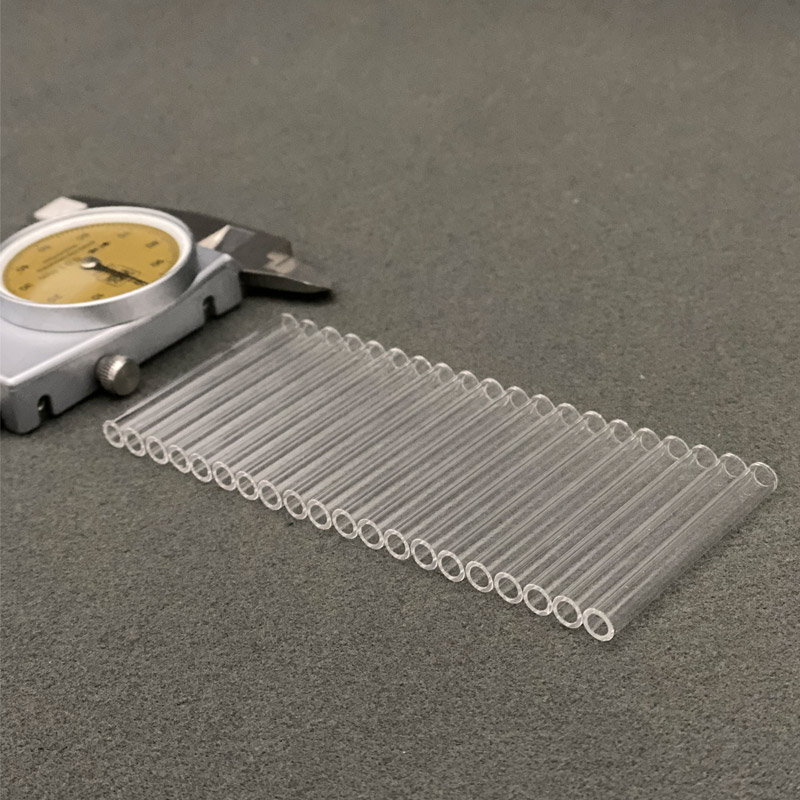
Urban water purification systems serving the Tuul River basin, alongside industrial effluent processing units in food processing and pharmaceutical facilities across Ulaanbaatar, rely on high-output ozone generation systems. Fused quartz dielectric barrier discharge (DBD) tubes act as the electrical insulator and reaction barrier. Lovri's clear fused silica quartz tubes are manufactured with tight wall-thickness tolerances (±0.05 mm) and high dielectric strength, ensuring uniform corona discharge, maximum ozone output yield, and superior resistance to ultraviolet degradation and dielectric breakdown.
Material Comparison Matrix: Fused Quartz vs. Borosilicate Glass
Engineers and procurement teams in Ulaanbaatar must carefully balance cost considerations against mean time between failures (MTBF). The table below details why replacing borosilicate glass with high-purity fused silica reduces total cost of ownership in demanding thermal environments:
| Material Property |
Lovri Fused Quartz (JGS1/JGS2) |
Standard Borosilicate (3.3) |
Operational Impact for Mongolia Buyers |
| SiO₂ Content |
≥ 99.99% |
≈ 80.5% |
Zero contamination in high-sensitivity assay testing and CVD |
| Thermal Expansion (20-300°C) |
5.5 × 10⁻⁷ /°C |
33 × 10⁻⁷ /°C |
Fused quartz provides 6x greater thermal shock resistance |
| Continuous Service Temp |
1,100°C – 1,150°C |
450°C – 500°C |
Permits uninterrupted deployment in high-temperature metallurgy |
| Max Short-Term Temp |
1,300°C – 1,400°C |
550°C |
Prevents furnace tube sagging under sudden heating cycles |
| Softening Point |
1,730°C |
820°C |
Maintains rigid geometry under mechanical loads at elevated heat |
| UV Spectrum Cut-off |
Down to 185 nm (JGS1) |
Approx. 310 nm |
Essential for deep-UV disinfection, spectroscopy, and laser optics |
Q: How do your quartz tubes survive winter temperatures in Ulaanbaatar down to -40°C?
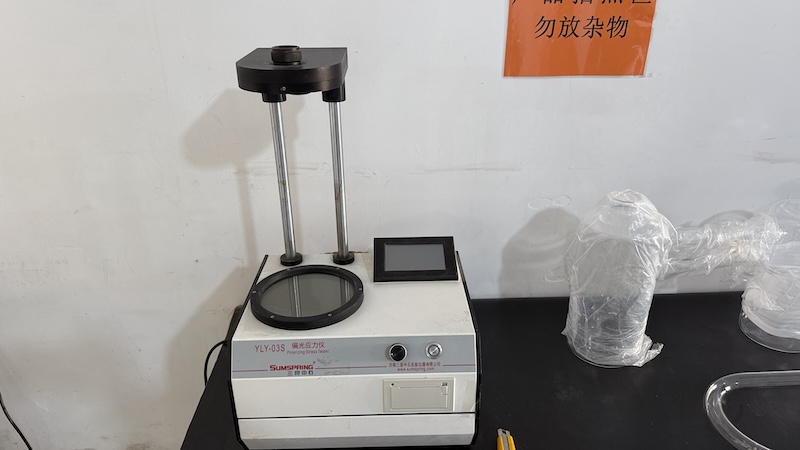
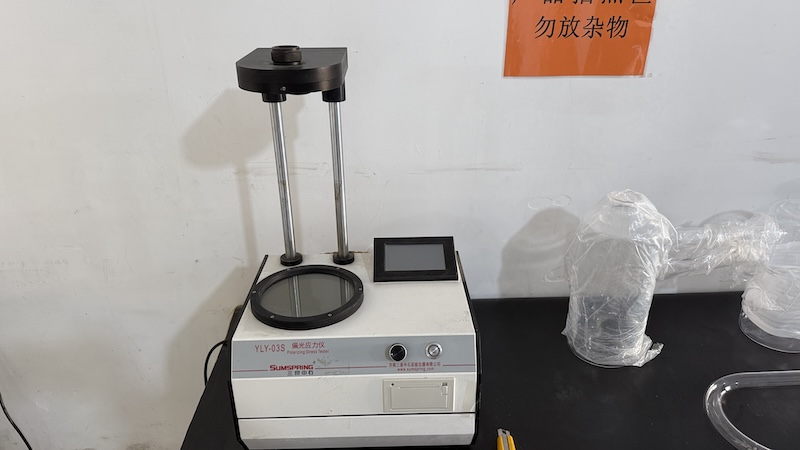
Fused silica features an exceptionally low thermal expansion coefficient (5.5 × 10⁻⁷ /°C), rendering it virtually immune to thermal shock. The risk during Mongolian winters is uneven mechanical stress at connection joints. Our 100% polarization-annealed quartz components withstand immediate temperature shifts across high differentials, provided flange clamps and PTFE gaskets are installed with balanced torque.
Q: What freight routes and typical transit times apply from your factory to Ulaanbaatar?
We routinely ship cargo to Ulaanbaatar via regular direct overland routes: from our production plant in Lianyungang, Jiangsu directly through the Erenhot (Inner Mongolia) – Zamiin-Uud land port via freight truck or the Trans-Mongolian railway. Typical transit times range from 7 to 14 days, complete with complete international export documentation.
Q: Can our engineering team submit custom CAD/DWG drawings for specialized laboratory parts?
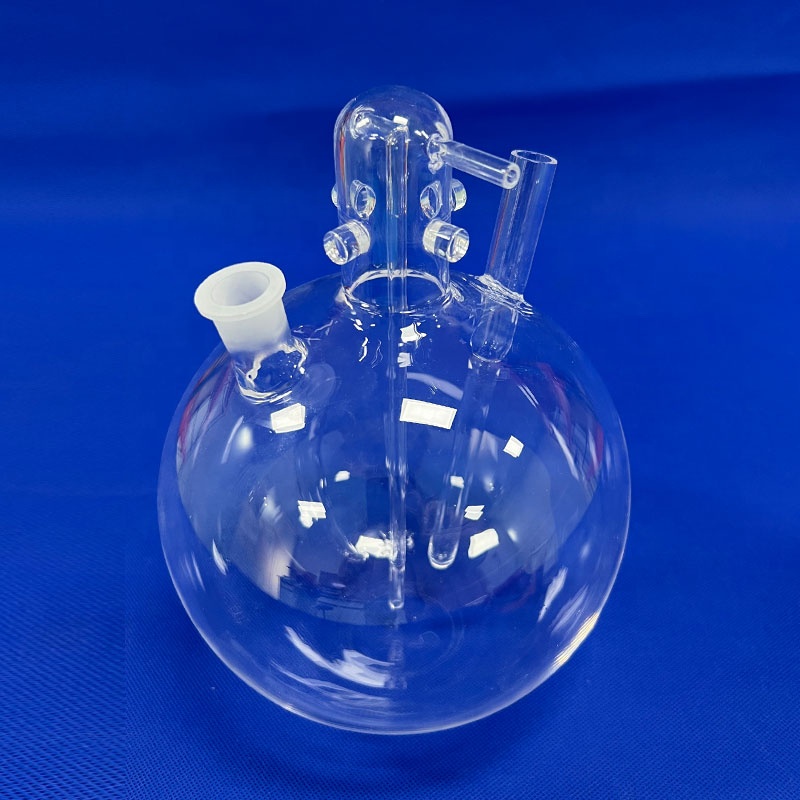
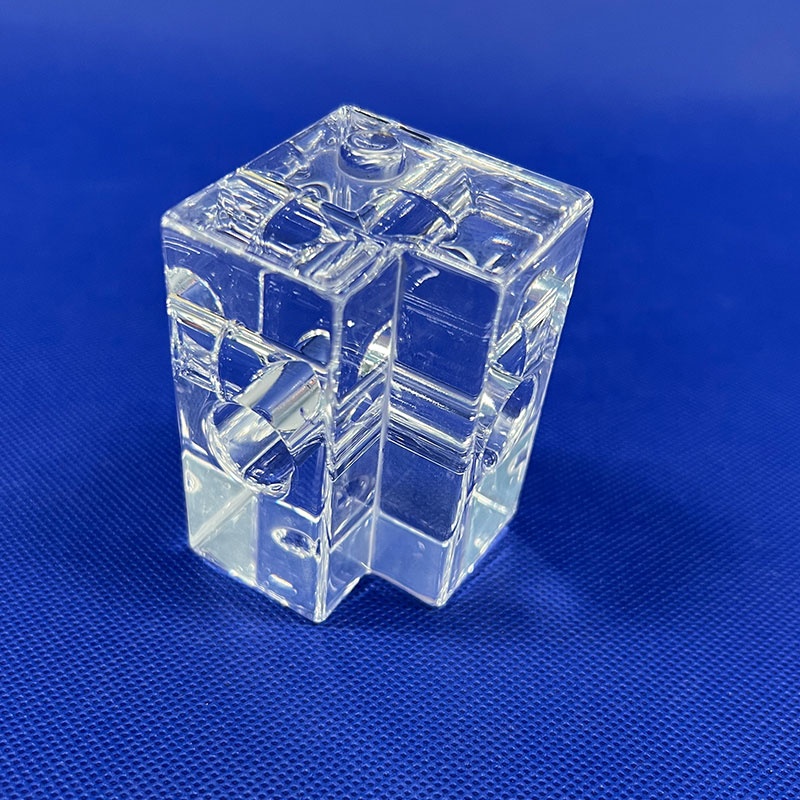
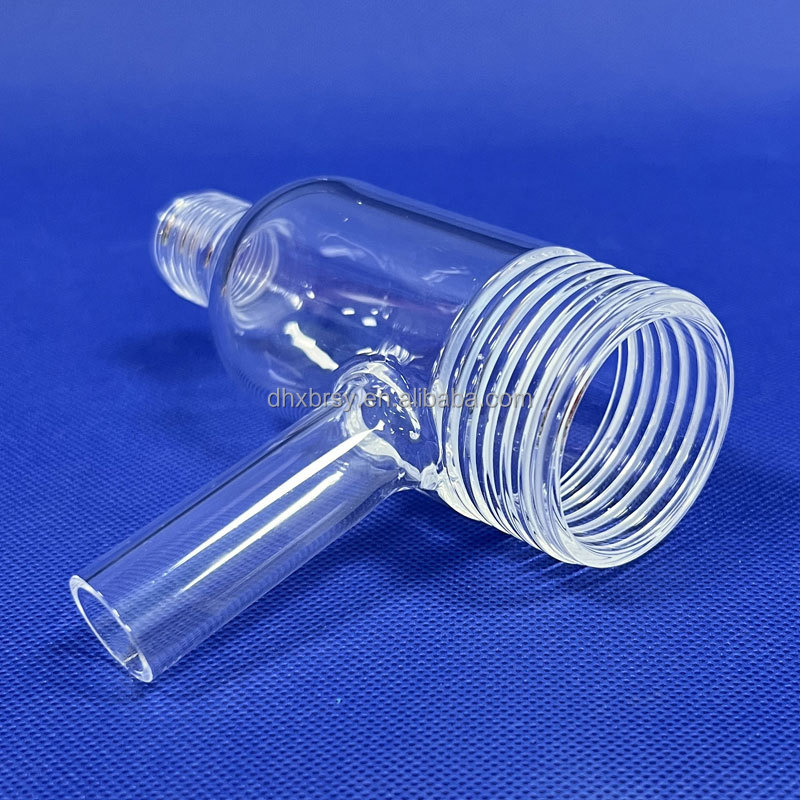
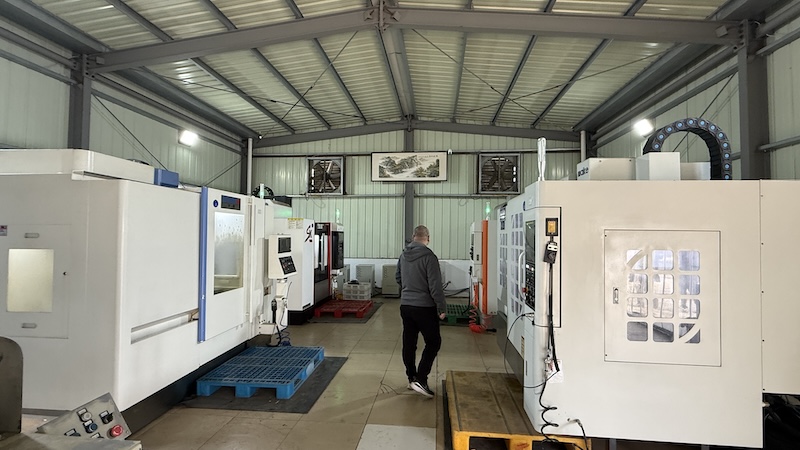
Yes. Our engineering division works directly with technical drawings in PDF, DWG, DXF, and STEP formats. Whether you require custom flanged diffusion tubes, threaded inspection ports, spiral heating coils, or specialized multi-neck analytical reaction vessels, our CNC department manufactures parts to tolerances within ±0.05 mm.
Q: How do you prevent breakage across long cross-border rail and road transport?
We utilize a multi-layer export crating system: individual vacuum shrink-wrapping, 360-degree shock-absorbent high-density PE foam lining, internal separation dividers, and reinforced exterior plywood cases. Shock-indicator sensors can be affixed to crates for full accountability throughout multi-modal transfers.
Q: What is the minimum order quantity (MOQ) for custom fabricated parts?
To support prototyping, research validations, and emergency maintenance replacements in Ulaanbaatar's industrial hubs, we offer low MOQs starting from 1 to 5 pieces for standard catalog sizes and custom-machined components. Volume tier discounts apply automatically for operational maintenance and series production contracts.
Q: How do you guarantee the purity of quartz used in high-precision assay labs?
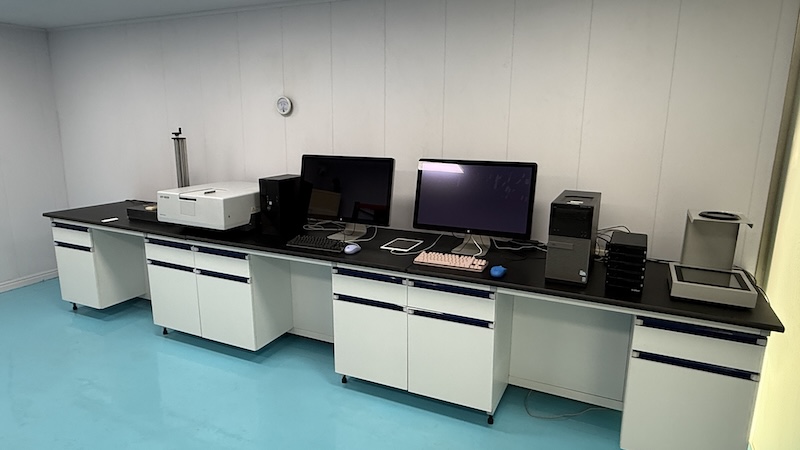
Every production batch comes accompanied by SGS and factory material inspection reports detailing spectrophotometer purity analysis and trace elemental counts. Our quartz contains less than 20 ppm total metal impurities, ensuring no sodium, potassium, or iron contamination leaches into your assay solutions.