Engineered Fused Quartz & Synthetic Silica Configurations
Direct manufacturer integration supporting Memphis industrial instrumentation, biomedical spectroscopy, laser processing, and ultra-high-temperature semiconductor vacuum chambers.
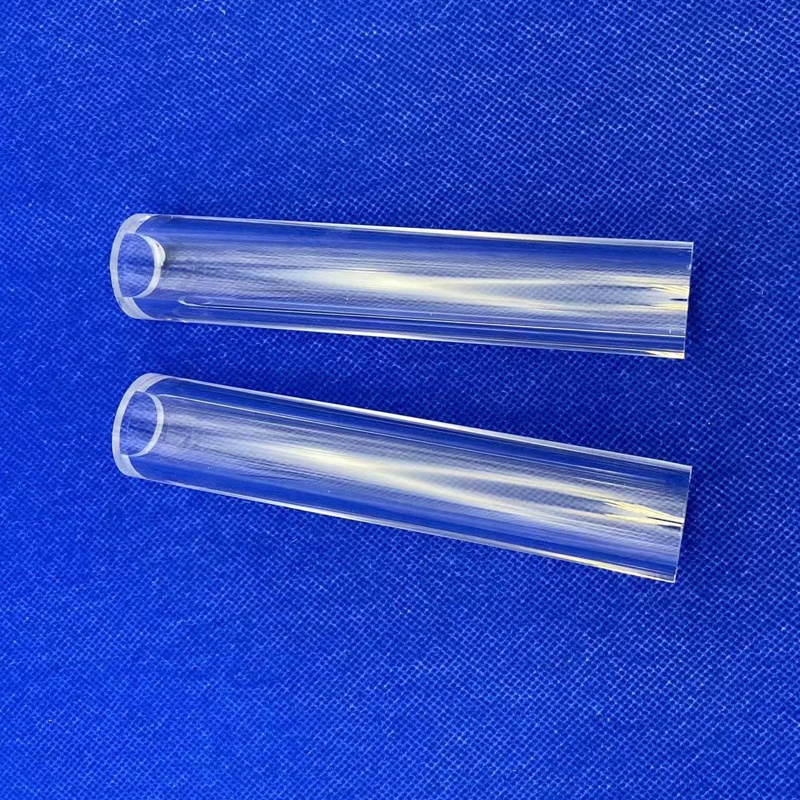
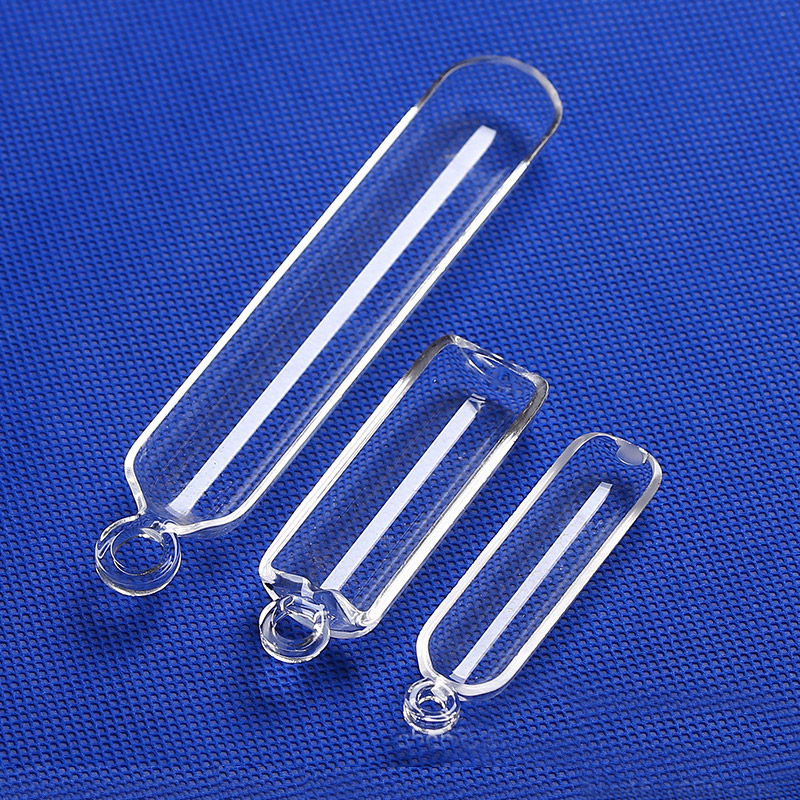
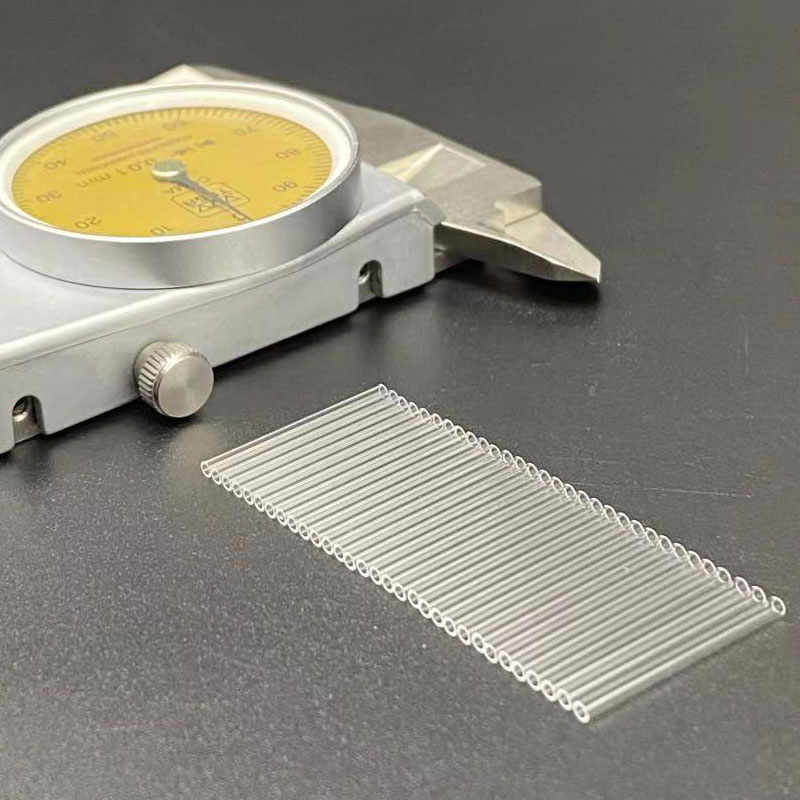

Industrial Specification Guide: Sourcing Custom OEM Fused Silica Sheets in Memphis, TN
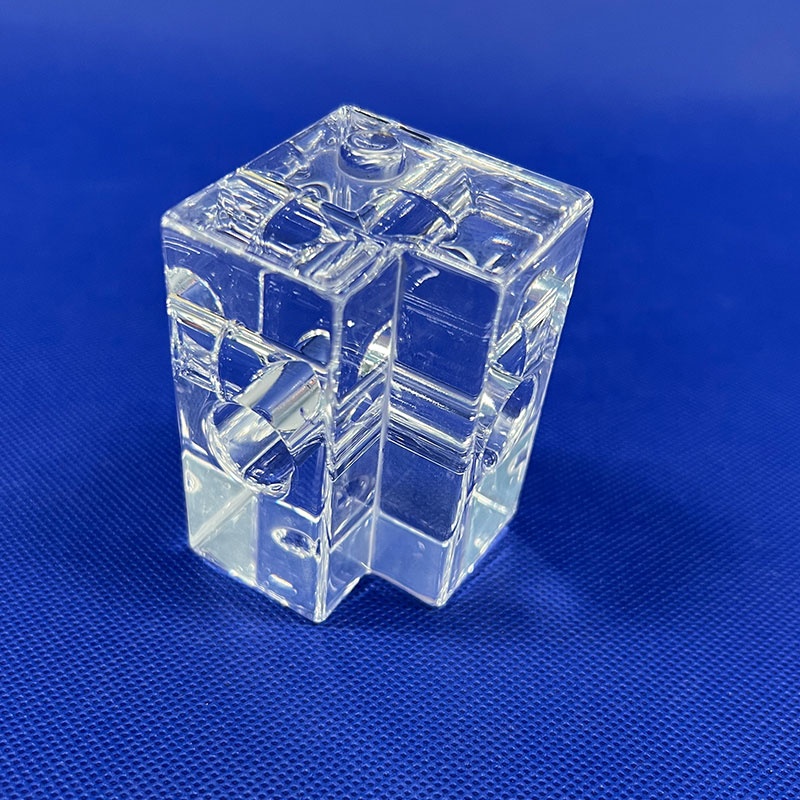
The industrial and technological corridor of Greater Memphis, Tennessee—stretching from the logistics and freight infrastructure of Shelby County through the biotechnology research hubs flanking the University of Tennessee Health Science Center (UTHSC) and St. Jude Children's Research Hospital—exhibits rigorous demands for ultra-pure optical and structural vitreous materials. Custom original equipment manufacturer (OEM) fused silica sheets represent an essential technical material within this regional ecosystem. Characterized by a near-zero coefficient of thermal expansion (CTE of 5.5 × 10⁻⁷ /°C), near-perfect transmittance across the ultraviolet, visible, and near-infrared spectral regimes, and dielectric breakdown resistance exceeding 25 kV/mm, amorphous silicon dioxide substrates serve as mission-critical components in medical device laser micromachining, flow cytometry sight windows, pharmaceutical analytical digestion, and high-temperature thermal barrier enclosures.
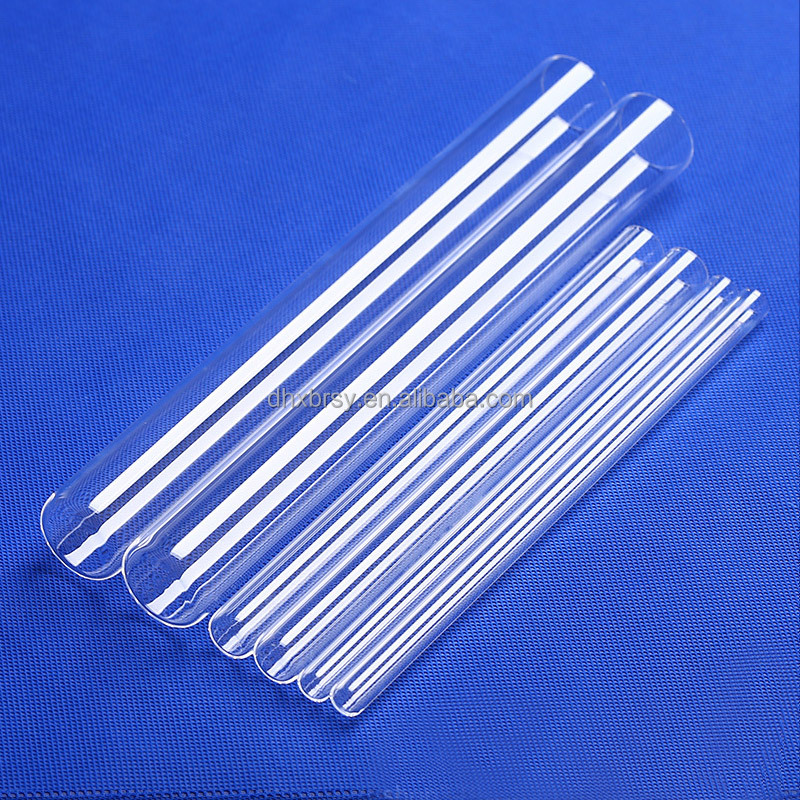
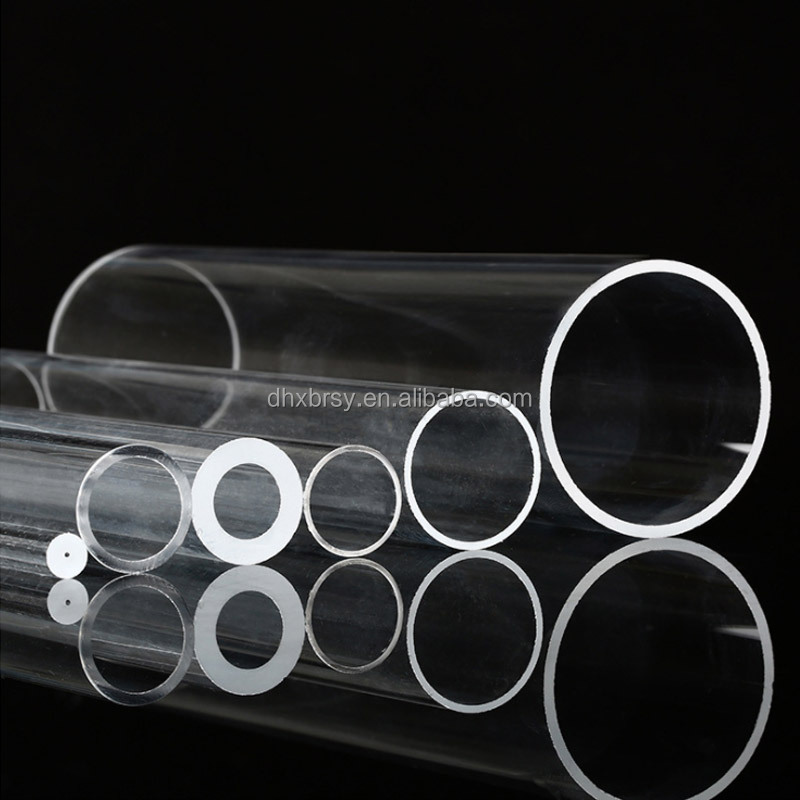
Unlike standard commercial borosilicate glasses or soda-lime formulations, synthetic fused silica and high-purity electric-arc fused quartz operate under extreme mechanical stress and thermal flux environments without structural devitrification. In high-power industrial fiber laser cutting operations common to Mid-South metal fabrication facilities, optic debris shields fabricated from JGS1 synthetic silica prevent laser beam distortion, hot-spot thermal lensing, and thermal fracturing up to continuous operating limits of 1100°C. As local procurement teams seek supply chain resilience, factory-direct OEM manufacturing offers exact drawing conformance, eliminating multi-tier brokerage markups while securing fully traceable chemical analysis and stress-polarization inspection reports per production lot.
Key Quality Metric for Memphis Engineers: Every custom quartz substrate and fused silica plate is subjected to complete polariscope stress birefringence testing post-annealing (annealing soak: 1140°C to 1215°C). This ensures optical path difference (OPD) values remain below 5 nm/cm, entirely eliminating the spontaneous micro-fractures often experienced during laser heating and ultra-high-vacuum thermal cycling.
Localized Industrial & Research Applications Across the Greater Memphis Ecosystem
Memphis stands as an intersection of biomedical orthopedic innovations, agricultural science laboratories, advanced logistics sortation centers, and river-corridor heavy chemical processing. Custom fused silica plates and CNC-machined quartz geometries must be engineered to address application-specific thermal, chemical, and optical constraints unique to regional enterprises:
Biomedical & Orthopedic Instrumentation
Memphis is recognized globally as an orthopedic manufacturing nexus (hosting key operations for Smith+Nephew, Wright Medical/Stryker, and Medtronic). Production of cobalt-chrome and titanium surgical implants relies heavily on precision UV and green fiber laser marking, surface passivation, and additive manufacturing optics. JGS1 synthetic silica sheets serve as high-durability debris protective windows, resisting vaporized metal spatter and preserving laser wavefront coherence.
Clinical Diagnostics & Spectrophotometry
World-class clinical research centers in downtown Memphis depend on flow-through cuvettes, microfluidic chips, and deep-UV transparent 96-well microplates. With bubble-free homogeneous purity and optical transmission extending down to 185 nm, synthetic silica components prevent background autofluorescence, facilitating absolute accuracy in spectrophotometric gene sequencing and molecular diagnostics.
High-Speed Automated Logistics Sensors
Anchoring the FedEx World Hub, Memphis airport logistics corridor requires 24/7 vision sortation systems. Optical windows constructed from double-side polished fused quartz plates withstand high-velocity abrasive airborne particulates and thermal changes across exterior conveyor bays without surface scuffing, ensuring high bar-code scanning and LiDAR dimensional measurement uptime.
Technical Material Grading: Fused Silica vs. Fused Quartz Formulations
Engineers and procurement officers frequently encounter confusion between natural fused quartz and synthetic fused silica. While both are amorphous silicon dioxide, synthesis methods dictate hydroxyl (OH⁻) content, metallic trace impurities (aluminum, iron, titanium), and transmission cut-off edges. Use this matrix to specify the ideal grade for Memphis manufacturing lines:
| Classification | Raw Material Source | Spectral Transmission Band | OH⁻ Content | Thermal Softening Point | Primary Regional Use Cases |
|---|---|---|---|---|---|
| JGS1 Synthetic Silica | Synthetic SiCl₄ / CVD | 185 nm – 2500 nm (Deep UV) | < 5 ppm to 1200 ppm (Spec-dependent) | 1730°C | Excimer laser optics, clinical spectroscopy, UV sterilization, photolithography |
| JGS2 Fused Quartz | Refined Natural Quartz Crystal | 220 nm – 2500 nm (Standard Optical) | < 30 ppm | 1680°C | Sight viewports, vacuum flanged view glasses, high-power halogen sleeves |
| JGS3 Electrically Fused | High-Purity Natural Quartz Sand | 260 nm – 3500 nm (Infrared Optimized) | < 5 ppm | 1710°C | Industrial pyrometry windows, infrared heating modules, semiconductor furnace liners |
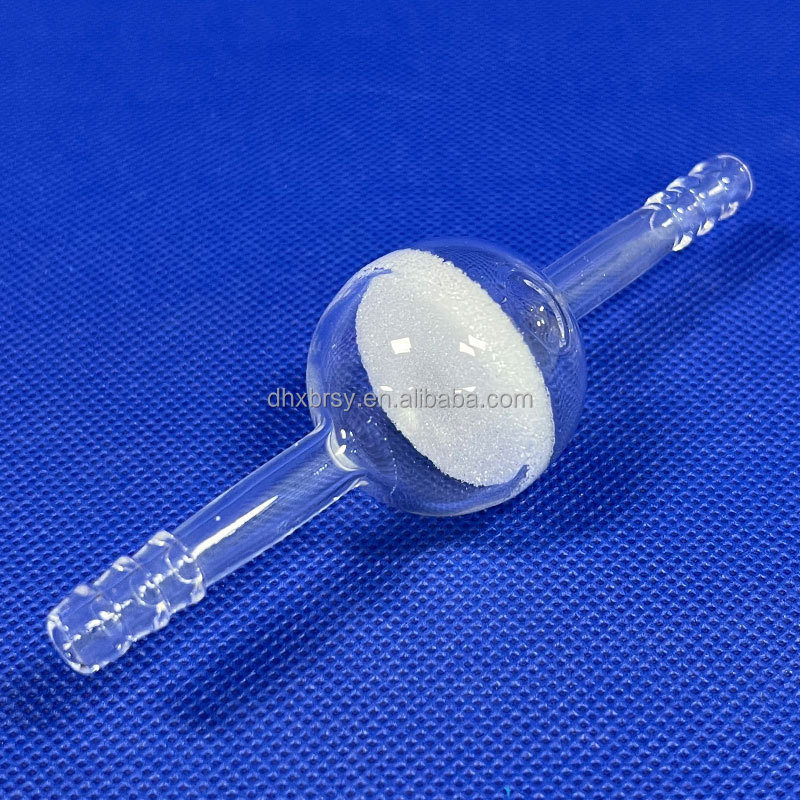
| Opaque / Milky Silica | Gas-Porous Micro-Fused Quartz | Diffuse Reflection / Thermal Blocker | Standard Trace | 1650°C | Furnace thermal insulation baffles, thermocouple protective sheath tubes, IR radiators |
Emerging Industrial Trends Influencing Mid-South Quartz Sourcing (2025–2030)
The manufacturing dynamics of the Greater Memphis economic region and Northern Mississippi industrial cluster are transitioning toward automated clean-energy systems, expanded cold-chain diagnostic infrastructure, and higher laser flux applications. Four trends specifically drive quartz substrate procurement:
Electric Vehicle Battery & Ceramic Sintering
With major automotive battery investments along the I-40 mega-site corridor, battery electrode sintering and thermal run-away containment require custom quartz setter plates and heating tubes resistant to lithium vapor corrosion.
Supply Chain Near-Shoring & JIT Readiness
Memphis logistics managers are moving away from unpredictable spot-market purchases toward contractual OEM partnerships that guarantee scheduled buffer stock delivered straight to regional air cargo and ground hubs.
Ultra-Thin Flexible Quartz for Sensors
Demand for 0.1 mm to 0.3 mm ultra-thin fused silica sheets has surged across precision sensor arrays, micro-electromechanical systems (MEMS), and high-frequency RF dielectric packaging across Tennessee research facilities.
Stricter RoHS & Heavy Metal Compliance
FDA-regulated biomedical device fabricators in Memphis require certified heavy-metal-free materials. Raw silica acid pickling and batch ICP-OES trace element documentation are now essential prerequisites.
Direct Factory Manufacturing Strengths: End-to-End Quality Integration
Sourcing from an SGS onsite-verified source factory provides Memphis engineering teams with end-to-end metallurgical control from natural crystal selection to 5-axis CNC diamond grinding. By managing the complete manufacturing chain without intermediary handlers, Lovri Quartz guarantees material traceability and uncompromised surface integrity:
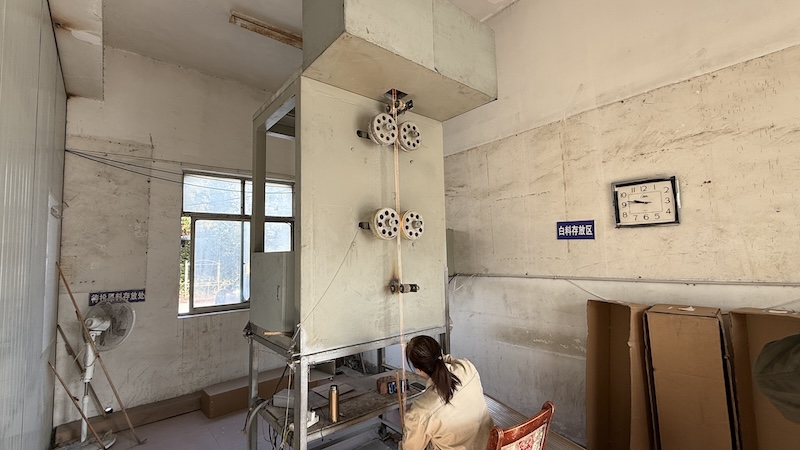
Tuofeng Industrial Park • 14,271 m² Modern Floorspace
Why Direct Factory Manufacturing Surpasses Third-Party Distributors
- Vertically Integrated Raw Purification: Sand crushing, sizing, and multi-stage acid leaching processes ensure consistent ≥99.99% SiO₂ content with near-zero bubble inclusion classes.
- Advanced Optical Surface Polishing: Double-sided mechanical and chemical-mechanical polishing (CMP) delivers surface roughness down to Ra < 0.5 nm and scratch-dig specifications of 20/10.
- Extensive 5-Axis CNC Precision: Laser cutting, ultrasonic drilling, edge chamfering, wafer boat slotting, and step-hole milling execute drawing tolerances within ±0.01 mm.
- Export Armor Packaging: Individually vacuum-sealed cleanroom bags, high-density custom EVA shock-absorbers, and heavy plywood crates prevent transit breakage.
Memphis Procurement & Engineering FAQ: Fused Silica Sourcing
Real-world questions addressed by our chief applications engineering staff for corporate buyers, production managers, and research scientists in the Mid-South region:
What is the optical transmission difference between JGS1, JGS2, and JGS3 quartz plates for laboratory analysis?
How do you handle thermal shock and high-temperature stress in custom quartz tubes and furnace plates?
What lead times and air-freight logistics options are available for emergency deliveries into Memphis?
Can you fabricate custom quartz components directly from engineering CAD files?
What packaging protections prevent quartz plate breakage during international shipping to Tennessee?
What is the minimum order quantity (MOQ) for prototypes versus volume OEM production?
Request Engineering Review & Direct Factory Quotation
Submit your mechanical drawing, 3D STEP file, or target thermal/optical specifications. Our application engineers provide comprehensive manufacturability feedback, optical transmission data, and tiered factory-direct pricing within 12 hours.