Featured Quartz Glass Components & Engineered U-Tubes
Manufactured to customer specifications under stringent polarimetric stress inspections, meeting RoHS, CE, and European semiconductor compliance thresholds.
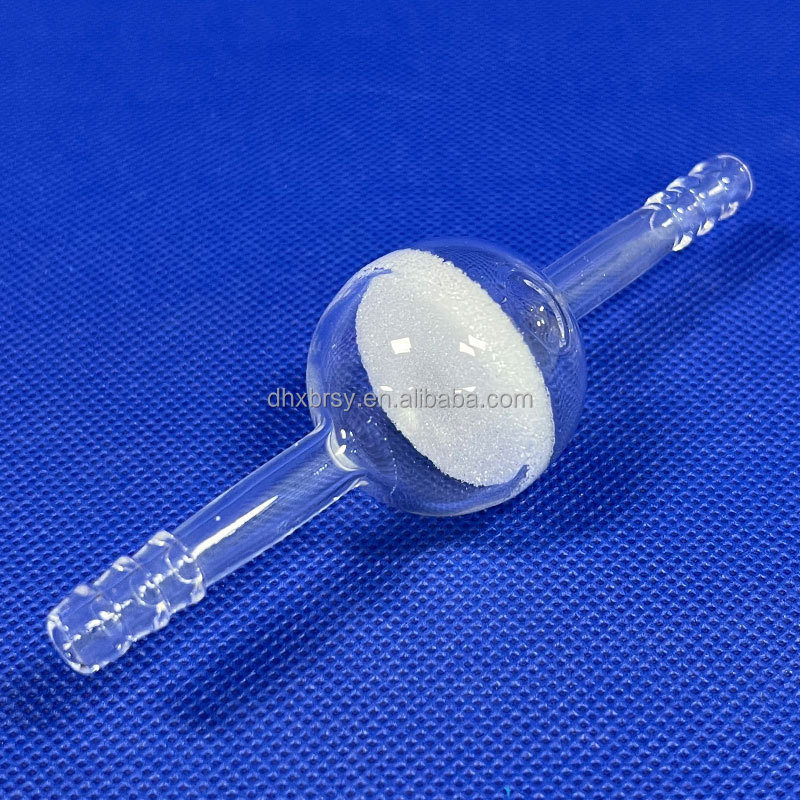
High Purity Transparent Fused Quartz Sheet & Digestion Tube
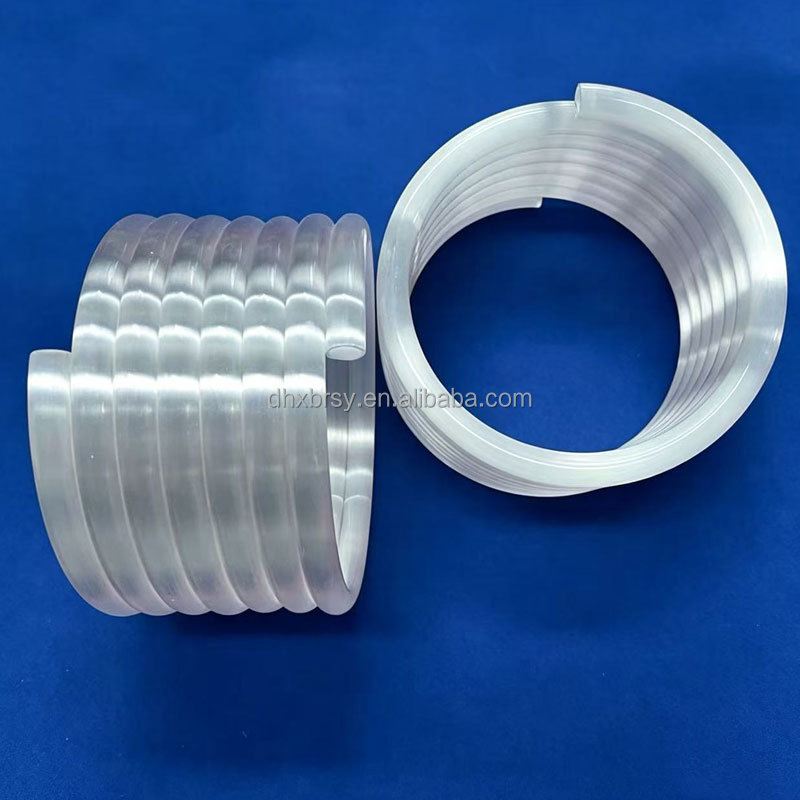
Milky White Opaque Fused Silica Spiral Helix Coil
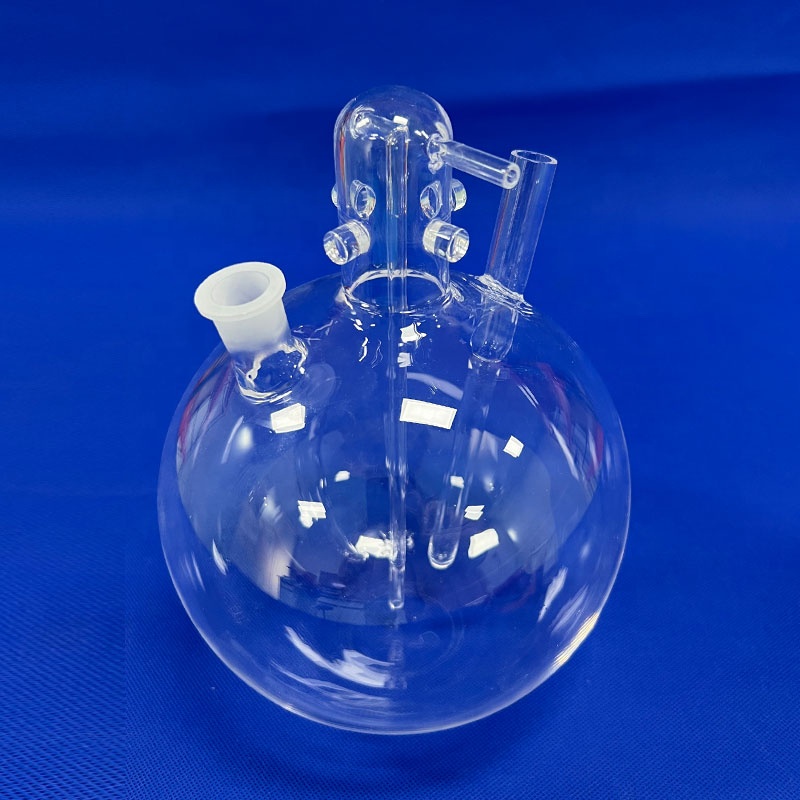
419 Processing High Purity SiO2 Laser Reactor Instrument
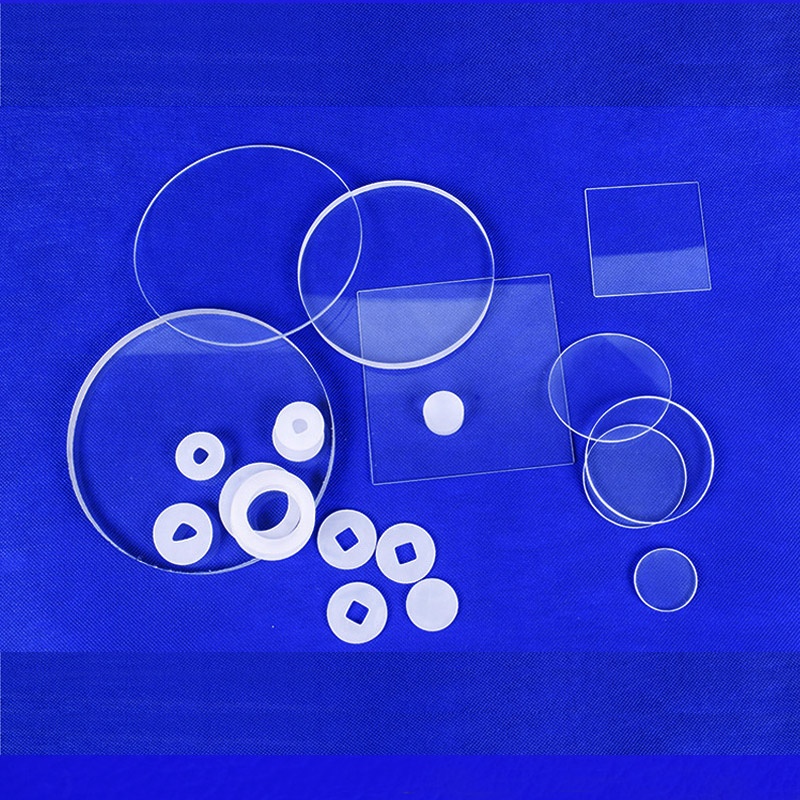
JGS1 BAO RAN Deep-UV Fused Quartz Laser Plate
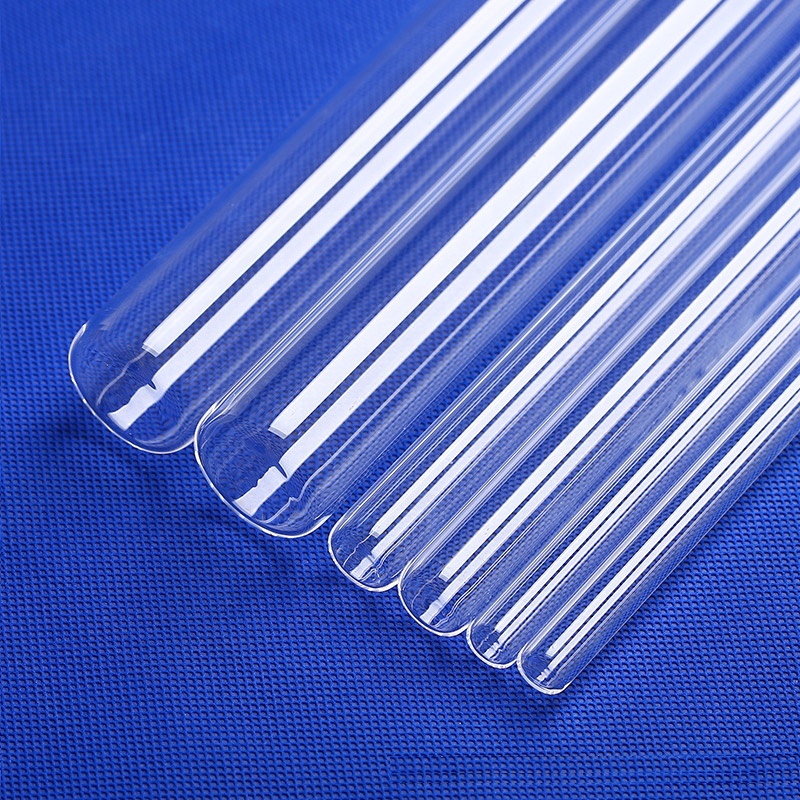
Customized Clear Quartz Tube (One End Closed Bottom)
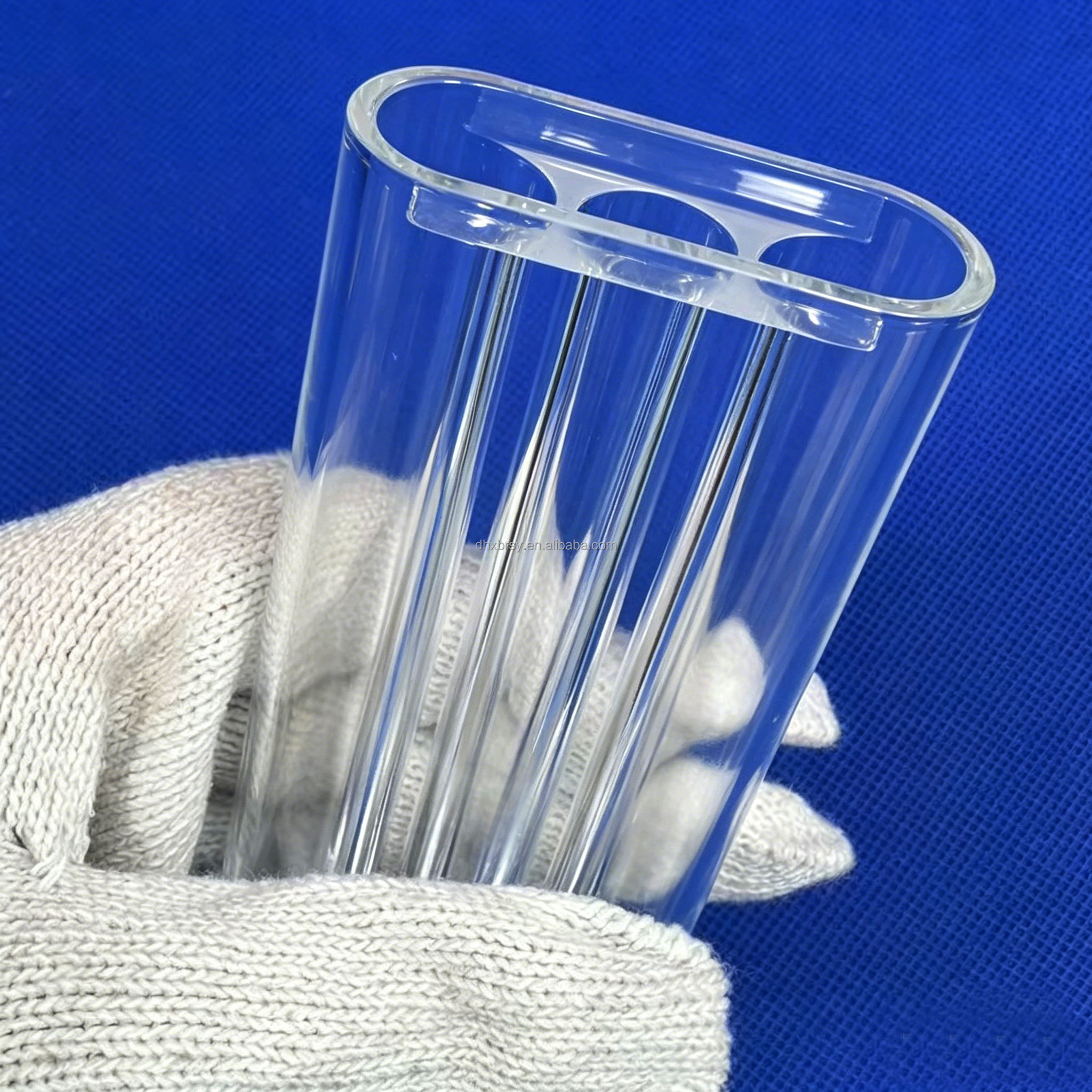
916Factory Lab Furnace High-Temperature Quartz Tube
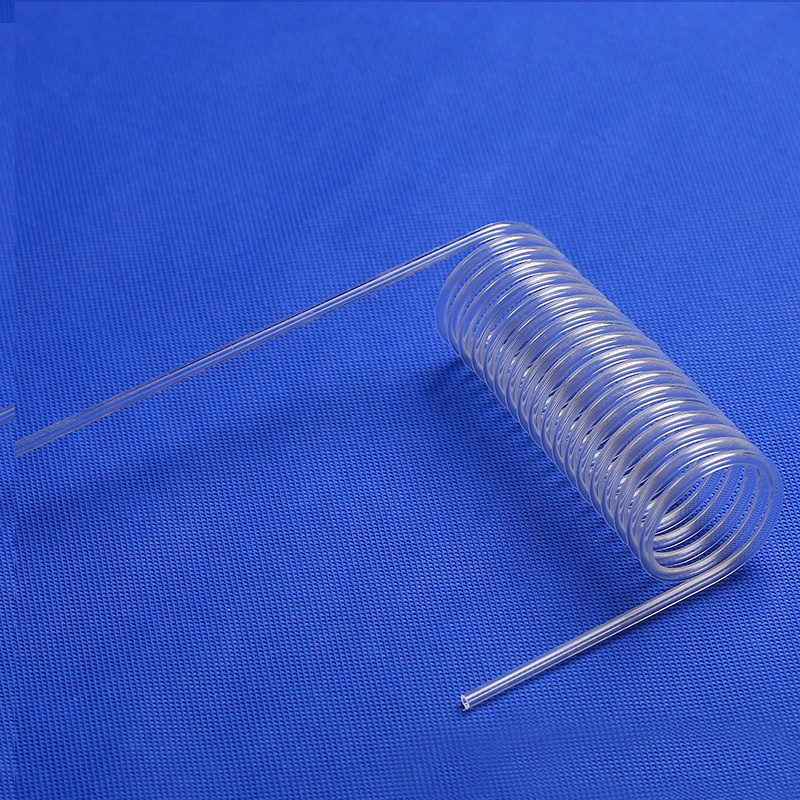
Yellow Clear High Purity Fused Quartz Spiral Tube
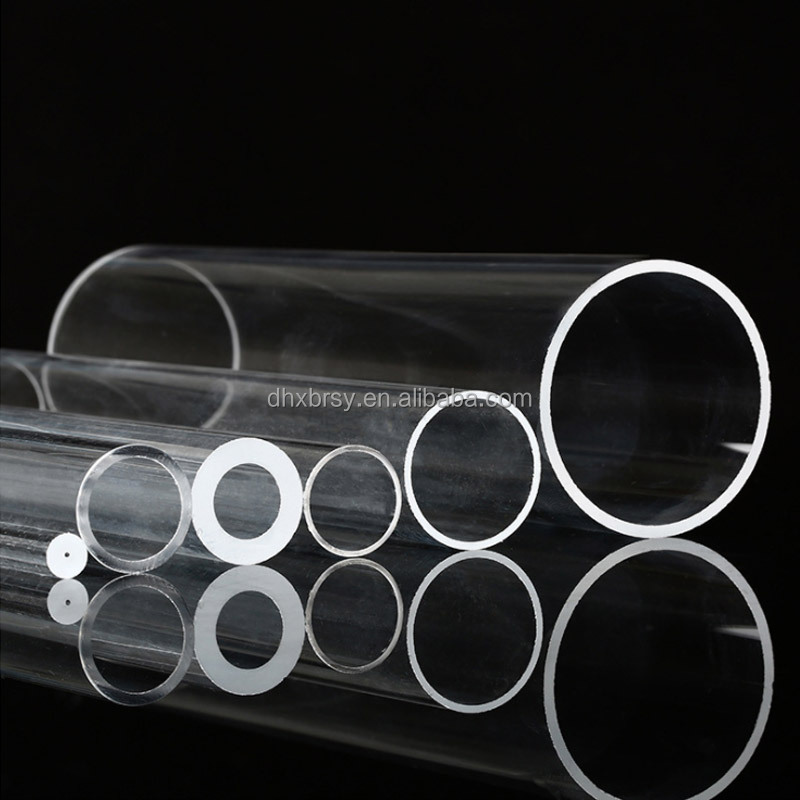
BAO RAN SiO2 Heating & Disinfection Quartz Tube
Engineering Whitepaper: Precision Quartz U-Tubes & Custom Fused Silica Systems for Zurich's Advanced Industrial & Research Clusters
The Canton of Zurich, anchored by world-class academic institutions such as ETH Zurich and the University of Zurich (UZH), alongside elite industrial enclaves throughout Winterthur, Dübendorf, and Schlieren, stands as Europe's focal point for precision engineering, photonics, quantum computing hardware, and micro-reaction analytical systems. In these hyper-critical applications, generic glass materials such as borosilicate or aluminosilicate fail due to excessive thermal expansion, chemical leaching, and poor optical transmission across deep ultraviolet (DUV) or near-infrared (NIR) wavelengths. Lovri Quartz Products Co., Ltd. serves as an authoritative custom OEM quartz U tube supplier and direct factory manufacturer, delivering bespoke fused silica solutions engineered specifically to withstand these demanding environments.
Custom quartz U-tubes fulfill an essential mechanical and thermodynamic role across Swiss analytical infrastructure. Whether deployed as manometer tubes in high-vacuum systems, catalyst bed reactors in continuous flow chemistry, freeze-drying sublimation condensers, or optical cooling flow loops in high-energy laser heads, the fundamental geometry of a U-shaped fused silica tube introduces complex fluid dynamics and structural stress states. A standard straight quartz tube drawn through a vertical graphite die exhibits uniform concentricity; however, forming a precision U-bend requires advanced thermodynamic thermoforming. If not heated to the strict softening temperature range (1,680°C to 1,730°C) with continuous internal gas back-pressure, the outside radius undergoes wall thinning, ovalization, and critical residual hoop stress. Our specialized OEM fabrication protocols guarantee consistent wall thickness and zero internal micro-fissuring across every custom bend radius.
Material Classification: JGS1 vs. JGS2 vs. Synthetic Fused Silica in Zurich Applications
Procuring quartz apparatus requires an exact understanding of hydroxyl (OH⁻) content, metallic trace impurities (measured in parts per million by weight, ppmw), and transmission bands. Specifying the wrong grade can lead to unwanted solarization under UV exposure, optical distortion in spectroscopy, or premature devitrification at elevated temperatures.
| Material Grade | SiO₂ Purity | OH⁻ Content | Transmission Band | Primary Zurich Application Scenario |
|---|---|---|---|---|
| JGS1 (Synthetic Fused Silica) | ≥ 99.999% | < 5 ppm (Dry) / 1200 ppm | 185 nm – 2,500 nm (DUV to NIR) | ETH Zurich nanotech UV lithography, laser flow cells, excimer laser viewports, quantum optics. |
| JGS2 (Optical Fused Quartz) | ≥ 99.99% | ≈ 30 – 80 ppm | 220 nm – 2,500 nm | Spectrophotometric U-cells, chemical digestors, sight glasses, semiconductor process monitors. |
| JGS3 (Infrared Fused Quartz) | ≥ 99.99% | < 5 ppm | 260 nm – 3,500 nm (IR Optimized) | Industrial IR heating elements in Winterthur toolmaker furnaces, pyrometer optical windows. |
| Opaque Fused Silica | ≥ 99.9% | Variable | Diffuse / Thermal Reflector | Thermal insulation baffles, vacuum furnace shields, high-heat radiant heating cassettes. |
Synthetic quartz grades such as JGS1 exhibit negligible metallic contaminants (aluminum < 0.05 ppm, iron < 0.02 ppm, alkali metals < 0.1 ppm). When utilized by research clusters in the Greater Zurich Area for atomic layer deposition (ALD) or metal-organic chemical vapor deposition (MOCVD), our JGS1 quartz components eliminate all risks of volatile trace metals diffusing into pristine semiconductor crystal lattices.
Geometric Topologies & Precision CNC Customizations for Quartz U-Tubes
Standard quartz stock rarely matches the intricate integration demands of Swiss instrumentation OEMs. At Lovri Quartz, our in-house glassworking lathes, four-axis CNC ultrasonic machining centers, and automated glass blowers support multifaceted design architectures tailored to custom client drawings in DXF, STEP, or PDF format.
Precision Calibrated Capillary U-Tubes
Fabricated with internal bore diameters down to 0.2 mm with tolerances within ±0.015 mm. Widely utilized across Zurich biotech institutions for capillary electrophoresis, microfluidic cooling, and rheological viscosity monitoring under extreme temperature variations.
Vacuum-Jacketed & Double-Walled U-Tubes
Featuring an outer insulating jacket evacuated to 10⁻⁵ mbar with internal getters to prevent convective heat losses. Engineered for low-temperature quantum cryostats and aggressive exothermic synthesis loops operating across Schlieren chemical corridors.
Flanged & Ground-Joint Quartz U-Systems
Integrated with NW/KF vacuum flanges, standard taper ground joints (e.g., NS 14/23, NS 29/32), or spherical ball-and-socket connections. Hermetically fused using automated hydrogen-oxygen torches to achieve leak rates < 1 × 10⁻¹⁰ mbar·l/s for ultra-high vacuum (UHV) lines.
Localized Application Scenarios across Greater Zurich
The Greater Zurich economic zone blends advanced academic inquiry with high-value, export-oriented industrial manufacturing. Quartz U-tubes and specialized silica glassware perform indispensable functions across these key sectors:
1. ETH & Empa Nanotech Research
High-vacuum sublimation, inert gas purification trains, and atomic layer thermolysis. Quartz U-tubes withstand volatile halides and aggressive organometallics at operating temperatures beyond 1,000°C without devitrifying.
2. Zurich MedTech & Bio-Analytics
Automated clinical analyzers, flow-through spectrophotometric cuvettes, and microfluidic blood dialysis research. The non-porous, chemically unreactive SiO₂ surface prevents protein adsorption and cross-sample contamination.
3. Winterthur Industrial Furnaces
Industrial heating tubes, radiant element sheaths, and catalytic incineration traps. Quartz tubes provide exceptional resistance to thermal shock, permitting rapid cycling from ambient room temperature directly to 1,000°C.
4. Quantum Optics & Laser Heads
Water-cooled quartz flow jackets and U-bend coolant return paths for industrial solid-state lasers. High optical clarity allows undistorted flashlamp transmission while withstanding continuous deionized cooling water erosion.
Emerging Procurement & Technological Trends in the Zurich Precision Sector
As Zurich continues to reinforce its stature as a European center for deep tech, three pronounced procurement trends are redefining how local engineering teams source custom OEM fused quartz glass:
1. Stringent Quality Documentation & Material Traceability
Swiss manufacturing standards, heavily guided by SN EN ISO 9001 and exacting cleanroom protocols, increasingly mandate comprehensive optical and chemical certification. Zurich buyers cannot afford batch-to-batch variations in refractive index, bubble density (DIN ISO 10110-3 standards), or geometric circularity. Lovri Quartz fulfills this requirement by providing lot-specific spectrophotometer transmission curves, polariscope birefringence reports, and raw material mass spectrometry assay documents for every export delivery.
2. Transition to Micro-Reactor Flow Chemistry
Pharmaceutical and fine chemical research organizations throughout Zurich and nearby Basel are rapidly migrating from conventional batch glass reactors to continuous micro-channel reactors. Fused quartz U-tubes, equipped with precision micro-bores and integrated optical windows, facilitate direct in-situ Raman and FTIR spectroscopic monitoring. The superior thermal conductivity and chemical inertness of high-purity quartz enable extreme reaction conditions under elevated pressures that would disintegrate ordinary lab glassware.
3. On-Demand Prototyping Coupled with Scalable Production
Startups spun out of ETH Zurich require agile 1-to-5 piece prototyping for initial proof-of-concept validation, followed by seamless scalability to thousands of production units once instruments enter commercial manufacture. By maintaining full in-house control from raw silica pulverization to high-precision CNC multi-axis milling, Lovri Quartz provides rapid prototype turnaround times within 7 to 10 days, followed by volume price amortization.
Factory-Direct Capabilities & OEM Advantages: Why Zurich Engineers Partner with Lovri Quartz
Located in Lianyungang, Jiangsu — the global center of silicon resource processing and fused silica manufacturing — Lovri Quartz Products Co., Ltd. operates a vertically integrated 14,271 m² production complex inspected on-site by SGS Group. By controlling every stage of production internally, we eliminate intermediaries, ensure uncompromising batch consistency, and offer unbeatable value to Swiss partners.
Purity Control at Source
We source raw natural quartz lumps, crushed and multi-stage acid pickled in-house to achieve 99.99% SiO₂ content with near-zero trace heavy metal contamination.
Continuous Drawing Lines
Automated vertical and horizontal drawing towers yield quartz tubes and rods with tight concentricity, uniform wall thickness, and precise outer diameters ranging from 1 mm to 450 mm.
Precision Glass Lathe Bending
Custom U-tubes are formed using specialized computerized hydrogen-oxygen burner rigs, maintaining uniform wall thickness across bends without collapse or ovalization.
Deep Annealing & Stress Relief
Every formed U-tube undergoes controlled thermal annealing at 1,215°C in our high-capacity furnaces, followed by slow cooling to eliminate microscopic lattice strains.
Polariscope Verification
Every component is individually evaluated using cross-polarized optical birefringence testers. Only parts exhibiting zero optical distortion and minimal fringe retardance pass to packaging.
Export Cleanroom Packaging
Components are ultrasonic-cleaned, vacuum sealed in double-layer polyethylene antistatic bags, encased in dense closed-cell EPE foam, and packed into reinforced export wooden crates.
Frequently Asked Questions for Zurich Procurement Officers & Engineers
Practical answers addressing technical specifications, logistics, customs clearance, and manufacturing tolerances for Swiss clients importing custom fused quartz apparatus.
How do you ship fragile quartz U-tubes to Zurich Airport (ZRH) or directly to our facility in Zurich?
What dimensional tolerances can you maintain across the bend and legs of a custom quartz U-tube?
Can you produce custom quartz U-tubes with fused flanges, ground joints, or optical flat windows?
How do your fused silica U-tubes perform under continuous high-temperature thermal cycling?
Can we order low-volume prototypes for academic testing at ETH Zurich or UZH?
Are Lovri Quartz materials compliant with Swiss and European chemical directives (RoHS / REACH)?
Request a Custom Quote or Engineering Consultation for Your Zurich Facility
Send us your drawings (PDF, STEP, DXF), working parameters (temperature, pressure, transmission requirements), and target quantities. Our technical sales engineers will review your request and reply within 24 hours with an official DFM evaluation and transparent factory quotation.