99.99% SiO₂
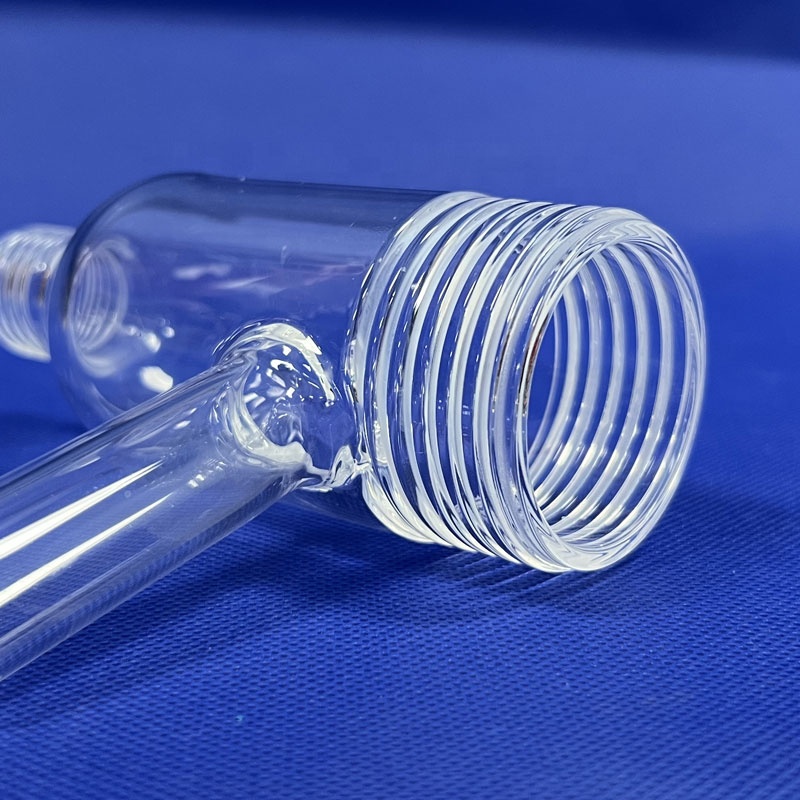
Engineered to mitigate alkali outgassing and survive rigorous thermal ramping. Recommended selections for academic cleanrooms, semiconductor manufacturing, and robotics prototyping across the Region of Southern Denmark (Syddanmark).
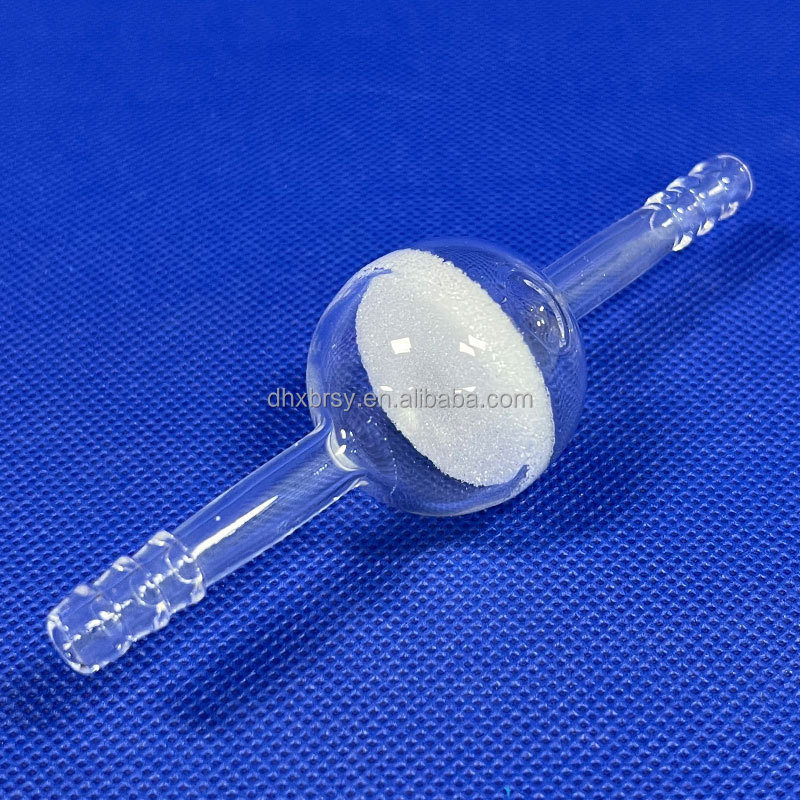
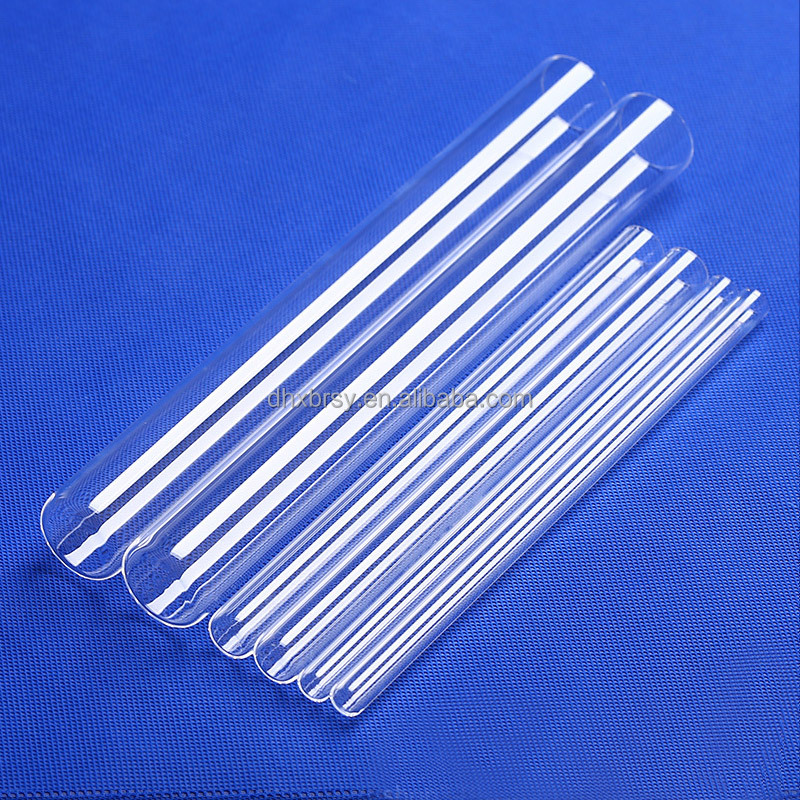
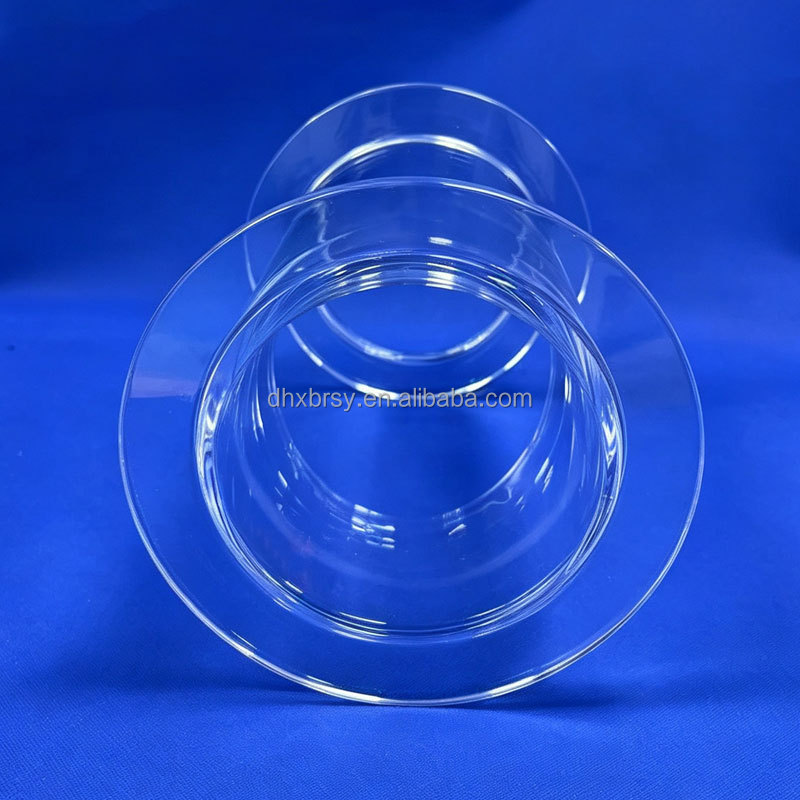
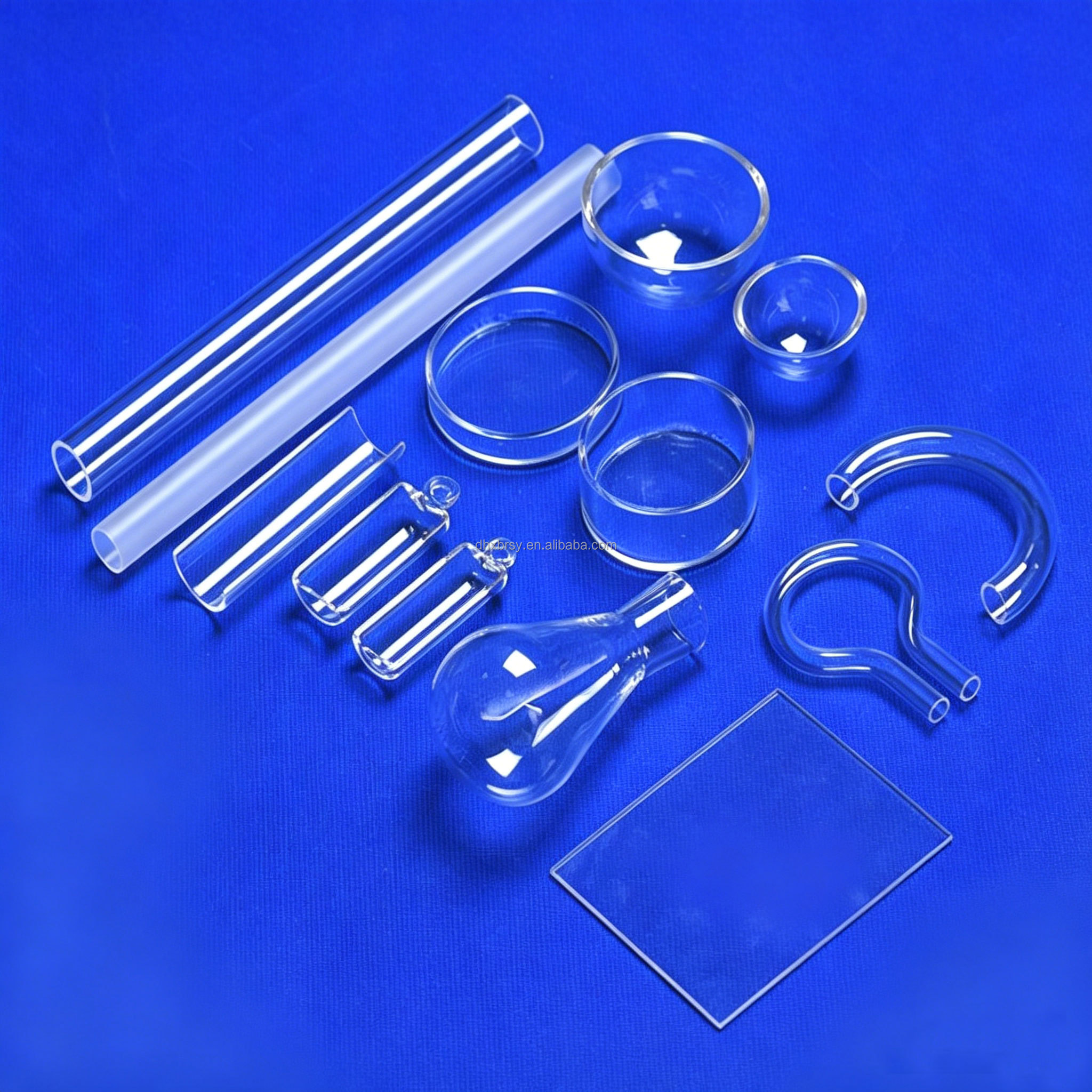
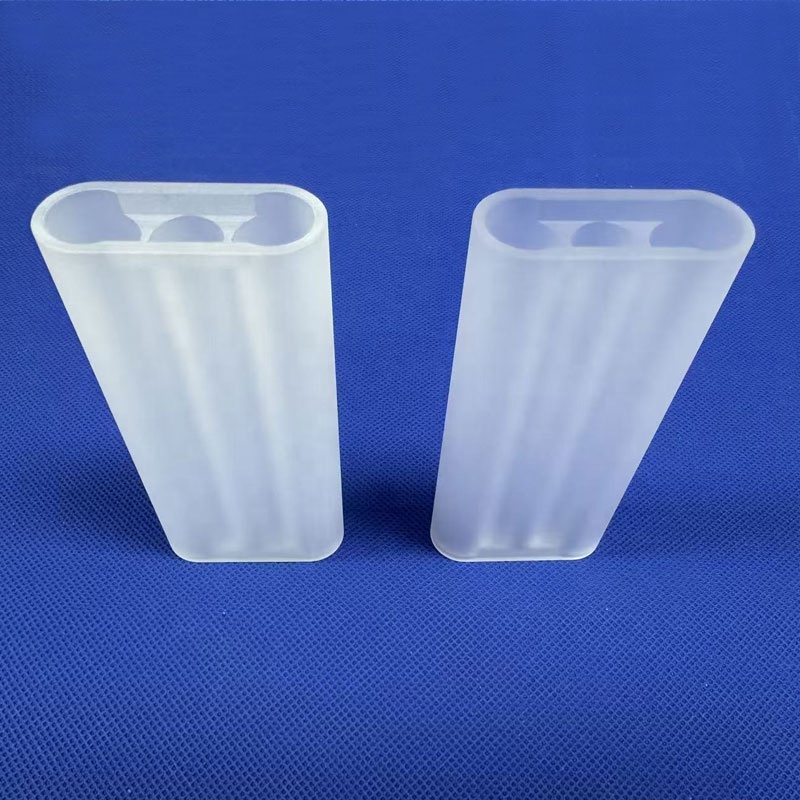
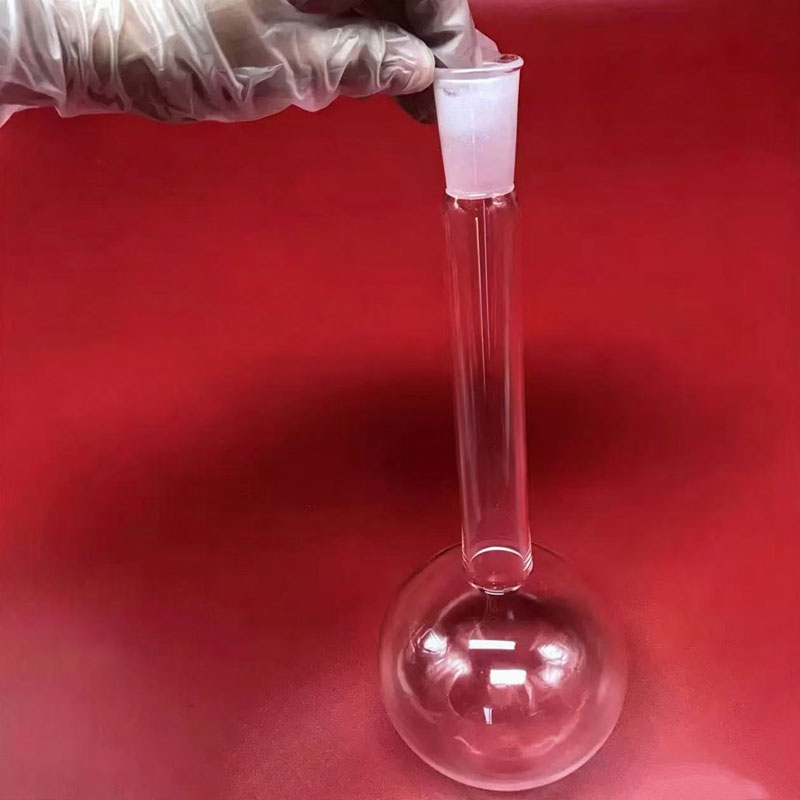
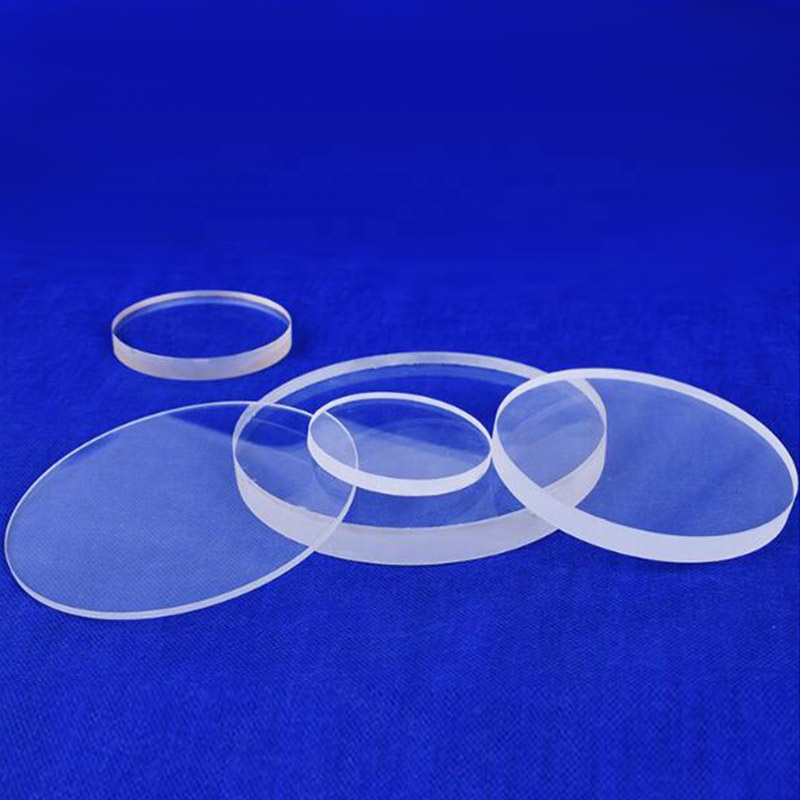
Odense is universally acknowledged as a premier robotics capital in Europe, anchored by Odense Robotics, the University of Southern Denmark (SDU), and expanding industrial research clusters. Fused quartz crucibles and thermal reaction chambers play a decisive role across local laboratory and production facilities.
Collaborative robotics manufacturers and end-effector developers in Odense require specialized optical and conductive materials. Our high-purity fused quartz crucibles provide completely inert environments for smelting non-ferrous alloys, rare-earth metals, and specialized glass-to-metal bonding alloys without introducing trace metal contamination (Fe, Cu, or Na).
At research departments within the Mads Clausen Institute and SDU CAMPUS Odense, researchers push boundaries in nanofabrication, quantum materials, and organic solar cells. Our double-flanged transparent quartz cylinders and bottom-tapered crucibles serve as reaction chambers and thermal evaporation boats holding stable vacuums under 10⁻⁵ Pa.
The burgeoning Life Science sector on the island of Funen uses fused silica dishes and custom flat-bottom crucibles for dry ash digestion, high-temperature calcination, and cleanroom acid evaporation. Our synthetic raw quartz material completely eliminates leaching concerns during strict chemical decomposition processes.
Procurement engineers in Funen and the Syddanmark region frequently evaluate Fused Quartz (SiO₂) against Borosilicate 3.3, Alumina (Al₂O₃), and Zirconia for clean-room high-temperature thermal cycling.
| Performance Characteristic | Lovri High-Purity Fused Quartz | Borosilicate Glass 3.3 | High-Purity Alumina (99.7% Al₂O₃) |
|---|---|---|---|
| Maximum Working Temp. (Continuous) | 1,100 °C - 1,150 °C | 450 °C - 500 °C | 1,600 °C - 1,700 °C |
| Peak Transient Temperature | 1,300 °C - 1,400 °C | 520 °C | 1,750 °C |
| Thermal Expansion (CTE: 20-300°C) | 5.5 × 10⁻⁷ K⁻¹ (Negligible Shock) | 33 × 10⁻⁷ K⁻¹ (Moderate Shock Risk) | 80 × 10⁻⁷ K⁻¹ (High Thermal Shock Risk) |
| Thermal Shock Tolerance (ΔT Quenching) | Direct drop from 1,100°C into 20°C water | Fractures above ΔT = 150°C | Fractures on rapid air draughts |
| Optical Clarity / In-situ Inspection | UV to NIR (185nm - 3,500nm Transmittance) | Vis Only (Opaque in Deep UV) | Opaque (Zero process visibility) |
| Chemical Attack Resistance | Unaffected by Aqua Regia, HCl, HNO₃, H₂SO₄ | Degrades in basic/acidic cycling | Vulnerable to selective corrosive slags |
Mapping technological transformation across the Odense robotics cluster, green energy pilots, and university-affiliated incubator initiatives.
Denmark's strategic shift toward electrification, wind turbine power converters, and high-efficiency electric drivetrains demands Silicon Carbide (SiC) and Gallium Nitride (GaN) microelectronic fabrication. High-temperature epitaxy and crystal growth necessitate heavy-wall quartz crucibles with impurity levels below 10 ppm.
Odense's rapid iterative hardware prototyping cycle means robotics integrators can no longer endure 16-week lead times for custom thermal glassware. Direct-from-source manufacturers capable of translating STEP, DWG, and CAD files into micro-machined crucibles within days have become mission-critical supply-chain partners.
Danish corporate governance policies strictly mandate supply chain verification, requiring ISO-compliant production, RoHS certification, and long-lifespan equipment. Fused quartz crucibles with reinforced rims and stress-annealed matrices reduce catastrophic thermal shatter, curtailing hazardous waste in lab and production lines.
Combining domestic raw mineral extraction in Lianyungang with rigorous European delivery precision and certified stress-annealing protocols.
Our 14,271 m² production infrastructure in Lianyungang, China's core quartz cluster, has been fully audited on-site by SGS Group, verifying comprehensive manufacturing legitimacy and precision standards.
We do not purchase unverified semi-finished glass. We pulverize, multi-stage rescreen, and acid-pickle select raw natural quartz rocks directly into 99.99% SiO₂ sand prior to electric or flame fusing.
Thermal cracking originates from unannealed cooling tension. Every crucible, reaction tube, and custom vessel undergoes programmed furnace annealing verified under circular polarization stress meters.
Equipped with specialized diamond-tooled CNC cutting, boring, edge beveling, ground taper joints, flat-bottom milling, and ultrasonic micro-drilling accurate to ±0.05 mm tolerances.
Engineered multi-layer expandable PE foam inserts, vacuum-sealed barrier films, and fumigated timber outer crates guaranteed to withstand air and sea freight handling directly to Odense docks or SDU campus labs.
We support university academic trials and specialized industrial R&D with single-piece customized prototype fabrication before scaling into multi-hundred containerized supply lines.
Direct technical answers addressing customs, freight, devitrification, and thermal tolerances for procurement officers and laboratory directors in Odense.
Transparent fused quartz is processed using high-temperature electrical or oxyhydrogen melting to yield virtually zero micro-bubbles, providing maximum optical transmission and high mechanical strength against aggressive chemical vapors. Opaque (milky-white) fused silica utilizes electric arc fusion where microscopic gas inclusions are intentionally entrapped to reflect infrared radiation, providing uniform thermal distribution ideal for bulk alloy melting and large induction furnaces.
Devitrification (re-crystallization from amorphous glass into cristobalite) is accelerated by surface contamination—primarily alkaline metal ions (Na, K, Li) and finger oils. Lovri crucibles undergo strict ultrasonic deionized water bathing and final 30% nitric acid passivation to eliminate trace surface impurities. Provided users prevent alkali contact and operate below 1,150°C, our crucibles offer prolonged lifecycles without hazing or micro-cracking.
For custom CNC-machined crucibles or reaction vessels fabricated to drawing, production typically takes 7 to 12 working days. We ship urgent university research shipments via DHL Express or FedEx International Priority directly to Odense postal codes within 3 to 5 business days. Consolidated bulk commercial shipments arrive via Port of Copenhagen or Port of Aarhus, cleared through Danish Customs with complete RoHS, CE, and material certificates of analysis (COA).
Yes. Fused quartz features an extraordinarily low coefficient of thermal expansion (5.5 × 10⁻⁷ /°C), which is nearly 1/6 that of standard borosilicate glass. A high-purity transparent quartz crucible heated to 1,100°C can be plunged into room-temperature water without mechanical failure or structural fractures, making it the premier material for thermal shock resistance.
Yes. Our in-house engineering team regularly works from 3D models (STEP, IGES) and 2D mechanical drawings (DWG, PDF). Whether you require tapered sidewalls for easy ingot release, reinforced structural lips, custom sight windows, or bottom discharge ports with precision ground joints, our multi-axis CNC machines and lathe masters can build to your exact tolerances.
All commercial consignments are accompanied by standardized international trade documentation, including HS Code classification (typically under 7017.10 for fused quartz laboratory and industrial apparatus), Certificate of Origin, Packing List, and Commercial Invoice. This ensures prompt clearance through SKAT (Danish Customs and Tax Administration) and your local freight forwarder.
Submit your operating temperatures, chemical exposure profiles, and design drawings. Our factory engineers will assess manufacturability, verify tolerances, and provide direct factory pricing within 24 hours.