High Purity
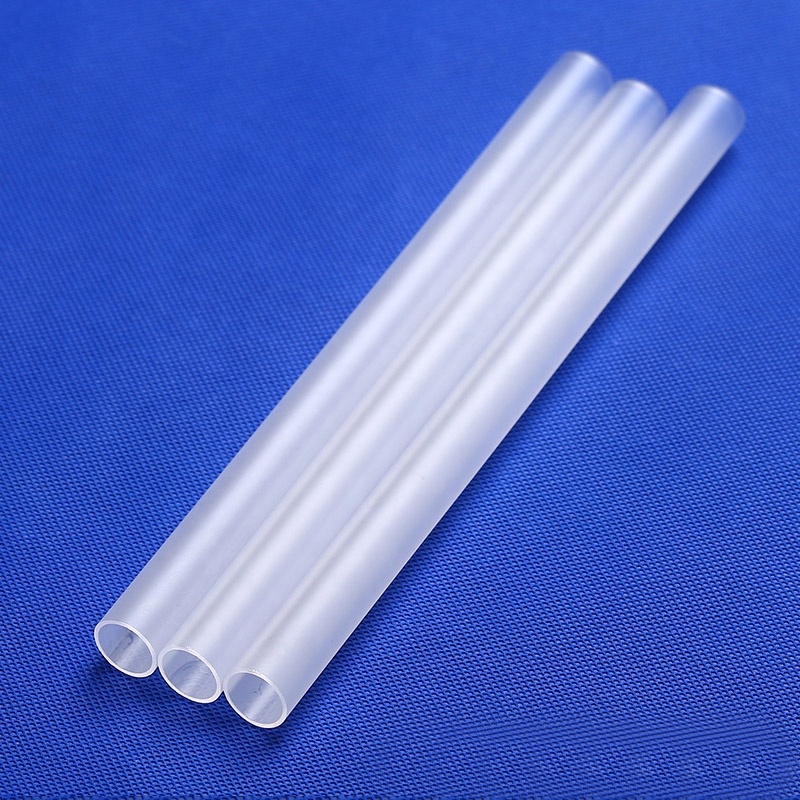
Direct factory supply featuring ultra-low thermal expansion, superior spectral transmission from deep-UV through near-infrared, and tight dimensional tolerances verified under optical polariscopes.
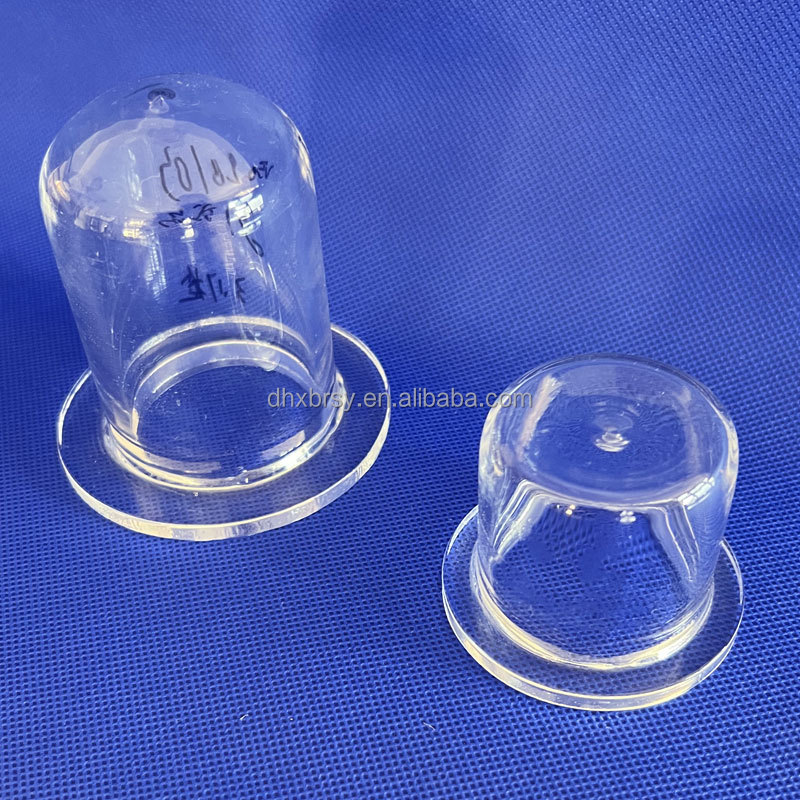
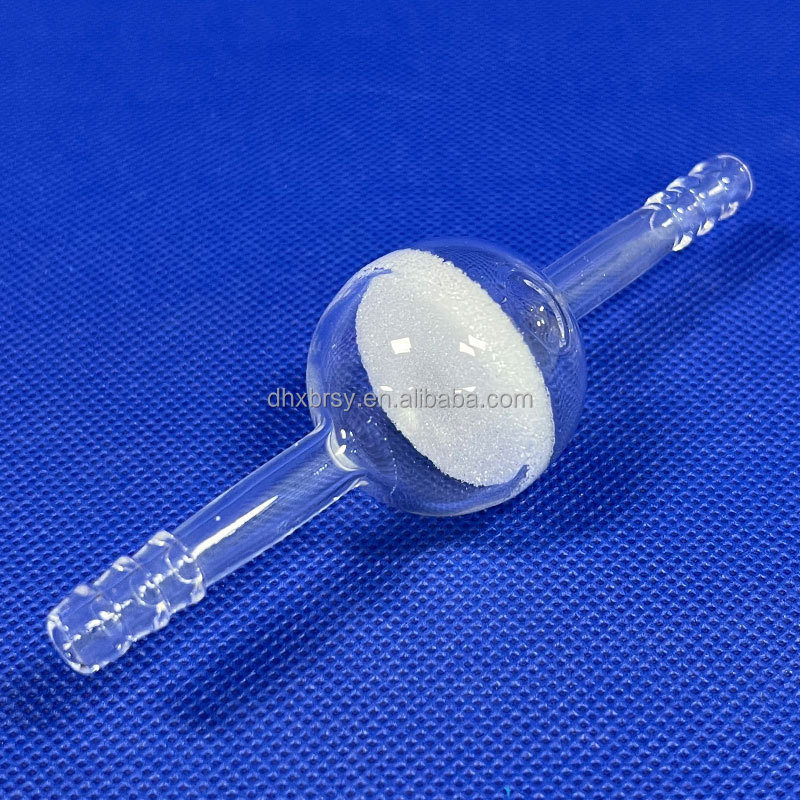
Verified Factory Scale
Silicon Dioxide (SiO₂)
Annealing Point Capacity
CNC Machining Tolerance
Navigating the sourcing matrix for fused quartz in the All Saints market demands an uncompromising understanding of material thermodynamics, trace impurity consequences, and optical homogeneity. Modern industrial installations across the territory have shifted from commercial borosilicate materials to synthetically refined fused silica and high-purity natural fused quartz (SiO₂ content ≥ 99.99%). This migration is primarily driven by elevated operating thresholds in specialized scientific laboratories, optical telemetry operations, and high-temperature furnace designs.
When selecting supplier partnerships for critical process hardware—such as plasma etching chambers, UV sterilization reactors, or chemical vapor deposition (CVD) tubes—regional procurement teams must prioritize the structural relief of internal mechanical stress. Quartz drawn or blown without calibrated annealing cycles develops latent anisotropic birefringence, making parts prone to catastrophic mechanical failure when cycled to 1,100 °C.
Lovri Quartz addresses these exact geographic and industrial hurdles. By bypassing intermediaries and orchestrating end-to-end processing across an SGS-audited 14,271 m² facility, our engineers deliver tailor-made fused quartz apparatus that withstand severe thermal gradients, corrosives, and aggressive vacuum conditions.
From municipal clean-tech infrastructure to localized clinical treatment facilities and industrial thermal processing, discover where precision-fabricated quartz plays an irreplaceable role.
Engineered for high-output ozone generators and industrial UV water sanitization. Clear fused quartz sleeves deliver unmatched transmittance at 254 nm and 185 nm without solarization degradation.
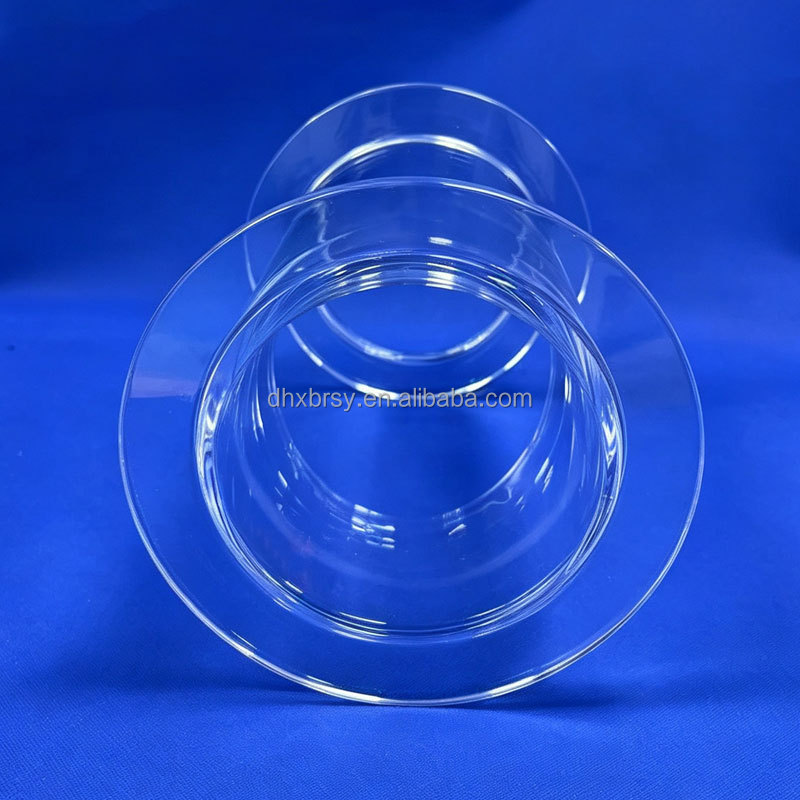
Flanged process chambers, multi-slot wafer boats, and continuous tube furnace cores crafted to survive 1,150 °C operational atmospheres while isolating wafers from heavy-metal and alkaline contamination.
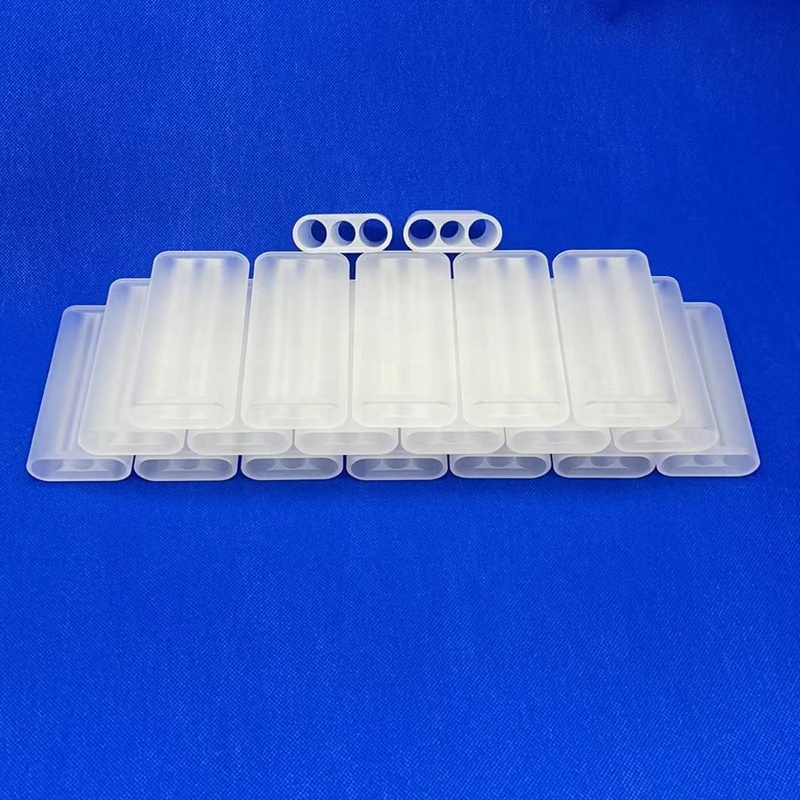
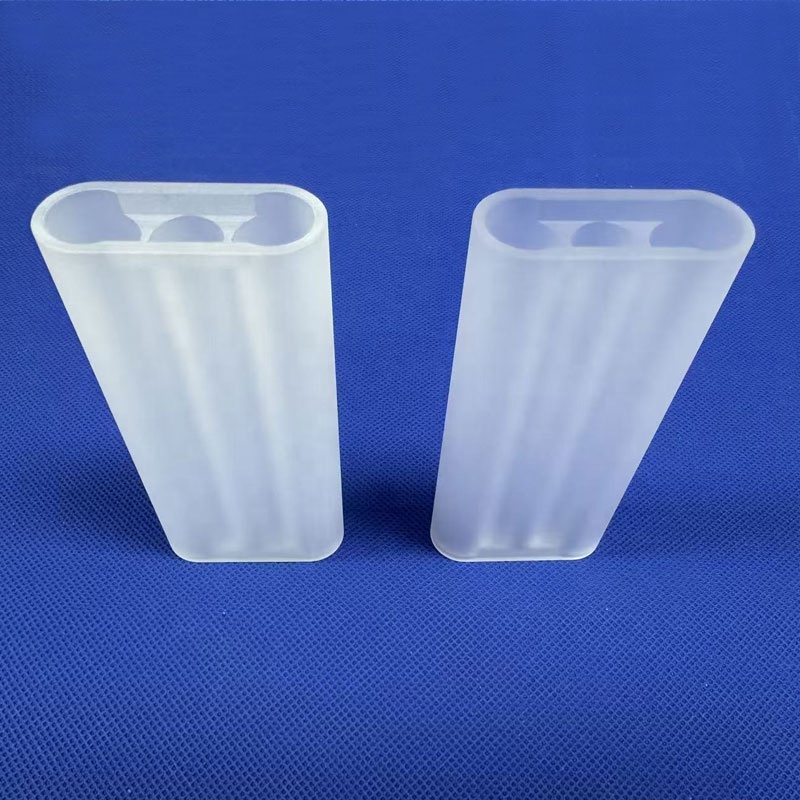
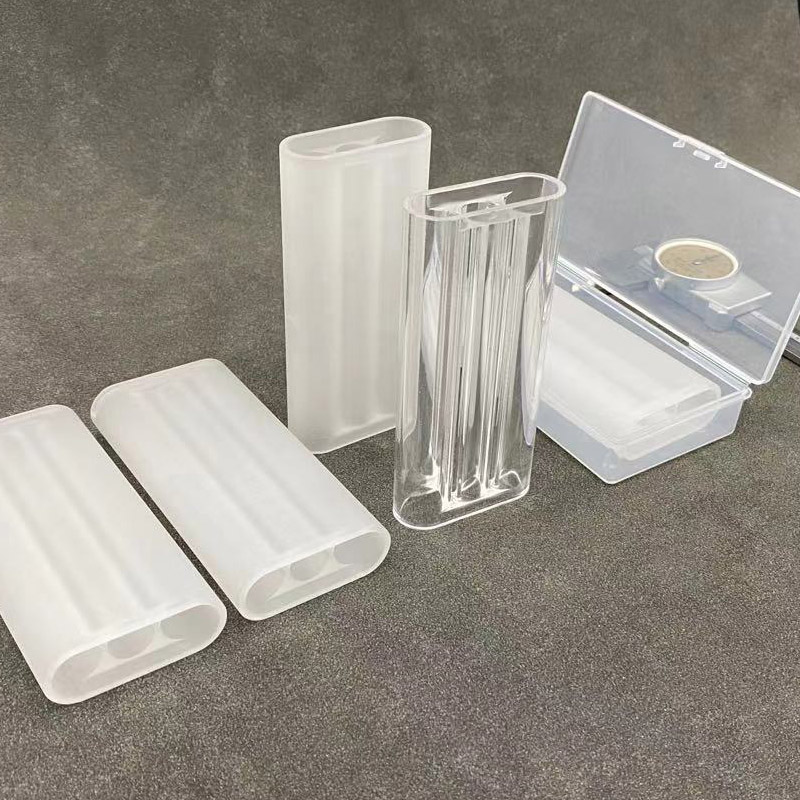
Multi-bore flow tubes and triple-bore laser cavity sleeves custom-fabricated with sub-millimeter tolerances for laser aesthetic instruments (GentleLase/GentleYag), optimizing fluid cooling dynamics.
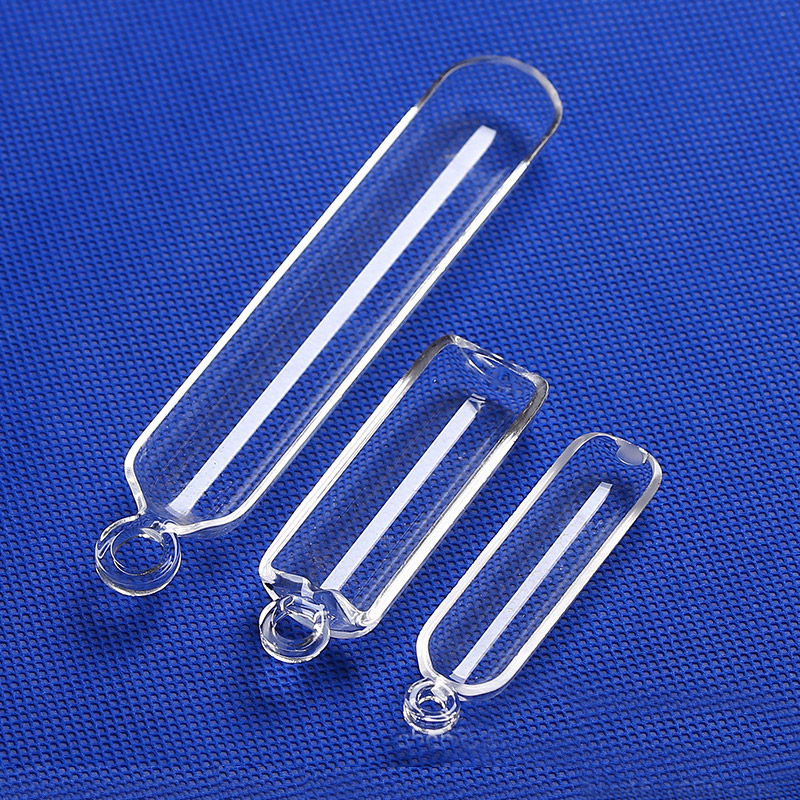
Digestive tubes, optical flow-through cuvettes, and 96-well quartz microplates designed for aggressive chemical environments, completely inert to hydrochloric, nitric, and sulfuric acids at high temperatures.
Strategic market analysis revealing how supply chain shifts, localized clean energy growth, and rigorous environmental mandates are re-shaping quartz demand.
While standard electrically fused quartz satisfies general thermal insulation needs, research hubs and high-accuracy test stations in All Saints increasingly demand synthetic fused silica (JGS1 equivalents) to achieve bubble-free optical paths and virtually zero fluorescence under deep-UV radiation.
With tightening international safety audits and environmental compliance directives, buyers are systematically phasing out small, non-certified workshops. Sourcing has consolidated around suppliers with certified quality workflows, polarization stress logs, and proven RoHS-compliant material purity.
Standardized tubular profiles no longer suffice for advanced processing facilities. Buyers are demanding turnkey finishing—including 5-axis ultrasonic CNC milling, threaded interfaces, custom ground optical flats, and complex flame-fused manifolds—delivered straight to assembly lines.
Located in Lianyungang, China's premier silica industrial cluster, our complete supply integration eliminates intermediate markups while ensuring total control over chemical composition and geometric tolerances.
From initial rock crushing, multi-stage acid leaching, and rescreening to high-temperature furnace pulling and CNC finishing, our 12-step internal process gives us comprehensive traceability over every grain of SiO₂.
Our 14,271 m² production facility has undergone meticulous on-site physical auditing by SGS Group. Production facilities, measuring equipment, and material compliance registers are fully documented and verified.
Residual structural tension is the leading cause of premature thermal fracturing. Every batch emerging from our controlled annealing ovens is verified under polarization optical stress gauges prior to final crating.
Engineered multi-layer cushioning, custom-molded high-density polyethylene foams, vacuum sealing, and fumigated reinforced wooden crates ensure our delicate components arrive safely across international borders.
Answers to common commercial and technical questions regarding lead times, material grading, drawing specifications, and logistics handling.
The choice is governed by operational wavelength and optical transparency needs. JGS1 (synthetic silica) provides maximum UV transmission (185–2500 nm) with zero bubble inclusions, ideal for excimer lasers and photolithography. JGS2 (flame-fused) covers standard UV-vis needs (220–2500 nm) for sight glasses and furnace inspection ports. JGS3 (electrically fused) offers superior infrared transmission up to 3500 nm, making it the premier pick for industrial IR heating systems.
Our clear fused quartz products operate continuously at 1,100 °C without deformation and can withstand brief thermal spikes up to 1,300 °C. The material possesses a softening point of approximately 1,730 °C. With a minuscule thermal expansion coefficient of 5.5 × 10⁻⁷ /°C, our quartz tubes survive abrupt transitions from red-hot temperatures directly into cold water without thermal shock fracturing.
Yes. Our in-house technical department accepts drawings in DXF, DWG, STEP, IGES, and PDF formats. We specialize in precision CNC milling, multi-axis surface grinding, ultrasonic core drilling, fire-polishing, custom flange fusing, and multi-bore capillary fabrication with tolerances held reliably within ±0.05 mm.
We maintain an agile production structure. For custom engineering trials, research models, and prototype designs, our MOQ starts at just 1 piece. For standardized industrial quartz tubing and flat plates, volume-tiered wholesale pricing is unlocked upon receipt of your dimensional schedules.
Every delicate quartz element is individually enveloped in anti-static protective film, isolated within high-resilience pearl-cotton cushioning, and nestled into shock-absorbing honeycomb cartons or heavy-duty plywood export crates. Our export damage claims rate remains below 0.15% across global air and sea routes.
Fused silica is completely chemically inert to virtually all acids, solvents, and neutral reagents—outperforming borosilicate glass by orders of magnitude. The only notable chemical exceptions are Hydrofluoric Acid (HF), which actively dissolves SiO₂, and concentrated hot Phosphoric Acid (above 300 °C). Strong alkaline solutions will also slowly etch the surface at elevated operating temperatures.
Connect with our senior quartz engineering specialists today. Submit your technical blueprints or dimensional specifications to receive comprehensive manufacturability feedback, material grade guidance, and rapid quotation schedules.