Featured Industrial & Scientific Fused Quartz Portfolio
Direct-from-source manufacturing of certified 99.99% SiO₂ fused silica apparatus, heavy-wall furnace tubes, UV transparent inspection windows, and custom CNC fabricated components built strictly to DIN, ASTM, and client-supplied engineering drawings.
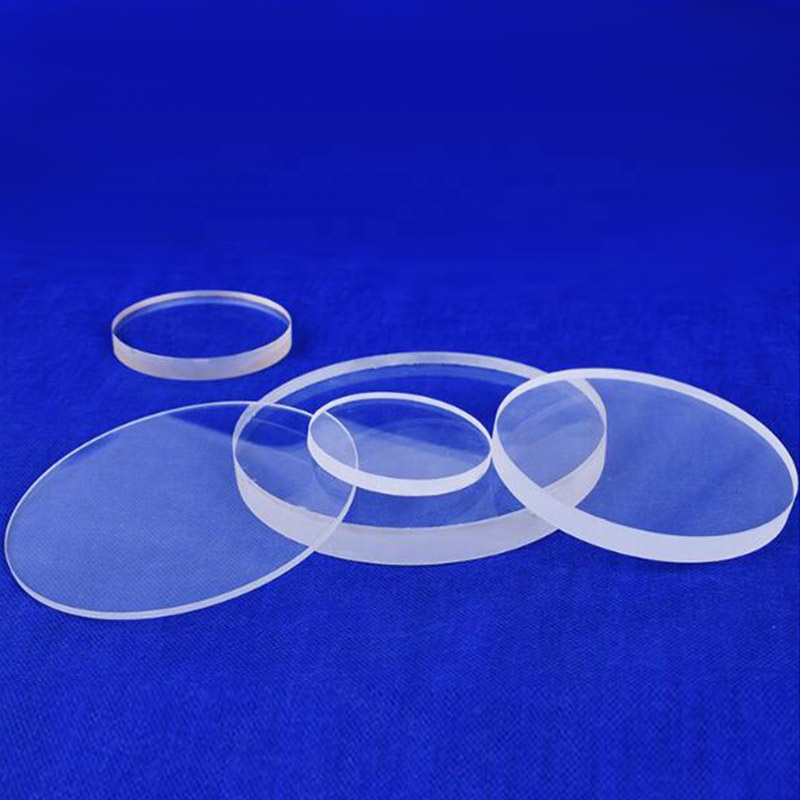
High-Purity Polishing Fused Quartz Plate/Sheet Disc
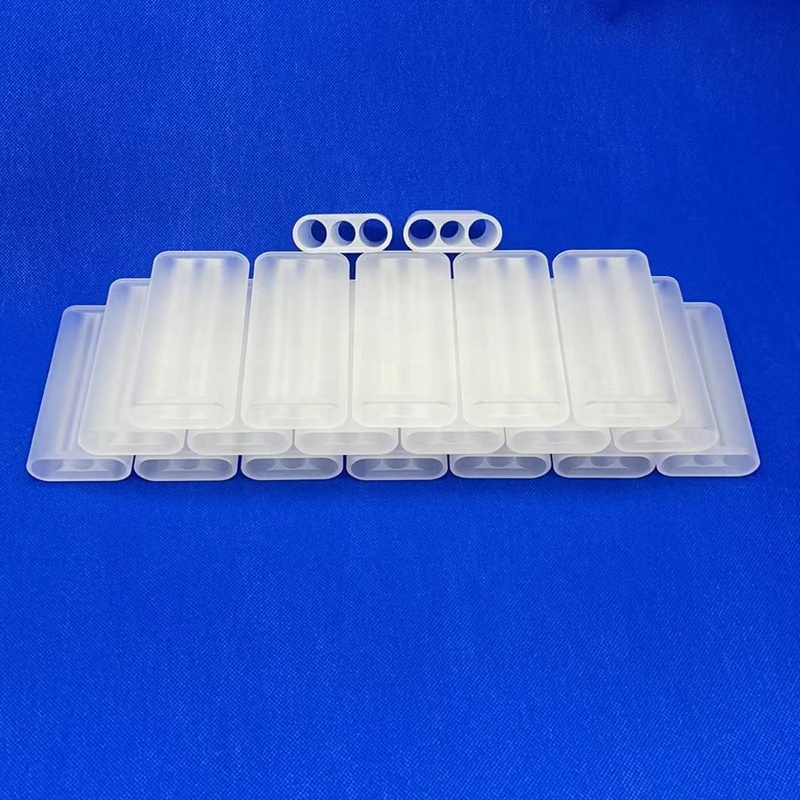
Quartz Triple Bore Laser C-Shape Flow Tubes
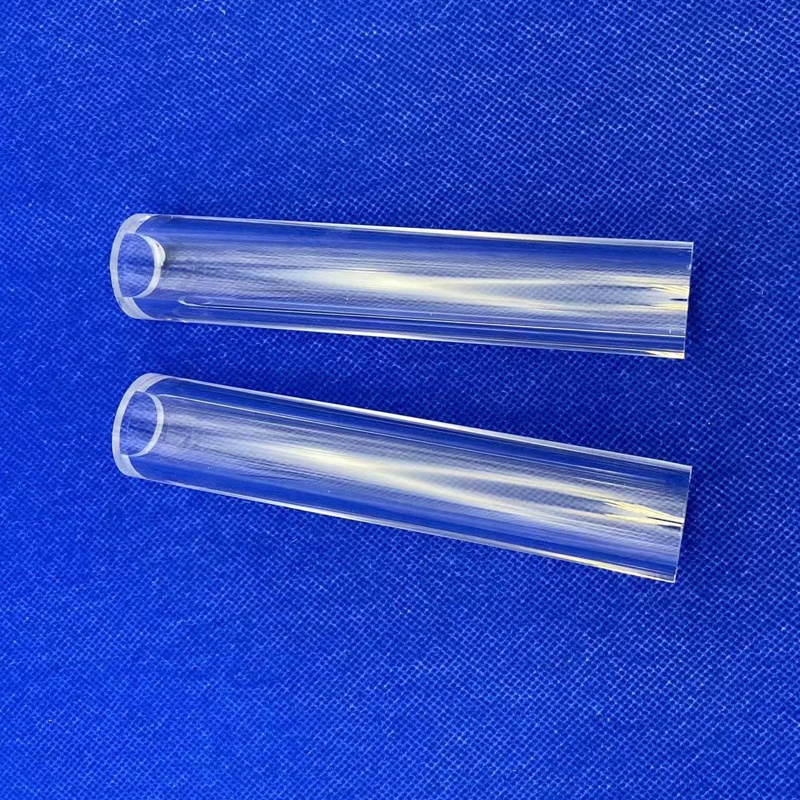
High-Precision Clear Fused Silica Glass Tube
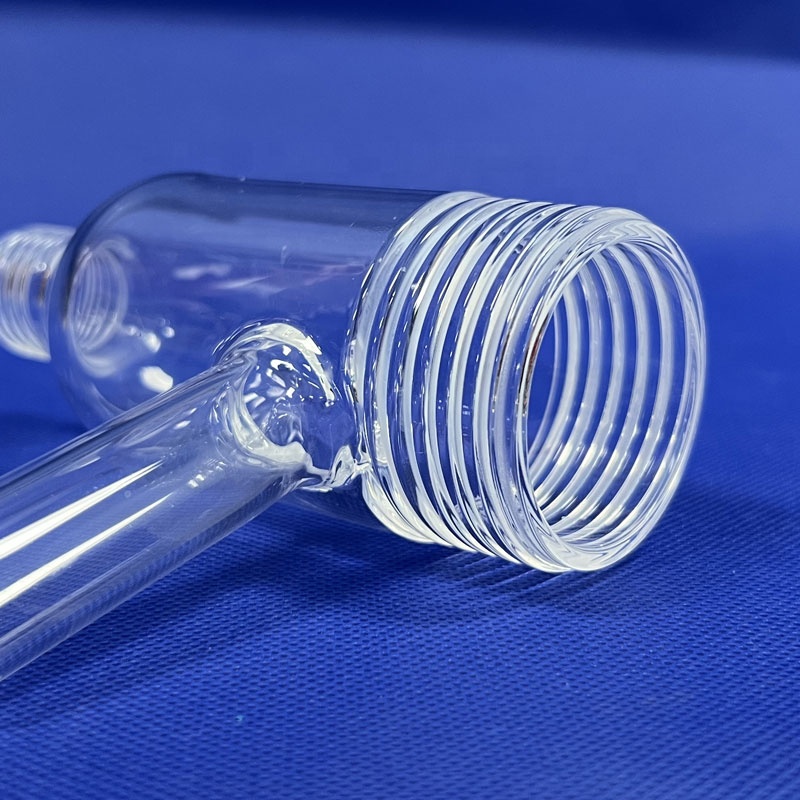
Threaded Fused Quartz Glass Reaction Vessel Tube
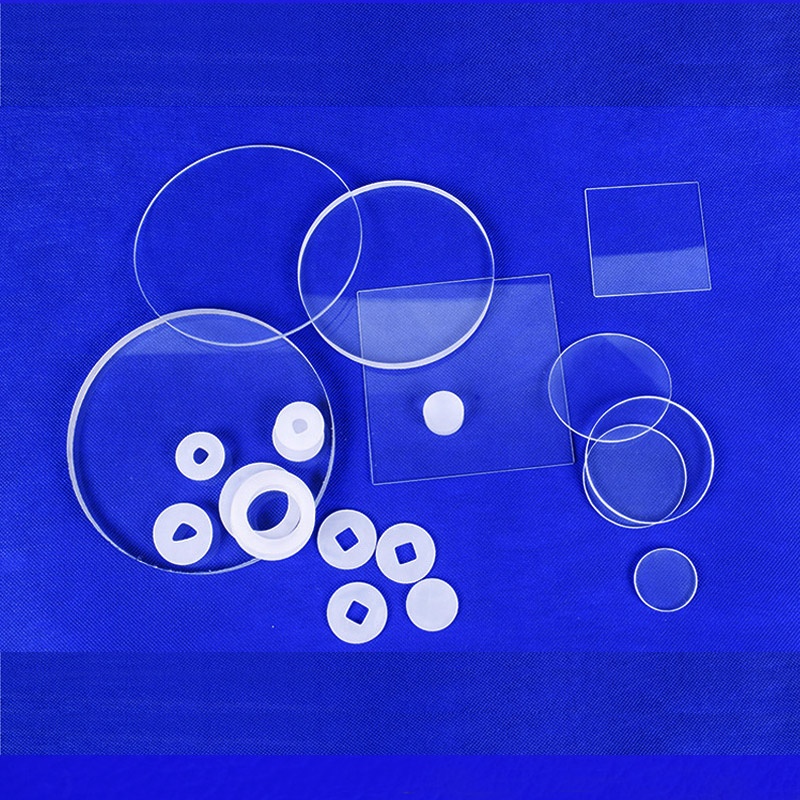
JGS1 Deep-UV Transparent Fused Quartz Sheet
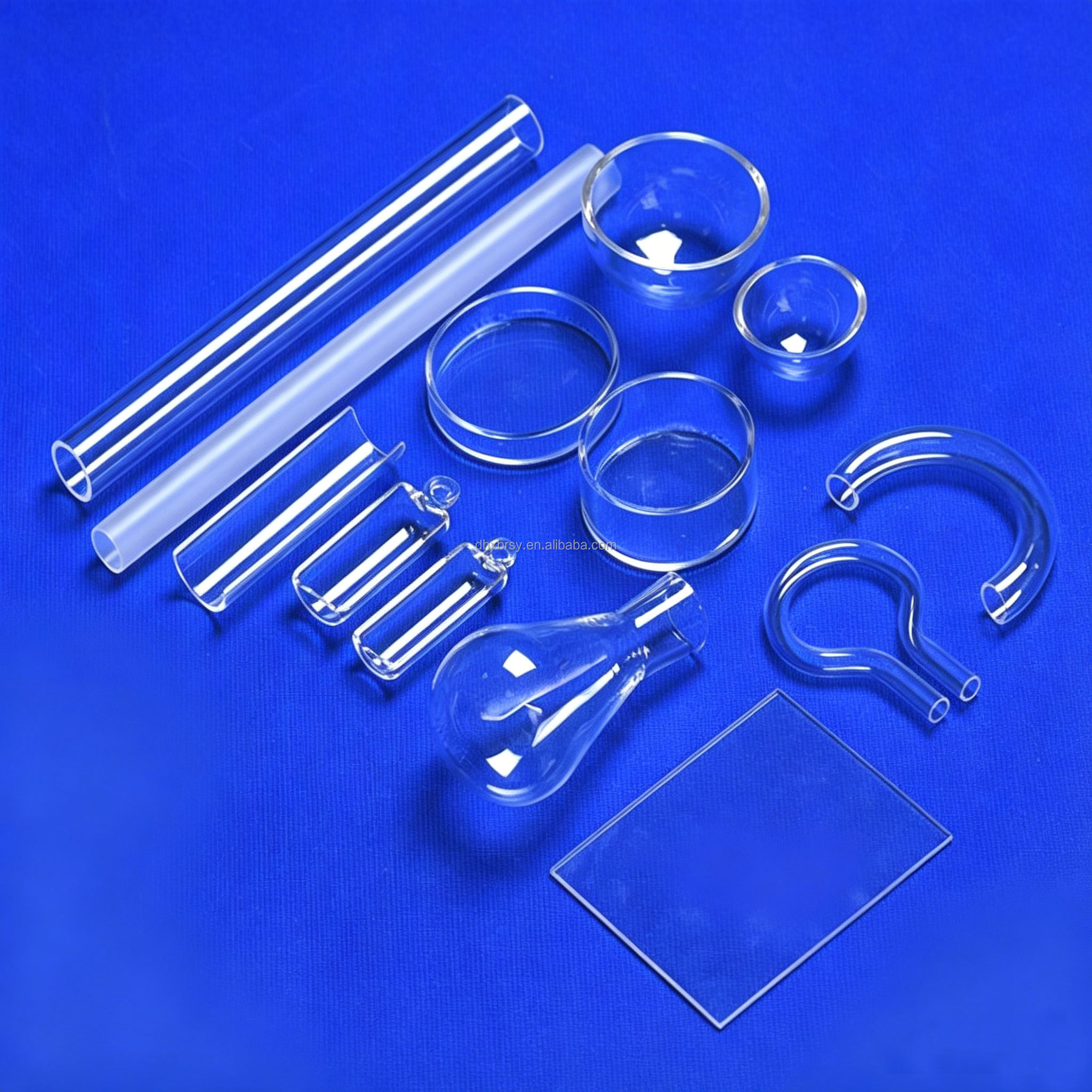
High Purity Insulated Quartz Optical Window Sheet
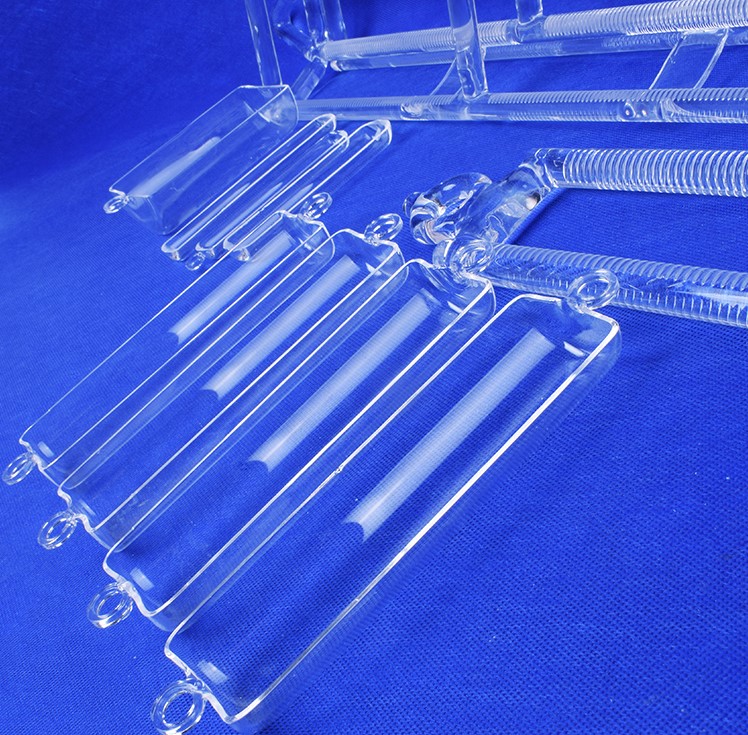
Custom Fused Quartz Boats for Photovoltaics & CVD
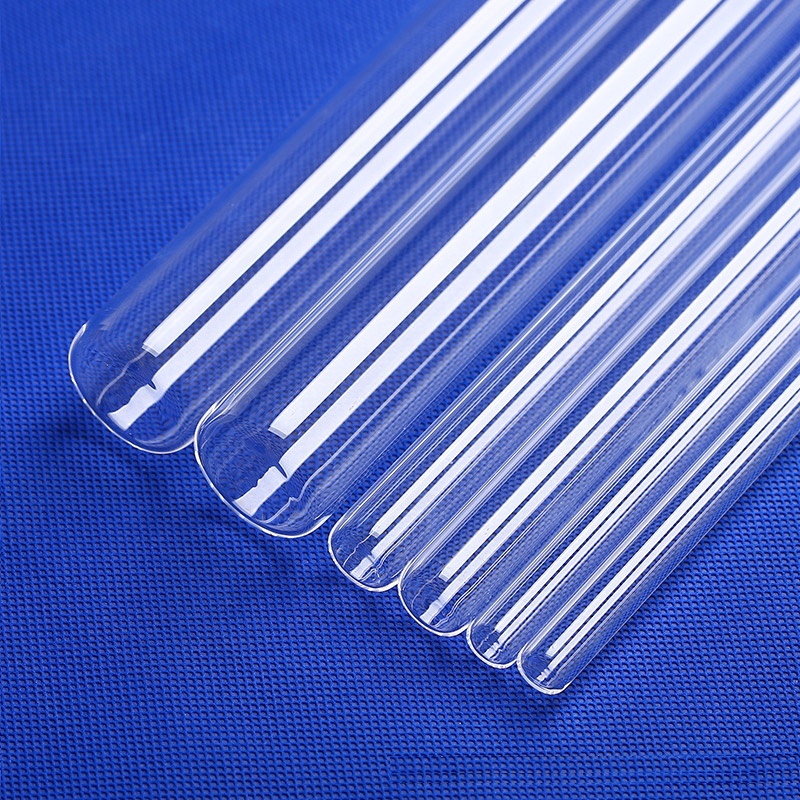
Closed-End Fused Quartz Thermowell & Test Tube
Fused Quartz Material Physics: Addressing High Degradation Factors in the Gulf of Gonâve Basin
Industrial facilities, thermal power generator stations, and analytical testing laboratories operating across Gonaïves face severe ambient engineering constraints. Sitting within the coastal Artibonite department, Gonaïves experiences hyper-saline oceanic humidity, elevated ambient temperatures, and sporadic power utility fluctuations that induce abrupt thermal cycling. Standard borosilicate glasses (such as 3.3 expansion glass) fail catastrophically under these combined environmental stresses due to ionic leaching, devitrification along internal structural micro-fissures, and poor coefficient of thermal expansion (CTE) thresholds.
As a dedicated source manufacturer and exporter to the Caribbean basin, our fused quartz is synthesized from ultra-pure natural crystalline silica and refined synthetic silicon tetrachloride. Through our advanced continuous electrical fusion and oxyhydrogen flame refining processes, the tetrahedral amorphous silica framework (≡Si—O—Si≡) achieves an exceptional purity benchmark of 99.99% to 99.999% SiO₂. This pure amorphous matrix yields a virtually non-existent linear expansion coefficient of 5.5 × 10⁻⁷ /°C between 20°C and 320°C. Consequently, quartz reaction tubes, viewport sight-glasses, and liquid heating tubes can undergo rapid quenching from 1100°C directly into cold water without micro-fracturing or catastrophic structural yield.
Optical Transmission Differentiation: Selecting JGS1, JGS2, and JGS3 for Localized Applications
Procurement engineers across Gonaïves regularly misidentify standard optical quartz, incurring premature UV solarization or extreme infrared attenuation. To ensure optimal technical precision and cost-efficiency for Caribbean procurement teams, we classify our export output according to rigorous spectral transmissibility criteria:
1. JGS1 (Synthetic Deep-UV Fused Silica): Produced via flame hydrolysis of high-purity silicon halides. It features virtually zero metallic impurity contamination (Fe, Al, Ti < 0.1 ppm) and an OH⁻ concentration between 800 and 1200 ppm. JGS1 exhibits remarkable optical transmission down into the vacuum ultraviolet spectrum (reaching > 90% internal transmittance at 193 nm up to 2500 nm). It is an essential material for high-output germicidal UV-C water sanitizers, photochemical reactors, and laser cutting heads operating in Gonaïves laboratories.
2. JGS2 (Optical Grade Fused Quartz): Smelted from refined natural quartz crystal sand under high-temperature hydrogen-oxygen flames. Transmitting reliably from 220 nm through 2500 nm, JGS2 strikes the ultimate economic balance for continuous-duty boiler sight glasses, observation portholes in thermal processing kilns, distillation columns, and spectrophotometer flow cells.
3. JGS3 (Electrically Fused IR Quartz): Melted under a protective vacuum electric furnace environment, stripping the glass of hydroxyl radicals (OH⁻ content suppressed below 2 to 5 ppm). This structural absence eliminates the destructive absorption band at 2.73 μm, enabling unrestricted transmission deep into the infrared spectrum up to 3500 nm. JGS3 provides superior longevity for infrared drying arrays, pyrometer thermowell envelopes, and high-temperature furnace tubes.
Localized Application Scenarios in Gonaïves & the Artibonite Region
Bridging the gap between raw optical science and real-world industrial environments: how our fused quartz solutions maintain process continuity across critical regional installations.
Solar Salt Works & Saline Chemical Processing
Gonaïves is historically renowned for extensive coastal solar salt production. Brine crystallizers, iodine enrichment processing, and caustic chemical extraction facilities demand sight glasses and fluid metering flow tubes totally immune to aggressive sodium chloride hydrolysis, hydrochloric acid vapors, and abrasive salt crust formation. Our polished quartz plates and tubes eliminate alkali surface pitting and maintain continuous structural visibility.
Agro-Industrial Testing & Rum Distilleries
As the economic gateway to the fertile Artibonite Valley, agricultural processing facilities, sugar cane refineries, and spirit distilleries rely on precise refractive indexing and digestion analyses. We provide high-purity JGS1 quartz spectrophotometer cuvettes, Kjeldahl nitrogen digestion reaction tubes, and threaded boiling vessels capable of withstanding concentrated sulfuric and nitric acid blends during food-grade safety assays.
Municipal & Private UV-C Water Disinfection
Due to regional groundwater challenges and seasonal flood siltation in Gonaïves, dependable ultraviolet disinfection systems are mandatory. Lovri produces high-transmittance, ozone-generating, and ozone-free single-ended closed quartz sleeves that house UV-C germicidal emitters. Achieving > 92% transmission at the 253.7 nm sterilization band, our quartz sleeves do not solarize, warp, or crack under 24/7 hydraulic pressure.
Off-Grid Heavy Fuel Thermal Power Sight Glasses
Local heavy manufacturing facilities and independent mini-grids frequently operate diesel generators and heavy-fuel thermal boilers. Extreme heat spikes induce severe thermal shock on sight windows. Our flame-annealed clear quartz circular discs and borosilicate-replacement viewport plates withstand sustained internal furnace combustion pressures, flue-gas impingement, and external cool-air ocean drafts without thermal failure.
Off-Grid Solar Thermal & Photovoltaic Assembly
The regional energy shift across northern Haiti hinges heavily on decentralized solar power. Our specialized quartz wafer boats, sintering tubes, and diffusion carriers enable localized solar photovoltaic fabrication, module repair, and thin-film thermal research. The virtually trace-free alkali composition prevents iron-induced shunt degradation during delicate semiconductor doping cycles.
Clinical Autoclaves & Hospital Pathogen Sterilizers
Medical institutions across Gonaïves rely on high-pressure steam autoclaves and UV sterilizers for operating theater tools. Lovri supplies heavy-wall quartz thermowell tubes, capillary guide lines, and level-indicator tubular sight elements that resist hydrolytic class 1 corrosion and boiling alkaline cleaning agents without cloudy etching or scale deposits.
Emerging Industrial Modernization Trends in Gonaïves & the Caribbean Trade Axis
The commercial manufacturing landscape in Gonaïves is actively transforming from low-efficiency legacy batch tooling to continuous, digitally monitored processing. This macro shift manifests in four key procurement trends:
Transition from Borosilicate to Ultra-Pure Fused Silica: Plant managers in the Artibonite department are actively replacing recurrently failing borosilicate glass hardware with high-purity fused silica. While the upfront investment of fused quartz is marginally higher, its elimination of unexpected downtime, zero thermal expansion breakages, and indefinite lifespan against acid corrosion result in a 65% lower total cost of ownership (TCO) across a 36-month operational cycle.
Adoption of Closed-Loop High-Yield Solar Evaporation: Advanced salt works and mineral recovery facilities near the Gulf of Gonâve are piloting closed-loop solar evaporation domes utilizing transparent fused silica plates for solar radiation concentration. Unlike plastic polymers that degrade rapidly under tropical Caribbean solar ultraviolet indexes (UV Index 11+), fused quartz maintains 93% solar spectrum clarity over decades without yellowing, hazing, or embrittlement.
Decentralized Drinking Water Purification Infrastructure: International aid initiatives, commercial bottlers, and local municipalities are aggressively commissioning skid-mounted, high-output UV-C and ozone oxidation systems. These setups require large volumes of thick-walled, precision-cut quartz reaction tubes capable of supporting 10 bar hydraulic operating pressures. Lovri provides turnkey batch consistency with pre-fabricated flanged ends that bolt directly into standard Caribbean piping manifolds.
Physicochemical Properties & Tolerance Matrix
Detailed reference data demonstrating the material superiority of our fused quartz components under extreme industrial stressors.
| Parameter / Physical Property | Synthetic Fused Silica (JGS1) | Optical Fused Quartz (JGS2) | Electric Arc Quartz (JGS3 / Opaque) |
|---|---|---|---|
| SiO₂ Purity Ratio | ≥ 99.999% | ≥ 99.99% | ≥ 99.98% |
| Hydroxyl (OH⁻) Concentration | 800 – 1200 ppm | 150 – 300 ppm | ≤ 5 ppm |
| Spectral Transmission Band | 185 – 2500 nm (Deep UV) | 220 – 2500 nm (UV-Vis) | 260 – 3500 nm (Vis-IR) |
| Coefficient of Thermal Expansion (CTE) | 5.5 × 10⁻⁷ / °C | 5.5 × 10⁻⁷ / °C | 5.4 × 10⁻⁷ / °C |
| Continuous Working Temperature | 1100 °C | 1100 °C | 1150 °C |
| Maximum Short-Term Limit | 1300 °C | 1300 °C | 1400 °C |
| Softening Point (Viscosity 10⁷.⁶ dPa·s) | 1730 °C | 1710 °C | 1720 °C |
| Annealing Point (Viscosity 10¹³ dPa·s) | 1215 °C | 1180 °C | 1210 °C |
| Dielectric Strength (20°C, 1 MHz) | 25 – 40 kV/mm | 25 – 35 kV/mm | 20 – 30 kV/mm |
| Dimensional Tolerance (Outer Diam./Wall) | ± 0.05 mm (Precision Ground) | ± 0.10 mm – ± 0.20 mm | ± 0.20 mm – ± 0.50 mm |
B2B Procurement FAQ for Gonaïves Importers
Direct answers covering logistics, customs clearance, shock-resistant containerization, and custom fabrication workflows.
How do you safeguard fragile, long quartz tubes from breakage during maritime freight to Haiti?
Transporting brittle fused silica across Caribbean shipping routes requires engineered export containerization. Every tube or rod is first wrapped in anti-static PE film and vacuum-sealed to prevent micro-abrasion from humidity and ambient dust. Parts are then encapsulated in custom-molded high-density EPE (Expanded Polyethylene) foam shells that absorb multi-axis kinetic shocks. Finally, these modules are nested inside heavy-duty, fumigated multi-layer plywood cases reinforced with steel edge-banding and internal suspension ribs. We include tilt and impact indicators (Tip-N-Tell and Drop-N-Tell) on the exterior crate faces. Our historic damage rate on Caribbean ocean transits remains below 0.12%.
What import documentation is supplied to facilitate customs clearance through Haitian customs ports?
We supply complete, standardized international trade documentation compliant with Haitian customs (Administration Générale des Douanes) requirements. Shipments routed to Gonaïves or via Port-au-Prince / Cap-Haïtien include clean Bills of Lading (B/L), legalized Commercial Invoices with correct HS Codes (typically 7002.31 for fused quartz tubes, 7006.00 for plates), detailed Packing Lists with gross/net metric weight verifications, Certificates of Origin (CO), RoHS/REACH chemical compliance certificates, and our factory-issued SGS batch inspection reports.
Can Lovri manufacture custom quartz components directly from our mechanical drawings or broken samples?
Yes. Our internal engineering department specializes in bespoke ODM/OEM manufacturing. You can provide drawings in PDF, CAD (.DWG, .DXF), or 3D solid models (.STEP, .IGES). If you lack formal schematics for broken equipment or legacy machinery installed in Gonaïves, our technical team can guide your plant technicians through taking Vernier caliper measurements, or you can ship physical fragments to our testing facility for reverse engineering, laser profiling, and exact dimensional replication.
What is the minimum order quantity (MOQ) and production lead time for customized parts?
We accommodate low MOQs to support industrial pilot testing and emergency maintenance overhauls. Standard tubes, plates, and test tubes can be ordered with an MOQ as low as 1 to 5 pieces. Custom CNC machined components, flanged reaction vessels, or multi-bore flow tubes typically carry a 1-to-10 piece minimum depending on tooling complexity. Prototype fabrication cycles range from 5 to 9 business days; full production batches ship within 14 to 20 days.
How does fused quartz perform against corrosive chemicals compared to borosilicate glass?
Fused quartz offers total chemical resistance to water, concentrated salt solutions, chlorine gas, and all industrial acids (including boiling hydrochloric, sulfuric, and nitric acids) across virtually all operating temperatures. The only chemical compounds that react aggressively with fused quartz are Hydrofluoric Acid (HF), hot Phosphoric Acid above 150°C, and strong basic caustic alkalis (such as concentrated NaOH or KOH at elevated temperatures above 100°C). Unlike borosilicate, quartz contains no boron or alkali fluxing additives, preventing chemical leaching and product contamination.
How do we properly clean and prevent devitrification of quartz tubes in high-temperature furnaces?
Devitrification (the transformation of amorphous silica into crystalline cristobalite, which causes cloudy embrittlement) occurs when surface alkaline contaminants (like fingerprint oils, airborne alkali dust, or tap water minerals) are heated above 1000°C. Before installation in high-temperature kilns, always handle quartz parts wearing lint-free surgical gloves. Wipe surfaces thoroughly with high-purity ethanol or a 5% diluted HF acid wash for 60 seconds, followed immediately by a deionized water rinse and heated drying.
Lovri Quartz Industrial Manufacturing Advantages
Headquartered within China's premier silica basin in Lianyungang, Jiangsu, Lovri Quartz operates an uncompromised supply chain from high-purity crystalline crushing to optical CNC machining.
Raw Material Autonomy
We crush, pulverize, multi-sieve, and acid-pickle our own raw silica grains. Controlling raw feedstocks ensures guaranteed trace metal reduction to under 10 ppm, eliminating third-party supply bottlenecks.
12-Step In-House Line
From tube drawing furnaces and multi-axis CNC drilling centers to annealing kilns and vacuum sealing lines, 100% of fabrication occurs within our 14,271 m² plant under direct ISO 9001 supervision.
Polarization Stress Testing
Every furnace tube, optical window, and flanged assembly undergoes cross-polarization photoelastic testing to eliminate dangerous internal residual tensile stresses before crate packing.
Export Packaging Protocol
Our heavy-duty timber enclosures, high-density custom foam linings, and transit shock monitors guarantee flawless delivery through international air freight or maritime container transfers.
Connect Directly with Our Quartz Engineering Team for Gonaïves
Need a technical quote for custom optical viewports, UV sterilization sleeves, high-temperature furnace tubes, or replacement quartz apparatus? Submit your engineering drawings, dimensions, and operational operating parameters for an expedited DFM (Design for Manufacturability) review and competitive factory direct quotation within 24 business hours.