Annealed 1200°C
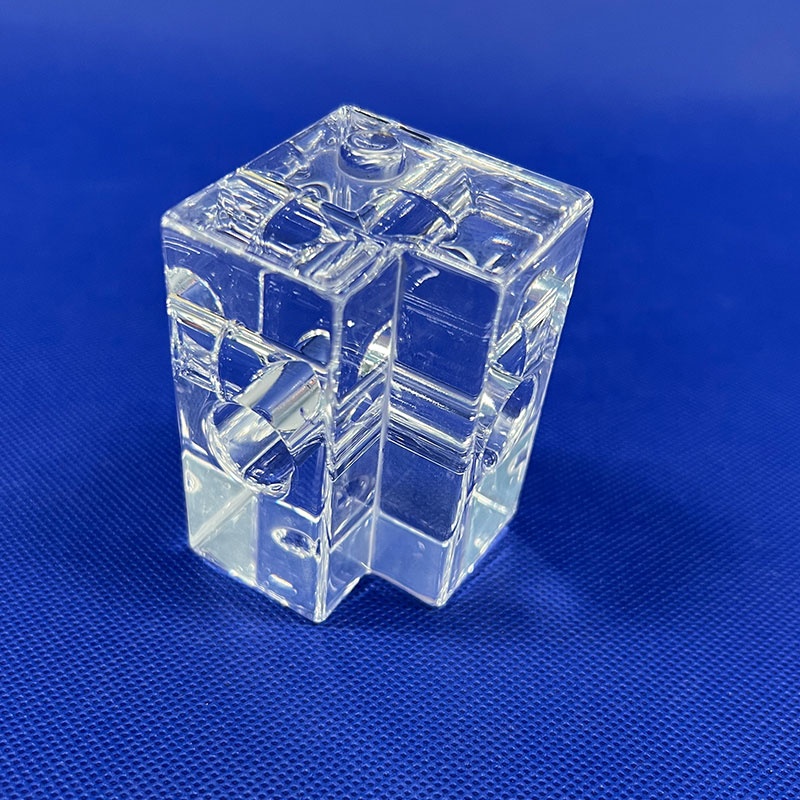
Explore our factory-calibrated inventory of optical fused silica rods, multi-bore capillary waveguides, and high-temperature apparatus built with raw material purities exceeding 99.99% SiO₂.
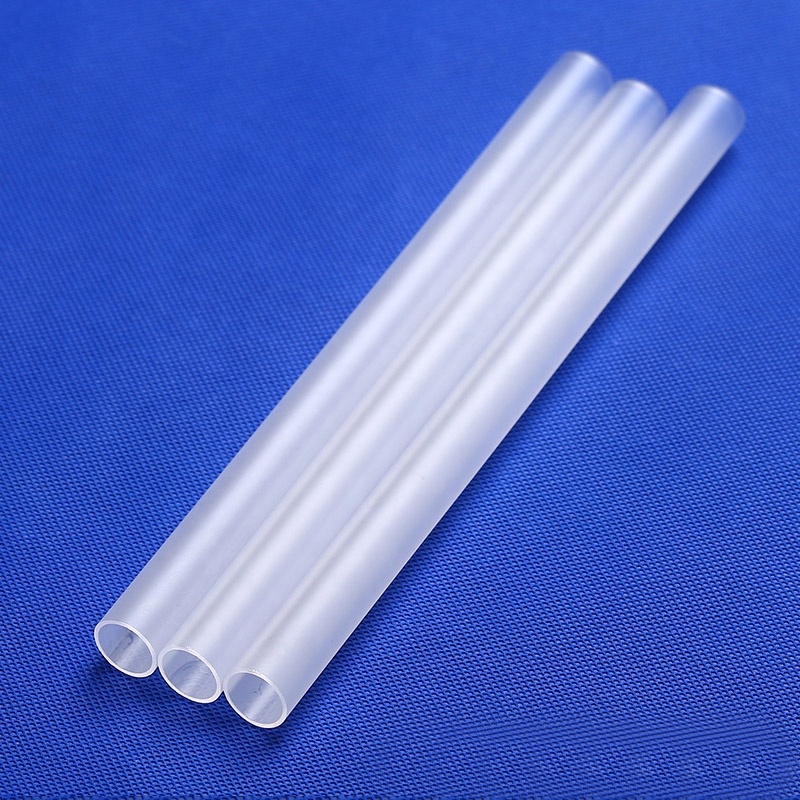
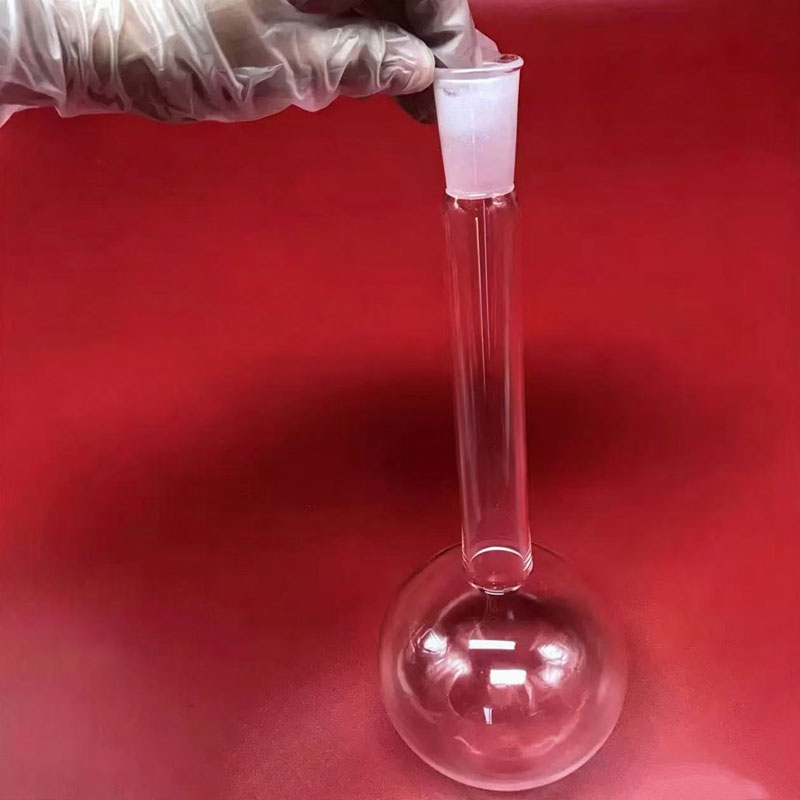
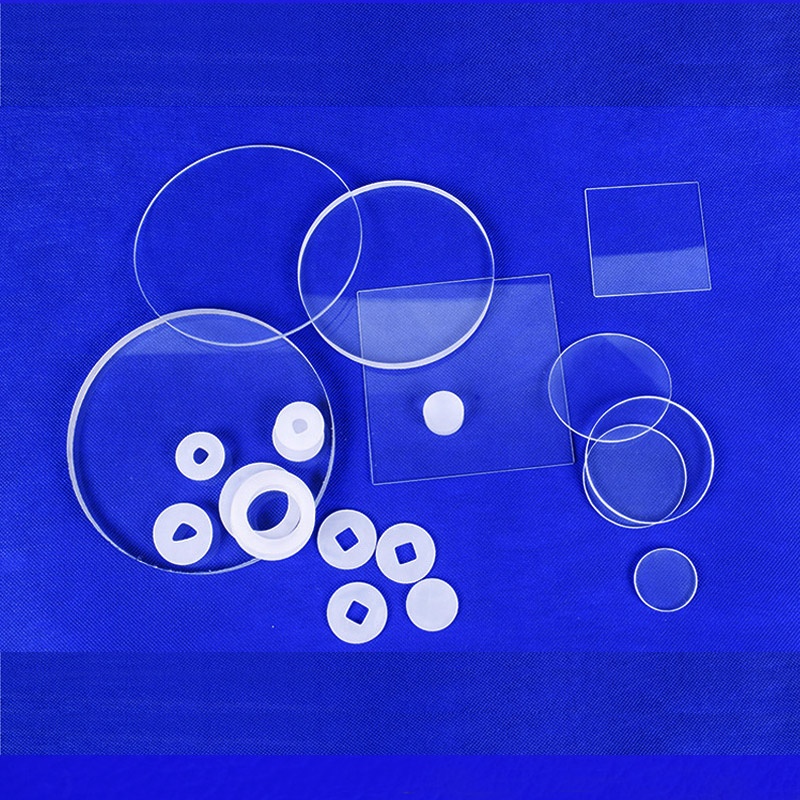
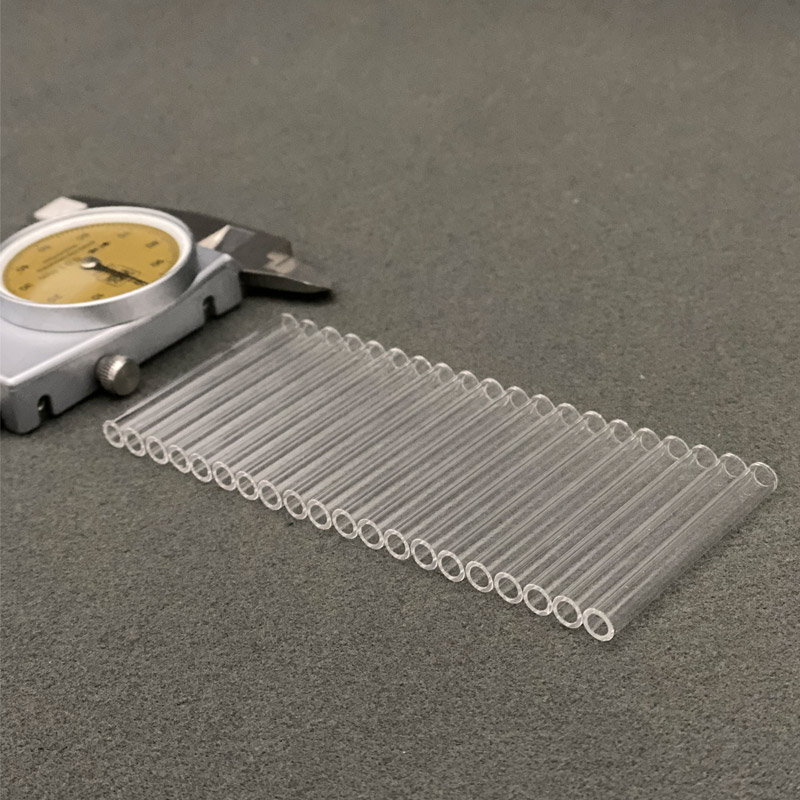
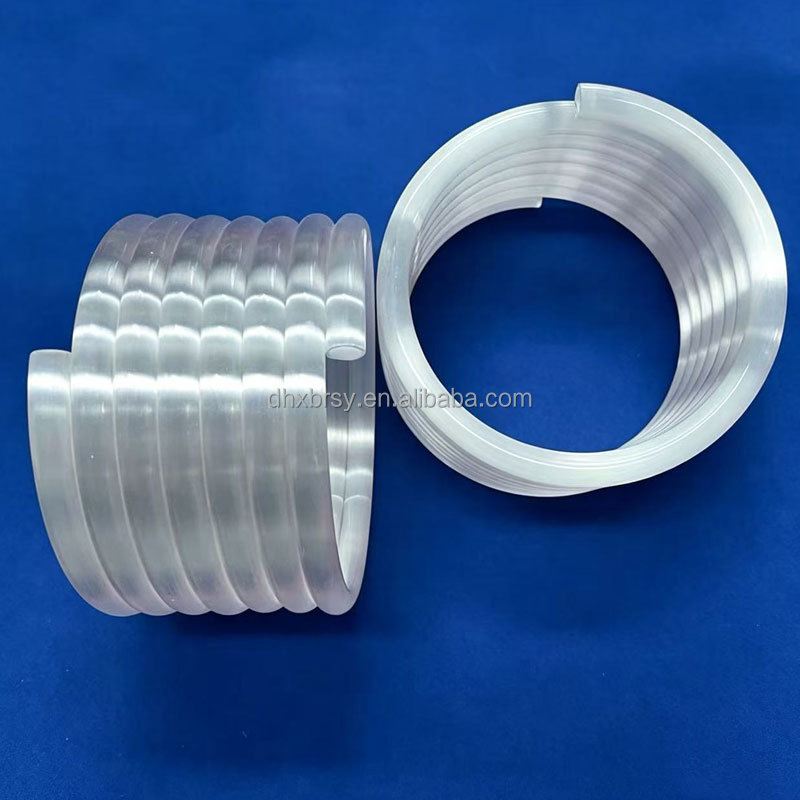
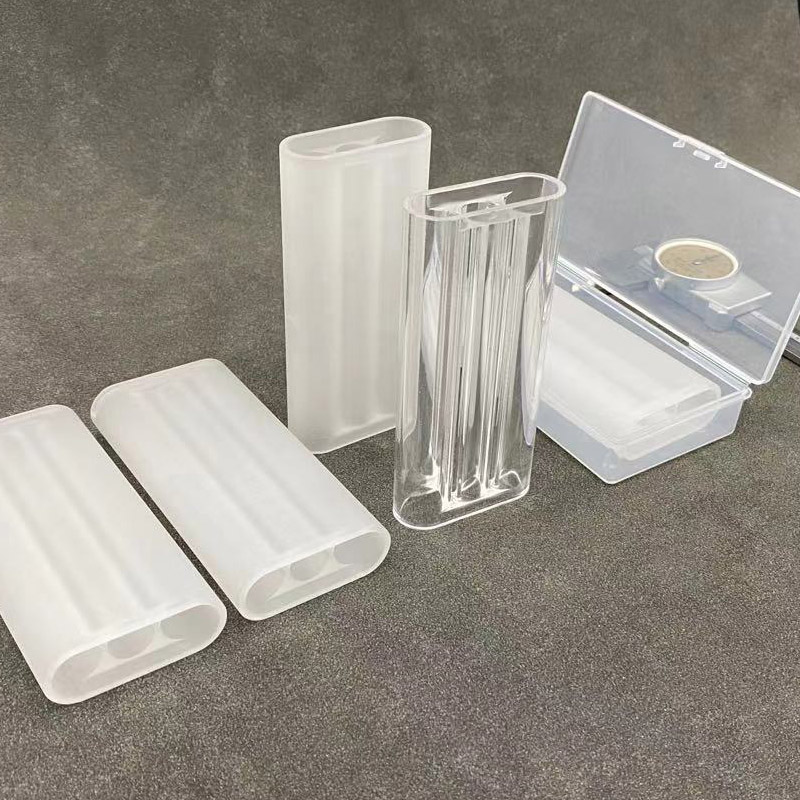
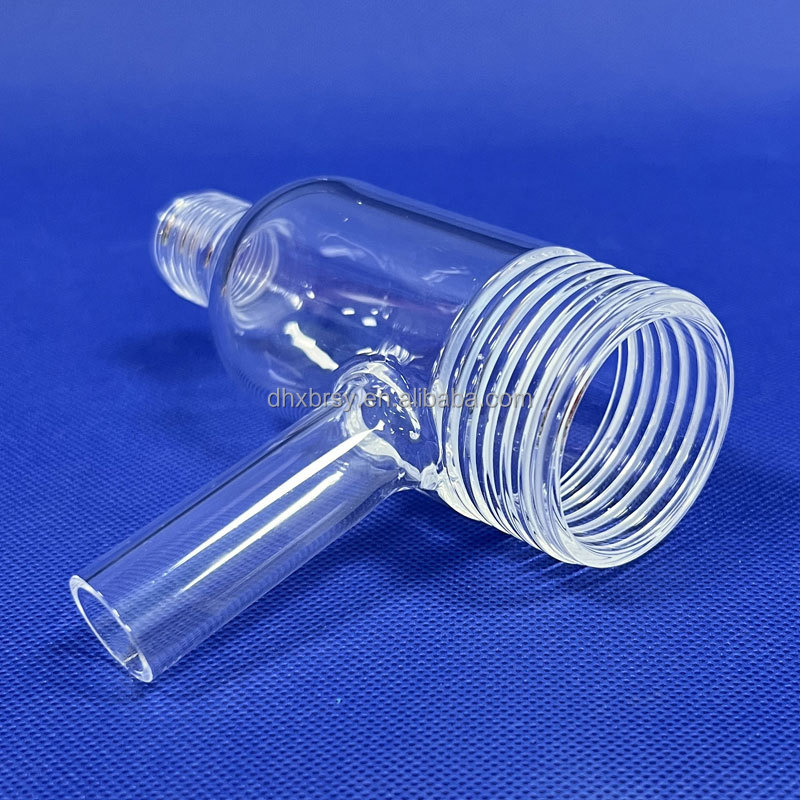
Precision illumination, spectroscopic signaling, and intense UV curing in demanding external sites or rugged tactical encampments (often classified under industrial Encamp protocols) require optical transmission media that defy environmental degradation. Standard optical-grade borosilicate or polymer light conductors suffer irreversible solarization, lattice breakdown under severe ultraviolet exposure, and catastrophic stress failure in cyclic thermal environments. As premier fused quartz light guide rod manufacturers & direct factory fabricators, Lovri Quartz leverages specialized synthetic and flame-fused silica ingot refinement to construct non-imaging and imaging optical light pipes capable of near-lossless transmission across the 185 nm to 3500 nm spectrum.
The core operating mechanism of a solid fused quartz light guide rod relies on Total Internal Reflection (TIR) governed by Snell's Law. Because high-purity amorphous silicon dioxide possesses a refractive index of approximately 1.458 at 589 nm and an extraordinarily low bulk extinction coefficient (<10⁻⁵ cm⁻¹ in selected UV-NIR bands), numerical aperture (NA) optimization allows these rods to homogenize non-uniform high-flux light sources into uniform top-hat output profiles. For specialized field installations—such as military deployable shelters, remote bio-analytical mobile laboratories, and modular sterilization facilities operating in rugged field environments—our cylindrical, hexagonal, and tapered square quartz homogenizing rods provide optimal optical throughput without beam skewing or chromatic defocus.
| Physical / Optical Property | JGS1 Synthetic Silica | JGS2 Optical Quartz | JGS3 Electrically Fused IR |
|---|---|---|---|
| Transmission Range (T ≥ 80%) | 185 nm – 2,500 nm | 220 nm – 2,500 nm | 260 nm – 3,500 nm |
| Hydroxyl Content (OH⁻ Concentration) | ≤ 1200 ppm (High OH) or <1 ppm | ≈ 30 – 150 ppm | ≤ 5 ppm (Dry IR Grade) |
| Refractive Index (nd @ 589.3 nm) | 1.4584 | 1.4585 | 1.4586 |
| Coefficient of Thermal Expansion (CTE) | 5.5 × 10⁻⁷ /°C (20–300°C) | 5.5 × 10⁻⁷ /°C | 5.4 × 10⁻⁷ /°C |
| Maximum Short-Term Operating Limit | 1300°C | 1300°C | 1350°C |
| Stress Birefringence Tolerance | < 5 nm/cm | < 10 nm/cm | < 15 nm/cm |
Mobile field equipment and isolated research encampments encounter violent temperature swings—ranging from sub-zero polar ambient exposures to intense localized focal points of 1000°C created by laser pump modules, quartz halogen arrays, or xenon short-arc lamps. With a thermal expansion coefficient of only 5.5 × 10⁻⁷ /°C, our fused quartz light guide rods survive immediate quenching into cold water from 1100°C without crack propagation. Every rod undergoes rigorous stress-relief annealing at 1215°C inside computer-controlled electric furnaces, followed by strict polarization stress inspection to guarantee zero residual mechanical tension before end-face micro-polishing.
Engineered specifically for remote research compounds, industrial field operations, and mission-critical installations requiring uncompromised optical durability.
Deployable field stations rely on high-intensity 254 nm and 222 nm Far-UVC light rods to sterilize water conduits and surgical equipment. Our synthetic JGS1 waveguides deliver 90%+ UV transmission without solarization or darkening.
Modular medical facilities utilize custom triple-bore and polished quartz light guide rods for laser energy delivery (Nd:YAG, Er:YAG, Alexandrite). Exceptional laser damage threshold (>10 J/cm² at 1064 nm) ensures operator security.
Off-grid electrical micro-stations use tapered quartz homogenizer rods to capture, condense, and channel high-density solar photons directly to advanced multi-junction PV cells without focal thermal distortion.
Mobile environmental testing shelters employ inert fused silica rods inside corrosive digestion chambers and spectrophotometer flow cells. Chemically impervious to nearly all organic solvents, halogens, and acids.
Industrial field kilns and melting furnaces use optically polished fused silica rods as non-contact IR temperature light pipes, directing thermal blackbody radiation safely to pyrometric sensors situated outside thermal danger zones.
Hazardous encampment depots storing explosive gases or volatiles use solid quartz guide rods to transfer light from isolated luminaire housings into class-1 division-1 zones, eliminating electrical spark hazards entirely.
The global demand for high-grade quartz waveguides and light transmission apparatus has fundamentally shifted toward localized system resiliency, traceable material validation, and extreme tolerance micro-fabrication. Field procurement managers and precision instrument engineers are prioritizing three core criteria:
1. Transition from Standard Multi-Component Optics to Monolithic Light Pipes: Mechanical optical systems utilizing mirrors, discrete lenses, and antireflective windows frequently misalign due to transport shock and vibration typical of field deployments. Solid quartz light guide rods act as monolithic homogenizers, eliminating misalignment and lowering internal Fresnel losses.
2. Tightening of Hydroxyl (OH⁻) Specifications for UV and IR Separation: Buyers increasingly demand bespoke material certification. Where deep UV illumination (<260 nm) mandates high-OH synthetic silica to curb color-center formation, laser pyrometry and telecom sensors require ultra-low OH fused quartz (<1 ppm) to prevent acoustic and vibrational absorption peaks at 1380 nm and 2720 nm.
3. Complete In-House Raw Material Supply Chain Sovereignty: Due to fluctuating global availability of premium quartz sand, original equipment manufacturers are mitigating risk by partnering with vertically integrated manufacturers who directly manage silica raw material crushing, screening, acid purification, drawing, and multi-axis CNC finishing.
Rooted in Lianyungang, China's world-recognized quartz manufacturing cluster, we integrate complete raw material synthesis with advanced CNC manufacturing.
We do not purchase unverified semi-finished glass stock. We cut, pulverize, rescreen, and acid-pickle select natural quartz rocks internally to ensure a guaranteed minimum purity of 99.99% SiO₂ across all production batches.
From complex end-face beveling, laser fluting, precision threading, to high-aspect-ratio capillary drawing, our CNC quartz machining center operates within continuous micrometer tolerances (±0.005 mm).
Thermal failures occur when internal residual stresses are neglected. Every batch of drawn light rods and welded optical apparatus passes through our calibrated polarization stress analyzer before dispatch.
Our 14,271 m² production facility has undergone complete physical on-site audit and verification by SGS Group. All quartz components adhere strictly to RoHS and CE material quality guidelines.
We actively support engineering validation, bespoke R&D projects, and institutional pilot tests with flexible minimum order policies—offering 1 to 5 piece prototype runs alongside high-volume OEM contracts.
Fragile quartz light conductors demand specialized transit protection. We utilize vacuum sealing, high-density custom EVA foam cradles, and heavy-duty reinforced wooden export crates engineered for international freight.
Key technical answers to address tolerance thresholds, optical finishes, batch validations, and logistics protocol.
Consult directly with our quartz glass technicians. We review your spectral parameters, geometrical requirements, and operating constraints to deliver optimized manufacturing proposals within 24 hours.