Precision Portfolio
High-Purity Fused Quartz Components for Busan Procurement
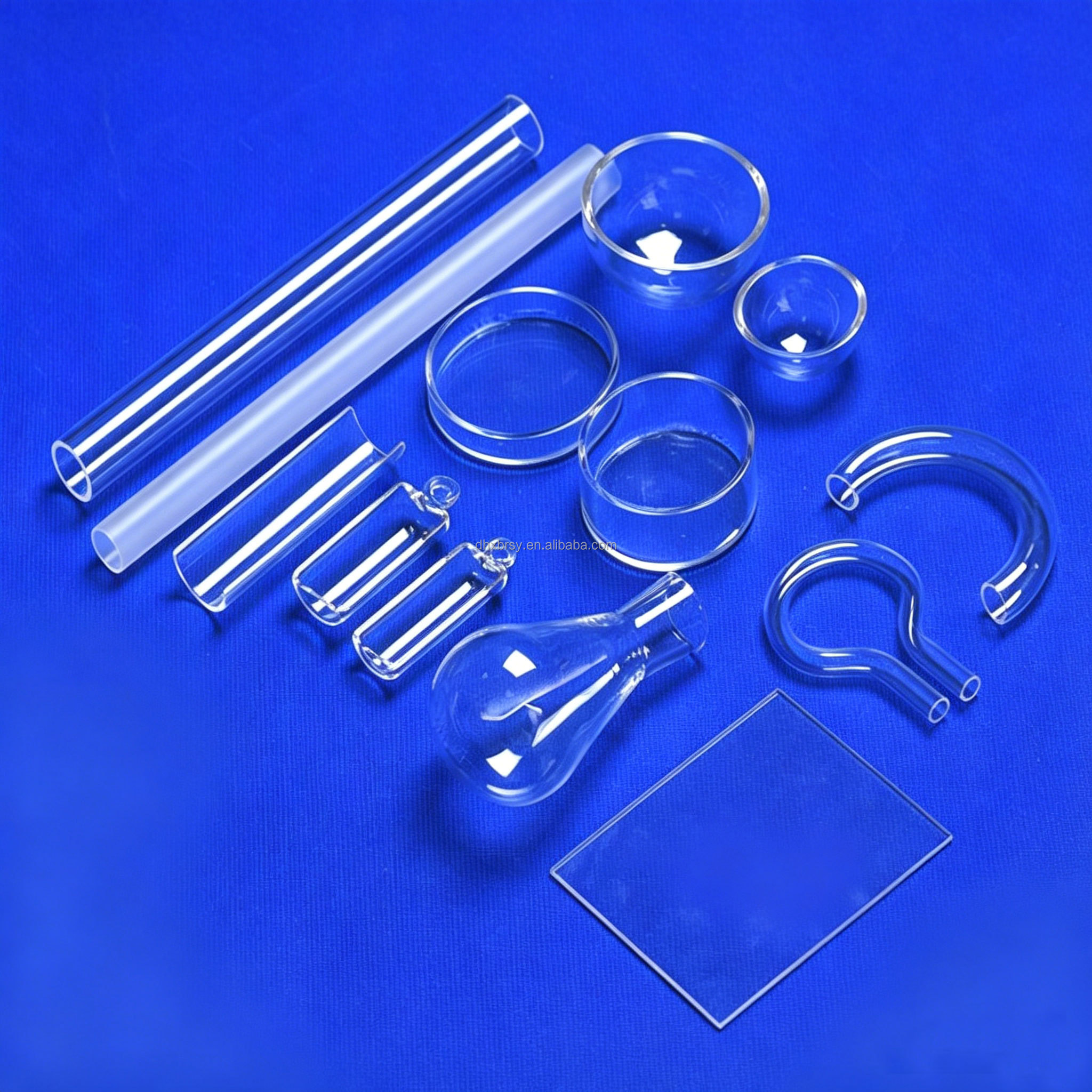
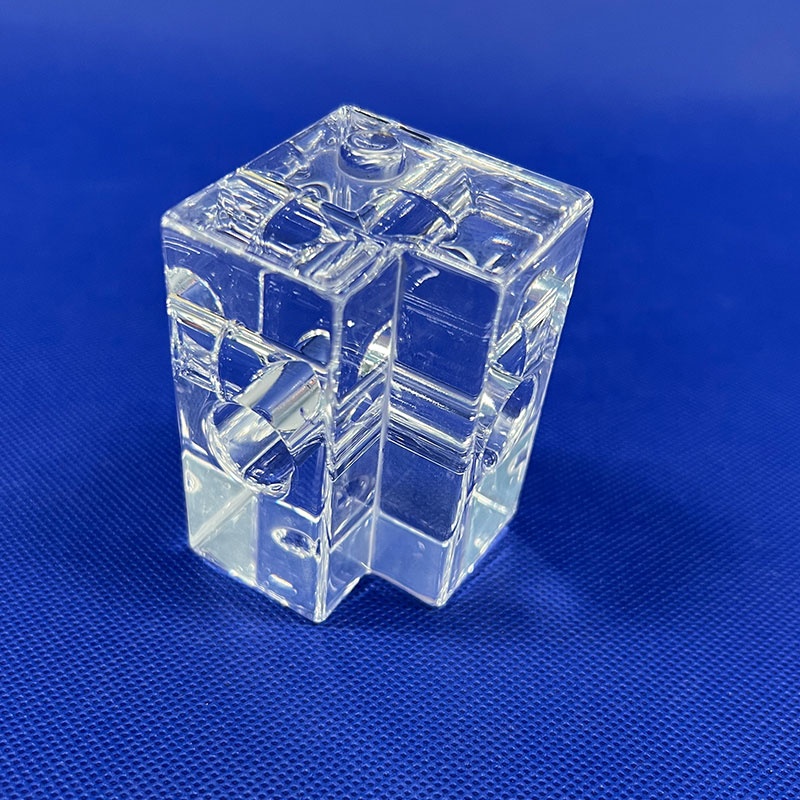
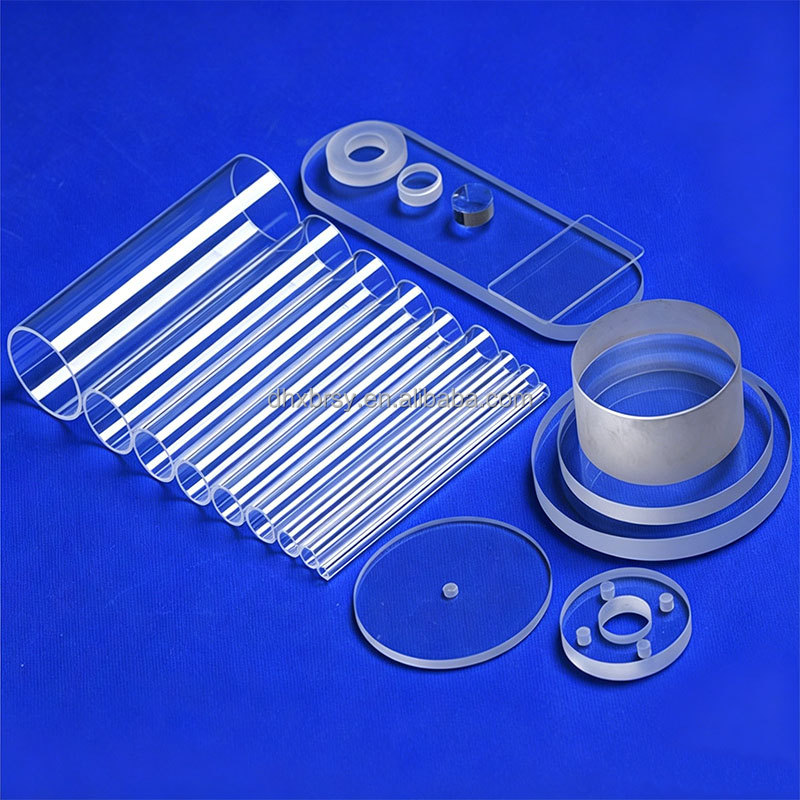
Direct factory manufacturing from Lianyungang's premier silica cluster. Every optical component, tube, and reaction chamber is stress-relieved via 1200°C annealing, verified for minimal trace metal contamination and micro-bubble tolerances.
Strategic Alignment
Localized Applications in Busan & the Greater Yeongnam Corridor
Busan is transforming from its traditional maritime base into an advanced manufacturing, offshore clean-energy, and wide-bandgap (WBG) power semiconductor hub. High-purity fused quartz (SiO₂) serves as a foundational enabler across the region’s high-temperature and harsh-environment manufacturing nodes.
SiC & GaN Power Semiconductor Epitaxy
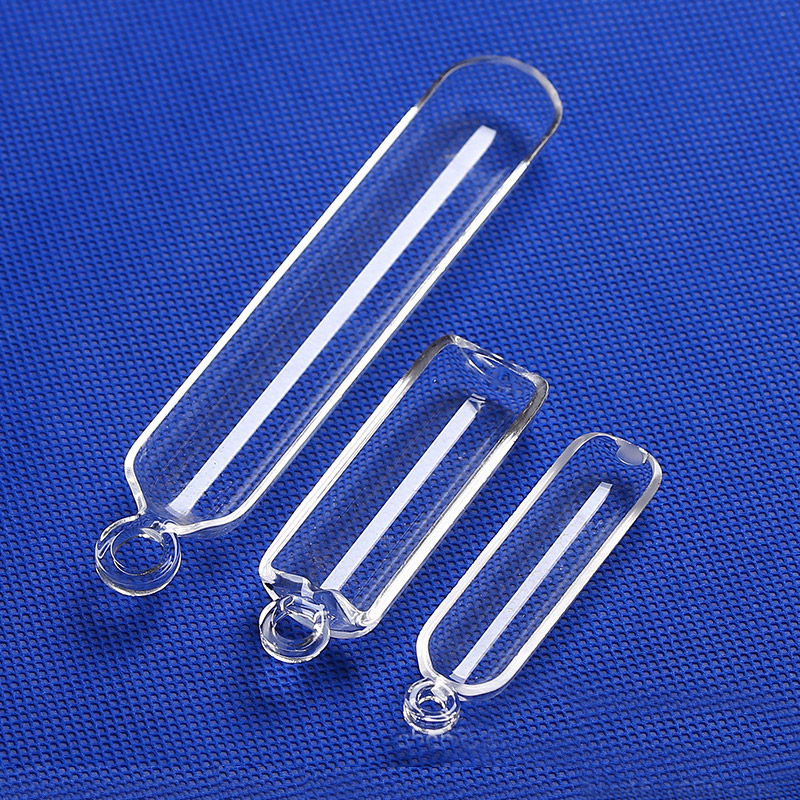
Busan’s Gijang Power Semiconductor Specialized Complex requires quartz carriers, high-vacuum process tubes, and wafer boats capable of enduring harsh thermal cycles up to 1300°C. Our JGS1/JGS2 synthetic and thermal quartz boats prevent ionic contamination during chemical vapor deposition (CVD) and high-temperature diffusion.
Marine Scrubber Sensors & Ballast Water UV Systems
Korea’s maritime decarbonization initiatives demand reliable optical windows and sleeves for ocean-going vessels built in the Busan-Ulsan-Gyeongnam (BUG) shipyards. Our ozone-free and high-UV transmittance quartz sleeves safeguard UV disinfection equipment against high seawater salinity, hydrostatic shock, and biofouling.
Busan National University & KIOST Research Labs
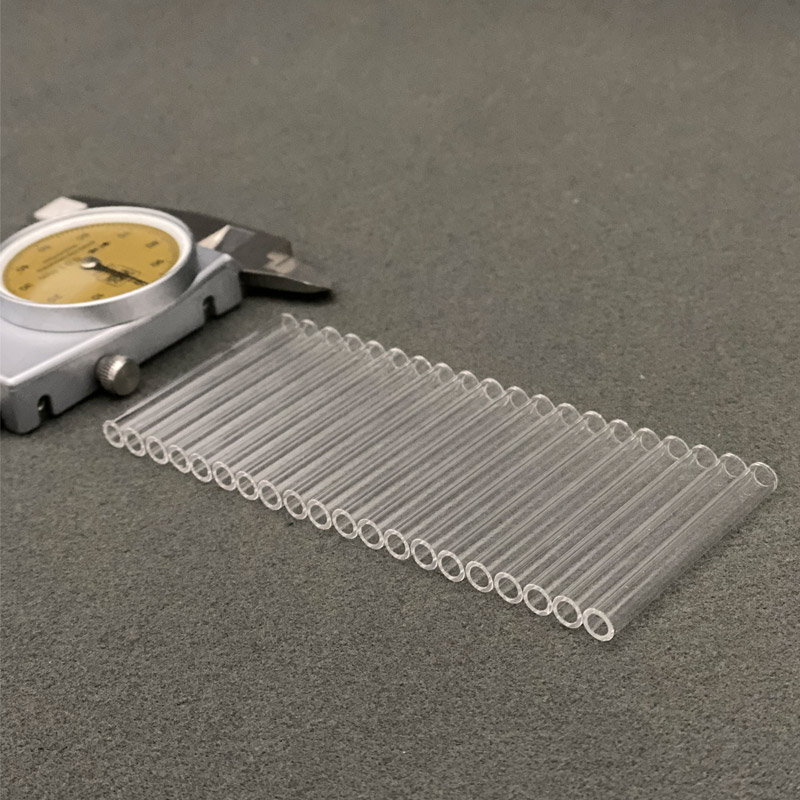
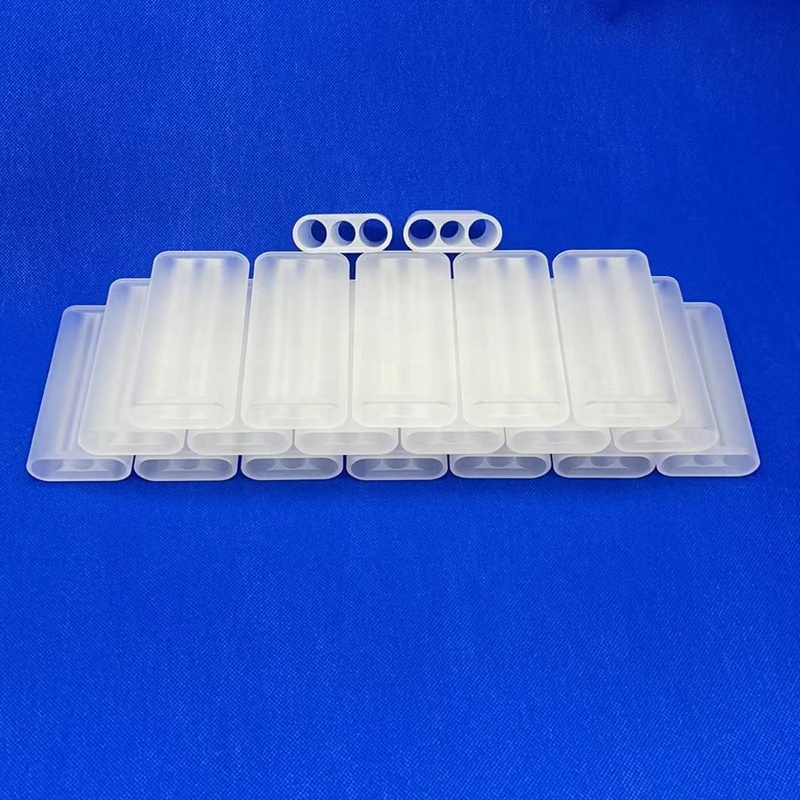
Precision microfluidic chips, triple-bore laser flow tubes, and vacuum-sealed quartz distillation rigs support regional marine bio-research, high-energy laser physics, and catalytic reaction engineering across Busan’s academic and corporate R&D centers with tolerances calibrated to ±0.02 mm.
Market Trajectory
The Busan Industrial Shift: Why Fused Silica Quality Dictates Yields
The industrial landscape in Busan and the surrounding Southeastern economic zone is experiencing a massive pivot toward high-efficiency electric vehicle drivetrains, offshore hydrogen infrastructure, and smart automation.
Silicon carbide (SiC) power devices, driven by companies locating within the Busan Power Semiconductor Value Chain, operate at voltages and temperatures far exceeding silicon limits. In these systems, standard borosilicate or low-grade glass degrades rapidly. Fused quartz, characterized by its ultra-low coefficient of thermal expansion (5.5 × 10⁻⁷ /°C), exhibits zero thermal fracture under violent temperature swings.
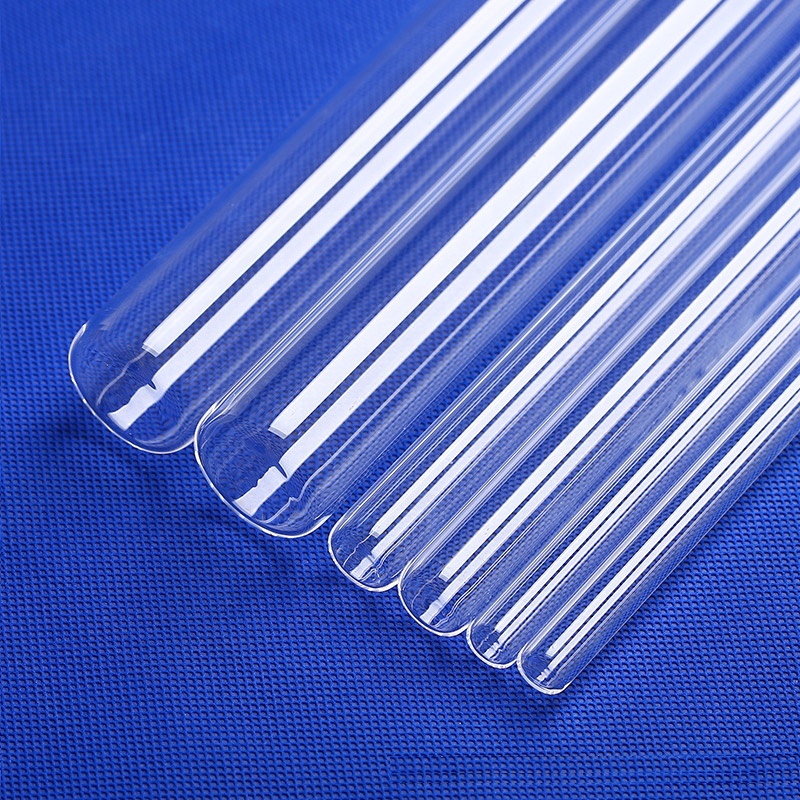
Furthermore, regional precision laser processing plants rely on multi-bore flow tubes to cool diode heads while transmitting UV excitation wavelengths with zero optical distortion. Choosing verified direct-factory quartz prevents costly downtime on Busan's robotic production lines.
14,271m²
SGS-Verified Plant Area
99.99%
Guaranteed SiO₂ Purity
1,200°C
Continuous Annealing Temp
±0.02mm
CNC Machining Precision
Direct Manufacturer Authority
End-to-End Vertical Control: From Raw Crystal to Busan Port
Headquartered in Lianyungang, China's core high-purity silica cluster, Lovri Quartz eliminates broker markups while securing uncompromising raw material control through an integrated 12-stage production pipeline.
In-House Acid Pickling & Purification
Unlike secondary workshops that purchase generic tubes, we grind, rescreen, and acid-pickle select crystal lumps in-house. This removes trace copper, iron, and alkali metals to guarantee 99.99% SiO₂ composition for sensitive semiconductor diffusion.
Polarization Stress-Testing
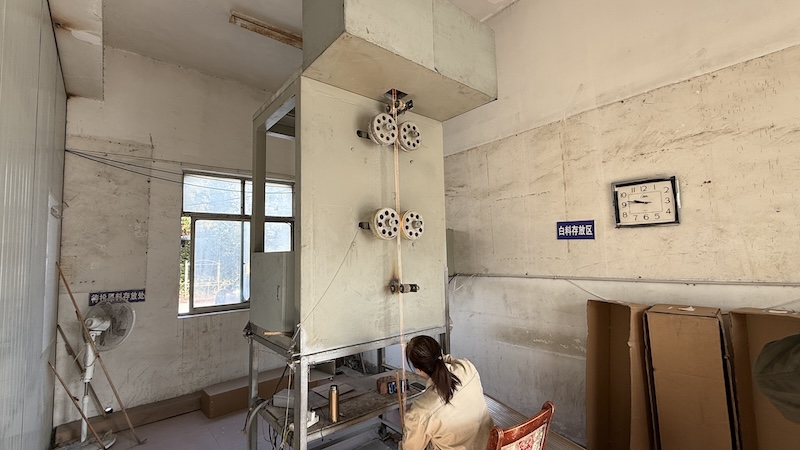
Internal shear stresses are the primary cause of spontaneous glass cracking under thermal loading. Every single product leaving our annealing line is screened using digital polarization stress testers to ensure stress is below critical rupture thresholds.
Multi-Axis CNC & Cold Glass Fabrication
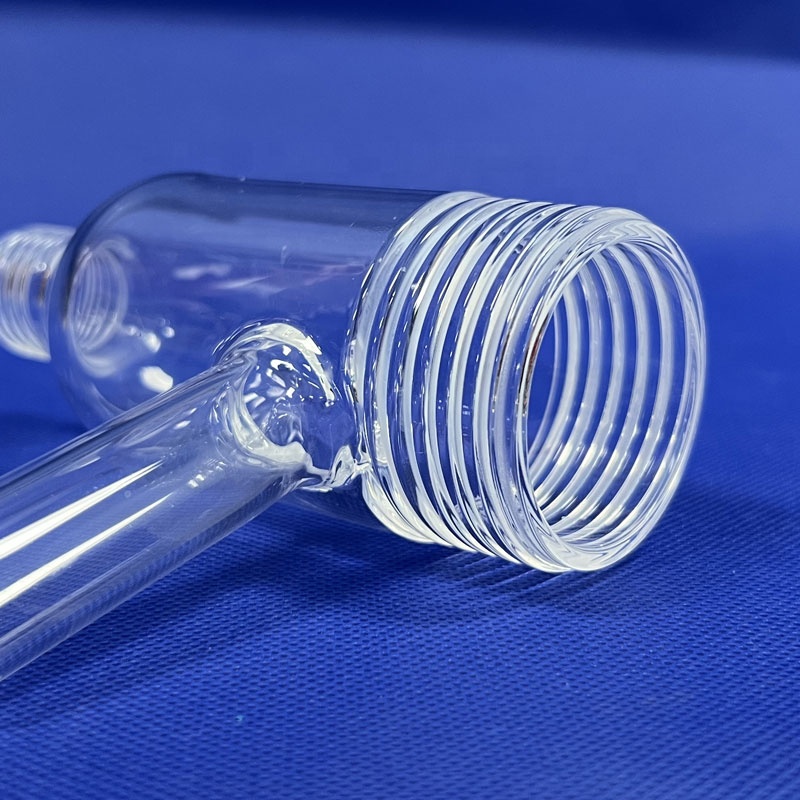
Our workshop houses high-precision CNC contour grinding machines, ultrasonic drilling systems, and glass-blowing lathes capable of handling intricate CAD/STEP requirements—including wafer slots, male/female threading, and optical-grade beveling.
Short Sea Shipping: Lianyungang to Busan
Geographic proximity offers significant advantages. Containers loaded at Lianyungang Port transit to Busan Port in roughly 48 to 72 hours, drastically reducing freight lead times, lowering shipping insurance risk, and ensuring safe logistics via custom shock-dampening wooden crating.
Procurement Clarity
Frequently Asked Questions by Korean Engineers & Buyers
Direct answers addressing technical compliance, customs clearance at Busan Port, tolerance verification, and small-batch prototyping.
Q1: How do you distinguish JGS1, JGS2, and JGS3 quartz for our orders?
JGS1 is synthetic fused silica offering premier deep-UV transmission (185–2500 nm), optimal for excimer laser systems and lithography jigs. JGS2 is flame-fused quartz transmitting 220–2500 nm, providing a cost-effective standard for inspection viewports and UV curing. JGS3 is electrically fused, free of OH absorption bands at 2700 nm, making it the preferred choice for infrared optics and high-temperature thermal sight glasses.
Q2: What shipping routes and lead times apply for Busan deliveries?
Because our manufacturing plants are located directly in Lianyungang, cargo leaves Lianyungang Port via direct container vessel to Busan Port within 2 to 3 transit days. For rapid prototype runs, express air courier (Incheon/Gimhae Airport customs clearance) takes just 3 to 4 business days door-to-door.
Q3: Can we request small-batch prototyping (MOQ 1–5 pcs) to test in our Busan labs?
Yes. We support local academic labs, R&D teams, and device startups with low MOQ terms starting from 1 to 5 pieces for customized CAD drawings. This lets your engineering team validate thermal shock tolerance, dimensions, and flange fit before approving high-volume production.
Q4: How are zero-breakage rates achieved for fragile optical vessels during ocean transit?
Each quartz tube, boat, or plate is individually shrink-wrapped with cleanroom anti-static film, encased in custom-cut, high-density polyethylene (EPE) foam, and suspended inside reinforced multi-layer cartons or fumigated export wooden crates built for ocean freight vibration resistance.
Q5: What certifications accompany our shipments to satisfy Korean regulatory scrutiny?
Shipments can be provided with full Material Test Reports (MTRs) detailing SiO₂ purity (99.99%), ICP trace metal inspection analyses, RoHS compliance sheets, CE verification for heating elements, and factory polariscope inspection certificates.
Q6: How do you machine threads and micro-bores without micro-cracking the glass?
We utilize multi-axis CNC diamond tools operating under constant water-flood cooling combined with subsequent ultrasonic acid cleaning and flame-polishing. This eliminates sub-surface micro-fractures, preventing stress propagation during high-pressure or high-vacuum operation.
Immediate Engineering Collaboration
Streamline Your Busan Quartz Glass Procurement
Send your 2D drawings (DWG/PDF) or 3D models (STEP) to our technical desk. Receive a comprehensive quotation with complete optical grade classifications, lead time to Busan Port, and material certifications.
Get Catalog