Precision Quartz Portfolio for Pattaya & EEC Industrial Buyers
Fabricated from raw high-purity crystalline silica at our integrated Lianyungang facilities. Every item is annealed, polarization-tested for residual stress, and compliant with RoHS/CE directives for fast delivery to Chonburi and Rayong industrial sites.
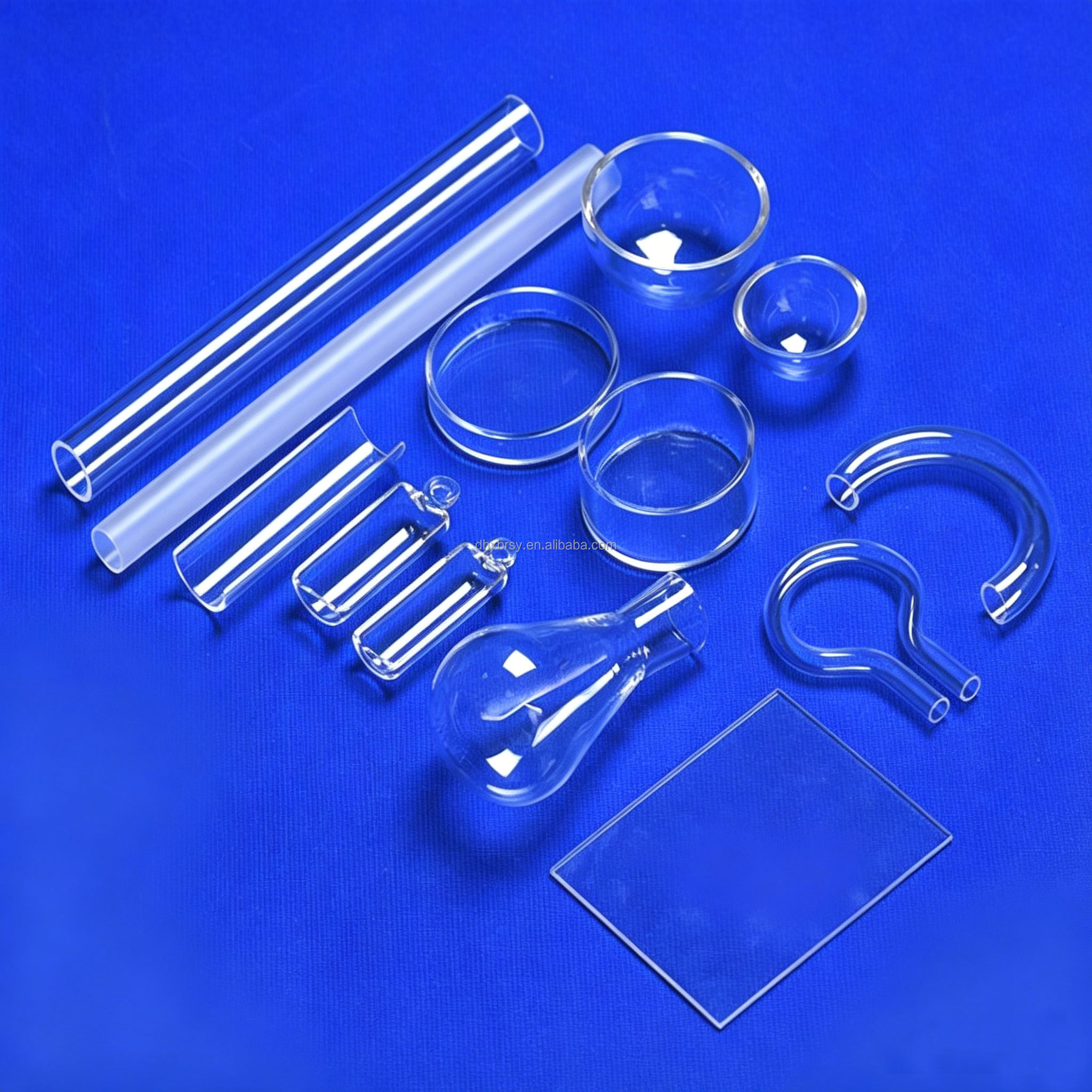
BAO RAN 99.99% SiO2 Content Transparent Fused Quartz Sheet Optical Laser Machinery Insulated Precision Instrument ROHS 200 Mesh
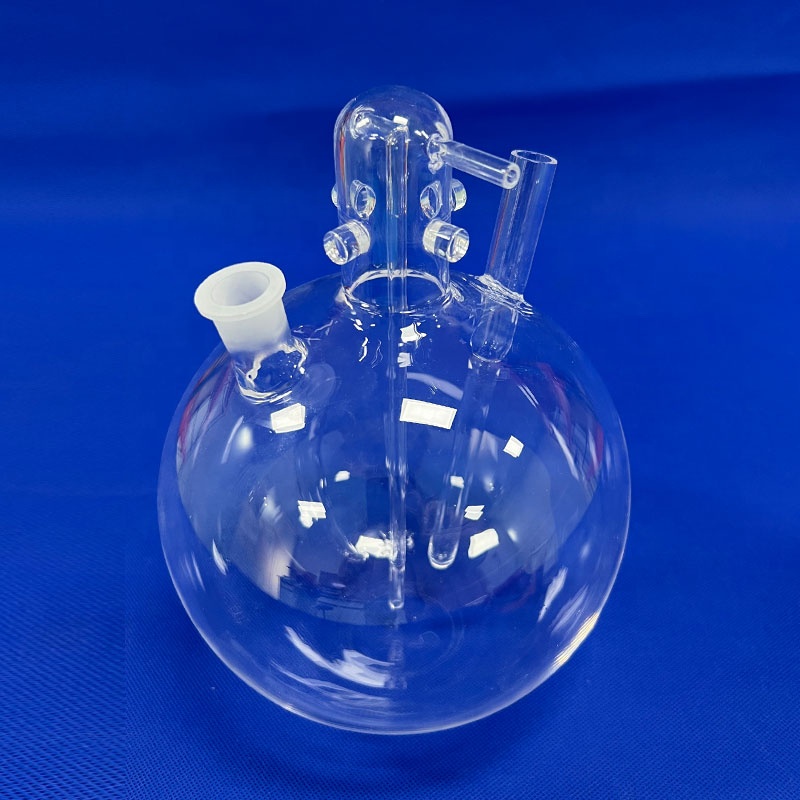
419 Processing High Purity SiO2 Quartz Glass Instrument for Laser Machinery Custom Reactor with 99.99% Silica Content
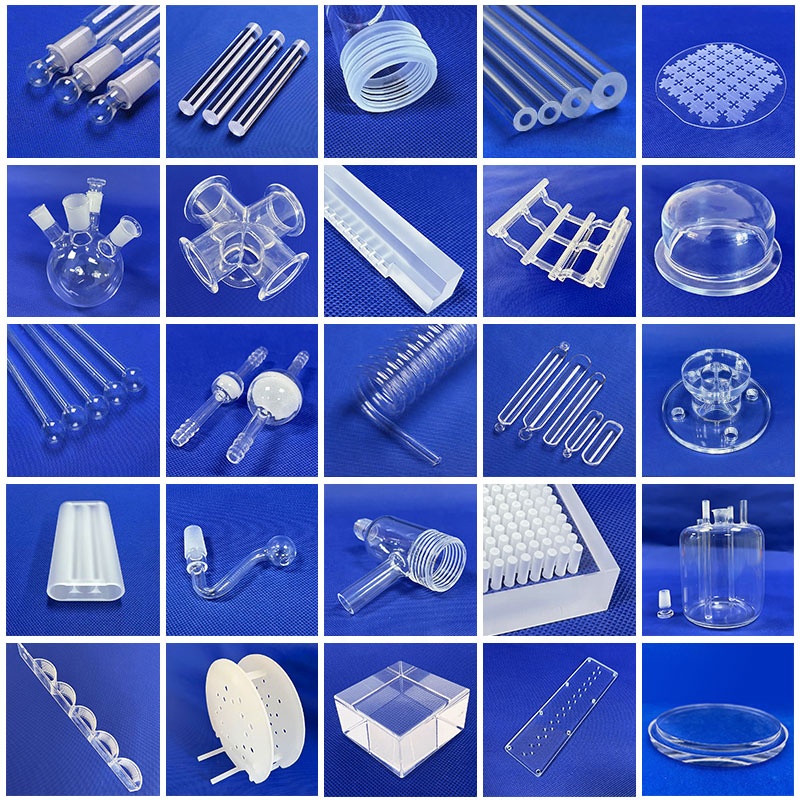
BAO RAN 419 Corrosion Resistant High Light Transmittance Double Sided Polishing White Rim Fused Quartz Sheet 99.99% SiO2 Content
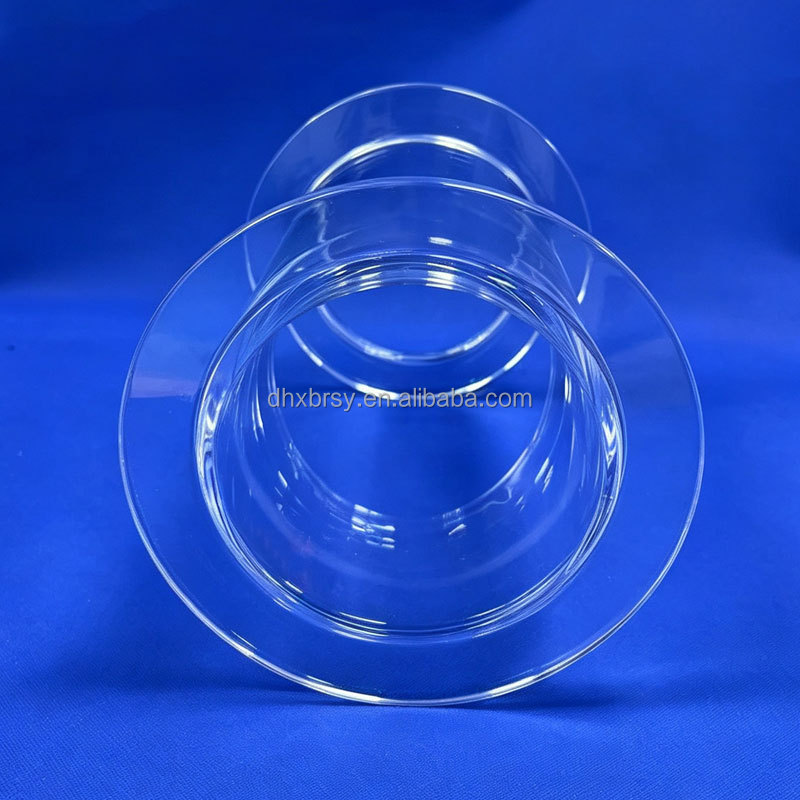
Custom High Purity 99.99% Transparent Fused Silica Quartz Cylinder Double Flange ROHS Certified Semiconductor CVD Reaction
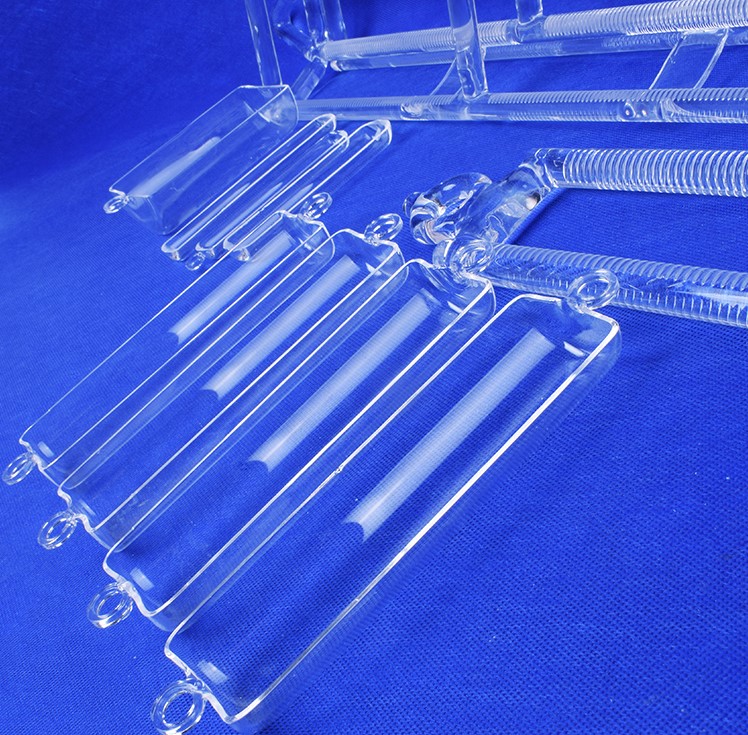
Fused Quartz Boats (SiO2 99.99%) for Chemical Industry & Photovoltaics Customizable Sizes
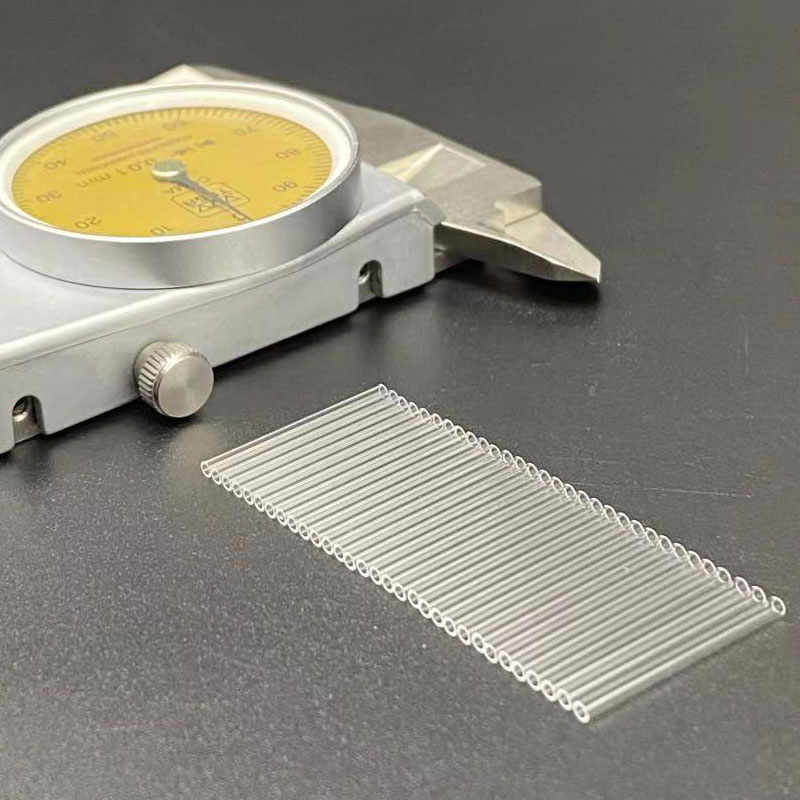
BAO RAN 419 Best Selling 0.1mm 0.2mm 0.3mm 0.4mm 0.5mm Quartz Sheet 99.99% Silica Content SiO2 ROHS Certified 200 Mesh for Laser
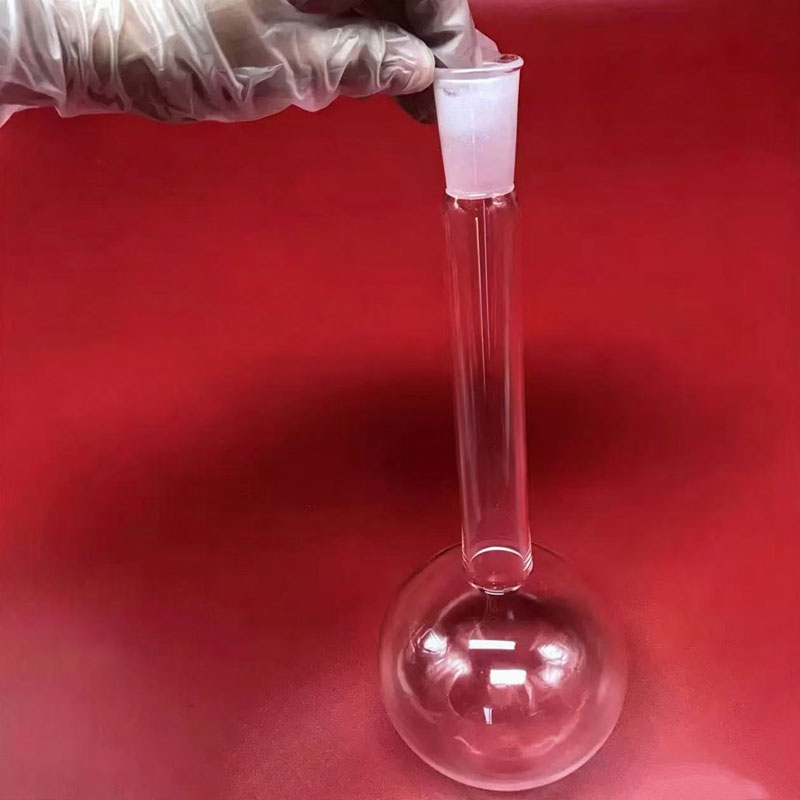
99.99% High-purity SiO2 High-temperature Resistant 1200-degree Corrosion-resistant ROHS Certified Quartz Glass Long-neck Flask
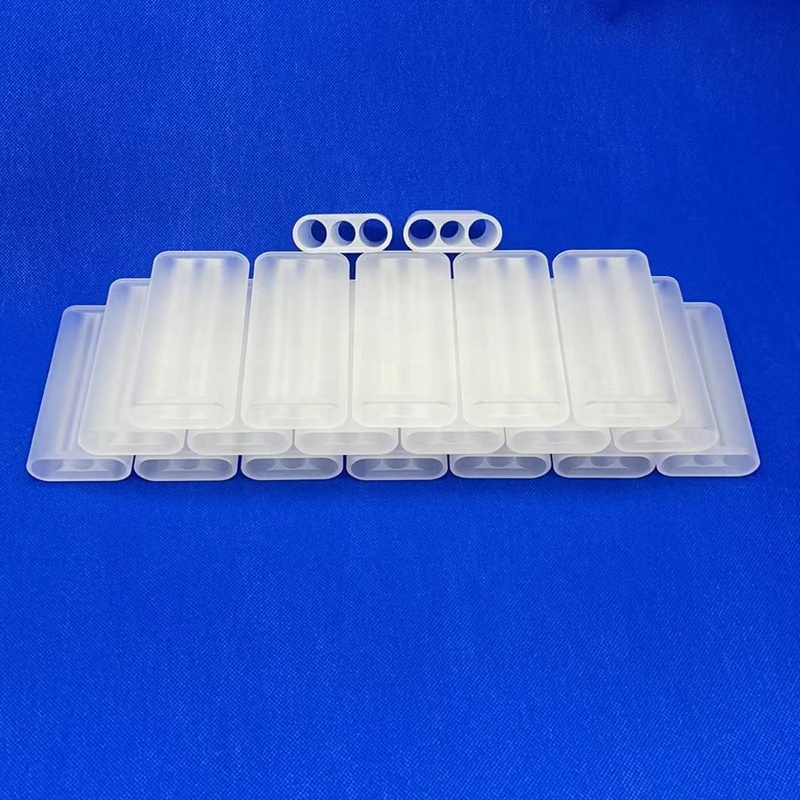
Quartz Triple Bore Flow Tubes Laser C Shape Fused Quartz Welding Bending Cutting Services 99.98% Silica Content ROHS Certified
Fused Quartz Rods: Thermodynamics, Optical Metrics & Grade Selection
An engineering analysis of vitreous silicon dioxide parameters, crystal phase transformation risks (cristobalite formation), and optical transmission benchmarks for plant operators in Chonburi and Rayong.
Engineering Advisory: Grade Differentiation (JGS1, JGS2, JGS3)
Specifying the correct fused silica material grade prevents critical failures in laser, chemical, and heating assemblies. Synthetic Fused Silica (JGS1) delivers superior deep-UV throughput (185–2500 nm) with virtually no bubble inclusions (DIN 58927 Class 0). Flame-Fused Natural Quartz (JGS2) serves as the industry workhorse for optical rods, viewports, and light distribution bars (220–2500 nm). Electrically Fused Quartz (JGS3) features low hydroxyl (OH⁻ < 5 ppm) content, providing unparalleled transmission across the infrared spectrum (260–3500 nm) while mitigating heat-induced bubble growth in high-temperature vacuum environments.
| Physical / Thermal Parameter | Metric Value | Test Standard / Protocol | Industrial Significance for Process Equipment |
|---|---|---|---|
| Silicon Dioxide (SiO₂) Purity | ≥ 99.995 wt% | ICP-OES / GDMS Elemental Analysis | Prevents trace transition-metal contamination in semiconductor wafer diffusion. |
| Coefficient of Thermal Expansion (CTE) | 5.5 × 10⁻⁷ cm/cm·°C (20°C to 320°C) | ASTM E228 Dilatometry | Immunity to rapid thermal cycling (quenching from 1,100°C into cold water without rupture). |
| Strain Point / Annealing Point | 1,070°C / 1,215°C | ASTM C336 / C598 Beam Bending | Defines the threshold where internal molecular stress relaxes during manufacturing. |
| Softening Point | ≈ 1,730°C | ASTM C338 Fiber Elongation | Permits prolonged exposure to high-temperature CVD and furnace heat profiles. |
| Refractive Index ($n_d$) | 1.4585 at 589.3 nm (Sodium D line) | Abbe Refractometer at 20°C | Guarantees low dispersion and minimal optical aberration for light guide rods. |
| Dielectric Strength (Electric) | 25–40 kV/mm (at 20°C, 1 MHz) | ASTM D149 Solid Insulator Testing | Superior electrical insulation for high-frequency plasma generation fixtures. |
| Hydroxyl (OH⁻) Concentration | < 5 ppm (JGS3) to < 150 ppm (JGS2) | FTIR 2.73 µm Absorption Band | Low OH content prevents vibrational band water absorption in fiber-optic couplers. |
Polarization Stress Inspection
All drawn and machined quartz rods undergo dual-polarizer stress analysis. Residual strain birefringence is maintained under 5 nm/cm, preventing stress-induced catastrophic microcracking under cyclical thermal stress in thermal diffusion processing.
Precision CNC Micro-Machining
Multi-axis diamond tooling enables custom rod threading, ground stepped profiles, precision chamfers, spherical lens ends, and tight diametrical tolerances down to ±0.005 mm for automated robotic pick-and-place lines.
Acid Decontamination & Cleanliness
Components are ultrasonically cleaned in ultra-pure hydrofluoric/nitric acid pickling baths to strip surface metallic ions (Fe, Cu, Ni < 0.1 ppm). Each part is sealed in cleanroom vacuum polyethylene pouches before final wooden crate packaging.
Localized Application Scenarios across Pattaya & the Eastern Seaboard
Pattaya serves as the strategic lifestyle and corporate services anchor of the Eastern Economic Corridor (EEC), bordering major heavy-industry parks in Chonburi and Rayong. Our fused quartz rods and optical components operate directly within several regional manufacturing sectors.
Photovoltaic Ingot & Cell Production
Industrial estates in Chonburi (e.g., WHA, Amata City, Pinthong) host gigawatt-scale solar cell and module production facilities. Transparent fused silica rods serve as critical structural supports, push-rods, and thermocouple protection tubes in high-temperature silicon diffusion furnaces, sustaining continuous operation at 1,050°C without bowing or devitrifying into cristobalite.
Semiconductor Packaging & Electronics
The EEC electronics corridor demands high-purity quartz carriers, slotted boat rods, and vacuum chuck rods for IC leadframe handling. Because our fused silica contains negligible alkali metals (Na, K, Li < 0.5 ppm), it eliminates dielectric migration risks and thermal expansion mismatch during automated wafer testing.
Industrial Laser Tooling & Flow Assemblies
Automotive and steel stamping suppliers located around Pattaya rely on high-power Nd:YAG and fiber laser welding heads. We supply triple-bore fused quartz flow tubes and cylindrical light guide rods with polished end-faces that resist thermal lensing and maintain optical beam transmission under harsh coolant pressures.
Marine Optical Sensors & Oceanography
With coastal testing centers along Pattaya Bay and the Gulf of Thailand, marine environmental research teams utilize our JGS1 UV fused silica rods for deep-sea optical transmissometers, salinity spectrophotometers, and underwater fluorometers that endure high hydrostatic pressures and corrosive seawater environments without clouding.
Petrochemical & Refining Labware
The nearby Map Ta Phut petrochemical complex and local specialty chemical labs demand ultra-pure quartz reaction vessels, long-neck boiling flasks, and pyrolyzer rods. Fused silica displays absolute chemical neutrality against volatile hydrocarbons, hot sulfuric acid, and nitric acid, ensuring uncompromised catalytic assays.
Municipal & Industrial UV Water Sanitization
To satisfy stringent ecological water discharge regulations along Pattaya's coastal resorts and adjacent industrial zones, high-output ozone and germicidal UV systems incorporate our high-transmission quartz protection sleeves and solid quartz internal light reflectors to maximize germicidal disinfection at 254 nm.
Pattaya & EEC Industrial Growth Trends: The Drive for Precision Materials
How Thailand 4.0 infrastructure initiatives and massive foreign direct investment in Chonburi are reshaping procurement expectations for fused silica manufacturers.
1. Reshoring of Advanced Photovoltaic Supply Chains
Thailand has emerged as Southeast Asia’s primary exporter of photovoltaic cells. Multi-gigawatt solar wafer slicing and cell passivation lines clustered around Chonburi and Rayong demand steady, defect-free supplies of quartz diffusion boats, torch rods, and furnace tubes. Sourcing from experienced Asian manufacturers with deep raw-material integration substantially shortens delivery cycles compared to European alternatives while preserving Tier-1 silicon yield rates.
2. Smart Factory Automation & CNC Optical Machining
Under Thailand's Board of Investment (BOI) incentives, factories throughout the Pattaya hinterland are upgrading legacy lines to robotic automation. This transition demands quartz components with micro-milled datum points, uniform optical guide indices, and strict geometric consistency. Standard flame-blown tolerances are being displaced by high-precision diamond CNC machining capable of maintaining tight ±0.01 mm dimensions.
3. Maritime Proximity: The Laem Chabang Advantage
Situated just 25 kilometers north of Pattaya, Laem Chabang Deep Sea Port handles major international container vessels. Direct sea freight routes from China (Lianyungang to Laem Chabang) reduce maritime transit windows to 7–10 days. This proximity enables local plant engineers to establish agile, just-in-time quartz component inventories without incurring prohibitive air-freight premiums on fragile glassware.
4. Stringent Environmental & RoHS Traceability Standards
As multinational OEMs in the Eastern Economic Corridor supply green-tech products to European and North American markets, material compliance documentation has become a mandatory procurement prerequisite. Engineering buyers now require comprehensive RoHS material declarations, REACH chemical safety disclosures, and third-party spectroscopic assays alongside every production batch.
Frequently Asked Questions by Thai Industrial Buyers
Essential clarifications covering customs classification, maritime logistics to Laem Chabang, thermal shock limits, and precision drawing submissions.
What are the shipping lead times and port clearance procedures for deliveries to Pattaya and Chonburi?
How do you guarantee that fragile quartz rods and labware arrive intact without micro-fractures?
What is the maximum operating temperature of your fused quartz rods before deformation occurs?
Can you machine custom quartz geometries directly from customer CAD drawings and STEP files?
What is your Minimum Order Quantity (MOQ) for prototypes versus production runs?
What documentation and quality certificates accompany every delivery?
Why EEC Engineering Teams Partner with Lovri Quartz
Direct access to an SGS-verified manufacturer located in China's quartz capital—delivering cost efficiency, high chemical purity, and vertically integrated production.
Direct Lianyungang Source Manufacturer
Our manufacturing plant spans 14,271 m² in Tuofeng Industrial Park, Lianyungang—the global center of high-purity natural silica reserves. By sourcing pure silica directly at the geological origin, we eliminate trading intermediaries and pass the resulting cost advantages straight to our Thai commercial partners.
End-to-End Vertical Quality Control
From raw quartz cutting, pulverizing, and hot hydrofluoric acid purification to tube drawing, high-temperature annealing, fire-polishing, and CNC milling, our manufacturing process is conducted entirely under one roof. This comprehensive vertical control ensures total material traceability for every production batch.
Rigorous Stress-Relief Annealing
Residual internal thermal stresses are the leading cause of sudden quartz breakage during intense furnace heating. Every batch leaving our electric annealing furnaces is thoroughly tested on an optical polarization cross-Nicol stress polariscope to ensure absolute structural stability.
Export-Grade Maritime Protective Packaging
Having served industrial buyers across North America, Europe, Japan, and Southeast Asia, our logistics facility uses heavy-gauge vacuum cushioning, custom-molded EPE foam, and robust timber casing to ensure 100% breakage-free delivery straight to Chonburi and Rayong plants.
Accelerate Your Fused Quartz Procurement in Pattaya
Connect directly with our senior quartz application engineering team. Share your dimensional specifications, operating temperature limits, CAD models, or required JGS grades for a prompt, detailed technical evaluation and factory-direct quotation.