Fused Silica Glass Factory & Supplier Serving the Bristol Market
Direct OEM engineering, precision CNC optical components, and 99.99% high-purity SiO₂ apparatus purpose-built for the aerospace, photonics, and quantum clusters across South West England.
99.99%
SiO₂ Chemical Purity
14,271 m²
Factory Floor Space
1200 °C
Continuous Working Temp
100%
Polarization Stress Tested
Precision Engineered Solutions
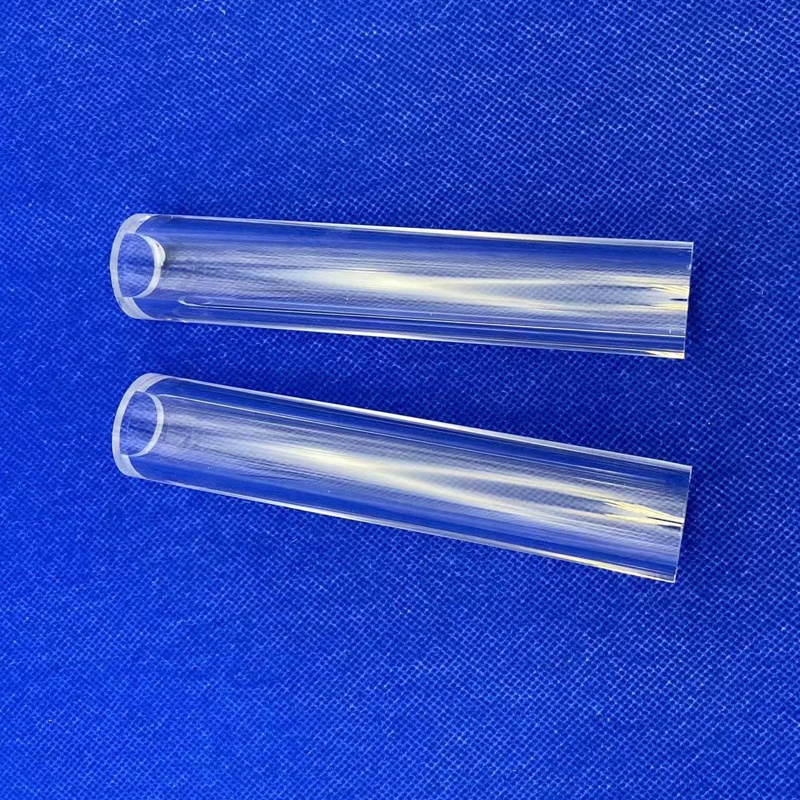
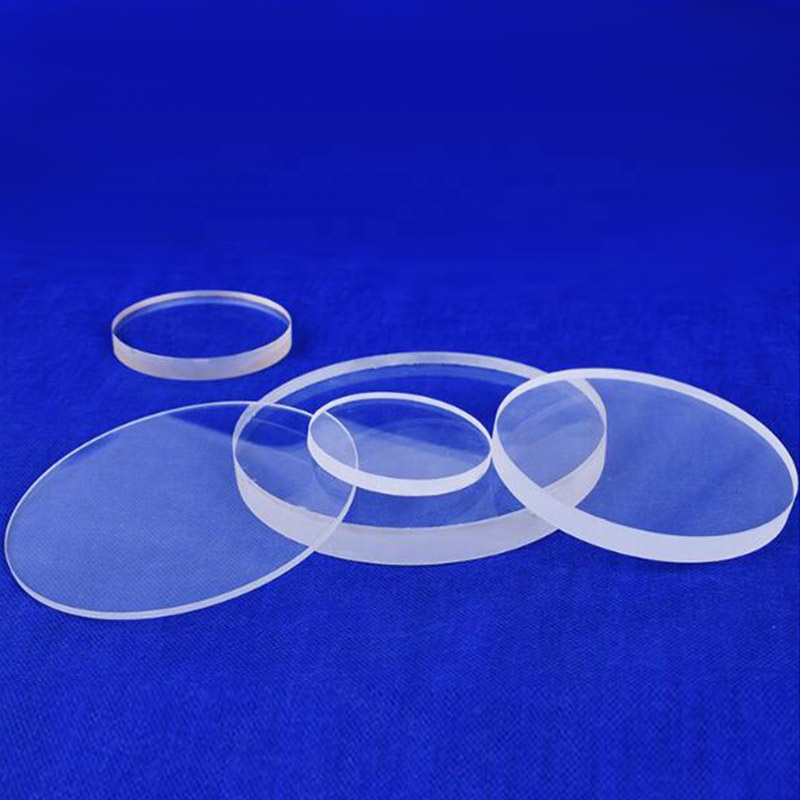
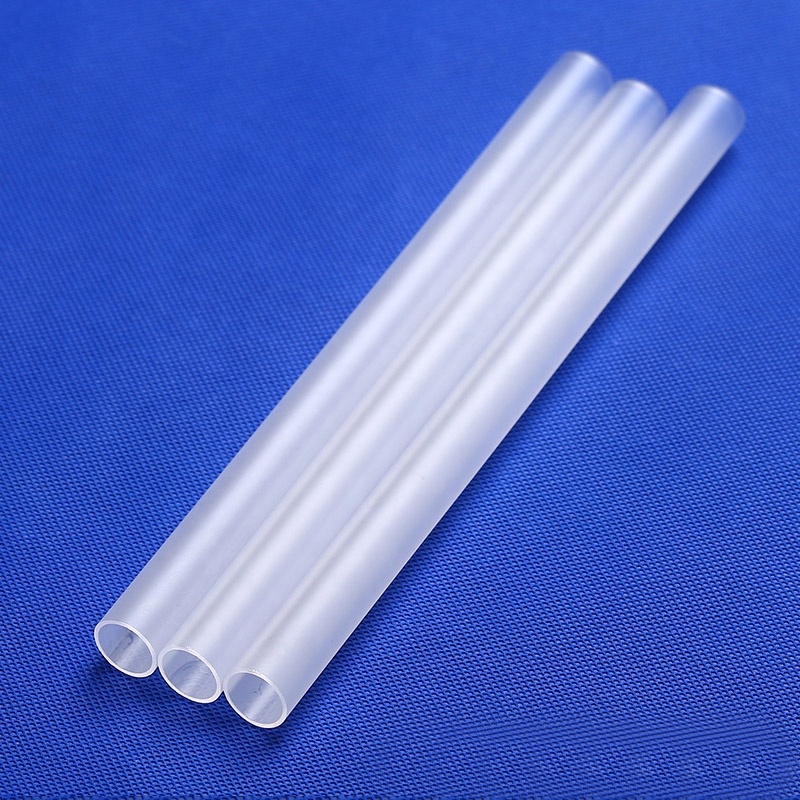
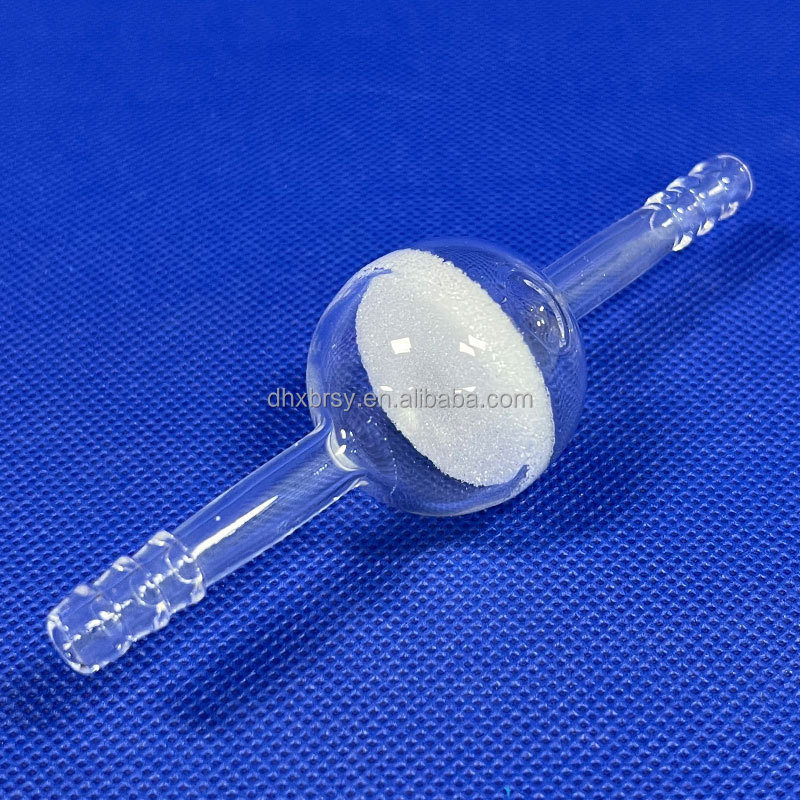
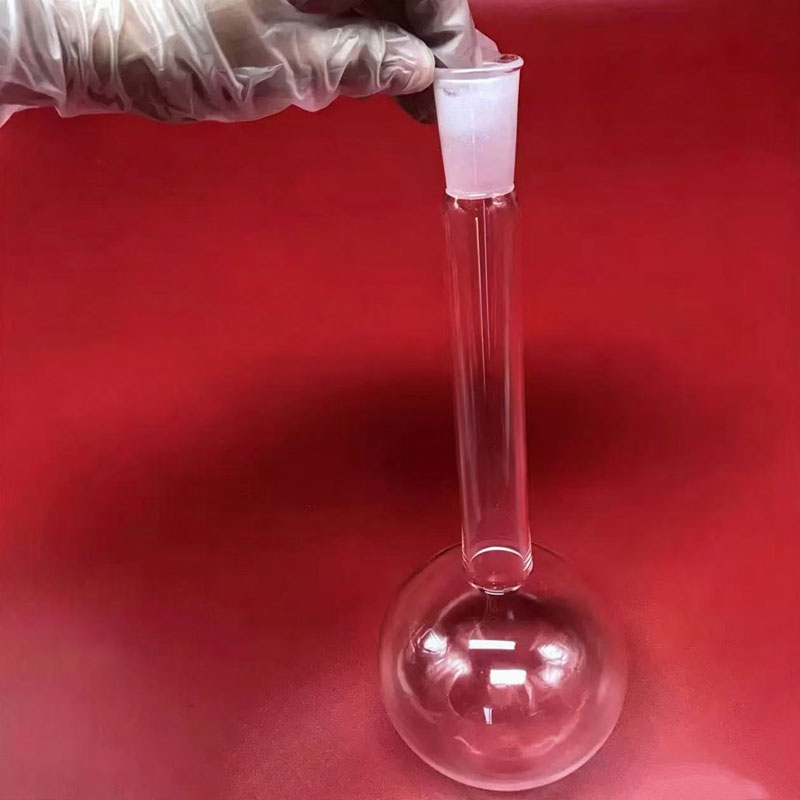
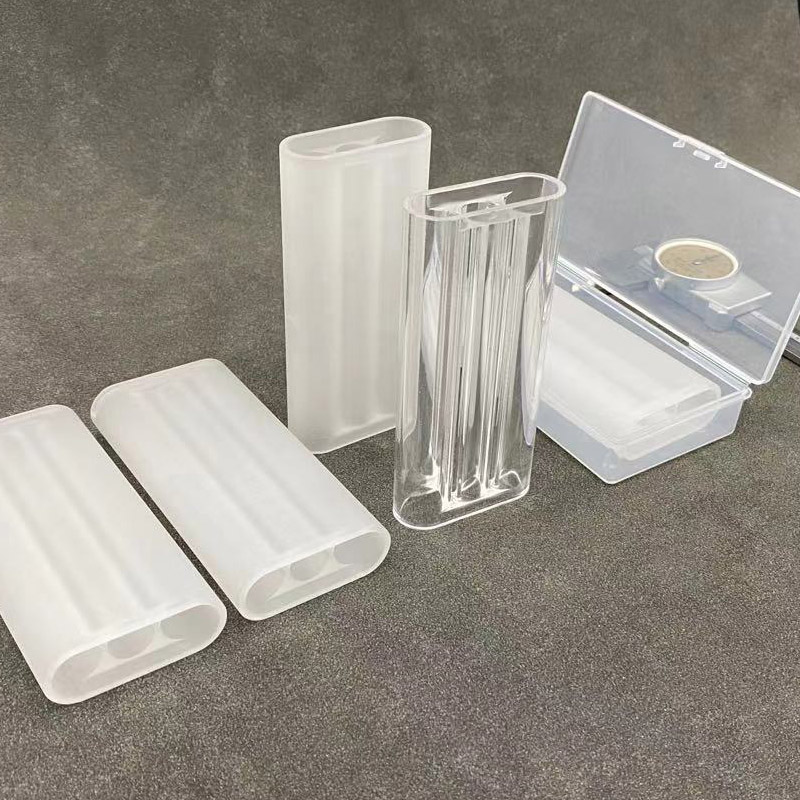
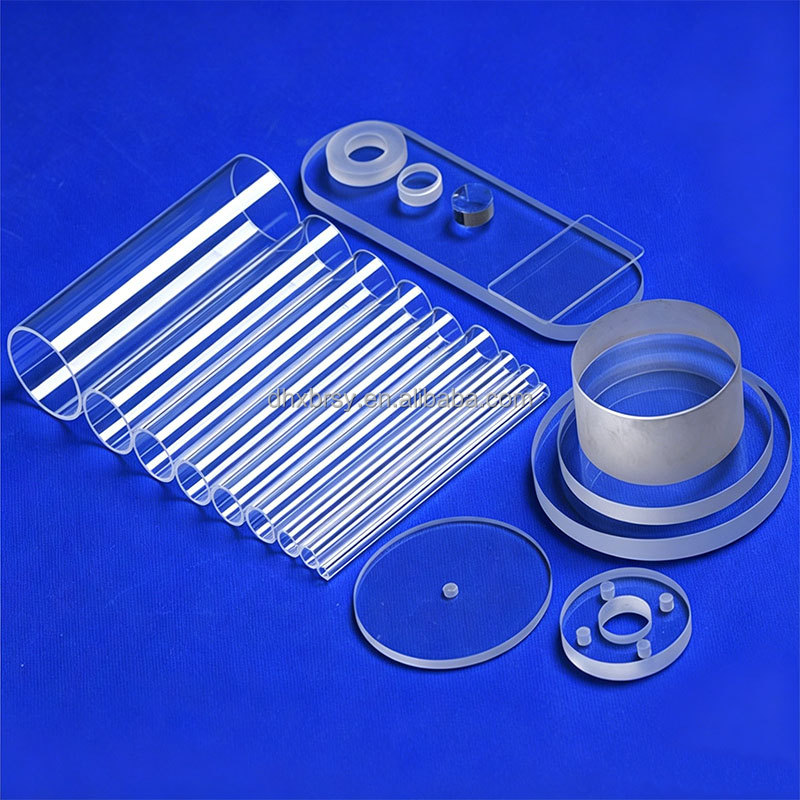
Featured Industrial Fused Quartz Products
Manufactured to micron-grade tolerances from certified high-purity natural silica sand, offering thermal shock resistance, broadband transmission, and extreme dimensional stability.
Materials Science of Fused Silica (SiO₂) in Demanding Industrial Environments
Fused silica and fused quartz represent the pinnacle of vitreous materials science. Unlike soda-lime or borosilicate glasses, pure synthetic or electrically fused silicon dioxide consists of an amorphous, cross-linked tetrahedral network of silicon and oxygen atoms (SiO₄) completely free from glass network modifiers like sodium, calcium, or boron. This unique structural homogeneity confers performance attributes unattainable in conventional glass compositions.
For technical directors and procurement engineers across the Bristol and South West industrial corridors, selecting fused silica is governed by its singular physical constants: an extremely low coefficient of thermal expansion (CTE ≈ 5.5 × 10⁻⁷ /°C), high structural integrity up to continuous service regimes of 1100°C to 1200°C, near-zero fluorescence in the ultraviolet realm, and complete chemical inertness in contact with concentrated mineral acids (with the known exceptions of hydrofluoric and boiling phosphoric acids).
Physical / Chemical Property
Standard Synthetic Fused Silica (JGS1)
Fused Natural Quartz (JGS2)
Borosilicate 3.3 Glass (Reference)
SiO₂ Purity Level
≥ 99.999%
≥ 99.99%
Approx. 81%
Thermal Expansion (20°C–320°C)
5.5 × 10⁻⁷ K⁻¹
5.5 × 10⁻⁷ K⁻¹
32.5 × 10⁻⁷ K⁻¹
Max Working Temperature (Continuous)
1100 °C – 1200 °C
1100 °C – 1150 °C
≈ 450 °C
Softening Point
≈ 1730 °C
≈ 1680 °C
≈ 820 °C
Deep-UV Transmission Cutoff
185 nm (Optically Pure)
220 nm (Flame Fused)
≈ 310 nm (Opaque in DUV)
Dielectric Strength (20°C, 1MHz)
25–40 kV/mm
20–30 kV/mm
10–15 kV/mm
The manufacturing process at Lovri Quartz integrates raw material purification directly at our 14,271 m² production facility in Lianyungang, controlling every stage from crushing and multi-stage acid leaching through high-temperature vacuum electric fusion and precision CNC diamond grinding. By managing raw sand processing in-house, we eliminate the metallic impurities (such as Fe, Al, Ti, and alkali ions) that cause catastrophic devitrification (cristobalite phase transformation) under repeated thermal cycling in high-vacuum diffusion or epitaxial deposition chambers.
Regional Industrial Integration
Serving Bristol's High-Technology Ecosystem: Applications & Use Cases
Bristol and the surrounding Severn Estuary corridor represent one of the UK’s most technologically advanced manufacturing ecosystems. The transition towards next-generation space payloads, clean green energy, high-power photonics, and quantum technologies has established distinct, mission-critical demands for engineered quartz and fused silica glass components:
Aerospace & Defense (Filton Hub)
The Filton aerospace corridor hosts premier global aerospace tier-1 innovators. Fused silica serves in precision flight-test sensor windows, high-temperature pyrometry viewports for jet propulsion benches, and radomes where radar wave transparency and mechanical integrity at 1000°C+ are non-negotiable.
Quantum & Photonics Clusters
Aligned with the University of Bristol's Quantum Technology Enterprise Centre (QTEC), local start-ups and laboratories require zero-bubble, stress-free JGS1 fused silica windows for magneto-optical traps (MOT), cold-atom laser cooling benches, and low-loss micro-optical guide plates.
Compound Semiconductors
Extending across the M4/M5 junction toward Newport and South Wales, the regional compound semiconductor cluster relies on high-purity CVD reaction quartz cylinders, vertical diffusion process tubes, wafer boats, and ultra-flat quartz carriers operating in corrosive chloride and fluoride plasma chambers.
Furthermore, Bristol’s environmental laboratories and marine science initiatives centered on the Avon Gorge and Severn Estuary require robust digestion apparatus, quartz flow cells, and ozone generator sleeves capable of enduring continuous UV oxidation and corrosive acid digests without leaching silica into micro-trace analytics.
Procurement Forecast & Sector Evolution
Market Growth Trends: Fused Quartz Procurement in South West England
UK industrial strategies have accelerated sovereign manufacturing resilience, localized prototyping, and green decarbonization. Within Bristol, Gloucestershire, and North Somerset, several structural procurement trends are shaping how technical glass is sourced:
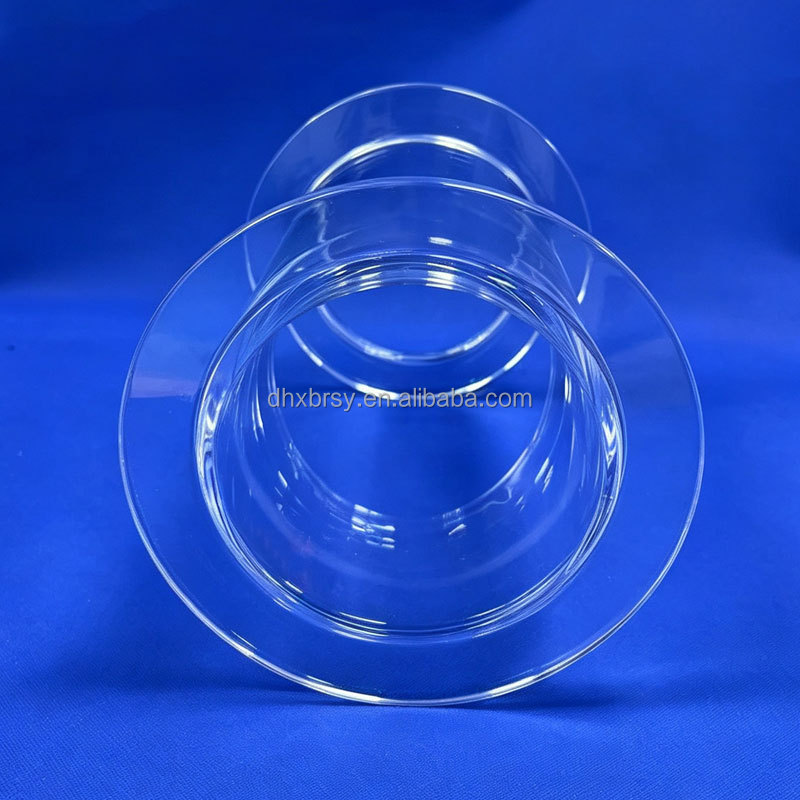
Rise of Compound Semiconductor Infrastructure: With UK government backing for the South West & South Wales CSconnected compound semiconductor cluster (specializing in InP, GaAs, and GaN for 5G, EV power electronics, and photonics), procurement has shifted from catalog glass toward fully custom, double-flanged CVD quartz reactor cylinders and tight-pitch wafer handling boats.
Shift from Subcontracted Trading to Factory-Direct Engineering: Technical buyers at Filton, Aztec West, and Clevedon are bypassing domestic catalog brokers to reduce cost-layering and lead times. Direct OEM engagement with an SGS-verified manufacturer allows engineering teams to transmit STEP/DWG drawings directly to the machine center, eliminating translation errors in custom geometries.
Escalating Demand for Stringent Stress & Bubble Certifications: With the expansion of high-energy industrial laser welding and medical aesthetics manufacturing around Bristol, standard optical glass is insufficient. Orders increasingly mandate verifiable polarization stress testing (residual birefringence < 5 nm/cm) and certified Class 0/Class 1 bubble classes under DIN 3140 or ISO 10110 standards.
Sustainable, Zero-Failure Life Cycles: Facilities implementing ISO 14001 decarbonization protocols favor 99.99% SiO₂ quartz heaters and reaction tubes due to their longevity under high-frequency thermal cycling. Quartz tubes that resist devitrification dramatically reduce furnace downtime and prevent scrapped wafer runs.
Our Manufacturing Competence
Enterprise Advantages: The Lovri Quartz Direct-Factory Advantage
Lovri Quartz Products Co., Ltd. is not a reseller or broker. We are an SGS onsite-verified primary manufacturer with our base in Lianyungang, Jiangsu — China’s foremost silica resource and glassworking center. For Bristol buyers, our full-stack manufacturing capability translates into distinct technical, economic, and operational advantages:
Full-Chain Quality Governance
From cutting raw natural lumps, pulverizing, and acid pickling to tube drawing, fine annealing, and final CNC edge polishing, all 12 manufacturing steps are managed in-house under strict SGS and ISO-audited quality parameters.
Advanced Optical CNC Machining
Equipped with 4-axis diamond tooling CNC centers, ultrasonic drilling stations, and glass-blowing lathes, we easily fabricate complex contours, slotting, external/internal threading, multi-bore drillings, and ground vacuum sealing surfaces.
Export Packing & UK Logistics
Fragile quartz apparatus requires engineered transport protection. We utilize custom-molded high-density PE foam, multi-layer shock mitigation, vacuum moisture-seal bagging, and export-compliant wooden crates, ensuring zero transit breakage into the UK.
Whether you require standard 100mm–300mm furnace tubes, bespoke JGS1 laser viewports, or low-volume prototypes (MOQ starting at 1 pc for non-standard engineered designs), our engineering team conducts immediate DFM (Design for Manufacturability) reviews from your STEP, DWG, or PDF specifications.
Clear, definitive answers to technical questions commonly raised by engineers, laboratory managers, and procurement specialists across South West England.
How does JGS1 compare to JGS2 and JGS3 for optical and UV applications?
JGS1 is synthetic fused silica made from silicon tetrachloride (SiCl₄), offering near-zero impurity levels and maximum transmission in the deep UV (185–2500 nm). It is virtually bubble-free and resistant to solarization, making it optimal for excimer lasers and lithography. JGS2 is flame-fused from high-grade natural quartz sand (220–2500 nm), serving cost-effectively for general optical sight windows and UV lamps. JGS3 is electrically fused, yielding low OH content (< 5 ppm) which eliminates the 2.7 µm OH absorption band, making it ideal for infrared applications up to 3500 nm.
What are the lead times and shipping procedures for delivery into Bristol and the UK?
For prototype and small-batch orders (1–10 pcs), typical machining and annealing lead time is 7–12 working days. High-priority consignments are shipped via express air freight (DHL, FedEx, UPS) directly to Bristol Airport (BRS) or local facility docks with transit times of 4–6 business days. Volume production tubes and apparatus ship via sea freight into Southampton or Bristol Port (Avonmouth/Royal Portbury), accompanied by complete commercial invoices, packing lists, CE/RoHS material conformity declarations, and customized UK customs documentation.
Can you manufacture custom quartz parts directly from our engineering drawings?
Yes. Over 75% of our factory production is custom OEM work. We accept standard mechanical design file formats, including PDF, AutoCAD DWG/DXF, STEP, IGES, and SolidWorks. Our glass technologists evaluate geometric tolerances, wall thickness stability, edge chamfering, and annealing stress distribution before confirming manufacturing schedules.
What quality control measures prevent thermal cracking in furnace and CVD applications?
Thermal stress cracking in fused quartz is almost exclusively caused by residual stress introduced during flame working, tube drawing, or welding. Every tube, cylinder, and apparatus fabricated in our facility undergoes programmatic thermal stress relief in computerized annealing ovens followed by 100% inspection using polarization stress polarimeters. We guarantee residual birefringence under 5–10 nm/cm on optical grades, ensuring complete thermal shock resilience.
What is your Minimum Order Quantity (MOQ) for non-standard quartz profiles?
We operate with low procurement barriers for R&D centers, universities, and specialized engineering firms. For standard-diameter tubes and cut plates, MOQ is 1 piece. For fully custom CNC machined components, double-flanged cylinders, or multi-bore flow tubes, we readily produce single prototype units to allow client validation prior to volume production commitments.
How do you guarantee transit safety and prevent breakage during international transit?
Our export packaging standards have been refined over 15 years of shipping precision glass across North America and Europe. Parts are individually washed, dust-sealed in clean poly bags, nestled in form-fitting high-density EPE foam cradles, and packed in reinforced double-wall corrugated cartons or fumigated export plywood crates. In the rare event of verified transit damage, we operate an expedited free-of-charge replacement policy.
Collaborate Directly with our Quartz Glass Technologists
Have a drawing, an upcoming furnace rebuild, or a custom optical quartz requirement for the Bristol market? Send your CAD files or technical specifications today for a detailed DFM evaluation and direct-factory quotation.