Direct Factory Supply
Featured Precision Quartz & Fused Silica Components
Engineered for uncompromising mechanical, optical, and thermal stability in Madrid's high-tech corridors. Direct manufacturing, custom profiling, and rigorous QA verification to DIN EN ISO standards.
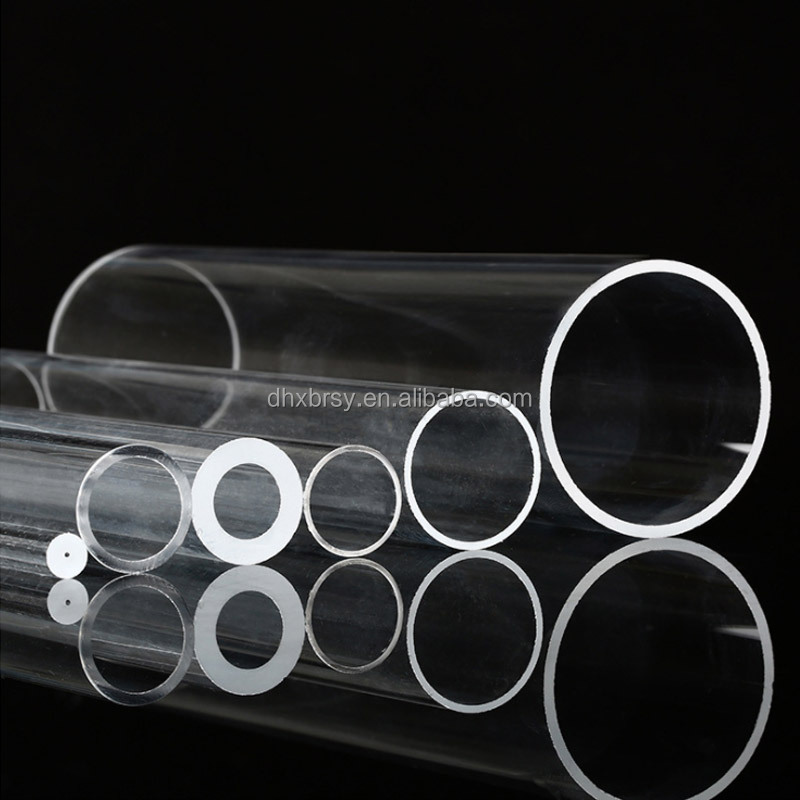
High-Precision Clear Quartz Glass Tube
Product Details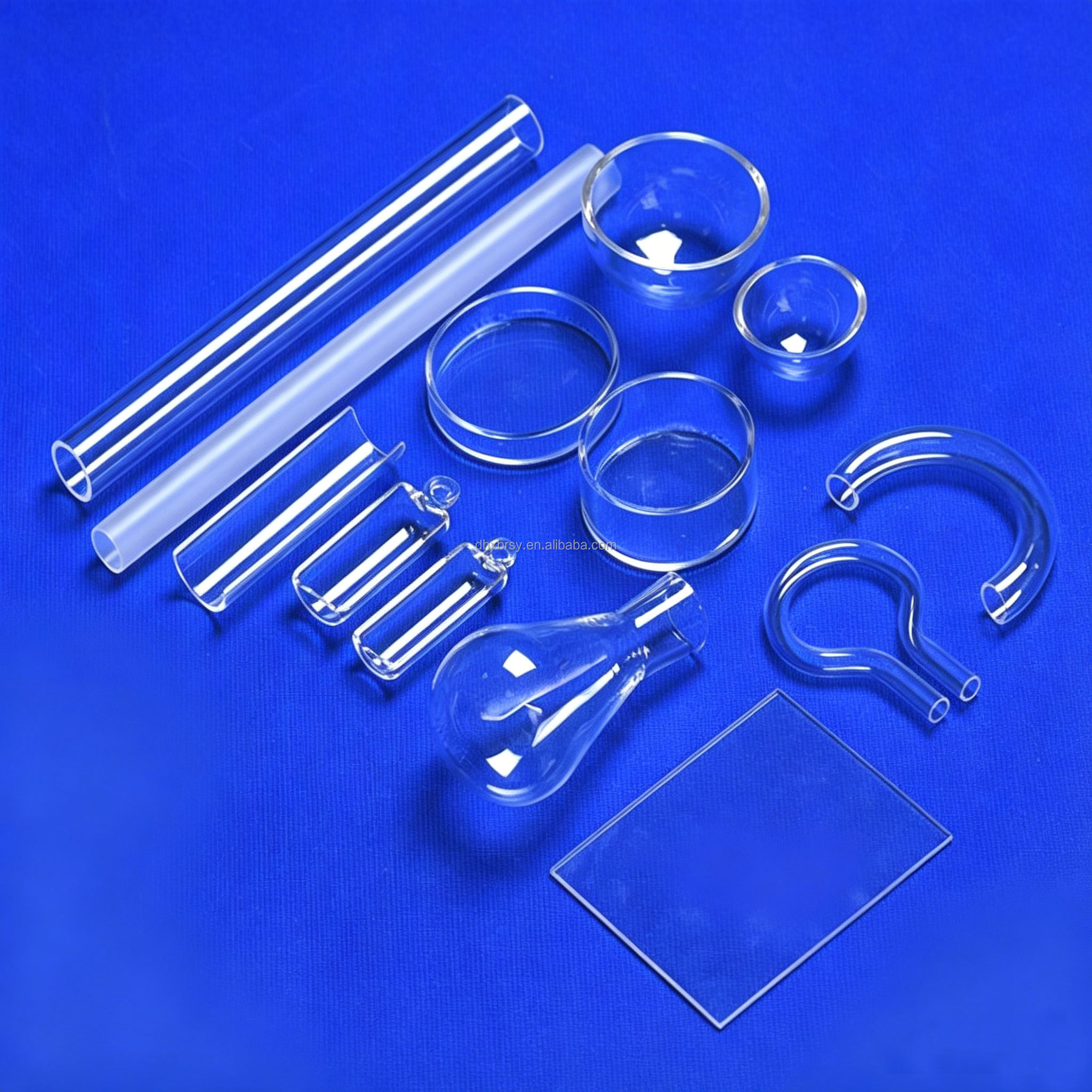
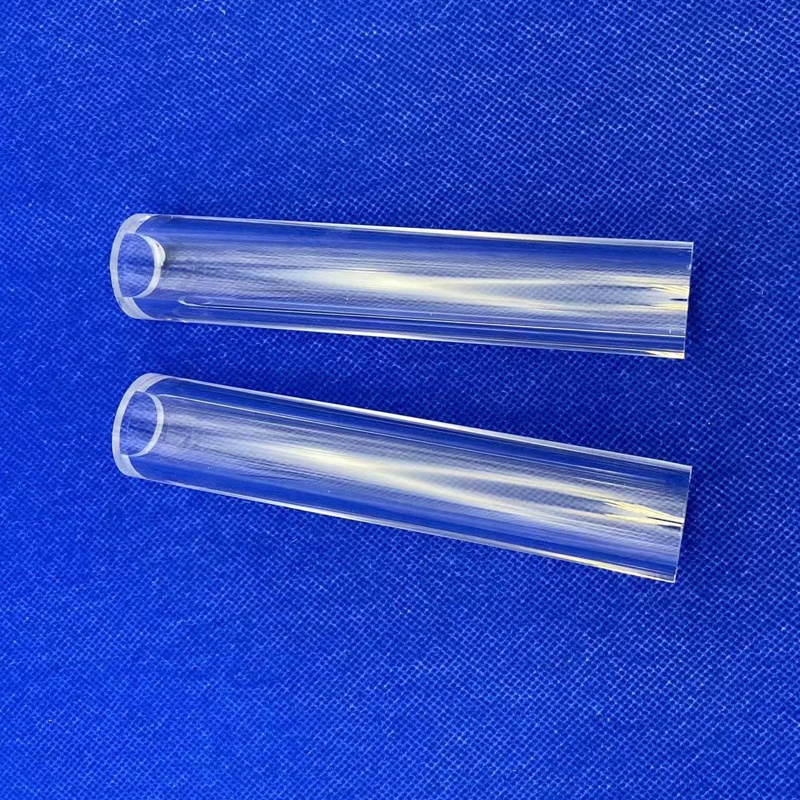
Transparent Fused Quartz Optical Sheet
Product Details
Candela Triple-Bore Fused Quartz Flow Tube
Product Details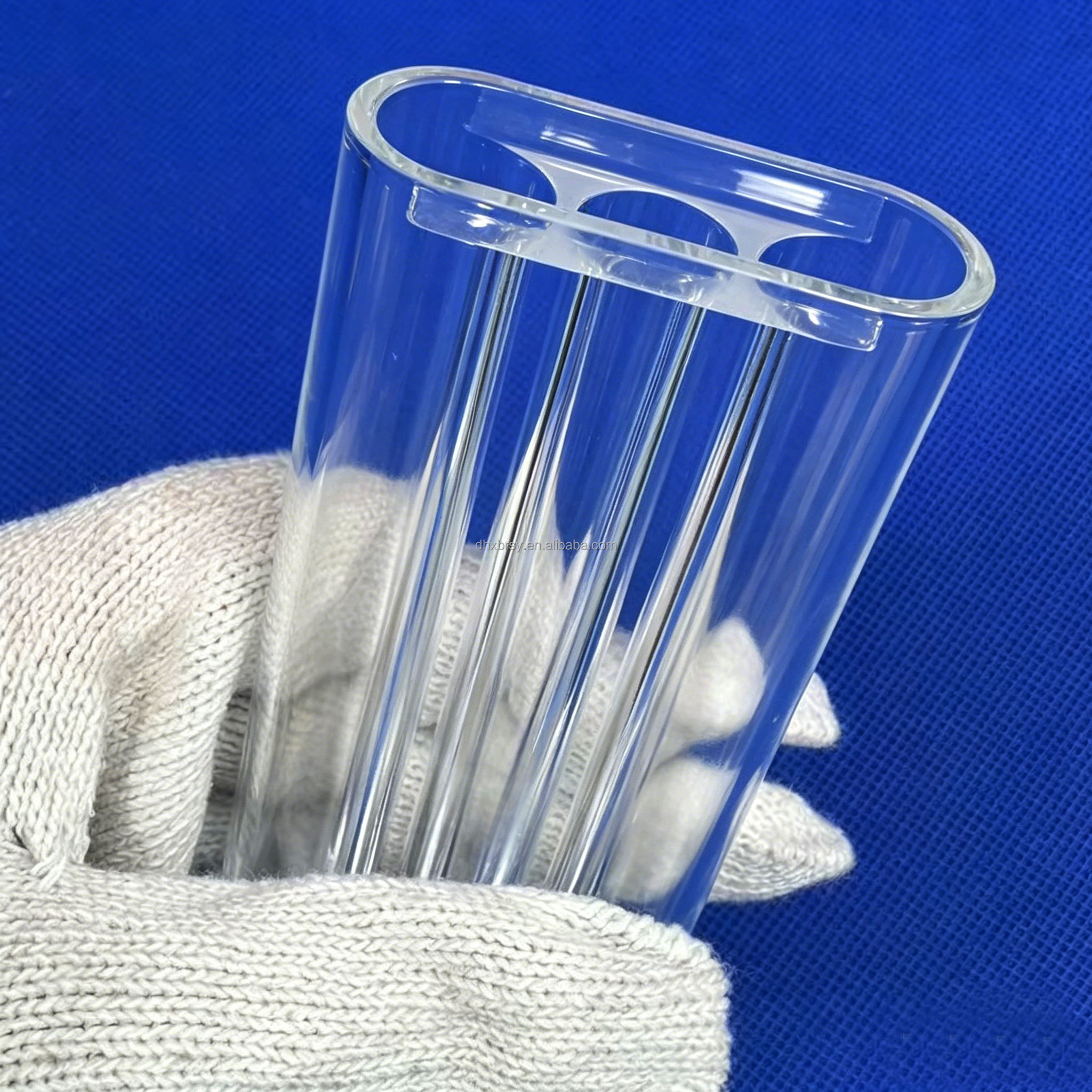
High-Temperature Lab Furnace Quartz Tube
Product Details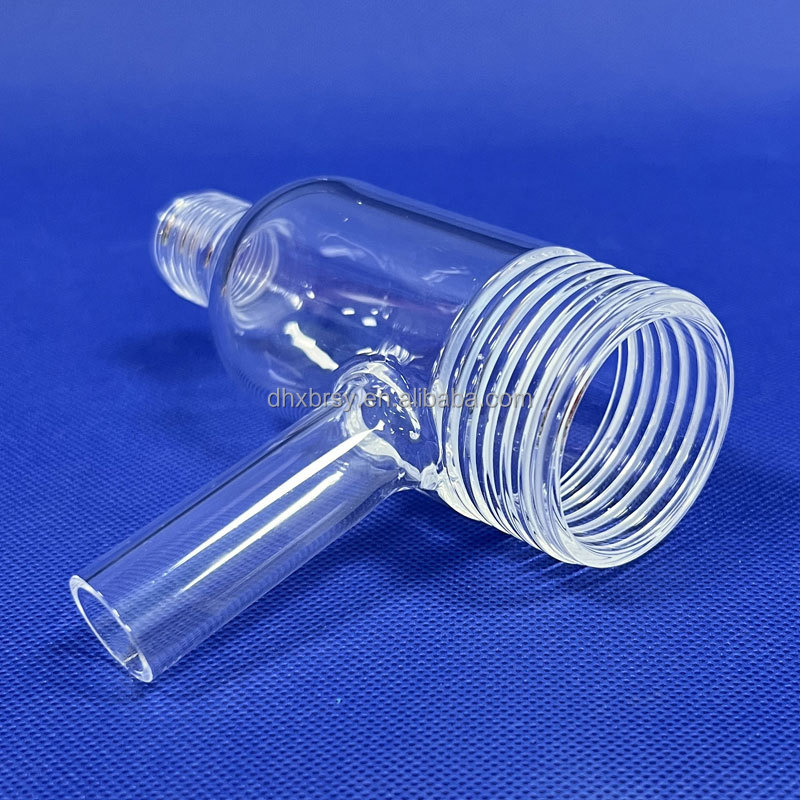
Polished Threaded Quartz Glass Tube
Product Details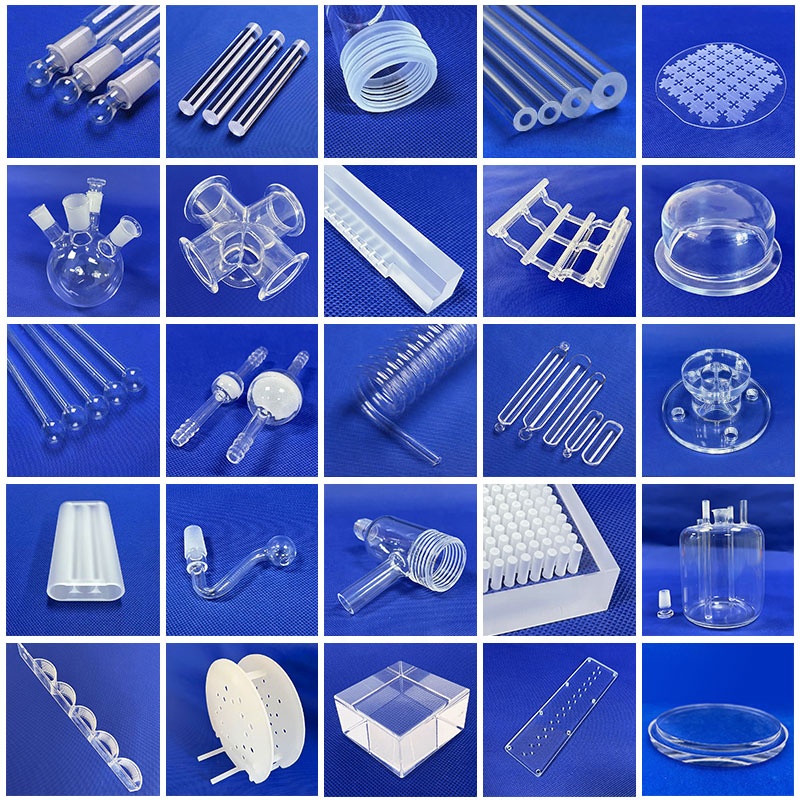
BAO RAN 419 High Transmittance Quartz Plate
Product Details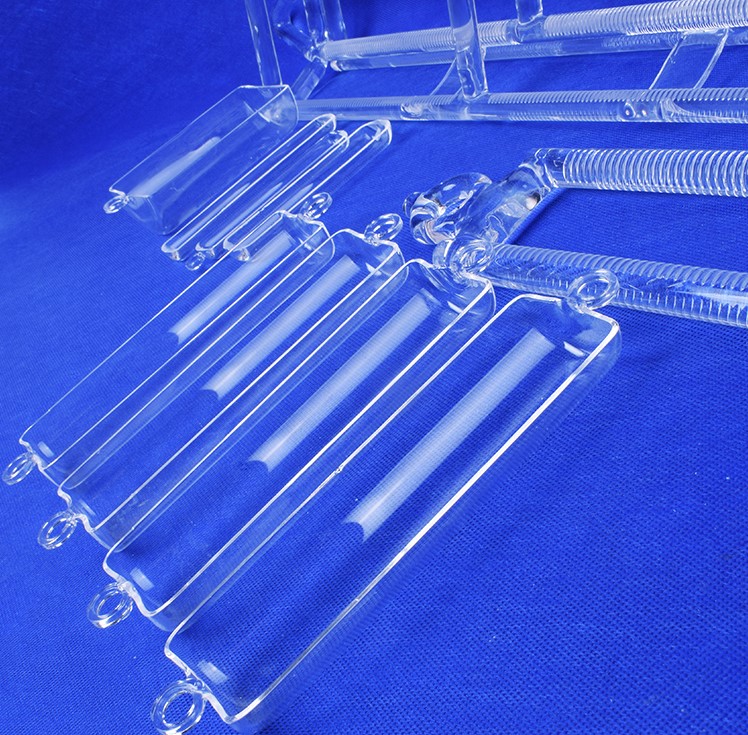
Customized Fused Quartz Wafer Boats
Product Details
Materials Science Perspective
Engineering Vitreous Silica: Thermodynamic & Optical Integrity
Technical performance data regarding Lovri's fused quartz and synthetic fused silica (JGS1, JGS2, JGS3) solid rods and structural bars supplying the industrial ecosystem of the Community of Madrid.
99.99%
SiO2 Chemical Purity Rating
1100°C
Continuous Working Temp
5.5×10⁻⁷
Thermal Expansion (/°C)
≤0.05nm
Surface Roughness (Ra) Polished
Fused silica rods manufactured by Lovri Quartz Products Co., Ltd. are engineered via continuous thermal-drawing and flame-fusing methods using refined crystalline quartz feedstock sourced from Lianyungang's concentrated mineral belt. With an amorphous tetrahedral structure composed entirely of silicon-oxygen networks ($SiO_4$), our finished rods show exceptional homogeneity, minimal striae, and negligible bubble counts (compliant with DIN 58927 / ISO 10110 classifications).
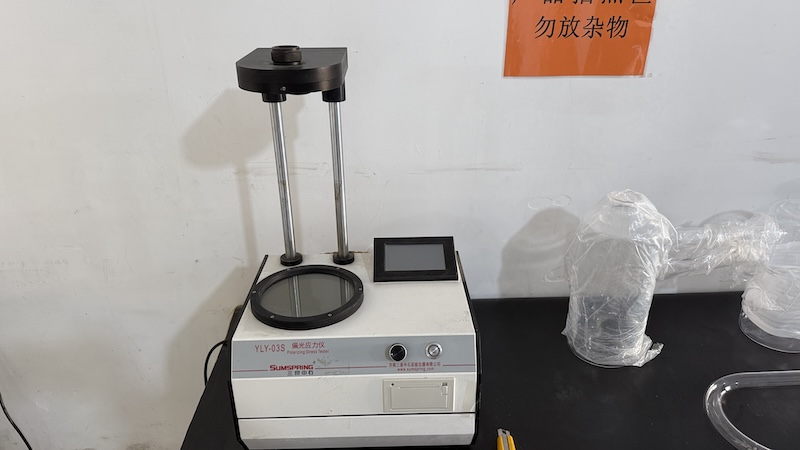
For procurement managers and R&D scientists in Getafe, Tres Cantos, and Alcalá de Henares, fused silica rod performance rests heavily on structural purity and thermal annealing. Annealing down from 1215°C inside digitally regulated furnaces eliminates localized internal stress. We verify stress birefringence via crossed-polarizer photoelastic testing ($< 10\text{ nm/cm}$ residual optical path difference), preventing sudden structural shattering under heavy cycling within semiconductor chambers and aerospace test rigs.
Chemically, our vitreous silica rods are virtually inert to almost all operational reagents—including hot sulphuric, nitric, and hydrochloric acids—making them exceptional structural isolation standoffs and feedthroughs in corrosive chemical analysis, sensor encapsulation, and vacuum metallurgy processing lines.
Regional Strategic Deployment
Localized Application Scenarios in the Community of Madrid
Madrid sits as Spain's nerve center for deep-tech innovation, aerospace testing, and quantum research. Discover how our high-purity quartz and fused silica rods integrate directly into regional supply chains.
Aerospace & Defense (Getafe & Barajas)
Madrid’s aerospace manufacturing cluster demands optical quartz rods for high-temperature sensor assemblies, pyrometry viewing guides, and thermal barrier standoffs subjected to sustained vibrations and intense gradient thermal shock.
Quantum Technologies & Optoelectronics
In research institutes around Cantoblanco and Tres Cantos, synthetic JGS1 silica rods act as low-loss light homogenizers, laser light-guides, and low-fluorescence substrates for extreme ultraviolet (EUV) and telecommunication photonics.
Semiconductor Epitaxy & Thin-Film PV
Madrid-based microelectronics fabrication cleanrooms utilize precision-ground fused quartz rods for wafer holding mechanisms, thermocouple protection sheaths, and paddle supports within LPCVD and wet chemical etching processing tanks.
Biomedical Instrumentation & Diagnostics
Pharmaceutical clusters along the A-2 Corridor (San Fernando de Henares) incorporate precision quartz capillary rods and micro-cylinders into flow cytometry optical cells and analytical spectrofluorometers requiring zero autofluorescence.
High-Power UV Curing & Ozone Sanitation
Industrial printing, automotive coating, and municipal water purification facilities across South Madrid leverage fused quartz dielectric bars and reaction guides operating under strong ultraviolet (UV-C) exposure without solarization degradation.
CSIC & Academic Laboratory Research
Supplying Spain's premier scientific facilities (Consejo Superior de Investigaciones Científicas) with custom flame-worked silica rods, reaction tubes, and structural glass elements meeting strict dimensional tolerances down to ±0.02 mm.
Regional Market Intelligence
Future Trends: Iberian Strategic Autonomy & Photonics Growth
Evaluating macroeconomic catalysts shaping fused quartz and silica rod procurement in Spain through 2030.
PERTE Chip & Microelectronics Re-Shoring
Spain’s government-backed PERTE Chip initiative is fueling private and public capital expenditure into domestic semiconductor packaging and pilot fabrication lines around Madrid. This transformation demands reliable tier-1 supply partnerships for high-purity quartzware resilient against trace metallic contamination.
Expansion of Defense & Space Optronics
With escalated European defense budgets, Madrid-based defense contractors are accelerating the development of airborne laser countermeasures, optical navigation gyroscopes, and thermal imaging seekers requiring precision-ground JGS1 synthetic silica rods with low internal bubble metrics.
Green Hydrogen & High-Temperature Solar Thermal
Next-generation renewable initiatives across Spain rely on concentrated solar thermal receivers and electrolysis systems operating above 1000°C. Lovri's fused quartz rods fulfill critical structural isolation roles where borosilicate or ceramic glasses fail due to thermal fatigue.
Factory Footprint & Quality Control
Lovri Manufacturing Capabilities & Verification
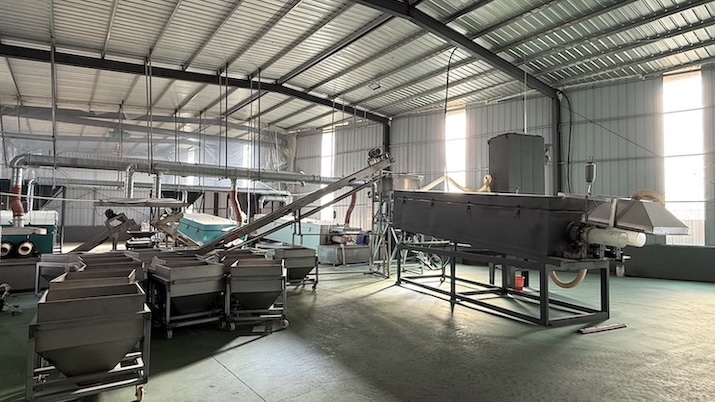
Direct from our 14,271 m² SGS-audited processing facilities in Lianyungang, China. Full vertical integration from raw quartz crushing and acid pickling to CNC grinding and polarization stress testing.
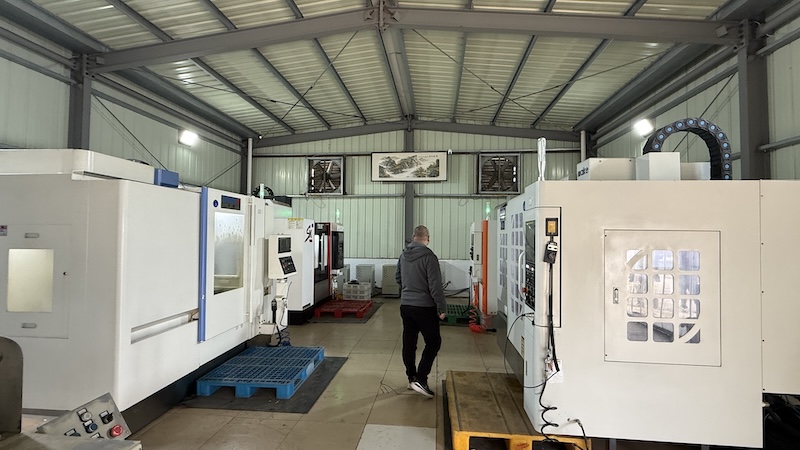
Precision Processing Workshop
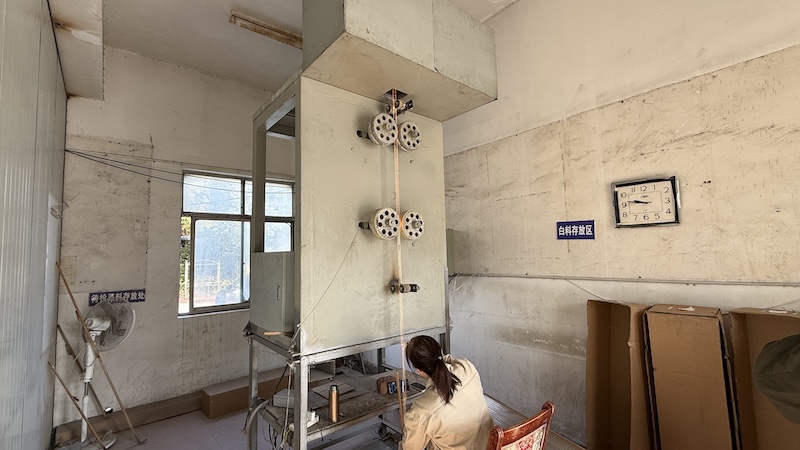
Continuous Thermal Drawing Line
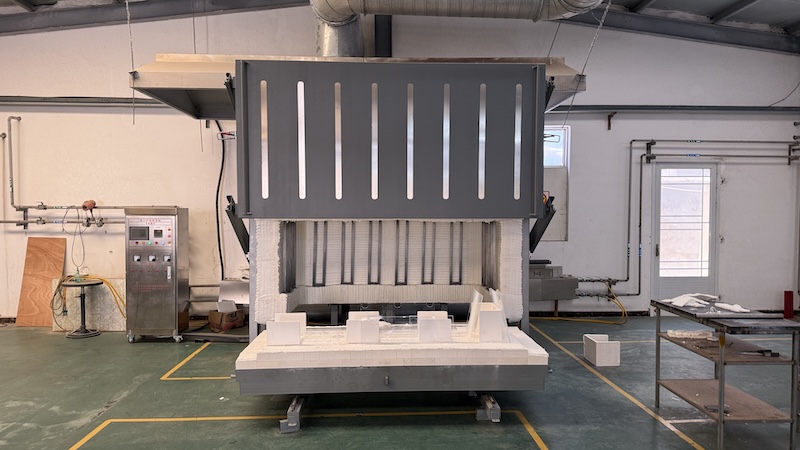
Controlled Annealing Ovens
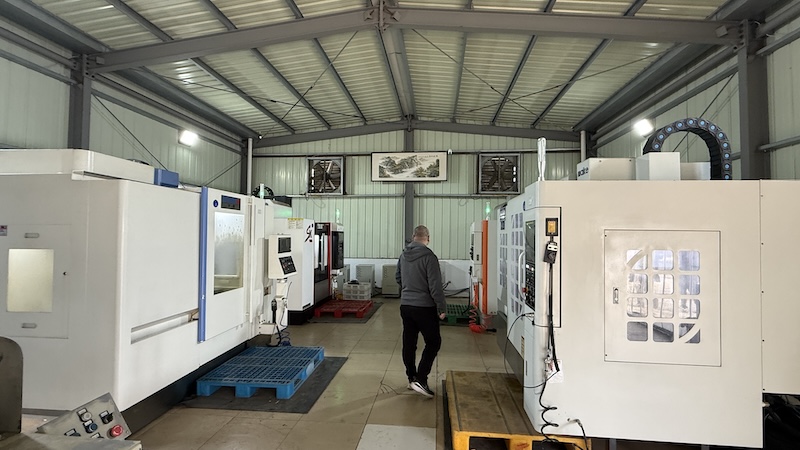
5-Axis CNC Quartz Machining
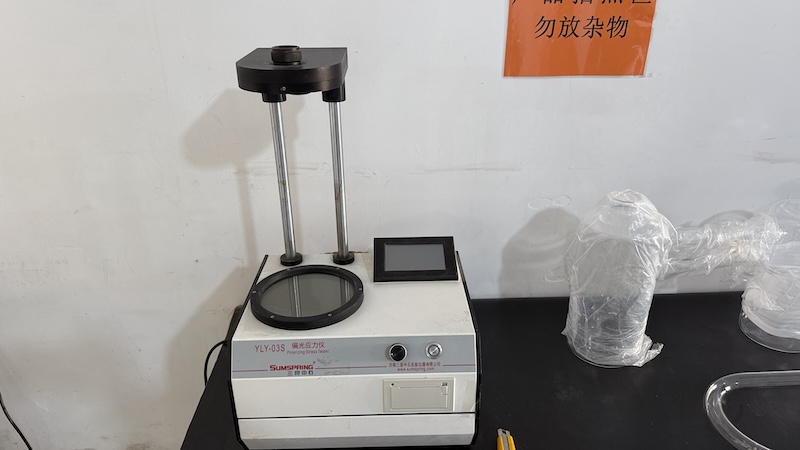
Stress Birefringence Testing
Laser Metrology & OD Sizing
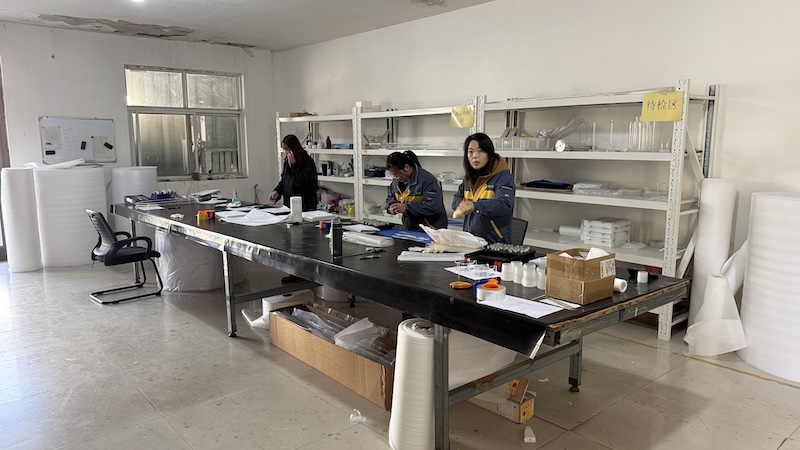
Custom Clean Vacuum Packaging
Reinforced Sea & Air Freight Crating
Procurement Guidance
Madrid Procurement & Engineering FAQ
Direct answers addressing technical trade regulations, transit protection, material verification, and order processing for buyers across Spain.
What optical grades are available for fused silica rods exported to Madrid?
We fabricate rods from three primary fused silica grades: JGS1 (Synthetic Fused Silica, deep UV transmission from 185 nm to 2500 nm, virtually free of bubbles and OH content adjustable for high laser energy); JGS2 (Fused Quartz made from natural crystal, transparent from 220 nm to 2500 nm, optimal for sight viewports and illumination rods); and JGS3 (Electrically Fused Quartz, transmitting from 260 nm into the extended infrared spectrum up to 3500 nm with negligible OH content).
What dimensional tolerances can Lovri maintain on machined silica rods?
Standard thermal drawing achieves outer diameter (OD) tolerances of ±0.1 mm to ±0.2 mm. For demanding photonic, aerospace, or semiconductor apparatus, our CNC grinding and centerless micro-polishing lines achieve rod diameter tolerances down to ±0.01 mm, circularity of ≤0.005 mm, and end-face parallelism within 30 arcseconds.
How are import compliance, TARIC codes, and Spanish customs (Agencia Tributaria) managed?
All export consignments destined for Madrid-Barajas (MAD) Airport or Valencia/Algeciras sea ports are issued with standard international commercial invoices, packing lists, and Certificates of Origin (CO). We categorize fused silica rods under Harmonized System / TARIC code 7002.20.90 (unworked rods/tubes of other glass) or 7017.10.00 (laboratory, hygienic or pharmaceutical glassware of fused quartz or other fused silica). Products fully comply with RoHS and REACH regulations.
How does Lovri ensure zero transit breakage on fragile quartz shipments to Spain?
Fragile logistics require specialized multi-tier packaging. Individual rods are protected with scratch-resistant poly film, placed into individualized shock-absorbent EPE foam slotting, packed into heavy-duty corrugated cartons, and suspended inside certified ISPM-15 heat-treated plywood crates. We maintain a <0.2% transit damage rate via DHL, FedEx, air cargo, and ocean transport. Full transit insurance is supplied as standard under CIF / DAP terms.
Can engineering teams order low quantities or prototypes before placing batch orders?
Yes. Supporting university spin-offs, tech centers (like IMDEA), and corporate pilot projects is fundamental to our export philosophy. Standard diameter rods and customized prototypes have a Minimum Order Quantity (MOQ) as low as 1 to 5 pieces, allowing thorough bench testing before scaling to mass manufacturing.