Export-Grade Fused Quartz & Silica Portfolio
Engineered directly at our source facility in Lianyungang and supplied across Northern Thailand with verified spectrophotometer data sheets and polarization stress relief inspections.
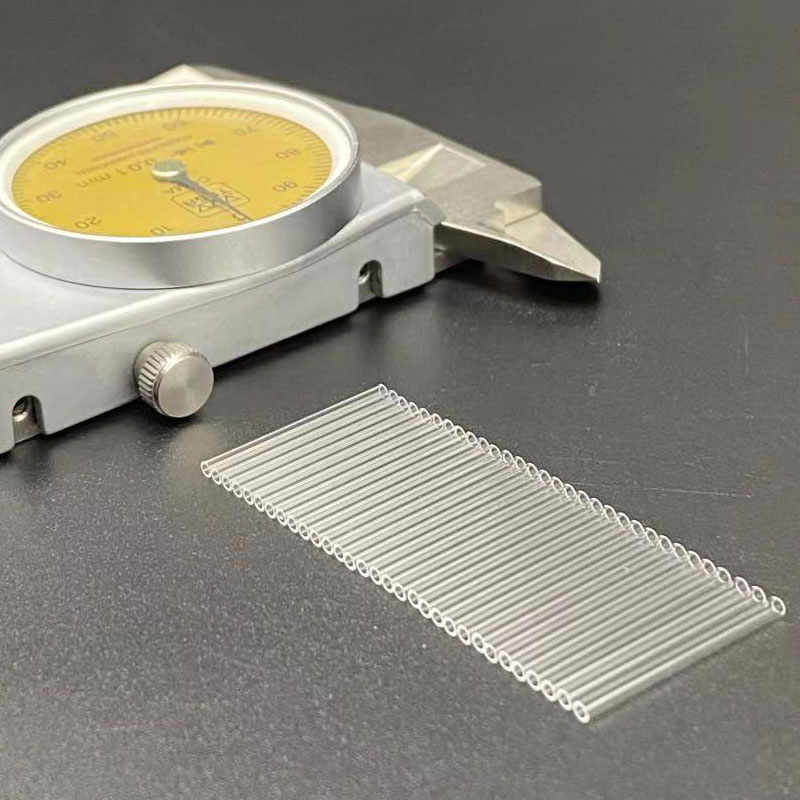
BAO RAN 419 Ultra-Thin 0.1mm–0.5mm Quartz Sheet 99.99% SiO2
Calibrated for laser shielding, UV beam splitters, and electronic sensor windows. ROHS certified.
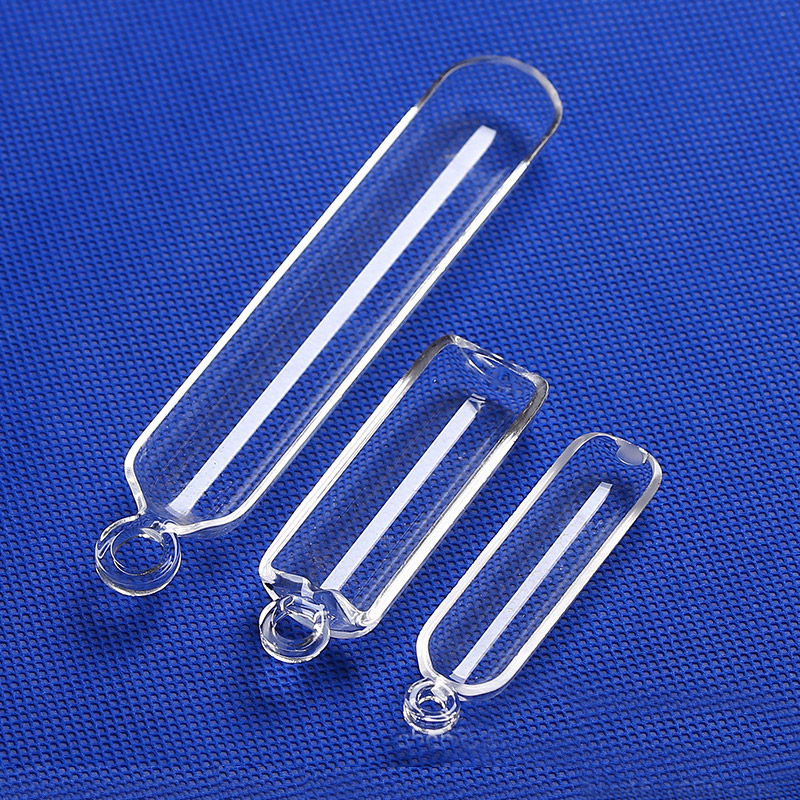
Custom Made Fused Quartz Wafer Boat & Carrier Apparatus
Precision slot pitch with flame welding & CNC milling services. Ideal for calcination & wafer diffusion.
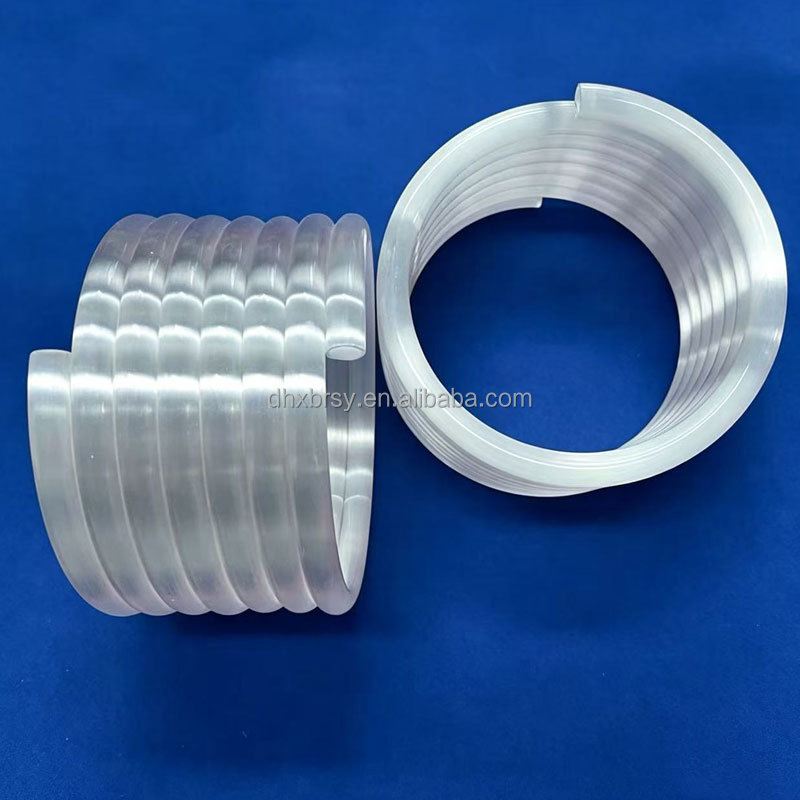
Milky White Opaque Fused Silica Quartz Helix Coil Spiral Tube
Optimized infrared reflection properties and thermal insulation for high-temperature cleanroom furnaces.
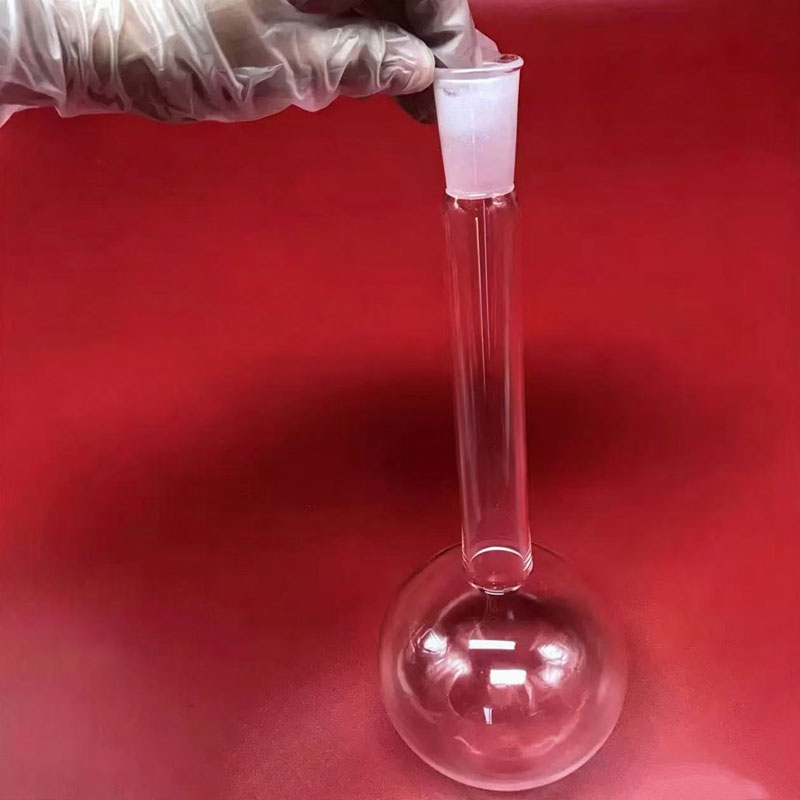
99.99% SiO2 High-Temperature 1200°C Quartz Long-Neck Flask
Extreme corrosion resistance to concentrated mineral acids; thermal shock proof for rigorous chemical synthesis.
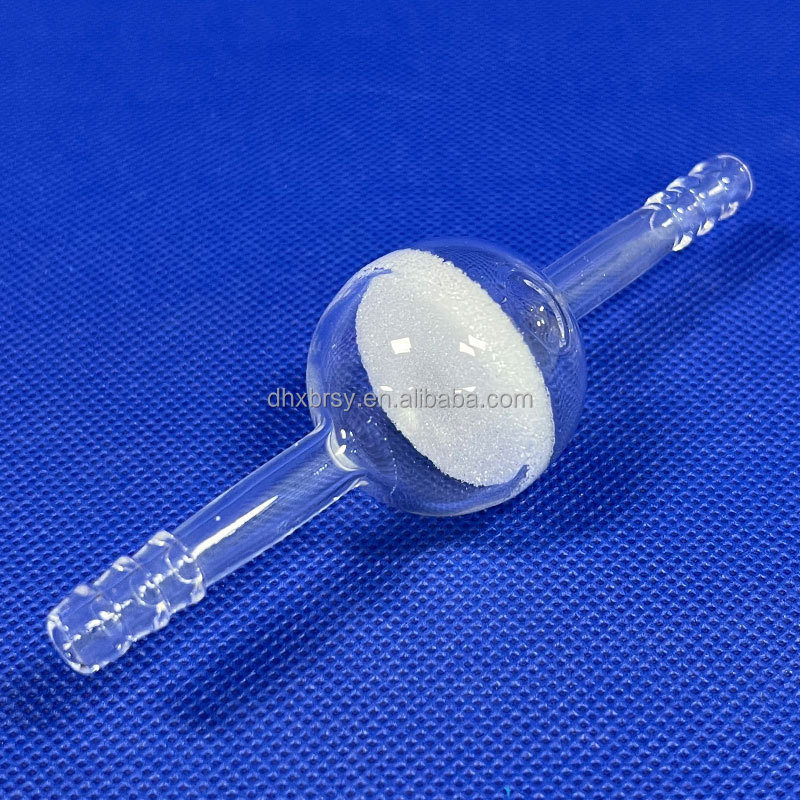
High Purity Transparent Fused Quartz Optical Plate & Digestion Tube
Superior optical clarity across UV-Vis-NIR bands; customized beveling and double-side optical polishing.
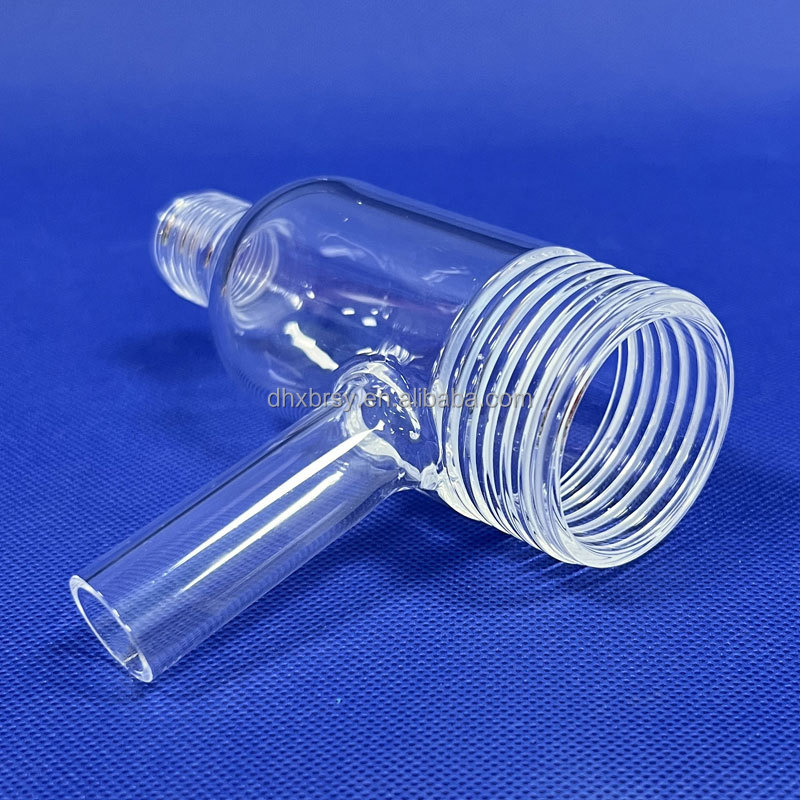
Polished High-Temperature Threaded Quartz Tube Joint
Internal and external precision lathe-machined threading for tight mechanical coupling in vacuum reactors.
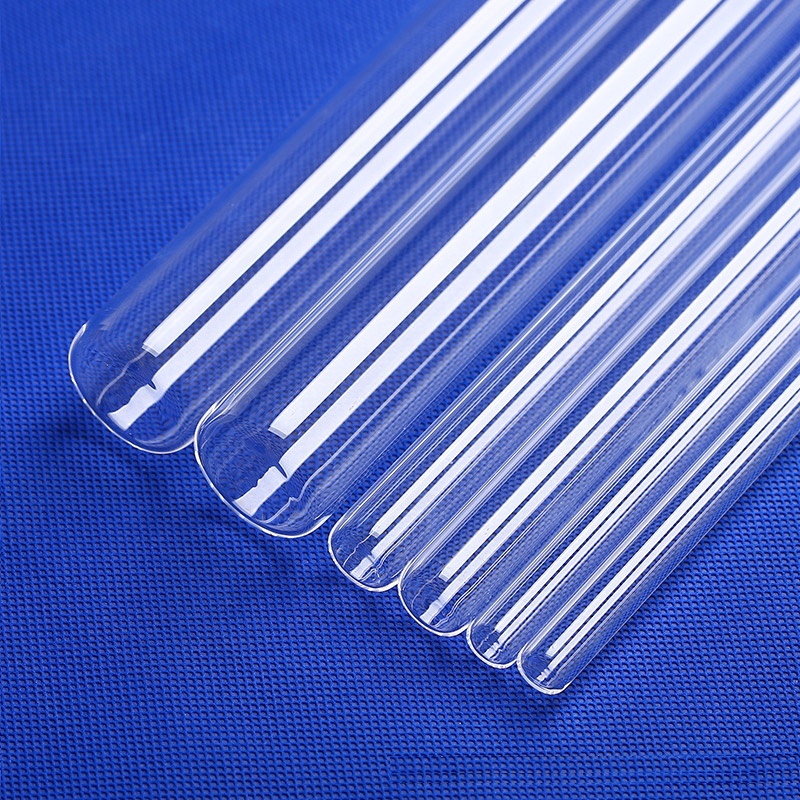
Closed-End Fused Silica Reaction Tube for Semiconductor Cells
Dome or flat bottom sealing with heavy-wall options, designed to resist high differential pressures.
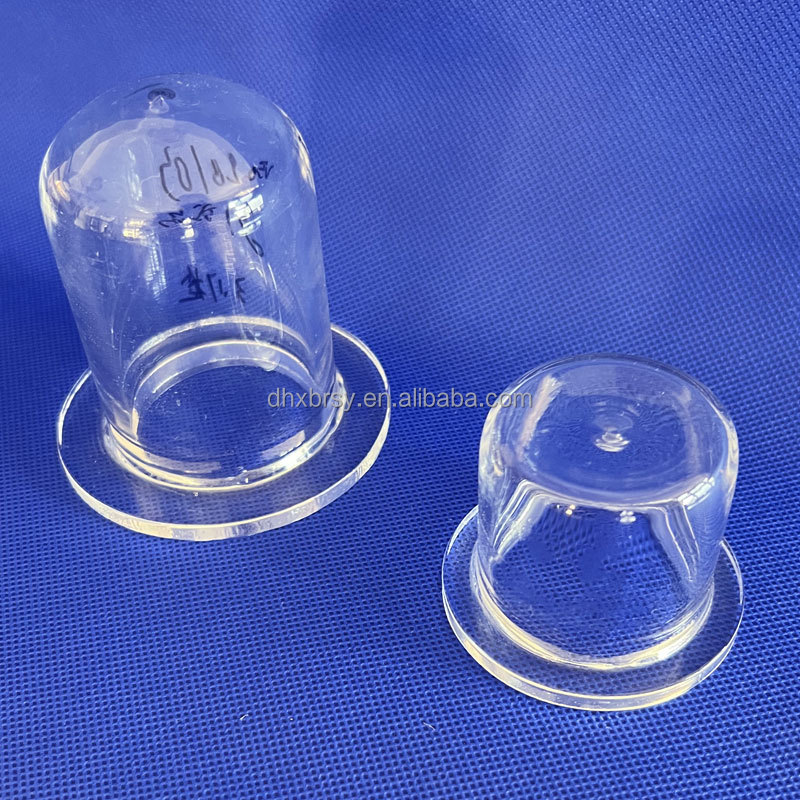
High-Transmittance Fused Quartz Tube for PV Sintering Furnaces
Formulated specifically for solar cell metallization, silicon ingot crystallization, and rapid thermal processing.
Material Science Benchmark: Synthesized Fused Silica vs. Natural Fused Quartz
In precision engineering environments across Chiang Mai and Lamphun, selecting between synthetic fused silica (e.g., JGS1) and natural fused quartz (JGS2/JGS3) determines not only optical performance but also the functional lifespan of components subject to aggressive laser radiation, thermal cycling, and corrosive chemicals. Fused silica sheets are non-crystalline vitreous silica ($SiO_2$) exhibiting an amorphous microstructure with near-zero coefficients of thermal expansion ($5.5 \times 10^{-7} /^\circ\text{C}$). This atomic arrangement affords the material total immunity to thermal shock: a red-hot fused silica plate heated to $1100^\circ\text{C}$ can be immersed directly into room-temperature water without crack propagation or surface micro-fracturing.
To support Chiang Mai design engineers in material specification, our Lianyungang foundry categorizes and certifies transparent optical quartz into three standard grades conforming to international optical metrics:
| Optical Grade | Production Route | Transmission Band (T > 85%) | Hydroxyl (OH⁻) Content | Primary Industrial Use-Case |
|---|---|---|---|---|
| JGS1 (UV Fused Silica) | Synthetic SiCl₄ Oxidation | 185 nm – 2500 nm | 800 – 1200 ppm | Deep-UV laser viewports, photolithography mask blanks, spectrometry |
| JGS2 (Optical Fused Quartz) | Natural Quartz Oxy-Hydrogen Flame | 220 nm – 2500 nm | 150 – 200 ppm | UV lamps, sight glasses, cleanroom furnace inspection plates |
| JGS3 (Infrared Fused Quartz) | Vacuum Electric Fusion | 260 nm – 3500 nm | < 5 ppm (Water-free) | CO₂ laser windows, IR pyrometry, semiconductor thermal sensors |
| Opaque Fused Silica | Porous Thermal Sintering | Diffuse / IR Block | Variable | Thermal insulation baffles, heater reflectors, diffuser plates |
Beyond transmission spectra, surface topography and wavefront distortion are strictly monitored. Our CNC optical finishing shop maintains double-sided optical polishing capable of achieving surface figure accuracies of $\lambda/4$ to $\lambda/10$ at 632.8 nm, with scratch-dig specifications reaching military-standard 20/10. For analytical and microfluidic devices fabricated for biomedical spin-offs at Chiang Mai University, thickness parallelism is held within $\pm 0.005\text{ mm}$ across the entire surface dimension.
Fused Silica Applications in Northern Thailand
Bridging international advanced materials manufacturing with Chiang Mai’s rapidly emerging science corridors, agro-industrial automation, and electronic export clusters.
Northern Science Park & Academia
Chiang Mai University (CMU) and Maejo University research groups rely on custom JGS1 optical sheets and multi-well quartz plates for spectroscopy, fluorescence assays, and laser-induced breakdown spectroscopy (LIBS) studies where standard borosilicate glass causes intolerable background autofluorescence.
Lamphun Semiconductor Assembly
Located adjacent to Chiang Mai, the Northern Region Industrial Estate (NRIE) houses multinational electronics packaging and hard-disk assembly lines. Our high-purity quartz wafer boats, cantilever tubes, and plasma etching quartz rings provide non-contaminating chemical inertness under corrosive etching chemistries.
Precision Agri-Photonics & Sensors
Northern Thailand’s agricultural tech hubs utilize customized optical quartz windows for drone-mounted hyperspectral cameras and soil-testing photometers. Synthetic quartz delivers consistent transmittance across visible to near-infrared light without chromatic aberration or UV degradation under high solar UV indexes.
Solar Thermal & Pyrolysis Reactors
As Chiang Mai transitions to clean industrial heating, bio-energy testing pilot plants employ thick-walled fused quartz tubes and milky-white spiral IR tubes. These assemblies resist continuous operational cycles reaching 1150°C and sudden pressure fluctuations during thermal biomass gasification.
Procurement & Growth Trends in the Chiang Mai Market
How the Northern Economic Corridor (NEC) and Thailand 4.0 initiatives are reshaping high-precision quartz material consumption in the region.
Direct Source Procurement Model
Historically, Chiang Mai research centers and industrial plants ordered fused silica windows through intermediaries in Bangkok, incurring a 30%–50% price markup and extended lead times. The contemporary trend is direct-from-foundry procurement under the ASEAN-China Free Trade Agreement (ACFTA Form E), ensuring certified traceability and custom CNC milling from original CAD drawings.
Integration of Smart Sensor Packaging
Chiang Mai’s growing startup ecosystem within the software and embedded hardware sector has created a localized demand for ultra-thin (0.1 mm to 0.3 mm) fused silica substrates. These serve as non-conductive, low-dielectric-loss packaging bases for high-frequency RF components and micro-optical sensors operating in humid tropical environments.
Stricter Quality Compliance Protocols
Industrial processors in Lamphun and Chiang Mai now systematically require RoHS 2.0 verification, heavy metal ICP-OES test reports, and polariscope stress certifications. Sourcing engineers eliminate unexpected furnace tube explosions and premature laser ablation by requiring verified annealing stress parameters (< 5 nm/cm residual birefringence) on every production batch.
Why Lovri Quartz Outperforms Standard Suppliers
Operating from Tuofeng Industrial Park in Lianyungang—China’s largest high-purity quartz raw material center—we control the complete processing chain from quartz rock crushing to high-precision CNC 5-axis machining.
SGS Onsite Audited
Full manufacturing capacity, staffing, and export packaging facilities verified independently by SGS Group on December 28, 2025.
12-Stage In-House Flow
We execute raw material cutting, acid pickling to 99.99% purity, continuous drawing, computerized annealing, and CNC milling entirely in-house.
Stress Polariscope Testing
Every optical plate and custom apparatus is inspected through polarization stress equipment to eradicate residual thermal stress before shipment.
Export Anti-Shock Packing
Triple-cushioned pearl foam encasement, moisture-sealed barrier wraps, and fumigated reinforced wooden crates guarantee zero-breakage arrival at CNX.
Frequently Asked Questions for Chiang Mai Buyers
Addressing engineering tolerances, tropical weather durability, import customs clearance, and logistics to Northern Thailand.
How do we claim preferential tariff treatment (0% Duty) under ACFTA?
Under the ASEAN-China Free Trade Agreement (ACFTA), fused quartz plates and apparatus under HS Code 7002.31 or 7006.00 qualify for preferential 0% customs import duty in Thailand. We issue official Form E certificates of origin directly with every export shipment, allowing your customs broker at Chiang Mai International Airport (CNX) or Suvarnabhumi Cargo to clear consignments smoothly without unnecessary duties.
Does high relative humidity in Chiang Mai affect fused silica optical performance?
Fused silica has a silica tetrahedral network that is chemically inert to atmospheric moisture and will not leach alkali ions or develop cloudiness, unlike standard soda-lime or borosilicate glasses. For deep-UV applications where environmental water film absorption might occur, we offer hydrophobic thin-film optical coatings that prevent atmospheric condensation even during Northern Thailand's peak monsoon season.
What typical shipping lead times and freight routes serve Chiang Mai?
For urgent academic prototypes or replacement sight glasses, DHL/FedEx air express delivers directly from our factory to Chiang Mai laboratory addresses in 4 to 6 working days. For bulk production consignments (furnace tubes, large sheet runs), consolidated sea-to-air or sea-land transit enters via Laem Chabang port, clearing bonded road transit to Chiang Mai in approximately 12 to 16 calendar days.
Can you machine complex custom quartz geometries directly from customer drawings?
Yes. Our CNC machining center accepts CAD files in DXF, DWG, STEP, or vectorized PDF formats. Capabilities include 5-axis ultrasonic glass grinding, micro-hole drilling (down to 0.3 mm diameter), counter-boring, slotting, precision optical polishing, and hermetic quartz-to-quartz welding. We accommodate low-volume initial orders (MOQ as low as 1 piece for prototypes) to assist university researchers in validating optical prototypes.
What is the difference between fire-polished and optically polished sheets?
Fire-polishing is a thermal process that creates a smooth, glossy surface suitable for sight glasses, heater viewports, and general laboratory dishes, but it introduces minor wave distortions. Optical polishing is a precision mechanical lapping procedure with cerium oxide slurries that ensures optical flatness ($\lambda/4$ to $\lambda/10$) and absolute parallelism, essential for laser windows, interferometry, and UV-Vis spectrophotometer cells.
How is glass transit damage prevented during international haulage?
Fragile quartz glass requires multi-tier shock isolation. Each sheet is individually wrapped in cleanroom-grade static-free PE wrapping, sandwiched between high-density EVA foam plates, encased in thick corrugated cartons, and then locked within custom-dimensioned plywood cases bolted with steel brackets. We maintain an international transit breakage rate below 0.1%, with immediate no-quibble remanufacture if transit claims arise.
Ready to Source High-Purity Fused Silica in Chiang Mai?
Connect directly with our senior optical glass engineers. Submit your PDF/CAD drawings, target dimensions, operating temperatures, or quantity requirements for an actionable technical review and direct factory quote.