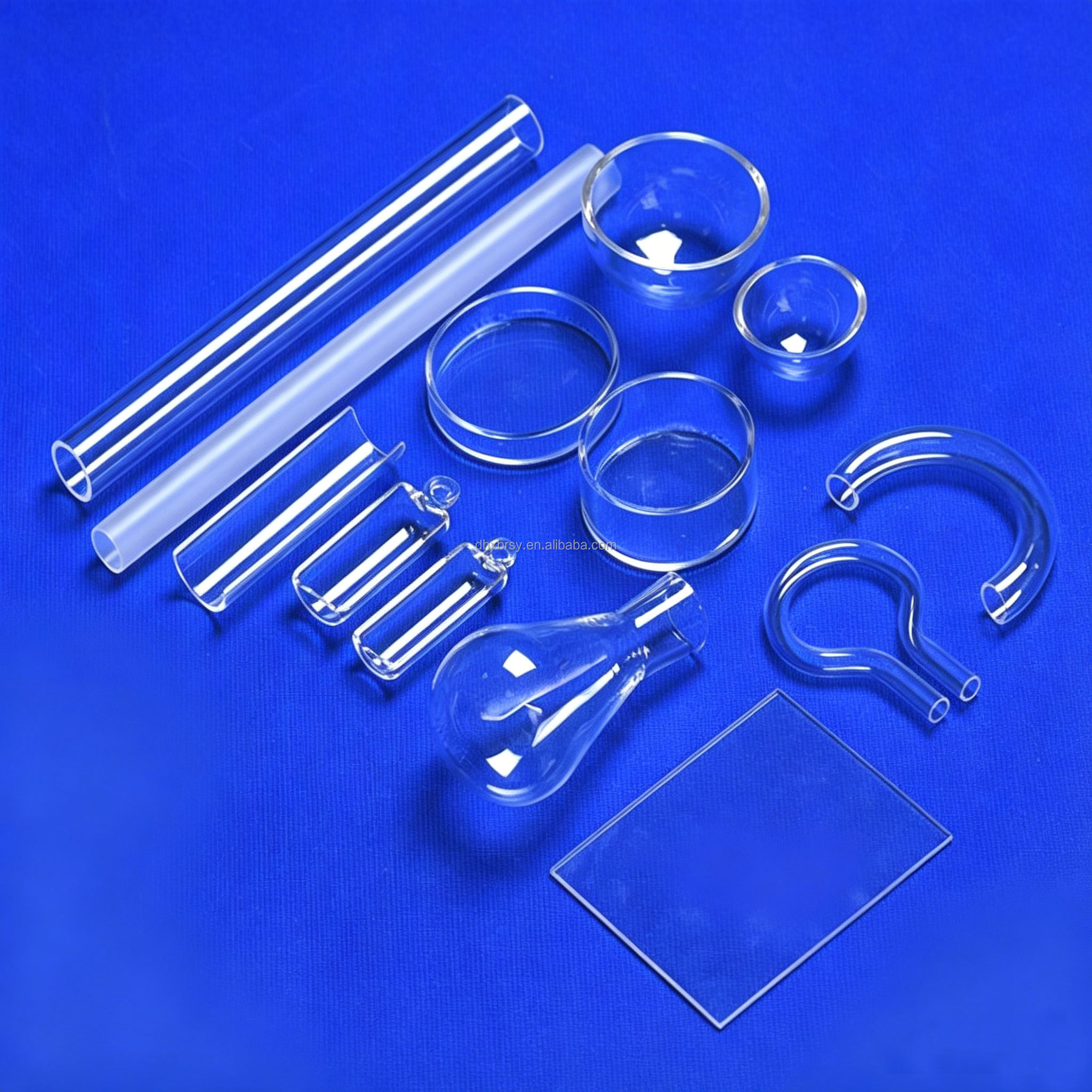
Precision Product Portfolio
High-Purity Fused Silica & Quartz Components
Manufactured from ≥99.99% pure synthetic and flame-fused SiO₂ crystalline material, processed down to sub-angstrom surface roughness, and certified for mission-critical industrial, optical, and laboratory systems.

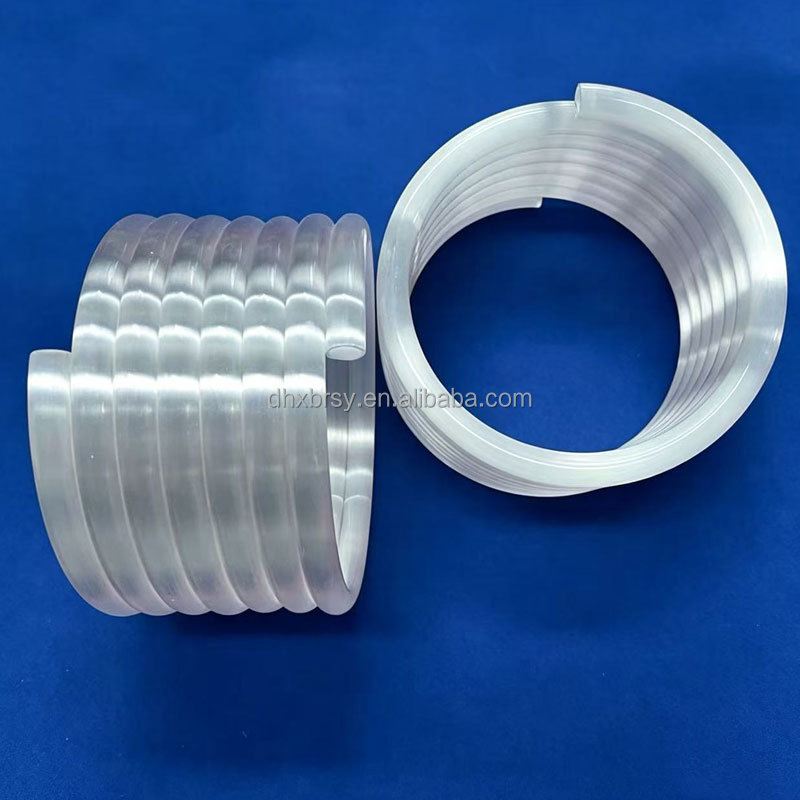
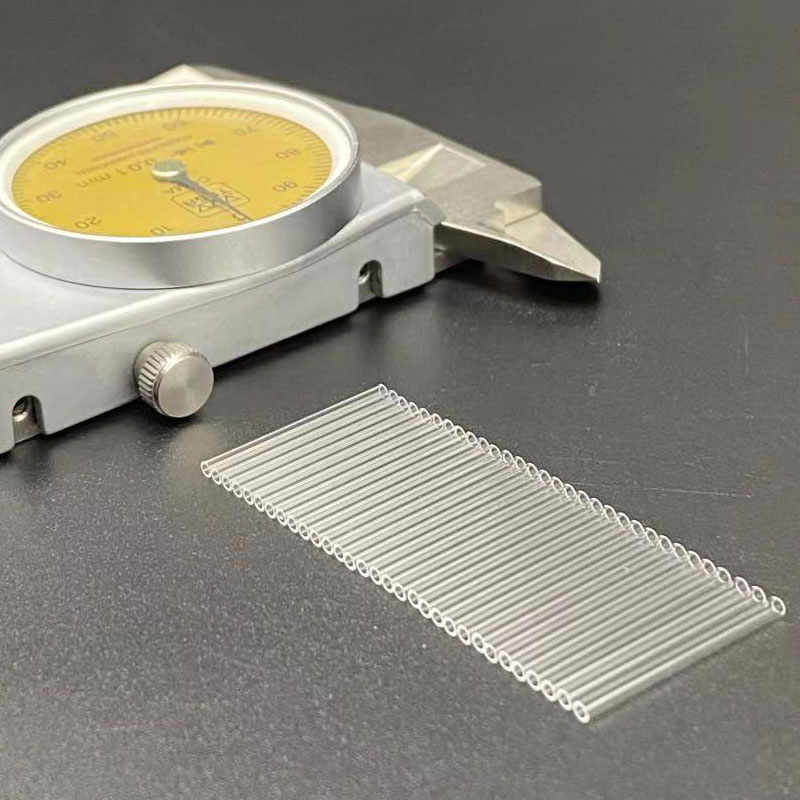
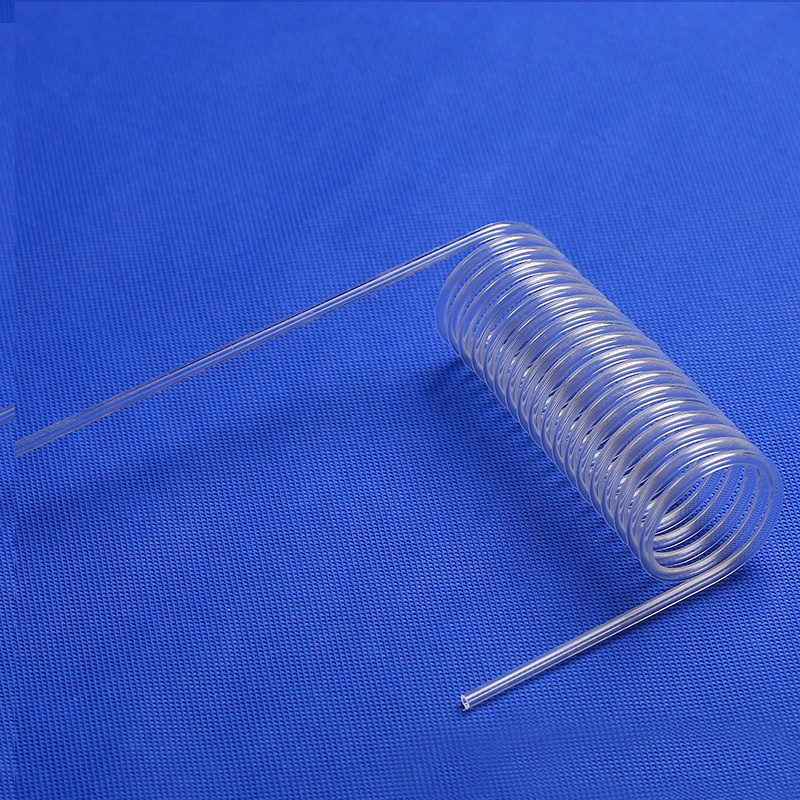
Technical Insight & Engineering Review
Fused Silica Wafer & Optical Substrates: Material Mechanics and Industrial Utility
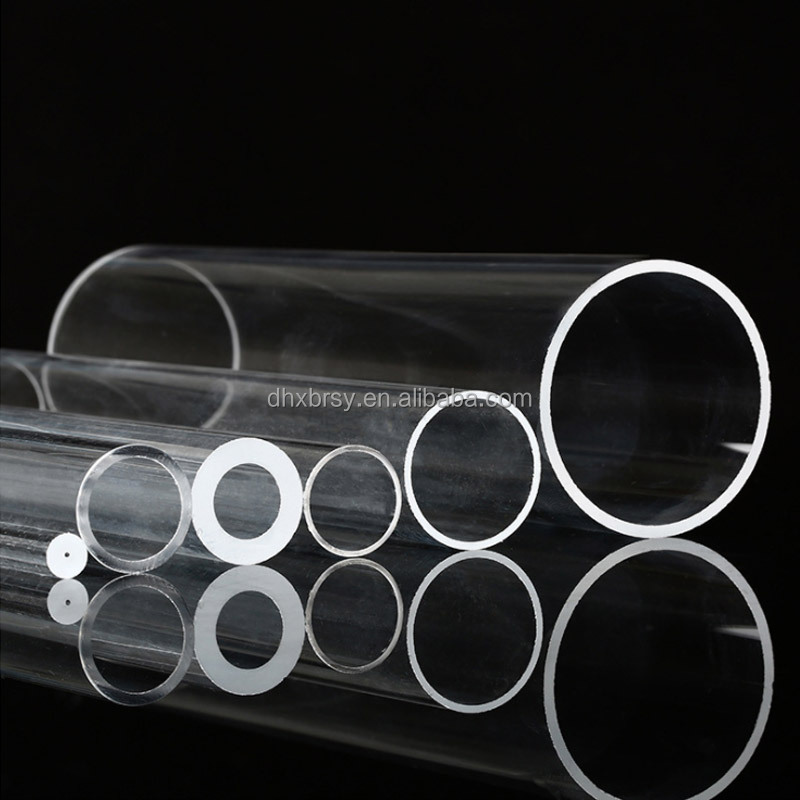
In high-specification manufacturing, photonics, and micro-electromechanical systems (MEMS), the substrate material establishes the ceiling of system reliability. Fused silica—specifically synthetic high-purity amorphous silicon dioxide (SiO₂)—remains the standard material for precision components where common borosilicate or sodalime glass fail catastrophically. The physical characteristics of fused silica include a nearly zero coefficient of thermal expansion (5.5 × 10⁻⁷ /°C from 20°C to 320°C), superior optical transmission from 185 nm deep-ultraviolet (DUV) through near-infrared (NIR), and exceptional resistance to acidic etching agents.
When selecting fused silica wafers, engineers evaluate internal structural uniformity, bubble classes (DIN 3140 / ISO 12123), hydroxyl (OH⁻) content, and residual mechanical birefringence. Synthetic fused silica (JGS1) is synthesized through the vapor-phase oxidation of silicon tetrachloride (SiCl₄), yielding an ultra-pure amorphous glass free from metallic impurities and crystalline boundaries. This makes it ideal for UV laser windows, lithography masking, and precision optical sensors. Conversely, electrically fused quartz (JGS3) offers an extended infrared spectrum up to 3500 nm by reducing the absorption band at 2730 nm (caused by OH vibrational resonance), which makes it suitable for pyro-sensors, infrared drying systems, and thermal viewports.
Material Grade Differentiation: JGS1 vs. JGS2 vs. JGS3
Specifying the right grade prevents premature equipment breakdown while managing procurement budgets:
| Quartz Grade | Manufacturing Technology | Spectral Transmission | Hydroxyl (OH⁻) Content | Primary Industrial Applications |
|---|---|---|---|---|
| JGS1 (Synthetic Fused Silica) | Chemical vapor phase deposition (SiCl₄ hydrolysis) | 185 nm – 2,500 nm (Deep UV optimized) | Typically < 1,200 ppm (or < 5 ppm for dry synthetic) | Excimer lasers, semiconductor stepper windows, DUV optics, wafer handling discs |
| JGS2 (Fused Natural Quartz) | Oxyhydrogen flame fusion of natural quartz crystal | 220 nm – 2,500 nm (Broad UV-Vis) | Typically 150 – 200 ppm | Standard sight glasses, photochemical lamps, wafer boat carrier plates, laboratory apparatus |
| JGS3 (Optical Grade Fused Quartz) | Vacuum electro-thermal fusion of purified quartz sand | 260 nm – 3,500 nm (Infrared transmission) | Typically < 10 ppm (Water-free) | Infrared pyrometry, furnace view ports, high-output IR heating, gas analyzer sensors |
Localized Industrial Applications in Port-au-Prince and Surrounding Enclaves
While the Caribbean basin is primarily recognized for logistics, agriculture, and light assembly, Port-au-Prince is undergoing steady modernization across critical utilities, medical research laboratories, telecommunications networks, and maritime maintenance. Precision fused silica wafers and structural quartz tubing are critical in these systems.
Municipal & Industrial Water Treatment
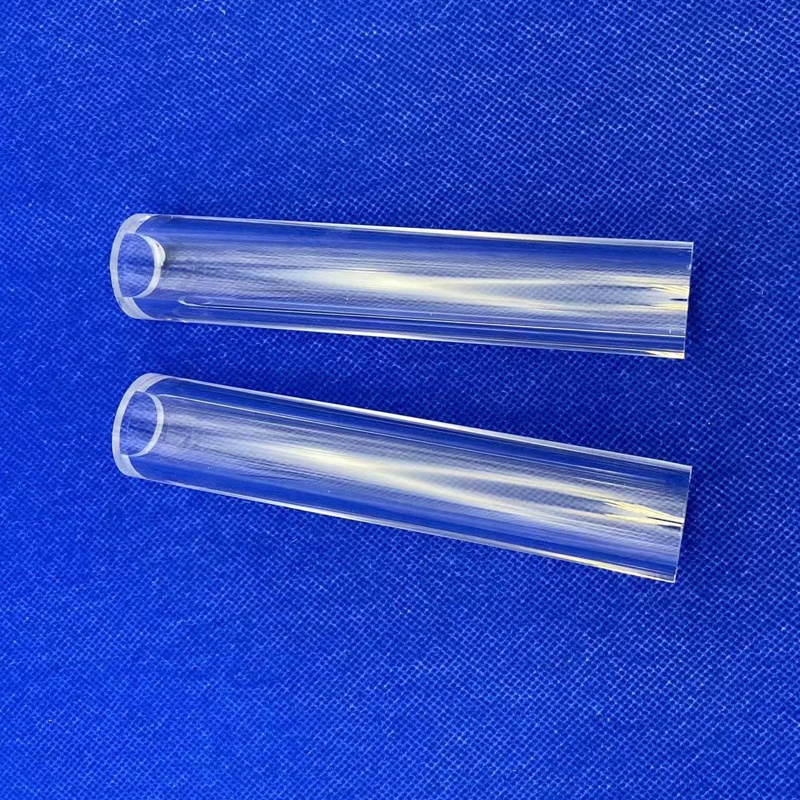
Potable water security and industrial wastewater sanitation in the Ouest department depend heavily on high-output ozone generation systems and intense germicidal ultraviolet (UV-C at 254 nm) disinfection reactors. Our JGS1 fused silica sleeves and clear quartz flow tubes resist solarization and withstand hot, acidic ozone off-gas conditions.
Clinical Diagnostics & Pathology Laboratories
Diagnostic testing, blood profiling, and pathology research across urban healthcare centers require flow-through spectrophotometer cuvettes, 96-well fused quartz microplates, and flat JGS1 wafer substrates. These parts offer high UV transmission down to 190 nm without fluorescence distortion or optical aberration.
Thermal Industrial Processing & Agro-Chemical Refining
Essential oil distillation (vetiver processing), food dehydration, and manufacturing plants in Port-au-Prince use high-temperature infrared quartz heating coils, spiral tubes, and observation windows. Our annealed fused silica operates continuously up to 1100°C without devitrification, keeping production running smoothly.
Localized Industrial Trends & Supply Chain Modernization (Port-au-Prince)
The operational landscape in Port-au-Prince requires equipment with low maintenance demands and high thermal shock resistance. Three market dynamics are shaping the procurement of fused quartz and silica wafers across the region:
1. Decentralized Solar PV Infrastructure: The unreliability of the central electrical grid has driven the rapid adoption of commercial microgrids and utility-scale solar installations across Haiti. Quartz products are foundational to this transition—from silicon ingot crystal growth apparatus to durable UV inspection windows on automated PV testing machinery.
2. Transition from Borosilicate to Fused Quartz: Process engineers in local beverage bottling plants, pharmaceutical formulation centers, and power generating stations are replacing standard borosilicate sight glasses with double-side polished fused quartz discs. While borosilicate can fail when subjected to sudden thermal shocks over 150°C, fused silica easily handles instantaneous water-quench cycles from 1000°C down to 20°C without mechanical rupture.
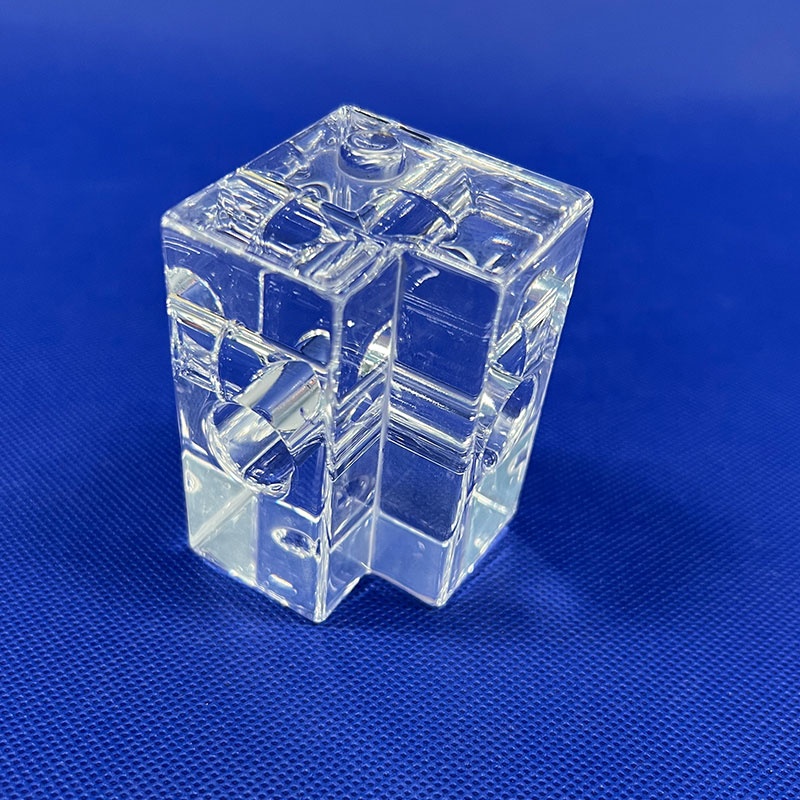
3. Demand for Direct Factory Engineering Support: Supply teams in Port-au-Prince are bypassing intermediary distributors in favor of source manufacturers. By sourcing fused silica directly from our facility in Lianyungang, China, clients receive custom CNC fabrication (laser slicing, waterjet cutting, ultrasonic drilling, optical chamfering) built to exact CAD/STEP drawings, supported by certified SGS material reports.
Vertically Integrated Manufacturing Process: From Raw Sand to Polished Wafers
Lovri Quartz manages quality through end-to-end processing. We do not purchase commercial-grade secondary tubing; instead, we handle every stage—from beneficiation and chemical pickling to computerized thermal annealing—at our specialized manufacturing complex.
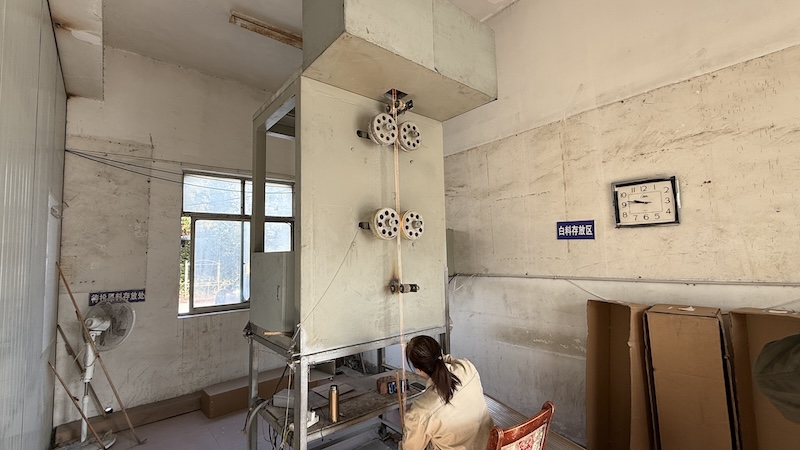
SGS Assessed Main Production Facility
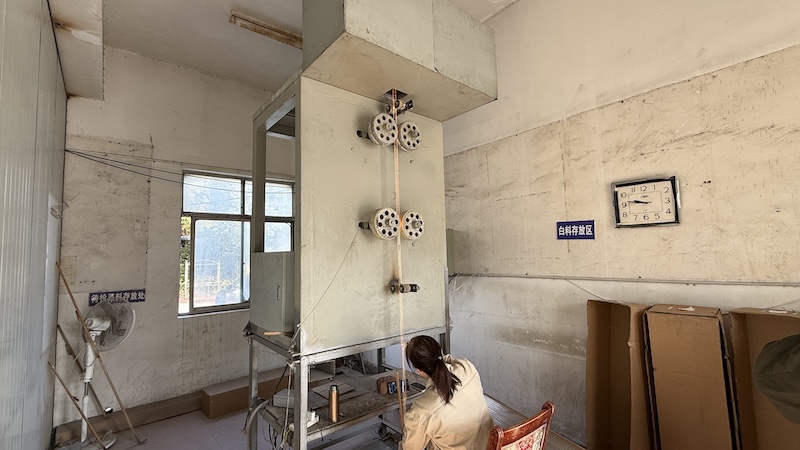
Quartz Tube Drawing Line
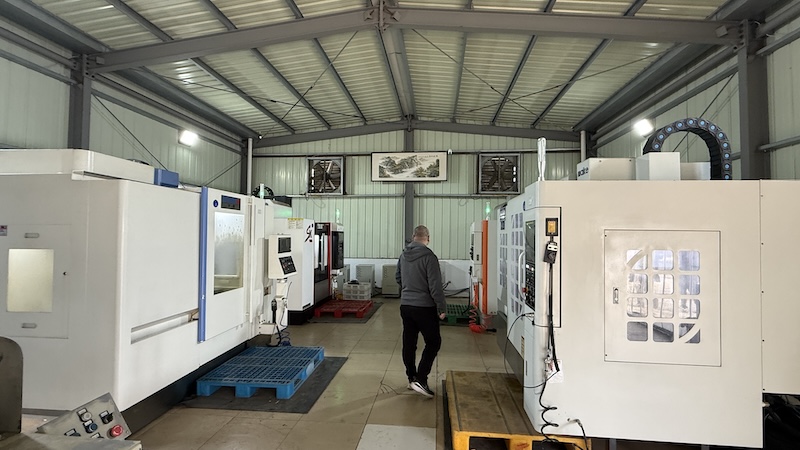
High-Tolerance CNC Quartz Center
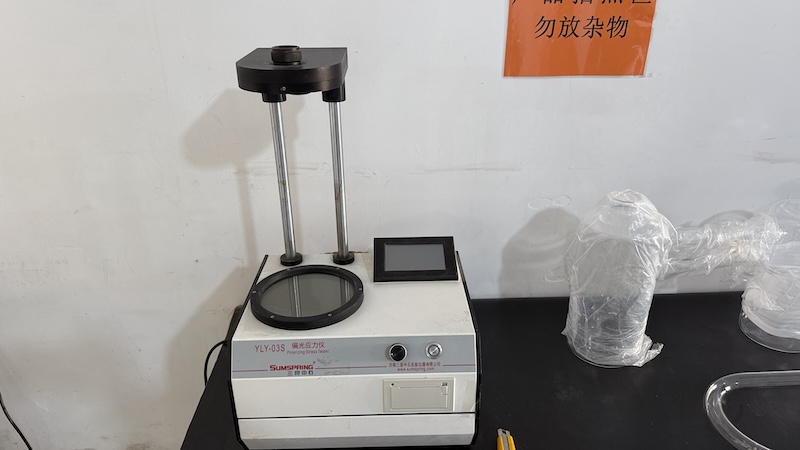
Polarization Optical Stress Inspection
Enterprise Core Competencies & Manufacturer Advantages
Partnering directly with Lovri Quartz gives procurement teams access to proven, repeatable engineering capabilities backed by rigorous quality assurance:
Full Raw Material Control
Located in Lianyungang, China—the world center for high-purity silica—we carry out in-house quartz crushing, mineral pulverizing, vibrating screening, and deep hydrofluoric/nitric acid pickling. This internal process removes alkali and transition metal contaminants (Fe < 0.2 ppm, Al < 15 ppm), securing an absolute purity of ≥99.99% SiO₂.
Double Annealing Stress Relief
Thermal stress from manufacturing can cause brittle quartz components to crack under minor temperature swings. Every wafer, boat, and tube at Lovri undergoes double-cycle thermal annealing in programmable vacuum furnaces at 1215°C, followed by complete polarization stress validation.
Export Packaging for Ocean & Air Freight
Shipping precision optics to Caribbean ports requires packaging designed to withstand long transit times and varied handling conditions. We use dust-free vacuum cleanroom sealing, high-density custom EVA cutouts, multi-layer corrugated outer boxes, and fumigated solid timber crates to guarantee zero transit damage.
Procurement Knowledgebase
Frequently Asked Questions for Port-au-Prince Buyers
Clear, direct answers regarding material grades, international customs processes, custom fabrication, and international logistics.
What is the standard lead time and shipping route for quartz wafer orders to Port-au-Prince?
Production lead times for custom CNC-machined fused silica wafers, flow cuvettes, or ground quartz discs typically range from 7 to 15 business days depending on geometric complexity and polish requirements (optical pitch vs. mechanical lap). For delivery to Port-au-Prince, cargo is dispatched via air freight (DHL, FedEx, UPS, or air cargo through Miami logistics hubs) within 5 to 9 transit days, or through full container/LCL ocean freight arriving at the APN Port of Port-au-Prince within 28 to 38 days. Full commercial export documentation, including packing lists, certificates of origin, and SGS factory inspection verifications, are prepared to ensure smooth customs clearance.
How do we verify whether our system requires JGS1 or standard JGS2 fused quartz?
The decision is primarily dictated by operating spectral wavelength and optical laser power densities. If your application operates in the deep ultraviolet range below 260 nm (e.g., 185 nm, 193 nm, or 254 nm germicidal disinfection, excimer laser delivery, or high-precision spectrometry), JGS1 synthetic fused silica is essential to prevent rapid transmission loss and material darkening known as solarization. For standard high-temperature furnace sight glasses, infrared observation, or visual wavelength inspection windows (300 nm to 2000 nm), JGS2 flame-fused quartz offers equivalent mechanical, thermal, and acid-resistant performance at a lower material cost.
Can we order custom-dimensioned wafer prototypes before committing to volume production?
Yes. We support pilot programs, university research facilities, and engineering teams with low minimum order quantities (MOQs from 1 to 5 pieces) for custom-engineered prototypes. You can provide drawings in PDF, DWG, DXF, or 3D STEP formats. Our technical engineering division reviews the specifications, confirms machinability tolerances (outer diameter, flatness, parallelism, surface roughness Ra, and scratch-dig standards like MIL-PRF-13830B 60/40 or 40/20), and produces initial pilot pieces for fitment testing.
How are fragile quartz tubes and thin optical wafers protected against shipping damage?
We use specialized export packaging to ensure fragile quartz arrives in perfect condition. Optical wafers and flat sheets are wrapped in anti-static, lint-free paper, vacuum-sealed in cleanroom film, and set within customized, shock-absorbent EVA foam cells. Tubes, spiral heating coils, and wafer boats are secured with multi-layer bubble wrap, placed in double-walled corrugated inner cartons, and suspended inside reinforced, fumigated plywood cases with internal damping foam. This packaging approach prevents movement and protects parts throughout international transit.
What chemical acids or cleaning agents can fused quartz wafers withstand in lab applications?
Fused quartz offers exceptional chemical resistance. It is chemically inert to almost all inorganic and organic acids—including concentrated hydrochloric acid (HCl), nitric acid (HNO₃), sulfuric acid (H₂SO₄), and aqua regia—even at high temperatures. The only exceptions are hydrofluoric acid (HF), which actively reacts with silicon dioxide at any temperature, and concentrated phosphoric acid (H₃PO₄) at temperatures above 150°C. Standard cleaning can be performed using piranha solution, isopropyl alcohol, or optical deionized detergent without compromising surface clarity.
Connect Directly with Our Quartz Engineering Team
Send your dimensional drawings, target quartz grade (JGS1, JGS2, JGS3, or opaque), surface finish specifications, and required quantities. Our application specialists will respond within 24 hours with a comprehensive DFM manufacturability evaluation and factory-direct pricing for Port-au-Prince.
Send an Inquiry