Precision Quartz Furnace Tubes & Process Components
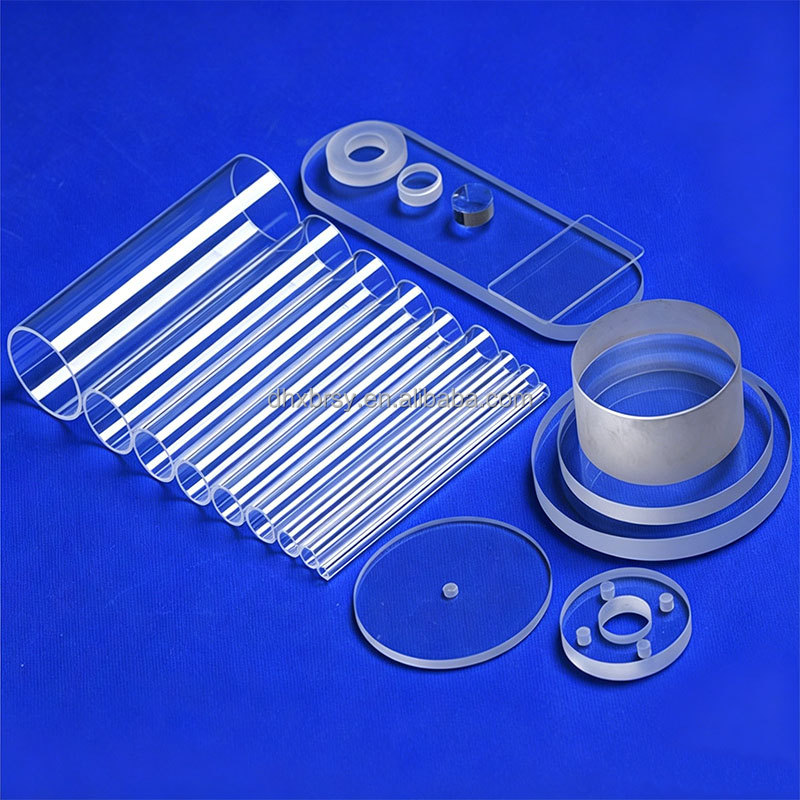
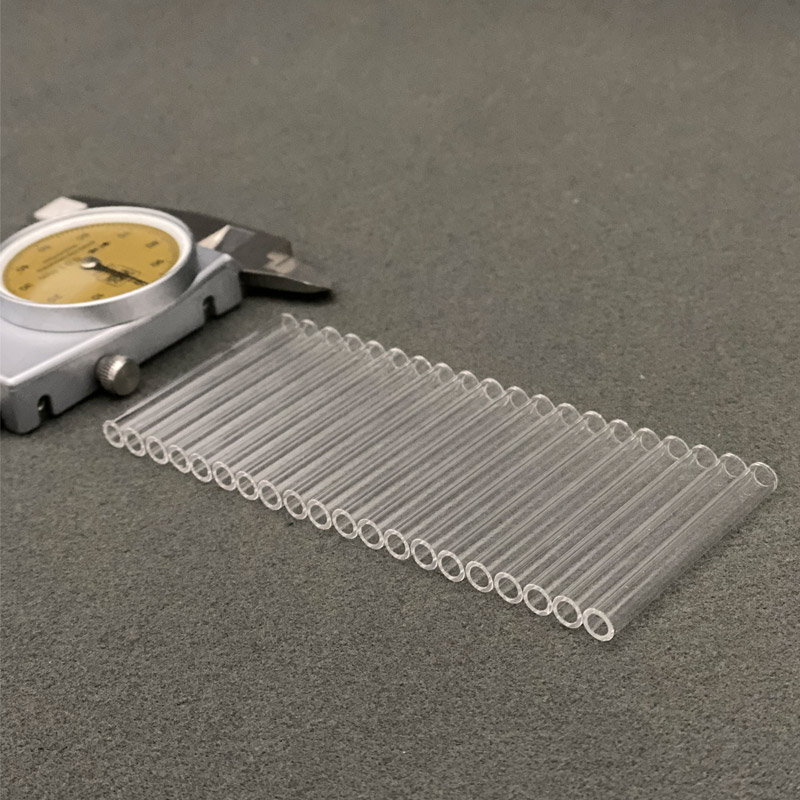
Engineered from natural crystalline quartz and synthetic silicon tetrachloride to yield ≥99.99% SiO₂ purity. Available in continuous lengths up to 3,500 mm, tailored wall thicknesses, ground joints, and precision CNC finishes for thermal applications up to 1,300°C.
Advancing Thermal Metallurgy & Semiconductor Research in Tallinn
An authoritative engineering white paper on the deployment of vitreous silica reaction chambers within Estonia’s capital region, supporting deep-tech spinouts, atomic layer deposition (ALD), and renewable energy hardware.
Tallinn as an Emerging Northern European Deep-Tech Epicenter
The Harju County manufacturing belt and Tallinn's innovation clusters—centered around TalTech (Tallinn University of Technology) and the Tehnopol Science and Business Park—have evolved rapidly from digital software incubation into intensive advanced hardware engineering. Modern research facilities across Mustamäe and Ülemiste City require uncompromising cleanroom process equipment. Chief among these requirements are ultra-high purity high-temperature quartz furnace tubes capable of sustaining long thermal runs without contaminating silicon substrates, thin films, or catalytic matrices.
From advanced photovoltaic developments such as monograin layer (MGL) solar cells pioneered by Estonian material scientists to next-generation ultracapacitor electrode calcination and optical sensor packaging, the local demand for specialized fused silica furnace components has surged. When processing advanced materials at temperatures surpassing 1,000°C, commercial-grade borosilicate and lower-tier aluminosilicate glasses fail through structural collapse, ionic leaching, or catastrophic thermal stress failure. Lovri Quartz delivers direct-from-factory, custom-drawn fused quartz tubes engineered to withstand the demanding mechanical and thermal challenges of Tallinn's top laboratories and specialized production lines.
Atomic Layer Deposition (ALD)
Estonia’s academic and industrial R&D excels in atomic layer deposition. Our closed-end quartz tubes, purge manifolds, and reactor bodies offer optical-grade wall finishes with surface roughness (Ra) down to <0.2 μm, preventing precursor vapor condensation and ensuring uniform nanometer-scale monolayer growth across substrates.
Photovoltaic Monograin Sintering
Tallinn researchers leading compound semiconductor synthesis (such as CZTS and chalcopyrite absorbers) depend on sealed fused silica ampoules and furnace process tubes. Our materials feature negligible alkali metal contamination (Na < 0.7 ppm, K < 0.6 ppm), protecting photoactive junctions from degradation.
Graphene & Carbon Nanostructures
For chemical vapor deposition (CVD) synthesis of carbon nanomaterials and energy storage matrices, quartz process liners provide total inertness against hot methane, hydrogen, and carbon monoxide atmospheres up to 1,200°C without blistering, gas permeability, or carbon diffusion.
Thermophysical Metrics & Chemical Purity Profile
A comprehensive examination of why Lovri's fused silica matrix achieves exceptional structural stability under extreme thermal cycling and chemically hostile processing environments.
Transparent fused quartz (vitreous silica) is an amorphous form of silicon dioxide ($SiO_2$). The absence of network modifiers (such as sodium, calcium, or boron found in typical silicate glasses) gives fused quartz an extraordinarily high viscosity at elevated temperatures, an ultra-low coefficient of thermal expansion, and near-universal chemical inertness. For Tallinn procurement teams selecting between JGS1, JGS2, and electrically fused quartz grades, understanding the interplay between hydroxyl concentration ($OH^-$), structural annealing, and devitrification dynamics is critical.
| Physical / Thermal Parameter | Lovri Standard Quartz | JGS1 Synthetic Silica | Competitor Borosilicate (Reference) |
|---|---|---|---|
| Silicon Dioxide Purity (SiO₂) | ≥ 99.99 % | ≥ 99.9999 % | ≈ 80 - 81 % |
| Continuous Service Temperature | 1,100 °C | 1,200 °C | 450 °C - 500 °C |
| Short-Term Peak Temperature | 1,300 °C | 1,400 °C | 550 °C (Rapid Slump) |
| Annealing Point | 1,215 °C | 1,250 °C | 560 °C |
| Softening Point | 1,730 °C | 1,730 °C | 820 °C |
| Coefficient of Thermal Expansion (20-300°C) | 5.5 × 10⁻⁷ / °C | 5.2 × 10⁻⁷ / °C | 33 × 10⁻⁷ / °C (6x Higher) |
| Thermal Shock Quench Resistance | 1,100 °C to cold water → Zero crack | 1,200 °C to water → Zero crack | Destroys upon >180 °C delta |
| Trace Elements: Total Metal Leaching | < 20 ppm | < 0.1 ppm | Extensive alkali leaching (>10,000 ppm) |
Mitigating Devitrification in Thermal Annealing Cycles
Devitrification represents the phase transformation of metastable vitreous silica into crystalline cristobalite. This process generally initiates at temperatures exceeding 1,150°C in the presence of surface nucleation seeds—most commonly alkali salts, fingerprint oils, or atmospheric airborne particulates. Cristobalite exhibits a destructive α-to-β phase inversion between 200°C and 275°C accompanied by a sudden 5% volumetric contraction, which inevitably shatters unannealed or contaminated quartz tubes during cooling.
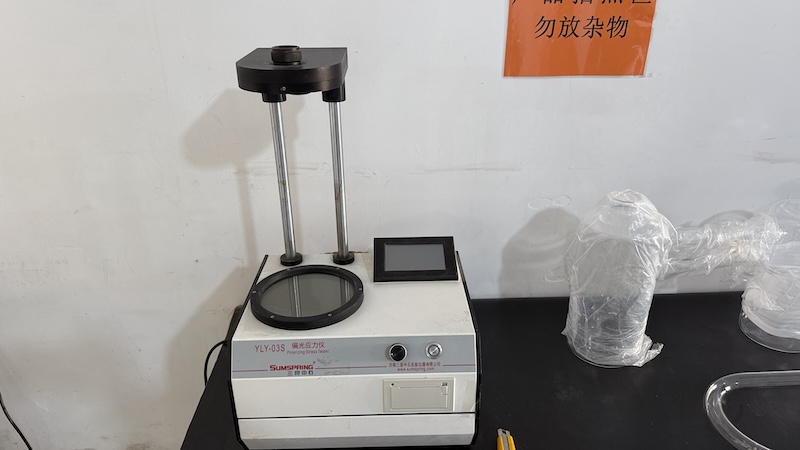
Lovri Quartz addresses devitrification risks at the source factory level through two strict quality steps: ultra-deep hydrochloric and hydrofluoric acid demineralization during raw material preparation, followed by sub-atmospheric polarization annealing. Our automated annealing furnaces maintain uniform soak profiles, eliminating residual strain points that act as crystalline nucleation drivers. For clients in Tallinn operating horizontal or vertical multi-zone tube furnaces, our quartz liners deliver markedly longer lifespans, retaining full structural transparency throughout hundreds of thermal runs.
Tallinn-Specific Thermal Processing Applications
From custom vacuum flanges to precision diffusion boats, our high-temperature quartz components directly serve regional operational parameters across Estonia's key technology corridors.
LPCVD & Diffusion Tube Liners
Furnace tubes up to 450 mm OD designed for horizontal diffusion, dry oxidation, and low-pressure chemical vapor deposition. Fitted with flanged ends, Viton or metal seal grooves, and custom thermocouple feedthrough wells engineered specifically for multi-zone laboratory furnaces used in TalTech laboratories.
High-Purity Wafer Boats & Sleds
Precisely slotted fused quartz wafer boats supporting 2-inch, 4-inch, 6-inch, and 8-inch substrate wafers. Each slot is diamond ground and fire-polished to prevent micro-scratching, edge chipping, or uneven carrier gas turbulence during rapid thermal processing (RTP).
Custom Sight Glasses & Vacuum Windows
Optical-grade JGS1 and JGS2 fused silica observation viewports for pyrometry and in-situ spectroscopic ellipsometry. Offering flat wavefront distortion (<λ/4 per 25 mm) and high mechanical strength under high-vacuum and positive-pressure furnace configurations.
Infrared Heating Sheaths & Spiral Radiators
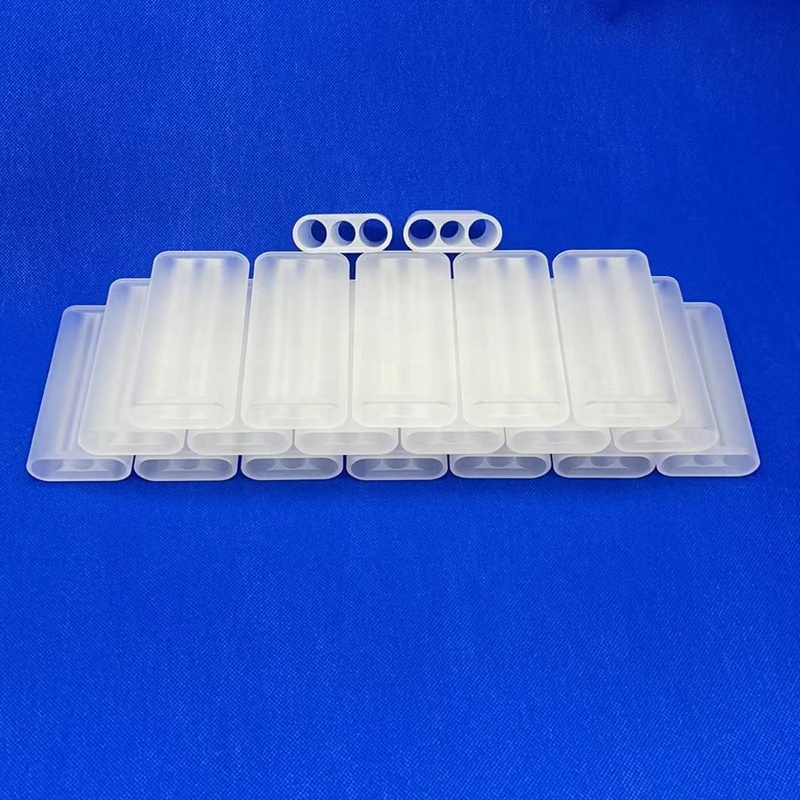
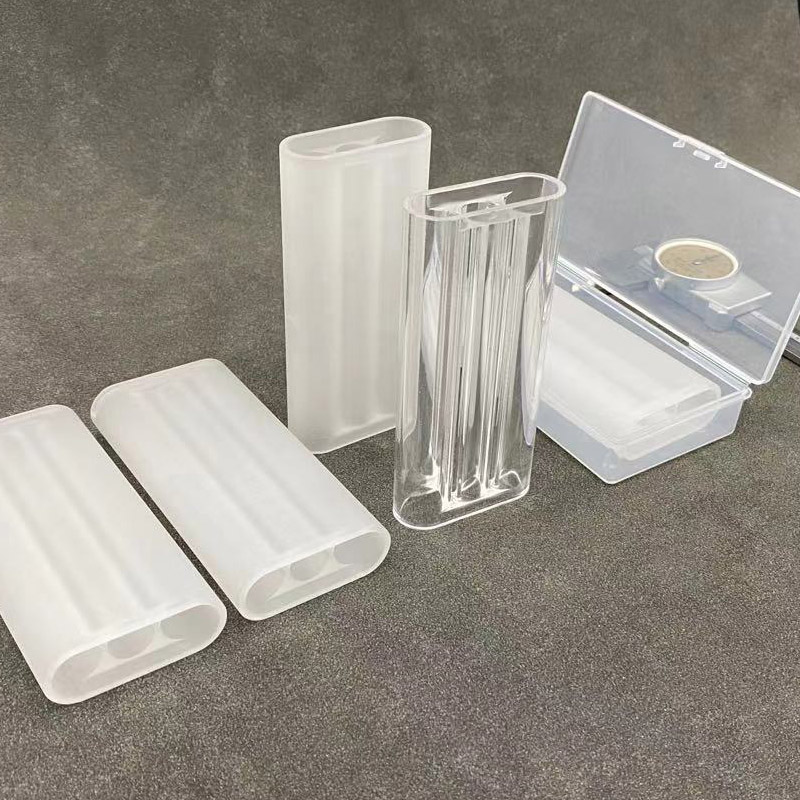
Milky-white opaque quartz sleeves and clear twin-tube IR emitters manufactured for rapid thermal curing, vacuum degas chambers, and strip heating setups. High infrared absorption and re-radiation efficiency accelerate thermal cycle ramp-up rates across testing setups.
Laser Resonator Flow Tubes
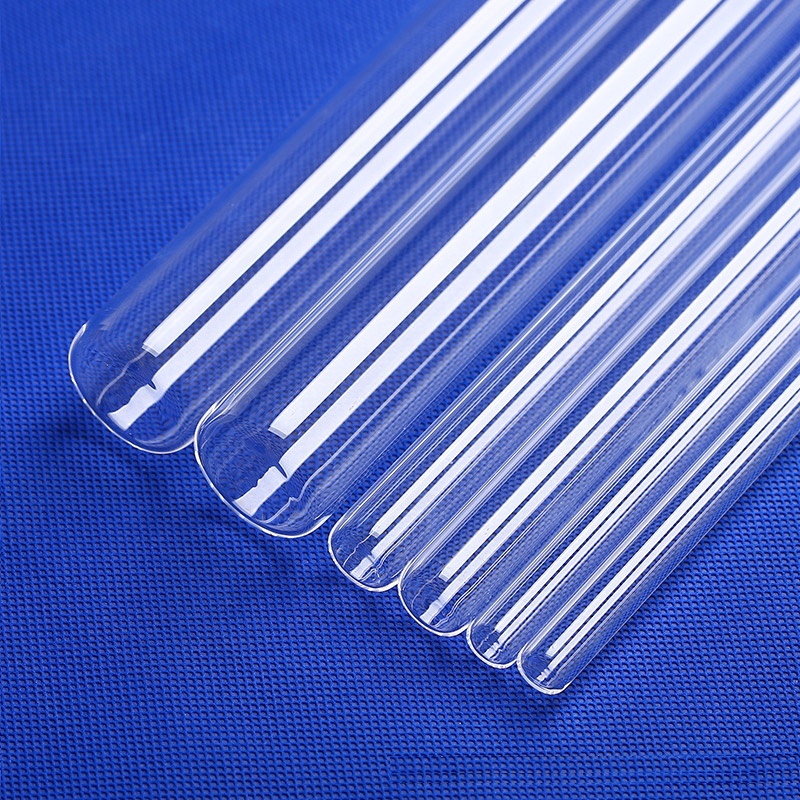
Double-bore and triple-bore custom capillary tubes for diode-pumped solid-state (DPSS) and flashlamp-pumped industrial laser apparatus built by Baltic photonic contractors. Dimensional tolerances maintained within ±0.02 mm with zero micro-bubbles.
Vacuum Cold Traps & Manifolds
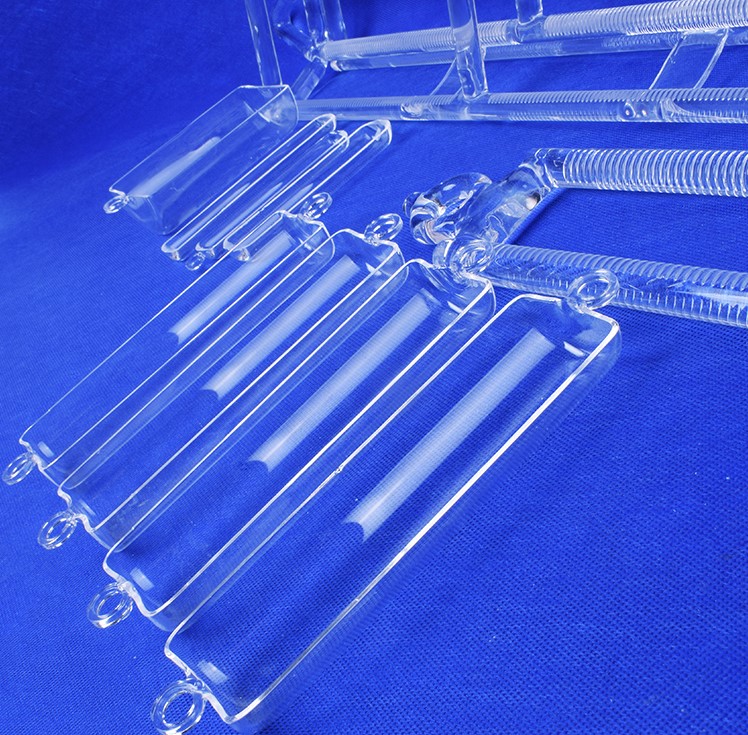
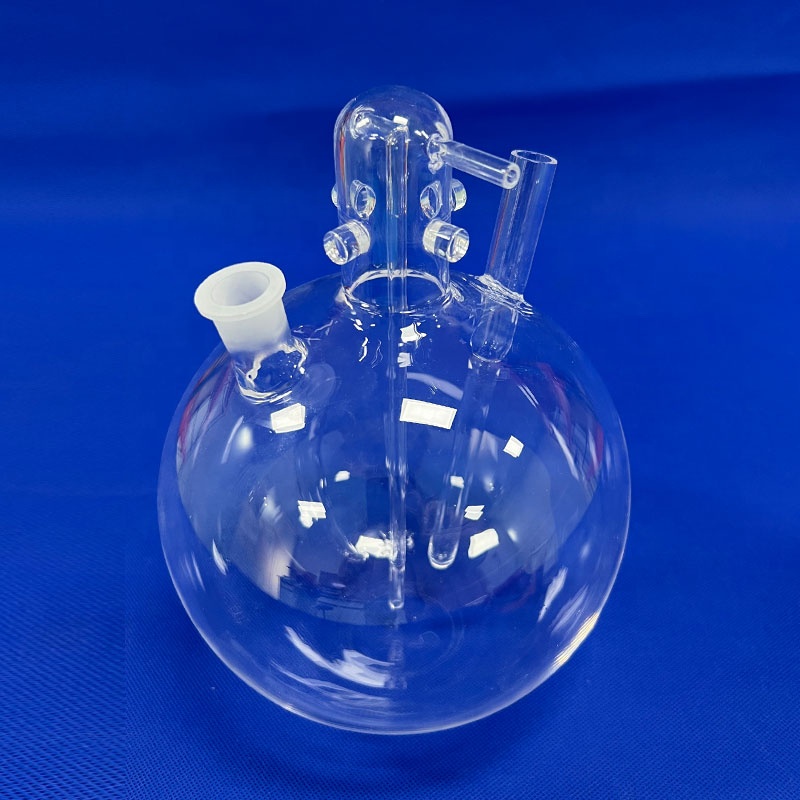
Custom blown fused quartz apparatus designed to capture corrosive thermal outgassing effluents before reaching vacuum turbomolecular pumps. Immune to hot halogen gases, sulfur compounds, and volatile organic solvents.
High-Temperature Processing Trends Across Harju County
Key drivers transforming advanced materials procurement in Tallinn and the broader Baltic region toward 2030.
1. Transition Toward Carbon-Neutral CleanTech Hardware
Estonia’s ambitious climate goals and European Union Green Deal commitments have catalyzed unprecedented private and venture investment into clean energy hardware. Tallinn-based clean technology enterprises are developing advanced hydrogen fuel cell membranes, solid-state battery electrolytes, and high-efficiency solar absorbers. Each of these critical components necessitates clean thermal calcination between 900°C and 1,250°C inside sealed, non-reactive environments. Fused quartz furnace tubes serve as the indispensable core vessel for these clean transitions, providing zero-carbon footprint production lines with non-degrading durability.
2. Rise of Specialized Small-Batch Semiconductor Foundries
While mega-fabs operate across Central Europe, Northern Europe—led by Tallinn’s tech ecosystem—is carving out a strategic niche in specialized wide-bandgap semiconductors (Silicon Carbide / Gallium Nitride) and bespoke quantum computing sensors. These small-to-medium pilot lines prioritize extreme agility, requiring supplier partners who can deliver prototype batches of 1 to 5 pieces of custom-engineered quartz reaction chambers from STEP/DWG drawings within days, rather than standard 16-week OEM backorders.
3. Rigorous Supply Chain Resilience & Direct Factory Collaboration
Procurement directors across Tallinn’s engineering clusters are systematically decoupling from intermediary trading firms in Western Europe that inflate component costs by 200%–300%. By forging direct relationships with primary manufacturers like Lovri Quartz—operating proprietary mining, acid-leaching, and CNC workshops in Lianyungang—Tallinn buyers secure total supply chain transparency, full material batch certificates, and rapid custom design turnarounds.
End-to-End Manufacturing Integrity from Lianyungang to Tallinn
Why European research universities, clean-tech pioneers, and industrial furnace OEMs choose our factory-direct engineering pipeline.
Integrated Raw Material Synthesis
Situated in Lianyungang—the heart of the global quartz industry—we run in-house crushing, acid pickling, and electric arc fusing lines to guarantee absolute purity from grain to finished tube.
SGS-Verified 14,271 m² Plant
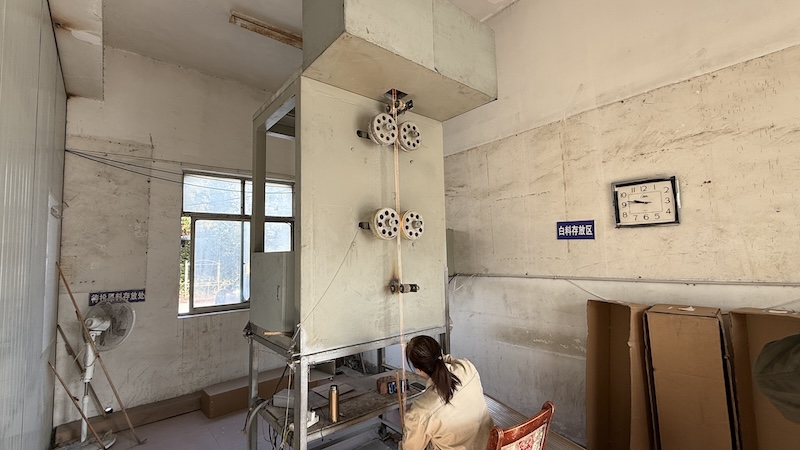
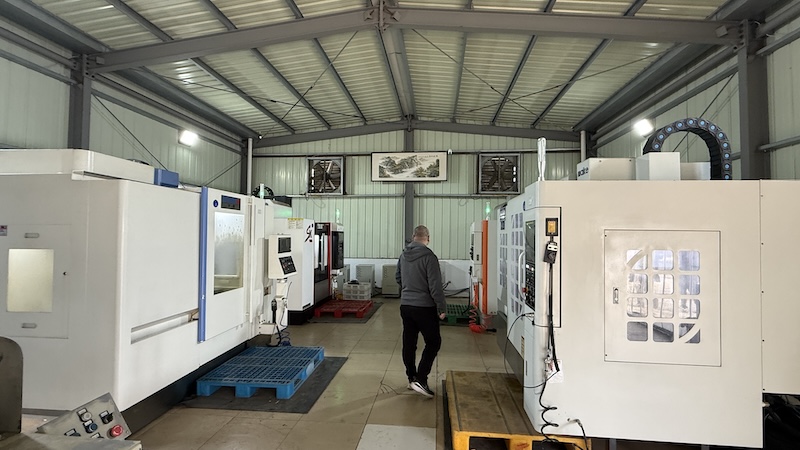
Our expansive facility holds full onsite SGS auditing and certification. We operate automated tube drawing towers, multi-axis CNC milling centers, and ultra-high-temp continuous annealing furnaces.
Full Drawing-to-Part Customization
Whether you require KF25, KF40, CF, or custom quartz flanges, laser cut gas inlet nozzles, ground joints, or dual-walled cooling jackets, our engineers translate your CAD/STEP files into precise reality.
Polariscopic Batch Verification
Every single furnace tube undergoes polariscope stress-field analysis to verify zero residual internal hoop stress before packaging, preventing catastrophic thermal rupture under vacuum.
Direct EU Customs Compliance
Our experienced export desk provides compliant documentation for Tallinn shipments: TARIC commercial declarations, RoHS compliance verification, CE markings, and certificates of analysis (CoA).
Zero-Breakage Export Packaging
Quartz tubes are vacuum wrapped, enveloped in high-density polyethylene impact-absorbing foam, and shock-mounted inside reinforced multi-ply wooden export crates designed for sea and air freight.
Low MOQ Prototyping (1 Piece)
We respect the iterative nature of research and development. Tallinn universities and lab startups can order single-piece prototypes without incurring punitive minimum-quantity surcharges.
Fast Turnaround Times
With thousands of metric tons of standardized raw stock and tubes in inventory, prototype custom parts ship in as little as 5 to 9 business days via express air cargo directly to Lennart Meri Tallinn Airport.
Frequently Asked Questions by Tallinn Engineering Buyers
In-depth technical and logistics answers addressing international trade, chemical maintenance, and operational integrity.