High-Purity Fused Quartz Precision Components & Heating Tubes
Direct-from-factory quartz heating assemblies, threaded reactor vessels, optical plates, and customized semiconductor-grade fused silica engineered for rapid thermal cycling, chemical inertness, and extreme infrared transfer efficiency.
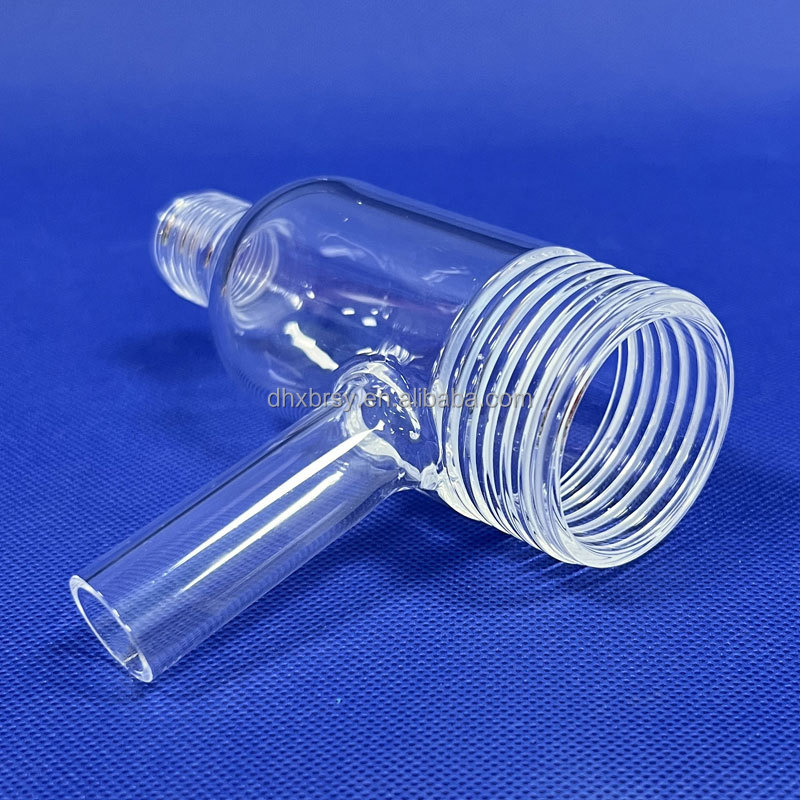
High Quality Polished Threaded Quartz Tube SiO2 99.99%
Corrosion-resistant high-temperature fused quartz tube, custom pitch threading, RoHS compliant, vacuum airtight sealing for IR emitters.
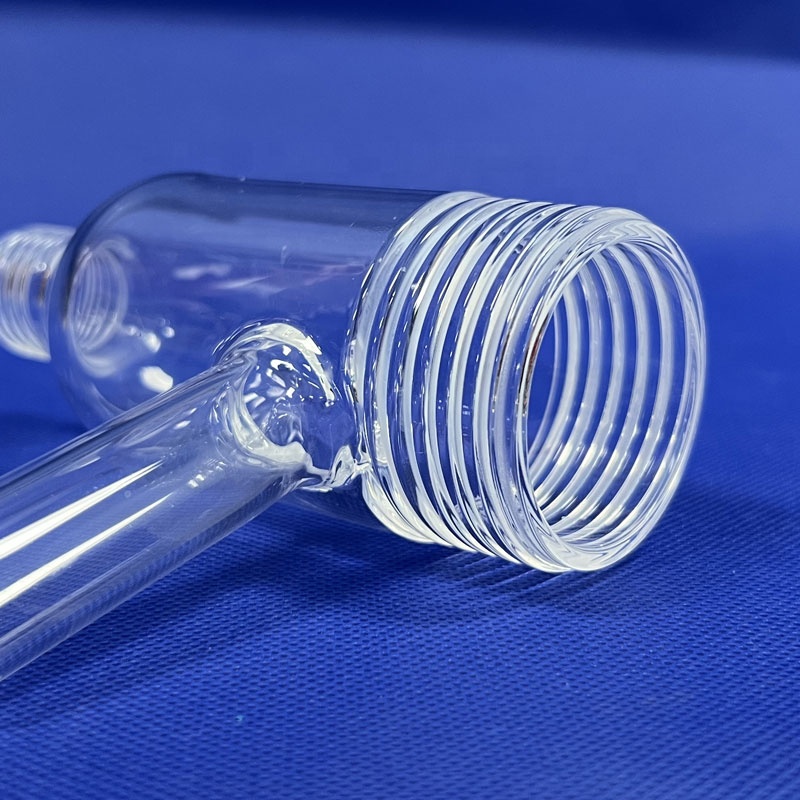
BAO RAN 515 High Purity 99.99% Threaded Reaction Tube
Side-arm laboratory vessel, optical clarity, thermal shock resistant up to 1200°C, formulated for precise chemical synthesis and catalysis.
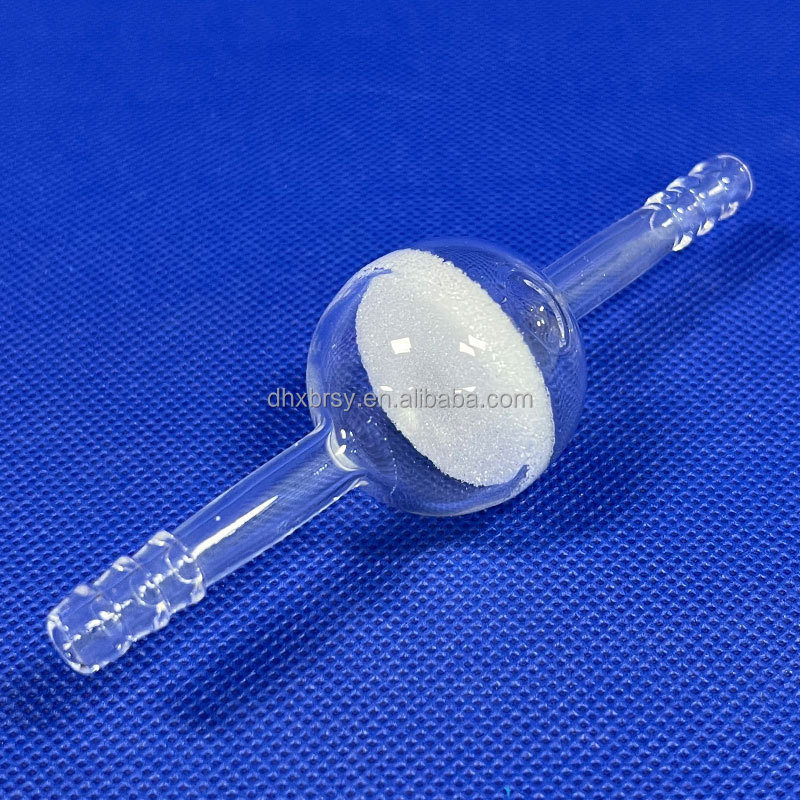
Transparent Fused Quartz Sheet & Digestion Tube
High broadband spectral transmission from UV to deep infrared, exceptional dimensional stability, customizable digestion tube profiles.
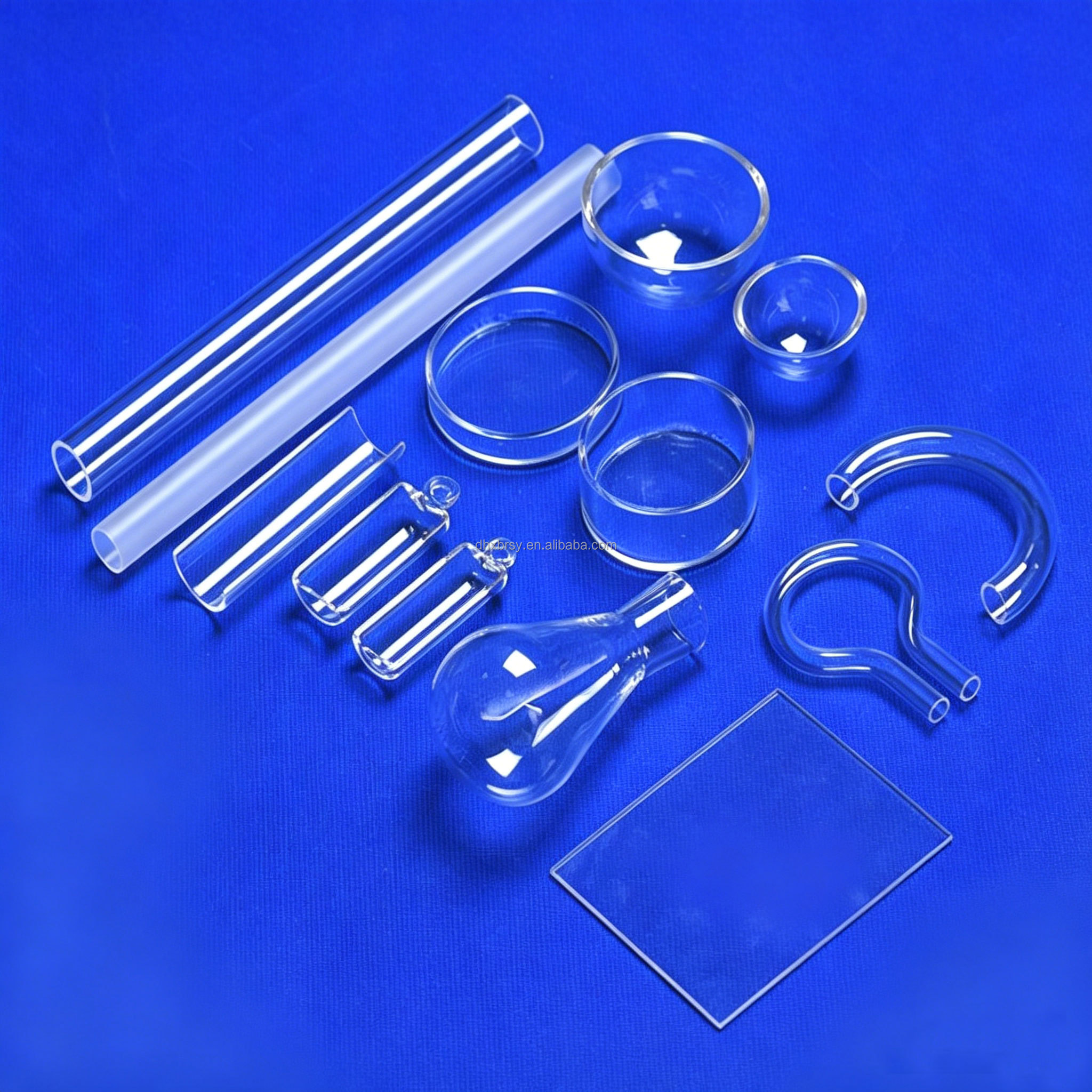
Custom Lab Quartz Apparatus 99.99% Silica Content
Semiconductor-grade precision custom quartz glass assemblies, torch-blown manifolds, flanges, ground joints, and gas mixing chambers.
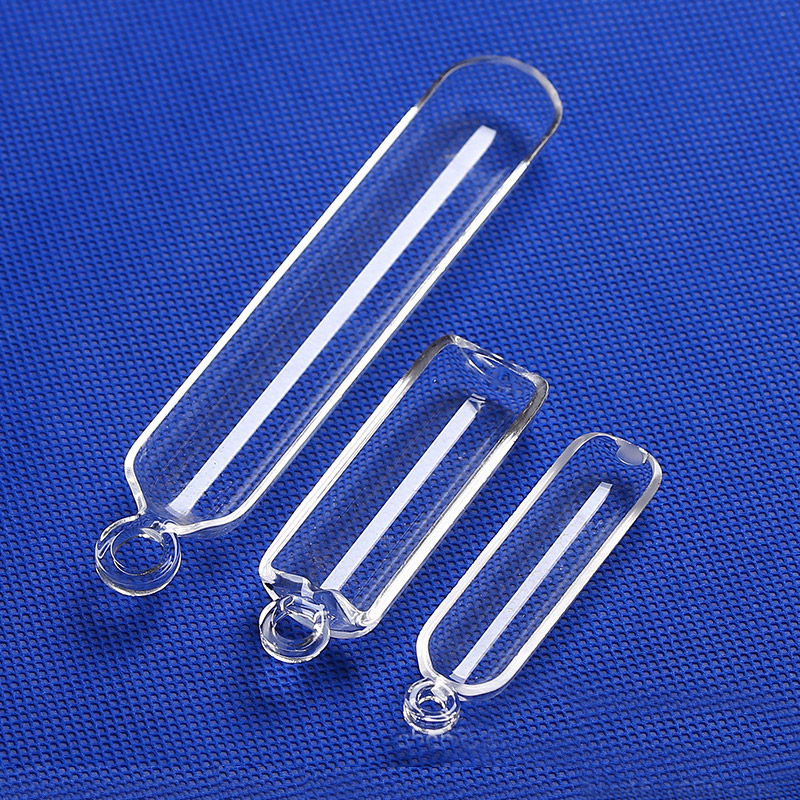
Custom Fused Quartz Boat for Laboratory Calcination
Precision welded 99.98% SiO₂ combustion boat, extreme acid resistance, heat treatment carrier for high-purity thermal metallurgy and analysis.
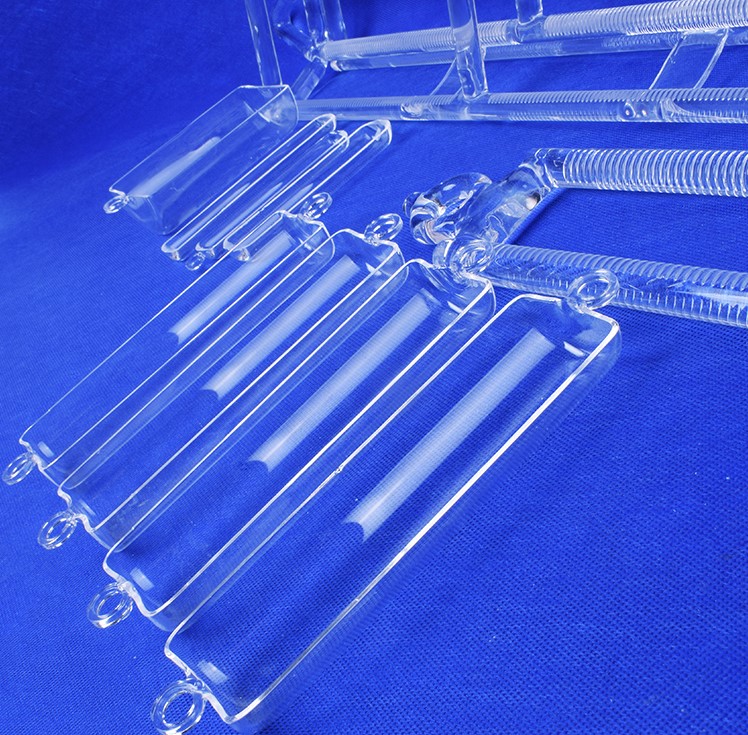
Fused Quartz Wafer Boats SiO2 99.99% (PV & Chemical)
Slot pitch accuracy within ±0.05 mm, zero-particle contamination, continuous operation at 1150°C in reactive atmosphere furnaces.
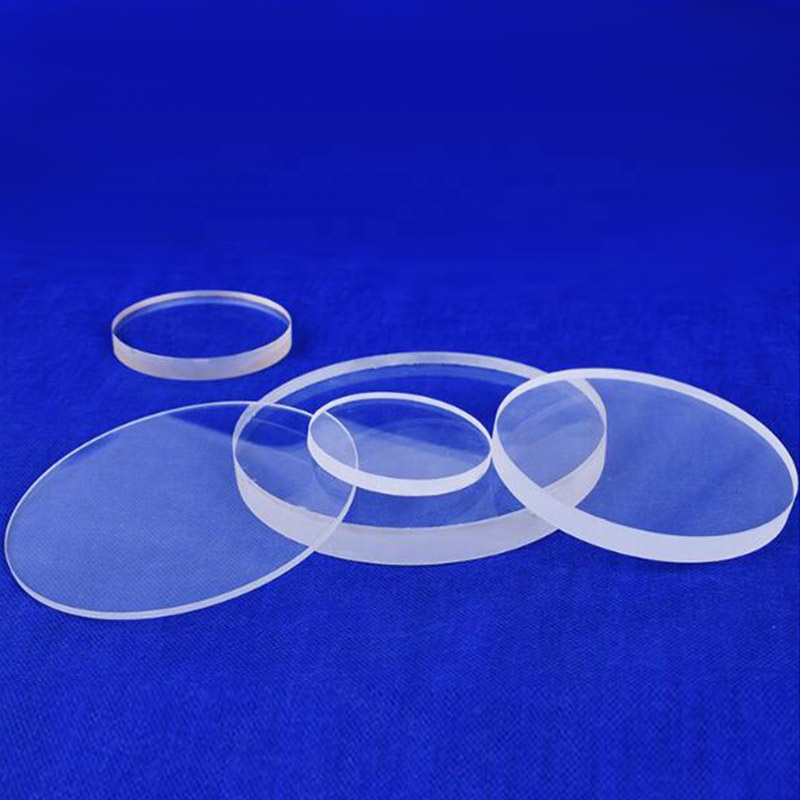
BAO RAN Optical Grade Fused Quartz Plate & Disc
Surface parallelism < 3 arc min, laser-grade surface polishing, near-zero bubble inclusion, ideal for high-flux IR radiator shields and sight windows.
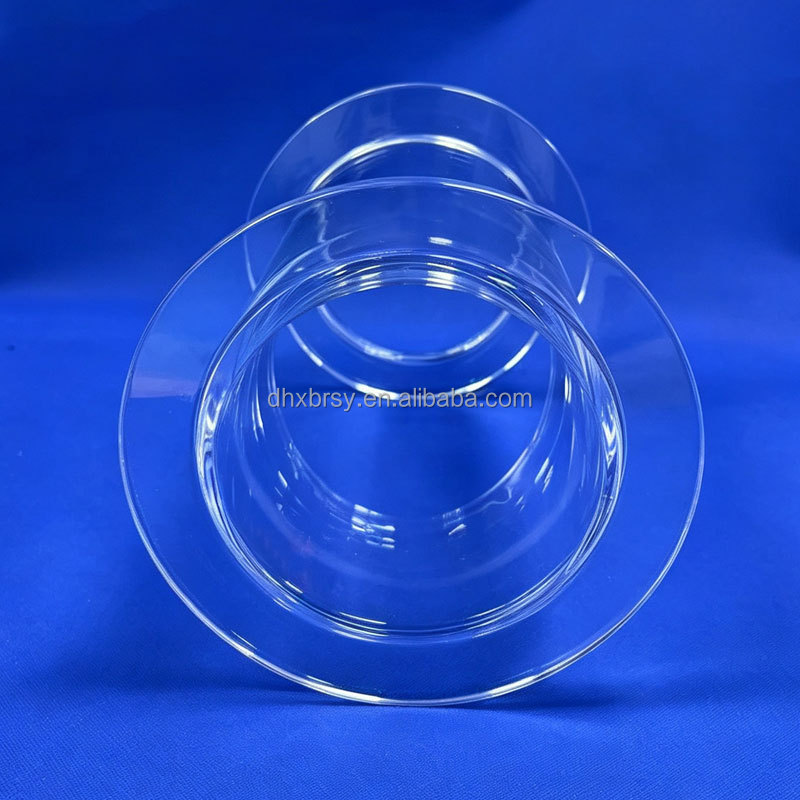
Double-Flange Quartz Cylinder for CVD Reaction
Ultra-pure transparent quartz chamber with CNC ground sealing flanges, high vacuum integrity, custom heater coil sleeves and enclosures.
Whitepaper: Engineering Specification of Fused Quartz Spiral Tubes in Industrial Infrared Heating
In modern thermal manufacturing, the direct transfer of electromagnetic infrared radiation offers unparalleled efficiency over traditional convective or conductive methods. Fused quartz spiral tubes (often engineered as helical heating coils, milky-white opaque quartz sleeves, or transparent spiral envelopes containing high-resistance FeCrAl or NiCr wire) have emerged as the gold standard for high-flux industrial drying, curing, roasting, and thermoforming. For industrial operators, maintenance directors, and equipment fabricators located in Managua, Tipitapa, Ciudad Sandino, and the wider Nicaraguan Pacific manufacturing corridor, choosing the right quartz spiral tube direct from verified Chinese source manufacturers solves two chronic pain points: premature quartz devitrification caused by low silica purity, and catastrophic thermal shock failures during voltage fluctuations.
High-purity fused quartz (SiO₂ content ≥ 99.99%) possesses an extremely low coefficient of thermal expansion (α ≈ 5.5 × 10⁻⁷ /°C between 20°C and 300°C). This characteristic enables spiral heating tubes to withstand instantaneous thermal shocks (ΔT > 1000°C)—meaning a tube glowing at 1000°C can be quenched with cold water without micro-fracturing. Additionally, by tailoring the quartz glass matrix (clear fire-polished, frosted sandblasted, or milky-white micro-bubble opaque quartz), engineers can modulate infrared wavelengths across Short-Wave Infrared (SWIR: 0.8–1.4 μm, for deep core penetration), Medium-Wave Infrared (MWIR: 1.4–3.0 μm, matching water and organic solvent absorption curves), and Long-Wave Infrared (LWIR: 3.0–10.0 μm, ideal for surface curing and plastic thermoforming).
Localized Application Scenarios in Managua's Production Ecosystem
Industrial operators in the Department of Managua and across Nicaragua's agro-export hubs are transitioning from antiquated bunker-fuel burners and resistive ceramic elements to targeted quartz infrared radiators. Here is where quartz spiral heating assemblies provide measurable returns.
Specialty Coffee, Cacao & Agro-Commodity Processing
Nicaragua's premier exports—specialty green coffee beans from Matagalpa/Jinotega and Trinitario cacao—frequently undergo secondary dehydration, roasting, and sterilization in Managua processing depots before departure via Puerto Corinto. Quartz spiral heating tubes emitting in the 2.5–3.2 μm medium-wave band precisely resonate with the fundamental hydroxyl (O-H) stretching vibrations of water molecules. This enables flash surface de-moisturizing without scorching natural aromatic oils, preventing aflatoxin and mold proliferation.
Plastics Thermoforming, Blow Molding & Packaging
In the industrial parks surrounding Tipitapa and along the Carretera Norte, rigid plastic container manufacturing (PET preform heating, HDPE drum thermoforming, and thin-film shrink wrapping) relies on fast-response infrared radiant emitters. Spiral quartz tubes deliver compact volumetric power density (up to 80 W/cm) inside restricted spatial zones. When machines stop, quartz elements cool down within seconds, preventing catastrophic plastic fires and web scorching.
Textile Finishing & Screen Printing in Free Trade Zones
Managua hosts significant free trade zones (Zona Franca Las Mercedes, Saratoga, Astro). High-speed screen printing flash-curing dryers and continuous textile dye fixation tunnels demand uniform heat across wide fabric webs. Our milky-white opaque fused silica spiral tubes scatter infrared rays diffusely, preventing optical hotspot banding on sensitive cotton-synthetic blends and reducing rejects caused by uneven curing.
Sugarcane Byproduct & Bagasse Bio-Drying
Agro-industrial facilities in western Nicaragua leverage automated drying tunnels to convert sugarcane residues, rum distillery byproducts, and biomass into dry fuel pellets. Quartz spiral tubes encased in heavy-wall (3.0 mm) fused silica withstand high vibrational dust environments and corrosive acidic vapors, providing continuous 24/7 radiant heating where metal-jacketed heating rods corrode within weeks.
Commercial Food Baking & Tortilla Conveyor Systems
Large-scale industrial bakeries and maize nixtamal processing facilities in Ciudad Sandino use spiral quartz radiant lamps inside rapid-baking tunnels. Reaching operational temperature in less than two seconds, these tubes eliminate the need for lengthy 45-minute conveyor preheating cycles, delivering immediate 30% electrical utility savings during off-peak and intermittent shift production.
Pharmaceutical Ampoule Sterilization & Laboratory Synthesis
Regional chemical testing centers and pharmaceutical formulation laboratories require ultra-clean, particle-free pyrogen deactivation. Because synthetic fused quartz contains undetectable trace levels of alkalis (Li, Na, K < 0.5 ppm), our spiral reactors operate at extreme temperatures without releasing heavy metal contaminants into sterile testing streams.
Modernization Trends: The Transition to High-Flux Quartz Electrification in Central America
Nicaragua's national energy grid has transformed significantly, with renewable generation (geothermal, wind, biomass, and solar) routinely accounting for over 70% of total electrical dispatch. As the National Electric Transmission Company (ENATREL) and the Ministry of Energy and Mines (MEM) promote clean industrial electrification, manufacturing plants along Lake Managua are replacing fossil-fueled (Bunker C and LPG) direct-fired air heaters with precision electric infrared quartz arrays.
Several macro factors drive this shift:
- Elimination of Combustion Contamination: Food, cigar leaf curing, and pharmaceutical exporters face stringent FDA and European phytosanitary rules. Direct exhaust gas heating risks sulfur, soot, and carbon monoxide contamination. Quartz infrared tubes emit clean, photon-based electromagnetic energy inside cleanrooms without exhaust bypasses.
- Zonal Temperature Control & Energy Efficiency: Convection drying ovens heat vast volumes of ambient air that escape whenever conveyor hoods open. Infrared quartz spiral lamps focus directional radiant energy exclusively onto the moving target, slashing overall kilowatt consumption by 35% to 55%.
- Grid Voltage Resilience: Industrial grids in Central America often experience voltage swings between 208V and 240V, or 440V to 480V. Inferior low-purity quartz envelopes suffer accelerated devitrification (crystallization into cristobalite) under thermal cycling. By maintaining 99.99% SiO₂ with negligible hydroxyl (-OH < 20 ppm for JGS2/JGS3), our tubes retain their amorphous structure even through repetitive daily shutdown and startup cycles.
Comparative Technical Matrix: Quartz Spiral vs. Conventional Emitters
Detailed performance benchmark for plant maintenance managers in Managua deciding between fused quartz spiral tubes, ceramic infrared plaques, and calrod metal heaters.
| Performance Attribute | Lovri 99.99% Fused Quartz Spiral | Ceramic Infrared Plaque | Metal Sheathed Tubular (Calrod) |
|---|---|---|---|
| Radiant Heat Transfer Efficiency | 88% – 93% Direct Radiant | 50% – 60% Radiant (Heavy Convection) | 40% – 50% (High Convective Loss) |
| Thermal Shock Resistance (ΔT) | ΔT > 1000 °C Water Quench Safe | ΔT ≈ 250 °C (Risk of Glaze Crazing) | High (Metal Core, Zero Brittleness) |
| Heat-Up Time from Cold Ambient | 1.0 to 2.5 Seconds | 10 to 18 Minutes | 5 to 12 Minutes |
| Cool-Down Time to Safe Touch | < 5.0 Seconds | 15 to 25 Minutes (Burn Hazard) | 10 to 20 Minutes (Conveyor Hazard) |
| Peak Spectral Emission | 1.2 μm – 3.0 μm (Optimized Tuning) | 3.5 μm – 8.0 μm (Broad Surface Heat) | 4.0 μm – 10.0 μm (Low Penetration) |
| Atmospheric Chemical Inertness | Unaffected by Strong Acids & Vapors | Porous Glaze Absorbs Moisture/Acids | Oxidizes, Scales, Pits in Corrosive Vapor |
| Continuous Service Ceiling | 1100 °C (Intermittent to 1300 °C) | 650 °C – 750 °C Maximum | 700 °C Maximum Sheath Temp |
| Trace Contamination / Purity | Semiconductor Clean (Fe < 0.2 ppm) | Clay/Metal Binder Particulate Release | Surface Iron Oxide Flaking |
Direct Manufacturing Strengths: Lianyungang Cluster to Global Sea-Lanes
Why international buyers and local engineering firms in Nicaragua bypass brokers and source directly from Lovri Quartz Products Co., Ltd.
14,271 m² SGS-Assessed Facility
Our expansive manufacturing campus in Lianyungang, Jiangsu—the global capital of high-purity silica—operates under certified ISO-compliant factory systems, assessed onsite by SGS Group on December 28, 2025.
12-Step Integrated Production
From primary lump sizing, magnetic pulverizing, deep nitric/hydrochloric acid pickling, automated vacuum furnace drawing, through CNC spiral winding, every stage remains 100% in-house with full traceability.
Polarization Stress Inspection
Residual wall stress is the silent cause of quartz tube bursting under heat. Every spiral run undergoes 100% polarization stress birefringence analysis after precision annealing to relieve internal mechanical stress.
Direct Export Crating to Central America
Fragile quartz spirals are individually wrapped in anti-static PE foam, isolated in shock-absorbing inner honeycombs, and secured within moisture-sealed, fumigated export plywood crates rated for multi-modal maritime transit.
Procurement & Freight Advisory for Nicaraguan Plant Engineers & Exporters
Importing high-specification quartz spiral components into Managua involves distinct supply chain and logistical checkpoints. Here is a practical roadmap for commercial procurement teams:
Sea cargo shipments from our nearest deep-water ports (Lianyungang or Qingdao) route via transpacific maritime carriers to Puerto Corinto (NICOR) on Nicaragua's Pacific seaboard, followed by bonded bonded container trucking along Route 12 directly into Managua's industrial customs clearance terminals. Typical maritime transit time ranges from 28 to 36 days. For emergency breakdown replacements, expedited air freight arrives at Augusto C. Sandino International Airport (MGA) within 5 to 7 business days. Products are accompanied by certified commercial invoices, RoHS compliance declarations, packing lists with net silica weights, and Form A / COO documentation.
When specifying spiral quartz replacement elements or ordering custom OEM heating arrays, ensure your technical RFQ provides these five essential engineering parameters:
- External Diameter (OD) & Wall Thickness: Typically 10 mm to 30 mm outer diameter with 1.5 mm to 3.0 mm heavy-wall fused quartz to guarantee structural rigidity during thermal oscillation.
- Spiral Coil Geometry: Pitch distance between successive helical turns (mm), overall coil outer diameter, total active heated length, and cold-end terminal leads length.
- Electrical Specifications: Voltage (110V single-phase, 220V/240V single/split-phase, or 440V/480V three-phase for industrial plants in Managua) and total wattage rating (from 300W to 5000W per tube).
- Quartz Transparency Grade: Ultra-clear transparent fire-polished (direct optical radiation), ruby/red quartz (glare-reducing short-wave), or milky-white translucent opaque (diffuse medium-wave radiation).
- End Termination Type: R7s ceramic endcaps, flexible insulated nickel wire leads with M4/M6 eyelets, threaded metal bushings, or raw plain-cut quartz for internal furnace insertion.
Frequently Asked Questions by Nicaraguan Engineers & Buyers
Answers to technical, commercial, and logistical questions regarding quartz spiral tube orders, custom drawings, packaging, and factory testing.