ROHS CERTIFIED
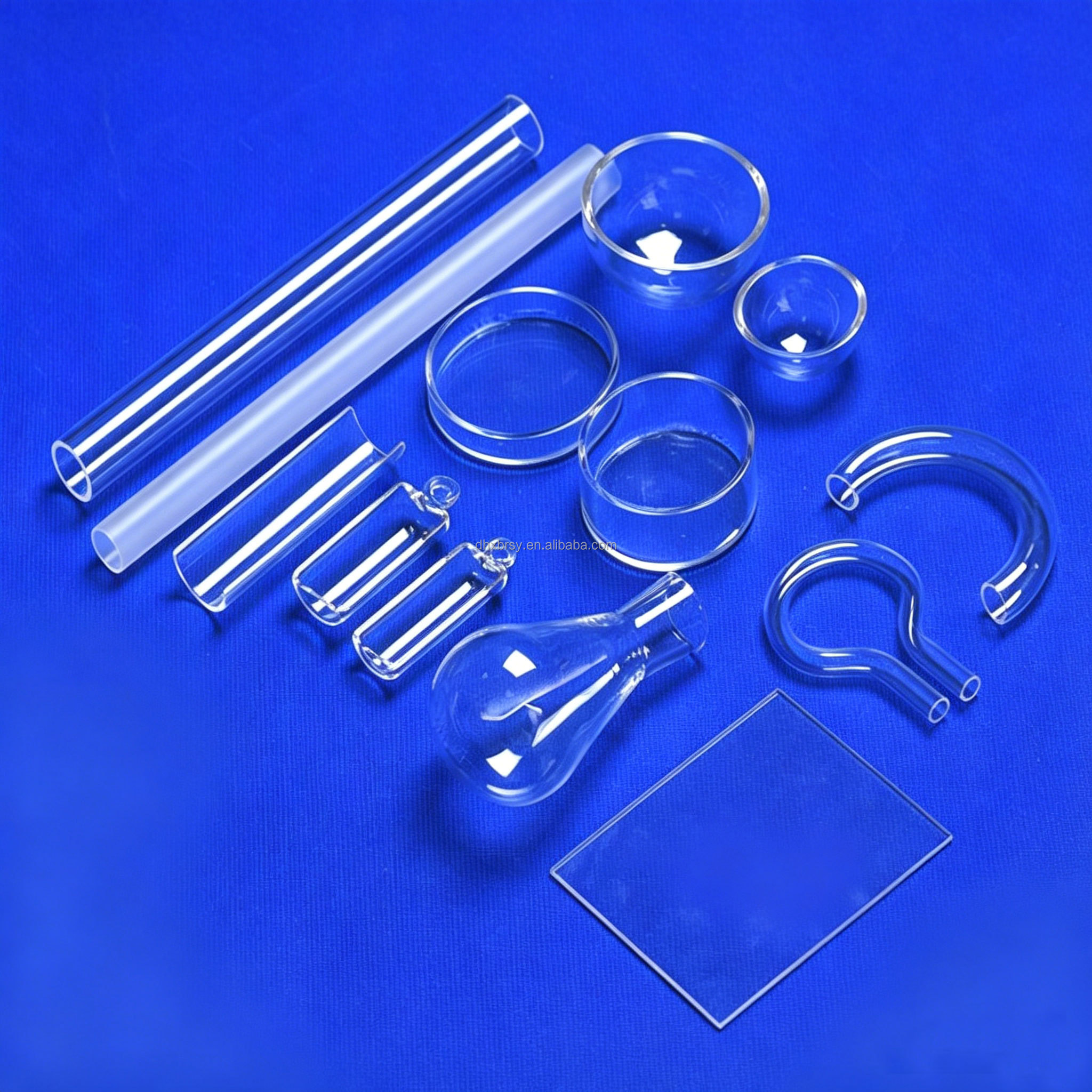
Custom Lab Quartz Glass Apparatus High Purity 99.99% Silica Content
Semiconductor Grade · OEM/ODM Drawing Customization · Extreme Acid Resistance · Annealed Stress Relief
View Product DataCertified by SGS and RoHS compliant, our JGS1 fused silica substrates deliver over 90% internal transmittance at deep ultraviolet bands (185nm–260nm). Produced in our 14,271 m² automated manufacturing facility with complete batch-level traceability for precision engineering teams in Gwangju.
Semiconductor Grade · OEM/ODM Drawing Customization · Extreme Acid Resistance · Annealed Stress Relief
View Product Data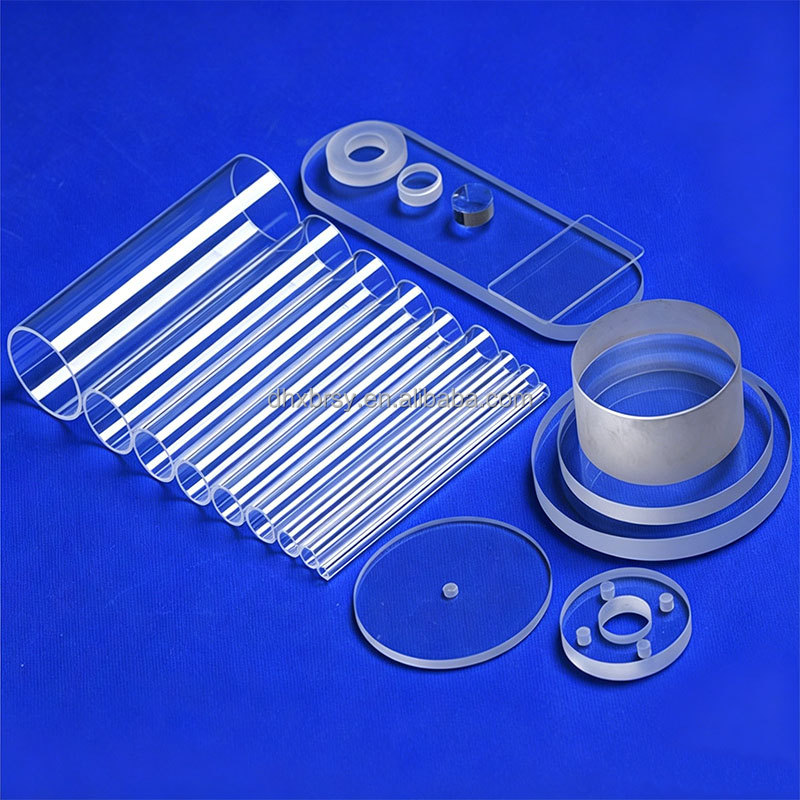
185nm–2500nm Transmittance · CNC Machined Bevels · Scratch-Dig 20/10 · Optical Polished Flatness
View Product Data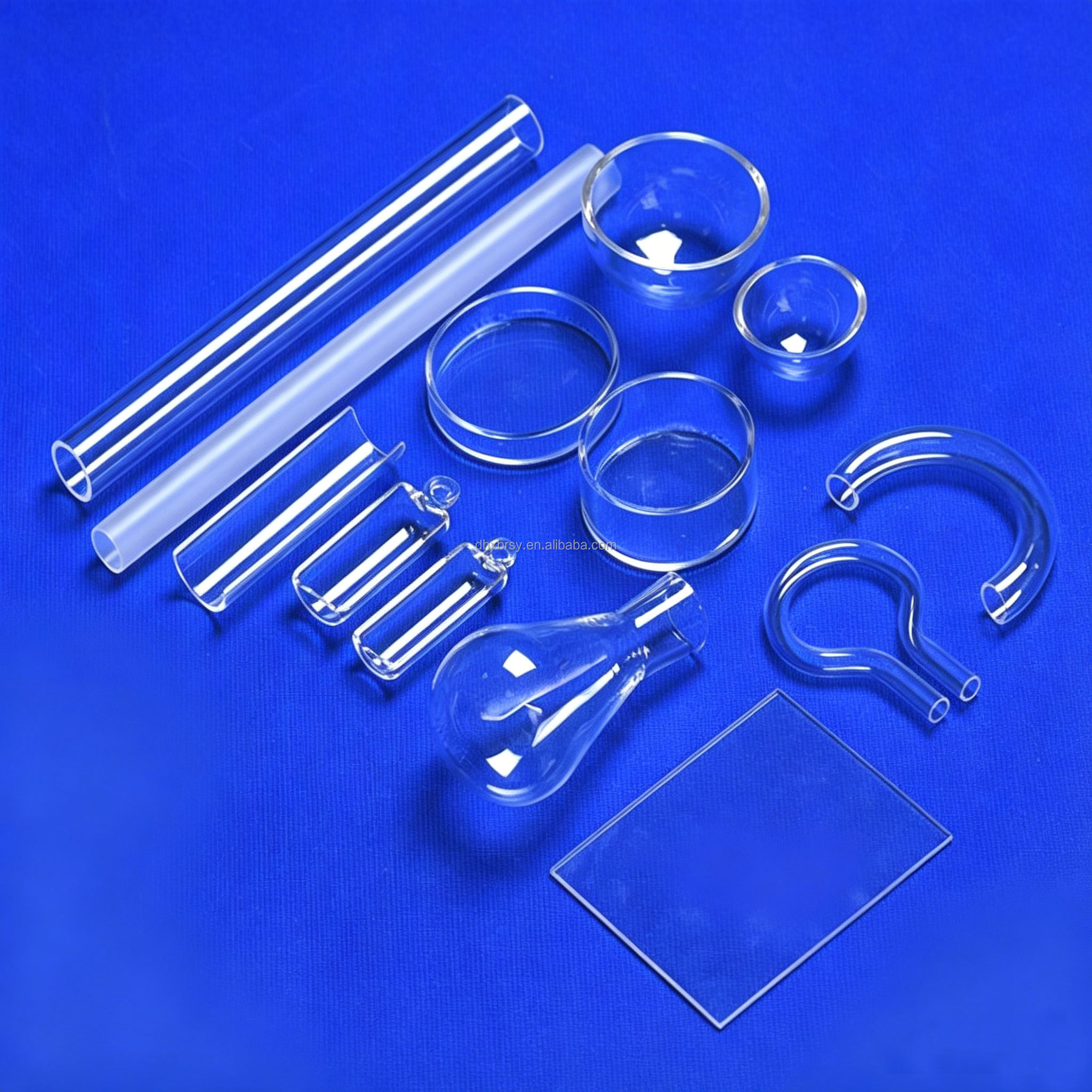
Thermal Shock Resistant to 1100°C · Precision Surface Grinding · Bubble Free Visual Clarity
View Product Data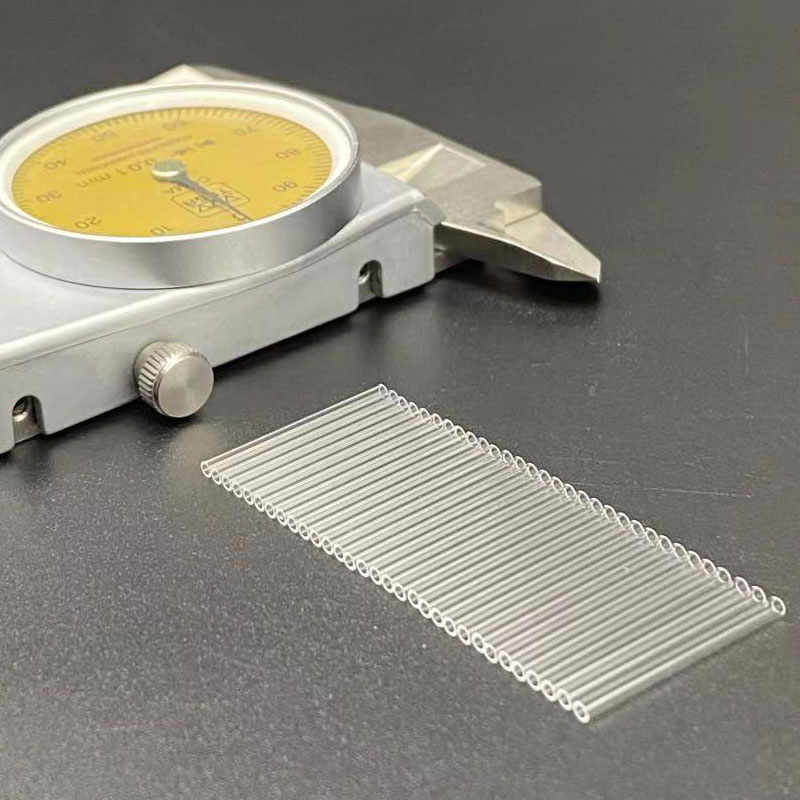
Thickness Tolerance ±0.01mm · High Dielectric Strength · Laser Cutting & Etching Protection
View Product Data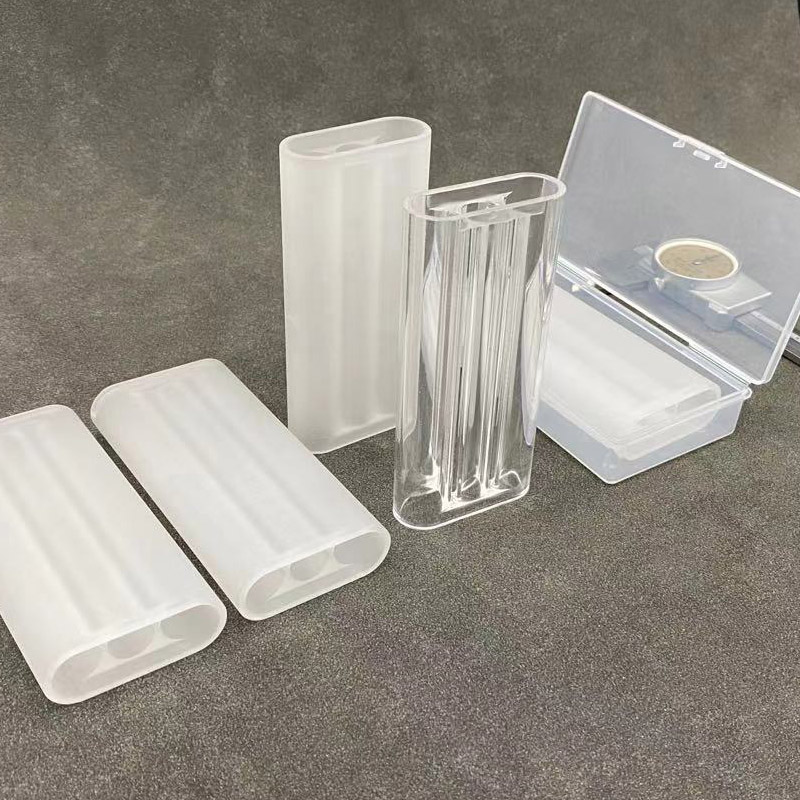
Medical & Industrial Laser Cavities · Precision Parallel Bores · High Fluence Solarization Resistance
View Product Data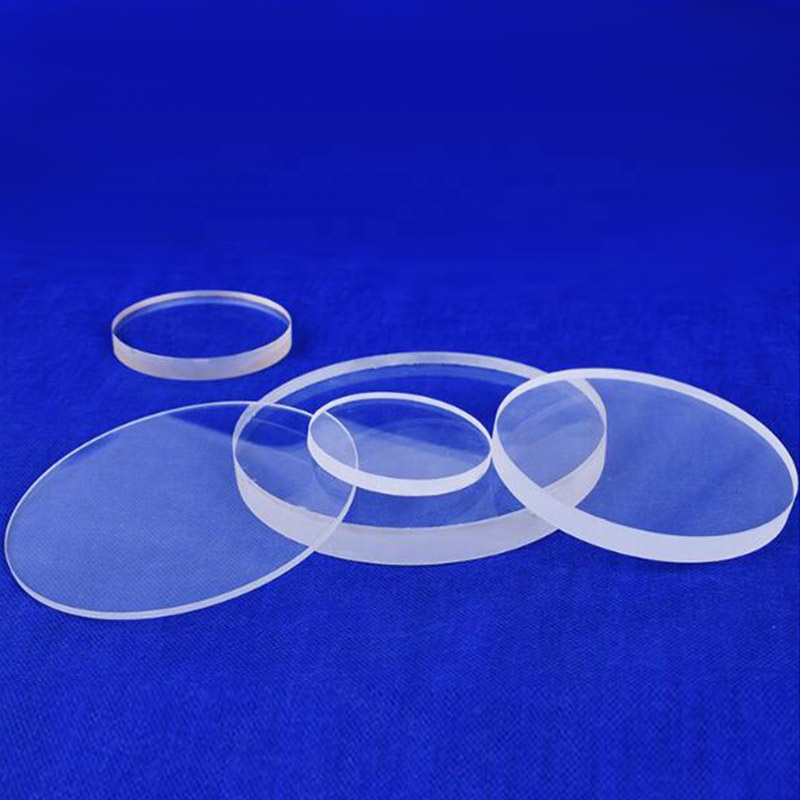
λ/4 Wavefront Distortion · Low Fluorescence Synthetic Base · Spectroscopic Observation Viewports
View Product Data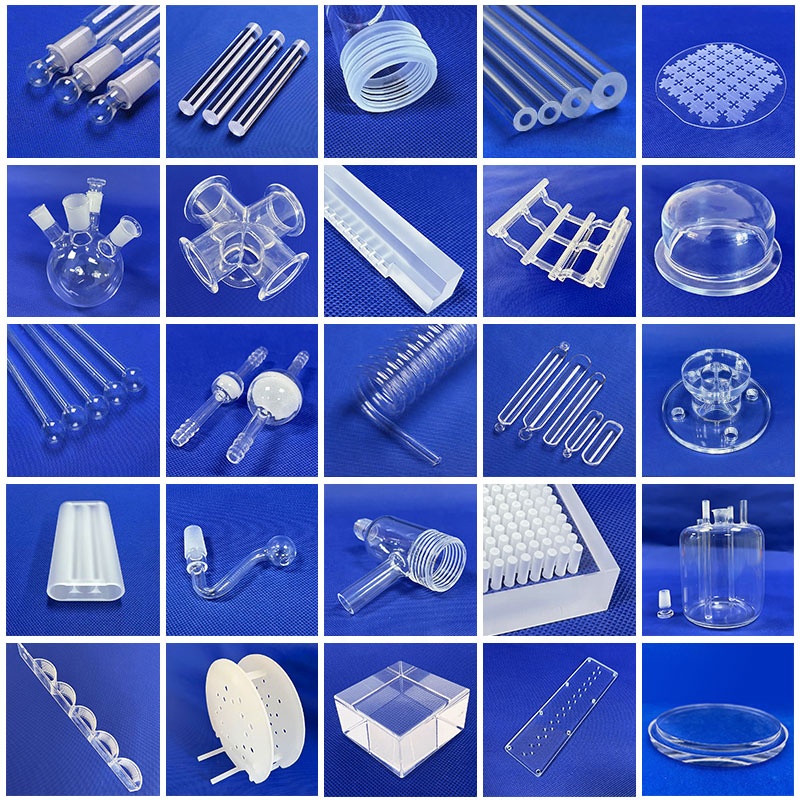
Chemical Inertness · Zero Bubble Inclusion · Hydrophobic Surface Finishing · Deep UV Exposure
View Product Data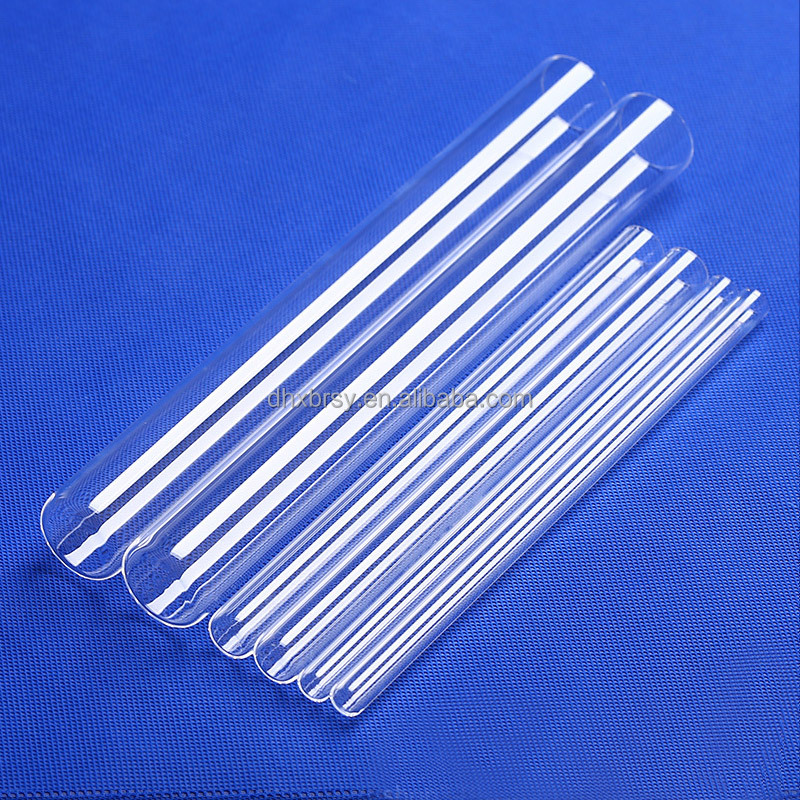
One-End Domed/Flat Seal · Heavy Wall Integrity · Pyrolysis & Laser Machinery Environment
View Product DataIn high-precision optical engineering, material selection fundamentally limits the resolution, lifetime, and thermal stability of optoelectronic systems. JGS1 optical quartz glass is a high-purity synthetic fused silica synthesized from silicon tetrachloride (SiCl4) via chemical vapor deposition (CVD) or hydrogen-oxygen flame hydrolysis. Unlike electrically fused quartz (JGS3) or natural flame-melted quartz (JGS2), JGS1 exhibits virtually zero metallic impurities (total metallic content below 2.0 ppm). Crucially, it does not contain structural bubbles, micro-inclusions, or crystalline granular boundaries. This synthetic structure yields an optical cutoff wavelength down to 185 nm, making it the premier window substrate for Deep Ultraviolet (DUV) lithography, excimer laser optics (193nm ArF, 248nm KrF), and high-resolution UV spectrometry.
“The optical performance of a UV window is defined by two physical barriers: absorption induced by transition-metal impurities (Fe, Cr, Ti) and vacuum UV band-edge scattering caused by micro-inhomogeneities. JGS1 synthetic silica eliminates absorption bands at 240nm, ensuring stable performance without solarization.”
For photonics engineers and vacuum system designers operating across Gwangju's cutting-edge scientific corridors, thermo-mechanical reliability is equally as paramount as optical transmission. JGS1 features an extraordinarily low coefficient of thermal expansion (CTE of 5.5 × 10⁻⁷ /°C between 20°C and 300°C), which is nearly one-thirtieth that of standard soda-lime or borosilicate glass. This gives JGS1 viewports unmatched thermal shock resistance, enabling them to survive instant 1000°C temperature deltas without structural fracturing. Furthermore, JGS1 maintains mechanical integrity up to its annealing point of 1215°C and continuous operation limits of 1100°C, providing structural safety in harsh plasma deposition (PECVD, ALD) and high-fluence laser ablation chambers.
| Optical / Material Metric | Synthetic JGS1 (UV Grade) | Natural Fused JGS2 (Optical Grade) | Electrically Fused JGS3 (IR Grade) |
|---|---|---|---|
| Usable Transmission Range | 185 nm – 2500 nm | 220 nm – 2500 nm | 260 nm – 3500 nm |
| UV Absorption Band at 240 nm | None (Completely Absent) | Slight Trace Absorption | Notable Absorption Edge |
| Hydroxyl (OH⁻) Concentration | High (1200 – 1500 ppm) | Moderate (150 – 200 ppm) | Extremely Low (< 5 ppm) |
| Total Metallic Impurities | < 2.0 ppm | < 20 ppm | < 30 ppm |
| Fluorescence Under 254nm Excitation | Negligible / Non-fluorescent | Very Low Green/Blue Emission | Moderate Emission |
From advanced display research to automotive LiDAR integration and photonic clusters, Gwangju represents South Korea's premier optical and optoelectronic valley. Here is where our JGS1 UV Quartz windows deliver measurable performance gains.
Within the 첨단산단 (Cheomdan Industrial Complex), research institutions and photonic manufacturers rely on custom-diameter JGS1 UV observation ports for laser spectroscopy, fluorescence imaging, and quantum photonics setups requiring zero background fluorescence.
Supporting Gwangju’s display supply chains, our JGS1 quartz sheets serve as high-durability debris shields and beam-delivery windows for 248nm and 308nm excimer laser annealing (ELA) tools utilized in flexible OLED and micro-LED panel fabrication.
Collaborating with tier-1 mobility suppliers in the Bitgreen Industrial Park (빛그린국가산단), our CNC-milled quartz plates act as rugged, scratch-proof optoelectronic sensor covers capable of withstanding extreme environmental weathering and vibration.
For advanced IC packaging plants across the Honam region, we deliver precision polished JGS1 glass wafers and inspection windows with wavefront flatness down to λ/10, optimizing optical clarity for AOI (Automated Optical Inspection) systems.
Municipal and industrial research facilities throughout South Jeolla leverage our high-transmittance JGS1 and ozone-generating quartz cylinders for high-intensity 253.7nm germicidal UVC wastewater decomposition apparatus.
Providing direct-from-factory microplates, spectrophotometer flow-cells, and reaction vessels to academic powerhouses including Gwangju Institute of Science and Technology (GIST) and Chonnam National University.
Gwangju's strategic pivot toward AI-driven photonics, compound semiconductors, and smart mobility is reshaping technical expectations for optical raw material imports.
As precision manufacturing migrates from green and near-IR laser cutting to 266nm and 213nm harmonic UV lasers, industrial equipment builders in Gwangju are systematically replacing standard BK7 and JGS2 sight glasses with solarization-resistant JGS1 synthetic silica to prevent window darkening under intense UV exposure.
Gwangju’s national AI data center initiative is catalyzing automation in industrial photonics. This demand drives the need for ultra-flat, high-homogeneity JGS1 windows with wavefront errors lower than λ/8, ensuring distortion-free beam positioning in high-speed galvanometer laser scanning heads.
South Korean procurement protocols increasingly demand direct factory pricing, origin validation, and SGS onsite audit certifications over multi-tier domestic distributor markups, making direct Chinese source factories with dedicated Korean logistics support the preferred strategic sourcing model.
Practical answers to critical technical questions regarding specification, export logistics to South Korea, import duties, and drawing tolerances.
JGS1 is the international Chinese standard grade for synthetic fused silica that matches Corning 7980 and Heraeus Suprasil 1/2 in optical and physical benchmarks. It offers equivalent DUV transmission (185nm–2500nm), zero fluorescence, and negligible bubble counts (Class 0), providing high-yield reliability at competitive source-factory economics.
From our manufacturing hub in Lianyungang, Jiangsu, shipments to Incheon or Busan Port clear customs quickly. Standard air courier freight (DHL, FedEx, SF Express) delivers directly to cleanrooms in Gwangju within 3 to 5 business days, complete with export packing and cleanroom wrapping.
Yes. In addition to high-precision double-side polishing (Scratch-Dig 20/10, 40/20), we supply JGS1 windows with dielectric AR thin-film coatings tailored for 248nm (KrF), 266nm (Nd:YAG 4th harmonic), 355nm (3rd harmonic), or broadband dual-wavelengths (e.g., 355nm + 532nm + 1064nm).
Every commercial delivery includes a Certificate of Analysis (CoA) documenting SiO₂ purity, spectrophotometer UV transmission curve data, polarization stress test inspection records, RoHS compliance statements, and RCEP / Korea-China FTA Certificates of Origin for preferential tariff treatment.
We support university research laboratories, venture incubators, and corporate R&D engineering divisions with small-batch prototyping starting at 1 to 5 pieces. Volume scaling to thousands of optical windows per month is seamlessly supported by our high-capacity CNC polishing lines.
Components undergo individual ultrasonic cleaning, are sealed in lint-free Class 1000 optical envelopes, embedded in custom shock-absorbing high-density EVA foam cutouts, and encased within reinforced multi-ply export wooden crates certified for international transit.
Operating directly out of Lianyungang, Jiangsu—China’s premier silica extraction and refining cluster—Lovri Quartz eliminates intermediate trading markups, ensuring complete manufacturing control from raw silica refinement through precision CNC finishing.
Our operations, workforce, machinery, and quality management protocols have passed rigorous onsite physical inspections by SGS Group across our comprehensive 14,271 m² production facility.
Thermal cracking is prevented through complete in-house electric annealing cycles. Every production batch is inspected via polarization stress testing and UV-Vis-NIR spectrophotometer validation.
From raw material cutting, acid pickling to eliminate metallic ions, to multi-axis CNC drilling, beveling, flame polishing, and cleanroom vacuum packaging, all steps occur under one roof.
Whether you require standard 25.4mm / 50.8mm round JGS1 viewport discs, custom rectangular laser debris shields, or specialized CNC-milled wafer handling boats, our application engineers provide manufacturability reviews and competitive factory-direct quotations within 24 hours.
Contact Us