Optical Grade
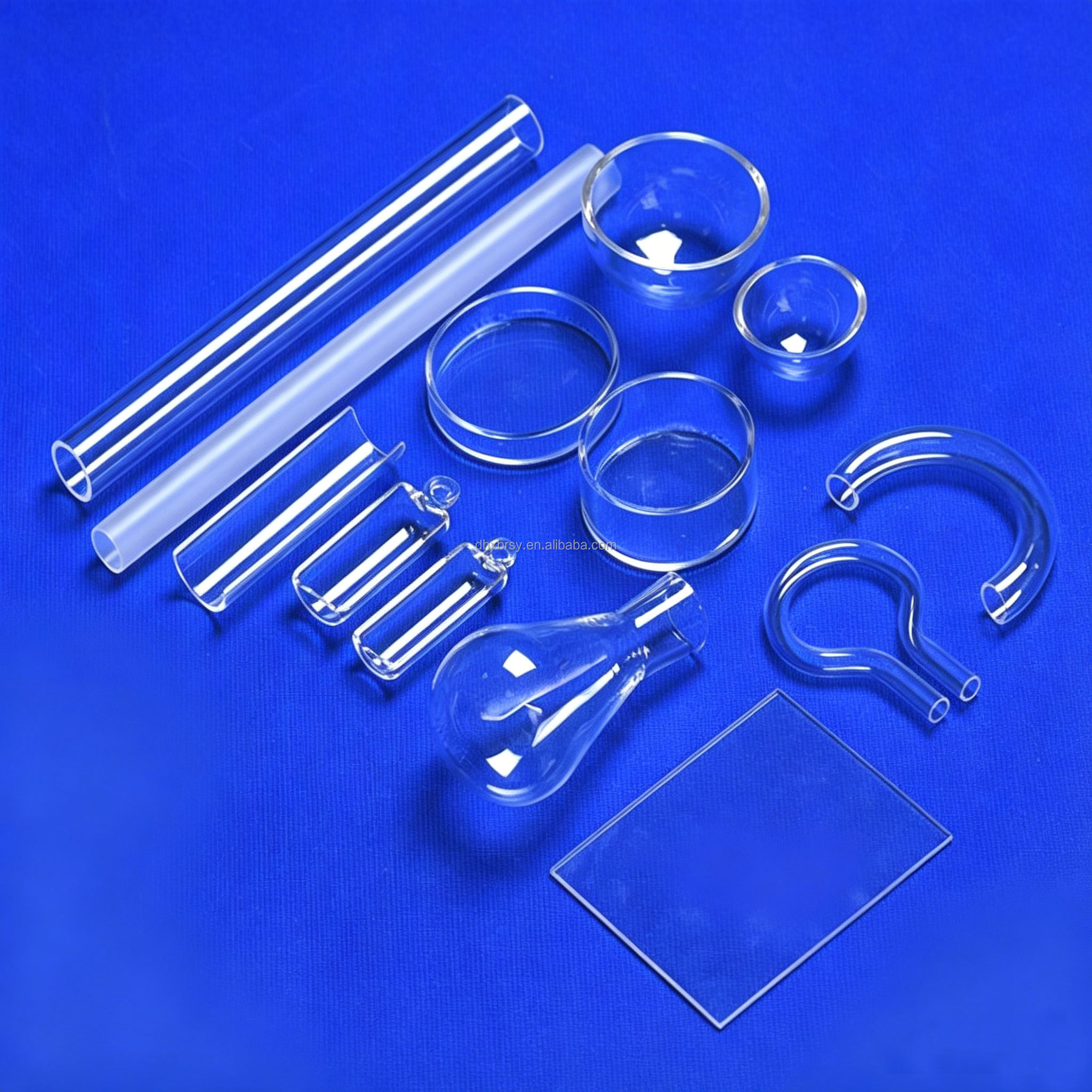
BAO RAN 99.99% SiO2 Transparent Fused Quartz Sheet
Optical laser machinery, insulated precision instruments, 200 Mesh raw material, RoHS compliant.
Direct factory supply of certified clear, translucent, and modified fused quartz tubing, labware, and optical components manufactured to millimeter-precise tolerances with SGS and RoHS compliance.
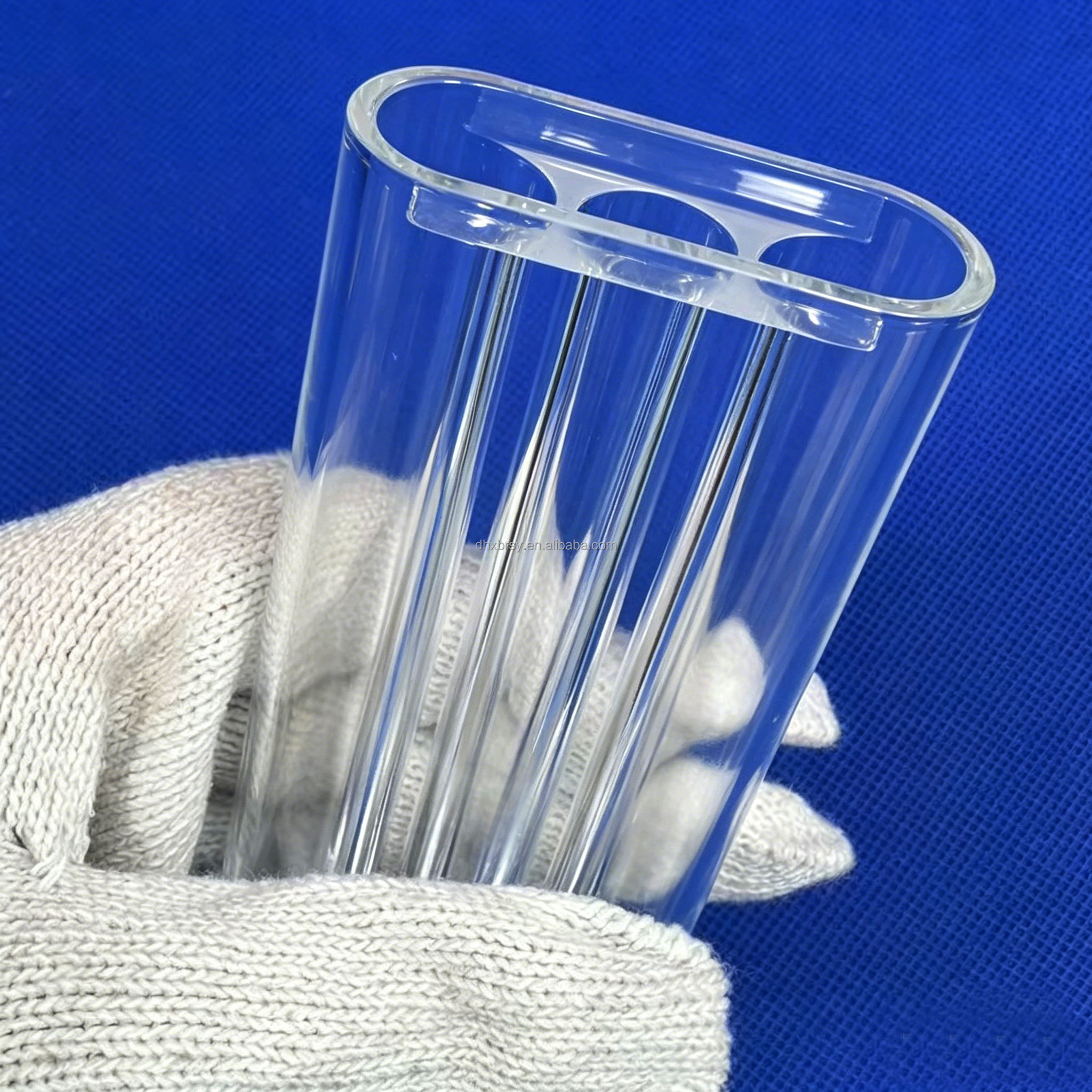
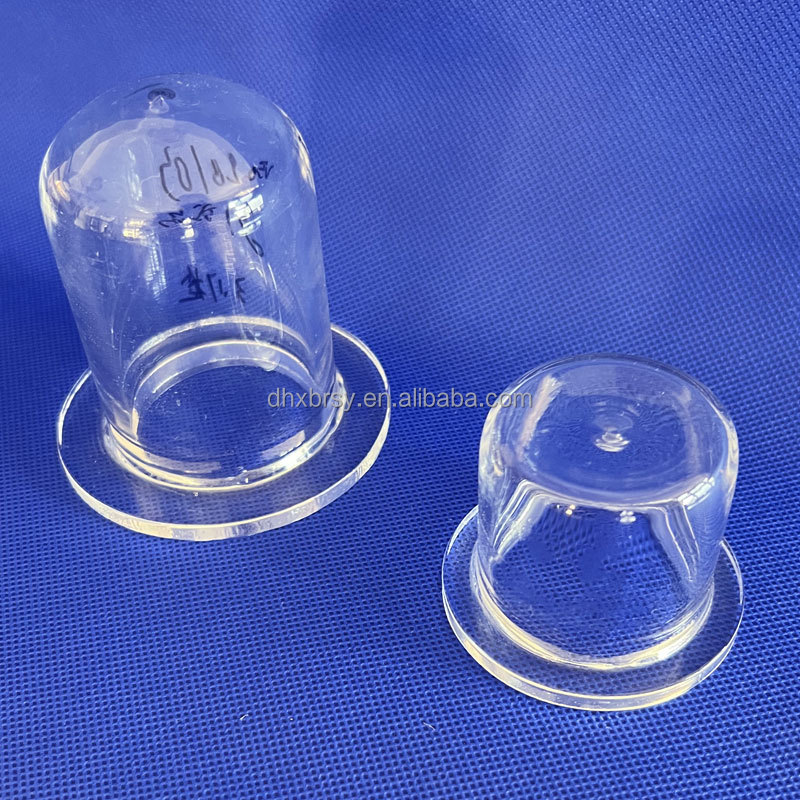
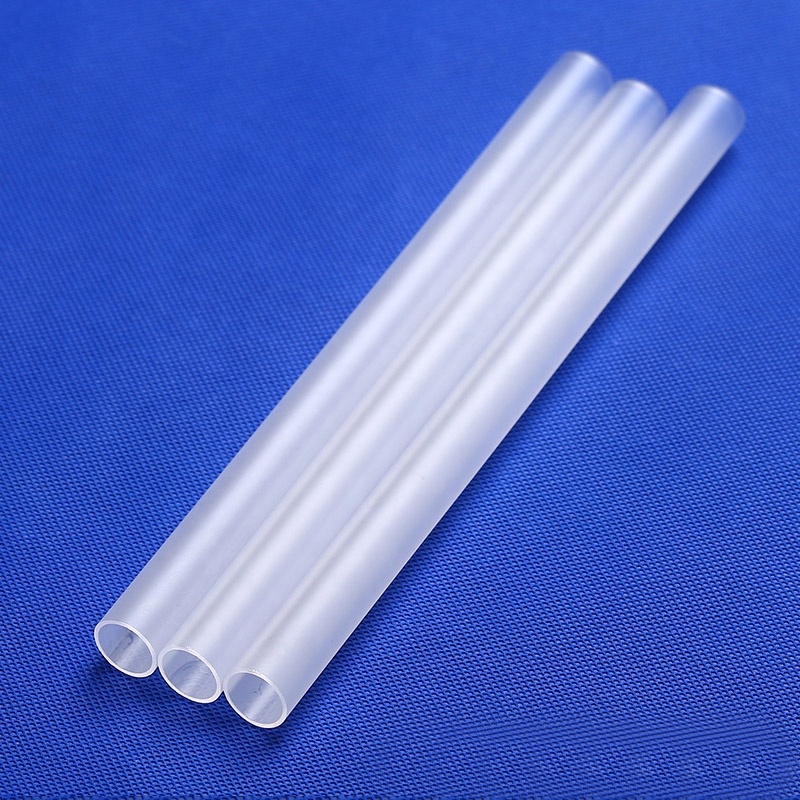
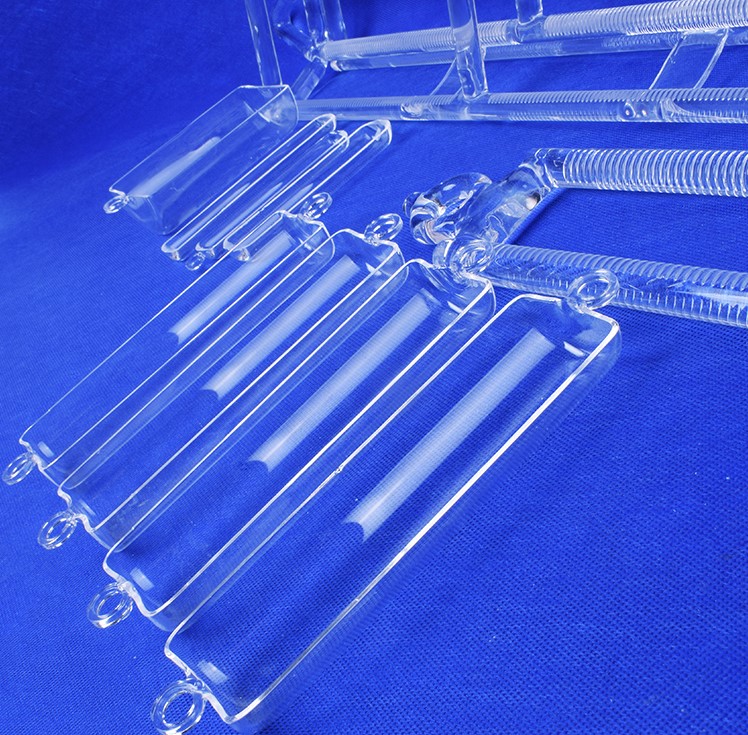
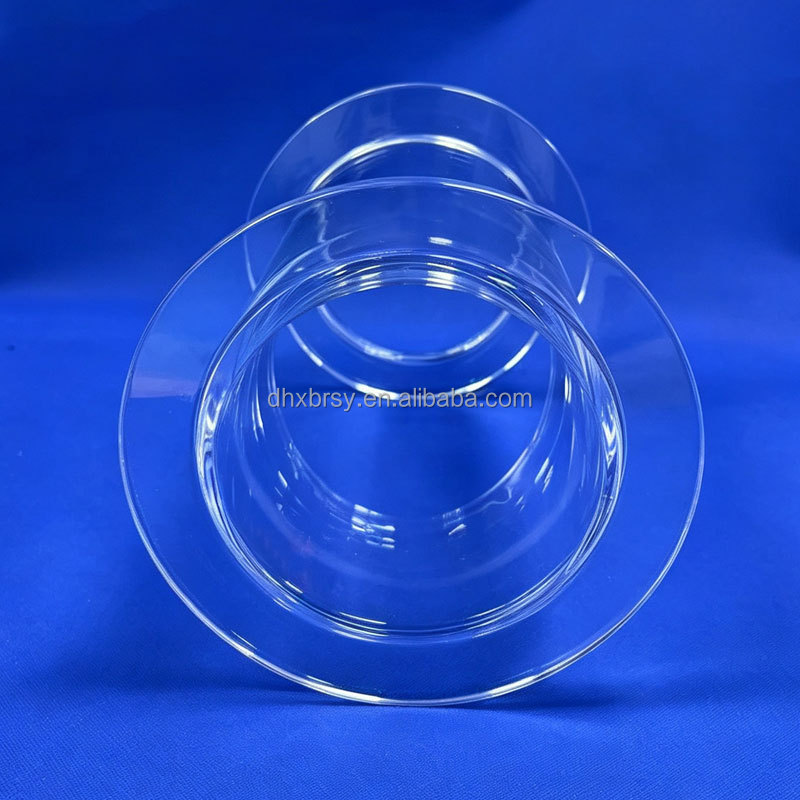
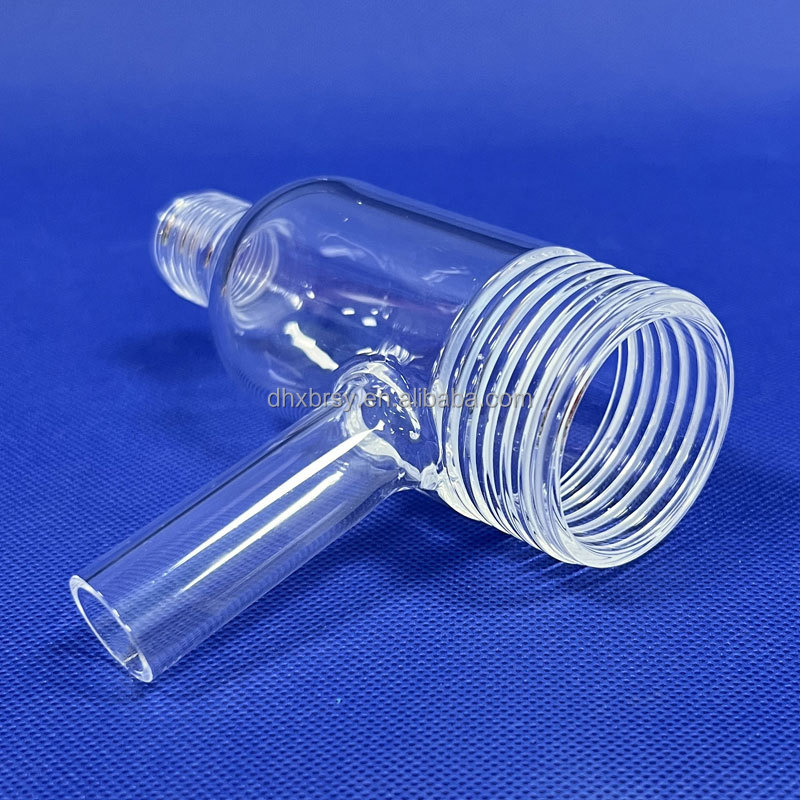
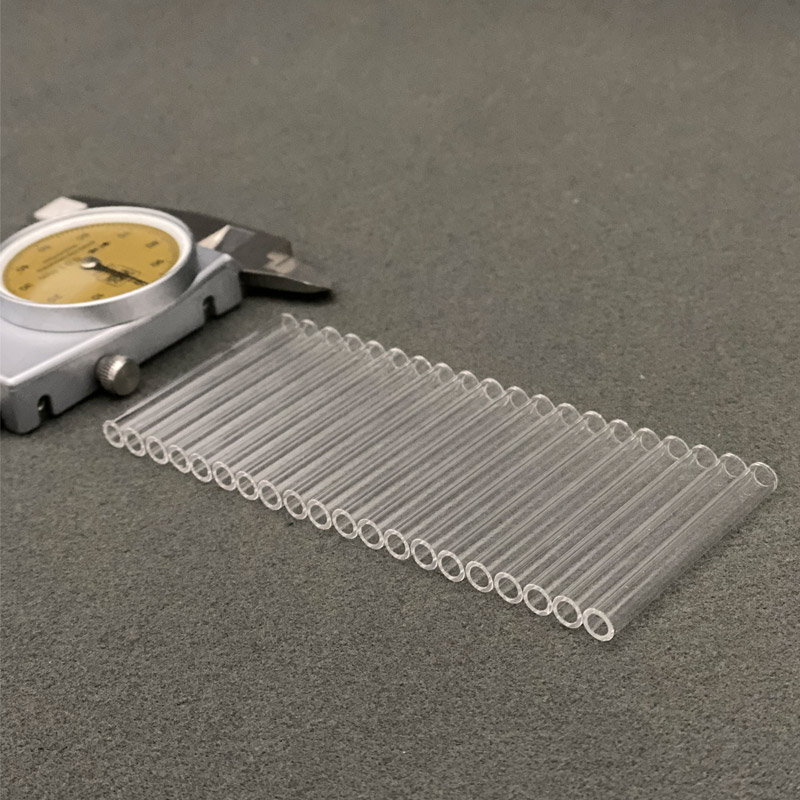
A comprehensive examination of why synthetic and electric-fused quartz represents the primary material benchmark for high-stress industrial infrastructure in Odesa.
Industrial procurement specialists and mechanical design engineers operating in the Odesa Oblast require materials that withstand extreme thermal gradients, corrosive maritime atmospheres, aggressive saline moisture, and high-pressure chemical exposure. Fused quartz glass—distinguished by its high-silicon matrix (SiO₂ ≥ 99.99%)—provides an exceptional combination of physical, thermal, and optical characteristics unmatched by conventional borosilicate, soda-lime, or aluminosilicate glasses.
Because of this minimal thermal expansion coefficient, a clear fused quartz tube can be repeatedly heated above 1,100 °C and instantly quenched in ice-cold sea water without generating internal mechanical stresses capable of causing structural shattering. This thermal shock resilience makes fused quartz irreplaceable in Odesa's port-adjacent metallurgical furnaces, rapid thermal annealing reactors, and maritime emission scrubbers.
| Physical / Chemical Property | High Purity Fused Quartz (Lovri) | Borosilicate Glass 3.3 | Soda-Lime Industrial Glass |
|---|---|---|---|
| Silicon Dioxide Content (SiO₂) | ≥ 99.99% | 80.5% - 81.0% | 71.0% - 73.0% |
| Thermal Expansion (20 °C - 300 °C) | 5.5 × 10⁻⁷ /°C | 33 × 10⁻⁷ /°C | 85 - 90 × 10⁻⁷ /°C |
| Continuous Strain Point Temperature | 1,070 °C – 1,120 °C | 510 °C | 480 °C |
| Short-Term Max Operating Temperature | 1,300 °C | 550 °C | 500 °C |
| Softening Point | ≈ 1,730 °C | 820 °C | 720 °C |
| Deep UV Transmittance (254 nm) | ≥ 90% (JGS1 Optical Grade) | < 5% (Opaque to UV-C) | 0% (Blocks UV-C entirely) |
| Chemical Acid Resistance | Inert to all acids except HF & hot H₃PO₄ | Resistant to acids, susceptible to alkalis | Vulnerable to leaching and weathering |
| Dielectric Strength (20 °C, 1 MHz) | 25 - 40 kV/mm | 15 - 20 kV/mm | 8 - 12 kV/mm |
In vacuum furnace assemblies and chemical vapor deposition (CVD) equipment used within research institutions like the Odesa I.I. Mechnikov National University and regional technical testing laboratories, chemical purity is just as critical as thermal endurance. Metallic trace impurities—such as iron (Fe), copper (Cu), titanium (Ti), and sodium (Na)—act as nucleating crystallization agents when exposed to high operational temperatures, promoting premature devitrification (surface cristobalite crystallization). Lovri's proprietary acid-pickling and multi-stage screening routines reduce combined metallic contaminants below 20 ppm, preserving full dimensional integrity and structural transparency throughout years of thermal cycling.
Bridging global silica engineering with the regional processing demands of the Greater Odesa economic zone, including Chornomorsk, Pivdennyi, and the Danube commercial corridor.
Odesa functions as the primary shipping hub of Ukraine. Under strict International Maritime Organization (IMO) ballast water management conventions, cargo vessels operating through the ports of Odesa, Chornomorsk, and Pivdennyi depend on high-intensity UV-C photochemical reactors. Our high-transmittance JGS1 clear quartz sleeves transmit in excess of 90% of germicidal 253.7 nm UV rays, eliminating invasive marine organisms and micro-pathogens without decomposing under intense saline immersion.
The region surrounding Pivdennyi houses major fertilizer export facilities and extensive chemical processing logistics. Fused quartz sight windows, thermocouple protection sheaths, and threaded fluid-handling pipelines provide complete chemical inertness when transferring aggressive anhydrous ammonia, concentrated hydrochloric acid, and hot volatile solvent vapors, preventing stress corrosion cracking common to metallic and plastic piping.
As the focal point for grain exports across the Ukrainian agricultural belt, Odesa's processing terminals deploy massive grain drying and moisture-monitoring systems. Milky-white opaque quartz spiral heating tubes emit targeted medium-to-far infrared wavelengths (2.5 µm - 4.5 µm), matching the exact molecular absorption spectrum of water within grain kernels to achieve high-efficiency, non-scorching thermal drying.
Southern Ukraine possesses exceptional solar irradiance, driving local investment in solar farm maintenance, module refurbishment, and silicon wafer assembly. Our photovoltaic diffusion tubes, cell sintering furnace quartz carriers, and wafer boats ensure minimal transition-metal contamination, safeguarding photovoltaic conversion efficiencies during high-temperature boron and phosphorus dopant drive-in steps.
Odesa’s research institutions, including specialized metallurgy, physics, and marine ecology faculties, rely heavily on customized quartz glassware. We manufacture high-precision quartz spectrophotometer cuvettes, 96-well UV microplates, micro-reaction manifolds, and distillation condensers capable of handling rapid temperature shifts and ultra-pure chemical separation without leaching boron or alkaline ions into analytic samples.
Industrial ozone generation relies on dielectric barrier discharge (DBD) tubes exposed to intense dielectric and thermal stress. Our precision-ground fused quartz dielectric tubes provide uniform wall thickness (±0.05 mm), ensuring uniform electrical fields that eliminate hot-spot electrical arc punctures, maximizing ozone synthesis per kilowatt-hour in industrial wastewater treatment and cold-storage preservation.
Understanding shifting procurement dynamics, environmental compliance mandates, and equipment modernization initiatives across Southern Ukraine.
Industrial operators in Odesa and surrounding heavy-machinery manufacturing clusters are transitioning from obsolete legacy ceramic heating jackets to high-efficiency quartz infrared tube systems. This shift provides rapid thermal ramp-up times, lowers electrical consumption by up to 35%, and enables direct optical radiation targeting without thermal lag.
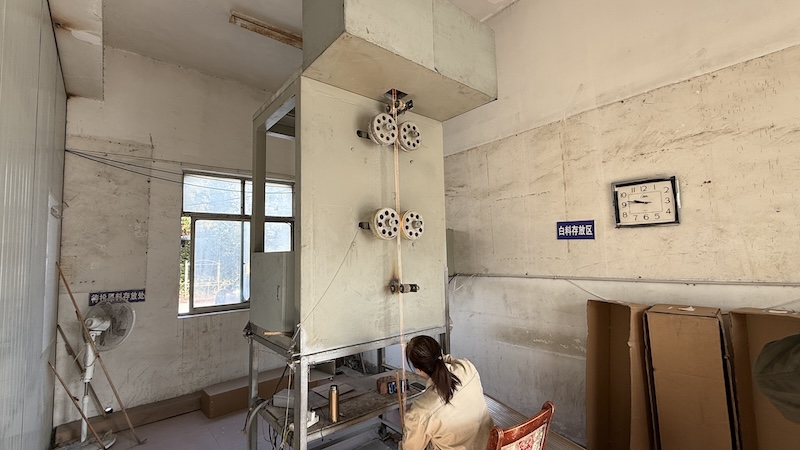
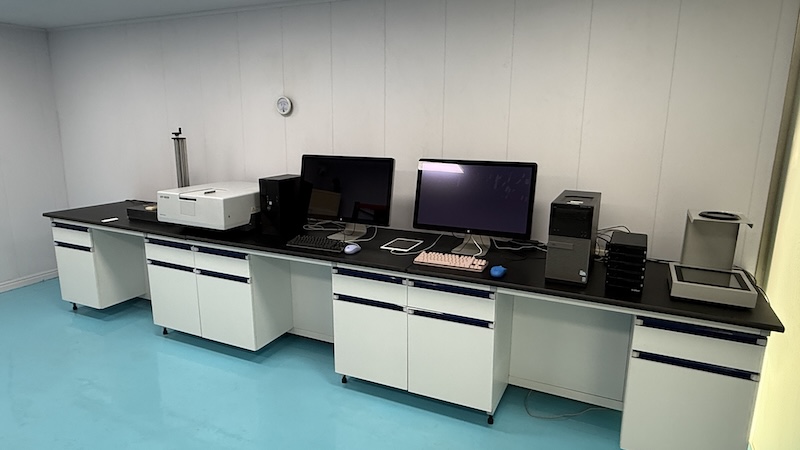
With the expansion of EU water treatment directives across the Danube and Black Sea delta reserves, chemical chlorination is being phased out in municipal and industrial effluents in favor of high-capacity UV-C photochemical oxidation. This trend demands higher transmittance levels at 185 nm (for TOC breakdown and ozone generation) and 254 nm (for pathogenic inactivation), eliminating cloudy commercial silica in favor of synthetically fused JGS1 quartz tubes.
Why Tier-1 engineering contractors choose Lovri Quartz over third-party trading entities: complete control from raw quartz silica sand to finished CNC tolerance validation.
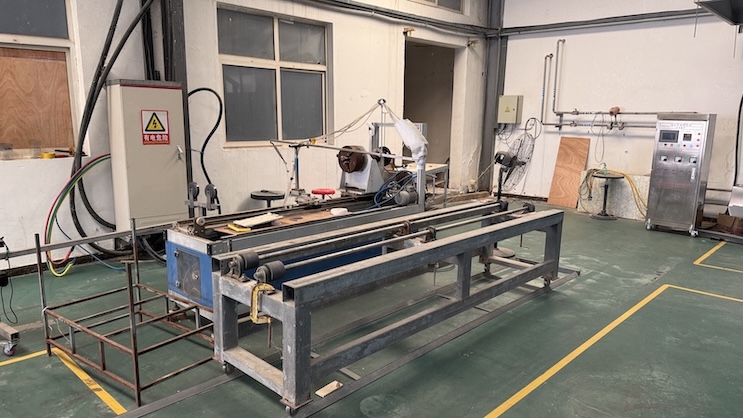
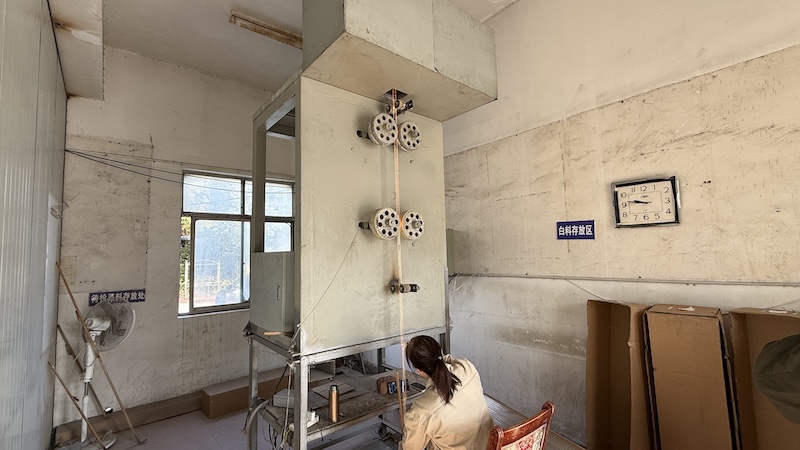
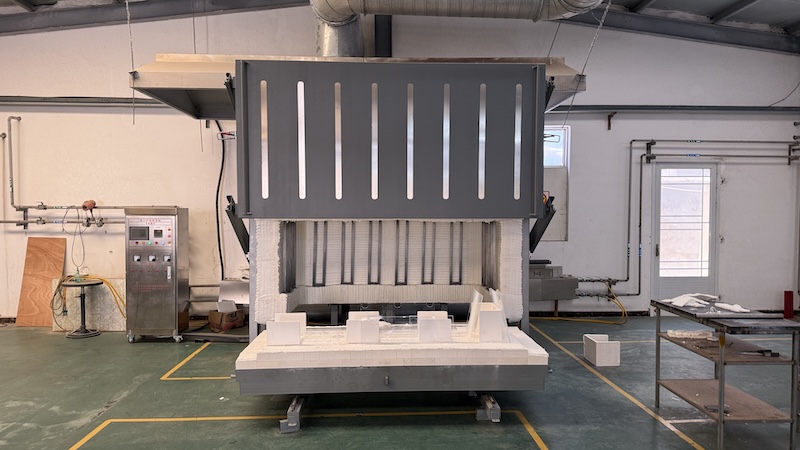
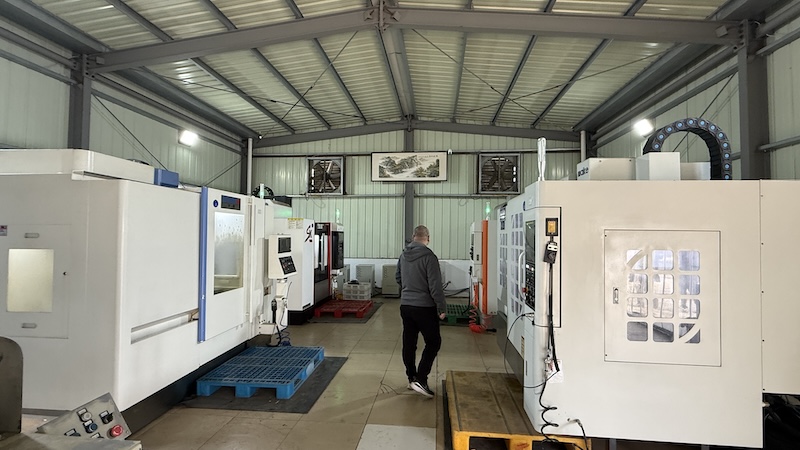
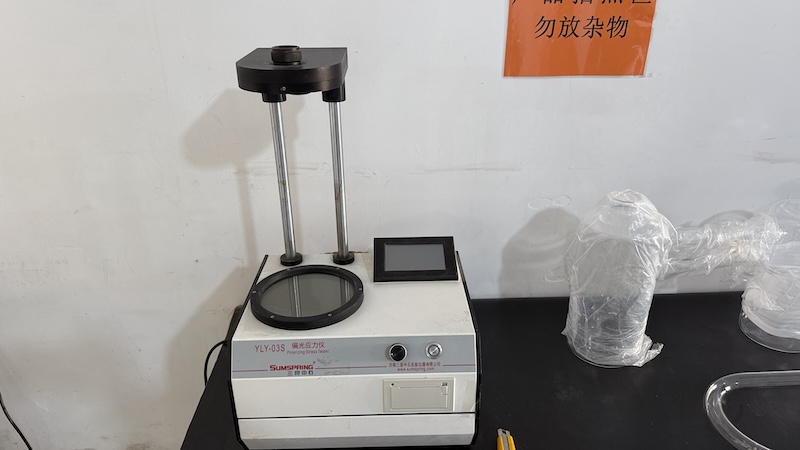
Premature tube rupture inside a furnace or vacuum chamber is almost never caused by external operational fault—it is caused by frozen residual stress introduced during forming and improper cooling. At Lovri Quartz, 100% of custom orders destined for export to international facilities in Odesa are subjected to cross-polarized optical stress analysis.
By evaluating optical birefringence fringes under sodium light sources, our quality technicians verify that residual optical path difference does not exceed ≤ 5 nm/cm. This ensures that when your engineers install our quartz tubes in rapid-firing sintering units, they will not fail catastrophically under thermal shock.
Direct technical and logistical answers addressing shipping routes, material grades, drawing customization, and transit safety protocols.
We deploy a certified multi-tier export packaging system designed specifically for international multimodal shipping. Each individual quartz tube or component is shrink-wrapped with PE anti-static film, encased in custom-cut shock-absorbing high-density polyethylene (EPE) closed-cell foam sleeves, positioned within heavy multi-wall corrugated inner cartons, and finally secured inside fumigated ISPM-15 plywood wooden crates reinforced with steel edge banding. Even large-diameter, thin-wall cylinders arrive with zero vibration damage across ocean, rail, or trans-European road freight routes.
For urgent maintenance and critical laboratory projects, express air cargo provides delivery within 7 to 10 business days via key European air logistics hubs (e.g., Warsaw, Frankfurt, or Chișinău) followed by overland transport directly into Odesa. For standard volume orders, maritime freight routed through Romanian ports (such as Constanța) or via overland European multimodal freight links delivers complete container loads within 30 to 45 days. We provide comprehensive export documentation, including Certificate of Origin (CO), RoHS reports, and commercial packing declarations.
JGS1 is synthetic fused silica engineered for deep-ultraviolet (UV-C) applications down to 185 nm; it is completely bubble-free and essential for high-power laser optics, UV disinfection, and photolithography. JGS2 is flame-fused quartz using natural crystal sand, offering excellent transmission across the near-UV and visible spectra (220 nm - 2,500 nm), making it the optimal, cost-effective choice for furnace sight glasses, ozone sleeves, and standard reactor tubes. JGS3 is electrically fused quartz with virtually zero hydroxyl (-OH < 2 ppm) content, extending infrared transmission up to 3,500 nm, specifically ideal for high-temperature IR radiators and pyrometry viewports.
Yes. Over 65% of our production volume is OEM/ODM manufactured to client engineering drawings. We accept 2D drawings in PDF and DWG formats, as well as 3D models in STEP, IGES, and SolidWorks native formats. Our multi-axis CNC glass machining workshops execute precision threading (male and female ISO standard or custom pitch), precision-ground sealing flanges with O-ring grooving, stepped bores, laser-cut micro slots, and precision welded branch assemblies with tolerances down to ±0.02 mm.
We recognize that research laboratories, university faculties, and engineering maintenance teams in Odesa frequently require single prototype units or low-volume replacement batches for equipment overhaul. For custom tubes, flanged cylinders, and labware, our MOQ begins at just 1 to 5 pieces. Once dimensional geometry and thermal performance are validated on your equipment, we offer scalable production tier pricing for volume contracts.
Devitrification—the phase transformation of amorphous silica into crystalline cristobalite—occurs primarily between 1,000 °C and 1,200 °C when alkali metal contamination (Na, K, Li) is present on the tube surface. Because Lovri uses ultra-pure 99.99% raw materials and conducts high-temperature fire polishing, the crystalline nucleation rate is minimized. For continuous operation at 1,100 °C, ensure the furnace atmosphere remains clean, handle the tubes exclusively with cotton gloves, and periodically cleanse the outer surface with high-purity ethanol or a mild 5% HF solution rinse.
Consult directly with our technical glassblowing engineers and CNC specialists. Submit your custom drawings, dimension schedules, or thermal process requirements for rapid review and factory-direct quotation.