Engineered Quartz Glass & Optical Substrates
Source high-purity SiO₂ engineered elements manufactured to strict micron-level tolerances, tested via automated polarization stress systems and certified for global industrial applications.
Sapporo & Hokkaido Industrial Synthesis: Optical Quartz Sheets in Advanced Technology
A comprehensive examination of thermodynamic, optical transmission, and material longevity characteristics of fused quartz in Japan's northern tech belt.
1. The Sapporo-Chitose Semiconductor Corridor: Strategic Optical Substrate Demands
The industrial landscape of the Greater Sapporo area and the neighboring Chitose logistics hub is experiencing unprecedented capital investment driven by next-generation sub-2nm foundry initiatives and advanced semiconductor packaging facilities. In modern cleanroom environments across Hokkaido, optical quartz glass sheets (synthesized fused silica) are vital consumables and capital-equipment components. These plates operate as ultra-flat reticle substrates, UV-curing windows, viewports for chemical vapor deposition (CVD), and structural carriers within severe plasma etching environments.
Because northern Japan presents extreme atmospheric shifts—from heavy winter sub-zero ambient external temperatures to high-temperature furnace interiors exceeding 1,100°C—the coefficient of thermal expansion (CTE) of engineering glass becomes critical. Standard borosilicate materials experience thermal gradients that trigger micro-fissuring and catastrophic optical lensing distortion. Lovri Quartz delivers high-purity JGS1, JGS2, and JGS3 quartz plates featuring a thermal expansion coefficient of approximately 5.5 × 10⁻⁷ /°C (from 20°C to 300°C). This offers unmatched thermal shock resistance, ensuring that laser alignment, optical metrology, and physical substrate integrity remain constant under abrupt cyclic variations.
2. Material Classifications: Deep-UV to Far-Infrared Spectral Optimization
Selecting the precise optical quartz glass grade is essential for reducing insertion loss and preventing premature laser damage threshold (LIDT) degradation. Engineers operating in Sapporo’s precision machinery, photonics, and biotechnology institutions (including research initiatives surrounding Hokkaido University) regularly require tailored spectral transmission bands:
- Synthetic Fused Silica (JGS1 / Suprasil Equivalent): Manufactured via vapor-phase oxidation of high-purity silicon compounds. It contains virtually zero metallic trace contaminants (total heavy metals < 1 ppm) and an optimized hydroxyl (OH⁻) profile. JGS1 exhibits outstanding transmittance across the deep ultraviolet (DUV) band from 185 nm to 2500 nm, making it the preferred choice for excimer lasers, 193 nm / 248 nm photolithography alignment, and fluorescence spectrometry windows.
- Optical Fused Quartz (JGS2): Synthesized via clean oxy-hydrogen flame fusion of natural, refined quartz crystal sand. Transmitting continuously from 220 nm to 2500 nm, JGS2 balances cost and structural durability. It is widely specified across Sapporo for industrial sight windows, thermal insulation plates, UV ozone sanitization cells, and general laboratory diagnostic fixtures.
- Electrically Fused Quartz (JGS3 / Infrasil Equivalent): Produced through an electric resistance vacuum melt process that drastically curtails the residual water content (OH⁻ content typically below 2–5 ppm). The absence of the distinct 2.73 µm water absorption band delivers exceptional broadband transmission throughout the near-to-mid infrared band (260 nm up to 3500 nm), serving as the foundational substrate for thermal imaging sensors, pyrometric viewports, and high-flux industrial infrared furnace apparatus.
| Property / Characteristic | JGS1 (Synthetic Silica) | JGS2 (Flame Fused) | JGS3 (Electrically Fused) |
|---|---|---|---|
| Usable Transmission Range | 185 nm – 2,500 nm (Deep-UV) | 220 nm – 2,500 nm (UV-VIS) | 260 nm – 3,500 nm (VIS-IR) |
| Hydroxyl (OH⁻) Concentration | 800 – 1200 ppm (High OH) | 150 – 300 ppm (Standard OH) | < 5 ppm (Low OH, Water-Free) |
| SiO₂ Purity Ratio | ≥ 99.999% | ≥ 99.99% | ≥ 99.99% |
| Refractive Index (nd @ 589.3 nm) | 1.4585 | 1.4585 | 1.4585 |
| Max Short-Term Temperature | 1,300 °C | 1,300 °C | 1,400 °C |
| Surface Quality / Polish Limit | 10/5 Scratch-Dig, Ra < 0.3 nm | 20/10 Scratch-Dig, Ra < 0.5 nm | 40/20 Scratch-Dig, Ra < 0.8 nm |
| Sapporo Engineering Applications | EUV/DUV inspection, laser windows | Furnace viewports, chemical sight glass | IR sensors, thermal chambers, pyrometry |
3. Precision CNC Processing, Surface Planarization, and Edge Architecture
Standard commercial quartz plates often present edge micro-cracks and sub-surface damage (SSD) created during rough mechanical cutting. Under repetitive thermal cycles or high-pressure differentials, these micro-cracks propagate, leading to catastrophic failure. At Lovri Quartz Products Co., Ltd., every optical quartz glass sheet supplied to Hokkaido buyers is manufactured using multi-axis diamond CNC machining centers, high-speed ultrasonic core drilling, and chemical-mechanical planarization (CMP).
Our processing portfolio includes custom chamfering (45° beveled, pencil edge, round ground edges), optical-grade stepped profiles, drilled mounting holes with zero chipping tolerances, laser-cut apertures, and double-side optical polishing capable of reaching λ/10 surface flatness per inch. Furthermore, every batch undergoes an annealing protocol held at 1215°C followed by a monitored polarization stress tester check. This prevents residual internal stress birefringence from altering polarized laser beams in advanced metrology instruments.
Engineered for Hokkaido's High-Tech Eco-System
Precision quartz components customized to meet the demanding requirements of northern Japan’s research, manufacturing, and energy infrastructure.
Semiconductor Cleanrooms
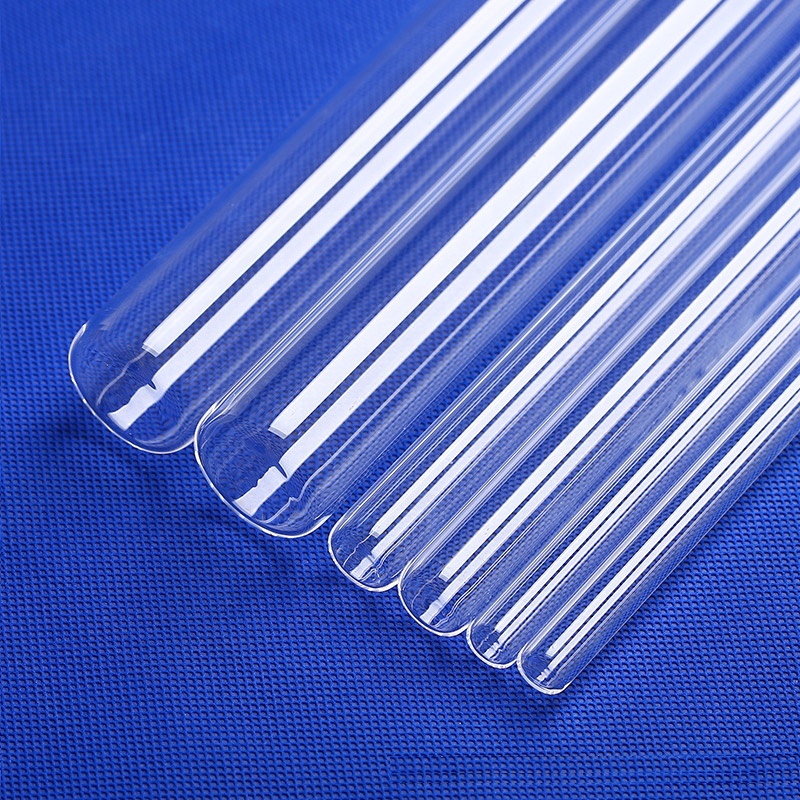
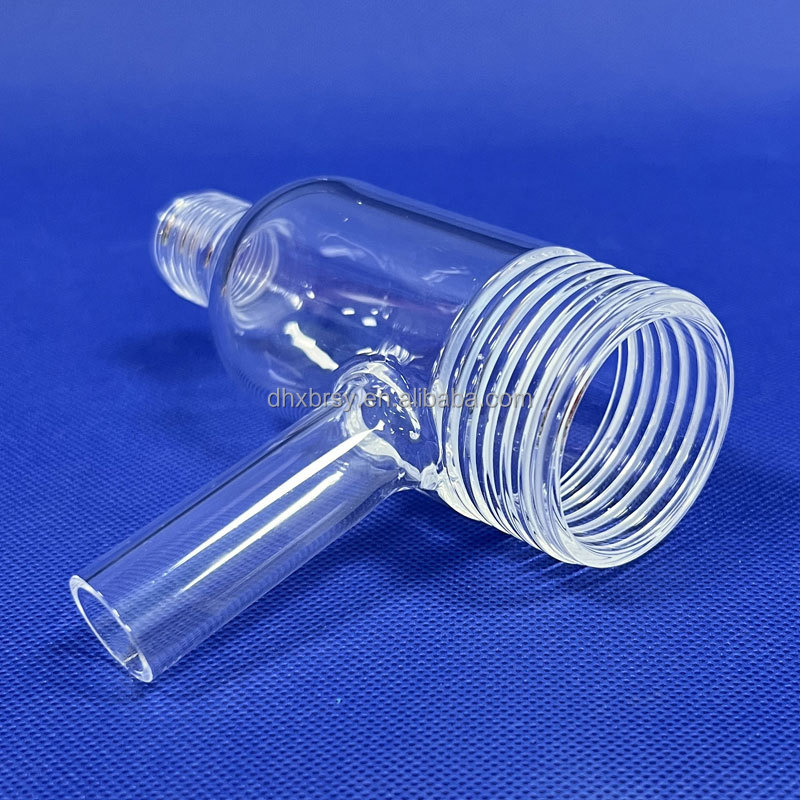
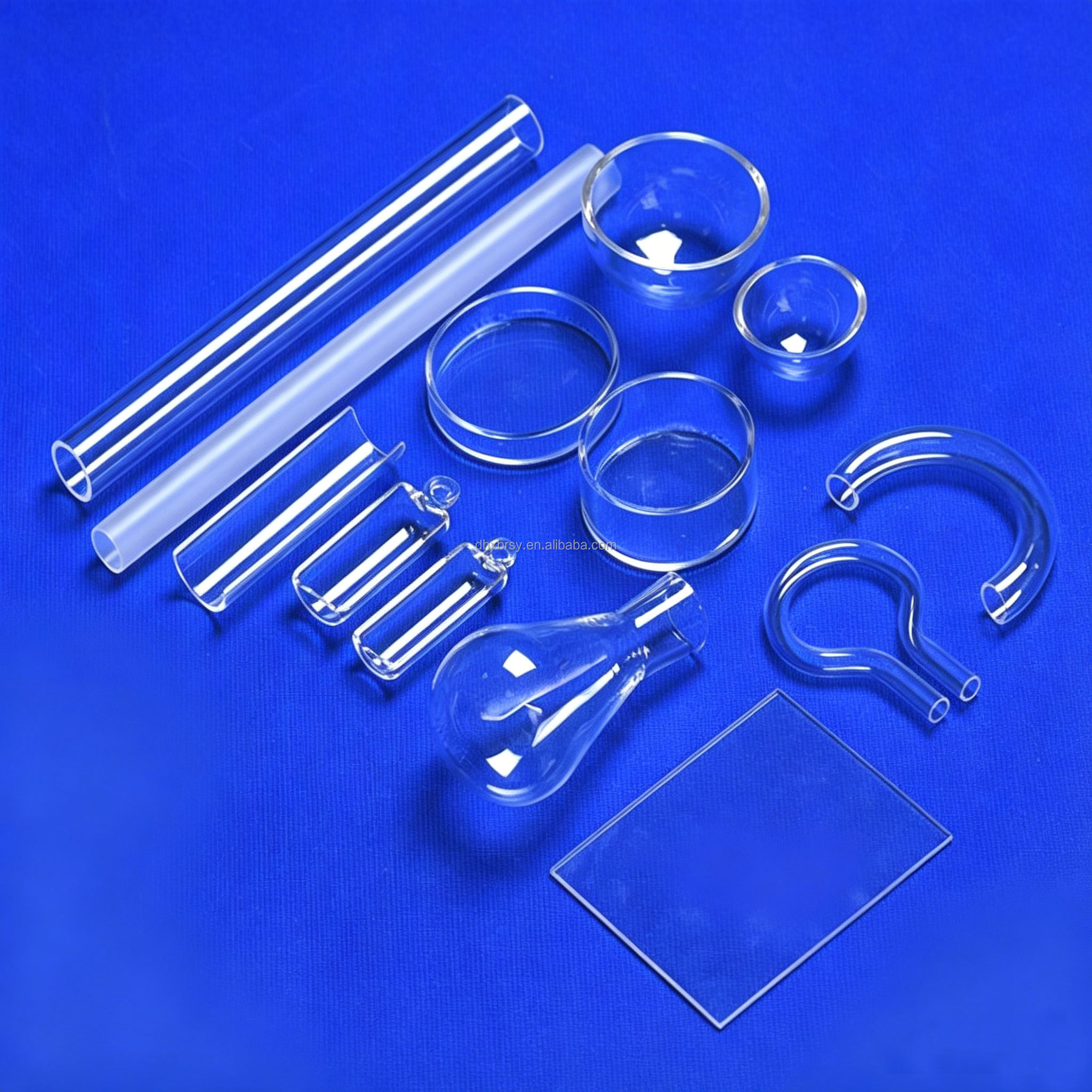
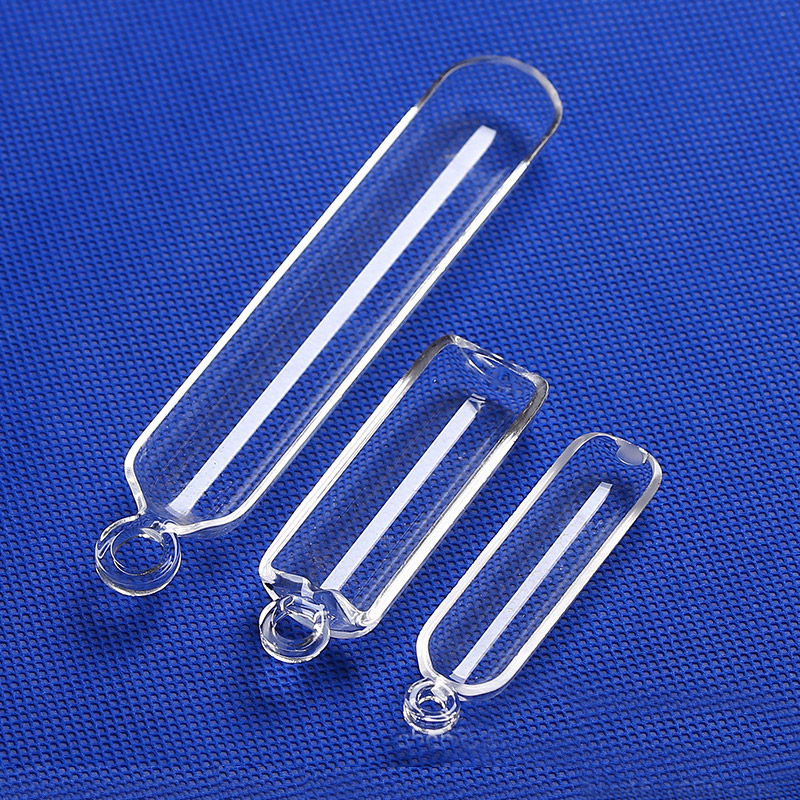
Diffusion furnace quartz tubes, CVD wafer boats, and ultra-flat sight viewports customized for the emerging Chitose-Sapporo semiconductor supply base.
Academic & University R&D
Spectroscopic flow cells, quartz microplates, and high-temperature digestion apparatus supplied directly to laboratory teams at Hokkaido University and local research parks.
Photovoltaic & Green Energy
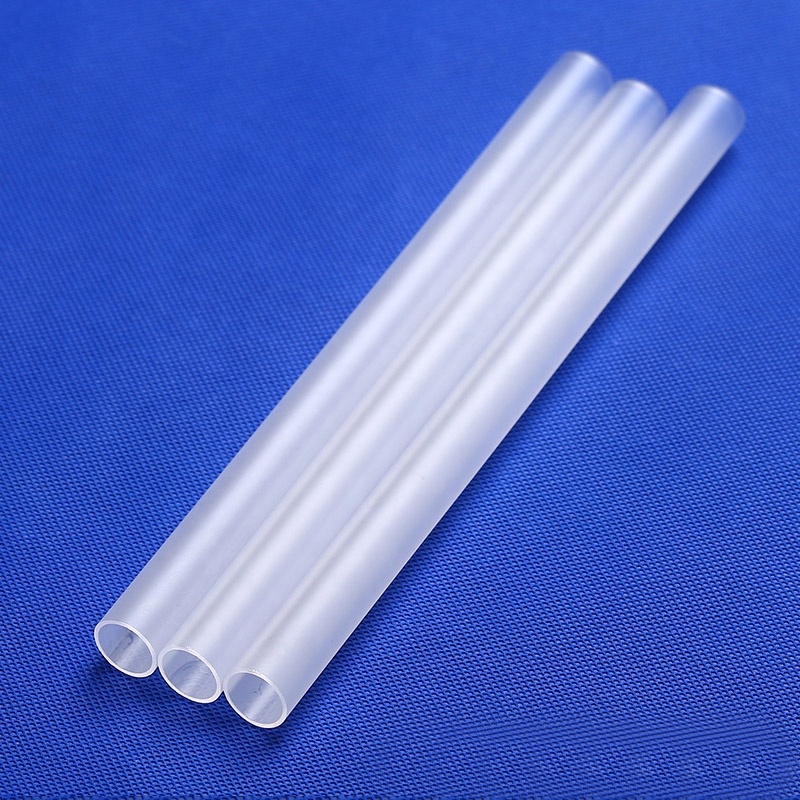
Sintering furnace quartz tubes and thermal insulation quartz sheets providing exceptional UV resistance and thermal stability for solar manufacturing plants.
Cold-Climate Environmental Tech
Ozone generation quartz tubes and UV-C sterilization sleeves engineered to operate reliably in municipal water purification systems across freezing Hokkaido winter conditions.
Direct-from-Source Quartz Manufacturing Advantage
Operating out of Tuofeng Industrial Park in Lianyungang—the global center for silica extraction and refining—Lovri Quartz combines raw-material control with advanced processing.
Unlike optical trading brokers, Lovri Quartz controls the complete production chain. Natural quartz crystals are crushed, screened, and processed via acid pickling directly in our 14,271 m² SGS-verified facility. This ensures raw material purity reaches a certified 99.99% SiO₂ threshold prior to tube drawing, cylinder casting, or ingot slicing. Our localized cleanroom machining cells feature 5-axis CNC machines, laser slicing, computerized surface grinders, and polarization stress analyzers, providing complete batch-to-batch traceability for Japanese quality-assurance teams.
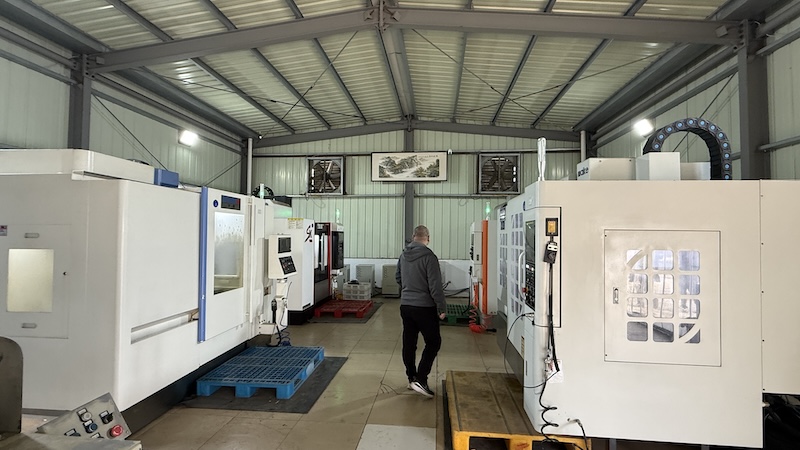
High-Precision CNC Machining
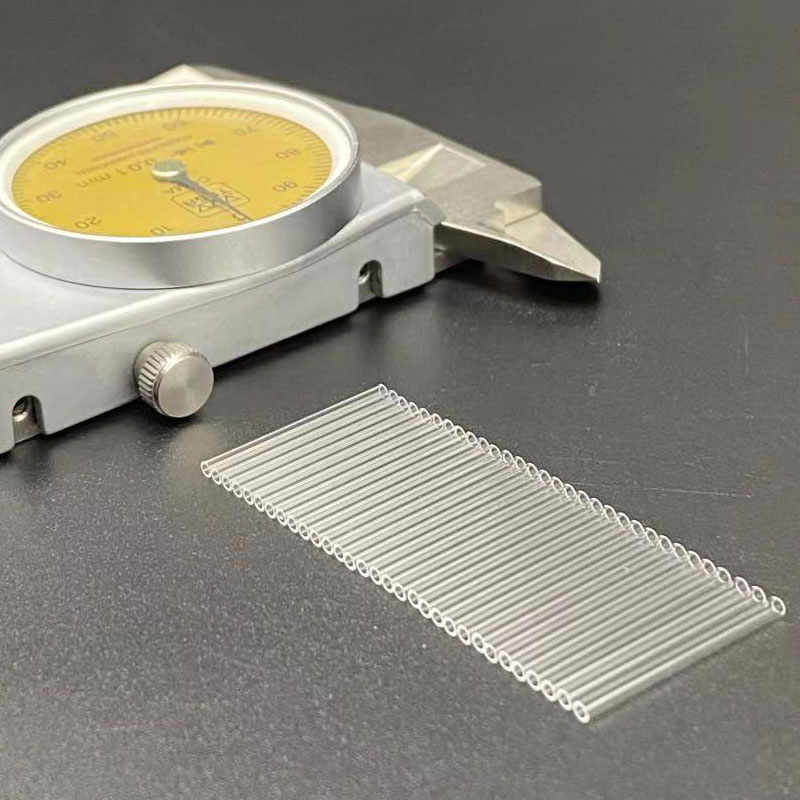
Tolerances held within ±0.01 mm for complex quartz slots, custom step edges, countersunk holes, and specialized wafer carrier slots.
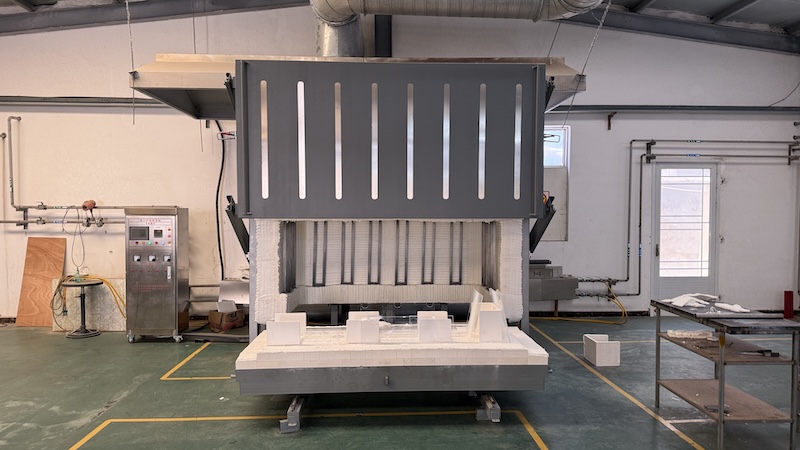
Controlled Thermal Annealing
Every optical plate undergoes stress relief in precision electric furnaces, preventing structural micro-fissuring and optical birefringence.
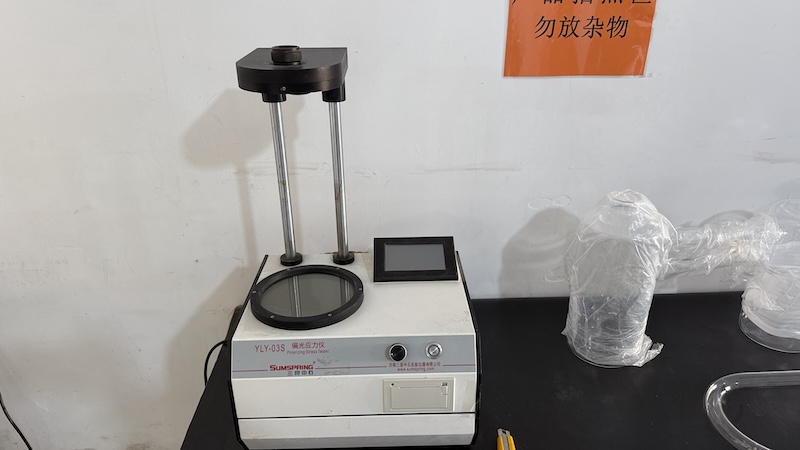
Polarization Stress Inspection
Comprehensive outgoing optical validation ensuring compliance with international bubble, inclusion, and internal stress standards.
Frequently Asked Questions by Japanese Procurement Teams
Clear engineering and commercial answers regarding lead times, specifications, export logistics, and quality assurance.
Q1: How does Lovri Quartz handle logistics and fragile packaging to Sapporo?
We implement export-grade packaging protocols: optical quartz sheets are vacuum-sealed in cleanroom film, isolated with high-density anti-static EPE foam cushions, and cased in multi-layer reinforced wooden crates. Consignments shipped to New Chitose Airport (CTS) or via Tomakomai Port include tilt/impact indicators to guarantee zero transit shock damage.
Q2: Can we request custom-dimension prototypes before committing to volume?
Yes. We support Sapporo engineering R&D with low minimum order quantities (from 1 to 5 pieces on custom drawings). We accept STEP, DWG, DXF, and PDF formats, providing an engineering review within 24 hours.
Q3: How do your JGS1 plates perform under excimer UV laser irradiation?
Our JGS1 synthetic fused silica delivers high laser damage thresholds (LIDT) and exceptional optical homogeneity. Due to near-zero metallic impurities and tightly regulated OH⁻ bonding, it resists color center formation (solarization) under continuous UV exposure.
Q4: Are compliance certifications provided with shipments to Japan?
Every production batch is accompanied by Certificate of Conformance (CoC), material spectral transmission data sheets, RoHS / REACH compliance declarations, and dimensional inspection reports from our SGS-audited quality center.
Request a Technical Quartz Quote for Your Project
Consult with our quartz fabrication engineers today. Whether you require custom JGS1 optical sight windows, CNC milled semiconductor components, or high-temperature tubes for facilities in Sapporo, we deliver reliable performance and direct-from-manufacturer pricing.
Send an Inquiry