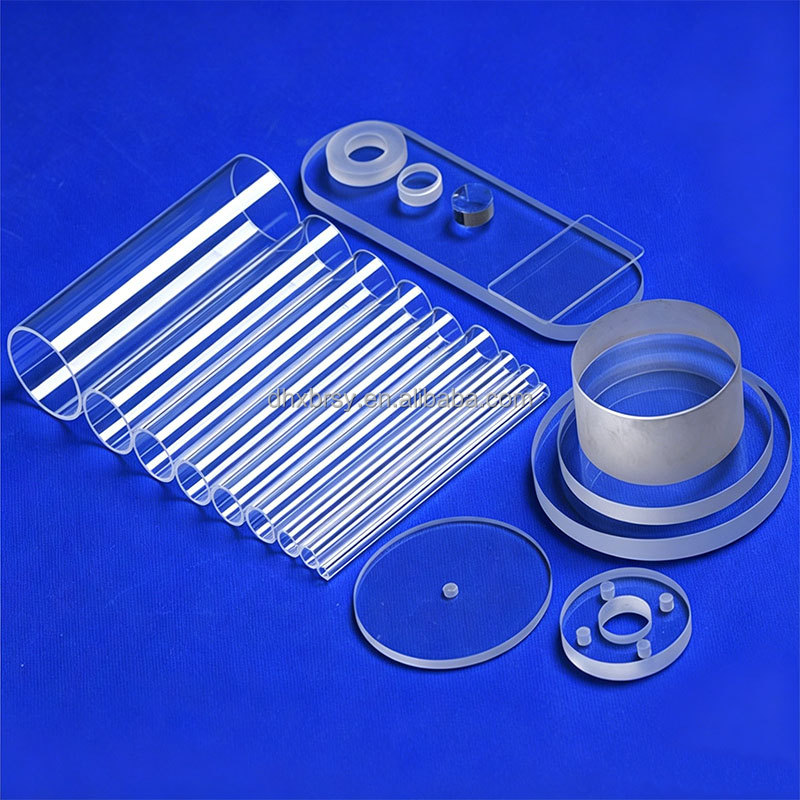
Optical / Dielectric Window
Engineered for high dielectric breakdown resistance, minimal thermal expansion, and extreme optical clarity. Explore our core OEM/ODM product selection below, manufactured in our SGS-verified facility.
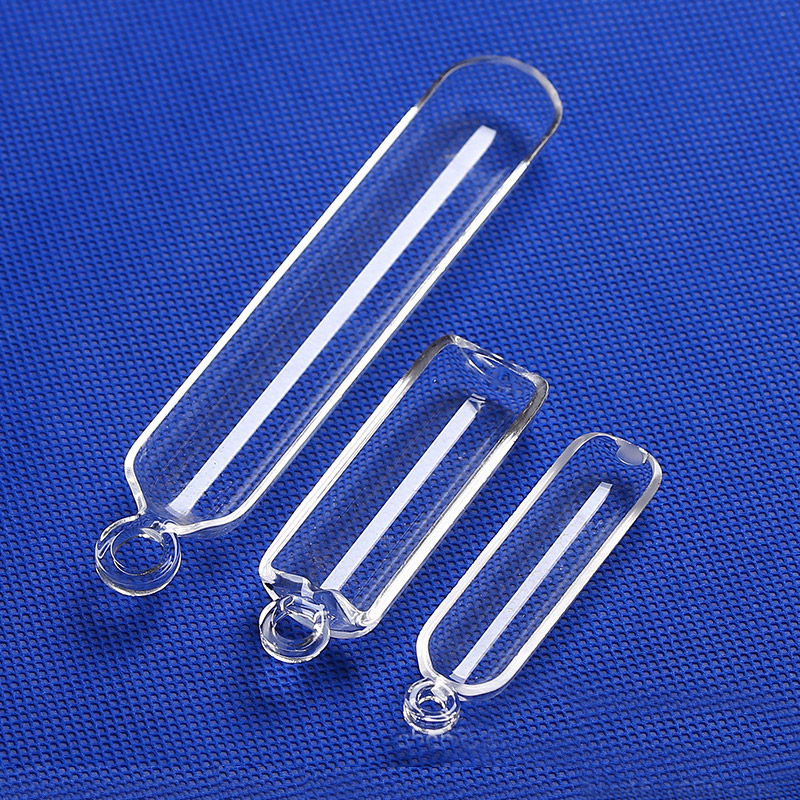
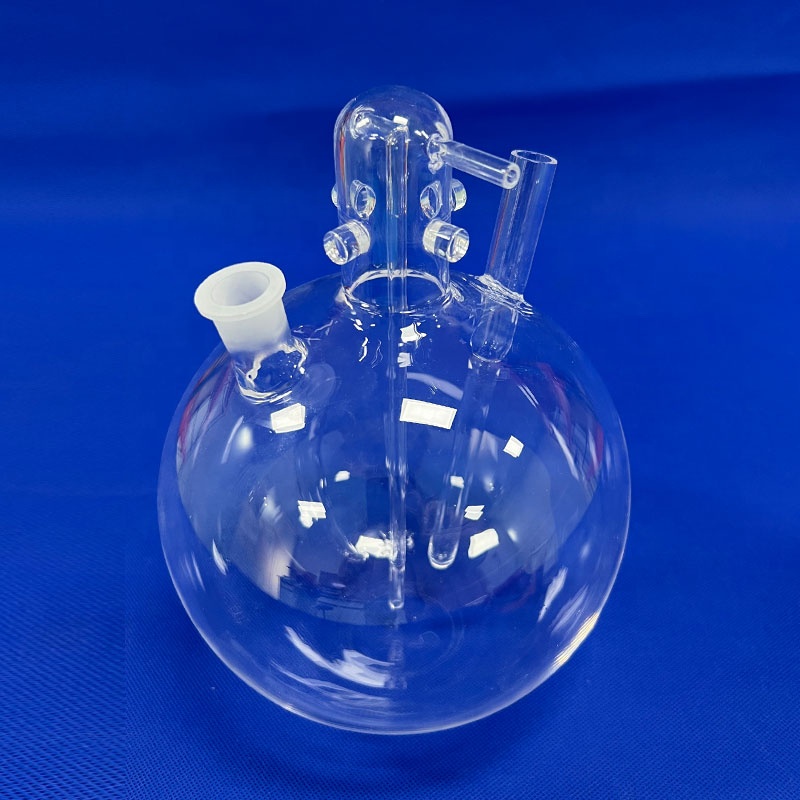
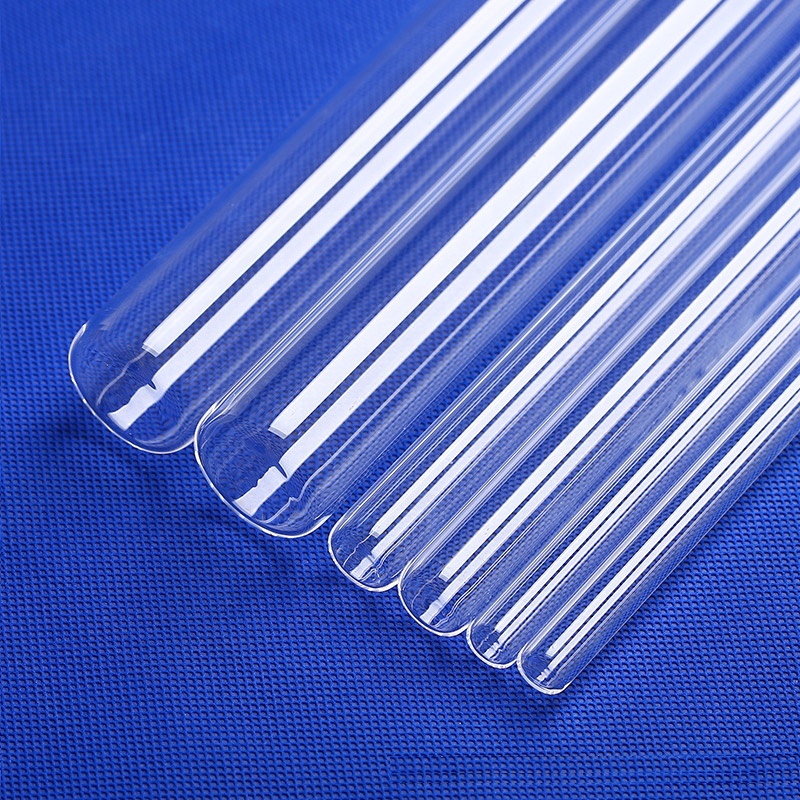
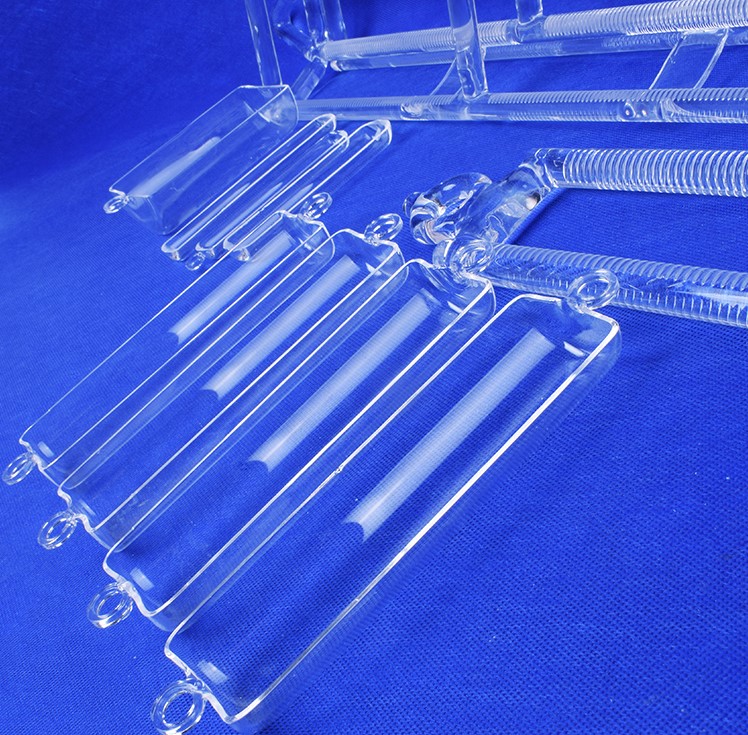
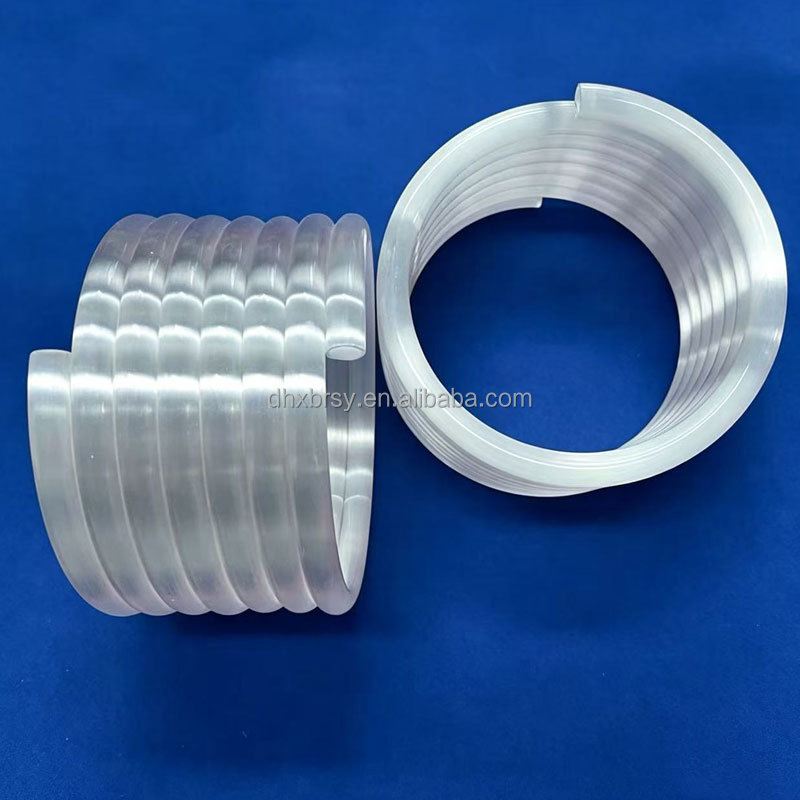
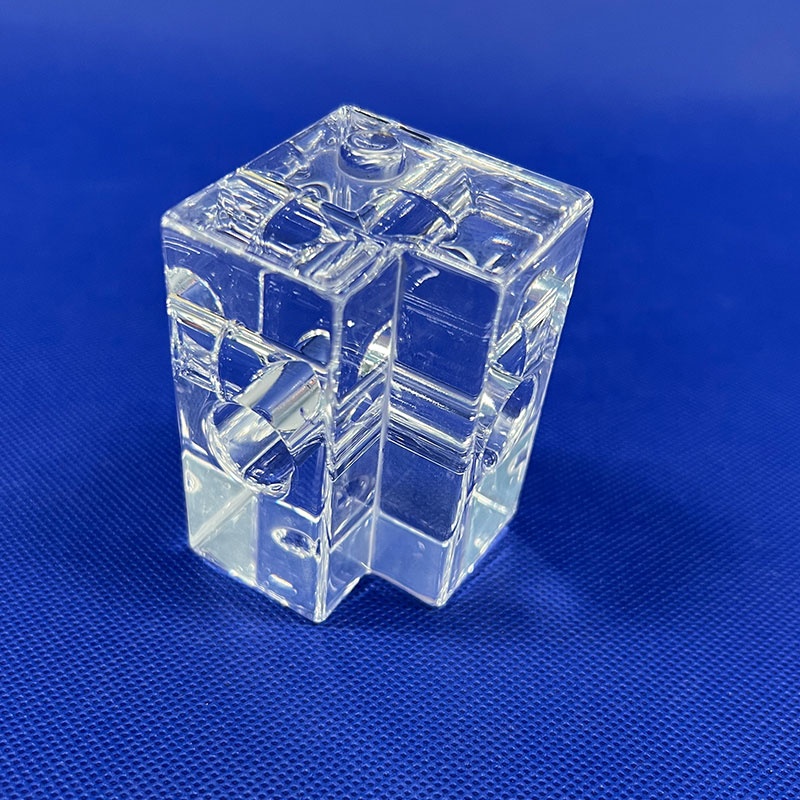

Why Aarhus OEM manufacturers and Danish environmental engineers specify synthetic and high-purity natural fused silica over standard borosilicate and technical ceramics for high-output corona systems.
In high-frequency corona discharge ozone generators (8 kHz to 20 kHz), dielectric performance dictates electrical efficiency and operational life. Dielectric barrier breakdown typically occurs due to localized thermal runaway or wall thickness variances. With an electrical breakdown strength of 25–40 kV/mm, fused silica eliminates pinhole micro-punctures caused by prolonged peak voltages.
Our proprietary precision drawing lines ensure outer and inner diameter tolerances within ±0.05 mm. Consistent wall thickness prevents uneven capacitive reactance across the discharge gap, mitigating heat concentration and premature dielectric failure.
| Dielectric Parameter | Fused Quartz (Lovri) | Borosilicate 3.3 |
|---|---|---|
| Dielectric Constant (1 MHz) | 3.75 - 3.80 | 4.60 - 4.90 |
| Dielectric Loss (tan δ @ 1 MHz) | < 0.0001 | 0.0035 |
| Breakdown Strength (kV/mm @ 20°C) | 25 – 40 kV/mm | 15 – 18 kV/mm |
| Thermal Expansion Coefficient | 5.5 × 10⁻⁷ /°C | 33 × 10⁻⁷ /°C |
| Max Continuous Temperature | 1100°C | 450°C |
Hydroxyl (OH⁻) radicals within fused silica structures significantly impact dielectric dissipation factor (tan δ) and ozone production efficiency. Elevated OH⁻ content creates microscopic dielectric losses under continuous alternating fields, escalating energy dissipation as wasted heat instead of ozone-generating plasma.
Through vacuum electrical fusion and post-forming dehydroxylation anneal stages, Lovri controls OH⁻ content below 5 ppm (low-OH electrical grades) and below 30 ppm (standard electric furnace drawn tubes), ensuring long-term stable yield in high-concentration ozone equipment.
Need custom length, flanged ends, internal metallization (titanium/gold coating), or ground electrode integration?
Get a QuoteAarhus stands at the epicenter of Danish water technology, maritime innovation, and sustainable aquaculture. Here is how our OEM/ODM dielectric quartz glass tubes integrate into local engineering applications.
Aarhus Vand leads global benchmarks in energy-positive wastewater treatment (e.g., Marselisborg WWTP). As Danish utilities expand quaternary treatment to eradicate micropollutants, active pharmaceutical residues, and PFAS precursors, advanced ozone reactors utilizing our precision quartz dielectric sleeves provide the chemical-free oxidation power necessary to meet aggressive European discharge standards.
Port of Aarhus is Denmark’s premier commercial container hub. Maritime equipment builders in Jutland engineer compact, marine-grade ozone generation skids for ballast water disinfection under IMO D-2 and USCG regulations. Our vibration-resistant, heavy-wall quartz tubes tolerate high-salinity marine environments and mechanical shipboard vibrations without fatigue.
Jutland hosts world-leading land-based salmon and trout aquaculture systems. Strict biosecurity against Infectious Pancreatic Necrosis (IPN) and Saprolegnia requires dependable ozonation that leaves zero chemical by-products. Our ozone quartz reactor sleeves ensure stable micro-dosing to maintain optimal Redox (ORP) levels without nitration or heavy metal contamination.
Within Skejby's Agro Food Park and regional dairy processing corridors, Clean-In-Place (CIP) sanitization is shifting away from chlorinated compounds. Ozone gas dissolved in washwater destroys microbial biofilms instantly without requiring hot-water rinses, delivering massive energy savings aligned with Danish food processing decarbonization goals.
Spanning the biomedical corridor anchored around Aarhus University Hospital and regional research hubs, ultra-pure water (WFI) loop sanitization and sterile cleanroom deodorization demand ozone generator components that guarantee absolute zero metallic leaching. Our 99.99% SiO₂ tubes ensure complete chemical inertness and particle-free operation.
As Central Denmark Region scales renewable hydrogen and PtX electrolysis initiatives, high-purity water polishing becomes critical to protect electrolyzer membranes. Industrial ozone treatment utilizing our heavy-duty quartz reactors neutralizes residual organic carbon (TOC) before sensitive deionization and electrolysis stages.
Key regulatory frameworks driving procurement decisions for ozone systems and dielectric quartz components across Danish industrial clusters.
Denmark enforces some of the strictest drinking water and effluent regulations globally. With the updated European Drinking Water Directive (Directive 2020/2184) and national directives regarding PFAS/PFOS thresholds, conventional chlorine disinfection is rapidly being phased out due to hazardous trihalomethanes (THM) and chlorite creation.
Ozone combined with advanced oxidation processes (AOP, Ozone + UV/H₂O₂) is now the primary technology of choice. This transition places unprecedented demands on the durability of quartz dielectric tubes, which must operate 24/7 without dielectric breakdown or chemical degradation.
Aarhus municipality’s ambitious goal to achieve carbon neutrality by 2030 requires municipal and industrial consumers to minimize specific energy consumption (kWh per kg of O₃ produced). Dielectric materials are the determining factor in electrical-to-ozone conversion efficiency.
By utilizing ultra-high-purity fused quartz with minimal dielectric loss factor (tan δ < 0.0001), Danish system builders achieve up to 18–22% higher ozone output per kilowatt-hour compared to inferior glass dielectrics, directly cutting operational emissions and equipment lifecycle costs.
Combining primary quartz ore refinement with advanced automated CNC glassworking to deliver verified quality and predictable lead times to Danish importers.
Our complete production footprint in Tuofeng Industrial Park, Lianyungang, is independently audited and verified on-site by SGS Group, guaranteeing genuine manufacturer pricing without intermediary trading markup.
We do not buy secondary market quartz tubing. We cut, pulverize, acid-pickle, and draw our own silica glass to ensure guaranteed 99.99% SiO₂ content with complete trace-element certification per export batch.
Residual structural stress causes thermal cracking during corona discharge. 100% of our ozone tubes undergo specialized optical polarization testing following vacuum annealing at 1200°C to guarantee zero stress failure.
From flat or domed sealed ends to water-jet hole cutting, laser engraving, fused flanges, and outer mesh ground electrode metallization, our CNC centers machine quartz parts to exact CAD/STEP technical drawings.
We support R&D validation with prototype runs starting from just 1 to 5 pieces for customized dielectric configurations, transitioning smoothly to thousands of units for ongoing assembly lines.
Tubes are individually wrapped, shielded in custom high-density pearl cotton form molds, and encased in fumigated plywood export crates engineered for safe sea transit directly to Port of Aarhus or air cargo to Billund (BLL).
Essential answers regarding material compliance, customs clearing, dielectric testing, and custom ODM tooling for purchasers in Aarhus and Scandinavia.