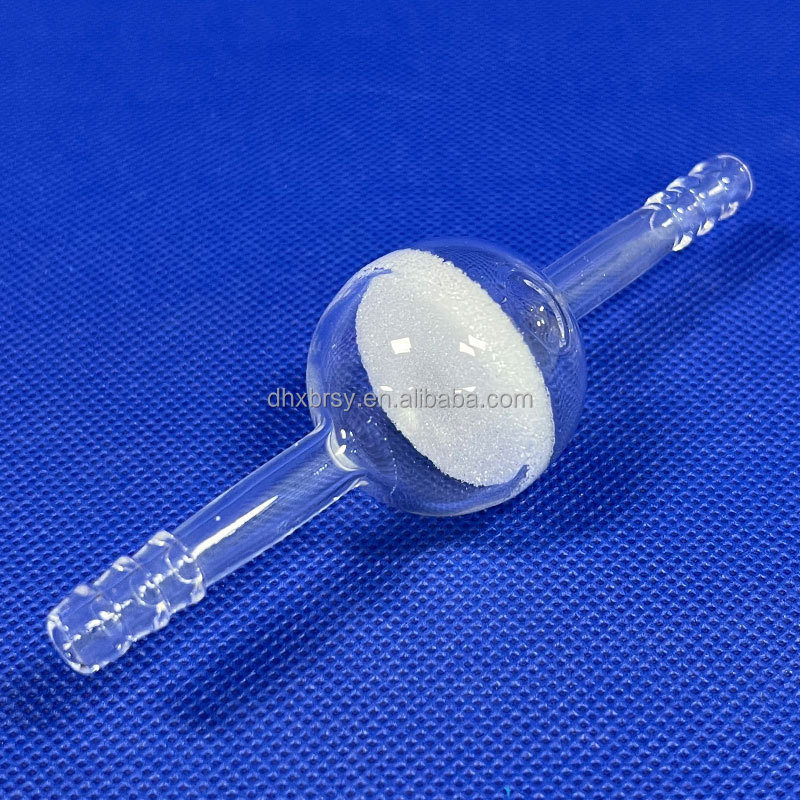
99.99%
SiO₂ Elemental Purity
1400°C
Short-Term Peak Thermal Resilience
14,271 m²
SGS-Verified Manufacturing Base
5.5×10⁻⁷
Linear CTE (20–300°C) per °C
Engineered Product Matrix
High-Purity Quartz Crucibles, Reaction Tubes & Flow Infrastructure
Manufactured to rigorous OEM/ODM dimensional standards with ultra-low OH content, high devitrification resistance, and thermal shock integrity designed for severe continental industrial zones.
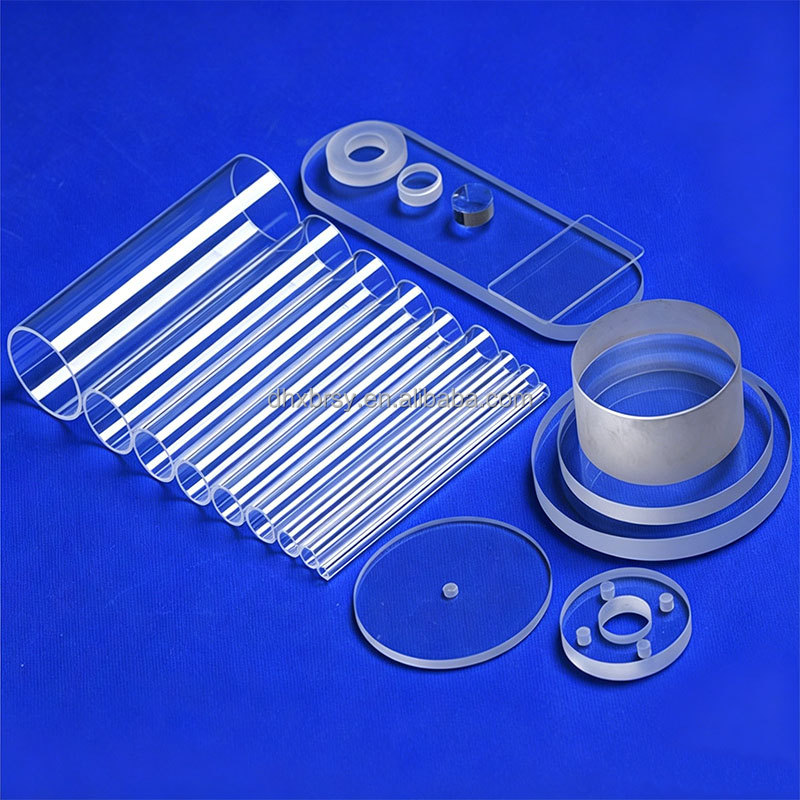
BAO RAN JGS1 High-Purity Optical & Thermal Fused Silica Window
Explore Specifications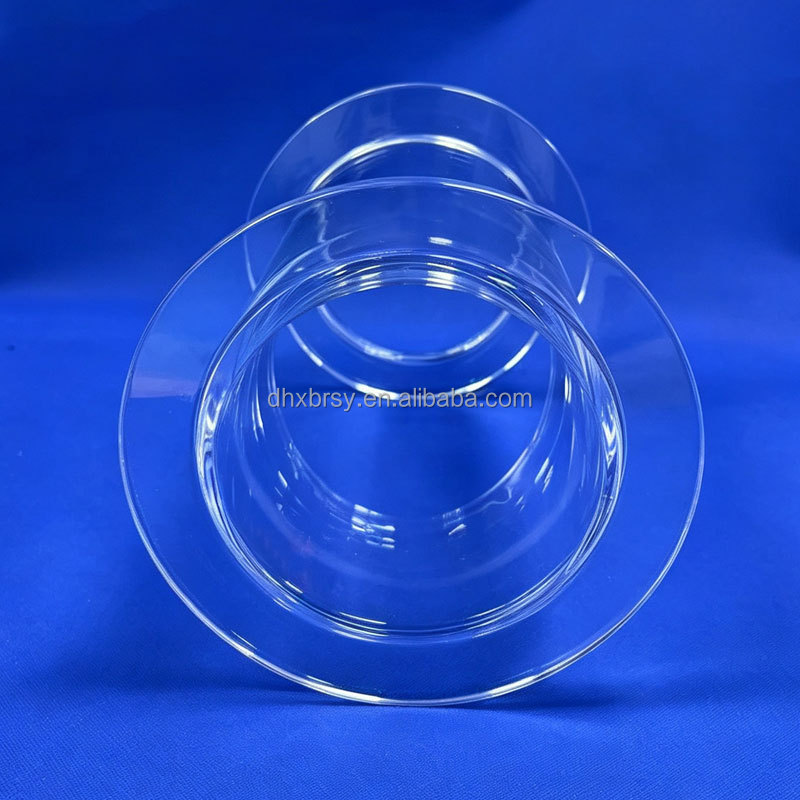
Double-Flange Quartz Reaction Cylinder & Synthesis Chamber
Explore Specifications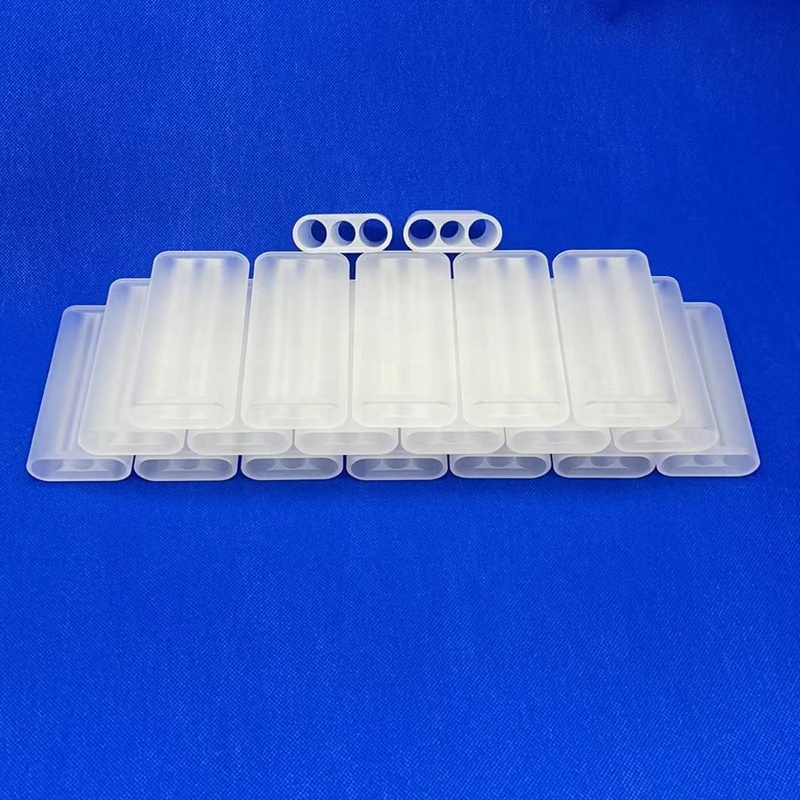
Precision Triple-Bore Quartz Laser Flow Tubes
Explore Specifications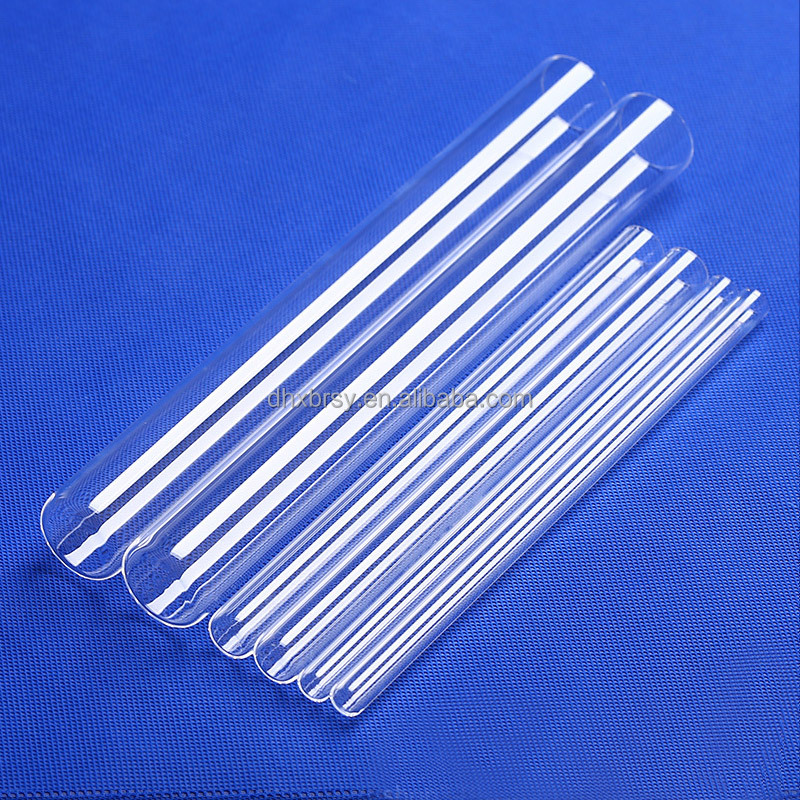
916 One-End-Closed High-Pressure Crucible Tube
Explore Specifications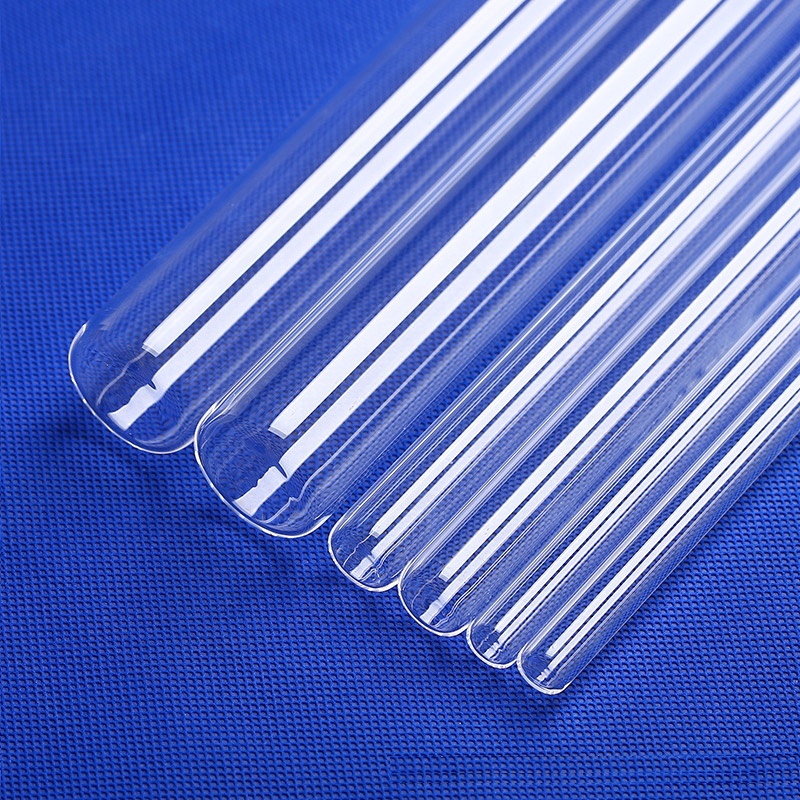
Round & Flat Bottom Quartz Crucible Assay Tubes
Explore Specifications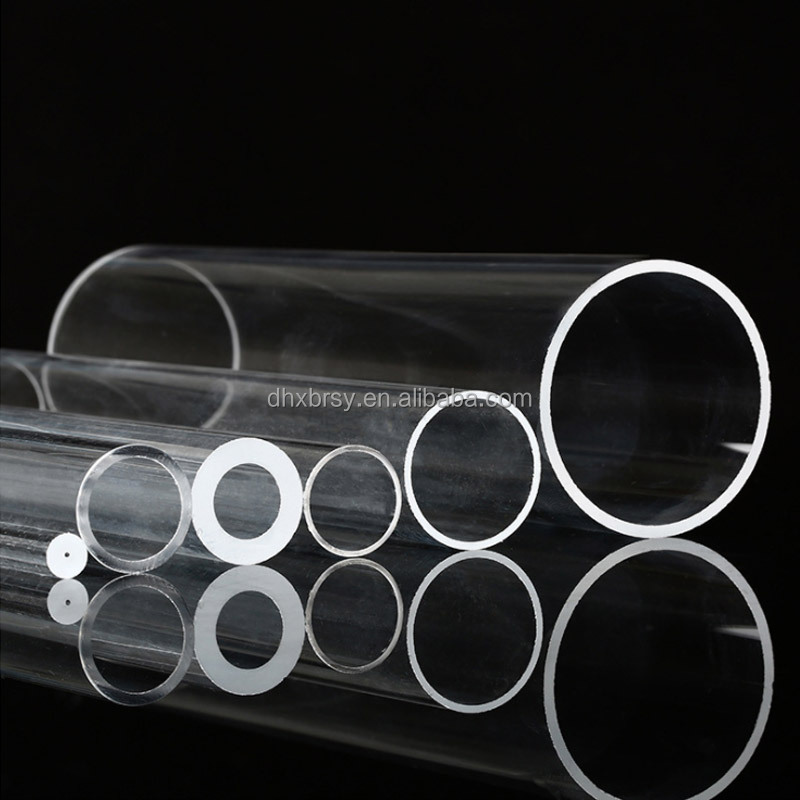
BAO RAN Industrial Heating & Crucible Shielding Sleeves
Explore Specifications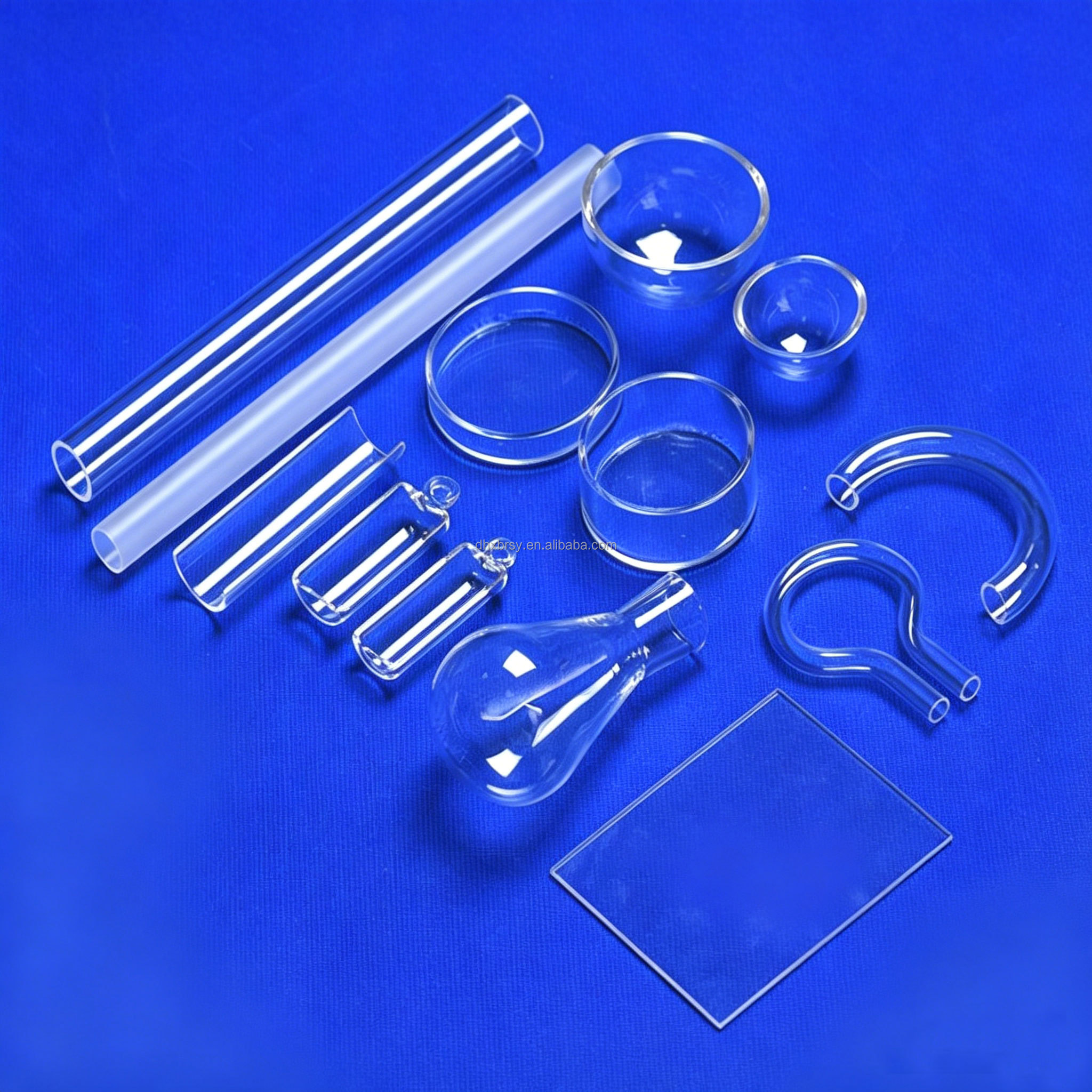
Custom OEM/ODM Quartz Apparatus & Crucible Fixtures
Explore Specifications
Material Science Engineering
Thermodynamic Stability of Fused Quartz Crucibles in Eastern Eurasian Operations
Industrial processing in Eastern Mongolia, specifically within the expanding industrial clusters surrounding Choibalsan (Dornod Province), demands extreme thermal shock resistance coupled with chemical purity. High-purity fused quartz (amorphous silicon dioxide, SiO₂) stands distinct from common borosilicate glass and sintered ceramics due to its virtually non-existent coefficient of thermal expansion (α ≈ 5.5 × 10⁻⁷ /°C between 20°C and 300°C). This structural stability permits crucible vessels to withstand rapid quenching and cyclic induction transitions exceeding ΔT = 1000°C without catastrophic mechanical fracture.
In high-temperature pyro-metallurgical assays, non-ferrous metal refining, and calcination protocols, raw molten materials can leach harmful impurities from standard refractories. Our crucibles are fabricated utilizing pristine crystalline silica that has been acid-leached, micronized, and thermally fused under precise electric arc or hydrogen-oxygen flames. This controls elemental contaminants down to sub-ppm levels—specifically tracking iron (≤0.8 ppm), aluminum (≤14.0 ppm), calcium (≤0.4 ppm), and sodium (≤0.7 ppm). The prevention of heavy metal fluxing ensures zero melt-contamination during critical mineralogical digestions.
| Physical / Thermal Parameter | Fused Transparent Quartz | Opaque / Slip-Cast Silica | Standard Alumina (99.5%) |
|---|---|---|---|
| Density (g/cm³) | 2.20 | 2.05 – 2.18 | 3.89 – 3.92 |
| Softening Point (°C) | ≈ 1730 | ≈ 1680 | > 1900 |
| Continuous Operating Temp (°C) | 1100 | 1050 | 1600 |
| Max Peak Excursion Temp (°C) | 1350 – 1400 | 1250 | 1750 |
| Thermal Shock Tolerance (ΔT °C) | > 1000°C (Instant Quench) | > 800°C | Poor (~200°C) |
| Thermal Expansion (CTE × 10⁻⁷/K) | 5.5 | 5.4 | 80.0 |
| Dielectric Strength (kV/mm at 20°C) | 25 – 40 | 15 – 25 | 15 – 20 |
Crucible lifetime is directly linked to internal stress release during manufacturing. Every custom OEM/ODM quartz crucible exported through our logistics pipeline undergoes rigorous polarization stress inspection and controlled batch annealing cycles at 1215°C to prevent spontaneous micro-cracking when cycled in induction, muffle, or tube furnaces.
Operational Environments
Localized Applications Across Choibalsan & Dornod Province
How our fused quartz crucibles and thermal assemblies directly integrate into regional processing, research, and production ecosystems.
Precious & Base Metal Mineral Assaying
Eastern Mongolia sits on rich mineral belts spanning polymetallic deposits, fluorite, copper, and precious metals. Geochemical laboratories operating in the Choibalsan hub utilize our digestion tubes and cylindrical crucibles for lithium borate/sodium peroxide fusions, fire assays, and acid dissolution without silica matrix contamination.
Thermal Energy Plant Monitoring & Ash Testing
Choibalsan serves as an energy transmission anchor for Eastern Mongolia via local combined heat and power systems. Our flat-bottom quartz crucibles and heating jackets provide certified durability for coal ash analysis, sulfur verification, and proximate combustion testing at prolonged 815°C–1000°C laboratory conditions.
Renewable Energy & High-Purity Silicon Research
As the Dornod steppe develops high-radiation solar parks, local research facilities and regional development centers require high-purity translucent and transparent quartz crucibles to perform prototype silicon melting, crystal growth modeling, and optical component characterization under strict vacuum.
Macro-Economic & Technical Trends
Strategic Evolution of High-Performance Consumables in Eastern Mongolia
The Choibalsan market is transforming from a traditional regional administrative outpost into an active multimodal transit corridor connecting Northeast China, Eastern Mongolia, and Russian trans-Baikal industrial nodes. Several key technical drivers govern the procurement of thermal consumables across this district:
1. Decentralization of Assay Operations: Historically, complex rock, ore, and chemical samples collected across the Dornod and Sükhbaatar steppes were routed to central laboratories in Ulaanbaatar. Mining consortiums and independent assay contractors are increasingly constructing automated on-site and regional laboratories in Choibalsan. This transition requires uninterrupted access to standardized, high-temperature quartz crucibles capable of operating inside high-throughput electric induction melters without devitrification delays.
2. Climate-Adaptive Material Logistics: The Dornod region experiences drastic continental thermal swings, ranging from -40°C in winter to +35°C in summer. Fragile vitreous silica shipped via rail freight from Manzhouli or Erehot is subject to heavy transit vibration and sharp ambient thermal shocks. Buyers now enforce higher structural packaging specs, requiring custom multi-layered EPE foam inserts and vacuum-sealed crates capable of absorbing mechanical impacts during transit.
3. Rise of Custom OEM Crucible Geometries: Standard catalogue crucibles frequently fail to optimize induction coil coupling or mechanical robot grippers in modernized assay automation lines. Engineering teams serving Choibalsan are shifting procurement exclusively toward OEM/ODM fabricators capable of precision fire-polishing, customized flange seating, tapered wall profiles, and laser-etched batch identifiers directly onto the fused quartz vessel.
Enterprise Authority
Full-Chain Manufacturing: Direct Source Control in Lianyungang
Eliminating third-party trading markups and material inconsistency by anchoring production in China's quartz heartland.
14,271 m² SGS-Verified Facility
Our expansive processing plant features complete raw quartz lump cutting, pulverized silica sand re-screening, multi-stage acid leaching, and horizontal/vertical precision drawing towers under ISO-compliant process oversight.
Advanced 5-Axis CNC & Lathe Centers
Equipped with specialized high-speed diamond grinding systems, ultrasonic drilling, optical polishing surfaces, and automatic lathe end-sealing machines to meet mechanical tolerances down to ±0.05 mm.
Polarization Stress Annealing Verification
Every single quartz crucible, cylinder, and boat undergoes thermal relaxation in digital annealing ovens followed by non-destructive optical polariscope testing, ensuring zero internal residual shear stresses.
Procurement Guidance
Frequently Asked Questions by Industrial Buyers Serving Choibalsan
Clear, definitive engineering and logistic answers addressing material specs, lead times, and customs clearance.
What is the devitrification threshold of your quartz crucibles?
Devitrification (cristobalite crystal growth) primarily initiates above 1150°C and accelerates rapidly beyond 1300°C, particularly in the presence of alkali surface contamination. Our crucibles undergo clean-room chemical passivation to keep surface alkali elements (Na, K, Li) below 1 ppm, enabling repeated cycling up to 1250°C without premature clouding or thermal degradation.
How do you safeguard fragile quartz shipments across the Mongolian railway?
We deploy export-grade packaging engineering. Each crucible is vacuum-wrapped in static-dissipative film, encased in high-density customized shock-absorbing EPE cell chambers, and enclosed in heavy fumigated plywood crates secured with corner-reinforcement brackets and exterior tilt/shock indicators.
Can you customize crucible dimensions to existing automated furnace loaders?
Yes. As a pure OEM/ODM source, we manufacture according to CAD, DWG, PDF, or 3D STEP drawings. We can produce custom lip flanges, spouts, tapered walls, flat or curved bases, and reinforcement rings to exact tolerances (±0.05 mm to ±0.2 mm based on requirement).
What is the typical production and delivery lead time to Dornod Province?
Standard prototype or evaluation runs (1–10 pieces) take approximately 7–10 manufacturing days. Batch production (50–500 pieces) requires 15–20 days. Rail freight through northeastern transport corridors (via Manzhouli or Erenhot) typically reaches regional depots in 10–14 transit days.
How do fused quartz crucibles perform against aggressive molten reagents?
Fused silica exhibits near-total chemical inertness to hydrochloric, nitric, sulfuric, and perchloric acids at elevated temperatures. It is vulnerable only to hydrofluoric acid (HF) and hot concentrated phosphoric acid (>150°C). For alkali fusions (NaOH/KOH), process exposure should be restricted to brief molten cycles.
What documentation accompanies every commercial export consignment?
Every commercial delivery includes an SGS-certified Factory Inspection Report, Material Purity Assay Sheet (ICP-OES elemental analysis), Polariscope Stress-Free Annealing Certificate, RoHS compliance declaration, and signed commercial export documentation.
Engineer Your High-Temperature Quartz Solutions Today
From one-off prototype assay crucibles to high-volume manufacturing for regional processing facilities across Eastern Mongolia, our factory-direct engineering team is ready to analyze your drawings.