Featured Optical Quartz Glass & Precision Components
Direct-from-factory fabricated fused silica engineered for extreme transmission from deep ultraviolet (185 nm) through mid-infrared spectra, continuous operation at 1100°C, and complete chemical inertness.
BAO RAN 419 Corrosion Resistant High Light Transmittance Double Sided Polishing White Rim Fused Quartz Sheet 99.99% SiO2 Content
High Purity Transparent Fused Quartz Sheet High Light Transmittance Heat Resistance Customizable Digestion Tube ROHS Certified
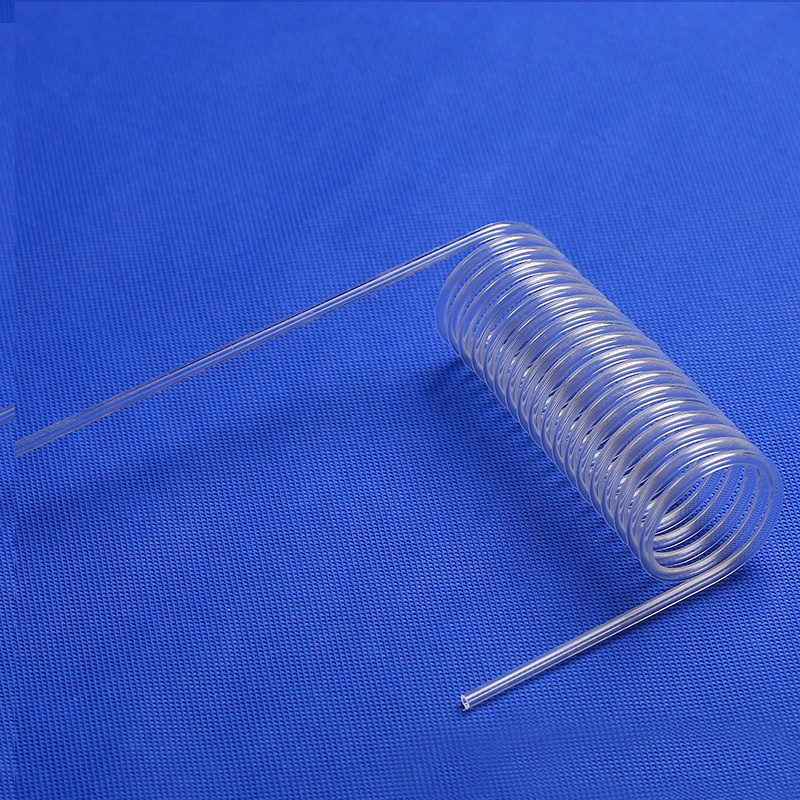
Yellow Clear High Purity Fused Quartz Spiral Tube for Laser Beauty Equipment Bending/Welding/Cutting Services ROHS Certified
518 Best Quality High Transmittance Fused Quartz 99.99% Silica Content ROHS Certified Clear Photovoltaic Cell Sintering Furnace
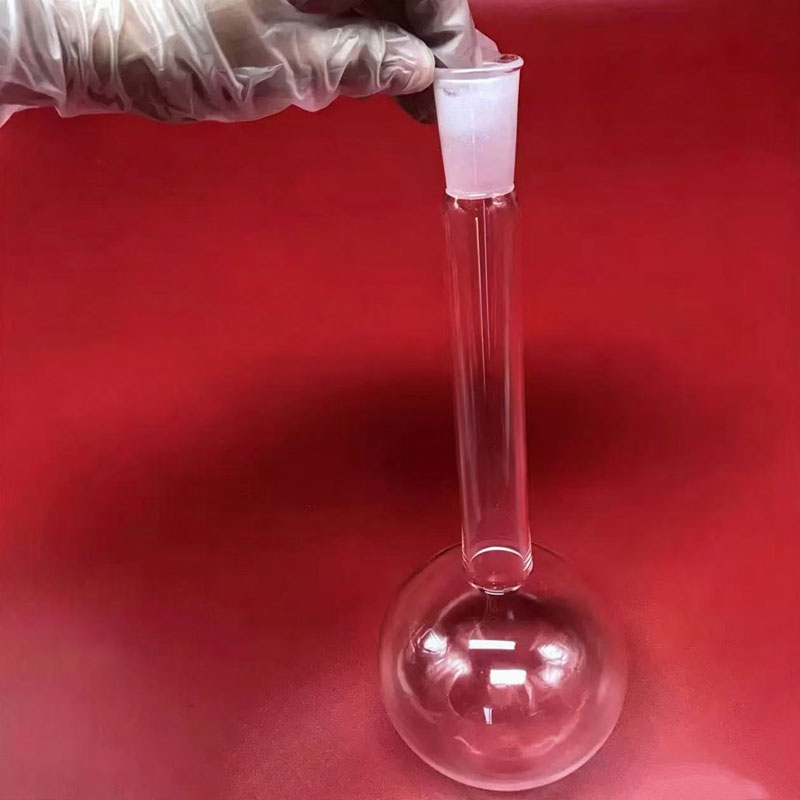
99.99% High-purity SiO2 High-temperature Resistant 1200-degree Corrosion-resistant ROHS Certified Quartz Glass Long-neck Flask
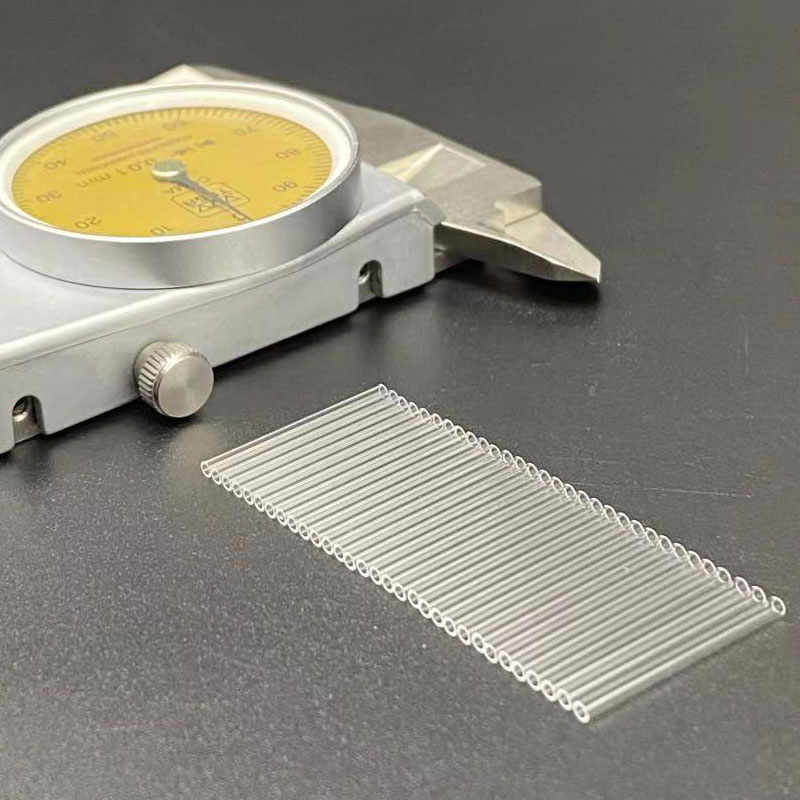
BAO RAN 419 Best Selling 0.1mm 0.2mm 0.3mm 0.4mm 0.5mm Quartz Sheet 99.99% Silica Content SiO2 ROHS Certified 200 Mesh for Laser
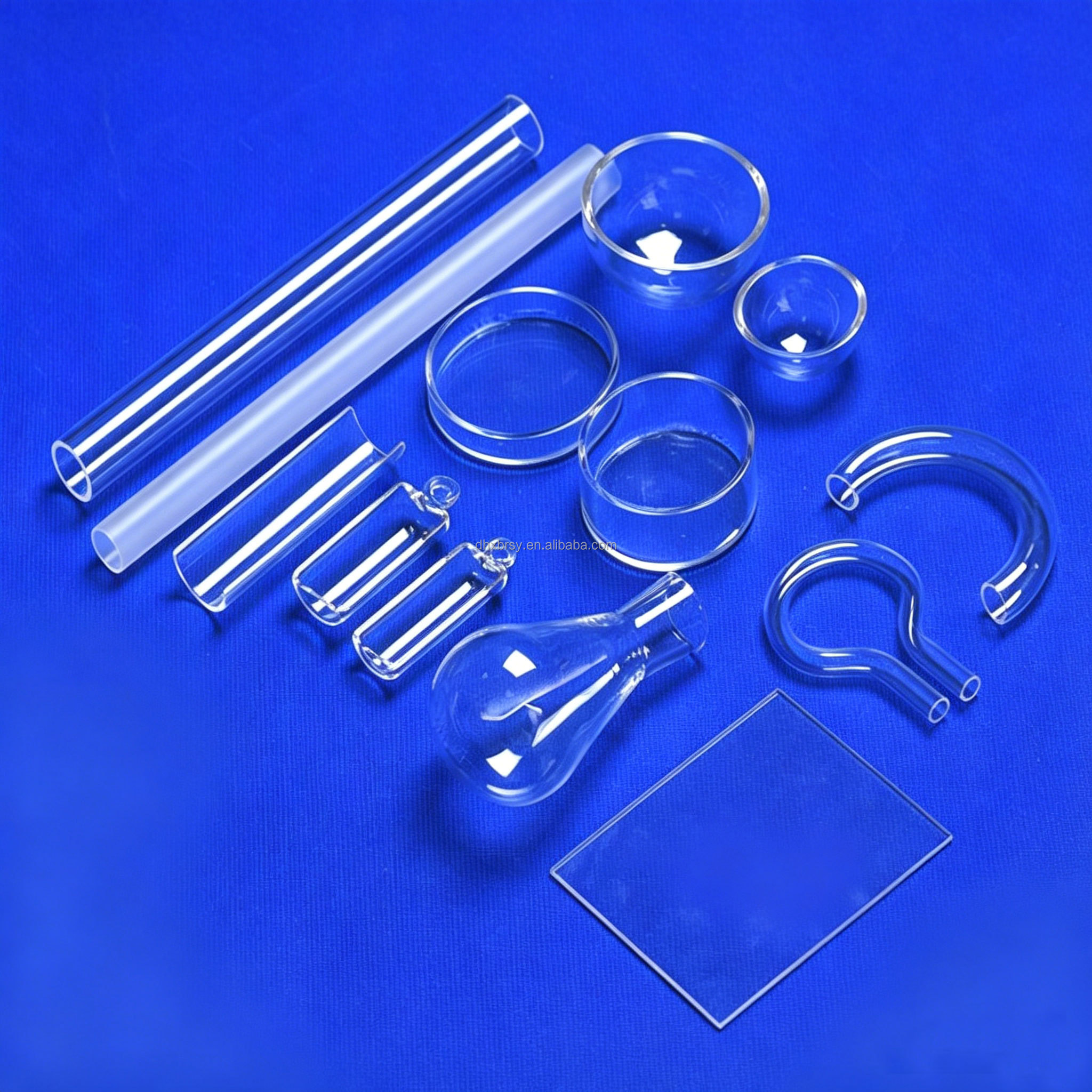
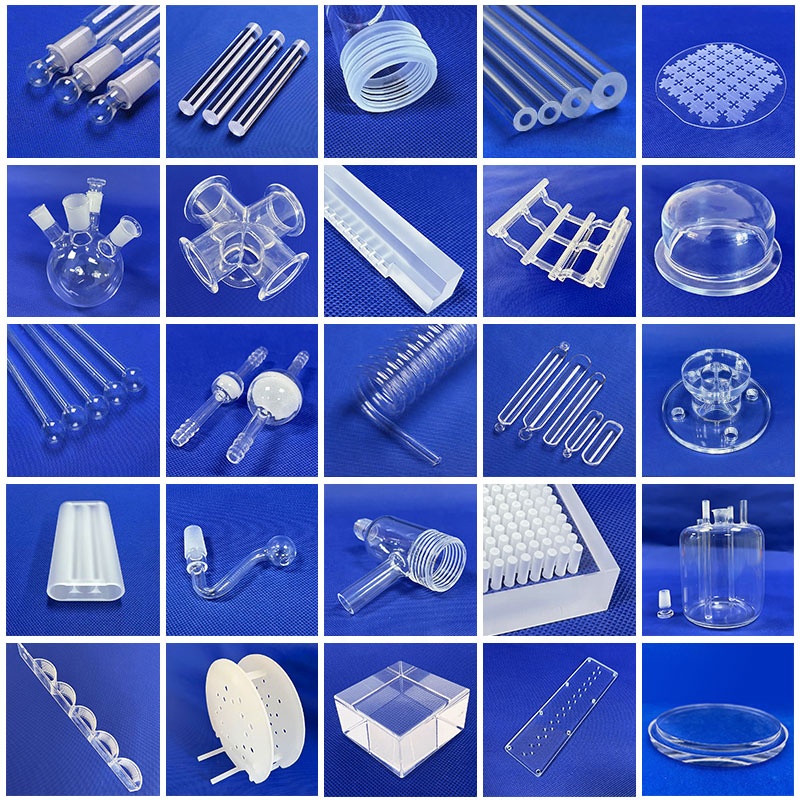
Custom Lab Quartz Glass Apparatus High Purity 99.99% Silica Content ROHS Certified Semiconductor Manufacturing OEM ODM
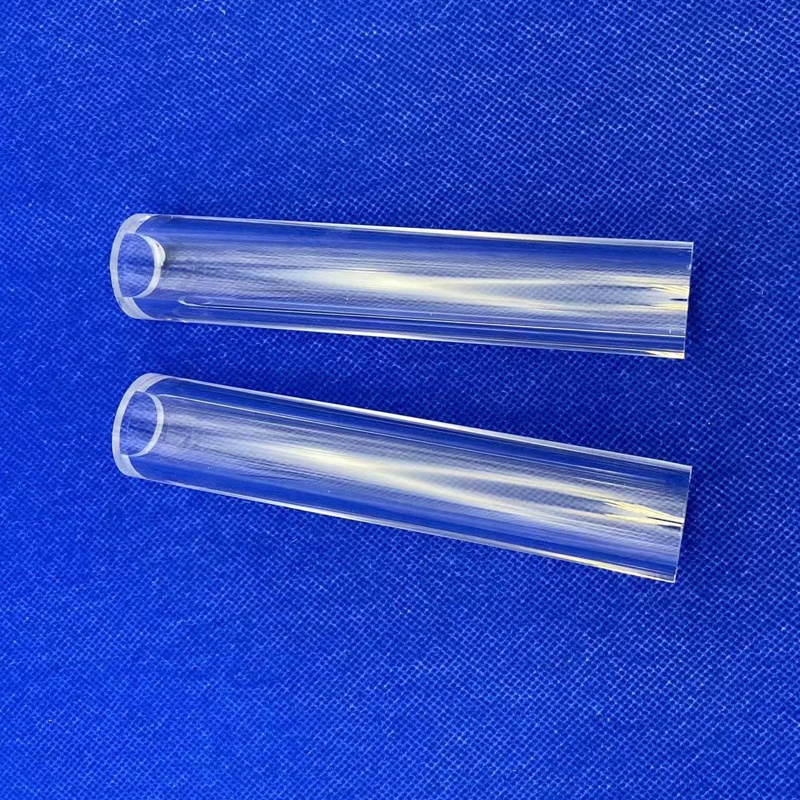
High Precision Clear Quartz Glass Tube Fused Silica High Quality Bending Welding Cutting Ozone Generator Far-infrared Heaters
Full-Chain Manufacturing & Quality Engineering
From raw silica crushing and chemical de-ironing to multi-axis CNC ultrasound machining and polarization stress relief, we control every manufacturing variable inside our own facility.
Source Factory Material Control
Unlike secondary glass cutting workshops, we operate integrated crushing, screening, and acid-pickling lines in Lianyungang. We eliminate trace alkali metal ions (Na, K, Li < 1 ppm total) ensuring zero crystallization under prolonged 1150°C heat cycles.
Stress Annealing & Polarimetry
Residual internal stress is the primary reason optical quartz windows warp or fracture under laser radiation and rapid vacuum thermal ramping. 100% of our products undergo programmed annealing and polariscope stress inspection to ensure optical retardation < 5 nm/cm.
Precision CNC & Flame Lathe Forming
Equipped with 4-axis diamond milling centers, slotting equipment, and glassblowing master lathes, we fabricate complex geometries: capillary arrays, double-concentric cooling jackets, optical flow cuvettes, and slotted semiconductor wafer carriers down to ±0.01 mm.
SGS Verification & EU Logistics
Our 14,271 m² production facility has undergone stringent onsite audit by SGS Group. With dedicated shock-proof custom foam injection packaging, heavy-gauge timber crates, and full export compliance (RoHS, REACH), we guarantee zero transit breakage to Schiphol and Utrecht.
Localized Application Scenarios Across Utrecht & Randstad
Utrecht stands at the crossroads of European life sciences, academic quantum research, and photonics manufacturing. Our custom optical quartz components integrate directly into Dutch high-tech ecosystems.
Utrecht Science Park & Life Sciences
Home to world-class molecular research and biotechnology labs, Utrecht requires optical flow cells, fluorescence cuvettes, and 96-well fused silica microplates that exhibit near-zero background autofluorescence under deep-UV (260/280 nm) DNA/RNA and protein spectrophotometry.
- Transmission > 90% at 200 nm
- Zero adhesive fusion (direct thermal fusion)
- Autoclave resistant at 134°C repeated cycles
Semiconductor Supply Chain (Brainport Corridor)
Situated within rapid logistics proximity to the Veldhoven-Eindhoven semiconductor corridor, our Utrecht clients utilize custom quartz wafer boats, vertical furnace liners, and double-flanged CVD process tubes requiring hyper-pure ≥99.999% trace elemental integrity.
- Fe < 0.2 ppm, Cu < 0.05 ppm, Al < 14 ppm
- Precision pitch slotting down to 0.5 mm spacing
- Vacuum-tight helium leak rate < 1×10⁻⁹ mbar·l/s
Industrial Laser & Clean-Tech Engineering
Engineering clusters across the Utrecht province (Lage Weide and surrounding tech parks) harness our triple-bore laser cavity flow tubes, C-shaped flashlamp cooling sleeves, and high-energy laser exit windows polished to 20/10 scratch-dig with precision laser-damage thresholds (LIDT).
- High damage threshold > 10 J/cm² @ 1064 nm, 10 ns
- Custom multi-bore geometries for coolant/flashlamps
- Precision ground edge chamfers to prevent chipping
Optical & Physical Property Benchmarks for Utrecht Procurement
When specifying fused silica versus fused quartz for demanding scientific apparatus, compare physical, electrical, and optical metrics according to ISO/DIN and ASTM specifications.
| Property Parameter | JGS1 (Synthetic Fused Silica) | JGS2 (Optical Fused Quartz) | JGS3 (Infrared Fused Quartz) |
|---|---|---|---|
| Primary Optical Range | 185 nm – 2500 nm (Deep UV Focus) | 220 nm – 2500 nm (Standard Optical) | 260 nm – 3500 nm (Near-to-Mid IR) |
| SiO₂ Content / Purity | ≥ 99.999% (Low trace metals) | ≥ 99.99% (Electrically refined) | ≥ 99.99% (Water-free < 5 ppm OH) |
| Density / Refractive Index (nd) | 2.20 g/cm³ | 1.4585 | 2.20 g/cm³ | 1.4585 | 2.20 g/cm³ | 1.4584 |
| Coefficient of Thermal Expansion | 5.5 × 10⁻⁷ / °C (20°C to 320°C) | 5.5 × 10⁻⁷ / °C | 5.4 × 10⁻⁷ / °C |
| Continuous Max Temperature | 1100 °C | 1100 °C | 1150 °C |
| Softening Point / Anneal Point | 1730 °C / 1215 °C | 1710 °C / 1200 °C | 1740 °C / 1220 °C |
| Fluorescence Under 254 nm | Nil / Undetectable | Extremely Low | Low |
| Common Utrecht Applications | UV laser optics, DNA sequencers, litho tools | Sight glasses, UV lamps, furnace windows | Thermal process sensors, IR heating shields |
Emerging Optical Glass Trends in the Utrecht Region
Strategic investments across the central Netherlands are driving rigorous demands for precision glass and specialized silica fabrication over the next decade.
1. Life Sciences Automation & Lab-on-a-Chip
With Utrecht University Medical Center (UMCU) and biotechnology incubators advancing microfluidic point-of-care diagnostics, the demand for ultra-thin fused silica sheets (0.10 mm to 0.30 mm) has surged. Researchers require optical flats with minimal thickness variation (±0.005 mm) to prevent focal distortion during high-throughput confocal microscopy imaging.
2. Transition to Non-Autofluorescence Optics
Traditional borosilicate 3.3 and BK7 glass produce significant baseline autofluorescence when excited by 340–385 nm UV LEDs. Scientific instrument developers across the Randstad are systematically retrofitting optical paths with synthetic JGS1 quartz windows to achieve crystal-clear signal-to-noise ratios in single-molecule bio-detection platforms.
3. Resilient Direct-Manufacturer Sourcing
Dutch procurement managers face mounting lead-time volatility and inflated catalog markups from traditional European optical distributors. Utrecht firms are increasingly adopting direct OEM partnerships with verified manufacturers who provide polarization inspection records, batch chemical assay sheets, and custom drawings review without broker friction.
Frequently Asked Questions by Buyers in Utrecht
Practical answers addressing customs clearance into the Netherlands, CAD formatting, thermal shock ratings, and packaging safeguards for fragile consignments.
Engineering Support & Quotation for Utrecht Photonics
Whether you need a high-temperature fused quartz reactor liner, precision JGS1 UV optical windows, or custom slotted semiconductor wafer carriers, our technical sales engineers will review your CAD drawings and deliver a competitive factory quotation with guaranteed lead times.
Send an Inquiry