Featured Precision Quartz Solutions for Guatemala Industrial Operations
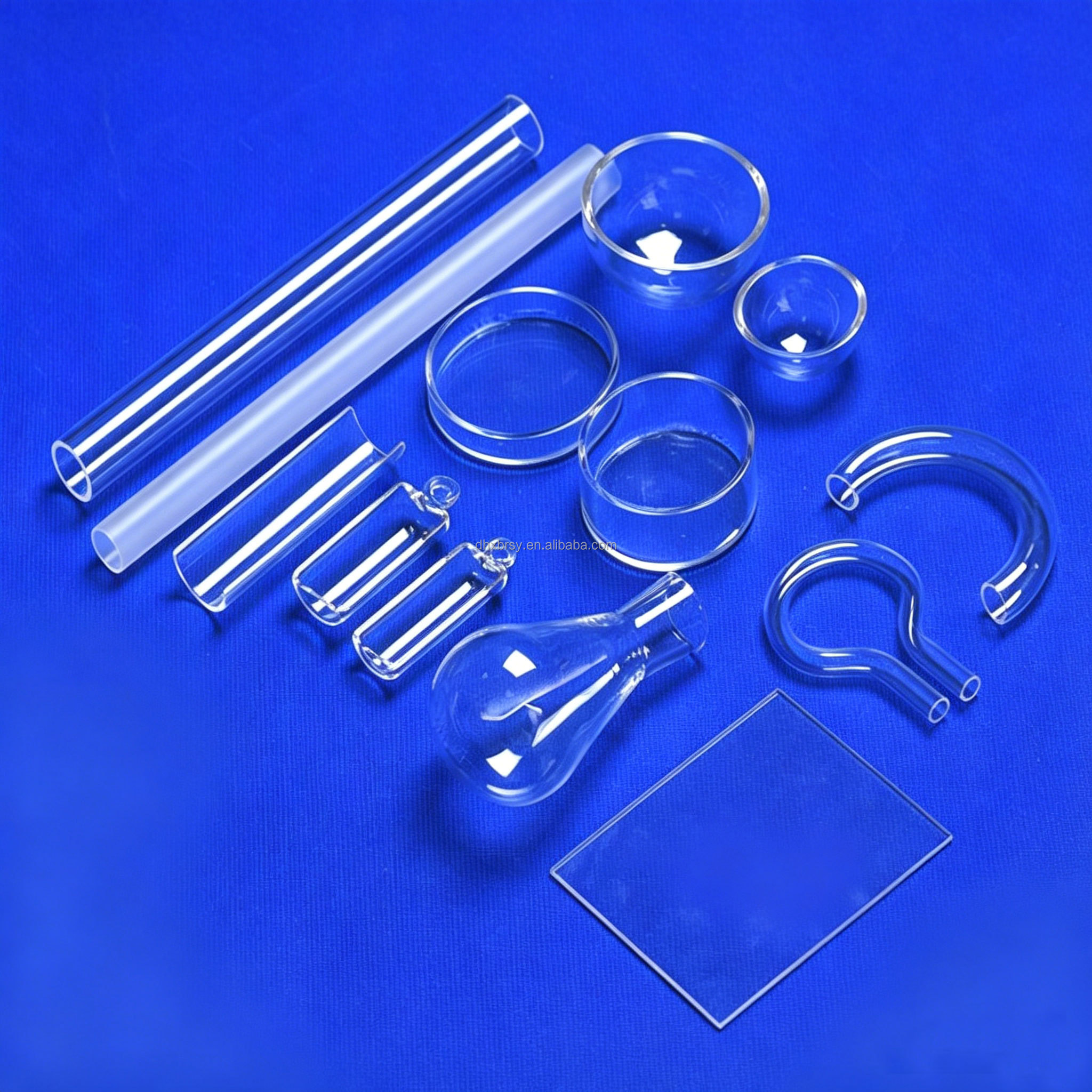
From high-thermal furnace components to micro-drilled laser flow tubes, each piece is synthesized using 99.99% high-purity SiO₂ raw materials, tested under cross-polarization, and packed for direct international freight.
Material Purity & Advanced CNC Fabrication in Quartz Machining
A comprehensive evaluation of synthetic fused silica versus natural fused quartz for Central American technical procurement directors.
In modern industrial applications throughout Guatemala City—ranging from industrial boiler sight glasses in Villa Nueva and Mixco to analytical testing laboratories along the Carretera a El Salvador corridor—the performance of optical and high-temperature glass components is dictated directly by thermodynamic and spectroscopic boundaries. Selecting an unverified grade of quartz glass frequently results in catastrophic thermal de-vitrification, stress fracturing, or optical attenuation under UV excitation.
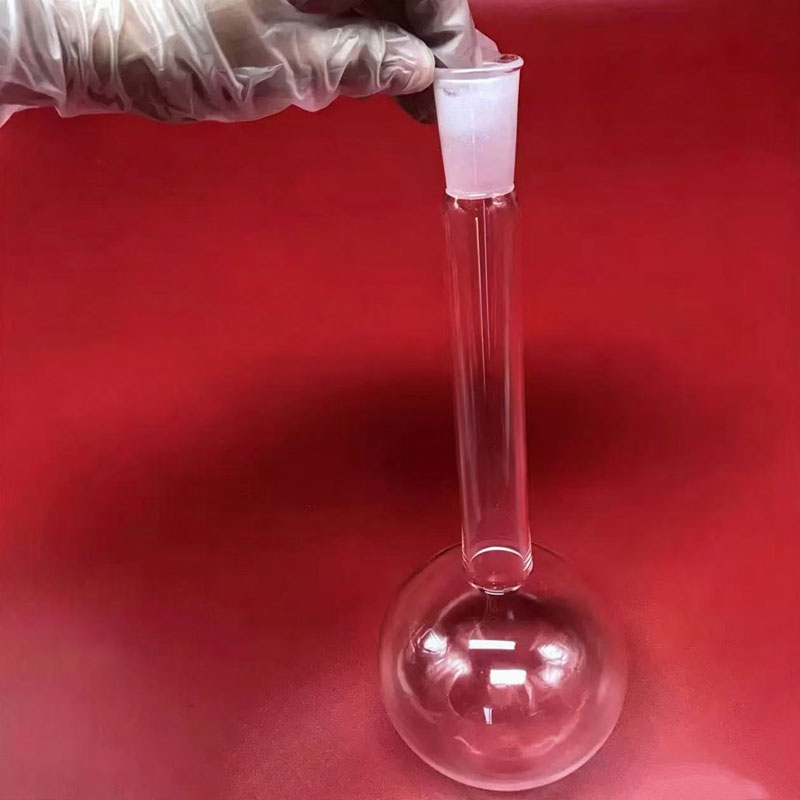
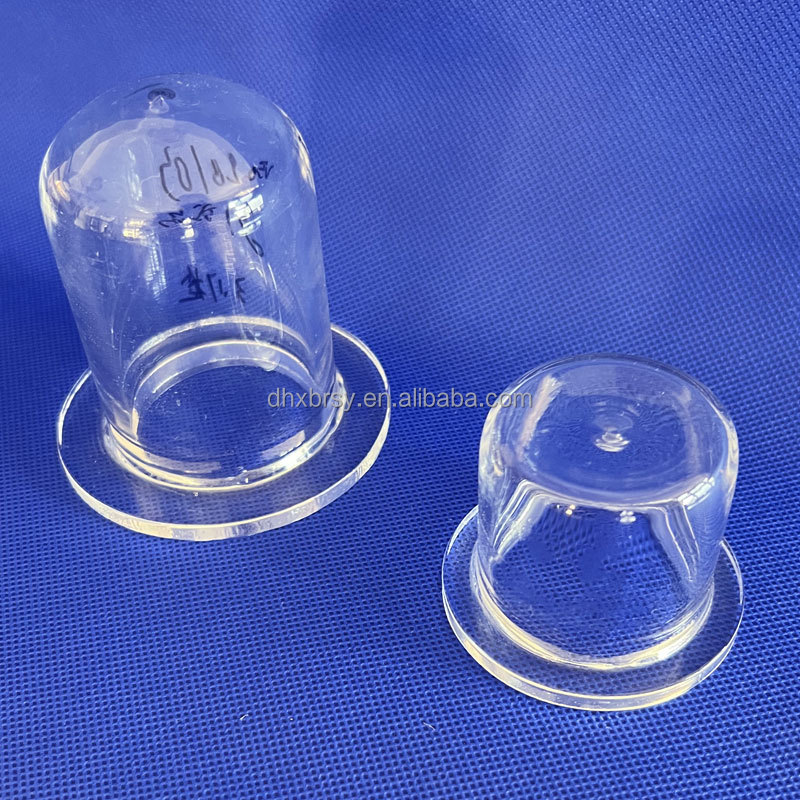
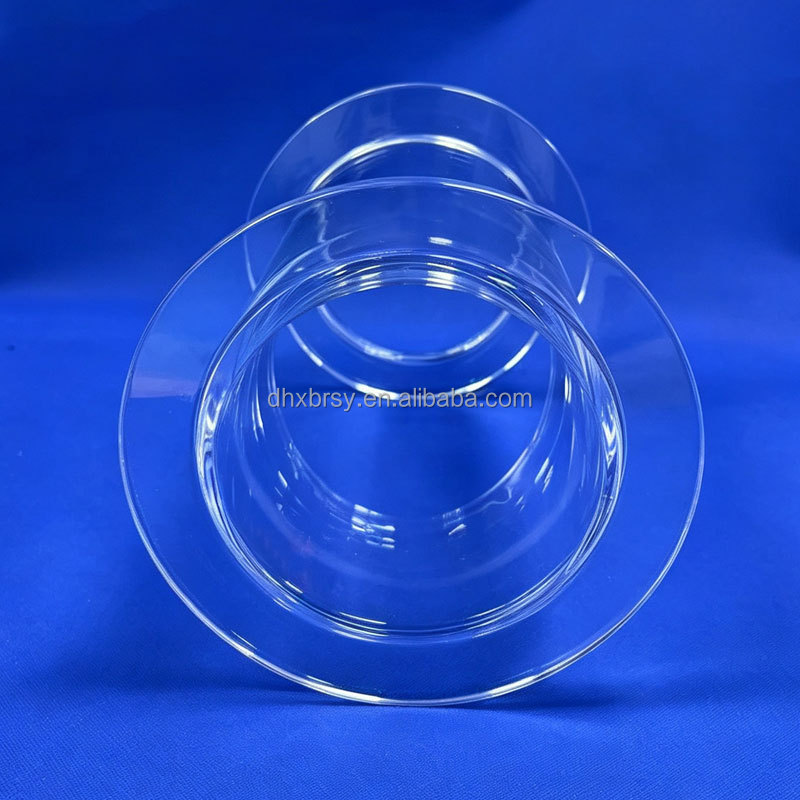
Fused quartz is an exceptional material composed almost entirely of silicon dioxide ($\text{SiO}_2$) in an amorphous (non-crystalline) state. Unlike conventional borosilicate or soda-lime glass, fused silica possesses an ultra-low linear thermal expansion coefficient ($\alpha \approx 5.5 \times 10^{-7}/\text{K}$ between 20°C and 320°C). This allows components like our 99.99% High-purity Quartz Glass Long-neck Flasks and Double Flange Quartz Cylinders to survive extreme thermal shock, such as direct removal from a 1100°C furnace followed by ambient air quenching, without structural failure.
Ultrasonic CNC Milling
High-frequency ultrasonic tool oscillation minimizes micro-fracturing along edges, enabling micro-hole drilling down to 0.2mm with dimensional accuracy reaching ±0.005mm for complex optical flow cells.
Flame-Fused Lathe Assembly
Hydrogen-oxygen lathe workstations fuse double-flanged cylinders, optical joints, and multi-bore tubes at temperatures exceeding 1800°C, producing homogeneous, leak-free, vacuum-rated joins.
Full Polariscope Stress Relief
Following mechanical grinding and welding, all quartz assemblies undergo automated thermal annealing cycles followed by polarization stress verification, eliminating internal mechanical stress risers.
| Property Parameter | JGS1 (Synthetic Silica) | JGS2 (Optical Fused Quartz) | JGS3 (Infrared Fused Quartz) | Commercial Borosilicate 3.3 |
|---|---|---|---|---|
| SiO₂ Content | ≥ 99.999% | ≥ 99.99% | ≥ 99.98% | ≈ 81% |
| Transmission Range | 185 nm – 2500 nm (Deep UV) | 220 nm – 2500 nm (Standard UV-Vis) | 260 nm – 3500 nm (Full NIR) | 320 nm – 2000 nm |
| Thermal Expansion (20–300°C) | 5.5 × 10⁻⁷ / °C | 5.5 × 10⁻⁷ / °C | 5.5 × 10⁻⁷ / °C | 33.0 × 10⁻⁷ / °C |
| Continuous Max Temp | 1100 °C | 1100 °C | 1050 °C | 450 °C |
| Softening Point | 1730 °C | 1730 °C | 1710 °C | 820 °C |
| Dielectric Strength (at 20°C) | 25–40 kV/mm | 25–40 kV/mm | 20–35 kV/mm | 15–20 kV/mm |
For high-precision spectrophotometry in testing laboratories, selecting JGS1 synthetic silica guarantees near-total optical transmission in the deep ultraviolet range (185–260 nm), completely mitigating the hydroxyl (-OH) absorption bands that typically compromise organic compound characterization. Conversely, for thermal combustion and digestion tubes deployed in regional mineral assaying facilities across Central America, JGS2 provides superior mechanical resilience and cost-efficient longevity under prolonged heating.
Industrial & Scientific Applications Across the Guatemala City Metro Area
Tailored quartz glass configurations supporting high-growth sectors, from nearshoring electronics fabrication to specialized clinical dermatological clinics.
Medical Laser & Aesthetic Clinics (Zona 10 & Zona 14)
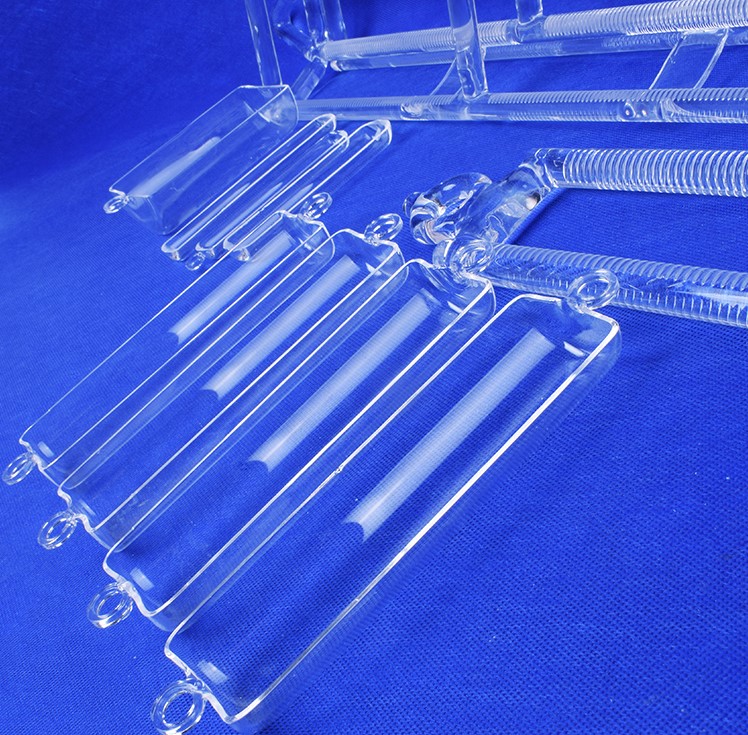
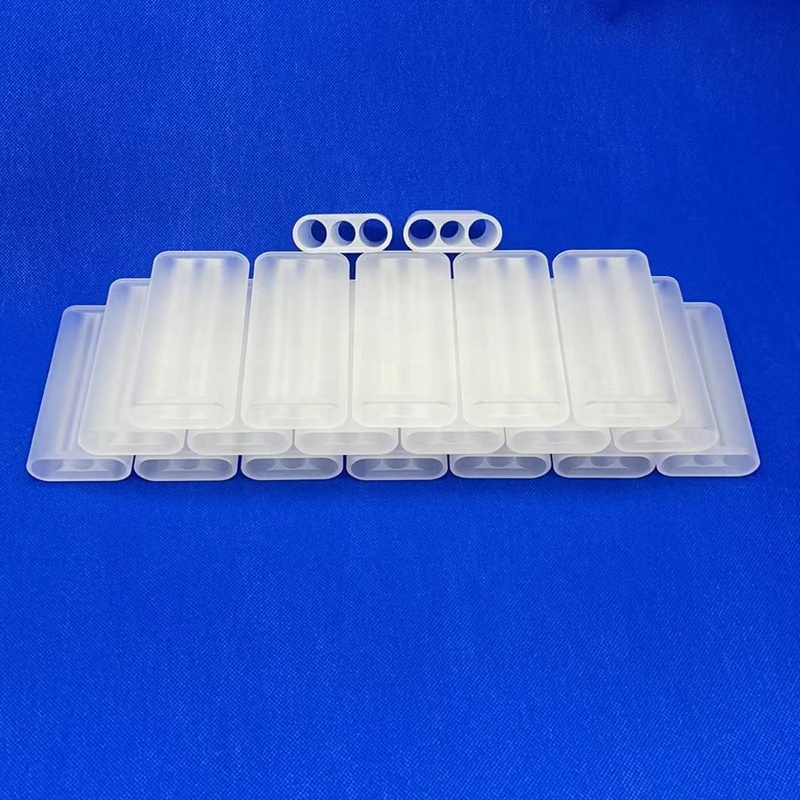
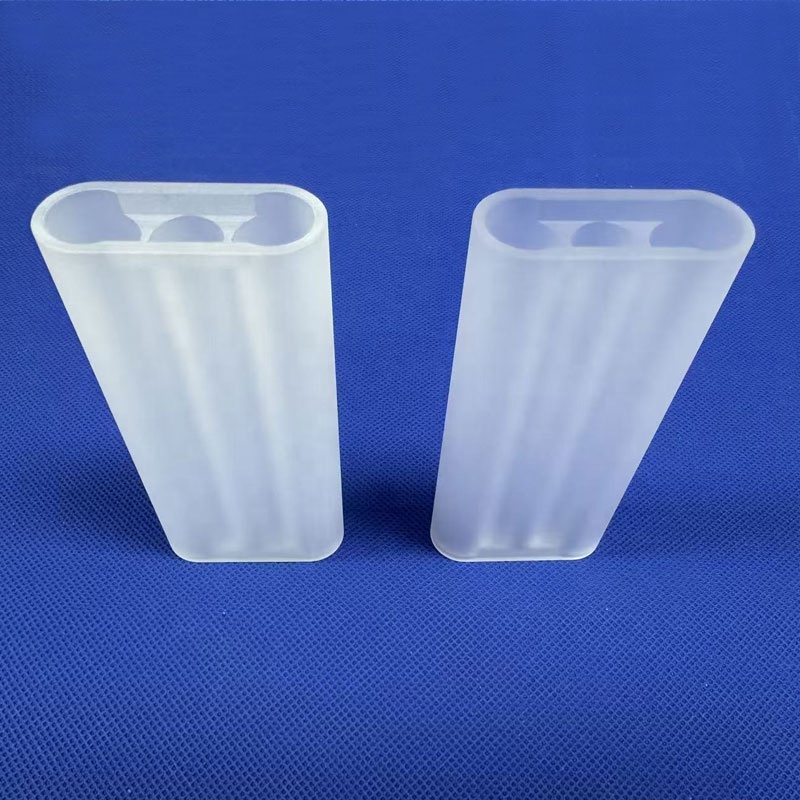
The high concentration of specialized dermatological and cosmetic medical centers in Guatemala City’s medical districts relies on aesthetic laser platforms such as the Candela GentleYag and GentleMax series. Our BRO RAN High Precision Triple Bore Quartz Cavity Flow Tubes offer 200-mesh diamond ground precision, zero optical distortion, and exact dimensional tolerances to house high-energy flashlamps and Nd:YAG rods without thermal misalignment or laser beam distortion.
Pharmaceutical & Agro-Industrial Quality Labs (Mixco & Villa Nueva)
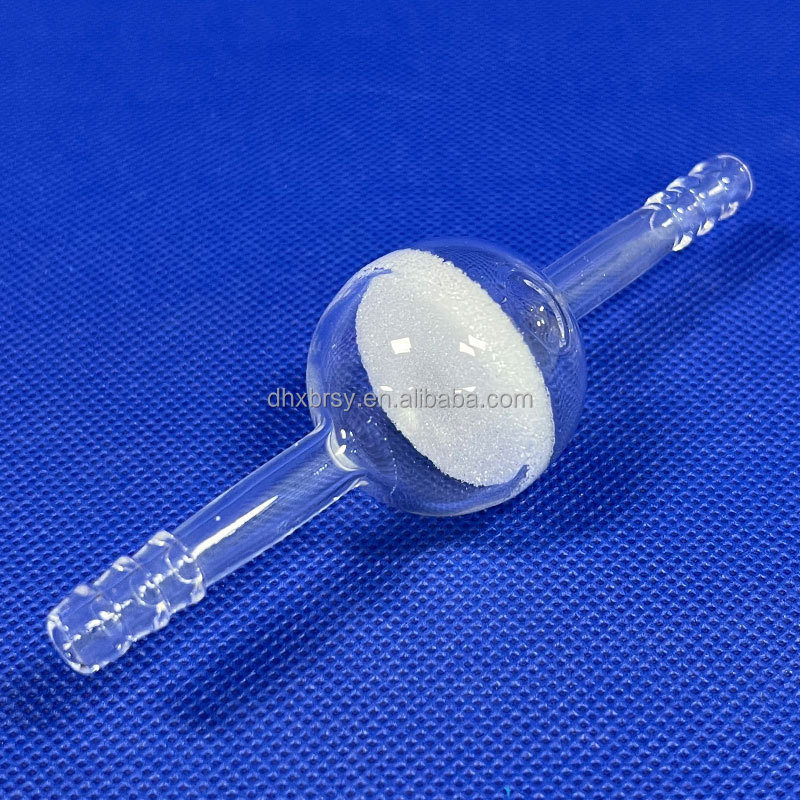
Pharmaceutical manufacturing plants and national testing bodies in surrounding industrial parks utilize our High Purity Quartz Digestion Tubes and Custom Quartz Apparatus for high-temperature acid digestion (utilizing aqua regia and nitric acid). Because fused quartz does not leach heavy metals, boron, or sodium into testing solutions, it ensures analytical purity during trace metal analysis on ICP-OES and ICP-MS systems.
Sugar Refining, Biofuel & Agro-Processing Engineering
With administrative and technical headquarters in Guatemala City managing the extensive sugar mills (ingenios) of the Pacific coastal corridor (Escuintla and Santa Lucía Cotzumalguapa), process reliability is paramount. Our high-temperature fused quartz viewports, polarimeter tubes, and infrared quartz heating tubes deliver continuous 1100°C resistance for sucrose monitoring, combustion monitoring, and process bagasse moisture determination.
Nearshoring Electronics & Solar Thermal Sintering
Driven by Guatemala’s Free Trade Zone incentives (Zonas Francas) and international nearshoring realignments, electronic sub-assembly lines are turning to our Custom Double Flange Quartz Cylinders and Fused Quartz Photovoltaic Sintering Tubes. These provide chemical inertness during Chemical Vapor Deposition (CVD), cleanroom-compliant non-outgassing surfaces, and precise thermal profiling during thin-film annealing.
Central American Industrial Trends Driving High-Purity Quartz Adoption
How regional manufacturing modernizations are reshaping glass component supply chains across Guatemala.
1. Nearshoring Industrial Realignment: Guatemala's strategic geographic proximity to North American supply hubs has triggered rapid expansion in specialized assembly, precision manufacturing, and electronic harness production. Facilities located in the metropolitan industrial zones of Amatitlán, Palín, and Villa Nueva increasingly demand technical materials that conform to strict RoHS, REACH, and ISO standards. Sourcing directly from an established raw quartz producer mitigates supply chain disruptions and circumvents secondary markups common with regional stockists.
2. Transition to Stringent ISO/IEC 17025 Laboratory Accreditations: Analytical testing laboratories serving Guatemala's export agriculture (coffee, sugar, fruits, vegetables, and palm oil) face rigorous audits by international trading partners. Contamination risks from low-grade borosilicate vessels—such as trace ionic leaching under acid conditions—have accelerated the transition to 99.99% high-purity SiO₂ glassware, crucibles, and digestion tubes. Our factory-level traceability and certificate of analysis (COA) per production run provide the compliance documentation required by local quality managers.
3. Modernization of Industrial Heating & Curing Infrastructure: Across Guatemala City's packaging, paper converting, and printing plants, older gas and resistive wire heating elements are progressively being upgraded to clear and milky-white opaque spiral quartz infrared tubes. Fused quartz emitters focus electromagnetic energy directly into targeted absorption bands (short and medium wave IR), achieving 40% thermal efficiency gains while slashing carbon intensity.
Guatemala City Procurement & Engineering FAQ
Resolving critical questions regarding importation, customs documentation, packaging safety, and material certification.
Request an Engineering Quotation for Guatemala Delivery
Connect directly with our precision quartz engineering desk. Submit your 2D/3D drawings, operating temperatures, and chemical exposure parameters to receive a technical feasibility review and competitive FOB/CIF Guatemala quotation within 24 hours.
Send an Inquiry