Featured Precision Quartz Discs & Vitreous Components
Browse our certified range of high-purity fused silica substrates, viewports, digestion vessels, and laser flow elements manufactured to rigid international tolerances.
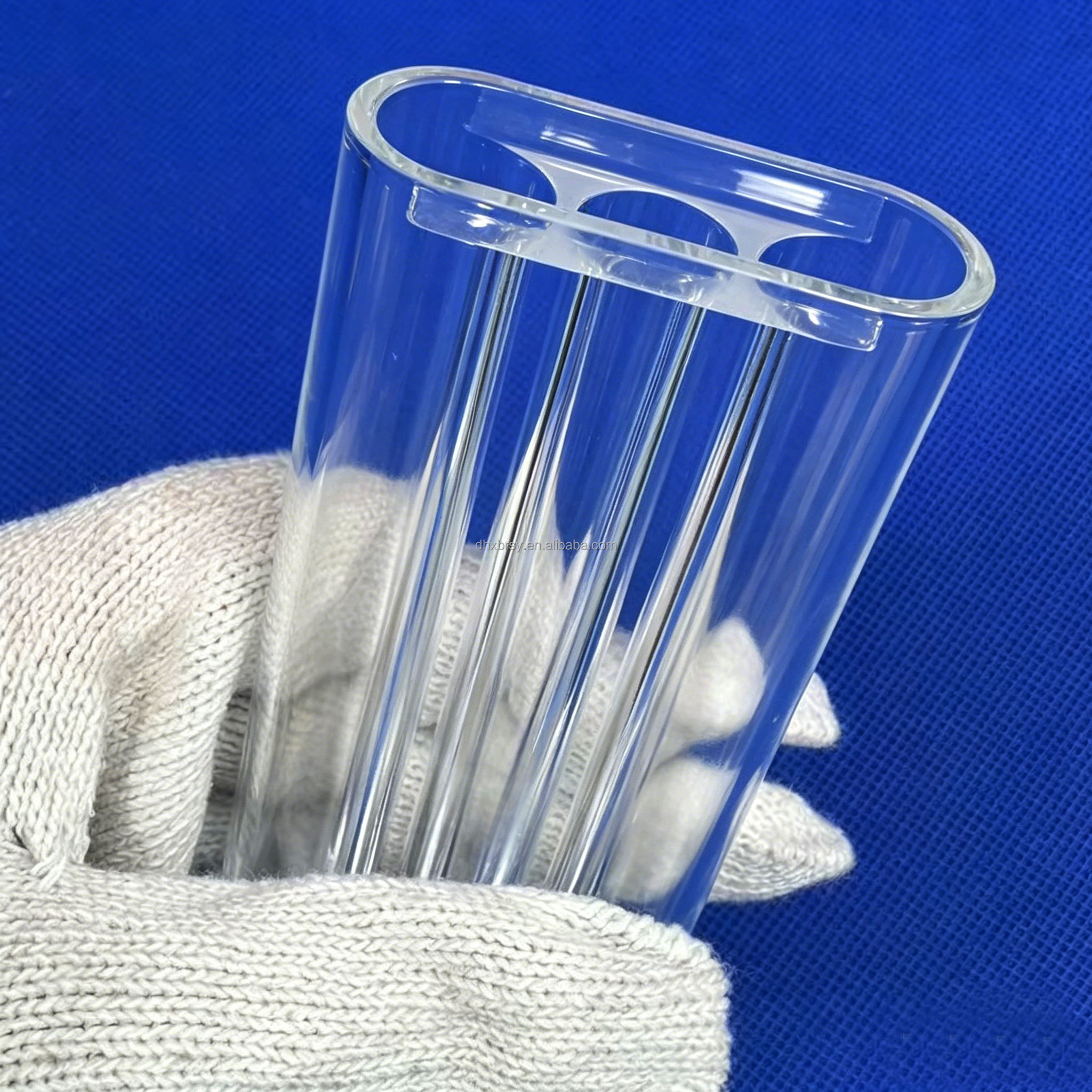
High-Temperature Lab Furnace Quartz Glass Tube
Thermal shock resistant fused silica core for R&D furnaces, CVD reactors, and semiconductor wafer processing lines.
View Details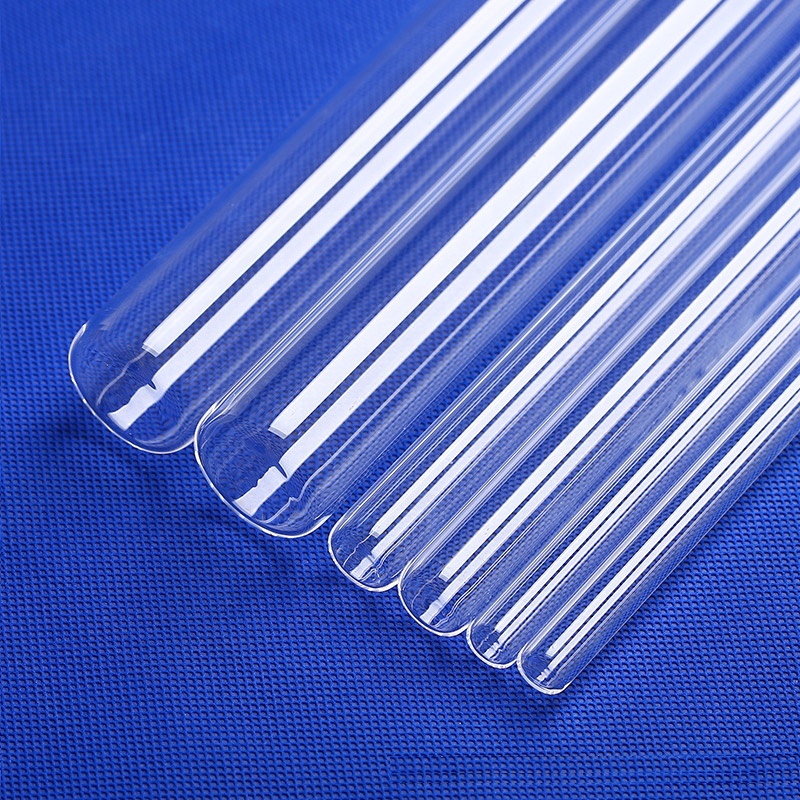
Closed-Bottom Fused Silica Reaction Test Tube
Formed bottom for thermal containment, analytical pyrolysis, and corrosive acid synthesis under strict conditions.
View Details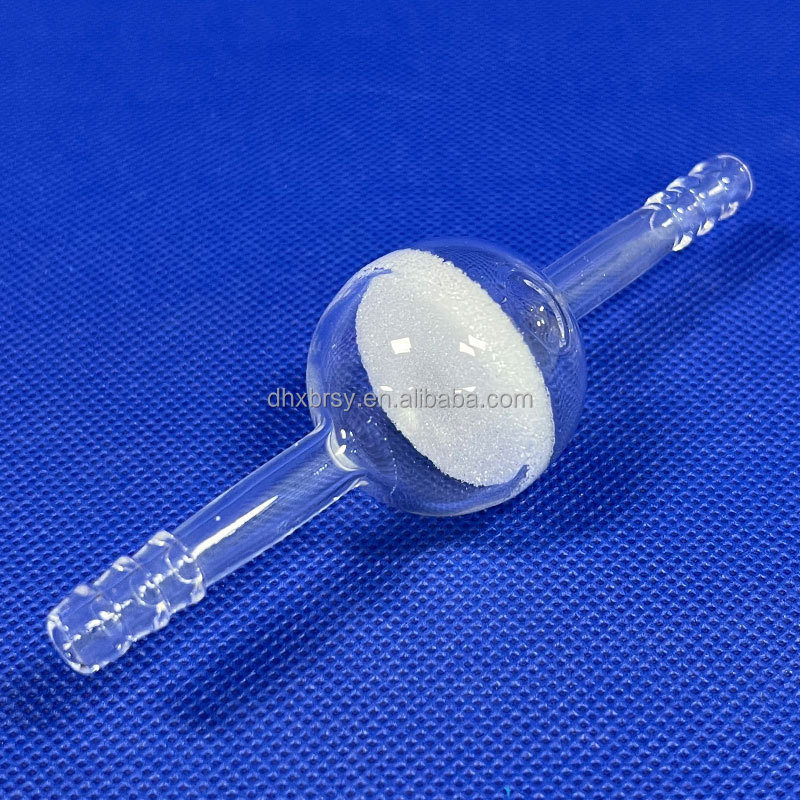
High Transmittance Fused Quartz Digestion Sheet
Ultra-pure JGS2 optical window designed for spectroscopic sight glasses and high-pressure digestion chambers.
View Details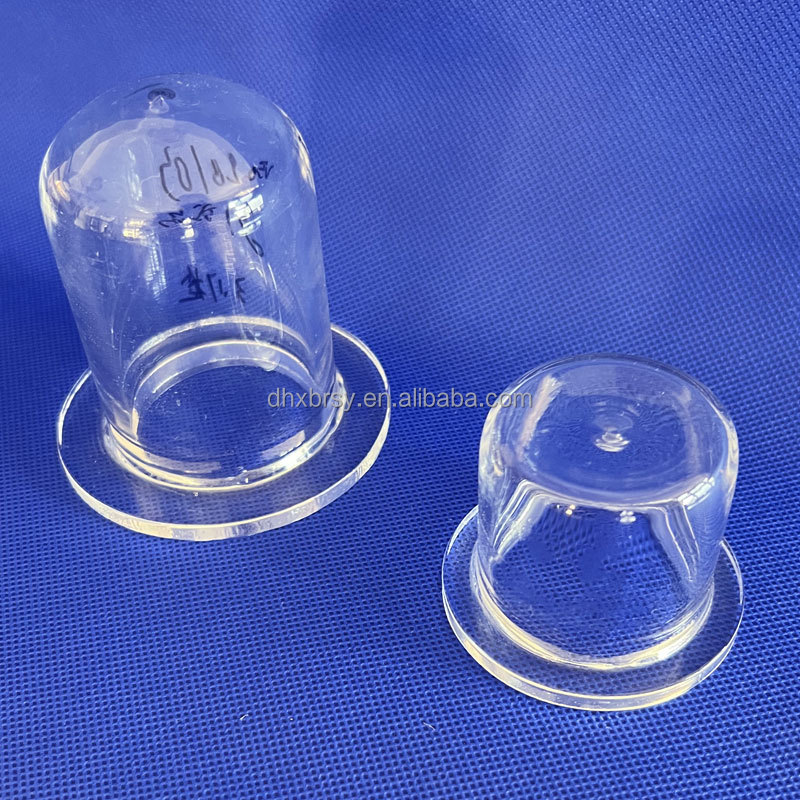
Photovoltaic Sintering Fused Quartz Substrate
99.99% SiO₂ matrix manufactured for microelectronics firing, inline annealing chambers, and solar wafer belts.
View Details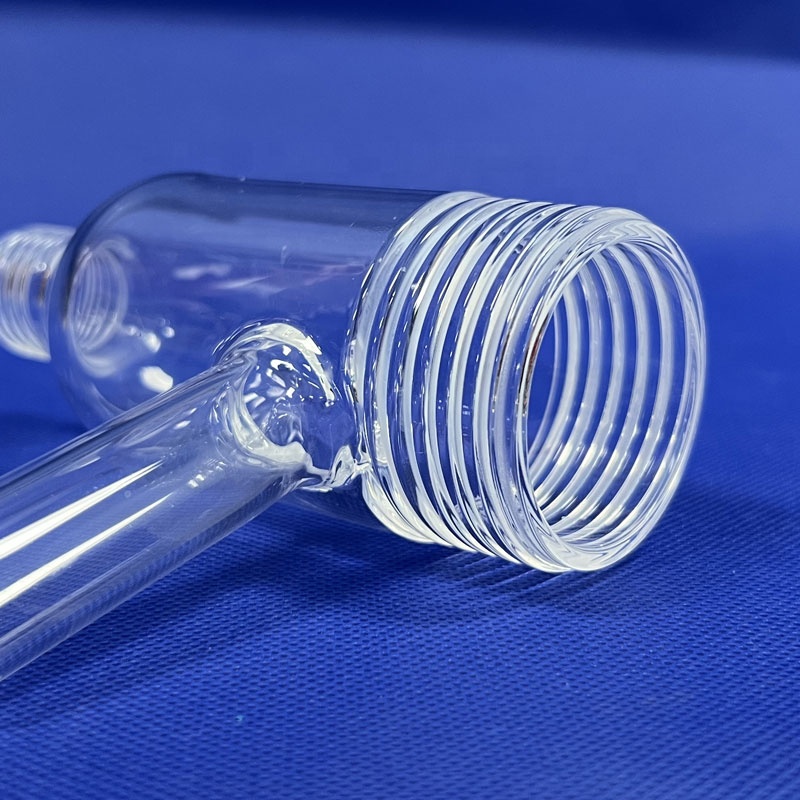
Threaded Quartz Reaction Tube with Side Arm
Precision machined micro-threads coupled with gas ports for dynamic laboratory reactions and vacuum degassing.
View Details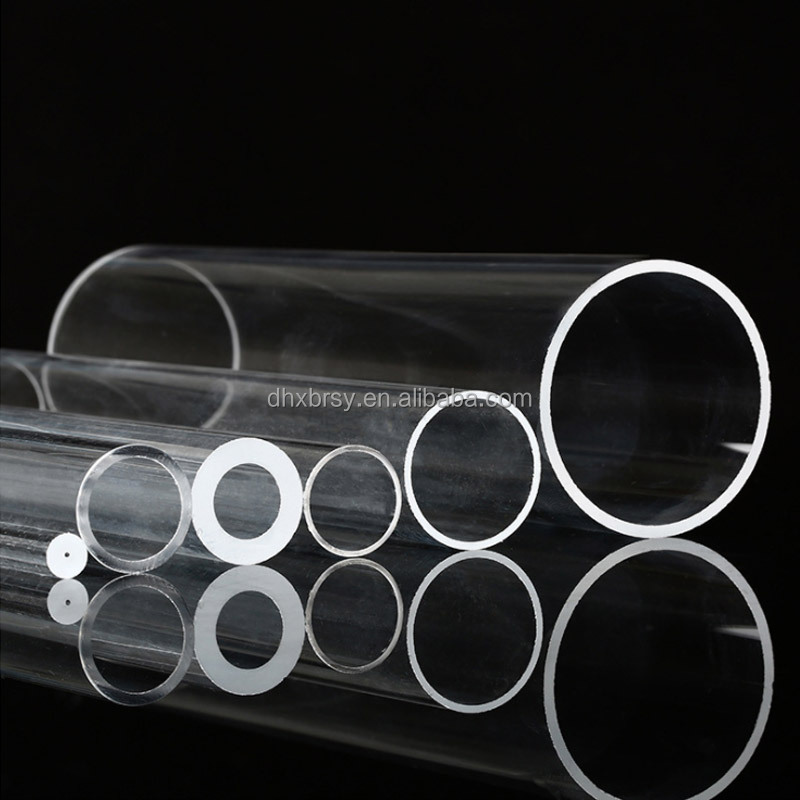
Industrial IR Heating Fused Quartz Chamber
Designed for disinfection cabinets, fluid heaters, rapid thermal annealers, and industrial laboratory ovens.
View Details
Double-Sided Polished Quartz Disc & Window
Laser-grade surface finish (Ra < 0.5 nm), zero bubbled glass for UV-VIS-NIR beam steering and optical isolation.
View Details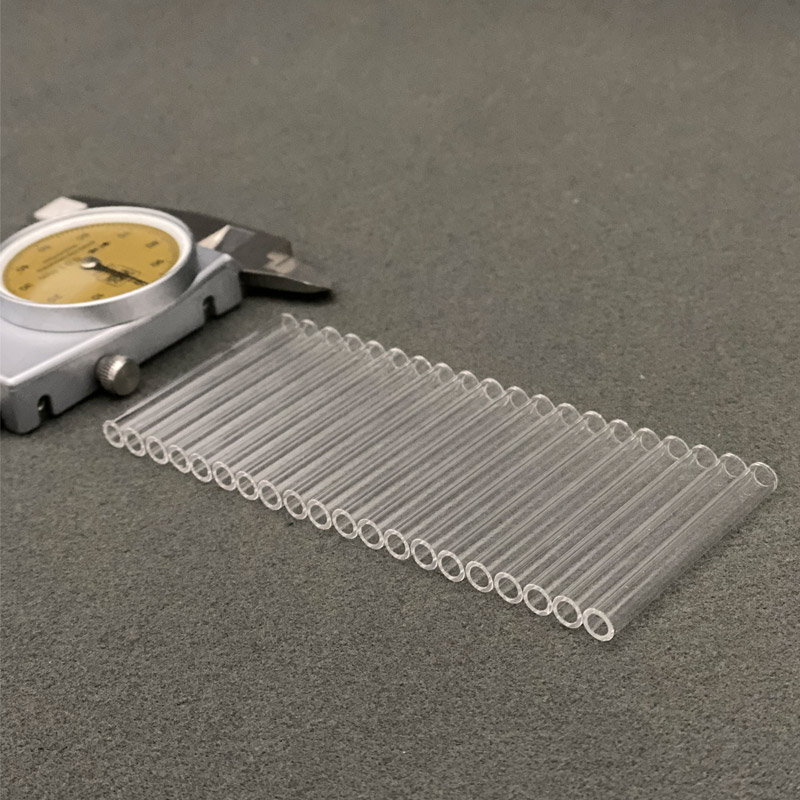
Micro-Bore Fused Quartz Capillary & Disc Core
Micro-fluidic flow capillary tubing, annealed at 1,200 °C, suitable for high-precision diagnostic laser optics.
View DetailsEngineering Fused Silica Discs for Demanding Scientific Ecosystems
Understanding material science, isotropic thermal expansion, and optical transmission parameters.
Precision quartz discs represent the apex of vitreous silica engineering. Synthesized through vapor-phase axial deposition or refined via high-temperature electric arc fusing, these transparent components possess physical and chemical architectures fundamentally distinct from standard borosilicate and soda-lime glass. In advanced manufacturing, the specification of a quartz disc relies heavily on structural purity—specifically, maintaining a silica content of ≥99.99% while mitigating trace metallic elements such as iron, titanium, sodium, and aluminum to levels below parts-per-million (ppm) thresholds.
For research institutes, defense engineering agencies, and microelectronics production complexes, optical homogeneity is non-negotiable. Standard industrial glass suffers from thermal lensing, optical birefringence, and UV solarization under short-wavelength ultraviolet exposure. High-purity synthetic fused silica (JGS1) maintains wide-spectrum optical transparency from the deep ultraviolet (185 nm) across the visible spectrum into the near-infrared band (2,500 nm). The internal structure yields virtually zero optical absorption, low fluorescence, and exceptional resistance to laser-induced damage thresholds (LIDT), making it an indispensable substrate for excimer laser output windows, spectroscopic flow cells, and lithographic alignment blanks.
| Vitreous Grade | Transmission Band | Hydroxyl (OH⁻) Concentration | Primary Industrial Sector |
|---|---|---|---|
| JGS1 (Synthetic Fused Silica) | 185 nm – 2,500 nm (Deep UV) | < 5 ppm to 1,200 ppm (Grade Variant) | Deep UV lithography, laser optics, Raman spectroscopy |
| JGS2 (Fused Natural Quartz) | 220 nm – 2,500 nm (UV-VIS) | < 30 ppm | Biopharma sight glasses, optical flats, lab viewports |
| JGS3 (Electrically Fused Quartz) | 260 nm – 3,500 nm (Broadband IR) | < 5 ppm (Water-free) | Infrared Pyrometry, high-temp thermal viewports, sensors |
Mechanical precision remains another primary constraint. Thin quartz discs—ranging from 0.1 mm to several inches in thickness—require computerized ultrasonic drilling, double-sided chemical-mechanical polishing (CMP), and laser-guided edge beveling to prevent microscopic micro-cracking along peripheral rims. When discs are subjected to vacuum environments, such as those present in physical vapor deposition (PVD) chambers or high-pressure digestion autoclaves, the burst pressure equations dictate rigorous thickness-to-diameter ratios, planar parallelism within arcseconds, and localized surface roughness ratings under Ra 0.5 nm.
Localized Applications Across the Greater Philadelphia Corridor
Supporting the dynamic convergence of University City life sciences, Navy Yard defense engineering, and Mid-Atlantic industrial manufacturing.
Biopharma & Cell Therapy Clusters
Greater Philadelphia—often termed "Cellicon Valley"—hosts world-renowned pharmaceutical manufacturers and advanced gene-therapy incubators centered around University City and the Pennsylvania suburbs. Our high-transmittance JGS1/JGS2 quartz discs are critical for inline spectroscopic analysis, photochemical flow cells, UV sterilizing bioreactors, and sample digestion vessels where chemical inertness to aggressive acids is mandatory.
Defense, Aerospace & Naval Marine
The Philadelphia Navy Yard and associated defense contractors require ultra-rugged components built for hostile operating conditions. Polished quartz viewports and sight discs serve as protective optical windows for infrared sensing, thermal camera shields on naval surface craft, and missile guidance alignment fixtures capable of withstanding abrupt atmospheric transitions and ballistic thermal shocks.
Nanotechnology & Academic Research
With Tier-1 institutions including the University of Pennsylvania, Drexel University, and Temple University, local research centers operate advanced cleanroom environments. Precision quartz discs and substrate wafers serve as inert bases for electron-beam lithography, thin-film dielectric deposition, and optoelectronic prototyping where ion contamination must remain under absolute zero tolerance.
Philadelphia Sourcing Trends: Quality Assurance & Direct-to-Factory Procurement
How local enterprise procurement managers are mitigating lead times and managing quality risks in the Tri-State region.
Over the past five years, the purchasing architecture within the Mid-Atlantic tech corridor has undergone structural transformation. Engineering directors and supply chain managers across Pennsylvania, New Jersey, and Delaware are actively moving away from traditional multi-tier distribution networks that inflate unit costs and obscure batch traceability. Direct engagement with specialized quartz manufacturing plants has emerged as the definitive procurement methodology for the following structural reasons:
Mitigation of Optical Inconsistencies
Local OEM builders frequently experienced batch variances when sourcing through generalized glass distributors. Direct-from-manufacturer supply agreements ensure every quartz disc is produced under identical thermal annealing curves, monitored via cross-polarization inspection to eradicate residual stress fields that produce localized optical distortion.
Rapid Rapid Prototyping Turnarounds
Philadelphia’s rapidly scaling biotechnology enterprises demand agile design iterations. Direct access to source-factory CNC programming engineers allows CAD sketches (DWG, STEP, PDF) to be translated into active machine code within hours, drastically compressing the timeline between laboratory concept and physical qualification testing.
Air-Freight Integration to PHL
Supply chain security has shifted focus to dedicated logistics channels. Through export-grade individualized vacuum cushioning and specialized wooden case packaging, quartz components transit smoothly into Philadelphia International Airport (PHL) cargo facilities, avoiding regional warehouse delays and eliminating en-route breakage.
Full-Spectrum Manufacturing Direct from Lianyungang
Vertically integrated production ensuring total material control from raw silica rock to CNC-polished vitreous discs.
SGS Onsite Verified
Our expansive 14,271 m² industrial plant has passed comprehensive onsite inspections by SGS Group, certifying operational integrity, precision metrology equipment, and adherence to cleanroom standards.
Raw Material Upstream Control
Located in Lianyungang—the global center for silica refining—we crush, rescreen, and acid-pickle our raw material in-house, securing genuine 99.99% SiO₂ quality without third-party material contamination.
Multi-Axis CNC Machining
High-precision multi-axis machining centers perform specialized milling, step cuts, slotting, precision hole drilling, and fine optical edge beveling to tolerances tighter than ±0.02 mm.
Shock-Proof Export Packing
Fragile quartz discs require specialized handling. Every order is encased in tailored shock-absorbing cellular foam, sealed against humidity, and crated in heavy-duty reinforced containers designed for long-haul air transit.
Frequently Asked Questions by Philadelphia Buyers
Clear technical and commercial answers regarding specifications, testing, and delivery schedules.
How do you verify the surface flatness and parallel tolerance of quartz discs?
What is the typical lead time for custom CNC quartz discs delivered to Pennsylvania?
Can your quartz discs withstand hydrofluoric or high-temperature phosphoric acid environments?
What documentation accompanies an international export shipment?
What are the minimum order quantities (MOQ) for custom fabricated optical components?
Accelerate Your Engineering Project with Direct Factory Precision
Submit your technical drawings, dimensional specifications, or optical requirements today. Our veteran quartz glass technicians will evaluate manufacturability and deliver comprehensive pricing.
Get Catalog