Featured Fused Silica Glassware & Process Vessels
From thermal decomposition vessels and boiling flasks to laser cavity sleeves and wafer boats, explore our high-thermal-shock quartz apparatus delivered directly to Latvian labs and industrial facilities.
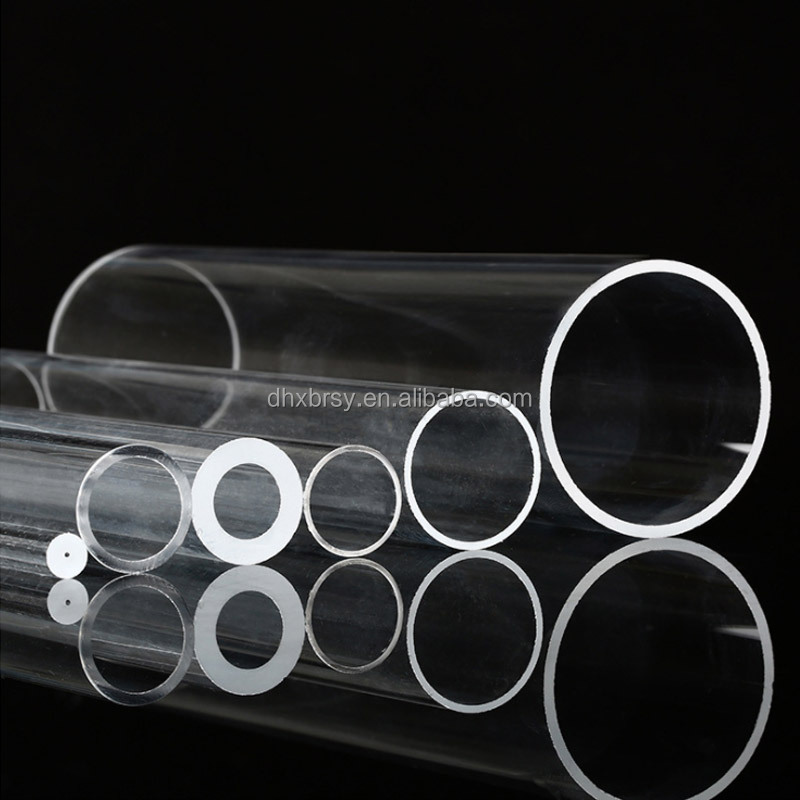
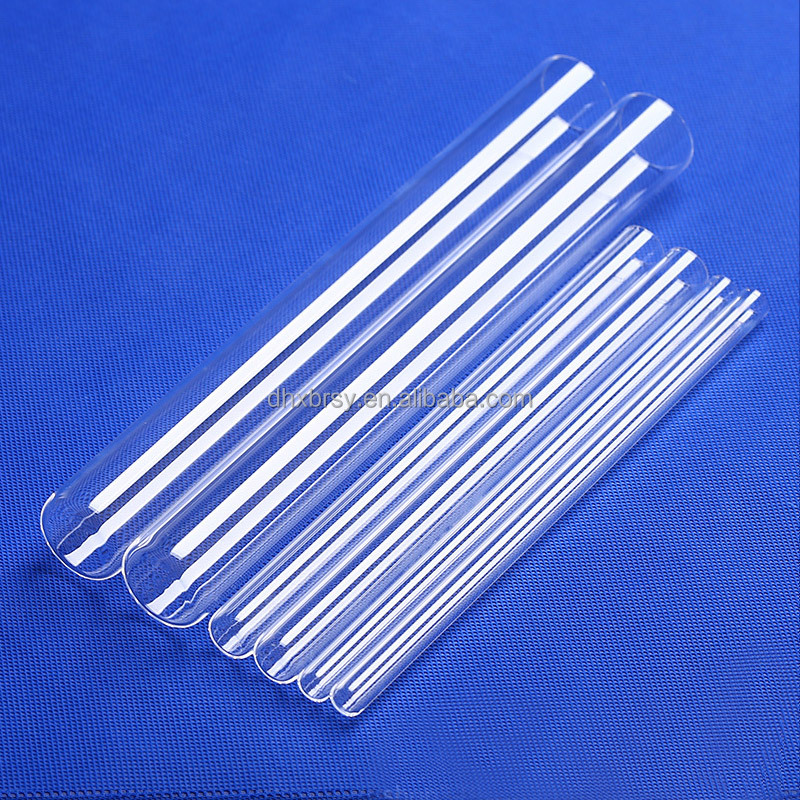
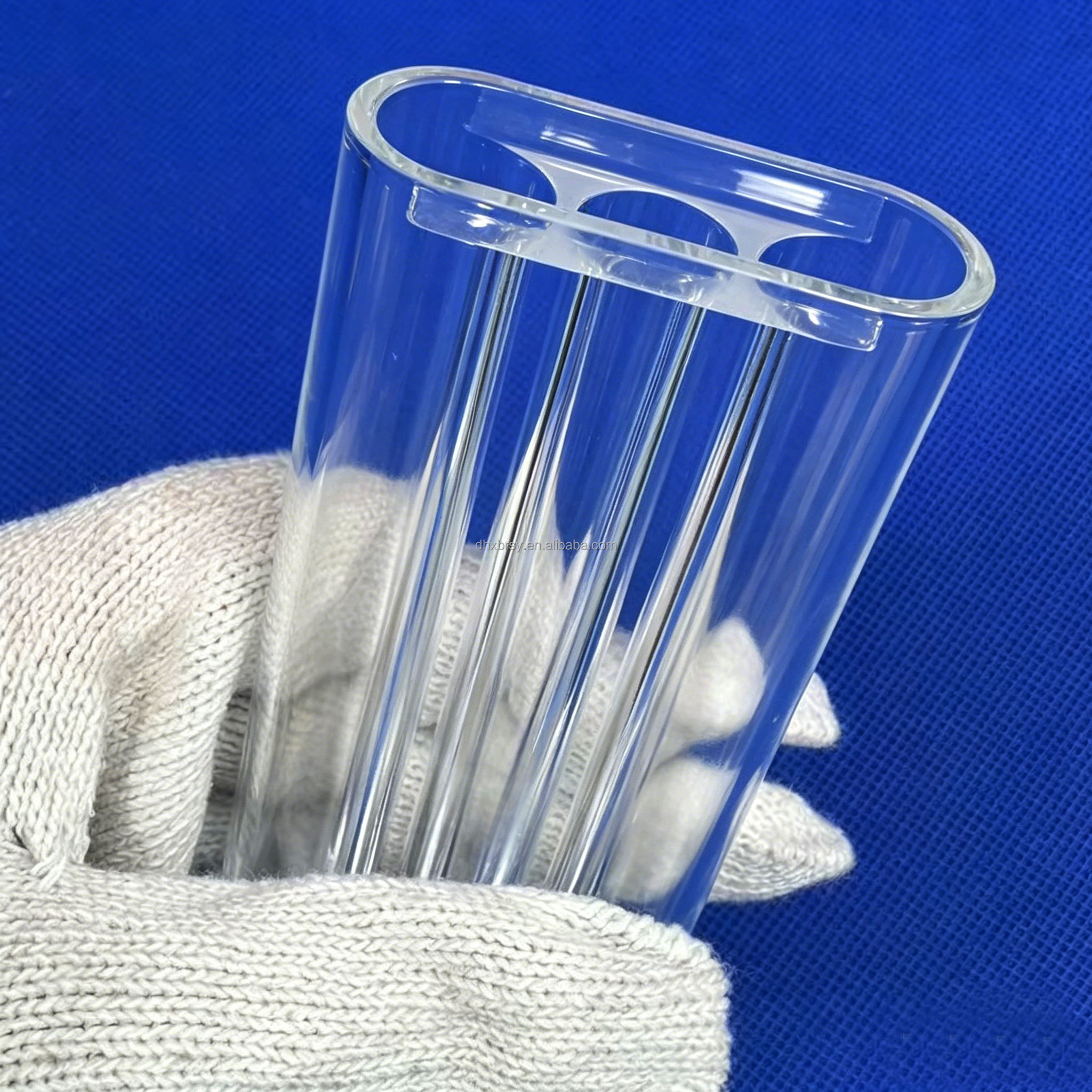
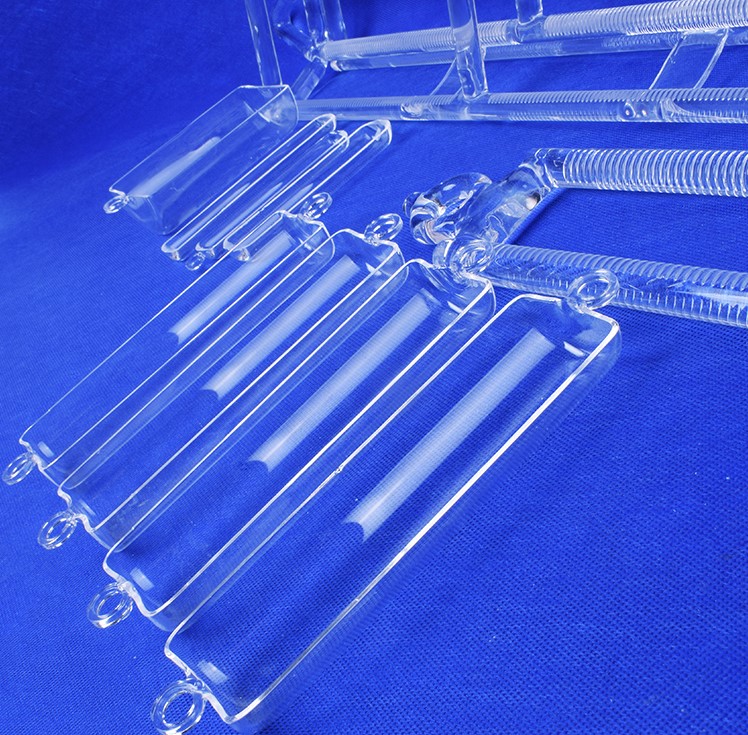
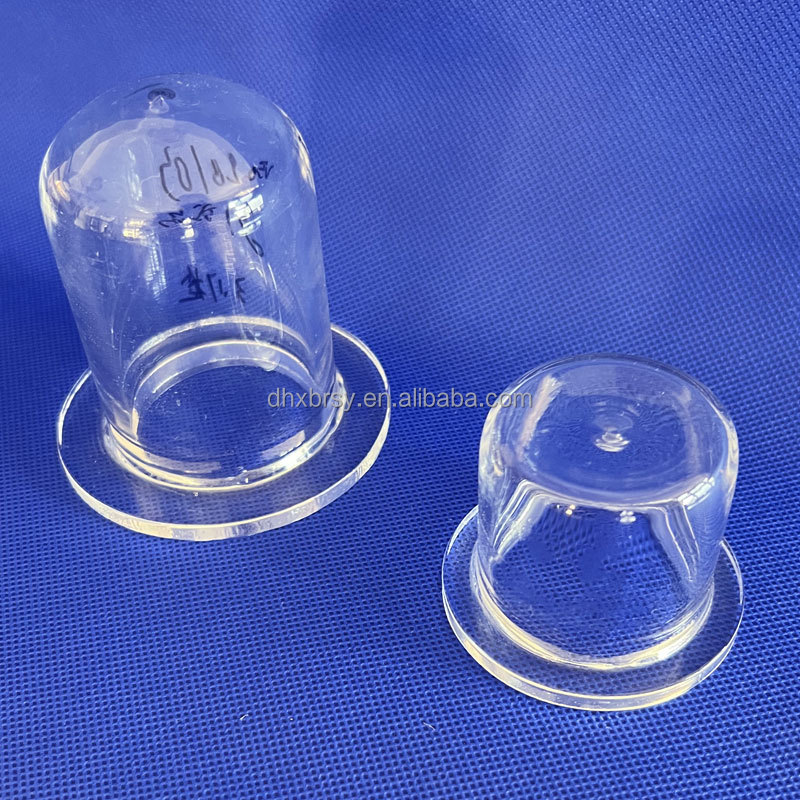
Why Fused Quartz Flasks Outperform Standard Borosilicate in Demanding Research
For scientific laboratories and chemical production pilot plants across Riga, Olaine, and Jelgava, standard borosilicate glass 3.3 often reaches its physical limitations when reactions exceed 500 °C or require total freedom from boron, sodium, and alkali metal ion leaching. Fused quartz flasks—manufactured from natural high-purity crystalline silica pulverized and electro-fused at temperatures exceeding 2,000 °C—provide an inert, zero-leach matrix designed for extreme operational parameters.
The defining physical characteristic of our transparent fused quartz is an exceptionally low coefficient of thermal expansion (5.5 × 10⁻⁷ /°C between 20 °C and 320 °C). This delivers virtually absolute thermal shock immunity: a fused quartz round-bottom flask can be heated to 1,100 °C in an open flame mantle and plunged directly into ice water without structural failure or micro-fracturing.
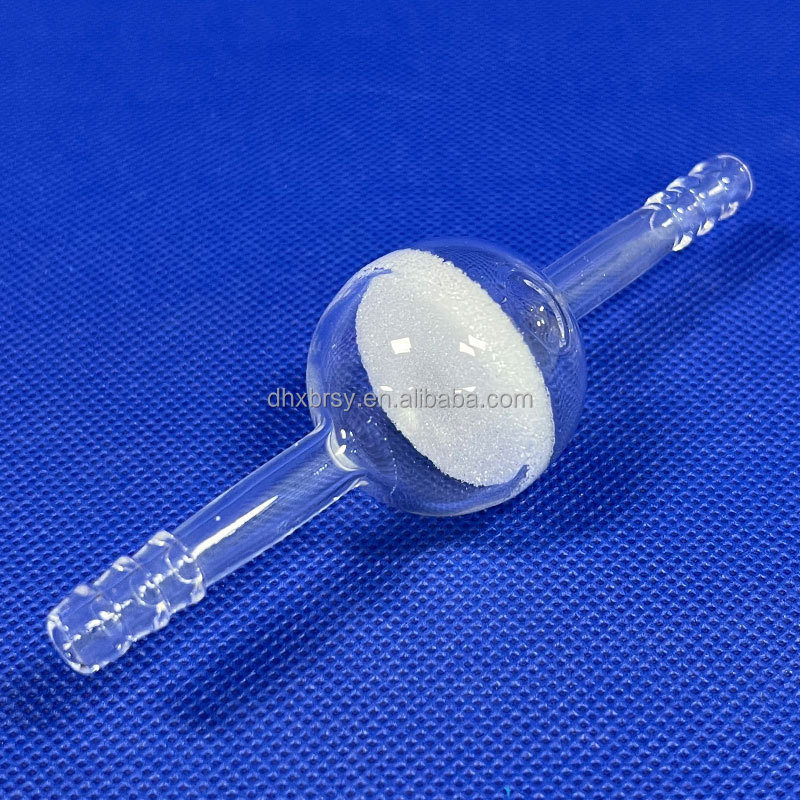
Furthermore, our precision glassblowing facilities integrate calibrated quartz ground joints (standard taper 14/23, 19/26, 24/29, 29/32, or custom spherical joints), sidearms, gas inlet tubes, and vacuum stopcocks annealed with polarized optical stress testing. This ensures that every boiling flask, Erlenmeyer flask, Kjeldahl digestion unit, and multi-neck Schlenk flask survives violent pressure and temperature fluctuations.
Material Physical Property Matrix
| Physical Metric | Fused Quartz (SiO₂) | Borosilicate 3.3 |
|---|---|---|
| Purity (SiO₂) | ≥ 99.99% | ~ 81% (contains B₂O₃, Na₂O) |
| Strain Point | 1,120 °C | 510 °C |
| Annealing Point | 1,215 °C | 560 °C |
| Softening Point | 1,730 °C | 820 °C |
| Thermal Expansion | 5.5 × 10⁻⁷ /°C | 33 × 10⁻⁷ /°C |
| UV Cut-off Edge | ~ 185 nm (JGS1) / 220 nm | ~ 310 nm |
| Dielectric Strength | 25–40 kV/mm | 10–15 kV/mm |
Serving Specialized Industries Across Latvia & the Baltic Region
From active pharmaceutical ingredient (API) synthesis along the Daugava corridor to laser photonics research in Vidzeme, our custom quartz flasks satisfy Latvia's distinct industrial and academic mandates.
Pharmaceutical & API Synthesis in Olaine & Riga
Latvia boasts a historic pharmaceutical ecosystem anchored by Olainfarm, Grindeks, and the Latvian Institute of Organic Synthesis (OSI). Complex organic reactions—including organometallic catalysis, Grignard reagents, and aggressive fluorinations—demand quartz round-bottom and Schlenk reaction flasks that offer total resistance to hydrochloric acid, nitric acid, and organic vapors without contaminating delicate drug precursors with trace sodium or boron.
Photonics, Laser Optics & Specialty Fibre Preforms
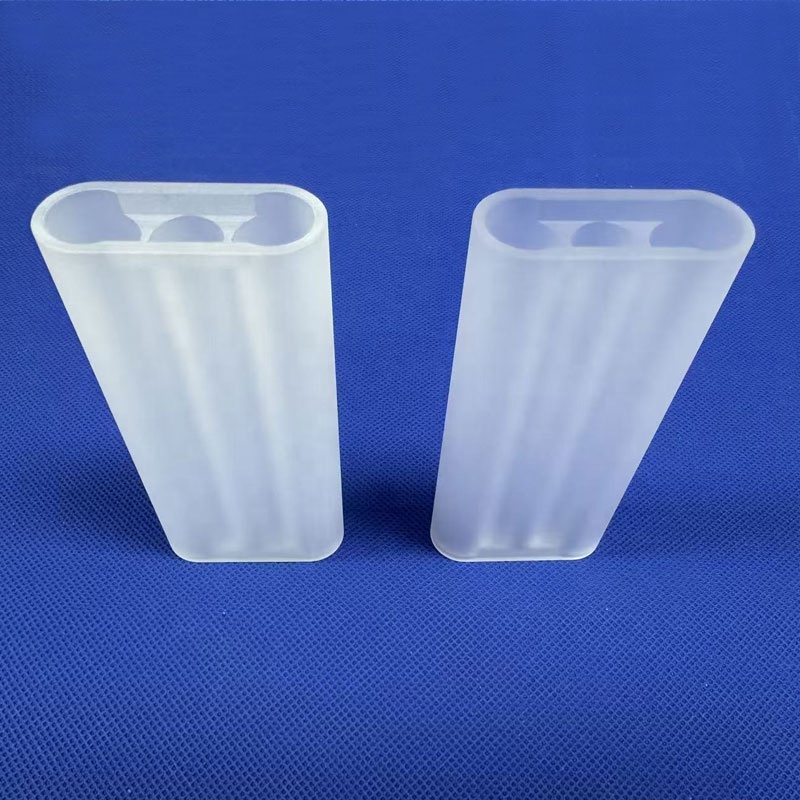
Centered around Riga and Daugavpils (home to international fibre drawing facilities like Light Guide Optics), the Baltic optical cluster utilizes our high-transmission quartz reaction vessels and multi-bore flow sleeves. Our JGS1-grade synthetic silica components provide >90% internal transmittance across the deep ultraviolet (UV) through near-infrared (NIR) spectra, vital for UV-curing photopolymers and high-energy laser beam delivery systems.
Environmental & Baltic Marine Trace Analysis
Regulatory environmental testing laboratories throughout Latvia monitor heavy metals (lead, cadmium, mercury, and arsenic) in Baltic coastal ecosystems and agricultural runoff. Traditional borosilicate digestion flasks leach trace minerals into hot acid matrices. Our fused quartz digestion flasks and Kjeldahl apparatus provide ultra-low blank values for inductively coupled plasma mass spectrometry (ICP-MS) and atomic absorption spectroscopy (AAS).
Advanced Materials & Nanotechnology Research
Institutes such as the University of Latvia’s Institute of Solid State Physics (ISSP UL) and Riga Technical University (RTU) execute advanced solid-state chemistry and thin-film chemical vapor deposition (CVD). We engineer custom multi-neck quartz flasks, vacuum sublimation apparatus, and reaction tubes capable of sustained operation at 1,150 °C under high vacuum (<10⁻⁵ mbar).
Biotechnology, Fermentation & Green Chemistry
With Latvia positioning itself as a northern European hub for green chemistry and bioeconomy initiatives, researchers rely on quartz culture flasks and photobioreactor vessels. High UV transmission allows germicidal or photochemical reactions directly through the vessel wall, accelerating catalytic processes without relying on internal immersion probes.
High-Temperature Chemical Quality Assurance
Industrial quality assurance departments across timber processing, petrochemical storage at Ventspils and Riga Free Port, and food processing plants utilize fused silica flat-bottom flasks and crucibles for rapid moisture determination, ash content calcination, and flash-point testing where instant cooling cycles save critical lab time.
Latvia’s High-Tech Trajectory & Precision Glassware Demand
A strategic review of legislative, economic, and technological factors elevating fused quartz procurement standards in the Baltic area.
Reshoring Critical Active Pharmaceutical Ingredients
Following European Union directives on pharmaceutical sovereignty, Latvian manufacturers are expanding local API production lines. This transition demands high-volume, repeatable glassware tolerances with traceable batch metallurgical reports ensuring zero heavy metals (Fe, Cu, Ni ≤ 1 ppm).
Expansion of Quantum & Optical Sensor Innovation
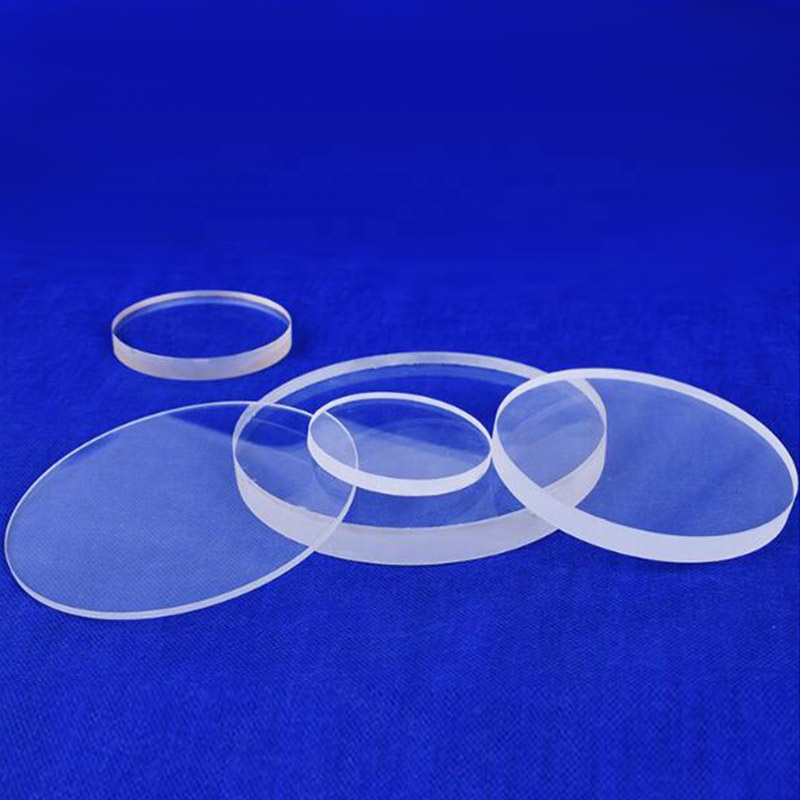
Latvia is emerging as a regional center for deep-tech photonic sensors and microfluidic devices. Fused quartz serves as the essential baseline material for vacuum cell synthesis, optical windows, and custom-blown beam guidance enclosures due to its near-zero birefringence and optical purity.
Stringent Circular Chemistry & High-Temperature Recycling
Baltic circular economy investments are driving research into catalytic thermal depolymerization and high-temperature waste conversion. These processes run continuously between 800 °C and 1,100 °C under harsh corrosive environments where fused quartz apparatus is the only viable glass substrate.
Why Baltic Procurement Specialists Partner with Lovri Quartz
Direct factory manufacturing in Lianyungang, China—the global epicenter of high-purity silica—backed by full ISO 9001 and SGS on-site audits.
In-House Raw Refining
We process raw silica chunks directly via crushing, acid leaching, and de-ironing, achieving 99.99% SiO₂ purity without dependency on third-party raw stock.
Polarization Stress Relief
Every blown neck, ground joint, and welded flange undergoes programmed thermal annealing at 1,215 °C followed by cross-polarization inspection to eliminate micro-stresses.
CAD / STEP Prototyping
Our master glassblowers and 5-axis CNC machining centers produce one-off bespoke prototypes (MOQ 1 piece) or volume contract shipments exactly to technical drawings.
Breakage-Free Transit
Custom-molded polyurethane foam suspension packaging and reinforced crates ensure zero-loss maritime transit to Riga Free Port or direct air cargo via RIX Airport.
Frequently Asked Questions for Latvian Importers
Practical guidance regarding technical properties, customs classification, joint compatibility, and transit logistics into Latvia.
How do fused quartz flasks differ from high-grade borosilicate glassware?
Can you fabricate quartz ground glass joints compatible with European standard taper glassware?
What customs code (TARIC / HS Code) applies when importing quartz glassware into Latvia?
How do you guarantee that fragile quartz apparatus will not break during transport to Latvia?
What is the typical production and delivery timeline for custom-drawn quartz flasks?
Are your quartz products compliant with EU RoHS and REACH regulations?
Initiate Your Baltic Quartz Glassware Project
Whether you require standard fused quartz flasks, specialized Schlenk lines, custom laser flow tubes, or high-temperature wafer processing vessels, our engineering team is ready to analyze your drawings and provide an upfront manufacturing quote.