Precision Portfolio
Featured Quartz Glass Components for Industrial Procurement
Factory-direct, SGS-verified fused silica and transparent quartz glass tubes, windows, and custom-annealed reaction vessels for extreme-temperature applications.
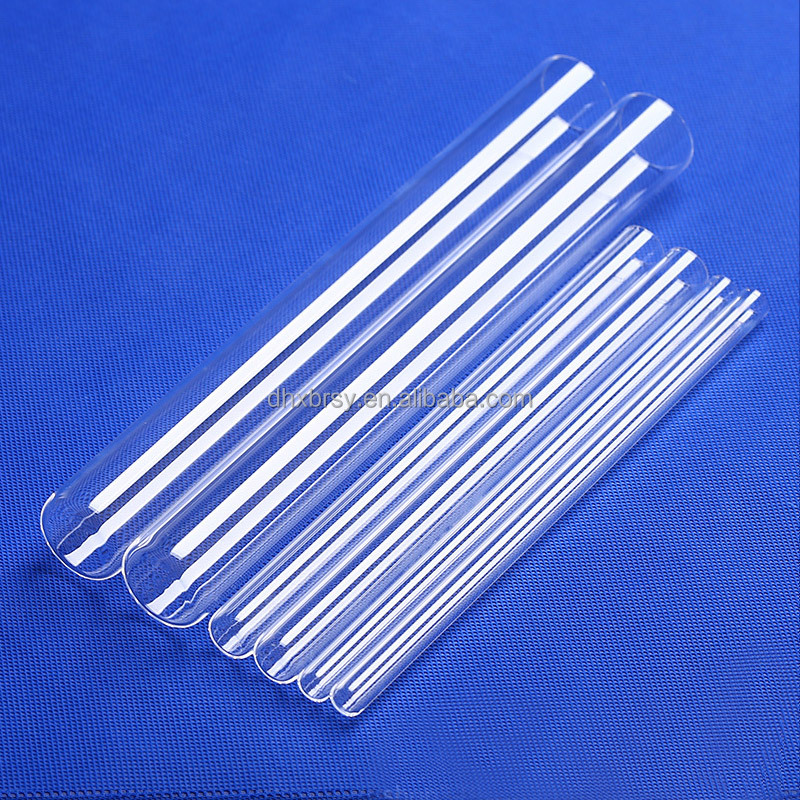
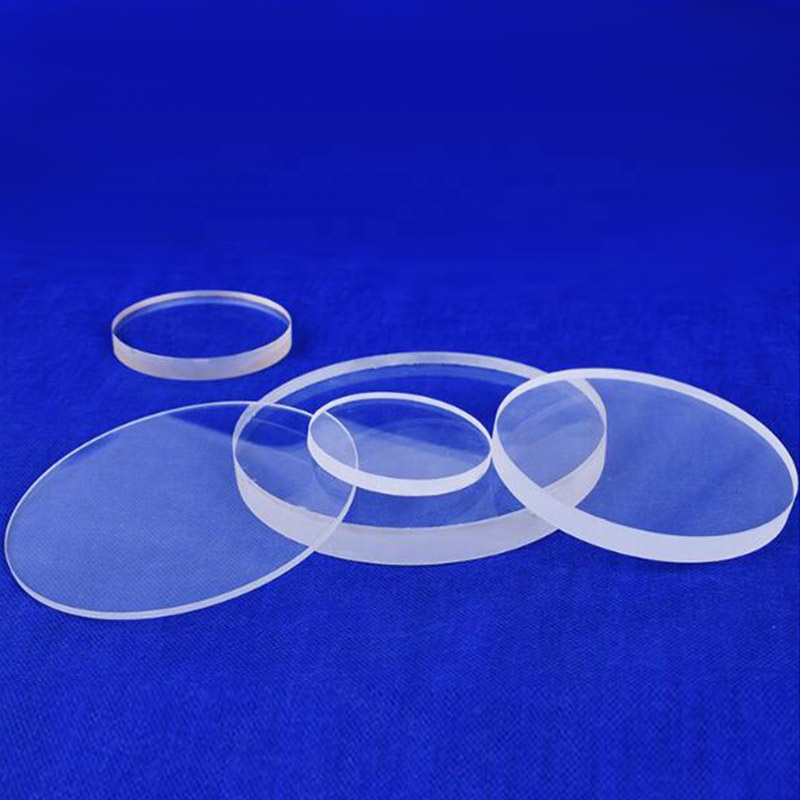
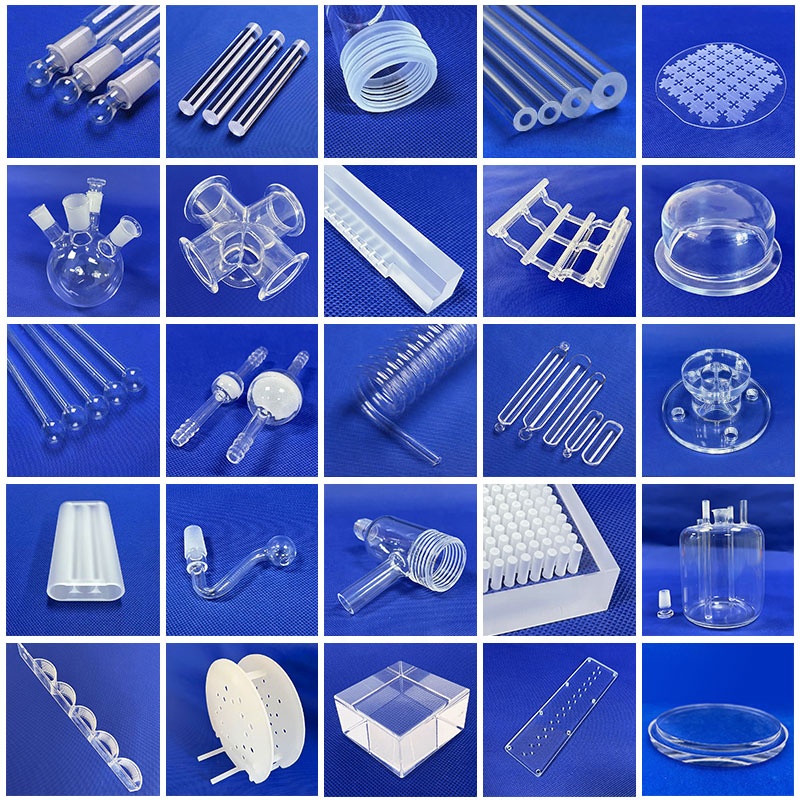
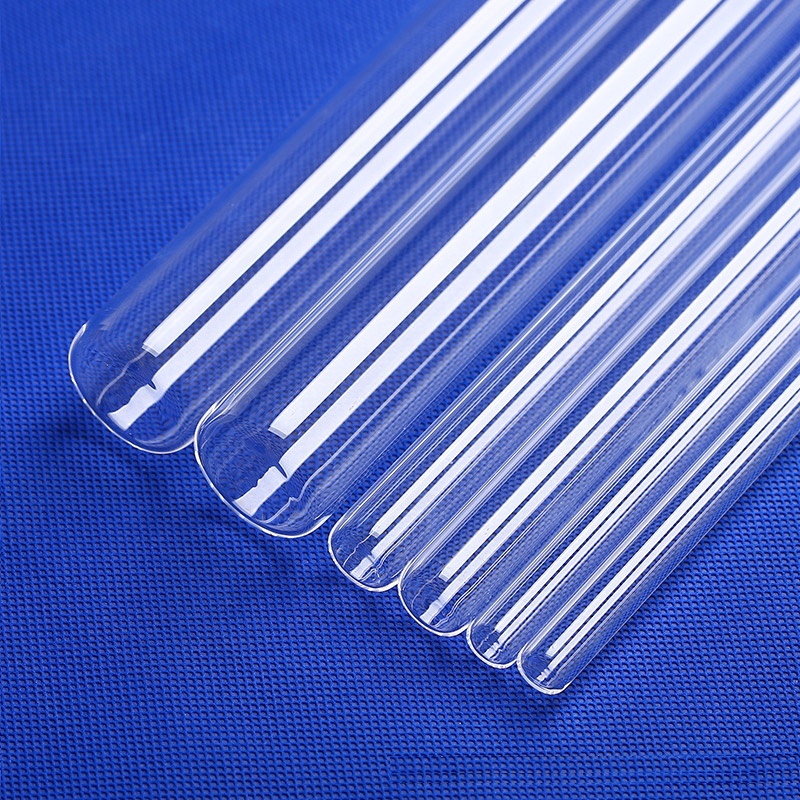
Need custom dimensions, laser-cut geometry, or specific thermal stress verification for Linz delivery?
Contact Us
Technical Whitepaper
Linz Market Industrial Ecosystem & High-Purity Fused Quartz Demands
An engineering assessment of fused quartz (amorphous silicon dioxide, SiO₂) procurement dynamics within the Upper Austrian manufacturing corridor.
The Linz metropolitan region, anchoring the industrial heartland of Upper Austria (Oberösterreich), occupies an indispensable position in Central Europe's advanced manufacturing matrix. Defined by a massive convergence of metallurgical excellence, large-scale specialty chemicals at the Chemiepark Linz, mechatronics clusters, and pioneering research institutes like the Johannes Kepler University (JKU) and the Linz Center of Mechatronics (LCM), the local engineering ecosystem operates under rigorous operational tolerances. Within this context, standard borosilicate or aluminosilicate glasses systematically fail under extreme thermal shock, deep-ultraviolet (DUV) optical dispersion, and hostile acid-corrosion environments. High-purity fused quartz components (containing ≥ 99.99% crystalline silica source material) serve as mission-critical hardware across the city's production and testing infrastructures.
Engineering Core Fact: Fused quartz possesses a near-zero coefficient of thermal expansion (α ≈ 5.5 × 10⁻⁷ /°C between 20°C and 300°C), which is approximately one-fifteenth that of standard soda-lime silicate and one-sixth that of thermal borosilicate. In thermal cycling environments prevalent in Linz's heavy metallurgy and chemical reactors, fused silica components can be heated above 1100°C and quenched directly into ice water without macroscopic structural failure.
Material Selection Science: JGS1 vs. JGS2 vs. JGS3 for Local Specifiers
Austrian procurement departments and laboratory managers regularly grapple with grade selection trade-offs. The distinction between natural fused quartz and synthetic fused silica directly determines mechanical longevity, optical throughput, and budget efficiency:
1. JGS1 (Synthetic Fused Silica): Synthesized from volatile silicon compounds (such as SiCl₄) in an oxy-hydrogen flame. Characterized by absolute chemical purity (≥ 99.9999% SiO₂), virtually zero heavy-metal inclusion, and an absence of optical bubble seeds. JGS1 exhibits outstanding transmission in the deep ultraviolet band (from 185 nm through 2500 nm), making it the non-negotiable benchmark for Linz-based excimer laser optics, semiconductor photolithography jigs, and ultraviolet spectroscopy flow-cells.
2. JGS2 (Optical Grade Fused Quartz): Smelted from refined natural quartz crystal sand. While maintaining high thermal resistance and excellent transmission in the near-UV and visible spectra (220 nm to 2500 nm), it exhibits minor hydroxyl (OH⁻) absorption bands around 2730 nm. JGS2 serves as the primary cost-effective material for sight glasses, thermal observation ports, laser protective windows, and furnace tubes across voestalpine-adjacent mechanical suppliers.
3. JGS3 (Infrared Grade Fused Silica): Electrically fused under controlled vacuum environments to depress the hydroxyl (OH⁻) content below 5 ppm. This eliminates the water-band absorption peak at 2.73 μm, enabling high optical transmittance through 3500 nm. It is the premier substrate for pyrometry tubes, thermal imaging windows, and infrared drying assemblies utilized in polymer curing facilities across Upper Austria.
| Physical & Thermal Property | Fused Quartz (JGS2 Natural) | Synthetic Fused Silica (JGS1) | Borosilicate 3.3 (Benchmark) |
|---|---|---|---|
| SiO₂ Purity Level | ≥ 99.99% | ≥ 99.9999% | ≈ 81% (with B₂O₃, Na₂O, Al₂O₃) |
| Thermal Expansion (20°C–300°C) | 5.5 × 10⁻⁷ /°C | 5.2 × 10⁻⁷ /°C | 33.0 × 10⁻⁷ /°C |
| Continuous Strain Point | 1070°C | 1120°C | 510°C |
| Short-Term Max Temperature | 1300°C – 1400°C | 1450°C | 550°C |
| Dielectric Strength (20°C, 1MHz) | 25–40 kV/mm | 40–50 kV/mm | 15–20 kV/mm |
| Optical Transmission Range | 220 nm – 2,500 nm | 185 nm – 2,500 nm | 310 nm – 2,200 nm |
Localised Integration
Key Application Scenarios in Linz’s Core Industries
Hydrogen Metallurgy & Steel
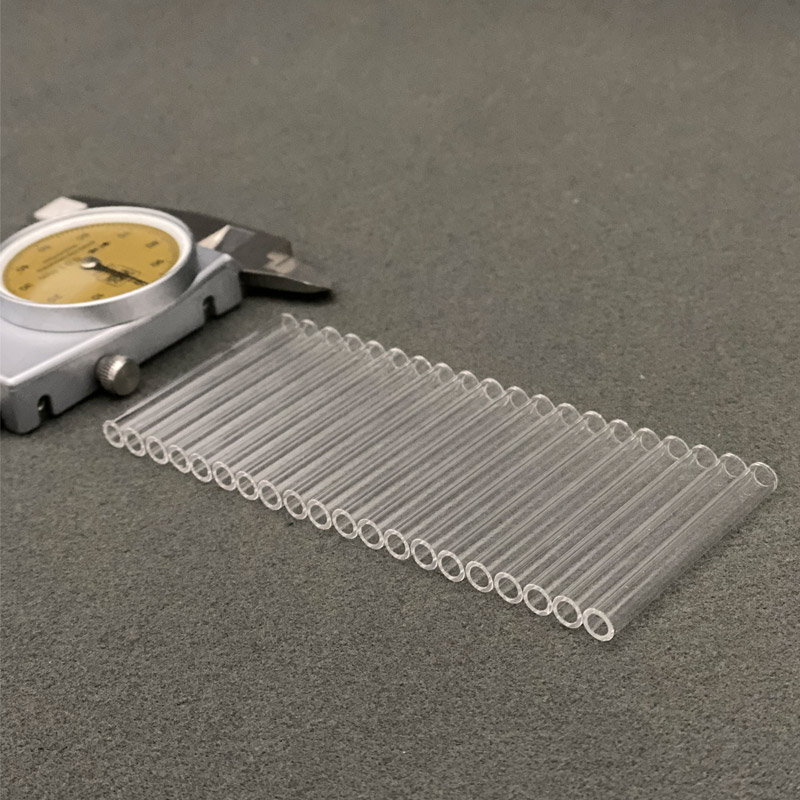
Linz is leading Europe's green steel transformation via electric arc and hydrogen direct reduction processes. Our heavy-walled quartz observation tubes, one-end-closed pyrometry sleeves, and gas-sampling capillaries endure direct molten splash and volatile furnace gas analysis up to 1350°C without dimensional deformation or chemical leaching.
Chemiepark Linz Specialty Synthesis
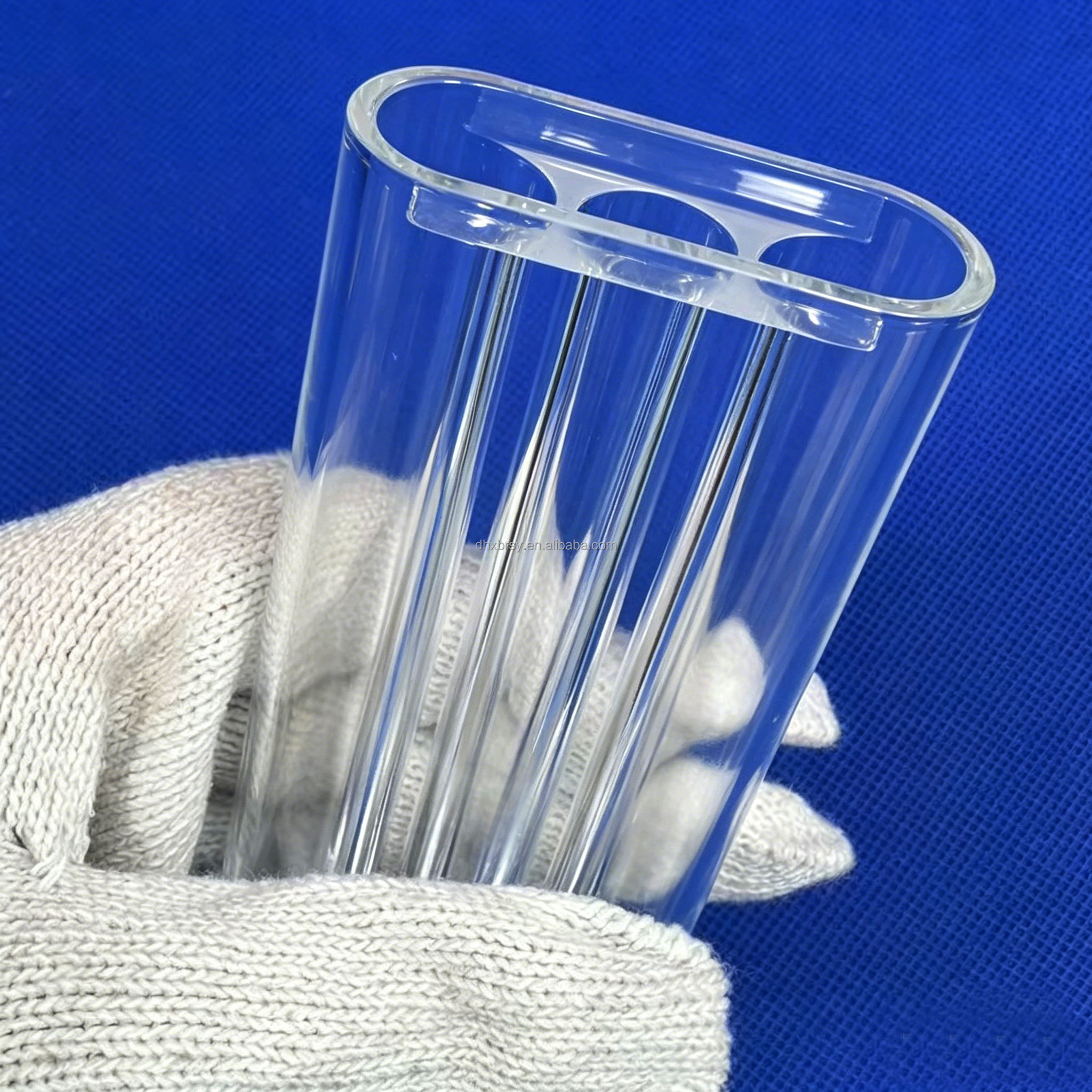
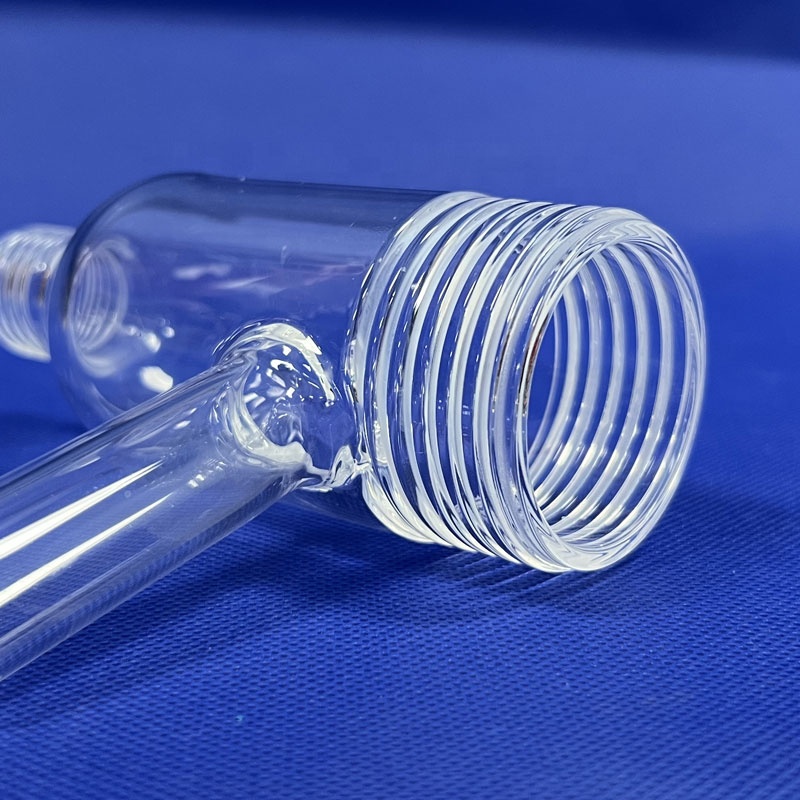
Specialty chemical processors along the Danube depend on threaded fused silica reaction vessels, triple-bore flow cells, and ozone generator dielectric tubes. With near-total chemical inertness to hydrochloric, nitric, and sulfuric acids at elevated temperatures, our quartz eliminates ionic contamination in fine organic catalysts and agrochemical synthesis.
Mechatronics, Photonics & JKU Labs
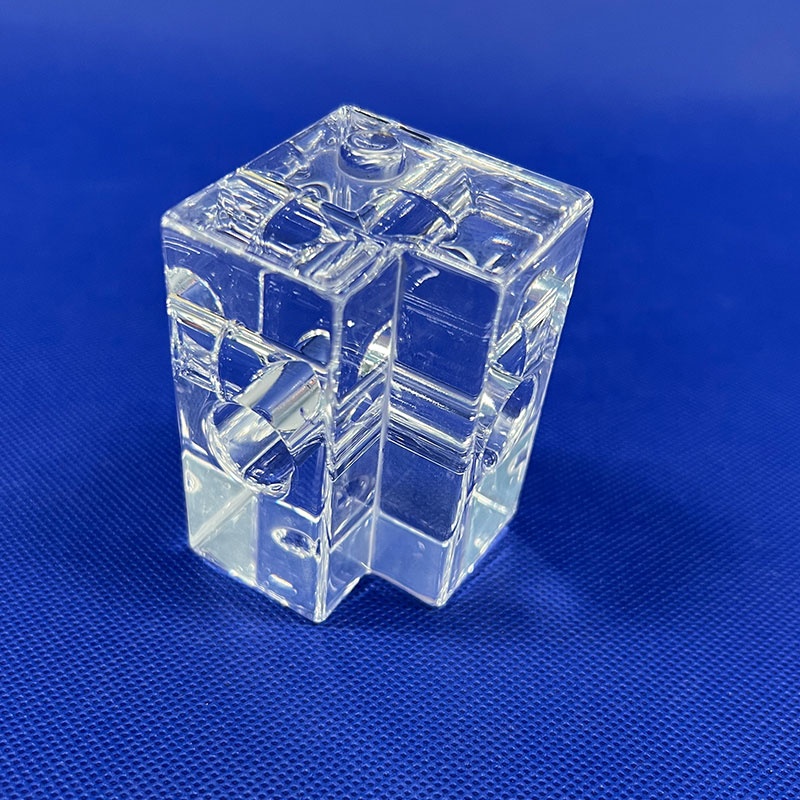
The mechatronics and academic research centers surrounding JKU Linz require high-precision CNC-milled quartz plates, micro-drilled quartz blocks (±0.005 mm tolerance), and laser delivery flow tubes. We provide rapid-turnaround fabrication based on STEP and DWG files, supporting localized prototyping to volume production.
Strategic Forecast
Market Trends & Procurement Drivers for Linz (2025–2030)
Industrial supply chain managers across Linz, Wels, and Steyr face structural evolutions requiring greater agility and verification from international quartz exporters:
1. Decarbonization and Hydrogen-Combustion Testing
As Upper Austrian steel mills, glass foundries, and thermal engineering plants pivot from fossil gas to pure hydrogen (H₂) firing, process combustion chambers encounter significantly higher flame velocities, modified heat release profiles, and wet vapor concentrations. Standard ceramics crack under the fluctuating localized thermal gradients. High-purity fused quartz observation ports, sight windows, and pyrometer wells have emerged as the premier choice due to their unique balance of high infrared transparency and thermal shock immunity under hydrogen combustion regimes.
2. Stringent Impurity Traceability (RoHS & REACH Compliance)
European environmental statutes require full transparency regarding restricted hazardous substances. Lovri Quartz sources mineral raw material directly from Lianyungang’s world-renowned silica cluster, conducting rigorous multi-stage acid pickling to eliminate iron (Fe < 0.5 ppm), aluminum (Al < 15 ppm), and alkali metals (Na, K, Li < 1 ppm each). Every batch exported to the Linz port network is accompanied by comprehensive RoHS test certifications, full material traceability data sheets, and polariscope birefringence test reports.
3. Birefringence and Residual Stress Elimination
When quartz glass components are rapidly shaped by automated glassblowing lathes, intense internal residual stress fields develop within the amorphous silica matrix. In heavy chemical plants or pressure-resistant laser enclosures in Upper Austria, these unannealed stress points cause catastrophic brittle fracture when exposed to operational vibration or thermal cycles. Our manufacturing protocol integrates high-temperature electric annealing at 1215°C followed by a strictly controlled slow cooldown curve, verified 100% under crossed-polarizer stress analysis systems.
Factory Advantage
Why Austrian Engineers and Buyers Partner with Lovri Quartz
Integrated Source-to-Part Manufacturing
Unlike trading intermediaries, we operate an end-to-end 14,271 m² production plant in Lianyungang, China. From raw crystal pulverization and chemical pickling to automated tube drawing, robotic glass lathe welding, and 4-axis diamond CNC machining, every manufacturing parameter is directly audited under our internal quality system.
SGS Onsite Assessment & Quality Rigor
Our manufacturing facility, machinery fleet, cleanrooms, and testing facilities are independently inspected and verified onsite by the SGS Group. We provide batch-specific dimensional inspection reports, spectrophotometer optical curve verification, and RoHS material compliance certificates with every shipment to Austria.
Flexible Prototyping (MOQ from 1 Piece)
We understand that research institutes in Upper Austria frequently require single-piece custom reaction vessels, specialized wafer holders, or experimental flanges to validate engineering concepts before scaling. We support CAD drawing conversion (DWG, STEP, PDF) with zero minimum order friction.
Engineered Export Packaging for Zero Transit Breakage
Fragile fused quartz requires uncompromising transit protection. Lovri utilizes custom-molded high-density polyethylene foam sleeves, vacuum-sealed electrostatic wrapping, and multi-ply reinforced marine-grade plywood crates compliant with ISPM-15 phytosanitary rules for rapid air and rail logistics into Linz.
Procurement Guidance
Frequently Asked Questions by Linz Procurement Teams
Clear, technical answers regarding cross-border customs, dimensional tolerances, and material validation.
What are typical delivery lead times and logistics routes from your factory to Linz, Austria?
For urgent prototypes and small replacement batches (such as custom quartz sight glasses, capillary tubes, and cuvettes), we offer air-express delivery (DHL Express/FedEx) arriving at Linz Airport (LNZ) or Vienna International Airport (VIE) within 5 to 8 business days after dispatch. For bulk industrial shipments of furnace tubes and reactor vessels, we support cost-effective sea-rail intermodal freight into Linz container freight terminals (via Hamburg or Koper ports) with typical transit windows of 28 to 35 calendar days. Complete export clearance documents, EUR-1 declaration assistance, and DDP (Delivered Duty Paid) terms are supported.
How do you verify and document the absence of residual stress in custom quartz apparatus?
Every custom quartz component undergo computer-controlled electric furnace annealing at 1215°C to release internal thermomechanical stresses induced by welding, cutting, or drilling. Following thermal treatment, parts are inspected 100% using a polarization stress meter (crossed polariscope). We evaluate stress birefringence according to ASTM C148 / ISO standards, ensuring the optical path difference remains within acceptable limits (< 10 nm/cm optical path length for precision components) to eliminate risk of spontaneous cracking under operational thermal shock in your Linz facilities.
Can you produce components directly from our internal CAD models (STEP/DWG)?
Yes. Our engineering department operates with 3D CAD/CAM platforms capable of importing STEP, IGES, DXF, and DWG drawing formats. We analyze geometrical feasibility, suggest optimal wall-thickness-to-diameter ratios for high-pressure or high-vacuum environments, and produce complex components including threaded joints, ground-glass vacuum tapers, multi-bore fluidic channels, and diamond-drilled micro-apertures with dimensional tolerances as tight as ±0.01 mm.
How does fused quartz perform against corrosive chemicals used at the Chemiepark Linz?
High-purity fused silica (SiO₂ ≥ 99.99%) is chemically inert to almost all inorganic and organic chemical compounds. It withstands concentrated boiling nitric acid (HNO₃), sulfuric acid (H₂SO₄), hydrochloric acid (HCl), and chlorine gas across prolonged operational durations. The only notable chemical substances that actively etch fused quartz are hydrofluoric acid (HF) and hot concentrated phosphoric acid (H₃PO₄ above 150°C), as well as strong basic alkaline solutions at elevated operational temperatures.
What documentation is provided to satisfy EU import and factory quality assurance audits?
Each commercial shipment is dispatched with a formal Certificate of Analysis (CoA) confirming SiO₂ purity levels, spectral transmittance data curves (UV-Vis-NIR), and critical dimensional compliance records. Furthermore, full RoHS compliance declarations (confirming absence of heavy metals like lead, mercury, cadmium, hexavalent chromium, PBBs, and PBDEs) and SGS onsite factory audit reports are provided to your procurement team for seamless integration into your ISO 9001 and ISO 14001 compliance registers.
Ready to Engineer or Procure Quartz Components for Linz?
Submit your component drawings, temperature requirements, or procurement volume needs. Our Senior Quartz Engineers will review your specifications and reply with a formal manufacturability analysis and competitive factory-direct quote.
Contact Us