High-Performance Quartz Glass Solutions for Nordic Industry
Engineered to withstand rigorous thermal shock up to 1400°C, deep ultraviolet wavelengths (185 nm), and hostile chemical reagent conditions across Helsinki-Uusimaa laboratories and manufacturing plants.
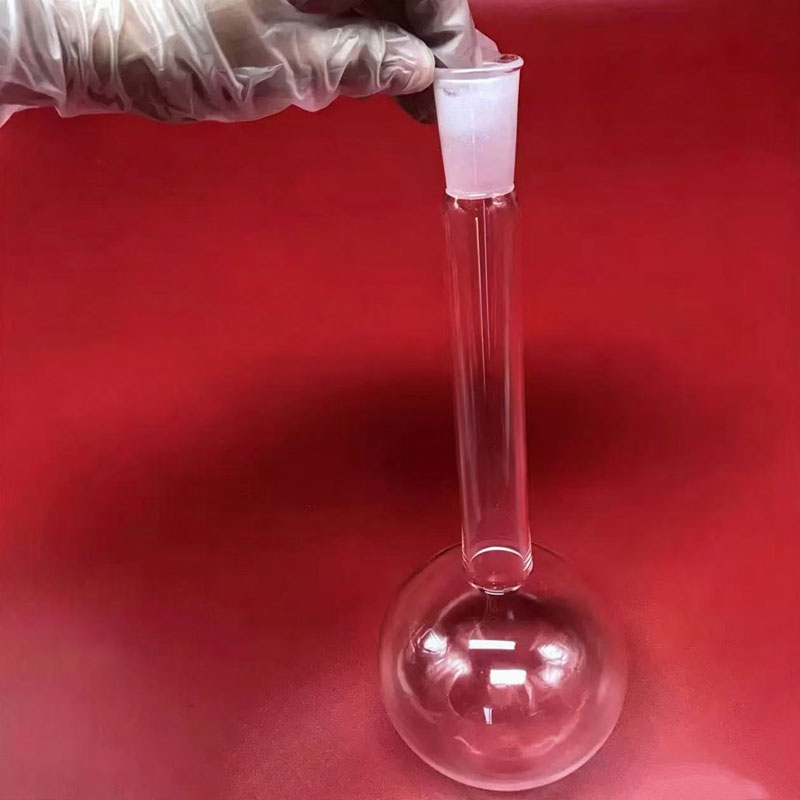
99.99% High-purity SiO2 High-temperature Resistant 1200-degree Corrosion-resistant ROHS Certified Quartz Glass Long-neck Flask
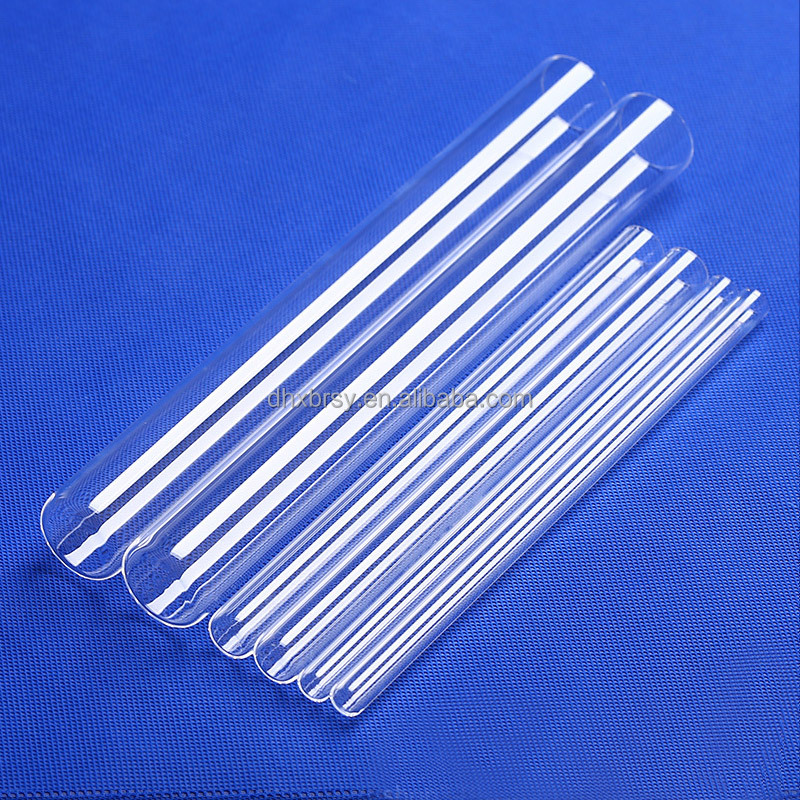
916 One End Closed High Pressure Resistant High Temperatures 1400 Degrees Translucent Polished Fused Quartz Laser Machinery
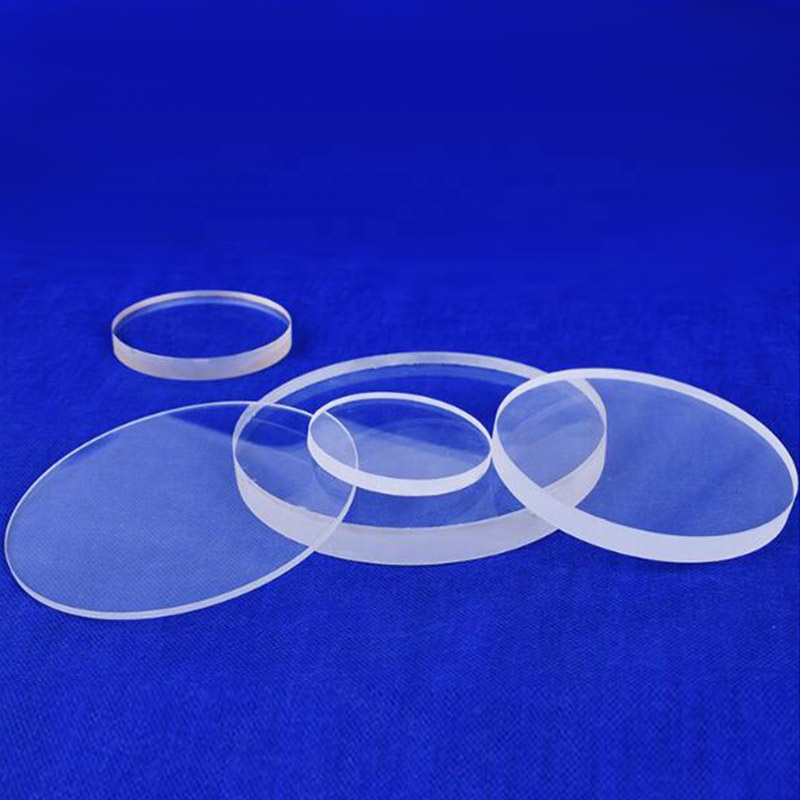
High-purity Polishing Fused Quartz Plate/Sheet Disc 200 Mesh 99.99% Silica Content ROHS Certified BAO RAN Optical Grade Laser
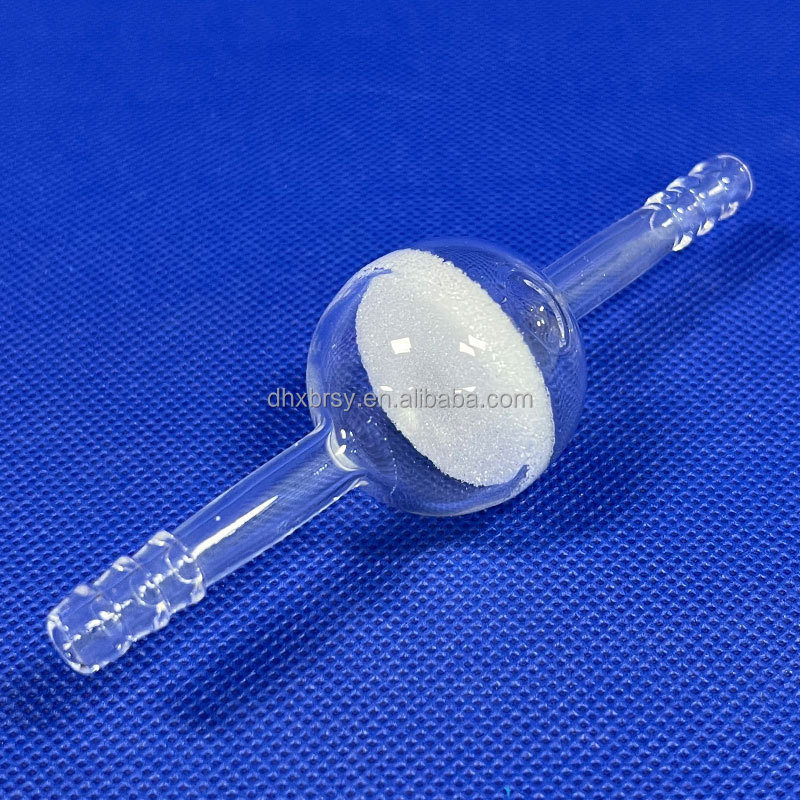
High Purity Transparent Fused Quartz Sheet High Light Transmittance Heat Resistance Customizable Digestion Tube ROHS Certified
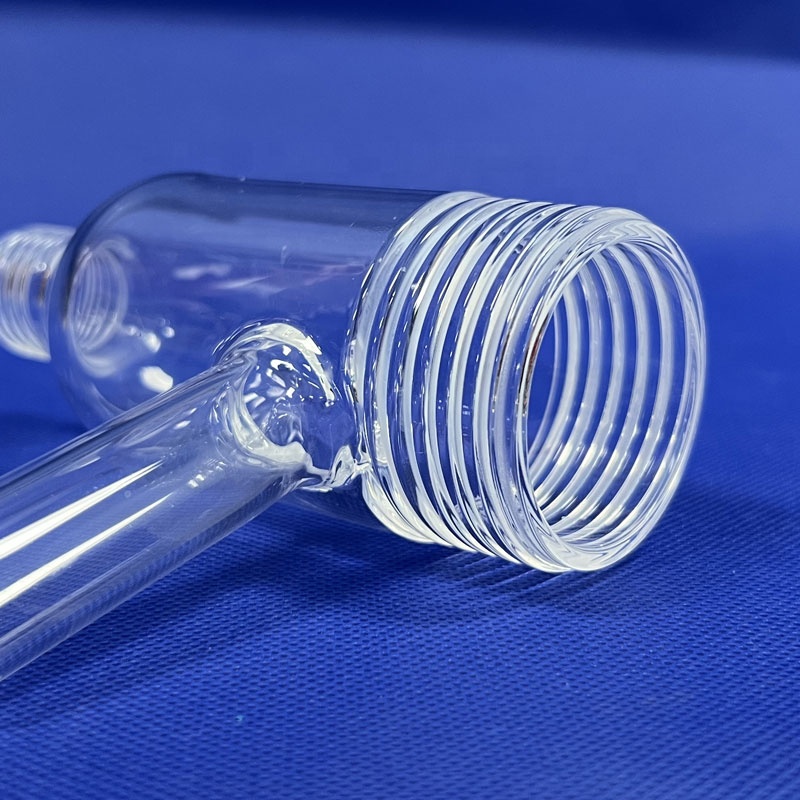
BAO RAN 515 Transparent High Purity 99.99% Fused Quartz SiO2 Glass Threaded Reaction Tube Side Arm Custom Lab Reaction Vessel
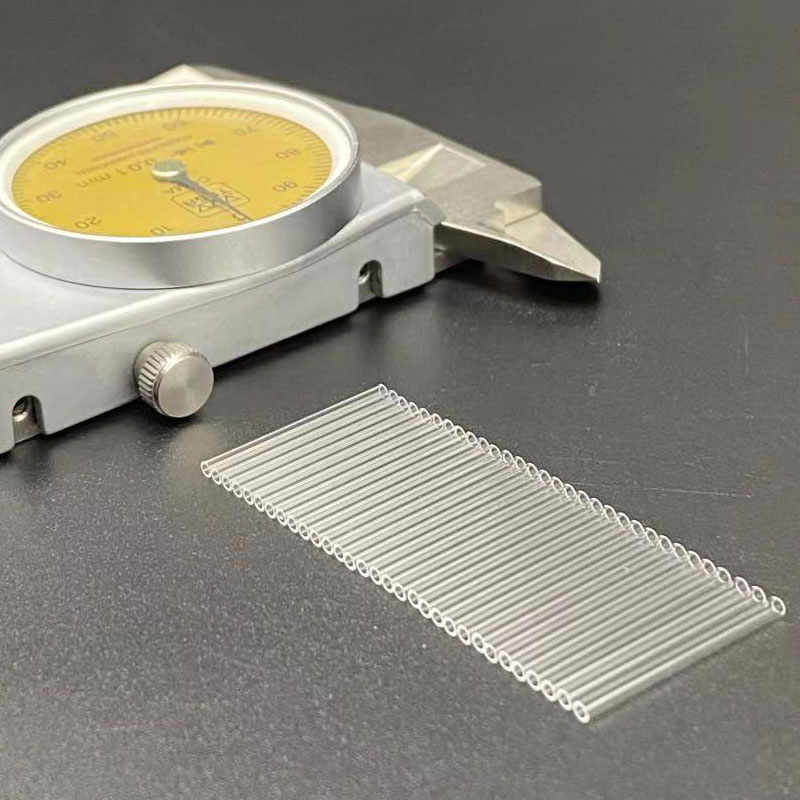
BAO RAN 419 Best Selling 0.1mm 0.2mm 0.3mm 0.4mm 0.5mm Quartz Sheet 99.99% Silica Content SiO2 ROHS Certified 200 Mesh for Laser
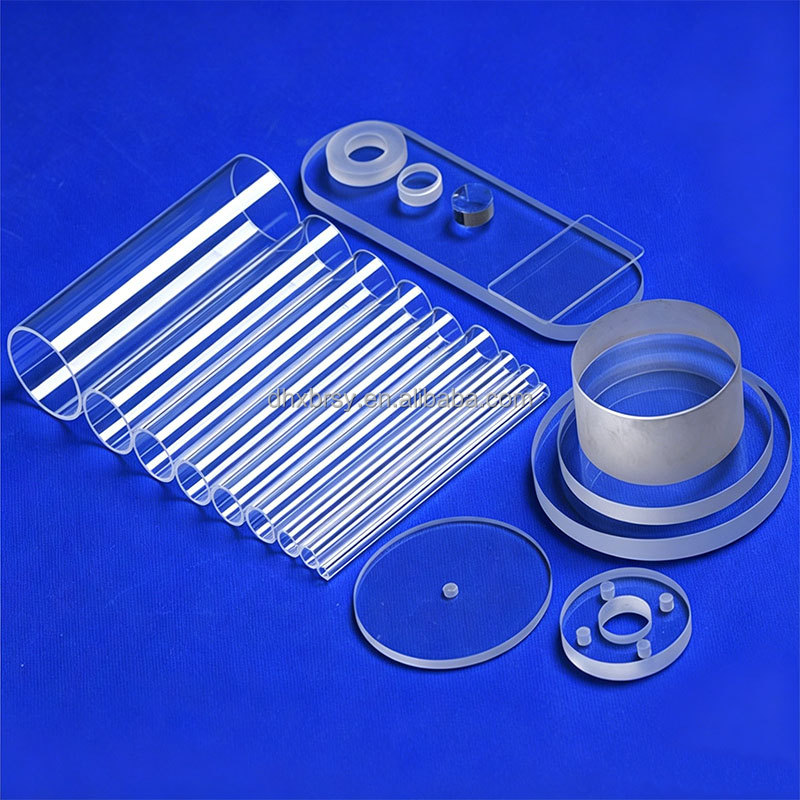
BAO RAN JGS1 High-purity 99.99% SiO2 Temperature Optical Semiconductor Quartz Jig CNC Machined Fused Silica Window UV
BAO RAN 419 Corrosion Resistant High Light Transmittance Double Sided Polishing White Rim Fused Quartz Sheet 99.99% SiO2 Content
Precision Fused Silica in the Greater Helsinki High-Tech Cluster
From the Otaniemi innovation campus in Espoo to the VTT Technical Research Centre of Finland, discover how our custom quartz fabrication directly accelerates Finnish scientific and industrial infrastructure.
The Greater Helsinki region—anchored by the specialized research institutions of Aalto University, Micronova cleanrooms, and pioneering quantum hardware companies—represents one of Europe’s most demanding environments for raw materials engineering. High-purity quartz glass (synthetically fused silica and natural electric/flame-fused quartz) serves not merely as a passive housing material, but as an essential optical, thermal, and dielectric foundation for the entire Nordic deep-tech corridor.
Quantum Cryogenics & Bluefors Chambers
Helsinki is the global epicenter for cryogenic dilution refrigeration systems. Our optical-grade JGS1 and low-bubble fused quartz windows provide thermal isolation barriers for optical readout lines down to millikelvin regimes. The minimal dielectric loss tangent (tan δ < 0.0001 at microwave frequencies) prevents phase decoherence in superconducting quantum qubits.
Micronova Cleanrooms & MEMS Wafer Fabrication
Within Finland's national semiconductor hub in Espoo, our custom quartz wafer boats, vertical furnace tubes, and CVD liner cylinders ensure zero metallic contamination (Fe < 0.1 ppm, Cu < 0.05 ppm). Annealed under strict polarization stress-testing, our components resist warping across repeated thermal cycles from 400°C to 1150°C during oxidation and LPCVD steps.
Nordic Photonics & Fiber Laser Manufacturing
Finnish laser manufacturers rely on our triple-bore laser flow tubes, C-shape water jackets, and JGS1 laser cavity windows. Offering exceptional laser-induced damage thresholds (LIDT > 15 J/cm² at 1064 nm, 10 ns) and solarization resistance under continuous pulsed UV irradiation, our components ensure stable operation across industrial laser cutting and medical diagnostic instruments.
Emerging Trends Shaping Quartz Material Selection in Finland
Understanding the interplay between European carbon neutrality targets, national quantum dominance, and ultra-pure synthetic materials.
1. The Finnish Quantum Infrastructure Expansion
Finland’s ambitious roadmap to scale superconducting quantum computers up to 150+ qubits demands ultra-clean, thermally matched viewport substrates. Standard borosilicate glasses fail catastrophically at cryogenic transitions due to differential contraction and helium permeability. Fused quartz features an exceptionally low coefficient of thermal expansion (α = 5.5 × 10⁻⁷ /°C between 20°C and 320°C), making it the indispensable material for non-magnetic cryostat optical windows and feedthrough sleeves.
2. Clean Hydrogen & Green Metallurgy Pyrolysis
As the Nordic industrial base pioneers fossil-free steelmaking and green hydrogen generation, high-temperature quartz apparatus is increasingly adopted in pilot reactors across the Helsinki and Pirkanmaa regions. Synthetic fused silica process tubes withstand continuous operational thresholds of 1100°C and peak excursion spikes to 1300°C without mechanical sagging or crystal devitrification into cristobalite, while maintaining absolute chemical inertness in the presence of acidic reducing gases.
3. Photonic Integrated Circuits (PIC) and Silicon Photonics
Helsinki's active participation in the European Chips Act has fueled local development of integrated photonics for optical telecommunications. Our double-side polished ultra-thin fused silica sheets (0.1 mm to 0.5 mm) with parallelism <30 arc seconds serve as vital optical spacers, beam splitters, and submount carriers for laser diodes, ensuring minimal beam distortion and near-zero optical absorption from 200 nm deep ultraviolet up to 2500 nm near-infrared bands.
| Material Property | JGS1 (Synthetic Fused Silica) | JGS2 (Optical Fused Quartz) | JGS3 (Infrared Fused Quartz) | Test Standard / Notes |
|---|---|---|---|---|
| Primary Transmission Range | 185 nm – 2500 nm (Deep UV) | 220 nm – 2500 nm (Standard Optical) | 260 nm – 3500 nm (Extended IR) | Spectrophotometer transmission test |
| SiO₂ Purity Ratio | ≥ 99.999% | ≥ 99.99% | ≥ 99.99% | ICP-MS Chemical Analysis |
| Hydroxyl (OH⁻) Content | ≤ 1200 ppm (UV grade) / ≤ 5 ppm | 100 – 200 ppm | ≤ 5 ppm (Zero 2.73 μm absorption) | FTIR Infrared Spectroscopy |
| Annealing Point | 1215 °C | 1180 °C | 1180 °C | ASTM C-336 |
| Thermal Expansion (20-300°C) | 5.4 × 10⁻⁷ / °C | 5.5 × 10⁻⁷ / °C | 5.5 × 10⁻⁷ / °C | Dilatometry measurement |
| Finnish Market Primary Use | Quantum optics, UV photolithography | Sight glasses, UV sterilization | IR thermography viewports, heaters | Factory Certified |
Why Helsinki Engineers Source Directly from Our Plant
Combining the natural silica resources of Lianyungang with rigorous European quality assurance workflows.
14,271 m² Dedicated Facility
Located in Lianyungang, China's premier silica hub, our SGS onsite-assessed industrial complex eliminates commercial middlemen, providing full cost predictability directly to Finnish enterprises.
12-Step In-House Production
From lump crushing, acid leaching, and horizontal furnace tube drawing to vacuum sealing, fire polishing, and ultrasonic cleaning, we manage the entire chain under unified traceable batch logs.
Micro-Precision 5-Axis CNC
We execute diamond tool CNC milling, inner/outer threading (GL-threads), micro-drilling of multi-well plates, chamfering, and optical flat grinding to tolerances within ±0.005 mm based on customer STEP/DWG drawings.
RoHS & CE Quality Validation
100% of finished orders undergo stress birefringence inspection under cross-polarization optics. Products arrive in Helsinki accompanied by material certificates of analysis and full RoHS/REACH compliance files.
Frequently Asked Questions by Finnish Buyers & Technical Teams
Addressing engineering specifications, customs documentation, packaging safety, and logistics to Helsinki-Vantaa and Vuosaari Harbour.
We employ a multi-tier protective packaging system tailored for delicate quartz glass. Each component is sealed in dust-free PE bags, enveloped in custom-molded high-density polyethylene (EPE) foam, encased in heavy-gauge dual-wall corrugated inner cartons, and suspended within reinforced wooden crates with internal shock-absorbing dampening. Crates destined for Finland comply with ISPM-15 phytosanitary heat-treatment regulations, backed by carrier insurance covering door-to-door transit.
For prototype components (1 to 5 pieces) based on customer CAD/STEP files, tooling and CNC fabrication typically require 5 to 9 business days. Express air shipping via DHL Express or FedEx Priority to Helsinki-Vantaa Airport (HEL) takes approximately 3 to 5 business days, enabling delivery to your testing bench within two calendar weeks from drawing sign-off. Bulk furnace tube runs ship via ocean freight to the Port of Helsinki (Vuosaari) within 28 to 35 days.
We supply complete documentation compliant with Finnish Customs (Tulli) and EU import regulations, including clean Commercial Invoices with correct TARIC/HS codes (7002.31 for quartz tubes, 7002.20 for rods, 7006.00 for plates), detailed Packing Lists, Certificates of Origin (COO), and comprehensive Material Inspection Certificates verifying SiO₂ purity, internal stress rating, and EU RoHS/REACH compliance.
While high-quality borosilicate 3.3 glass has a linear coefficient of thermal expansion of 3.3 × 10⁻⁶ /°C and safely endures temperature differentials of approximately 100°C to 150°C, high-purity fused quartz exhibits an expansion coefficient of only 5.5 × 10⁻⁷ /°C—roughly 6 times lower. A red-hot fused quartz tube heated to 1100°C can be submerged immediately into 20°C cold water without cracking or mechanical failure, making it essential for rapid thermal processing (RTP).
Specify JGS1 whenever your system operates within deep ultraviolet wavelengths below 250 nm (e.g., 193 nm ArF laser optics, UV excimer lamps, or UV-C disinfection analysis) or requires exceptional bubble-free optical homogeneity. JGS1 is synthesized through chemical vapor deposition of high-purity silicon tetrachloride (SiCl₄), yielding zero bubble inclusions and high UV transparency. For standard viewports, sight glasses, or furnace tubes running in visible-to-infrared light, flame-fused JGS2 offers matching thermal performance at reduced procurement cost.
Yes. Our CNC diamond grinding and lathe machinery routinely forms standard GL-14, GL-18, GL-25, GL-32, and GL-45 threads directly into fused quartz tubes. We also fabricate NW/KF vacuum flanges, ConFlat (CF) compatible mating surfaces, ground conical joints (e.g., standard taper 14/23, 24/29, 29/32), and custom side-arm manifolds with helium leak detection verifying seal integrity down to 10⁻⁹ mbar·l/s.
Collaborate with Our Optical & Thermal Engineering Team
Have an active blueprint, customized dimension, or rigorous temperature requirement in the Helsinki region? Upload your STEP, DWG, or PDF drawings for a same-day technical review, raw material grade selection, and DDP export quotation.