Precision Fused Quartz Components & Assemblies
Direct factory manufacturing featuring in-house drawing, ultrasonic CNC drilling, flame-welding, and 100% polarization stress inspection for European industrial clients.
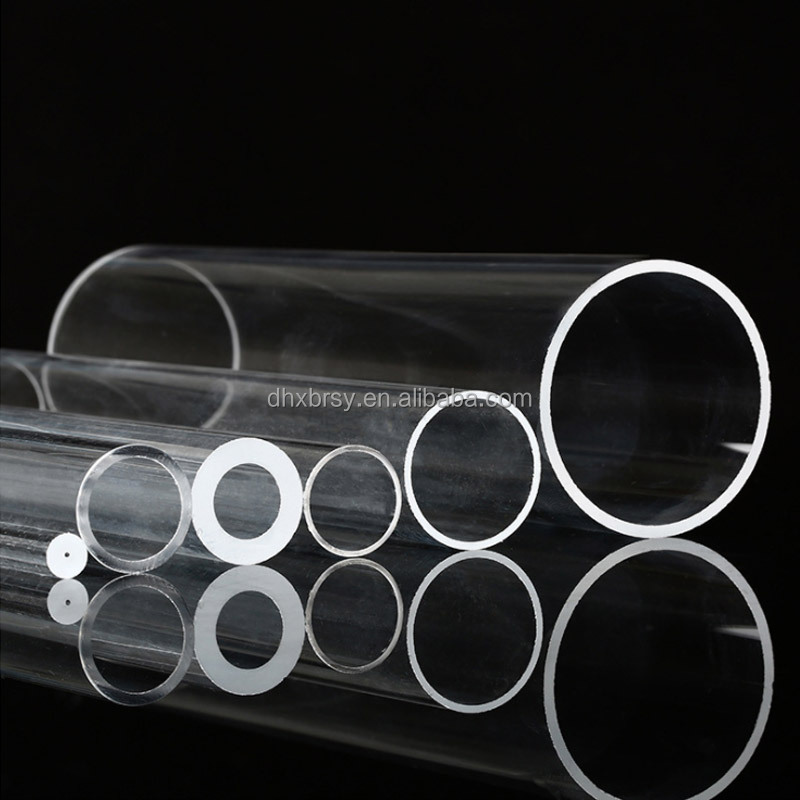
BAO RAN SiO2 Heating Quartz Tube for Disinfection Cabinets Small Industrial Drying & Cavity Use
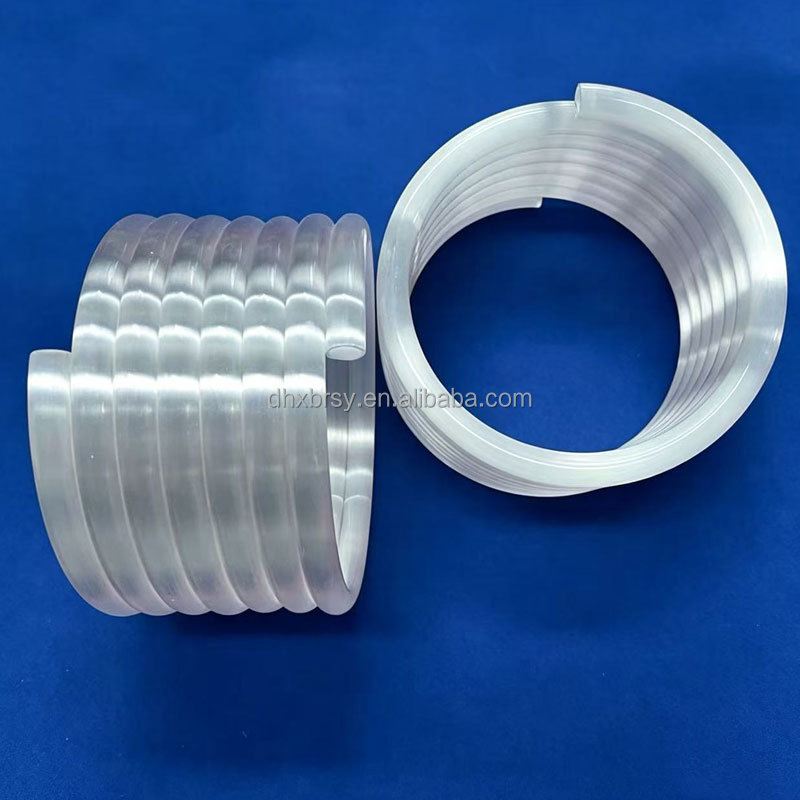
Custom Milky White Opaque Fused Silica Quartz Spiral Tube Helix Coil for Industrial Infrared Heating Furnace
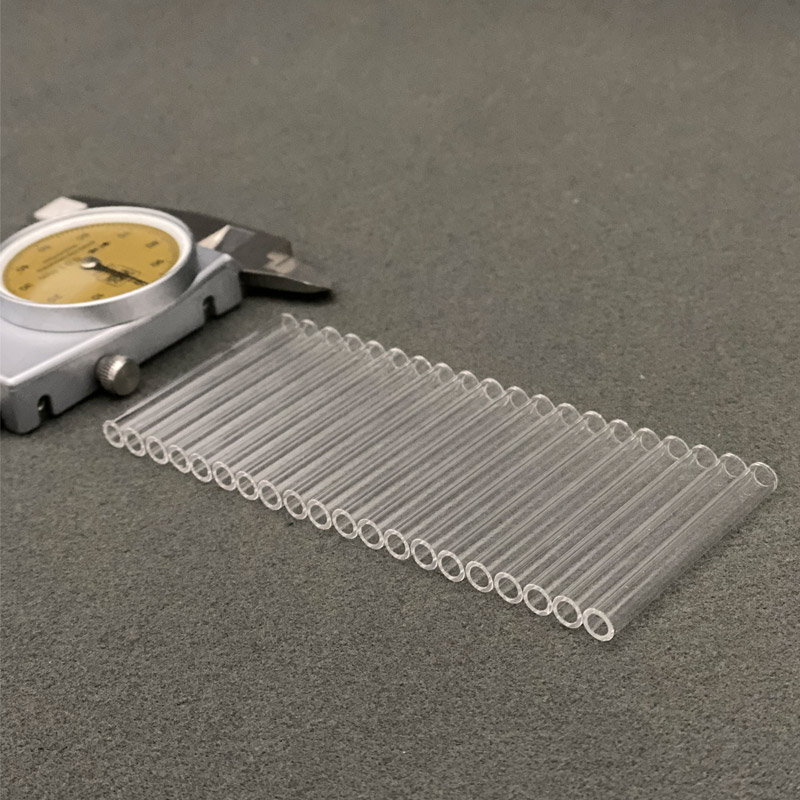
BAO RAN 419 Fused Quartz Capillary Tube (SiO2 99.99% 200 Mesh 75m Annealed 1200C ROHS Certified) Laser Machinery
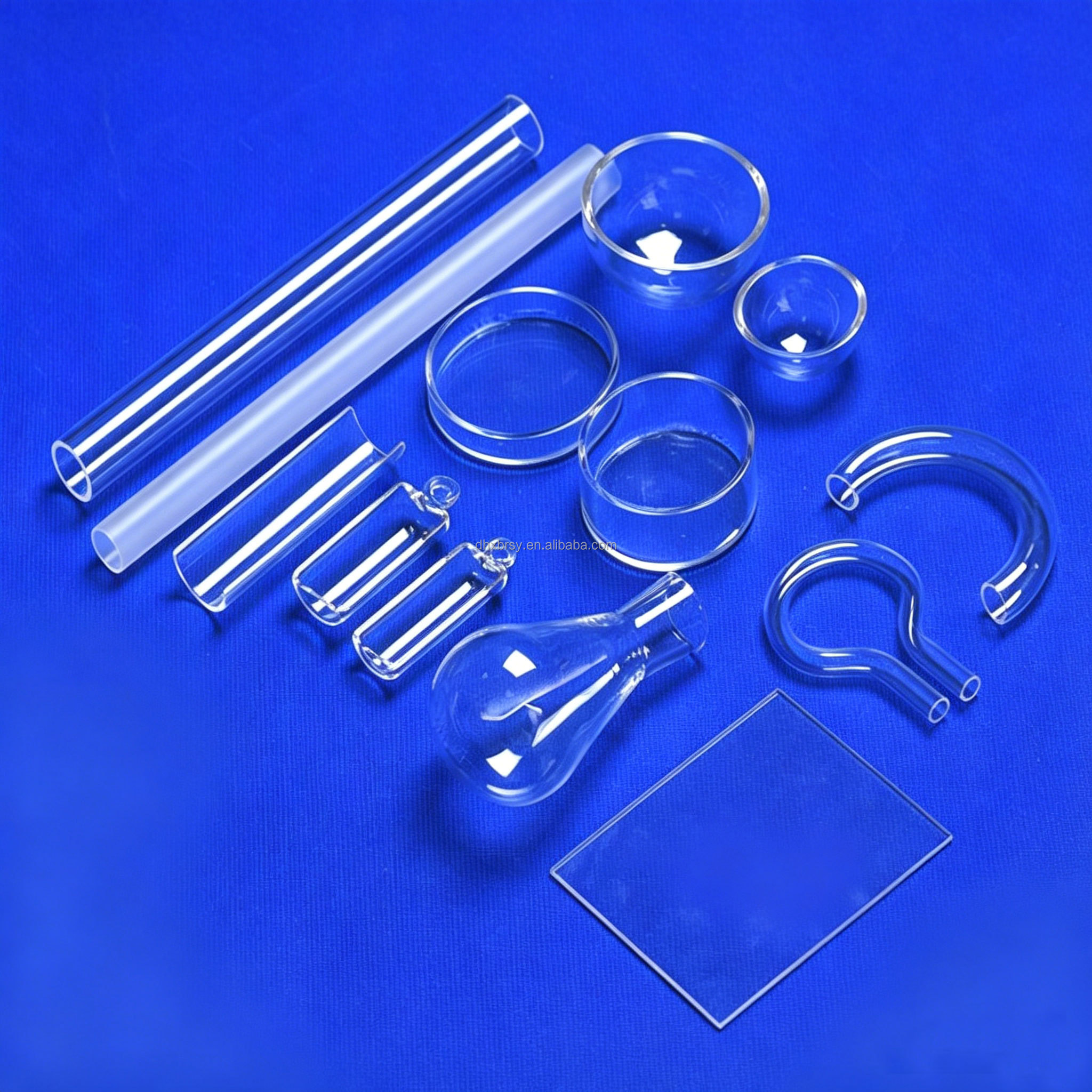
Custom Lab Quartz Glass Apparatus High Purity 99.99% Silica Content ROHS Certified Semiconductor OEM ODM
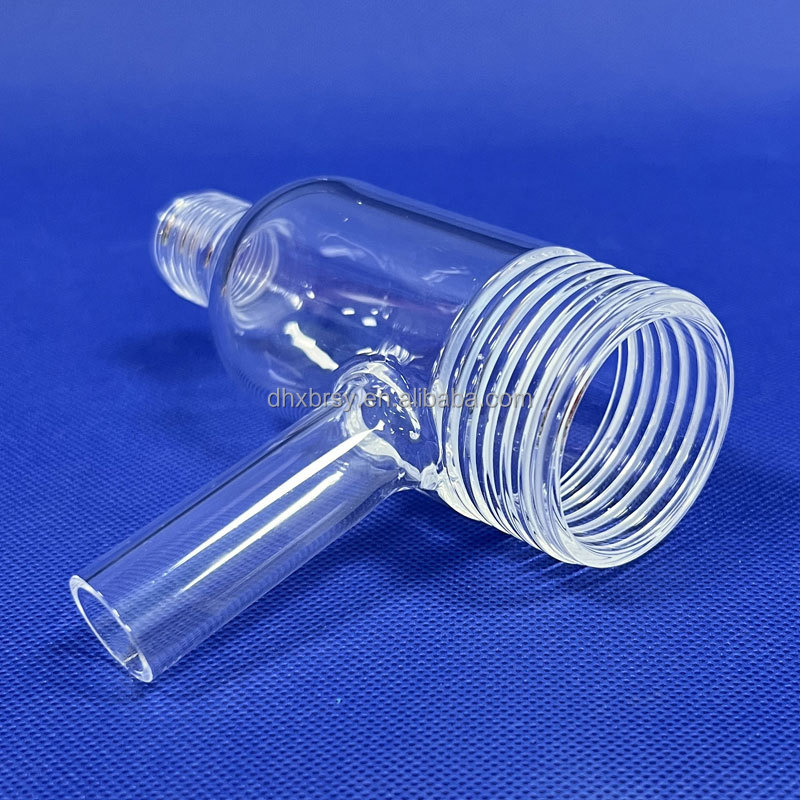
High Quality Polished Tube High-temperature Resistant Corrosion-resistant Quartz Glass Threaded SiO2 99.99%
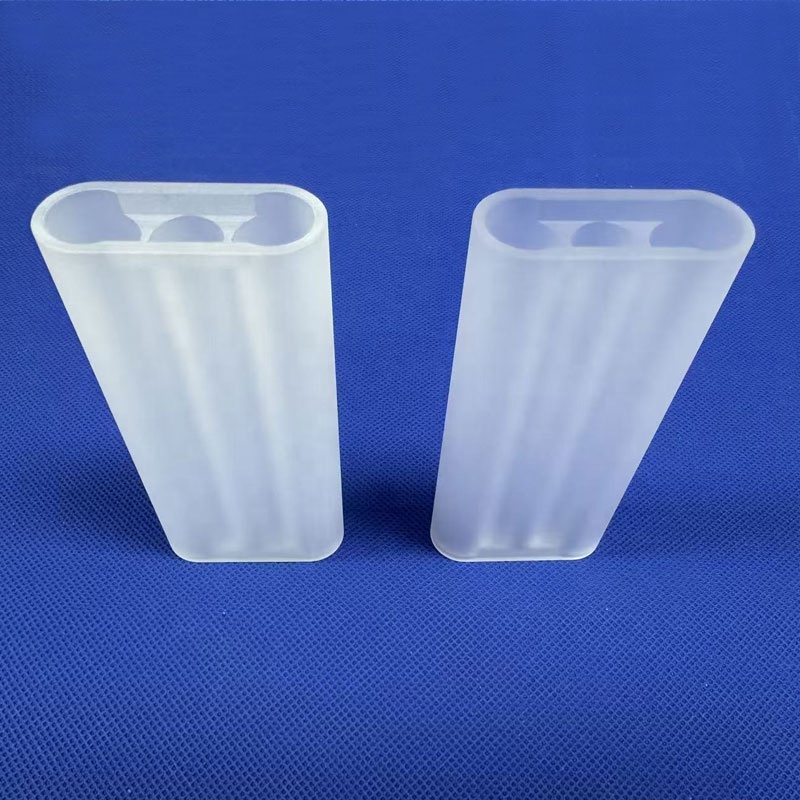
BRO RAN High Precision Triple Bore Quartz Glass 200 Mesh Laser Cavity Flow Tube for Laser Hair Removal
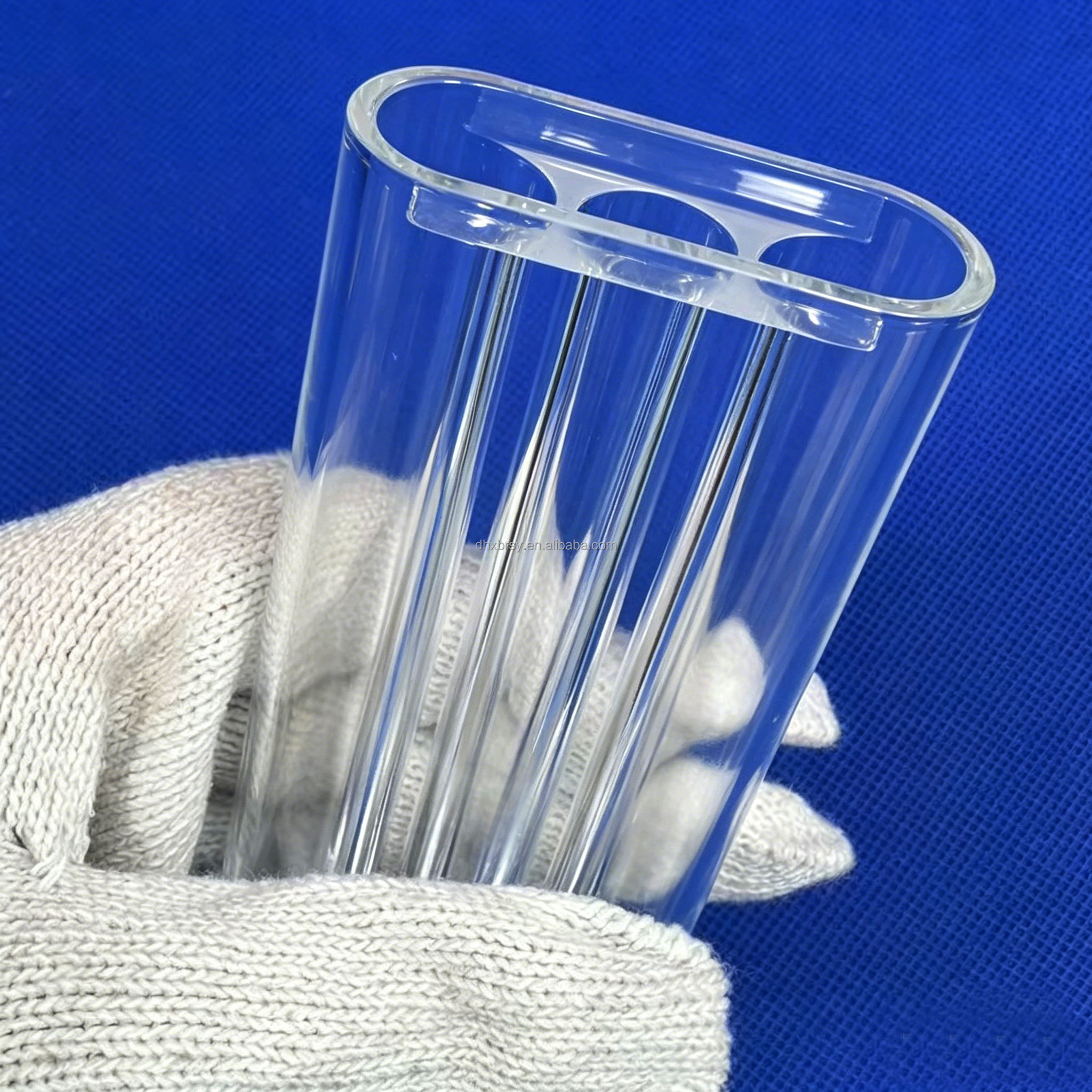
916Factory Customized Quartz Glass Tubes High Temperature Fused Silica Quartz Glass Tube for Lab Furnace
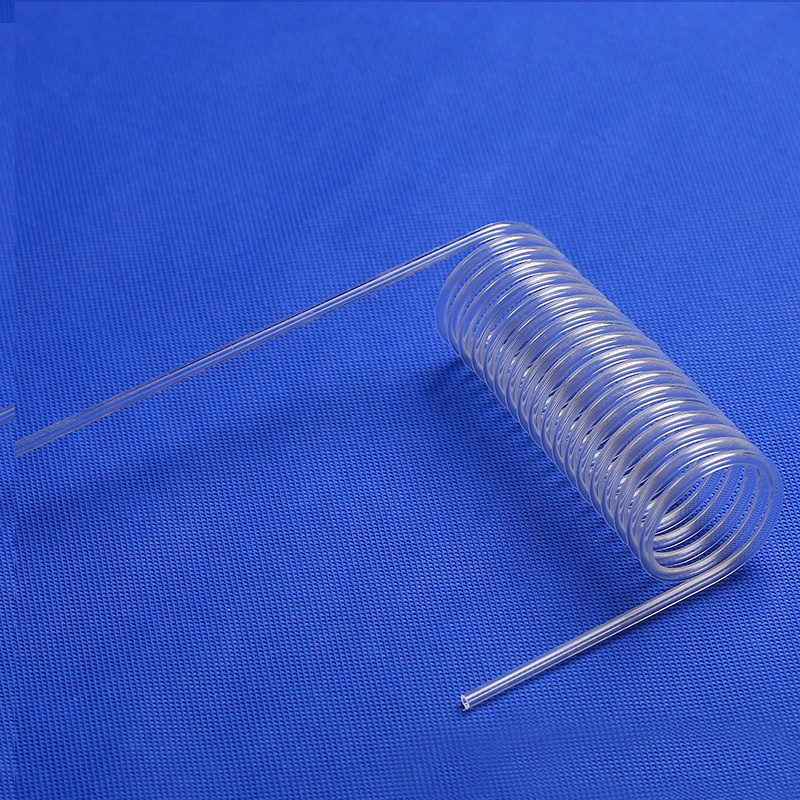
Yellow Clear High Purity Fused Quartz Spiral Tube for Laser Beauty Equipment Bending Welding Services ROHS
Engineering Whitepaper: Precision Quartz Glass Flanges for Plovdiv's Industrial Vanguard
As Bulgaria’s preeminent manufacturing powerhouse, Plovdiv and the broader Trakia Economic Zone (TEZ)—spanning key development corridors in Maritsa, Rakovski, and Kuklen—have evolved into a critical node for advanced automotive electronics, mechatronics, chemical synthesis, and industrial thermal processing. In these rigorous operational environments, mechanical linkages and vacuum observation viewports often represent the primary structural vulnerability. Traditional borosilicate glass and metallic sight glasses exhibit distinct operational boundaries when exposed simultaneously to ultra-high vacuum conditions, aggressive chemical reagents, and thermal gradients exceeding 1,000°C. Lovri Quartz Products Co., Ltd. bridges this engineering gap by manufacturing custom-machined, high-purity Fused Quartz Glass Flanges (KF, ISO, CF, and custom bespoke geometries) engineered specifically to serve the high-integrity processing facilities of South-Central Bulgaria.
A quartz glass flange is not merely a piece of shaped silica; it is an optimized mechanical-to-optical interface designed to retain its physical stability and hermetic sealing capability under extreme thermal shock and deep vacuum levels (down to $10^{-8}$ Torr). Fabricated from synthesized fused silica or electric-melt high-purity natural quartz crystals containing over 99.99% SiO₂, our flanges exhibit an ultra-low linear thermal expansion coefficient ($\approx 5.5 \times 10^{-7} \text{ /°C}$), virtually eliminating the risk of catastrophic catastrophic fracture when subjected to violent temperature deltas. Whether implemented in semiconductor epitaxy reactors, high-temperature tubular furnace end-seals, or corrosive acid condensation chambers, Lovri Quartz flanges provide Plovdiv's plant managers and mechanical design engineers with verifiable process reliability, complete material traceability, and direct compliance with European standards.
Material Science & Structural Performance: Quartz Grades Compared
Selecting the optimal quartz grade is critical for preventing premature thermal devitrification, micro-cracking, or unwanted optical absorption within process chambers. Below is a detailed engineering comparison of transparent fused quartz grades fabricated in our Lianyungang facilities and delivered directly to industrial plants across the Plovdiv region.
| Quartz Grade | Manufacturing Technology | Transmission Bandwidth | Hydroxyl (OH⁻) Content | Target Industrial Use in Plovdiv |
|---|---|---|---|---|
| JGS1 (Synthetic Silica) | Chemical Vapor Deposition (SiCl₄) | 185 nm – 2,500 nm (Deep UV) | < 2 ppm (or low-OH synthetic) | Photolithography, UV-C curing, laser optical cavities, precision spectroscopy |
| JGS2 (Optical Quartz) | Oxy-Hydrogen Flame Fusion | 220 nm – 2,500 nm (Optical UV/Vis) | < 30 ppm | High-temperature viewports, reactor flanges, industrial sight windows |
| JGS3 (Infrared Fused) | Vacuum Electric Arc Fusion | 260 nm – 3,500 nm (Broadband IR) | < 5 ppm | Pyrometric monitoring, infrared heating chambers, vacuum furnace end-caps |
| Opaque Fused Silica | Continuous Electro-Thermal Sintering | Diffuse / IR Block & Scatter | N/A (Micro-cellular porosity) | Thermal insulation baffles, heat shields, kiln collars, furnace manifolds |
Our fused quartz retains an exceptional dielectric breakdown strength of >25 kV/mm at 20°C, making our quartz flanges the preferred electrical insulation barrier in high-voltage industrial discharge systems and plasma deposition manifolds. With an internal softening point reaching 1,730°C and an annealing temperature of 1,215°C, these flanges endure continuous thermal loads of up to 1,100°C without mechanical creep or dimensional deflection.
Localized Application Scenarios across Plovdiv & Trakia Economic Zone
The industrial landscape around Plovdiv is distinguished by rapid modernization, foreign direct investment, and demanding process criteria. We tailor our quartz flanges to resolve specific localized production challenges encountered by engineering teams throughout the Maritsa and Rakovski sectors.
Automotive Electronics & Sensor Manufacturing
Plants producing automotive lighting, electronic control sensors, and power semiconductors in Plovdiv rely on hermetic quartz flange sightports for vacuum soldering ovens and plasma surface activation chambers, ensuring zero ionic contamination.
High-Temperature Metallurgy & Heat Treatment
Industrial kilns and specialized induction furnaces in Plovdiv’s metallurgical plants utilize double-sided polished quartz flanges as optical access ports for non-contact infrared pyrometers, maintaining thermal containment up to 1,300°C.
Pharmaceutical & Fine Chemical Synthesis
Facilities synthesizing high-purity chemical compounds and active pharmaceutical ingredients require flanges impervious to hot hydrochloric, sulfuric, and nitric acids. Our quartz flanges eliminate trace-metal leaching across all processing cycles.
UV Sterilization & Food Processing Equipment
As a leading center for agricultural processing and packaging in Bulgaria, Plovdiv manufacturers utilize our JGS1 UV-transparent quartz flanges to house high-output germicidal lamps in fluid treatment conduits and conveyor irradiation tunnels.
R&D Centers & University Laboratories
Academic laboratories at the University of Food Technologies and the Technical University of Sofia (Plovdiv Branch) deploy our custom quartz apparatus and manifold flanges for experimental gas chromatography and catalytic reactor prototypes.
Integrated Supply Chain: Why Direct Factory Sourcing Matters for Plovdiv
Unlike trading intermediaries that re-sell stock items with variable material origins, Lovri Quartz Products Co., Ltd. operates an integrated, SGS-assessed 14,271 m² manufacturing facility located in Lianyungang, China—the global capital of silica refining and high-purity glass drawing. By maintaining complete command over the 12-step manufacturing route, we eliminate third-party quality variance and deliver bespoke solutions directly to European industrial purchasers.
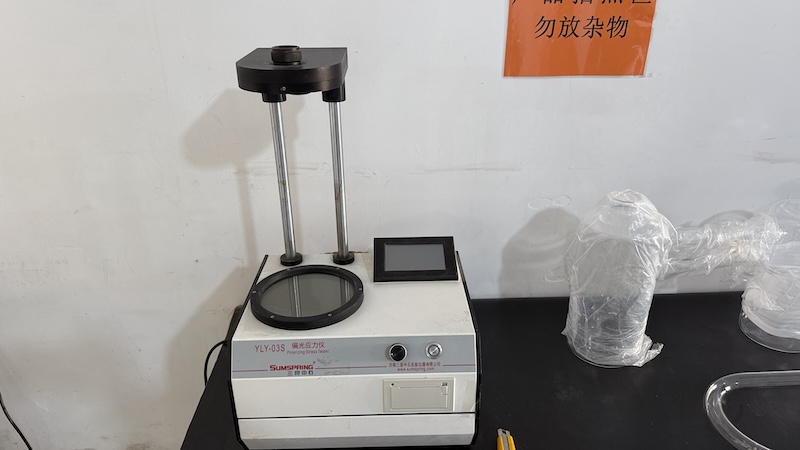
The Danger of Residual Stress in Quartz Flanges
During the manufacturing of quartz flanges—where flat flange discs are fused onto cylindrical quartz tubes via hydrogen-oxygen torch lathes—intense local thermal gradients are introduced. If not systematically eliminated, these thermal memory states manifest as internal stress birefringence, causing catastrophic mechanical shattering once bolting torque is applied or when operating under high-vacuum differentials.
Every single quartz flange exported to Bulgaria undergoes rigorous computerized polarization stress testing in our quality control lab following a full thermal annealing soaking cycle at 1,215°C. This ensures complete structural relaxation, consistent plane flatness down to $\lambda/4$ per 25 mm diameter, and predictable bolt-load distribution during assembly.
Our 12-Step In-House Production Process
Raw Silica Refining
High-grade crystal crushing, mechanical pulverization, and rescreening to high mesh uniformity.
Chemical Leaching & Drawing
Deep acid pickling to purge metal traces, continuous vertical drawing, and primary batch stress-relief.
Thermal Shaping & Welding
Automated glass-lathe fusion of flange faces, precision seam welding, and ultra-high-vacuum testing.
CNC Machining & Export QA
Ultrasonic bolt-hole drilling, diamond polishing, optical laser inspection, and custom wooden crating.
Engineering Best Practices: Bolting, Vacuum Sealing & Thermal Cycling
Quartz exhibits zero plasticity; its ultimate tensile strength differs radically from its compressive strength. To assist maintenance crews and assembly technicians in Plovdiv, our engineering department outlines key operational protocols when integrating quartz flanges into metallic infrastructure.
Gasket Material Selection
Never mount quartz directly against bare stainless steel. For temperatures up to 200°C, employ high-grade fluoroelastomer (FKM/Viton) O-rings. For temperatures ranging between 250°C and 450°C, utilize pure exfoliated flexible graphite gaskets. For ultra-high vacuum applications at ambient temperatures, indium wire seals provide the necessary compliance.
Uniform Torquing Protocol
Quartz flanges are susceptible to fracture under asymmetric bending moments. Fasteners should always be tightened using a cross-pattern (star sequence) with a calibrated digital torque wrench in incremental stages: 30%, 60%, and 100% of specified torque. Incorporate Belleville spring washers to absorb thermal expansion mismatches between steel bolts and the quartz flange body.
Thermal Gradient Moderation
While fused quartz possesses near-zero thermal expansion, sharp localized temperature differentials (exceeding 300°C/cm across a thick flange face) can induce localized shear stress. Ensure heat shields or uniform heater coils envelope the transition shoulder between the flange collar and the tubular body to ensure gentle temperature distribution.
Plovdiv Industrial Procurement FAQ: Commercial, Customs & Technical Clarifications
Here are comprehensive answers to the most frequent inquiries submitted by plant engineers, purchasing directors, and logistics specialists from Bulgarian industrial enterprises.
What are the lead times and shipping routes for custom quartz flanges delivered to Plovdiv?
Can you manufacture quartz flanges directly from CAD files (STEP, DWG, DXF) to custom dimensions?
How do you guarantee that fragile quartz flanges arrive in Bulgaria without transit fractures?
What documentation and compliance certifications accompany European orders?
What is the minimum order quantity (MOQ) for non-standard quartz components?
Connect with Our Fused Quartz Engineering Desk
Require an immediate quotation, technical consultation regarding quartz-to-metal vacuum boundaries, or customized flange machining for your plant in Plovdiv? Our design engineers review your 2D/3D drawings within 24 hours.