Recommended High-Precision Quartz Solutions
Direct from our Lianyungang integrated production lines to Osaka's industrial cluster: standard CF/NW vacuum flanges, customized double-flange reaction vessels, wafer boats, and laser-grade optical sheets.
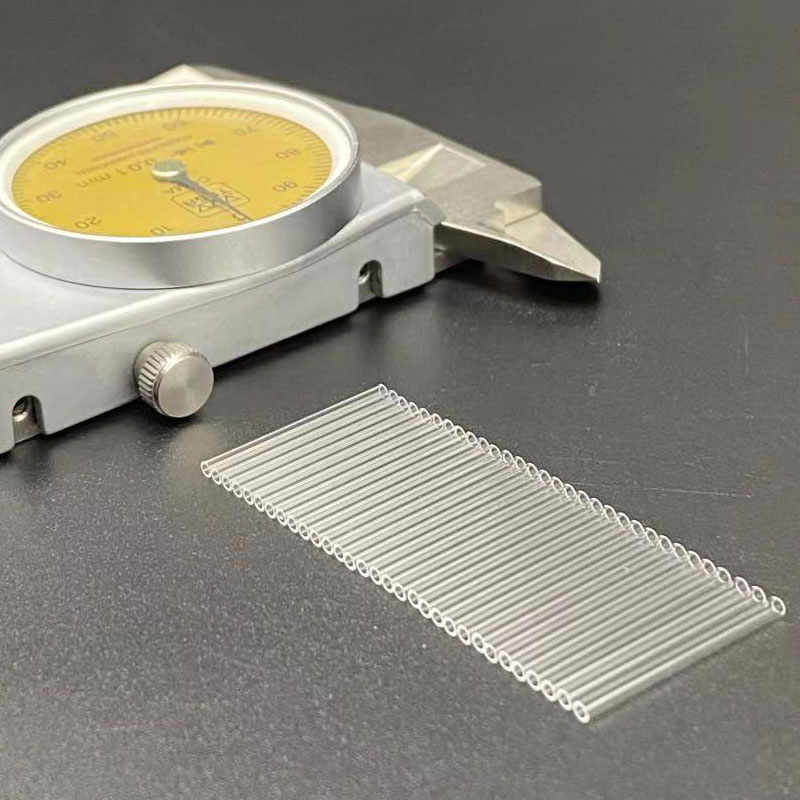
BAO RAN 419 Precision 0.1-0.5mm Quartz Sheet
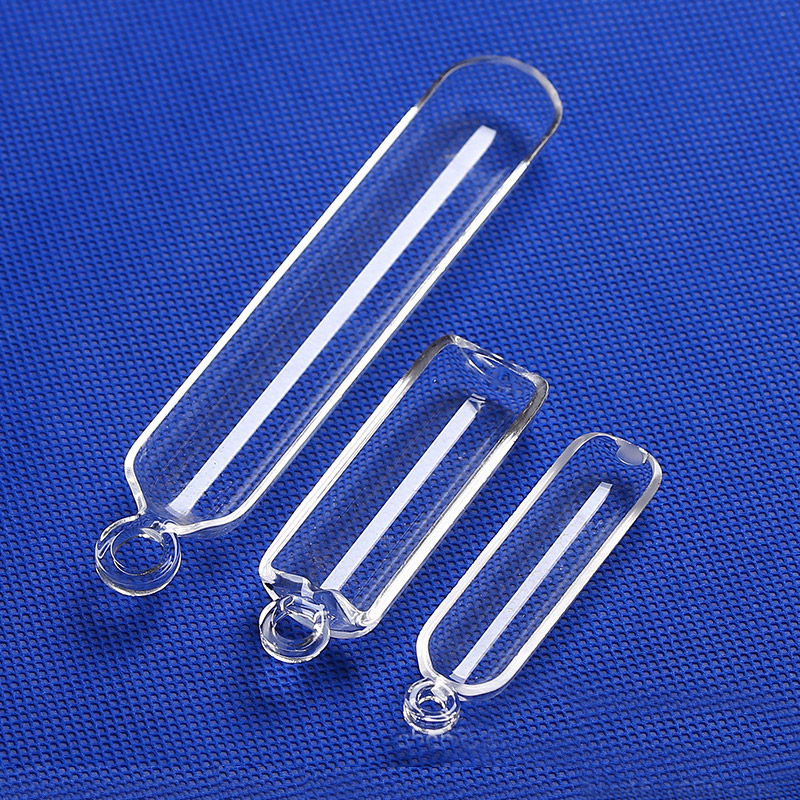
Custom Fused Quartz Boat Laboratory Apparatus
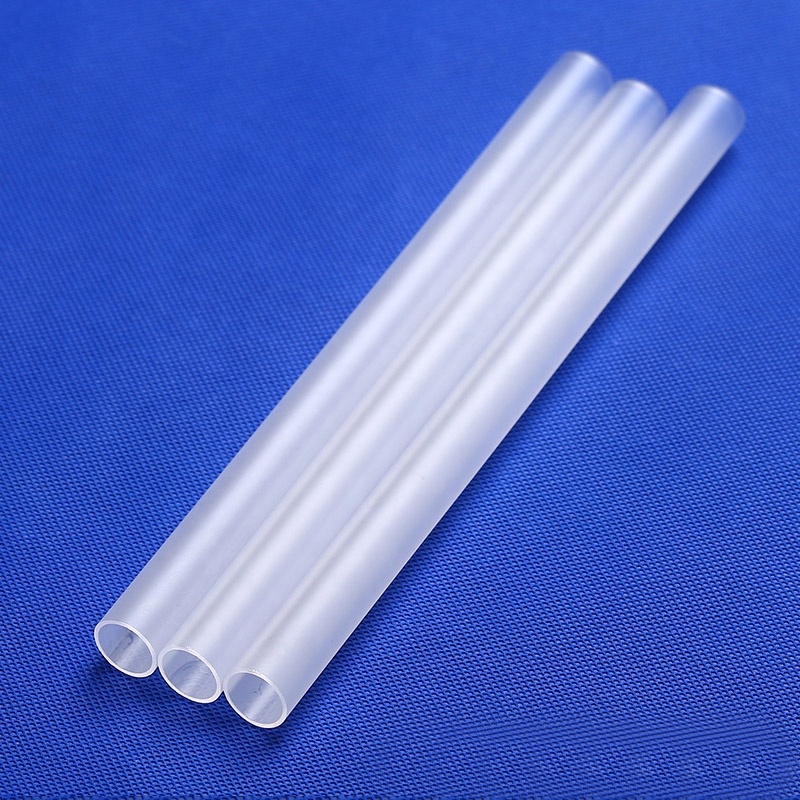
Translucent Polished Quartz Flanged Glass Tube
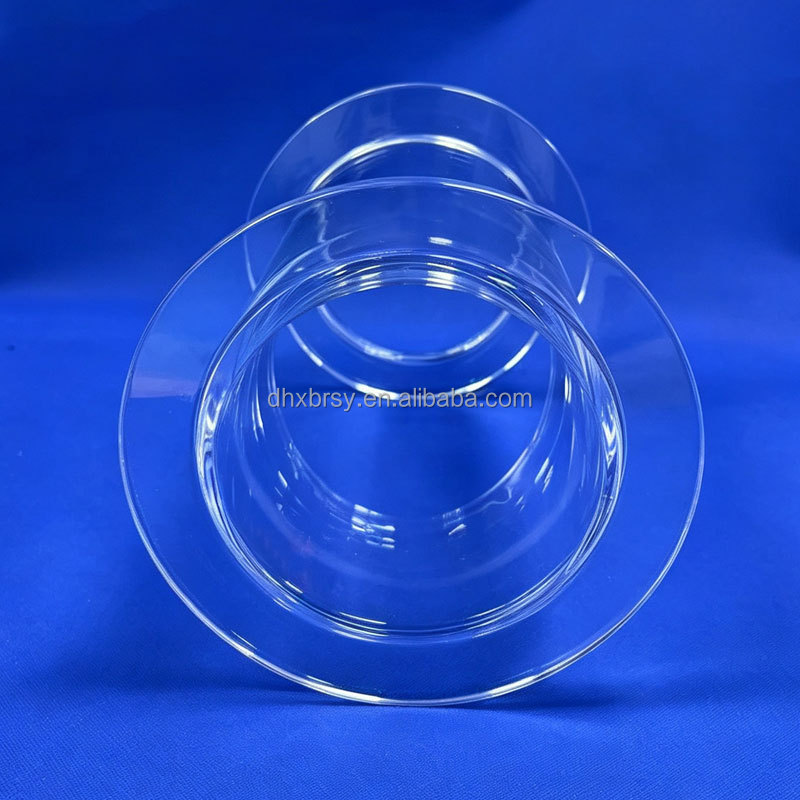
Double Flange Fused Silica Quartz Cylinder
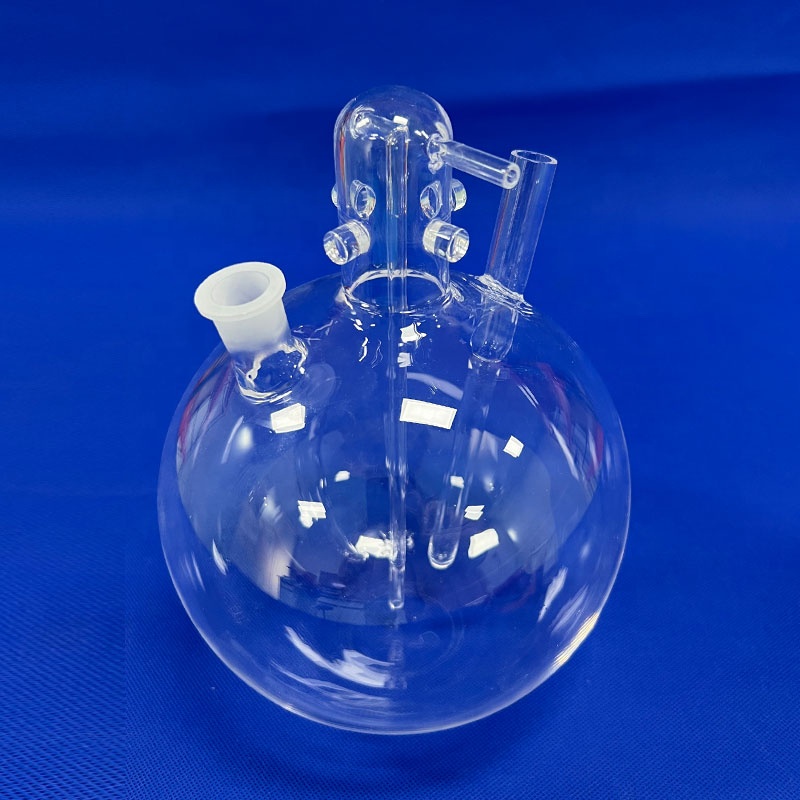
419 Custom High-Purity Quartz Laser Reactor
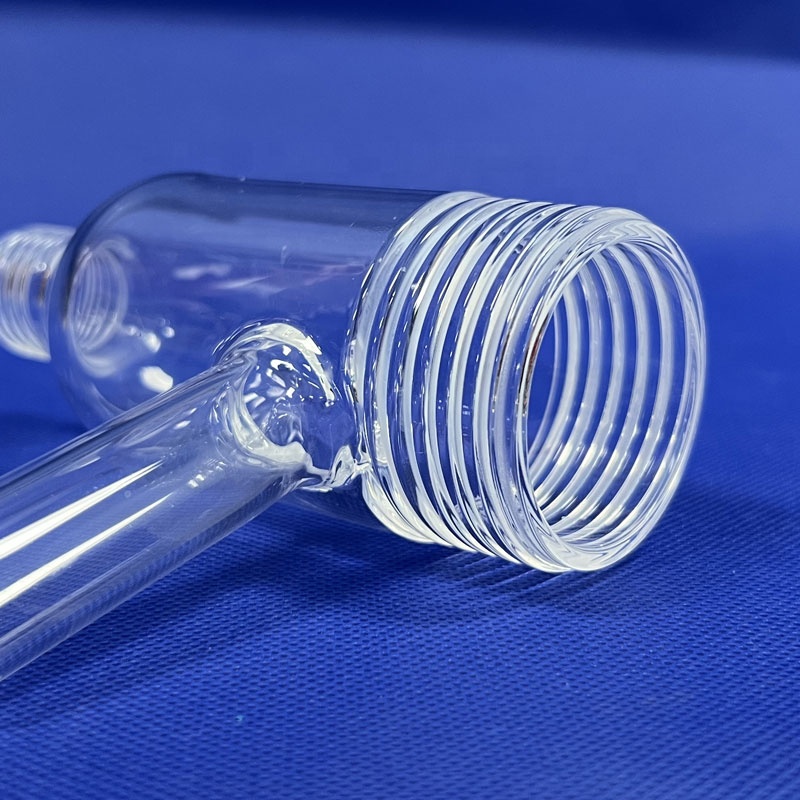
BAO RAN 515 Threaded Quartz Reaction Tube
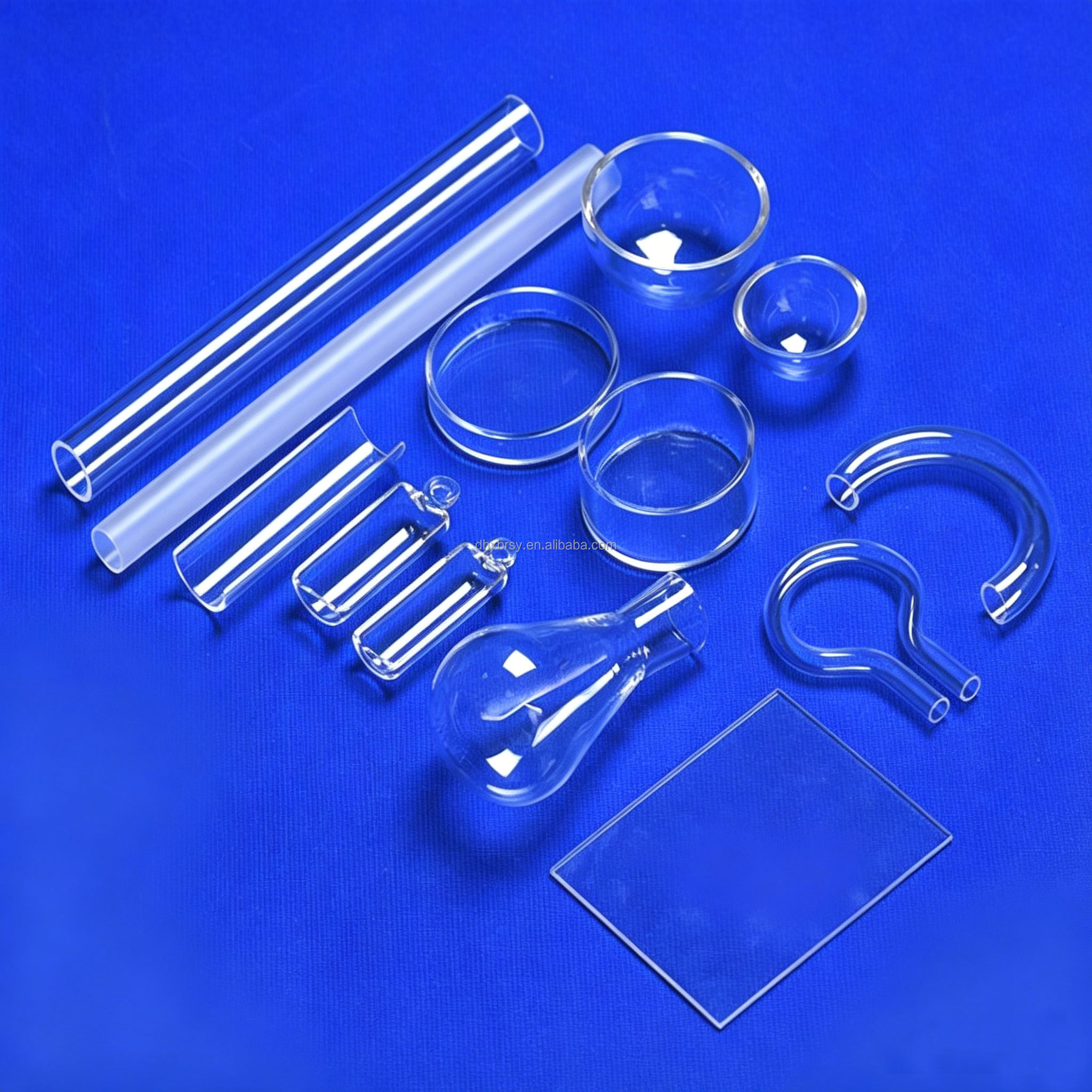
Optical Laser Fused Quartz Inspection Sheet
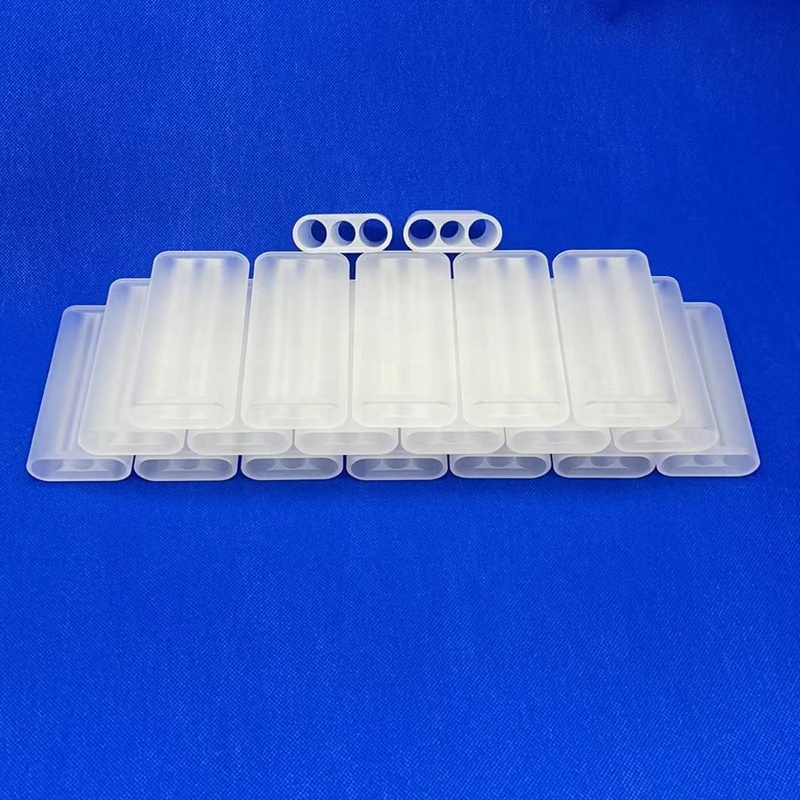
Triple-Bore Quartz Laser Cavity Flow Tube
Industry Whitepaper: The Strategic Importance of Quartz Flanges in the Osaka Industrial Basin
The Greater Osaka manufacturing region—stretching from the Hanshin Industrial Belt through Sakai, Kadoma, and into the Kyoto-Kobe science corridors—represents one of East Asia’s densest clusters of semiconductor manufacturing equipment, precision photochemical reactors, optical inspection instruments, and battery innovation centers. In high-vacuum, high-temperature, and plasma-driven processing environments, the quartz glass flange acts as the vital physical barrier bridging harsh process reactions with precision measurement and gas handling systems.
Unlike metallic flanges made of stainless steel (SUS304/SUS316L) or hastelloy which suffer from plasma etching, heavy metal ion sputtering, and thermal expansion mismatch in rapid thermal annealing (RTP) tools, fused silica quartz flanges provide near-zero thermal expansion (≈ 5.5 × 10⁻⁷ /°C), zero magnetic interference, and electrical insulation exceeding 10¹⁸ Ω·cm at room temperature. For Japanese original equipment manufacturers (OEMs) and process fabs located in Osaka, sourcing quartz glass components with verified chemical purity and mechanical flatness is critical to eliminating micro-leakage and heavy metal wafer contamination during sub-10nm chip node fabrication and high-energy laser sintering.
| Material Property | Synthetically Purified Fused Silica (JGS1) | Flame-Fused Quartz Flange Grade (JGS2) | High-Purity Electrically Fused (JGS3) |
|---|---|---|---|
| SiO₂ Purity Ratio | ≥ 99.999% (Trace OH ≈ 100-200 ppm) | ≥ 99.99% (Low Metallic Contaminants) | ≥ 99.98% (Low Hydroxyl OH ≤ 5 ppm) |
| UV-Vis-IR Cutoff Range | 185 nm - 2,500 nm (Extreme Deep UV) | 220 nm - 2,500 nm (Standard Industrial) | 260 nm - 3,500 nm (Infrared Transparency) |
| Helium Leak Tightness | < 1 × 10⁻¹⁰ Pa·m³/s (Optical Flange Face) | < 5 × 10⁻¹⁰ Pa·m³/s (Ground & Lapped Face) | < 5 × 10⁻¹⁰ Pa·m³/s (Smooth Welded Interface) |
| Softening / Strain Temp | 1,730 °C / 1,070 °C | 1,680 °C / 1,020 °C | 1,750 °C / 1,120 °C |
| Targeted Osaka Applications | Excimer Laser Windows, DUV Lithography Tools | Plasma Etch Chambers, CVD Reactors, Furnace Viewports | High-Temperature Epitaxy & Silicon Carbide Annealing |
Table 1.1: Mechanical and spectroscopic comparison of quartz grades configured for Japanese vacuum process tool specifications. Batch polarization stress tests and spectral transmittance documentation accompany every shipment.
Localized Application Scenarios in Kansai & Osaka Fabs
Precision fused silica flanges fabricated by Lovri Quartz are directly integrated across five primary high-technology manufacturing workflows throughout the Osaka Bay industrial ecosystem:
Semiconductor Plasma Etch & ALD/CVD
Double-flanged fused quartz reaction tubes and observation viewports withstand corrosive fluorine and chlorine plasmas during atomic layer deposition (ALD) in cleanrooms across Osaka and Shiga prefectures. Flange end-faces are CNC-lapped to achieve flatness within 0.005 mm, preventing process gas bypass.
Next-Gen Solid-State Battery Calcination
Research hubs in the Kansai Science City (Keihanna) utilize customized fused quartz combustion boats and flanged pyrolysis tubes. The non-reactive silica surface eliminates lithium and transition metal migration during cathode material high-heat synthesis up to 1,200 °C.
Industrial Laser Machinery & Photonic Wells
Triple-bore laser cooling flow tubes and optical coupling flanges are installed in industrial fiber laser welding instruments fabricated by machine tool makers in Higashiosaka, providing crystal-clear 1064nm optical transmittance without thermal blooming.
Ozone Water Disinfection & Water Recovery
Osaka’s environmental engineering facilities incorporate heavy-wall quartz sleeves and one-end-closed discharge tubes with fused collar flanges for high-frequency dielectric barrier discharge (DBD) ozone generation units, resistant to intense oxidizing shock.
High-Vacuum Sight Glass Viewports
Optical quartz discs welded to step-turned quartz collars provide clear optical viewing ports for ultra-high vacuum (UHV) chambers, compatible with standard ConFlat (CF) and ISO-KF vacuum pipe layouts with elastomer or metal seals.
University & Laboratory Pilot Reactors
Custom threaded reaction tubes, side-arm distillation columns, and multi-port reaction vessels support cutting-edge advanced organic chemistry and catalysis research projects at Osaka University and regional R&D consortia.
Localized Development Trends: The Evolution of Osaka's Quartz Demand
The manufacturing paradigm in Kansai is pivoting toward extreme precision, high integration, and green energy technology. Over the past five years, procurement requirements from procurement engineers in Osaka have displayed three distinct evolutionary trends:
1. Shift to High-Purity Synthetic Fused Silica (JGS1) to Combat Plasma Erosion: Traditional flame-fused quartz materials (JGS2), while cost-effective, can develop micro-pitting under advanced atomic layer etching (ALE) conditions using chlorine/fluorine radicals. Osaka cleanroom equipment engineers are increasingly shifting toward synthetically purified silica featuring trace metal concentrations under 0.1 ppm for components located within the immediate wafer plasma zone.
2. Tightened Tolerances via CNC Grinding Rather Than Manual Torch Shaping: While classical torch glassblowing remains necessary for complex manifold geometries, modern semiconductor standards require vacuum sealing surfaces to be mechanically milled on 4-axis and 5-axis CNC machines. Flange chamfers, bolt-hole circle pitch (PCD), and O-ring grooves (trapezoidal and rectangular dovetails) require dimensional repeatability within ±0.02 mm.
3. Resilience in Supply Chain Diversification: Japanese procurement protocols, traditionally characterized by single-source domestic keiretsu suppliers, have faced persistent bottleneck challenges. Osaka procurement directors are systematically qualifying trusted, direct-source manufacturers like Lovri Quartz—leveraging our SGS-audited 14,271 m² production facility in Lianyungang, China, to reduce lead times from months to weeks without compromising JIS (Japanese Industrial Standards) precision.
Procurement FAQ: What Osaka Engineers & Buyers Frequently Ask
Addressing the technical, logistics, and quality assurance questions standard to Japanese industrial purchasing workflows:
Every quartz flange undergoes specialized computer-controlled annealing cycles at 1,215 °C to completely eradicate thermal residual stress induced during cutting or welding. Post-annealing, 100% of batches are verified under a polarization stress meter. Sealing faces are optical-ground and lap-polished to achieve surface roughness Ra ≤ 0.2 μm, enabling helium vacuum leak rates down to < 5 × 10⁻¹⁰ Pa·m³/s.
Yes. We natively process DWG, DXF, STEP, IGES, and detailed PDF drawings. Our bilingual engineering team reviews geometric tolerances, wall thickness transitions, and thermal expansion relief areas before machining. We routinely produce prototypes with low MOQs (from 1 to 5 pieces) to allow pilot testing before committing to volume fabrication.
Lovri Quartz implements cleanroom packaging standards: parts are ultrasonically cleaned, double-sealed in dust-proof antistatic PE film, encapsulated in custom-molded high-density EPE foam cushions, and suspended inside export-grade multi-layer plywood cases. Consignments shipped via DHL, FedEx, or air freight directly to KIX regularly experience zero breakage rates.
Each shipment includes an official Certificate of Analysis (COA) specifying SiO₂ purity and trace metal concentrations (Fe, Al, Ca, Mg, Ti, Cu), dimensional inspection reports measured on CMM (Coordinate Measuring Machines), and RoHS/REACH compliance declarations. Our production lines are independently verified on-site by SGS Group.
Standard dimensional prototypes and urgent replacement quartz tubes are processed and dispatched within 7 to 10 working days. High-precision CNC components requiring multi-axis milling, diamond drilling, or customized optical polishing are typically produced in 14 to 20 days, followed by 2-day door-to-door express transit to Osaka, Kobe, or Kyoto.
Due to the dramatic disparity in thermal expansion coefficients between fused quartz (5.5 × 10⁻⁷ /°C) and borosilicate glass (33 × 10⁻⁷ /°C) or stainless steel, direct thermal fusion is impossible without failure. We manufacture graded transition seals (quartz-to-pyrex graded tubes) and supply precision-machined quartz flanges with elastomeric Viton/FFKM sealing profiles designed for metal clamp clamping.
Enterprise Competencies: Full-Chain In-House Quartz Manufacturing
Lovri Quartz Products Co., Ltd. is positioned in Lianyungang, Jiangsu Province—the global hub of high-purity silica mineral reserves and quartz glassworking heritage. By supervising every phase of production within our SGS-audited 14,271 m² operational facility, we offer unparalleled technical reliability and competitive economics for Japanese manufacturing partners:
1. Source Material Chemical Control
We do not purchase unverified semi-finished tubing from trading intermediaries. Our factory performs its own raw silica crushing, pulverizing, sieving, and advanced high-temperature acid pickling. This internal control guarantees consistent ≥ 99.99% SiO₂ base material with minimal alkali and transition metal impurities.
2. Precision 12-Stage Manufacturing Route
Our workshop integrates direct tube drawing towers, programmable electric annealing chambers, hydrogen-oxygen glass lathes, high-power waterjet cutters, and 4-axis CNC centers capable of drilling, profile grinding, chamfering, and fire-polishing intricate shapes to drawing tolerances.
3. Rigorous Quality & Stress Metrology
Thermal failures are prevented before dispatch. Every single flanged component is subjected to optical polariscopic strain analysis, verifying that permanent stress birefringence falls well beneath critical cracking limits. Dimensional metrics are logged with precision calipers, bore micrometers, and non-contact optical profilometers.
Engineering Support & Quotations for the Osaka Market
Have an active RFQ, custom design drawing, or immediate replacement requirement for high-temperature semiconductor or lab quartz components? Contact our engineering technical team for rapid evaluation and delivery timelines.