Featured Precision Fused Quartz & Apparatus Products
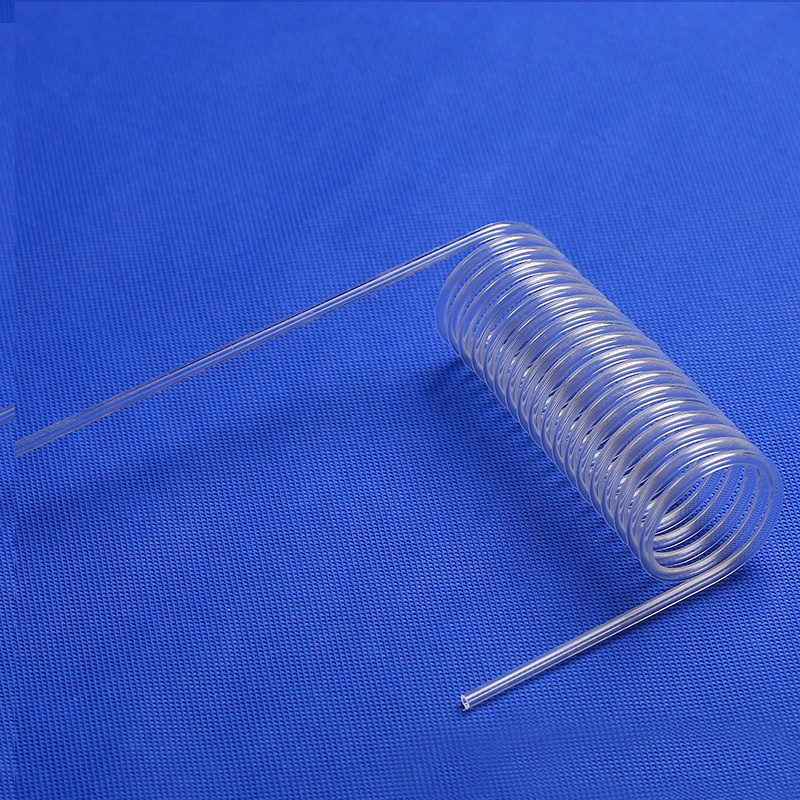
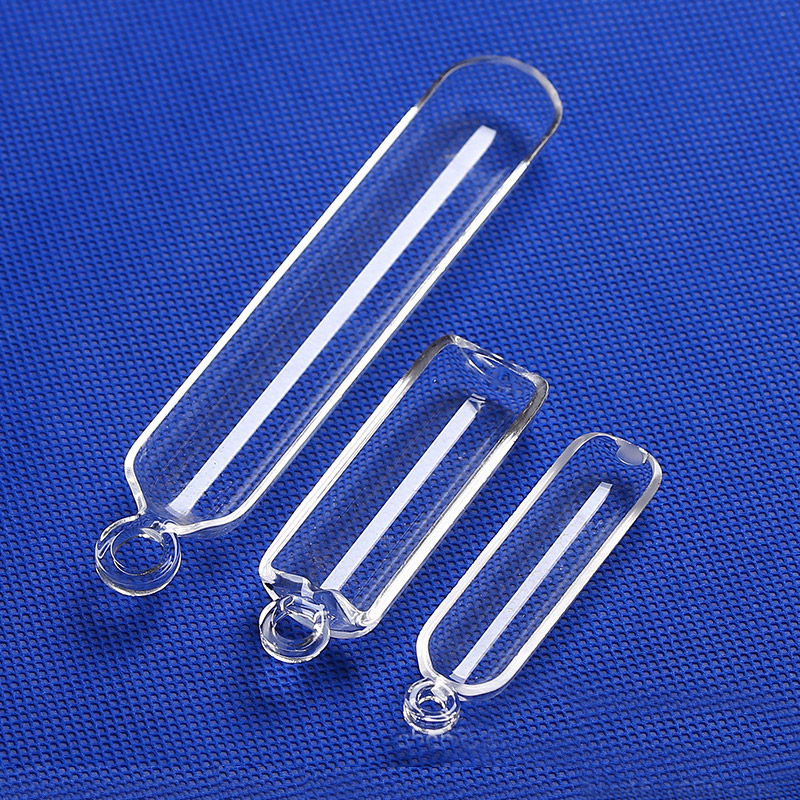
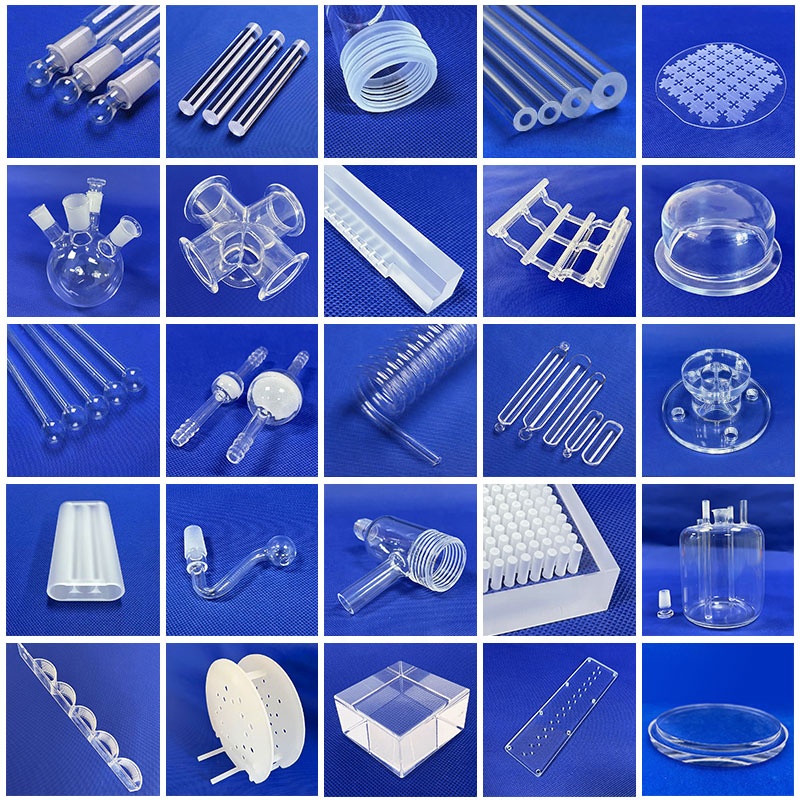
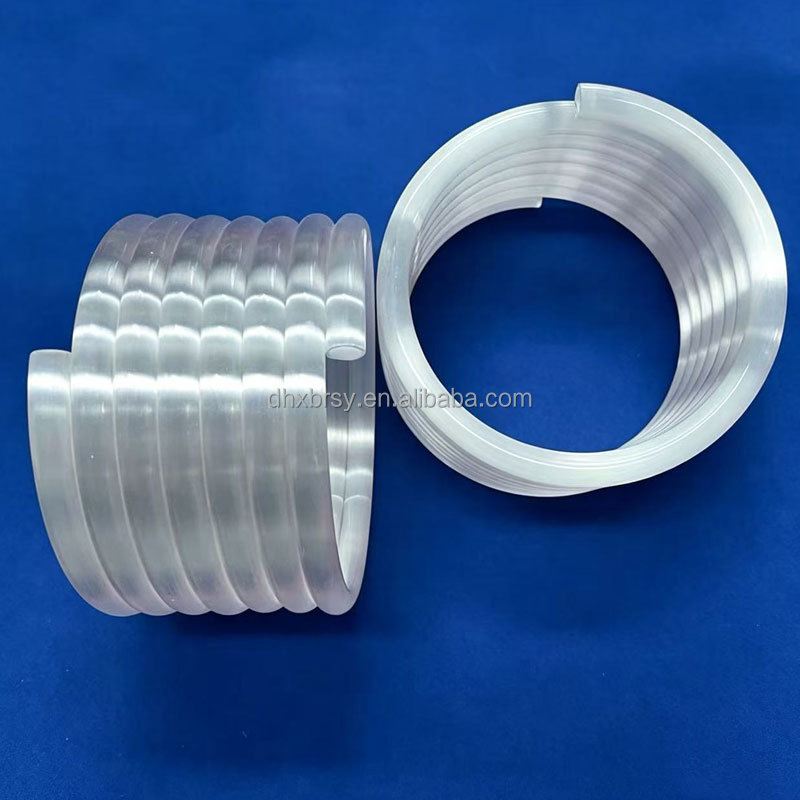
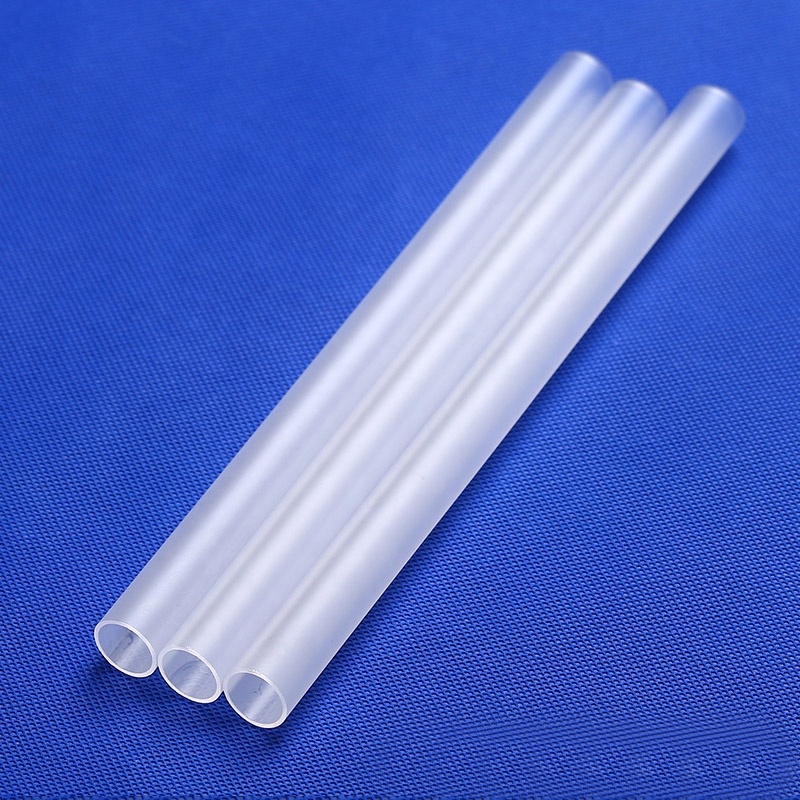
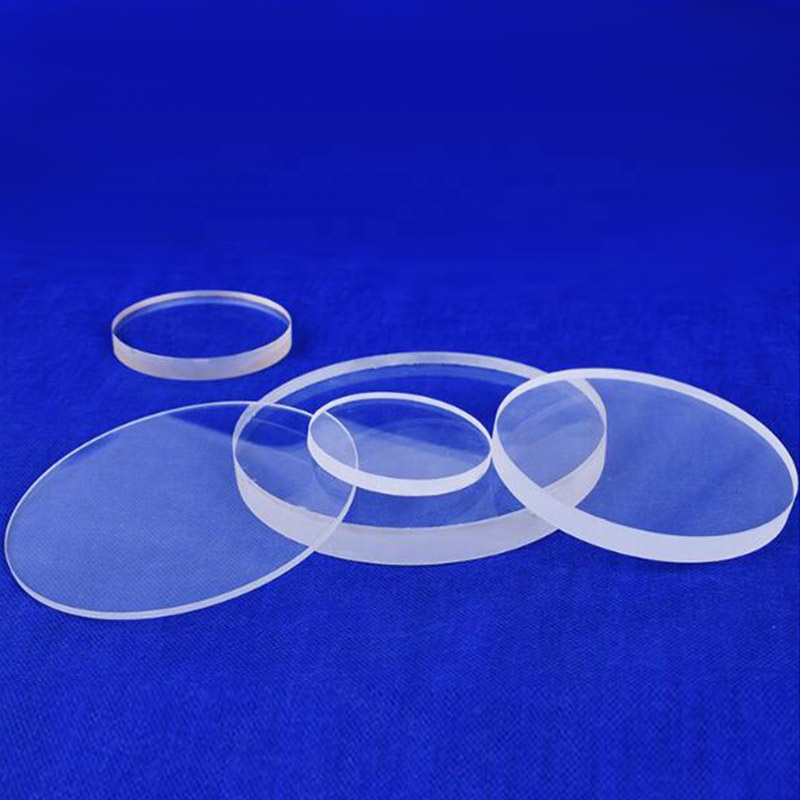
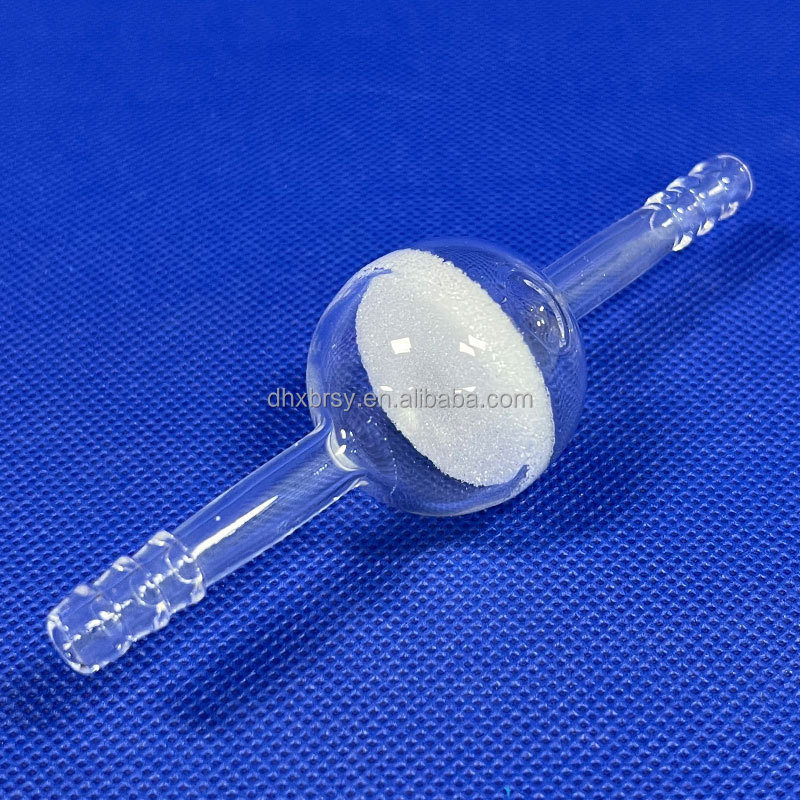
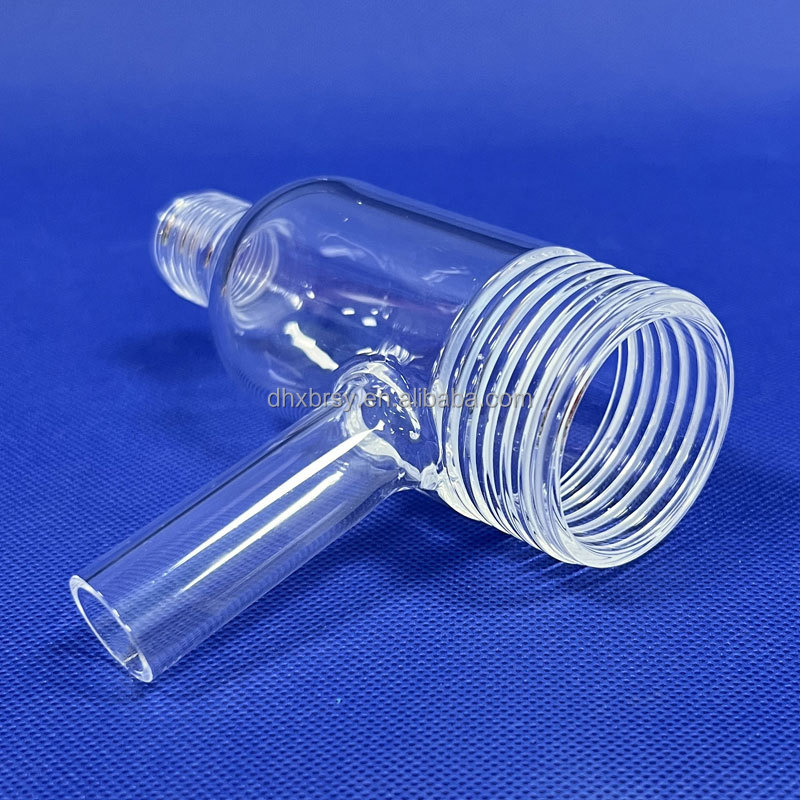
Explore high-temperature boiling flasks, reaction vessels, spiral heating coils, and customized optical fused silica components available for regional delivery to scientific, mining, and industrial institutions in the Dili market.
Comprehensive Whitepaper: The Strategic Importance of Fused Quartz Flasks in Dili's Evolving Laboratory Ecosystem
The Democratic Republic of Timor-Leste, centered around its economic and administrative nucleus in Dili, is undergoing a profound structural evolution across its industrial testing, petroleum assessment, environmental compliance, and university research sectors. In these emerging testing facilities, laboratory glassware operates under demanding climatic and operational circumstances. Traditional borosilicate 3.3 laboratory glass, while sufficient for general ambient chemical titrations, consistently fails when subjected to the elevated thermal cycles, concentrated acid digestions, and trace contamination thresholds demanded by contemporary analytical chemistry. As an established direct-source fused quartz glass manufacturer, Lovri Quartz Products Co., Ltd. delivers high-purity fused silica flasks engineered specifically to surmount the structural and operational limitations typical of standard laboratory glassware in Dili.
Fused quartz flasks—comprising flat-bottom boiling flasks, round-bottom reaction flasks, volumetric measuring vessels, Kjeldahl digestion flasks, and Erlenmeyer geometries—are fabricated entirely from silicon dioxide (>99.99% SiO₂). Unlike borosilicate glass which contains fluxing agents such as boron trioxide (B₂O₃), sodium oxide (Na₂O), and aluminum oxide (Al₂O₃), fused quartz exhibits an amorphous, non-crystalline silica tetrahedral lattice. This architectural purity translates to near-zero thermal expansion (5.5 × 10⁻⁷ /°C between 20°C and 320°C), an extraordinarily elevated annealing point (1,215 °C), and profound chemical inertia against virtually all industrial acids, including concentrated aqua regia, boiling nitric acid, and fuming sulfuric acid.
A red-hot fused quartz boiling flask heated to 1,100 °C can be quenched directly into ice-cold water without micro-fracturing, thermal checking, or structural cleavage. This thermal tolerance is critical in high-throughput mineralogy assays, petroleum residue distillation, and acid reflux procedures commonly performed in tropical testing environments like Dili.
Procuring specialized scientific glassware in Dili historically relied on multi-tiered import distributors operating out of Singapore, Darwin, or Surabaya, adding significant freight overhead, lengthy customs handling, and frequent in-transit breakage without direct manufacturing recourse. By bridging direct technical consultation from our SGS-verified 14,271 m² manufacturing facility in Lianyungang to institutional procurement officers, laboratory managers, and project engineers in Timor-Leste, Lovri Quartz provides direct-from-source precision apparatus, tailored standard ground joints (such as 14/23, 19/26, 24/29, 29/32, and 45/40), and rigorous polarization stress-tested quartz glass.
| Property Parameter | High-Purity Fused Quartz (Lovri JGS2/JGS1) | Standard Borosilicate 3.3 Glass | Operational Significance for Dili Labs |
|---|---|---|---|
| Silica Purity (SiO₂) | ≥ 99.99% | approx. 80.5% | Prevents metal ion leaching in trace ICP-MS and environmental testing. |
| Coefficient of Thermal Expansion | 0.54 × 10⁻⁶ /°C | 3.3 × 10⁻⁶ /°C | Quartz offers 6× lower expansion; zero risk of shattering during rapid quenching. |
| Continuous Operating Temp | 1,100 °C – 1,200 °C | 450 °C – 500 °C | Enables direct open-flame heating, molten salt digestion, and ash calcination. |
| Softening Point | approx. 1,730 °C | approx. 820 °C | Structural integrity maintained under high-vacuum distillation setups. |
| UV-VIS Transmission (200-400nm) | > 90% (Deep UV transparency) | Cut-off below 310 nm | Allows direct in-situ photochemical reactions and UV photolysis studies. |
| Hydrolytic Resistance (ISO 719) | Class HGB 1 (Impervious) | Class HGB 1 | Resists atmospheric vapor attack and alkaline devitrification in high humidity. |
Strategic Fused Quartz Flask Deployment Across Dili Sectors
Timor-Leste's national development frameworks prioritize extractive resources, public health resilience, and high-value export agriculture. Here is how specialized quartz glass flasks power scientific and industrial progress across Dili and its regional territories.
Petroleum Hydrocarbon Analytics & Timor Gap Downstream R&D
As Timor-Leste accelerates downstream exploration and petroleum characterization via the Greater Sunrise fields and Timor Gap developments, laboratories in Dili utilize heavy-wall quartz distillation flasks. Fused quartz withstands sulfur compounds, elevated cracking temperatures exceeding 600 °C, and vacuum petroleum fractionations where borosilicate vessels warp or introduce trace contaminants.
Marine Ecology & Environmental Water Quality at Port of Tibar
With major maritime expansion at Tibar Bay Port and ongoing protection of the Ombai-Wetar Straits marine biodiversity, national monitoring laboratories rely on quartz volumetric flasks and digestors. The ultra-low leaching profile guarantees accurate baseline assessment of trace heavy metals (lead, cadmium, mercury) via Atomic Absorption Spectroscopy (AAS) without container background interference.
Geochemical Mineral Dissolution & Geotourism Assays
Geological assay stations processing mineral deposits, limestone strata, and manganese prospects from Ermera, Manatuto, and Baucau require concentrated acid digestions. Fused quartz Kjeldahl and Erlenmeyer flasks permit extended boiling in hot concentrated perchloric and nitric acids, accelerating digestion cycles while ensuring complete chemical recovery.
Laboratório Nacional de Saúde (Public Health Diagnostics)
Dili's public health institutions and pathology facilities employ fused quartz reaction vessels for ultra-pure reagent synthesis, biological culture incubation under high UV irradiance, and thermal autoclaving. Quartz's superior optical transparency enables direct UV photolysis, enzymatic sterilization, and optical density readings directly through the flask walls.
Organic Coffee Extraction & Agricultural Chemistry
Timor-Leste's specialty Arabica coffee industry demands stringent chromatographic quality control. Fused quartz boiling flasks with ground standard joints facilitate essential oil Soxhlet extractions, pesticide residue screening, and aroma fraction isolation at elevated temperatures without thermal degradation of delicate volatile compounds.
Academic Instruction at UNTL (Universidade Nacional Timor Lorosa'e)
Higher education chemistry and engineering departments in Dili require robust laboratory glass that withstands student handling errors, abrupt flame exposure, and dry-boiling incidents. Fused quartz flasks provide unmatched mechanical and thermal resilience, drastically decreasing annual glassware attrition rates in academic teaching labs.
Market Trends: Transforming Laboratory Supply Chains in Dili
Procuring technical quartz apparatus in Timor-Leste has evolved past fragmented trading agents. Modern institutional procurement officers leverage direct factory partnerships, localized quality benchmarks, and resilient logistics frameworks.
For decades, scientific purchasing in Dili remained subject to the "island supply chain penalty"—inflated prices driven by tertiary distributors in Southeast Asia and Oceania, combined with an average shipping delay of six to twelve weeks. However, the modernization of Timor-Leste's customs clearance frameworks, the operational maturity of the deep-water Port of Tibar, and the adoption of digitalized engineering communications (exchanging STEP/DWG drawings directly between laboratory technicians and quartz glass blowers) have restructured regional procurement.
Four distinct macroeconomic and technological trends are shaping quartz glassware adoption across Dili:
1. Shift Toward Trace Contamination Reduction: Environmental baseline audits funded by international NGOs and governmental authorities require detection limits at parts-per-billion (ppb) and parts-per-trillion (ppt) thresholds. Standard borosilicate glassware leaches measurable amounts of silica, boron, and alkali metals into solution during hot acid extractions. Fused quartz flasks, synthesized with ≥ 99.99% SiO₂, eliminate leaching artifacts, ensuring regulatory integrity for Dili's monitoring data.
2. Consolidation of Direct-from-Factory Consignments: Rather than issuing piecemeal purchase orders through local general merchandise traders, procurement entities—including petroleum consortiums, the Ministry of Agriculture and Fisheries, and private geotechnical firms—now contract directly with dedicated quartz manufacturers. Direct procurement guarantees batch-level material inspection certificates, polarization stress relief verification, and substantial volume economies.
3. Demand for Custom Fabrications over Stock Dimensions: Research and industrial pilot plants in Dili increasingly mandate custom flask configurations: multi-neck round bottom flasks with off-axis sampling ports, jacketed quartz reaction vessels for cryogenic cooling, and threaded neck terminations that interface with PTFE tubing for hermetic vacuum processing. Standard off-the-shelf distributor catalogs cannot fulfill these non-standard engineering demands.
4. Resilience Against Tropical Atmospheric Degradation: Dili experiences elevated ambient temperatures coupled with sustained coastal humidity and maritime airborne salinity. Lower-tier laboratory glass undergoes surface weathering, alkali leaching, and micro-hazing when stored in non-climate-controlled warehouses. Fused quartz glass is chemically impervious to atmospheric weathering, preserving optical clarity and volumetric calibration across multi-year storage cycles.
Why Global Laboratories & Dili Buyers Partner with Lovri Quartz
Headquartered in Lianyungang, China—the epicenter of high-purity natural silica processing—Lovri Quartz Products Co., Ltd. controls the complete production chain from raw mineral purification to automated CNC lathe glassblowing.
Integrated Chemical Acid Pickling (99.99% SiO₂)
Unlike assemblers who buy secondary commercial tubing, we crush, screen, and acid-pickle raw silica lumps in-house. Removing embedded heavy metal cations ensures stable electrical resistivity, extreme thermal resistance, and exceptional chemical inertness.
Polarization Stress Inspection & Annealing
Residual stresses caused by hand blowing or uneven flame work represent the leading cause of catastrophic flask failure. Every quartz vessel undergoes thermal annealing at 1,215 °C followed by optical polarization inspection to verify stress-free wall transitions.
Multi-Axis CNC Machining & Standard Tapers
We form precision ground glass joints (standard taper 14/23, 19/26, 24/29, 29/32, 45/40) with sub-micron circularity, ensuring leak-free vacuum seals down to 10⁻⁵ mbar without demanding excessive grease that could contaminate sensitive samples.
Onsite SGS Verification & International Compliance
Our facility operates under rigorous international quality assurance protocols verified on-site by SGS Group. All quartz products conform to RoHS hazardous material directives and CE compliance benchmarks for European and Asian destinations.
Export-Grade Shockproof Cushioning Packaging
Fragile laboratory glassware dispatched to Dili receives individual multi-layer expanded polyethylene (EPE) custom-cut foam inserts, enclosed within vacuum barrier bags, reinforced double-wall corrugated cartons, and non-fumigation plywood crates.
Flexible Low MOQ & Rapid Prototyping
Whether your Dili testing facility requires a single specialized three-neck 5,000 mL reaction flask built to a custom STEP file or an ongoing shipment of 500 standard Erlenmeyers, we support rapid prototyping starting from an MOQ of 1 piece.
Frequently Asked Questions for Dili Procurement Teams
Everything you need to know about specifying, ordering, customs clearing, and deploying high-purity quartz glass flasks in Timor-Leste.
What are the primary operational differences between fused quartz flasks and borosilicate flasks?
How does Lovri Quartz prevent transit breakage for deliveries into Dili or Tibar Bay Port?
Can you manufacture quartz flasks to match our unique drawing specifications and custom ground joints?
Which optical grade of quartz is appropriate for laboratory reaction flasks: JGS1, JGS2, or JGS3?
What are the minimum order quantities (MOQ) and standard lead times for shipping to Timor-Leste?
Are quartz flasks susceptible to attack by any particular laboratory reagents?
How does Lovri Quartz verify that custom flasks are free from dangerous thermal stress?
Upgrade Your Dili Laboratory with Direct-Source Fused Quartz Apparatus
Whether you are outfitting a new environmental testing facility at Tibar Bay, upgrading petroleum research autoclaves, or commissioning custom-engineered quartz reaction flasks, Lovri Quartz provides direct engineering consultation, certified 99.99% SiO₂ quality, and reliable international delivery.