99.99% SiO₂
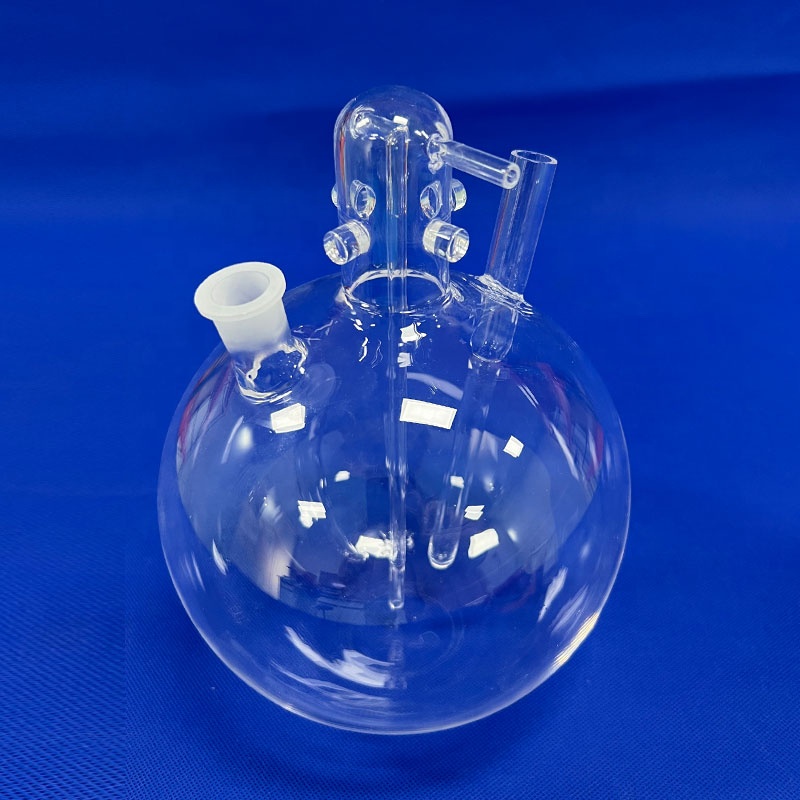
Engineered to withstand continuous operation up to 1100°C, thermal shock delta exceeding 1000°C, and severe chemical attack in advanced thermal and analytical processes.
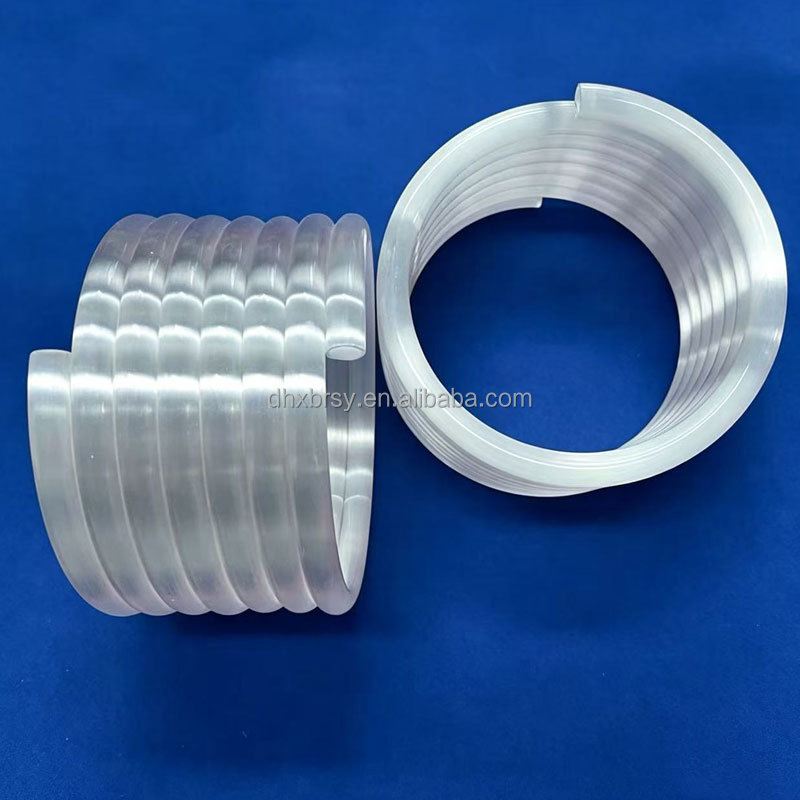
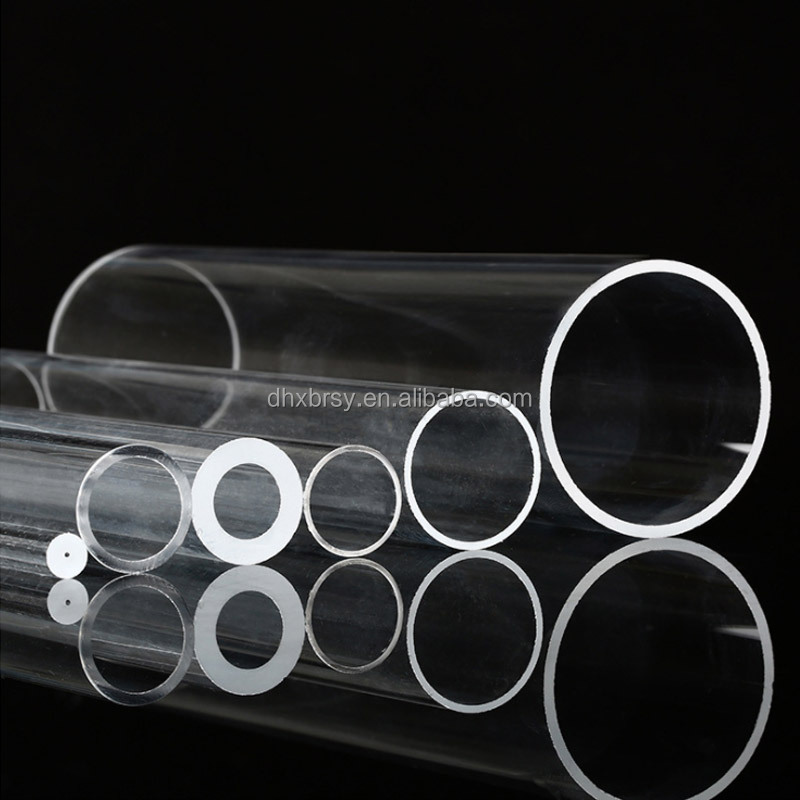
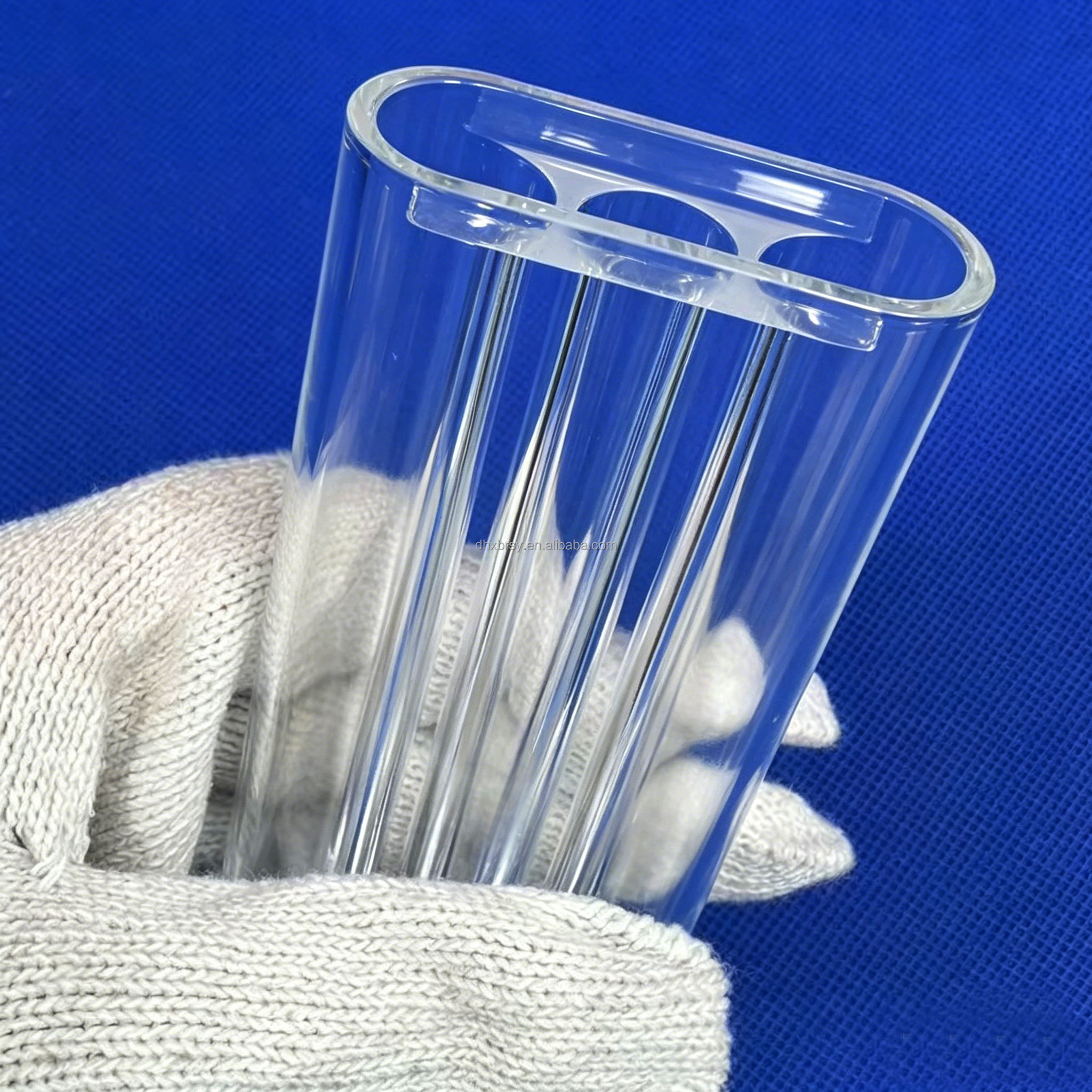
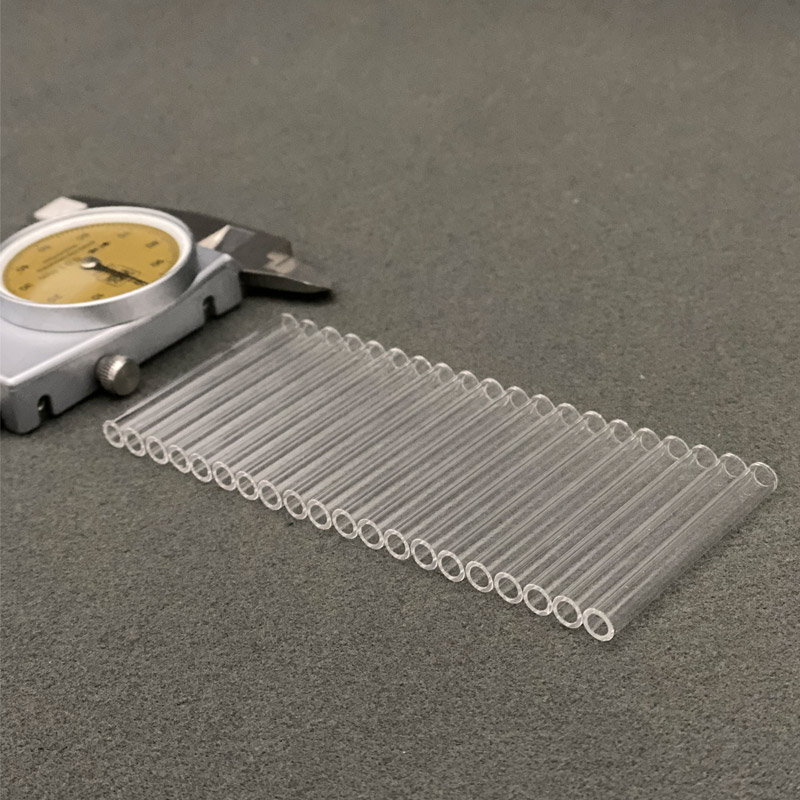
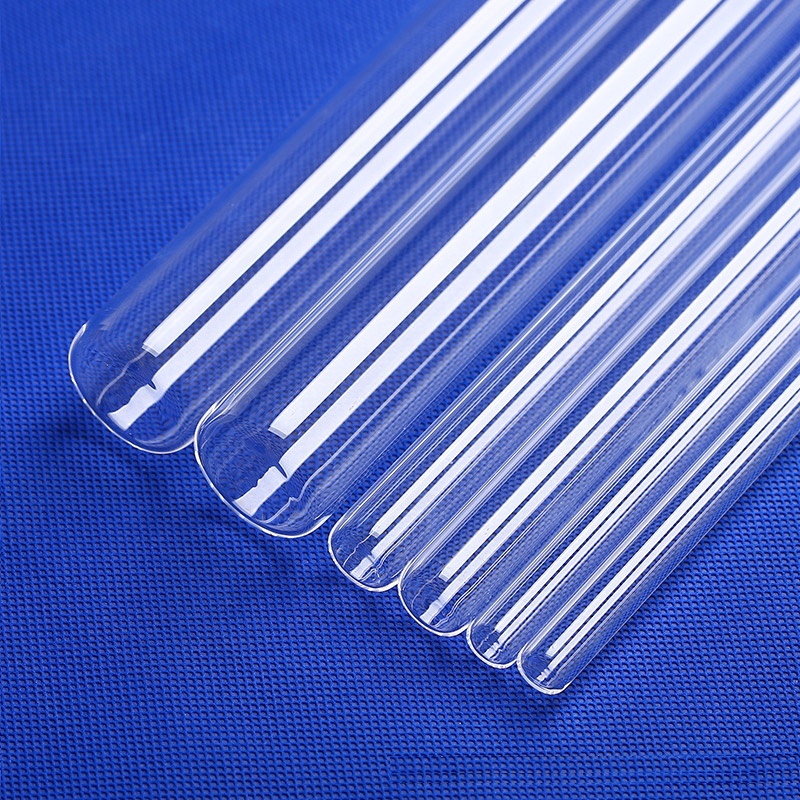
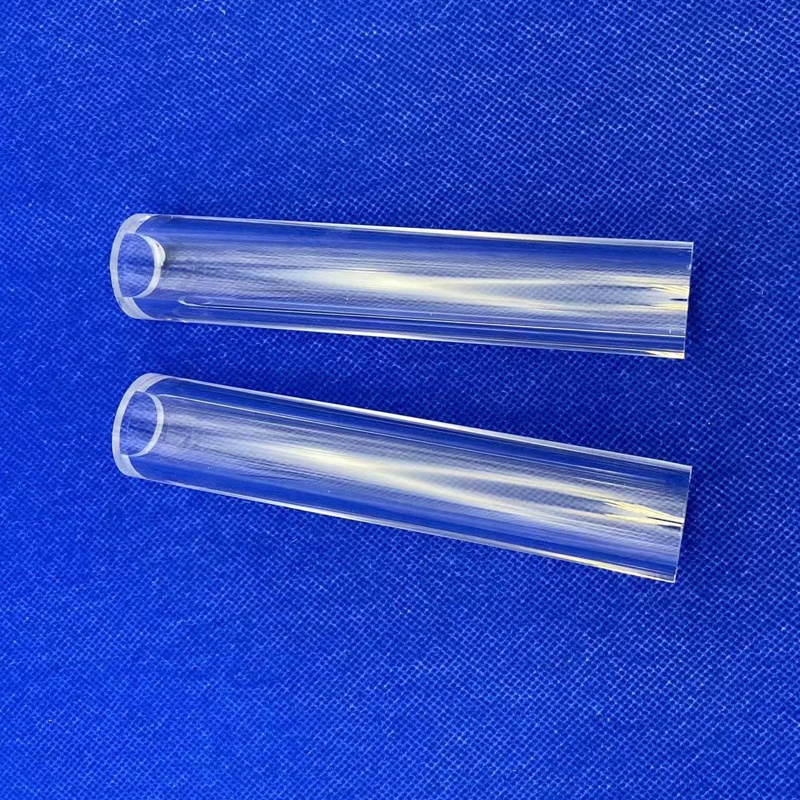
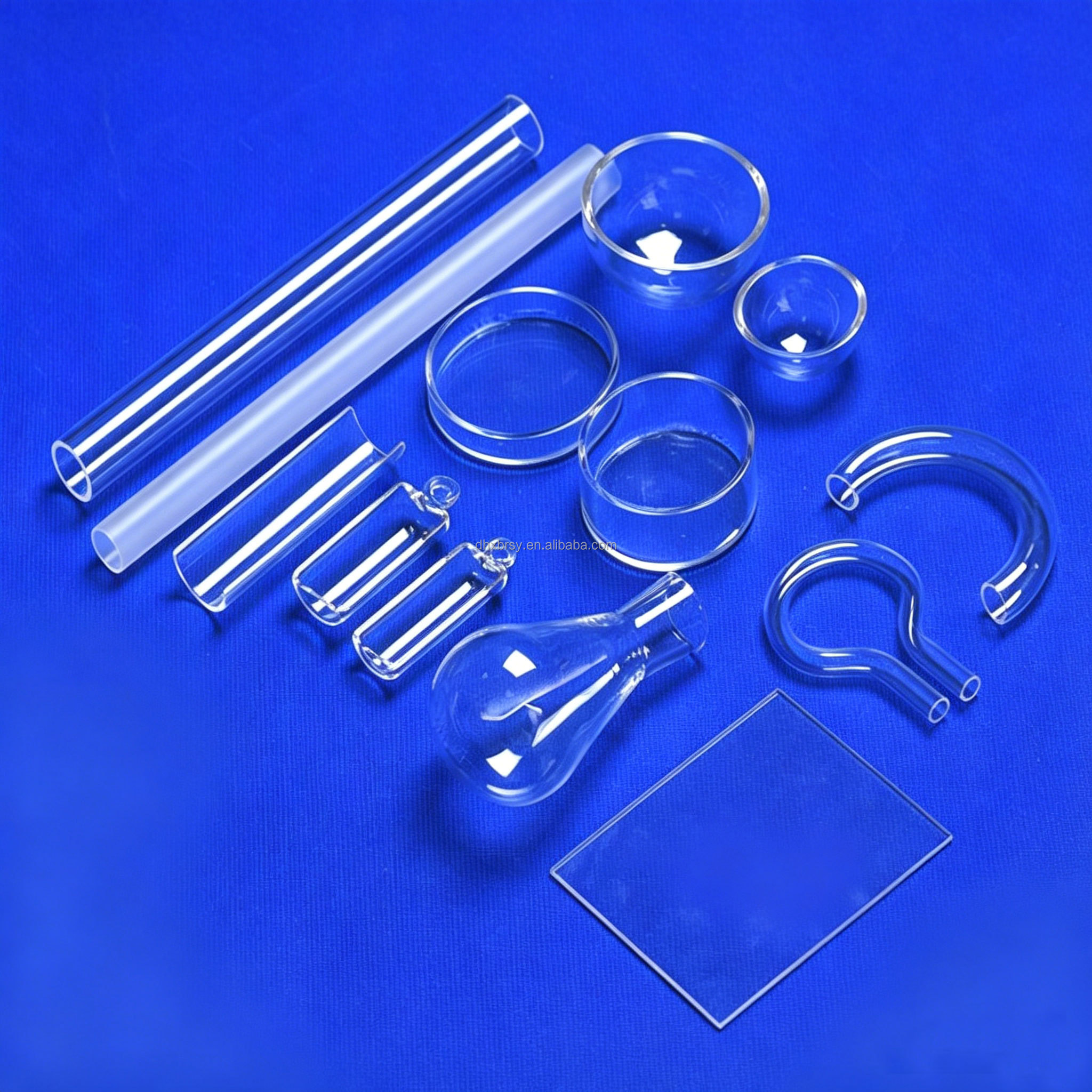
As the economic core and manufacturing engine of the Lao People's Democratic Republic, the Vientiane Prefecture is witnessing significant modernization across chemical testing, mineral refining, clean energy infrastructure, and industrial manufacturing. Standard laboratory borosilicate glass frequently falls short under the rigorous thermal gradients and corrosive chemistry encountered in these operations. Fused quartz glass—comprising 99.99% amorphous silicon dioxide (SiO₂)—bridges this technical bottleneck by providing an operating thermal boundary up to 1100°C, zero risk of thermal shock breakage, and near-absolute chemical inertness across neutral, acidic, and halogenated media.
Potash extraction in the Vientiane Basin and high-grade copper/gold analysis require fire assay crucibles, quartz digestion tubes, and calcination combustion boats that remain completely unreactive against concentrated boiling HNO₃, HCl, and aqua regia during sample extraction.
Within the Saysettha Comprehensive Development Zone and the Vientiane Special Economic Zone, solar wafer slicing, cell annealing, and electronic assembly lines rely on Lovri's furnace process tubes, quartz wafer boats, and ultra-flat carrier substrates that guarantee zero heavy-metal leaching.
Laboratories at the National University of Laos (NUOL) and municipal food/environmental inspection bureaus in Vientiane employ our deep-UV transmission cuvettes (JGS1), chromatography capillary columns, and triple-bore laser flow tubes for high-precision analytical spectroscopy.
Historically, securing premium fused quartz glassware for operations in Vientiane presented chronic logistical hurdles. Consignments faced prolonged transit via maritime routes entering Thailand's Laem Chabang Port, followed by transshipment by road across the Mekong via the First Thai-Lao Friendship Bridge. This double-handling regime exposed brittle glassware consignments to significant micro-fissuring risks and elevated inventory carrying costs.
The operational maturity of the China-Laos Railway (Kunming–Vientiane Railway) has fundamentally redesigned the industrial supply line for advanced silica components. Sourced directly from our manufacturing base in Lianyungang, Jiangsu, crated quartz components transit seamlessly to Vientiane South Station within 5 to 7 operational days. This direct multimodal artery offers four transformative benefits for Lao manufacturing and testing enterprises:
Critical furnace tube failures and replacement quartz reactor chambers can be fabricated, annealed, and delivered to Vientiane production floors within 10 to 14 days door-to-door, preventing prolonged plant shutdowns.
By bypassing multiple border transfer freight hubs, the smooth railway corridor eliminates rough road vibrations, ensuring precision-ground optical surfaces, fine capillary bores, and delicate weld joints arrive defect-free.
Purchasing direct from our SGS-audited source manufacturing base in Lianyungang circumvents foreign trading markups and regional agency premiums, saving procurement teams in Laos 25% to 40% on recurring consumables.
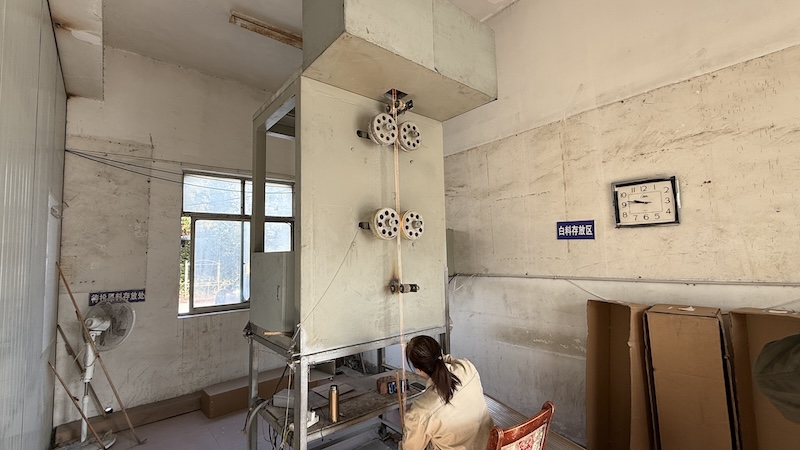
Lovri Quartz Products Co., Ltd. operates a comprehensive, vertically integrated fused silica manufacturing ecosystem in Tuofeng Industrial Park, Lianyungang. Rather than outsourcing semi-finished glass tubing, our technicians oversee the continuous production process from high-grade raw silica lump selection, crushing, and hot acid wash, up to precision 5-axis CNC machining, thermal tube drawing, and polarization stress relief.
Key technical, quality control, and logistics considerations addressable before issuing requests for quotation (RFQs).
Consult with our quartz fabrication engineers to finalize dimensional tolerances, optical transmission grades, and bulk or prototyping lead times for your Vientiane operations.
Get Catalog